We started this page after years of being asked the same question by clients: "why won't you use that product?" The honest answer is that we screen every material we install against the same toxicology databases that international researchers and regulators use. This page walks through the chemistry, family by family — original drawings, plain-language summaries, and links to the deeper data for anyone who wants to read the studies themselves.
Filter the grid below by building material category, health-hazard endpoint, or which authority has the chemical family on its list. Click any card to drop into the full chemistry profile.
How to read the dots
Every chemical card shows a colored dot for each toxicology database we screen against. Color tells you the listing status:
Materials We Use (And You Should Too)
Sixteen building materials Earth Bound Homes specifies in place of the chemistry-driven products on our avoid list. Each one screens clear across all nine toxicology databases. Click any card to read what it is, how it's made, why we use it, and where in your home it fits.
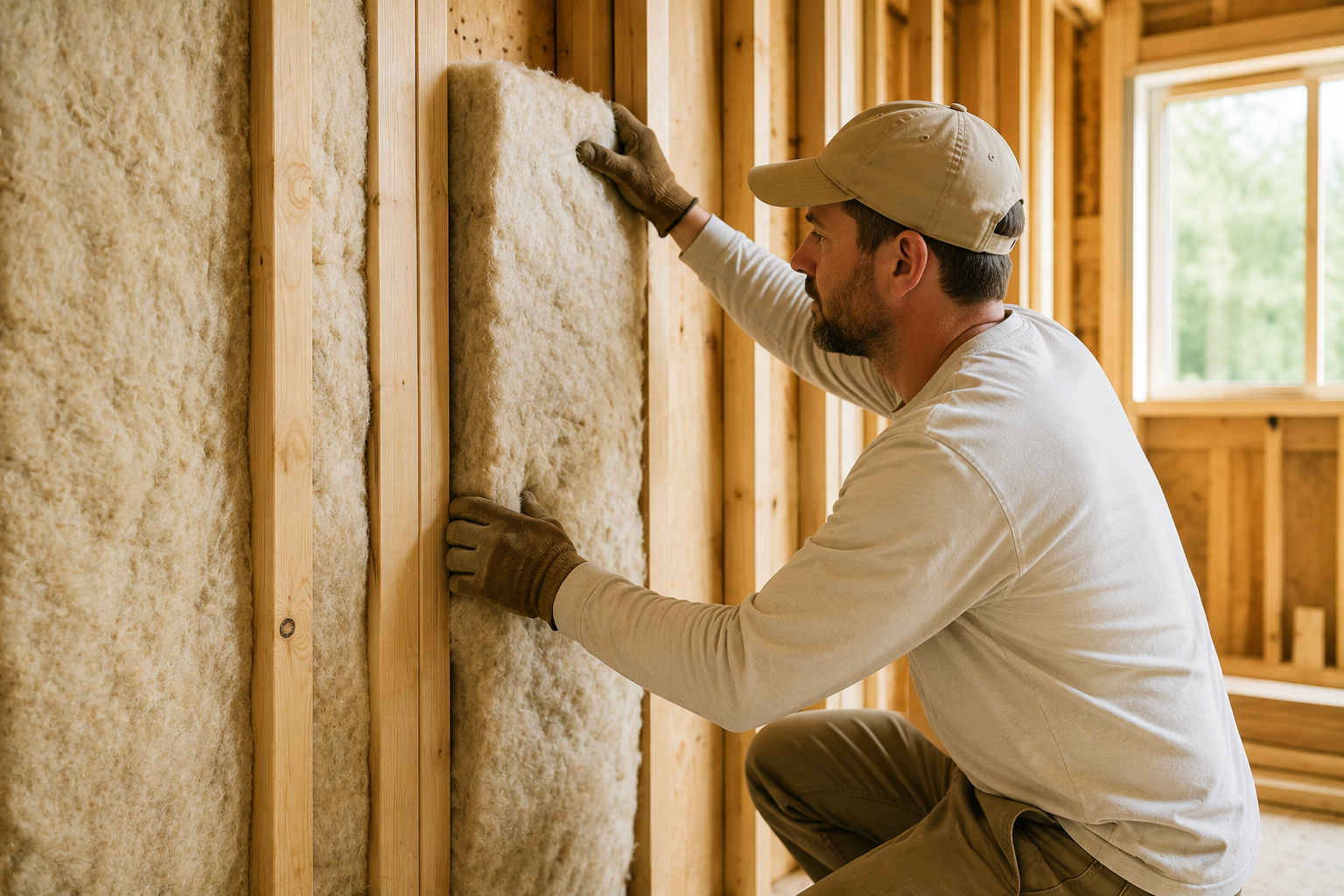
Sheep's Wool Insulation
Naturally fire-resistant, moisture-buffering animal fiber — biodegradable at end of life.
Why we use it →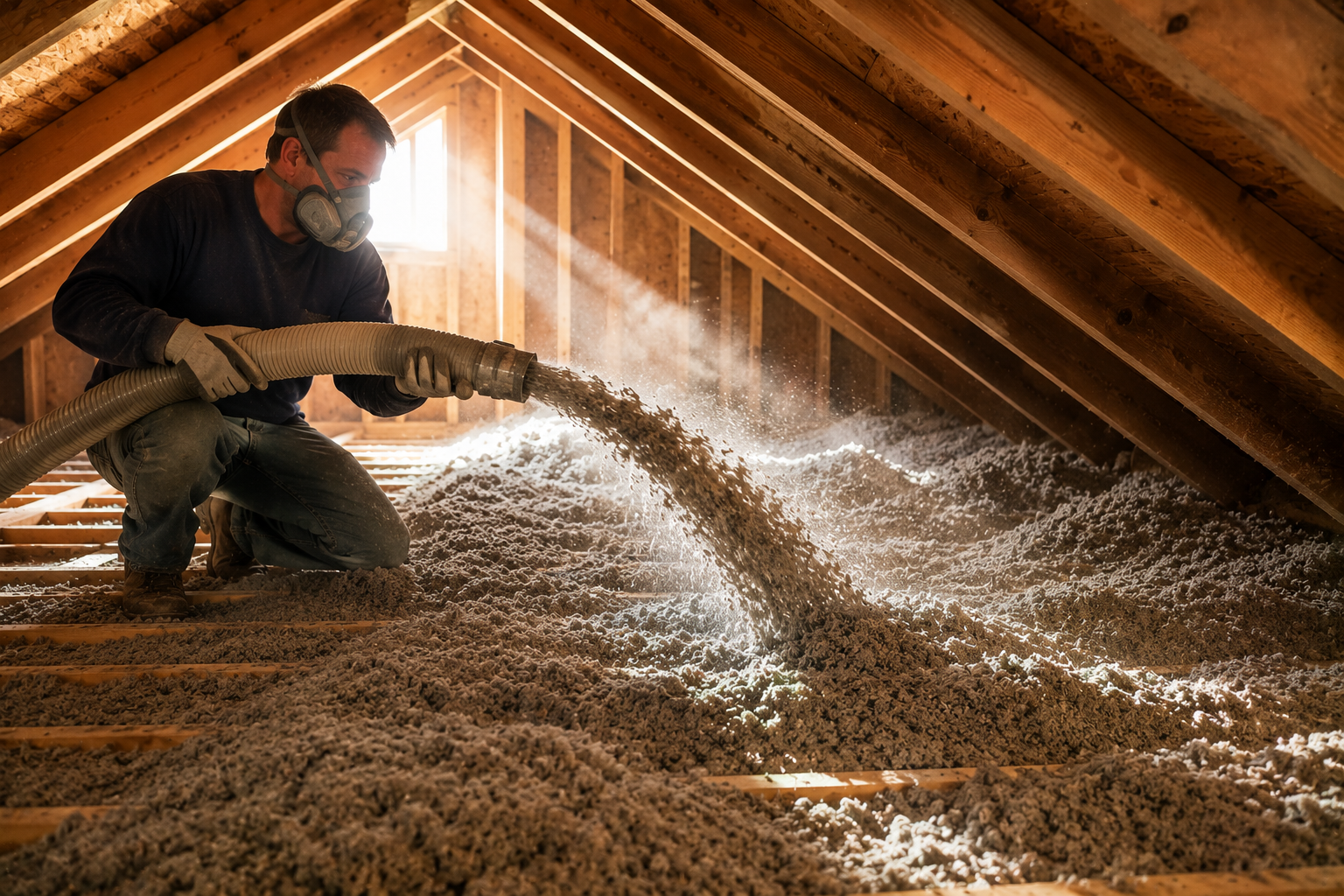
Cellulose Insulation
Recycled newsprint and cardboard with borate fire treatment — the lowest-embodied-carbon insulation on the market.
Why we use it →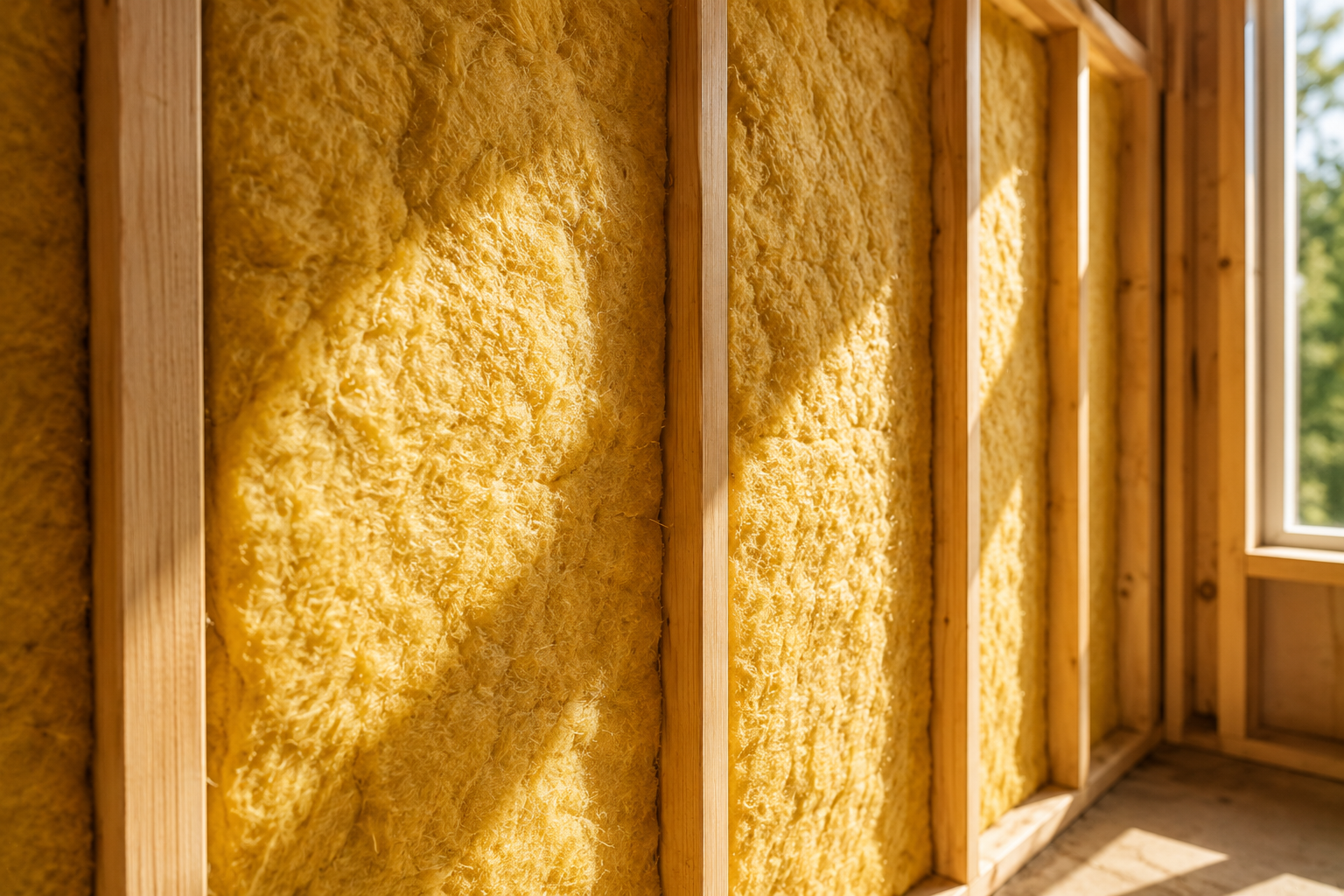
Mineral Wool - Formaldehyde Free Only (Not Available in North America)
Spun molten basalt or slag — naturally fire-resistant rock fiber that doesn't burn, melt, or off-gas.
Why we use it →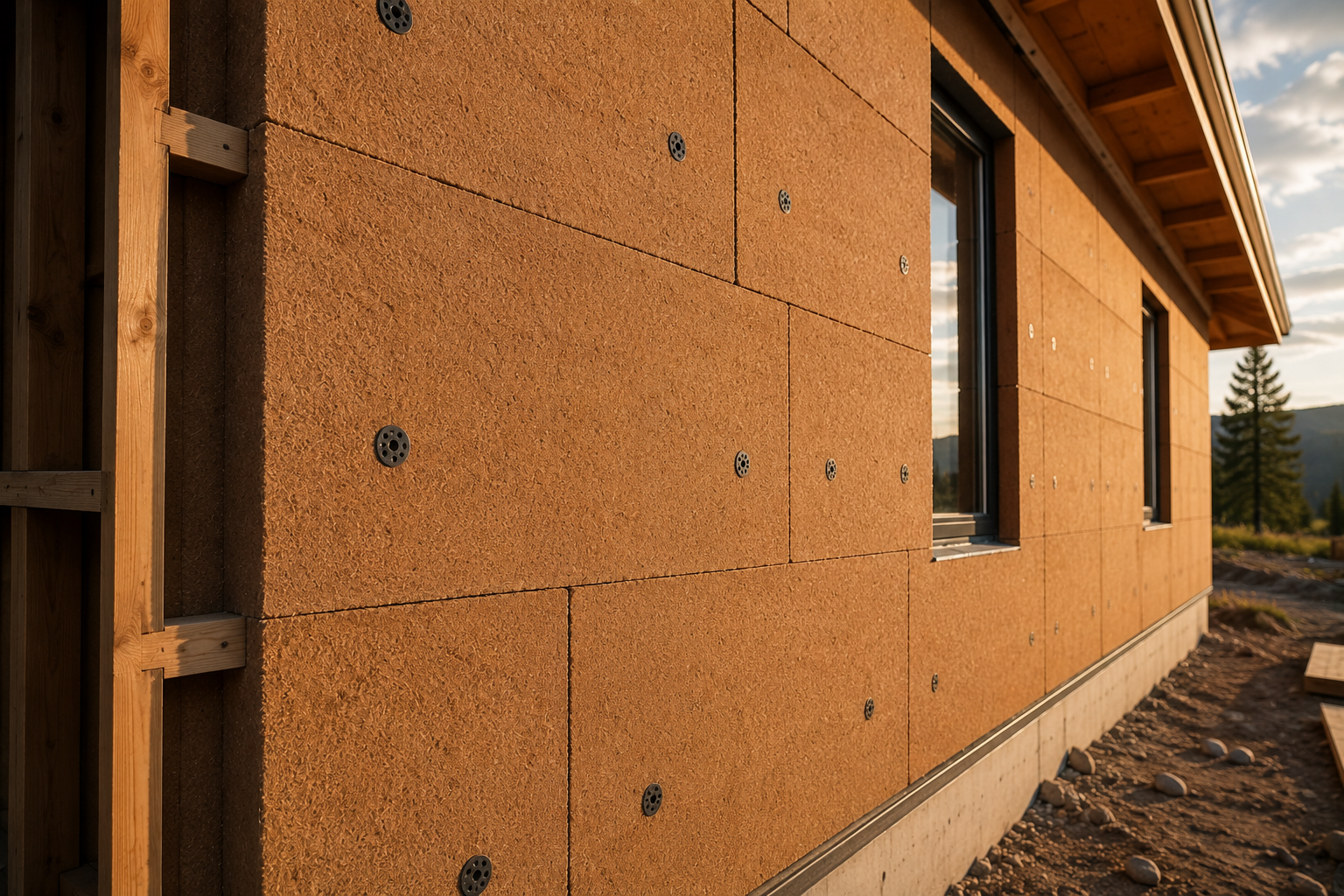
Wood Fiber Insulation
Compressed sawmill softwood waste — vapor-open, fire-resistant, and carbon-storing.
Why we use it →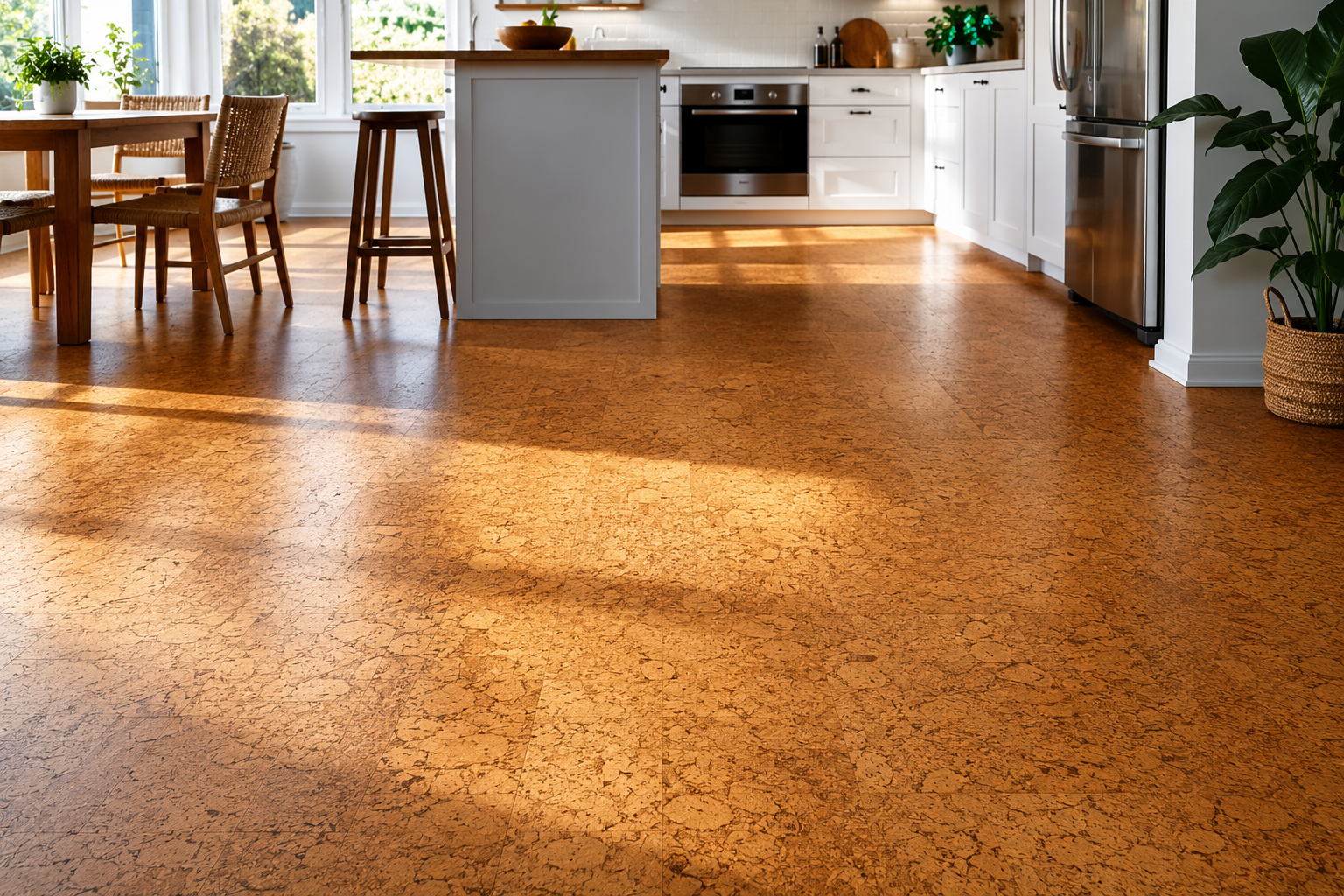
Cork Flooring
Renewable bark-based flooring — soft underfoot, sound-absorbing, naturally antimicrobial without any added biocide.
Why we use it →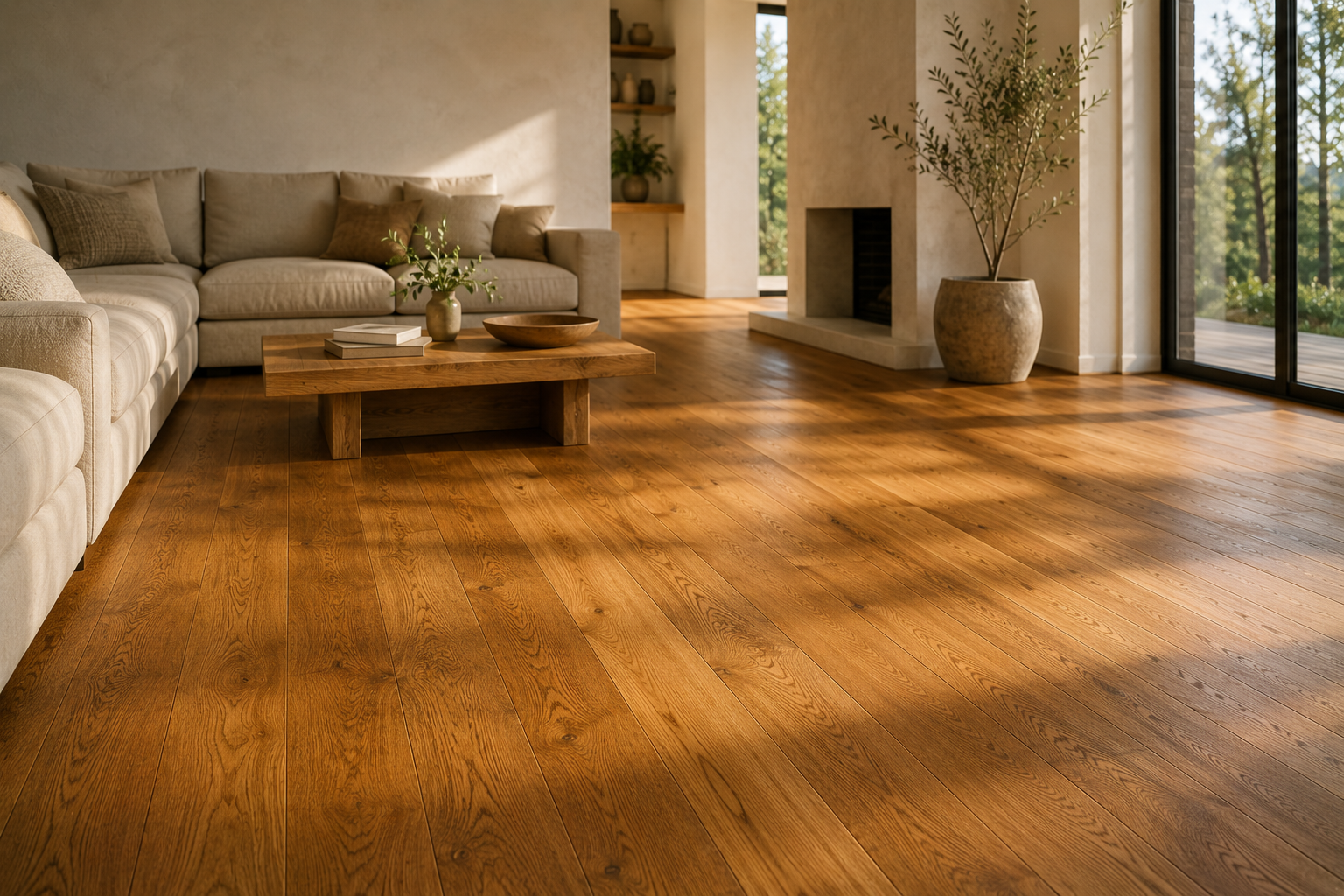
FSC-Certified Solid Hardwood
Solid wood from sustainably managed forests — no urea-formaldehyde resin, no off-gassing.
Why we use it →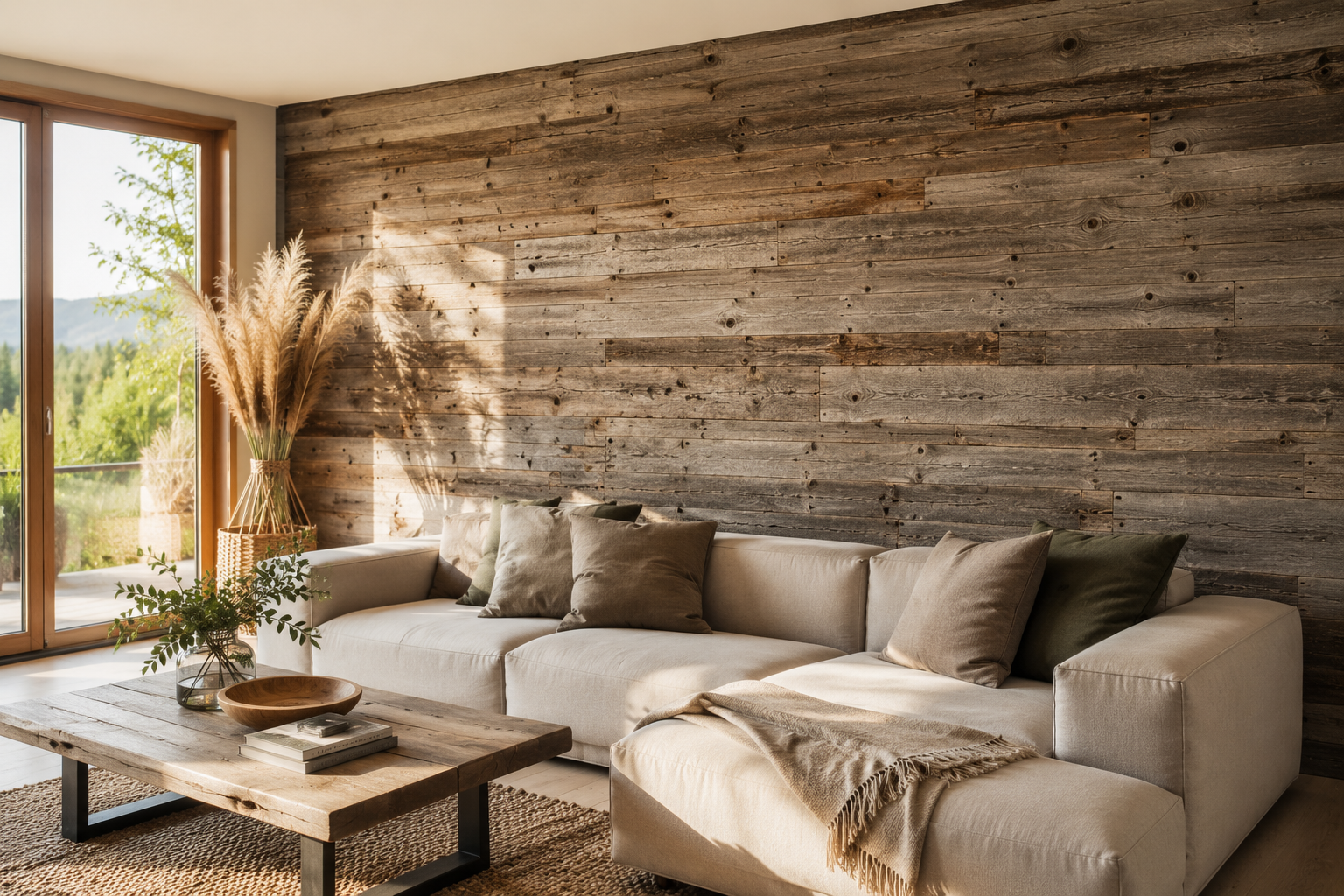
Reclaimed & Salvaged Wood
Old-growth lumber rescued from demolition — embodied carbon is already paid; the building stores it again.
Why we use it →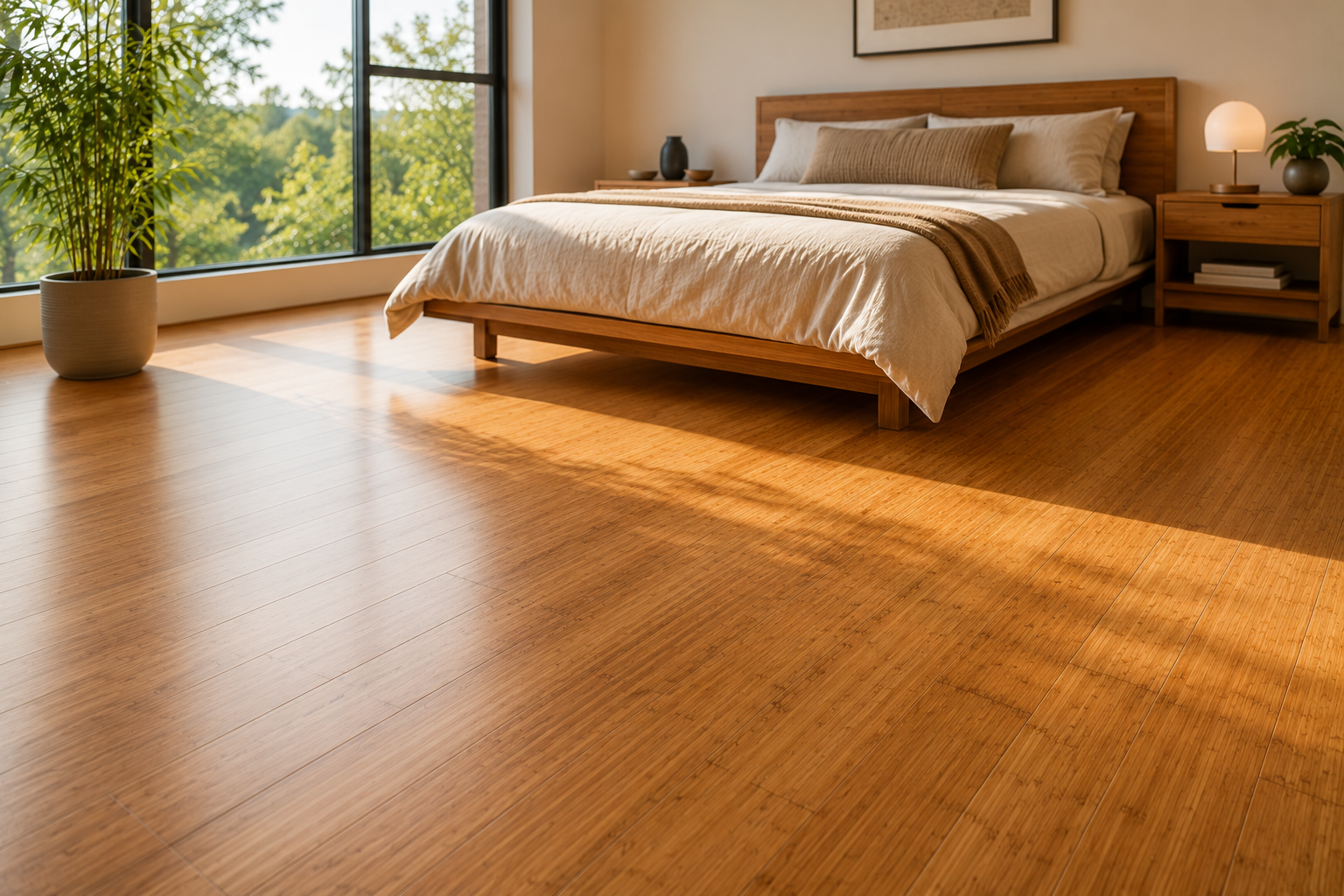
Bamboo
Fast-growing grass — mature in 4-7 years vs 40+ for hardwood. Watch for the adhesive on engineered products.
Why we use it →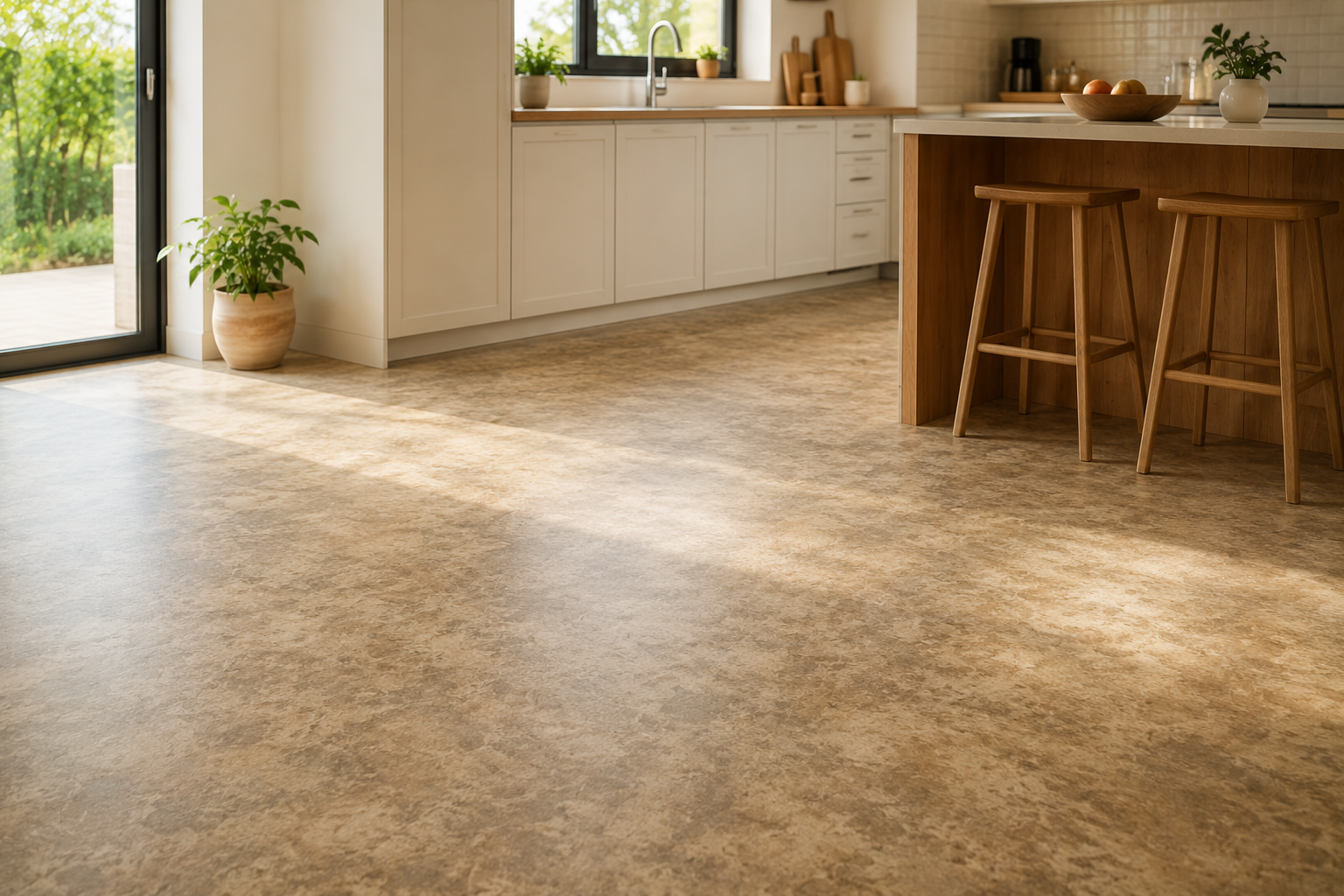
Natural Linoleum
Linseed oil + jute + wood flour — invented in 1855, still the cleanest resilient flooring on the market.
Why we use it →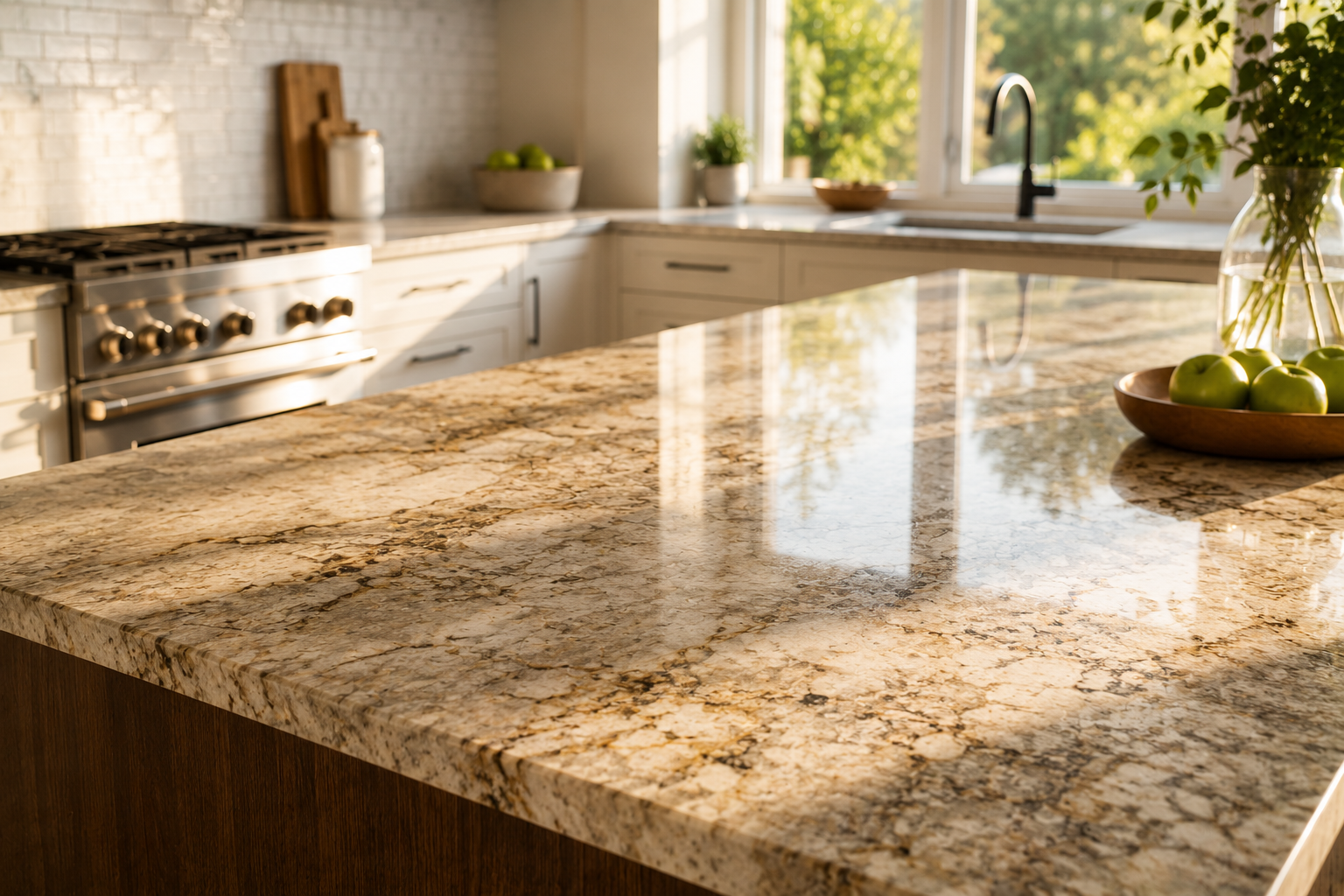
Natural Stone
Granite, slate, limestone, marble — geological materials that exist as-is, no chemistry required.
Why we use it →
Lime Plaster
Calcium-hydroxide finish dating to Ancient Rome — vapor-open, alkaline, and naturally mold-suppressing.
Why we use it →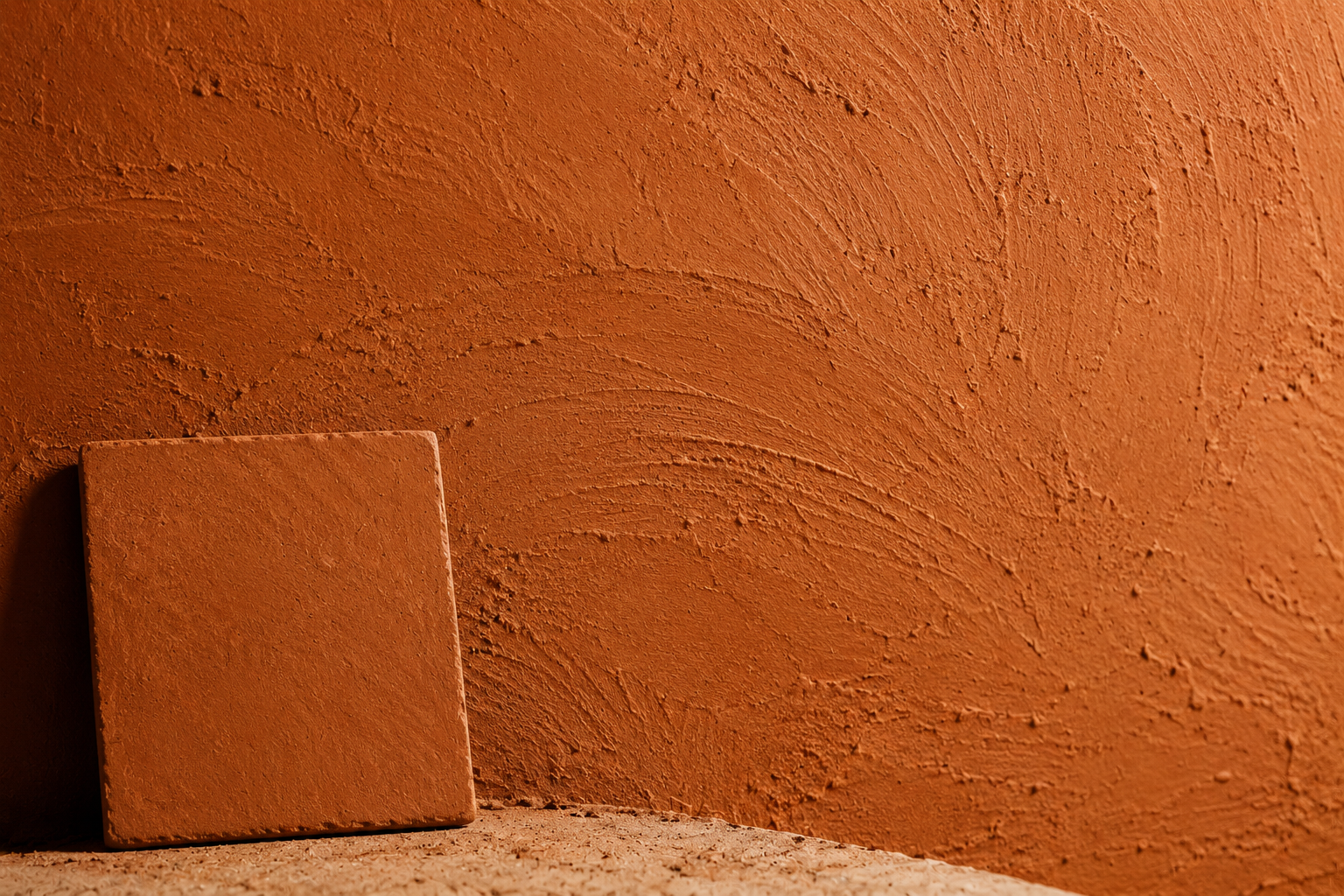
Clay Plaster
Earthen wall finish — color comes from the clay itself, hygroscopic regulation included.
Why we use it →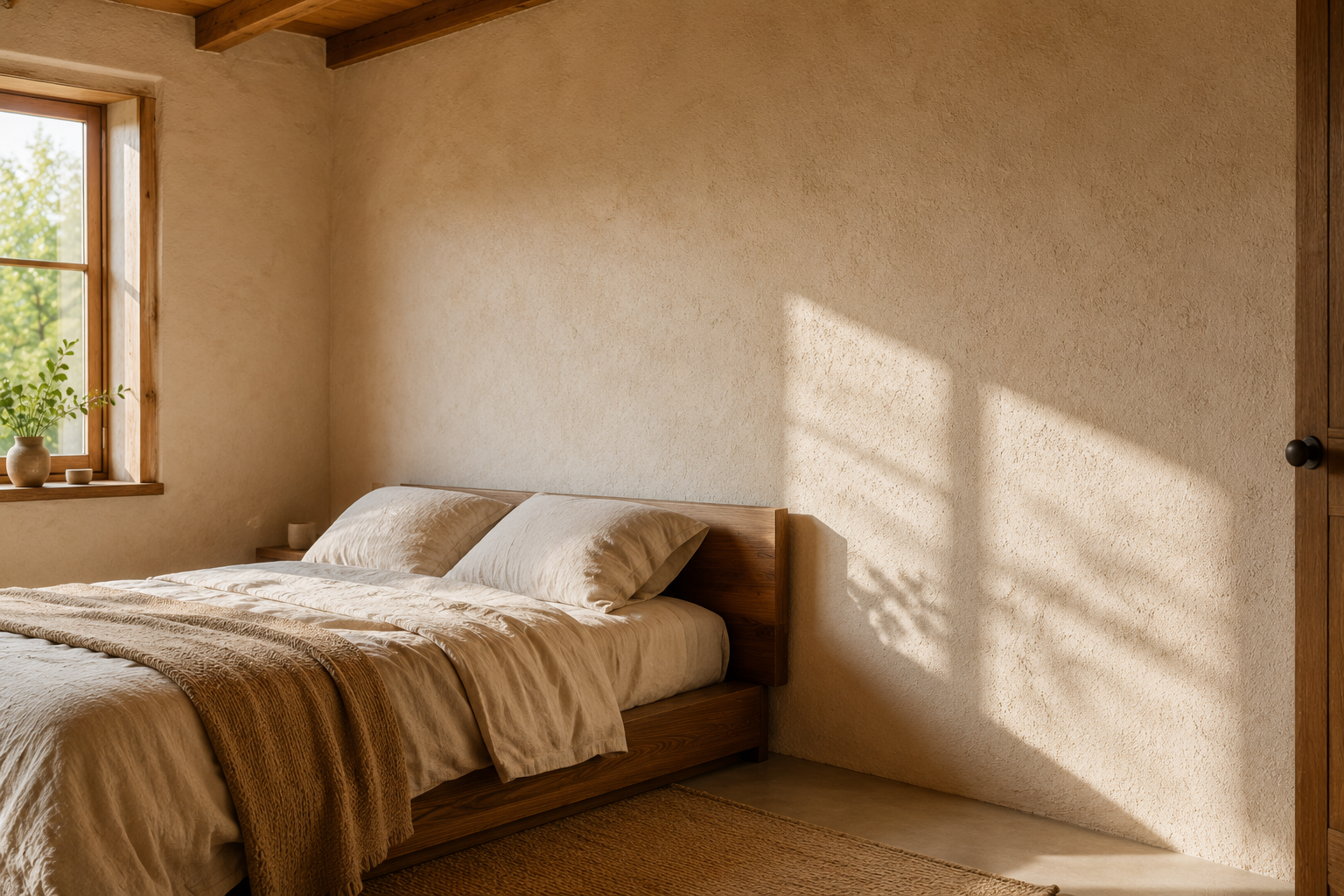
Hempcrete
Hemp hurd + lime binder — vapor-open, fire-resistant, and carbon-storing across the entire wall assembly.
Why we use it →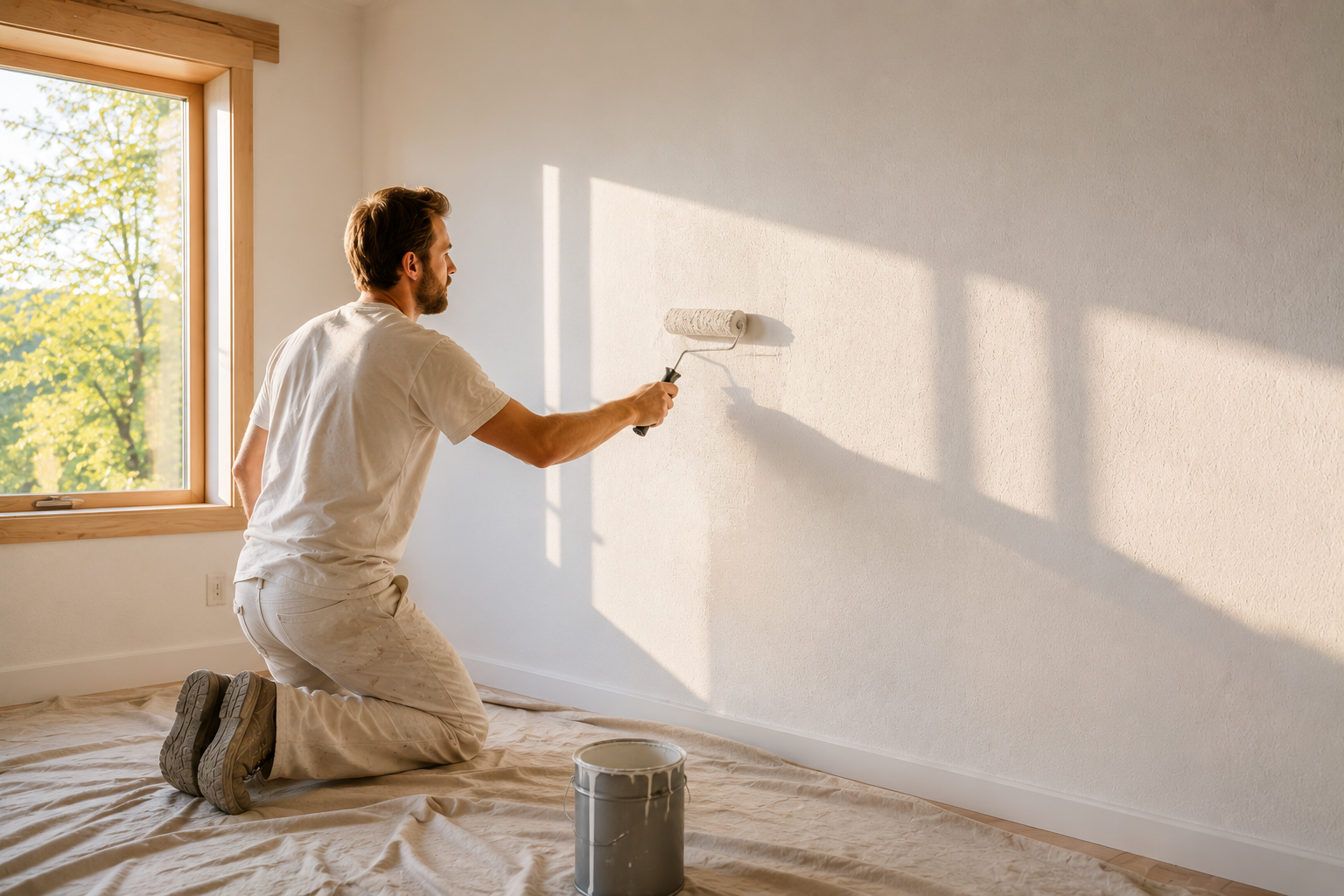
Mineral & Zero-VOC Paint
Silicate or clay-based paints — mineral pigments bond chemically to mineral substrates, no off-gassing.
Why we use it →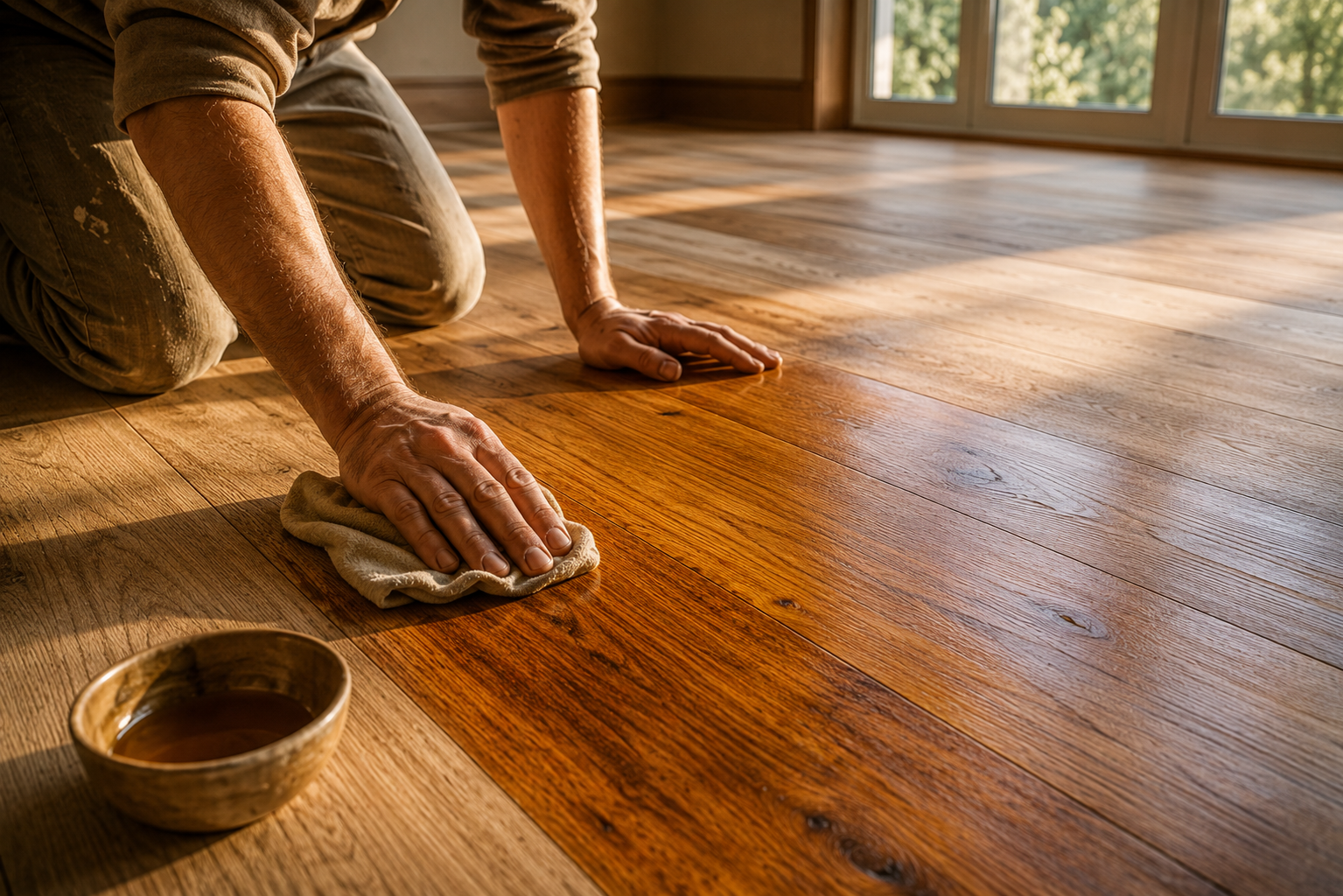
Natural Oil & Wax Finishes
Linseed, tung, hardwax oil, and beeswax — penetrating finishes that nourish wood rather than coating it.
Why we use it →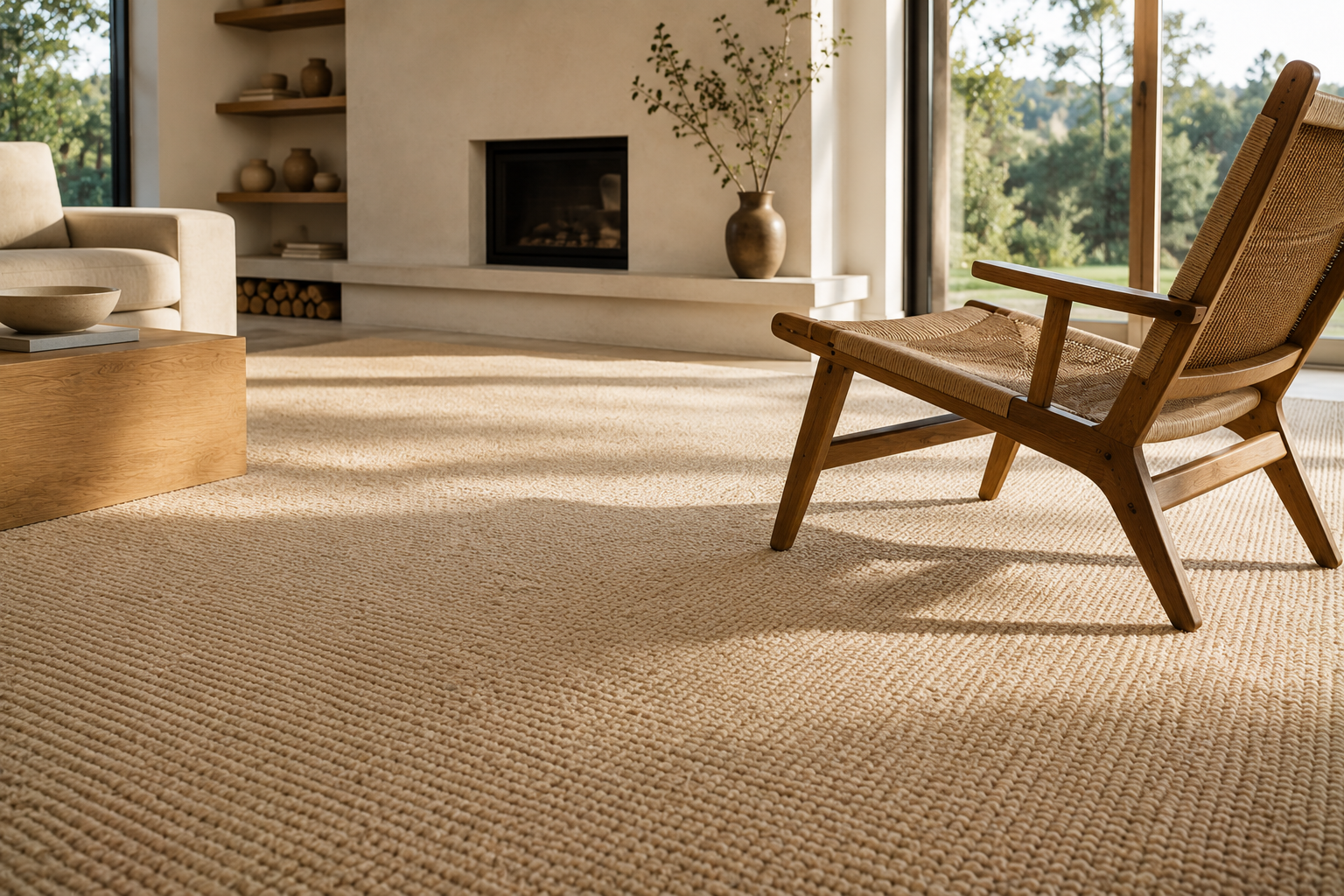
Wool Carpet & Natural Fiber Textiles
Sheep's wool, sisal, jute, hemp, organic cotton — fibers that biodegrade and don't off-gas.
Why we use it →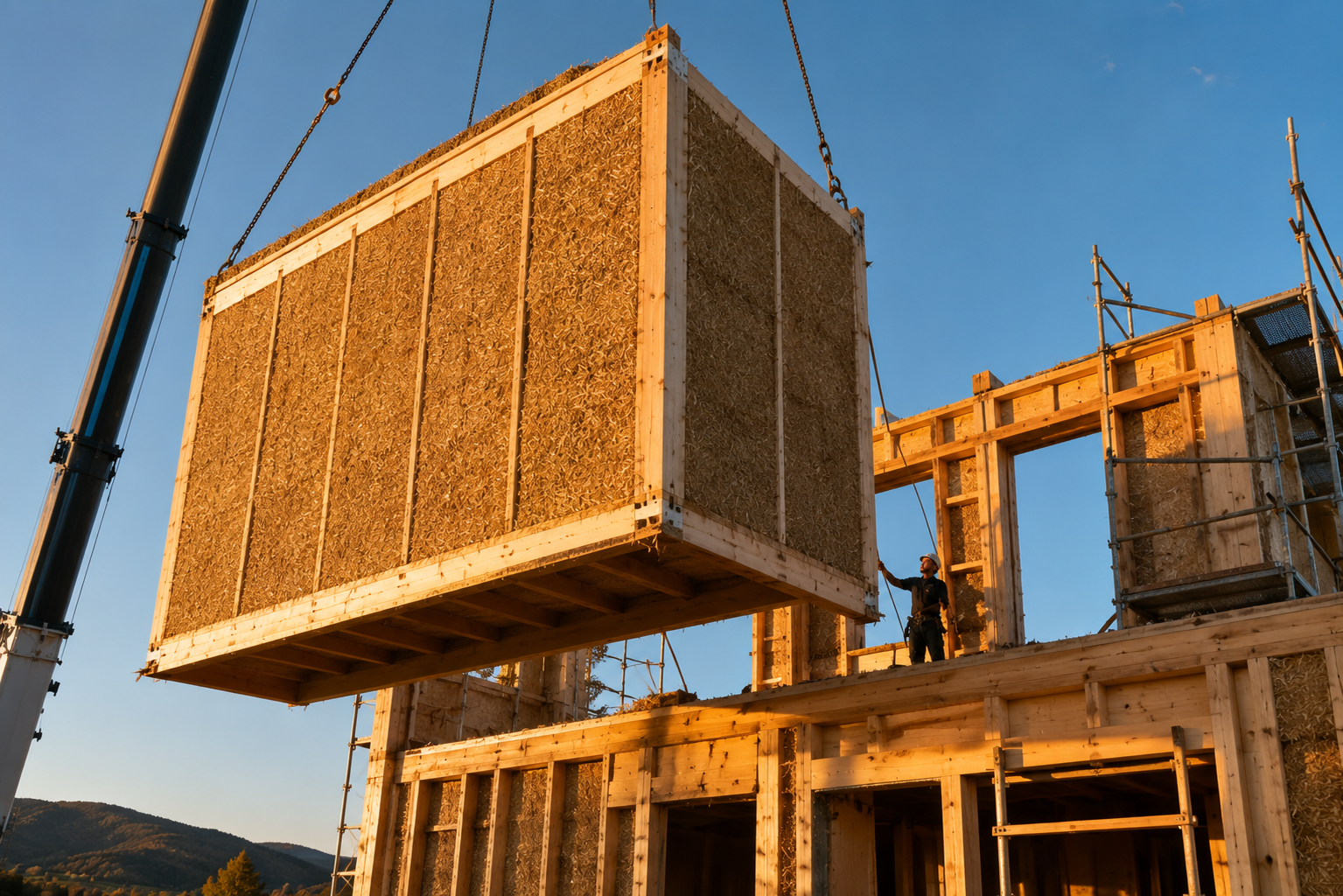
Rice & Wheat Straw Panels
Compressed agricultural-byproduct insulation inside timber frames — carbon-negative across the entire wall assembly.
Why we use it →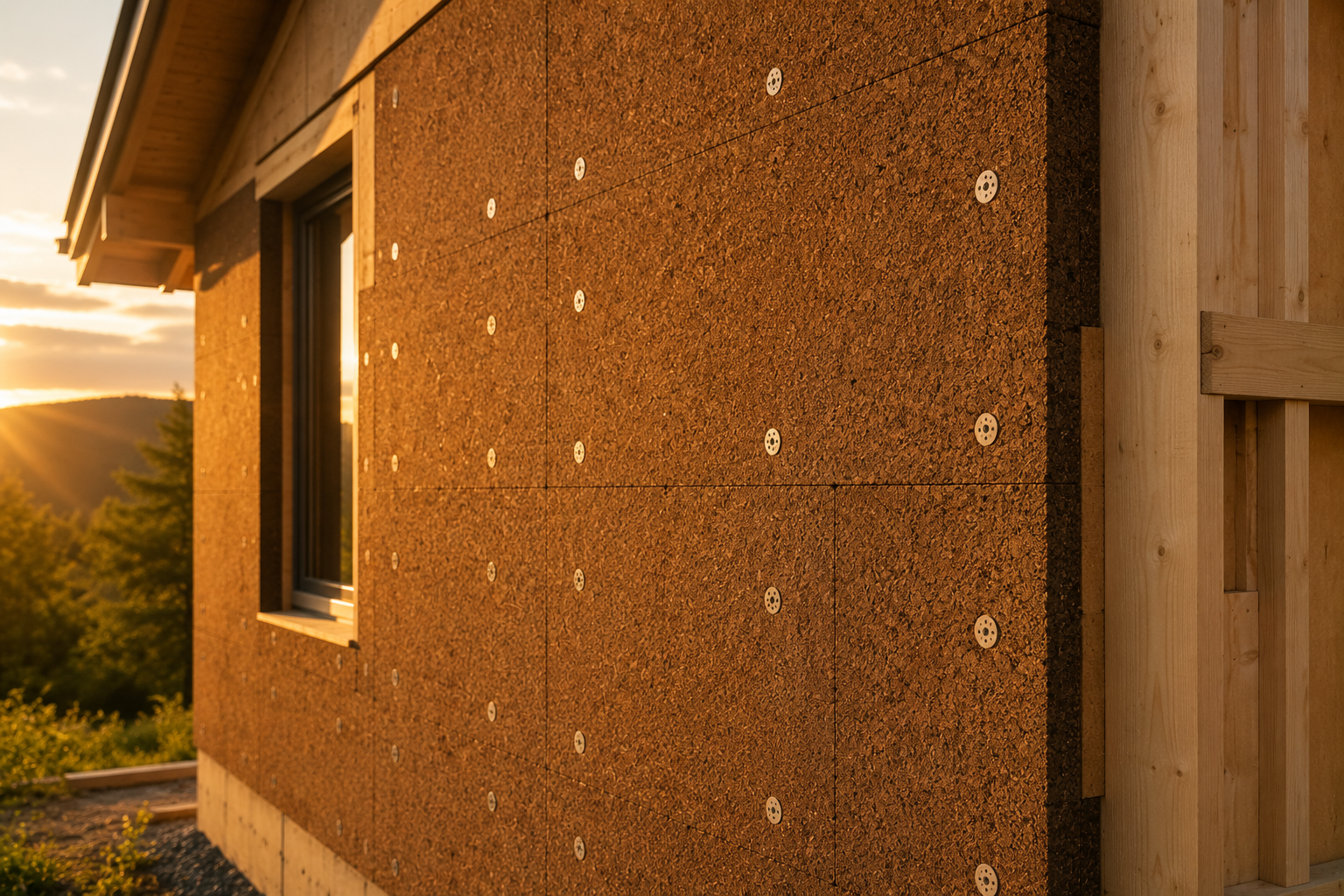
Cork Insulation
Bark of the cork oak compressed into rigid board or loose-fill — antimicrobial without additives.
Why we use it →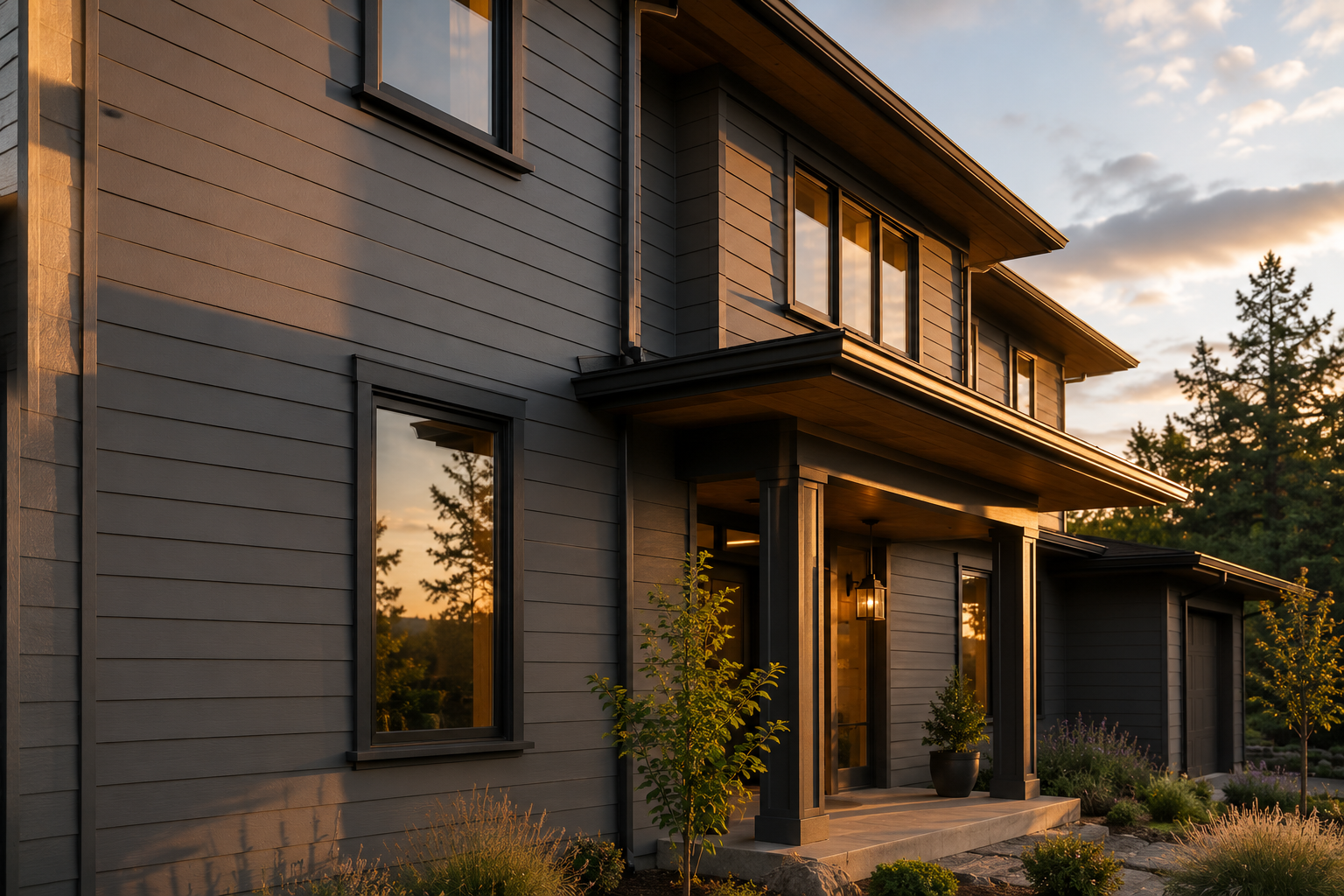
Fiber Cement
Portland cement + cellulose fiber + sand — durable mineral siding & sheathing with no asbestos and no PVC.
Why we use it →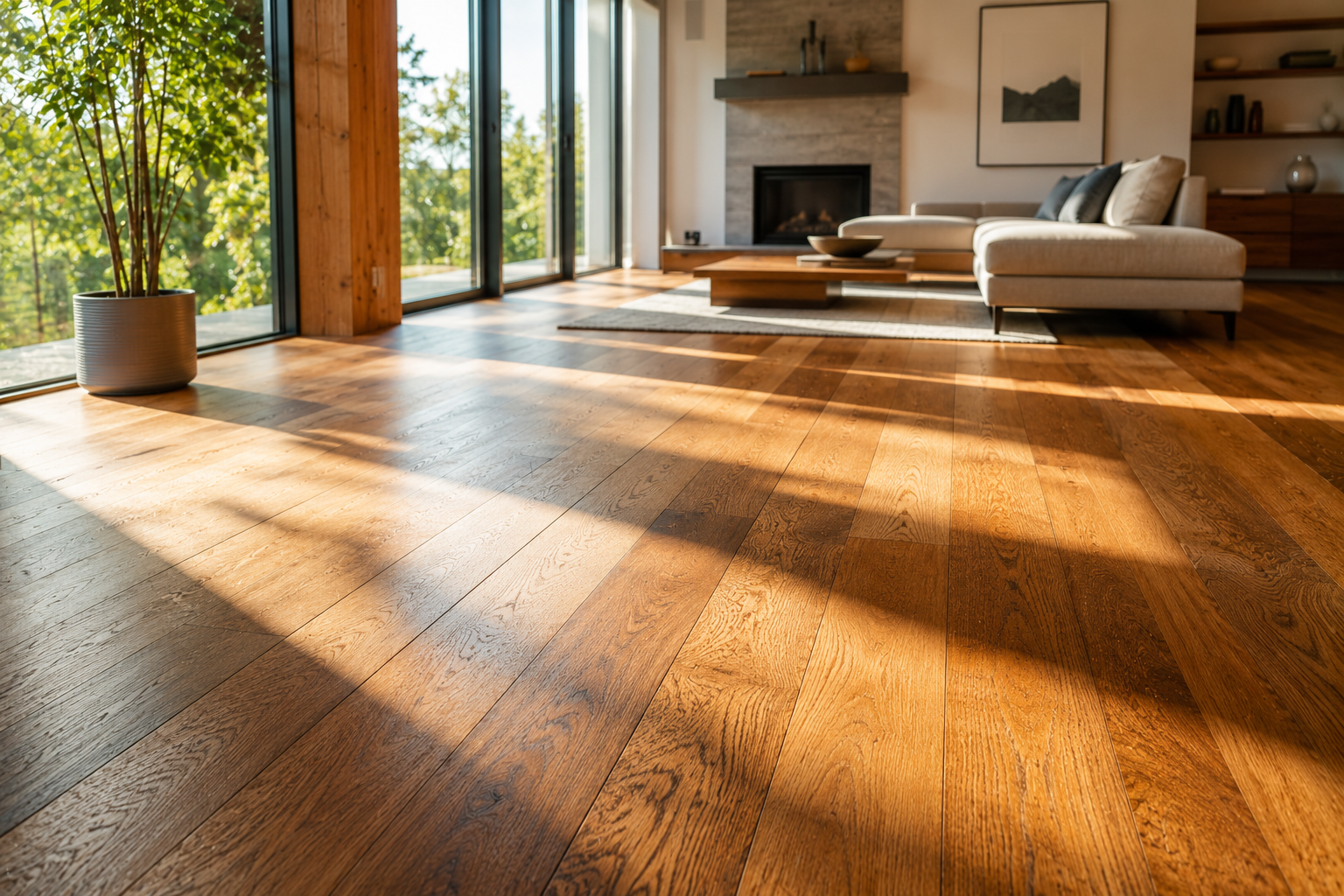
Solid Wood Flooring
Sawn-from-the-log hardwood plank — no plywood backer, no urea-formaldehyde, refinishable for generations.
Why we use it →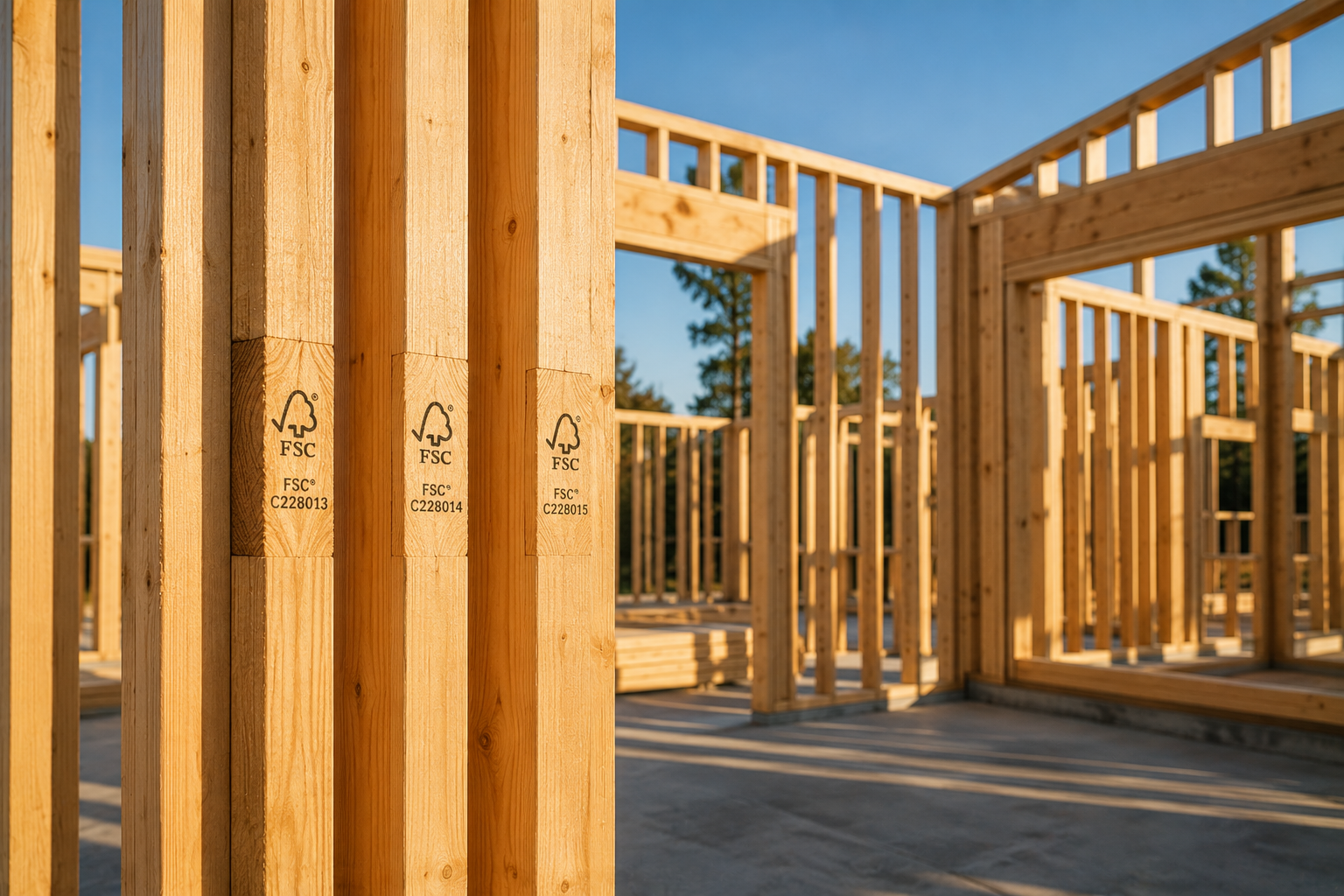
FSC Certified Dimensional Lumber
Framing-grade lumber with verified chain-of-custody from a sustainably managed forest.
Why we use it →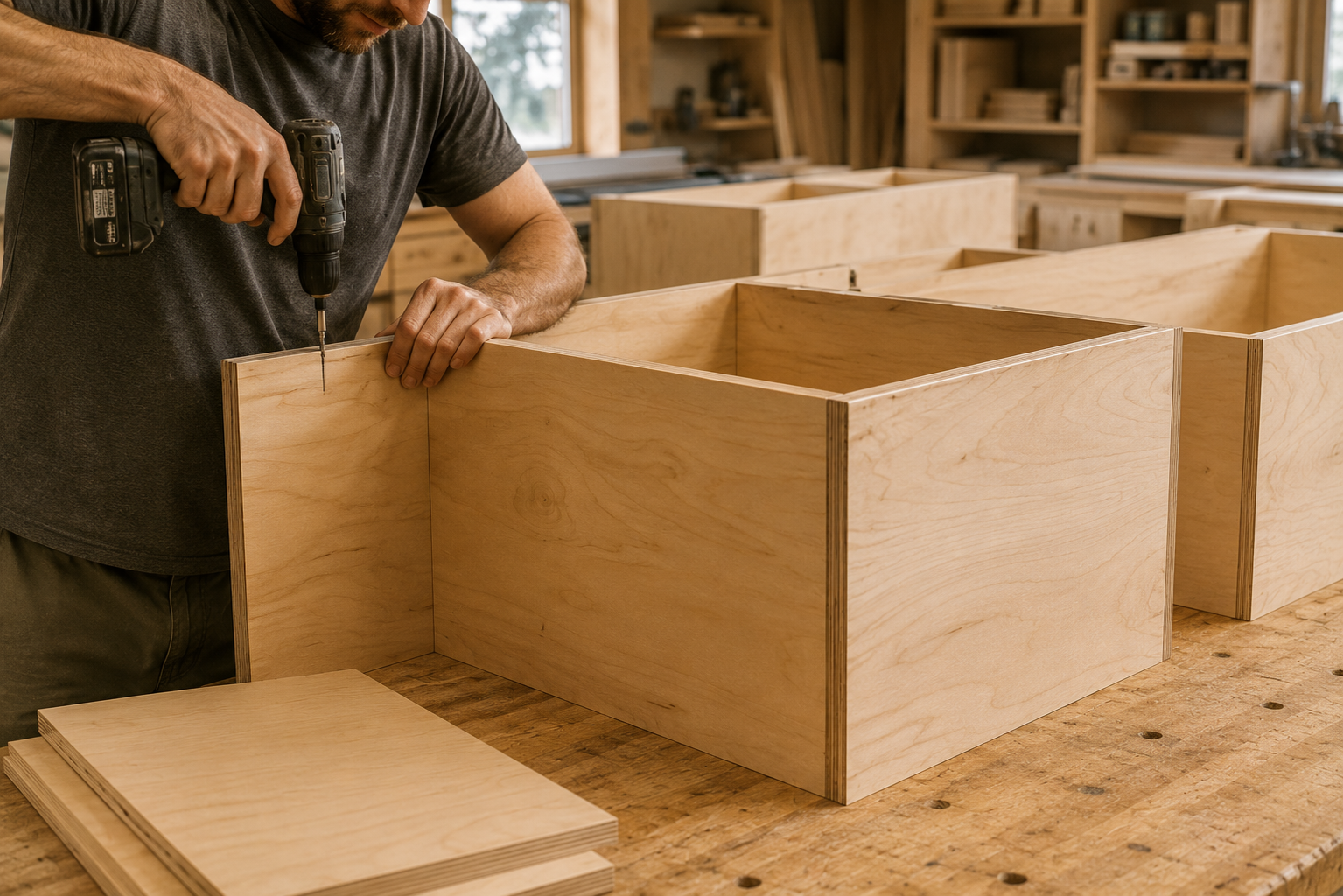
No Added Formaldehyde (NAF) Plywood
Engineered wood bonded with soy-protein or NAF MDI adhesive — engineered performance without UF off-gassing.
Why we use it →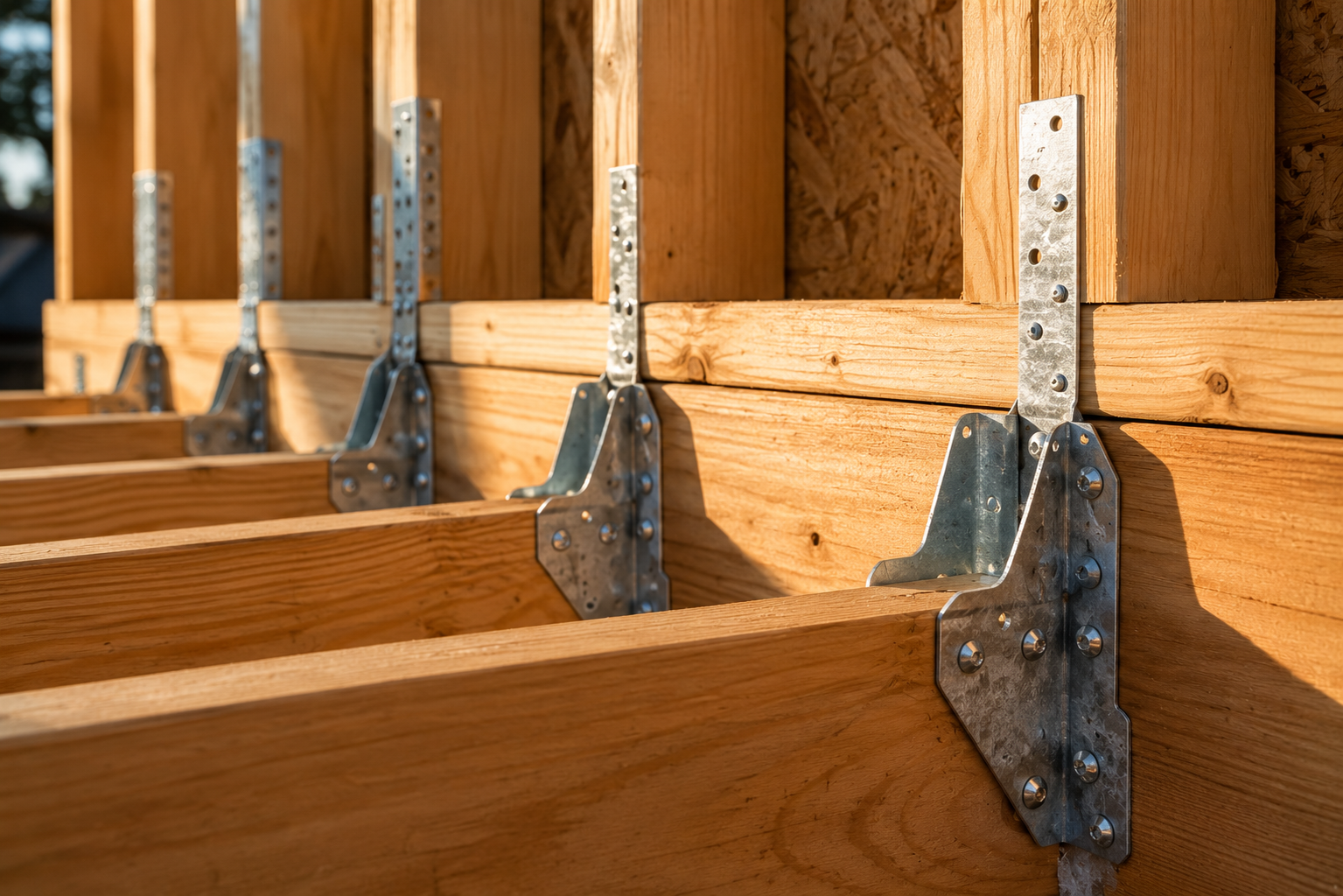
Hexavalent Chromium-Free Metals
Galvanized steel & metal hardware passivated without hexavalent chromium — same corrosion protection, no IARC Group 1 carcinogen.
Why we use it →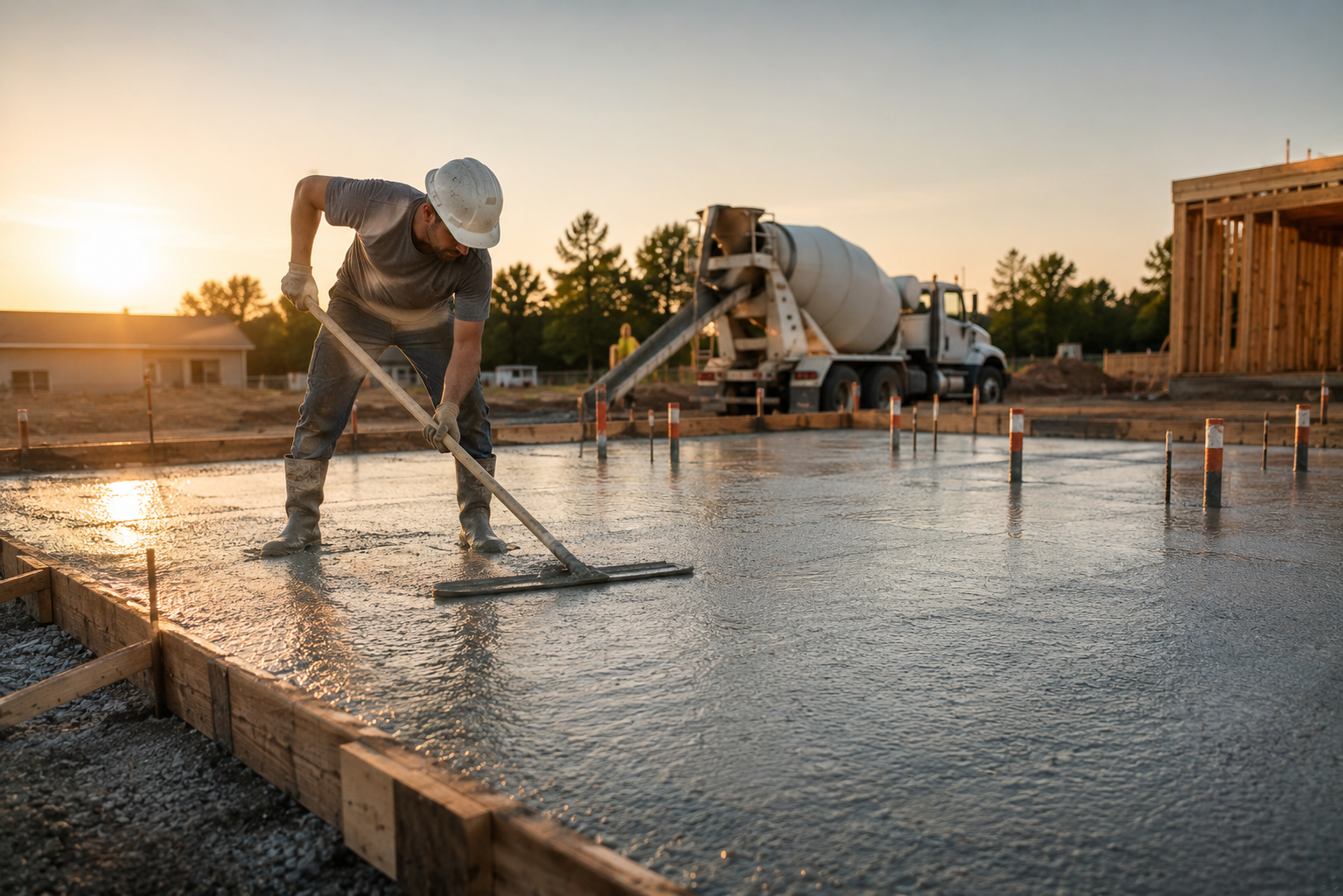
70% Replacement Concrete
Portland cement replaced 70% with slag and fly ash — embodied carbon cut nearly in half, no performance penalty.
Why we use it →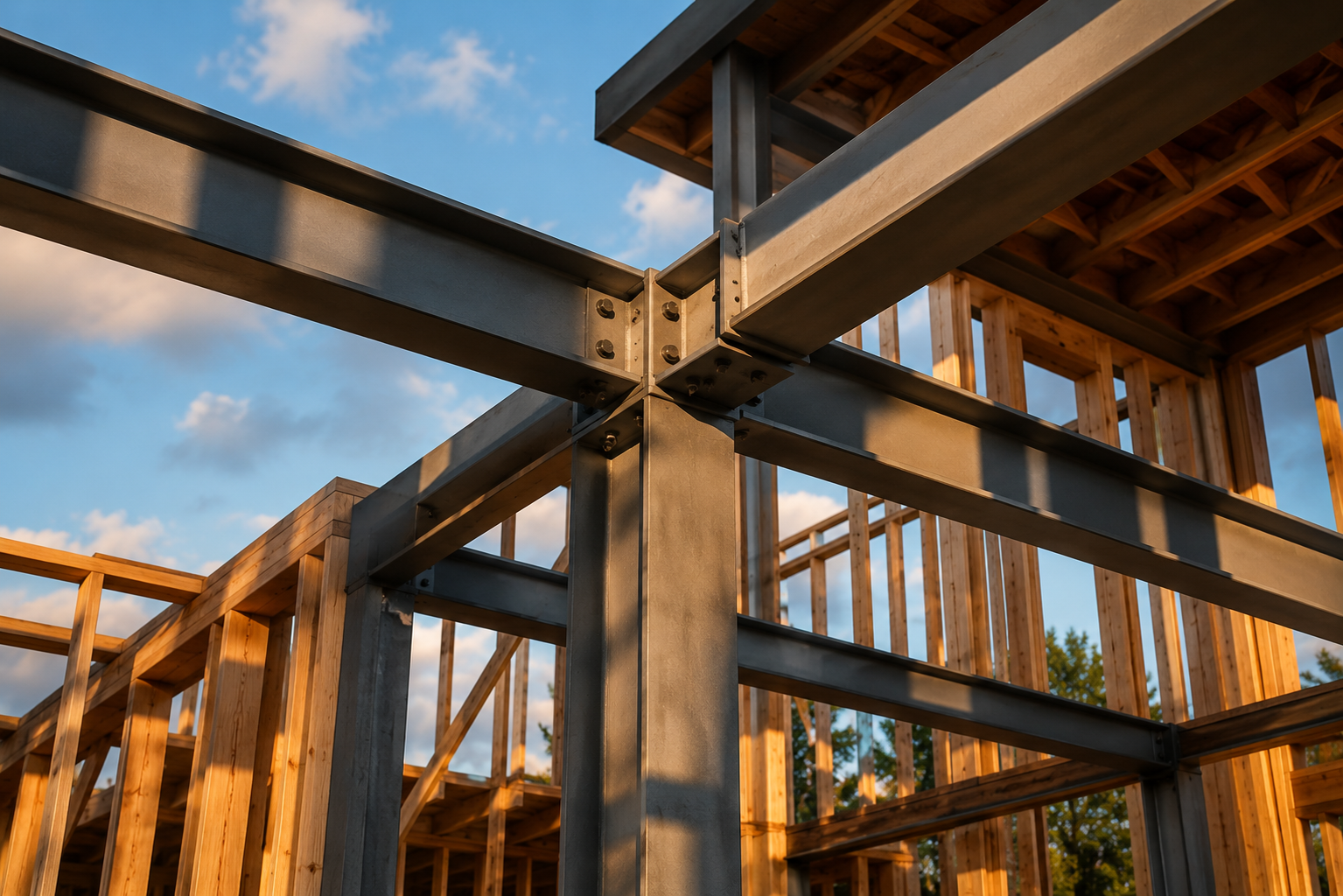
Recycled Structural Steel
Electric-arc-furnace structural steel made from scrap — 75% lower embodied carbon than virgin blast-furnace steel.
Why we use it →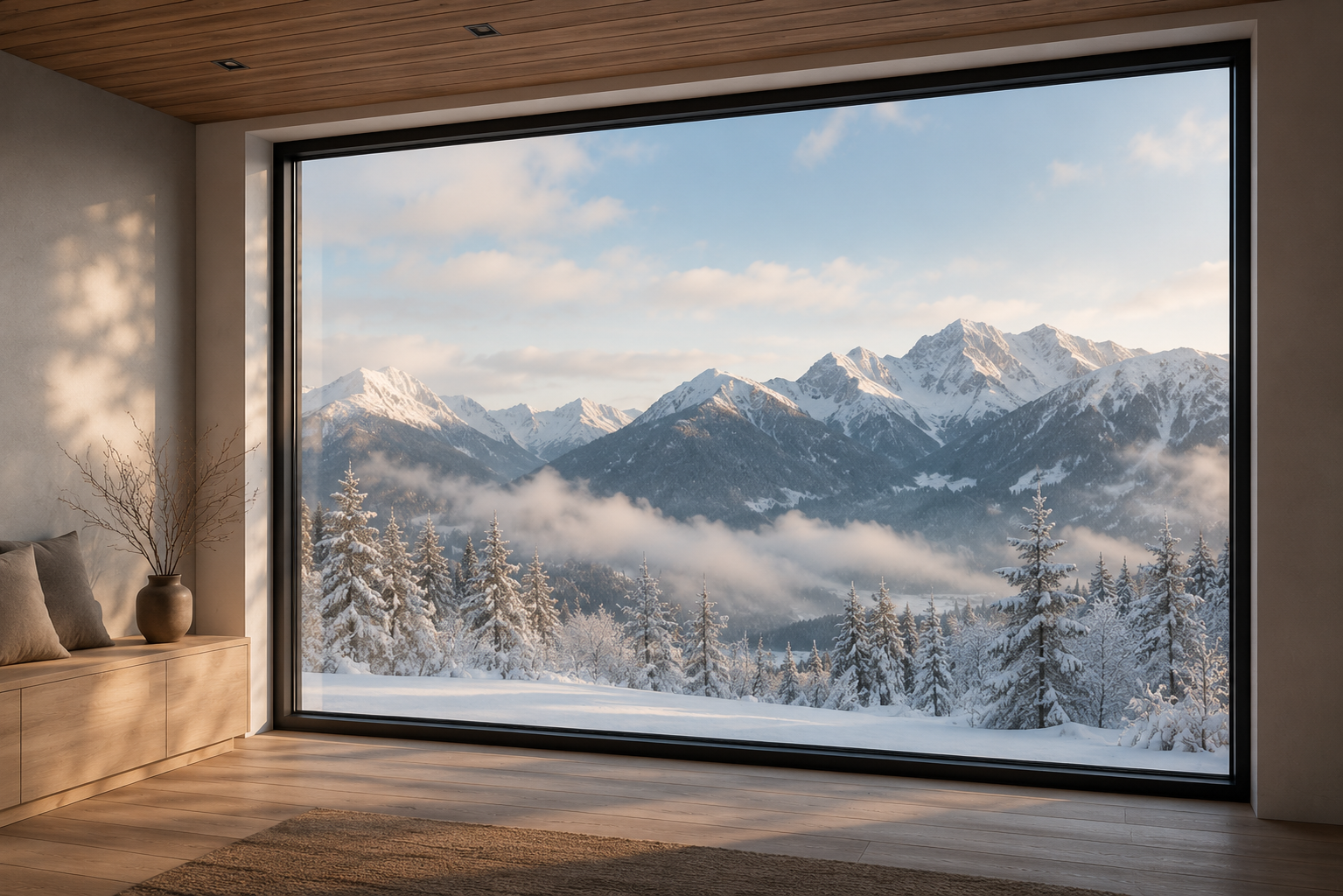
Triple Pane Passive House Windows
U-factor ≤ 0.14, warm-edge spacers, fiberglass or wood-clad frames — the energy-and-health workhorse of every Passive House.
Why we use it →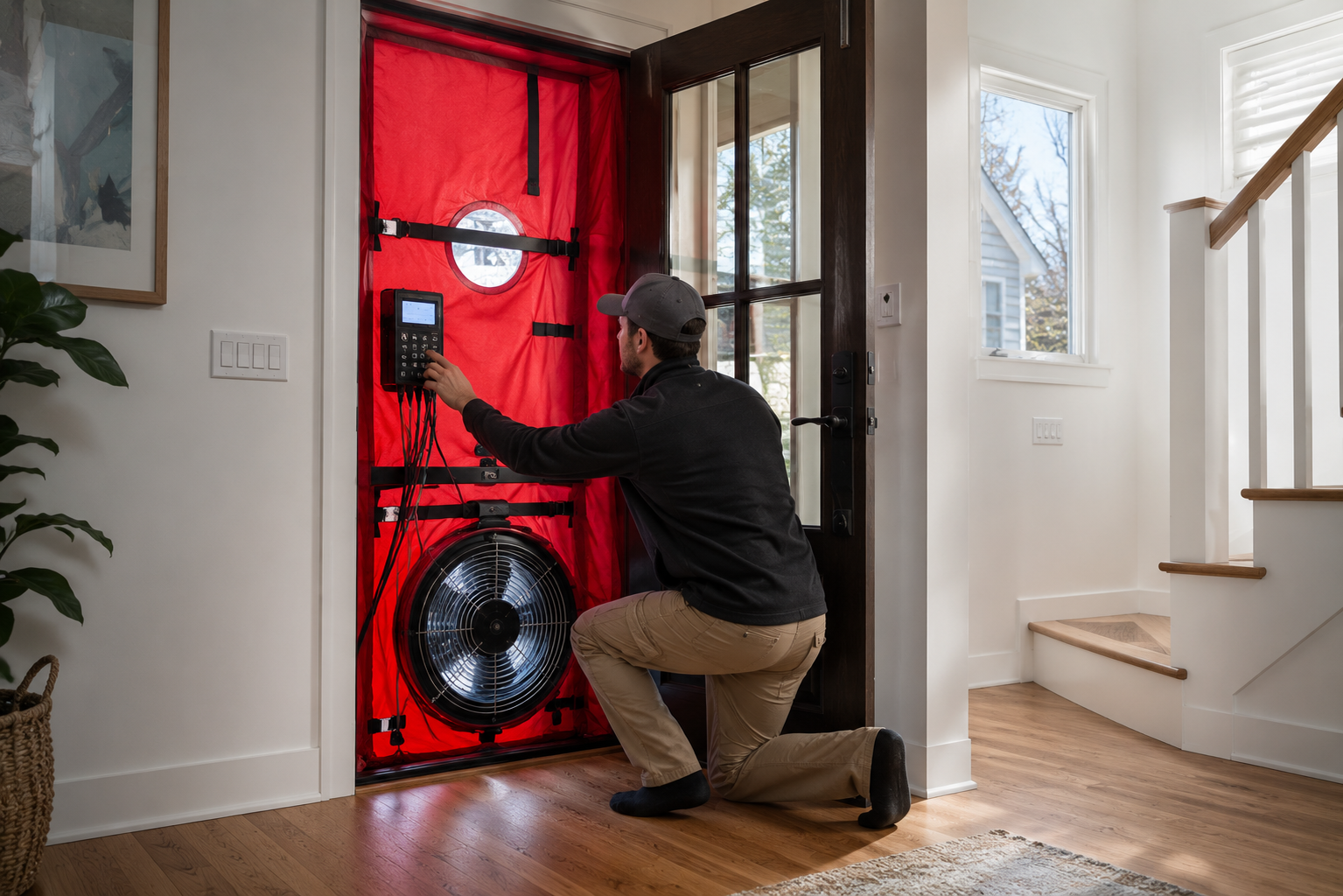
Smoke-Free, Air-Tight Envelopes
The Passive-House air-tightness target — ≤ 0.6 ACH@50Pa keeps wildfire smoke, pollen, and outdoor pollution out.
Why we use it →
Red List Free Materials
Materials verified clear of all 800+ chemicals on the Living Building Challenge Red List — third-party documented.
Why we use it →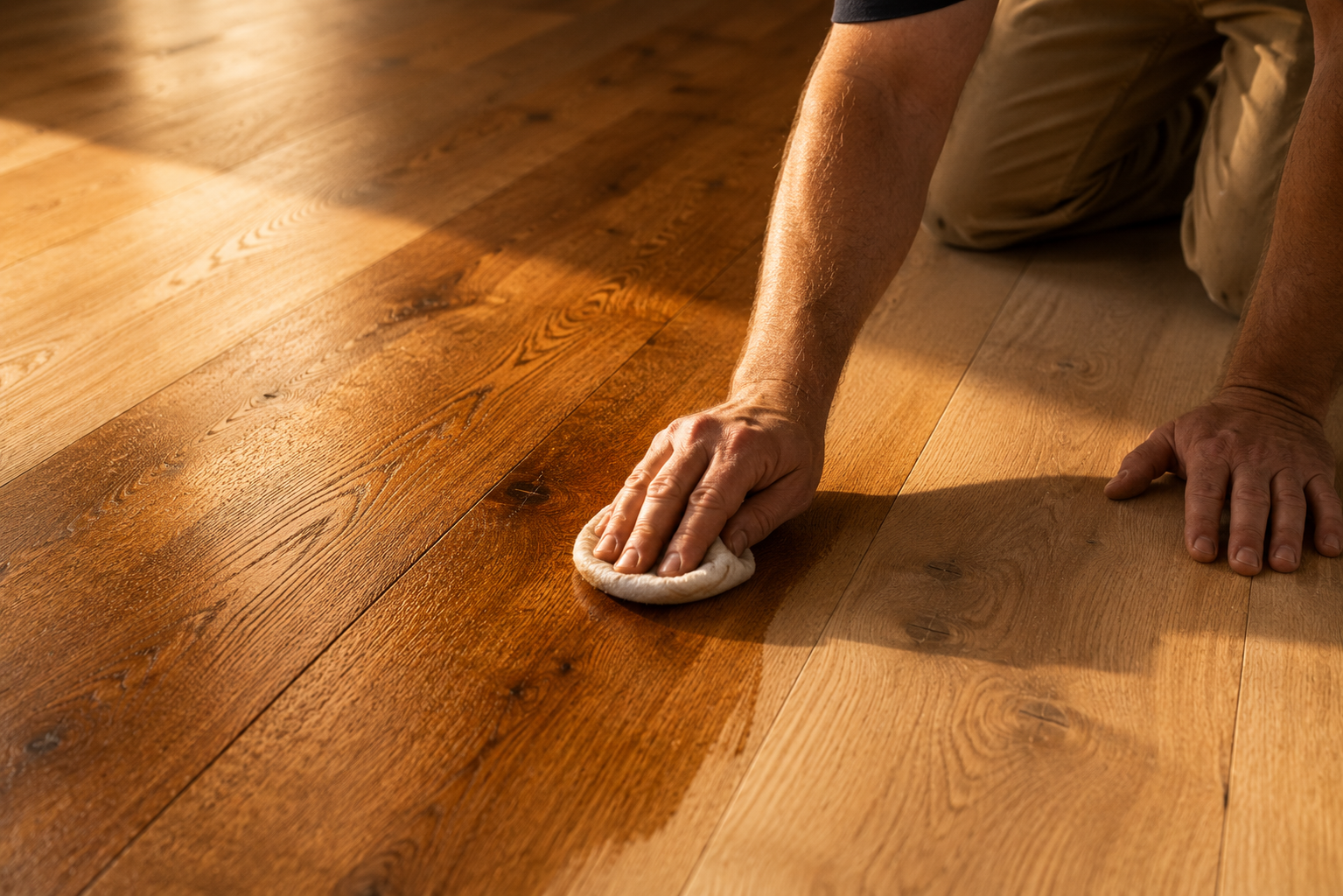
Red List Free Finishes
Paints, stains, and sealers carrying the Declare Red List Free label — zero Red List ingredients above 100 ppm.
Why we use it →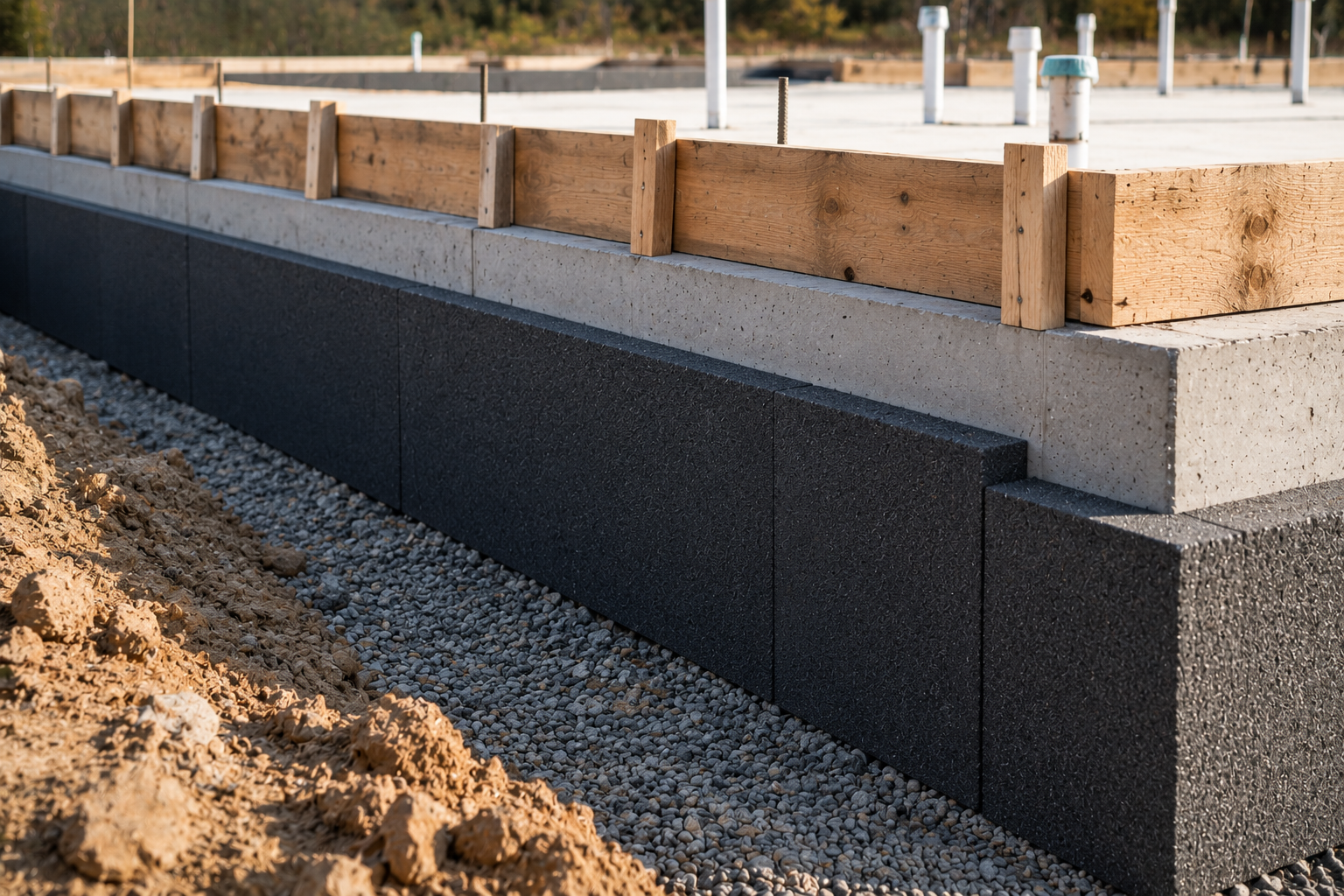
Recycled Glass / Cellular Glass Insulation
Foamed-glass rigid insulation from recycled bottle stream — inert, water-proof, fireproof, doesn't rot or decompose.
Why we use it →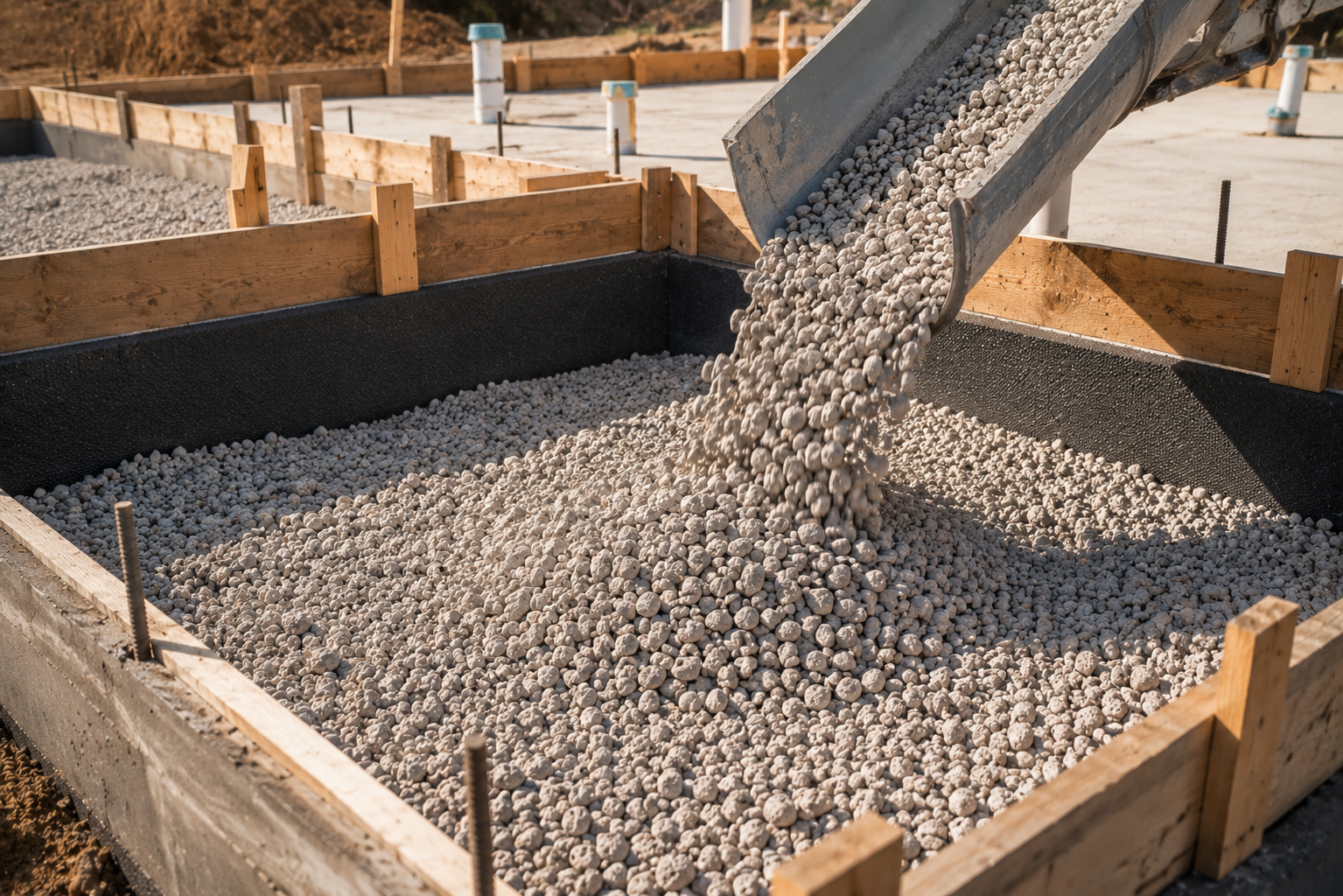
Pumice & Volcanic Aggregate Insulation
Naturally-formed lightweight mineral aggregate — pours like gravel, insulates like foam, lasts geologically.
Why we use it →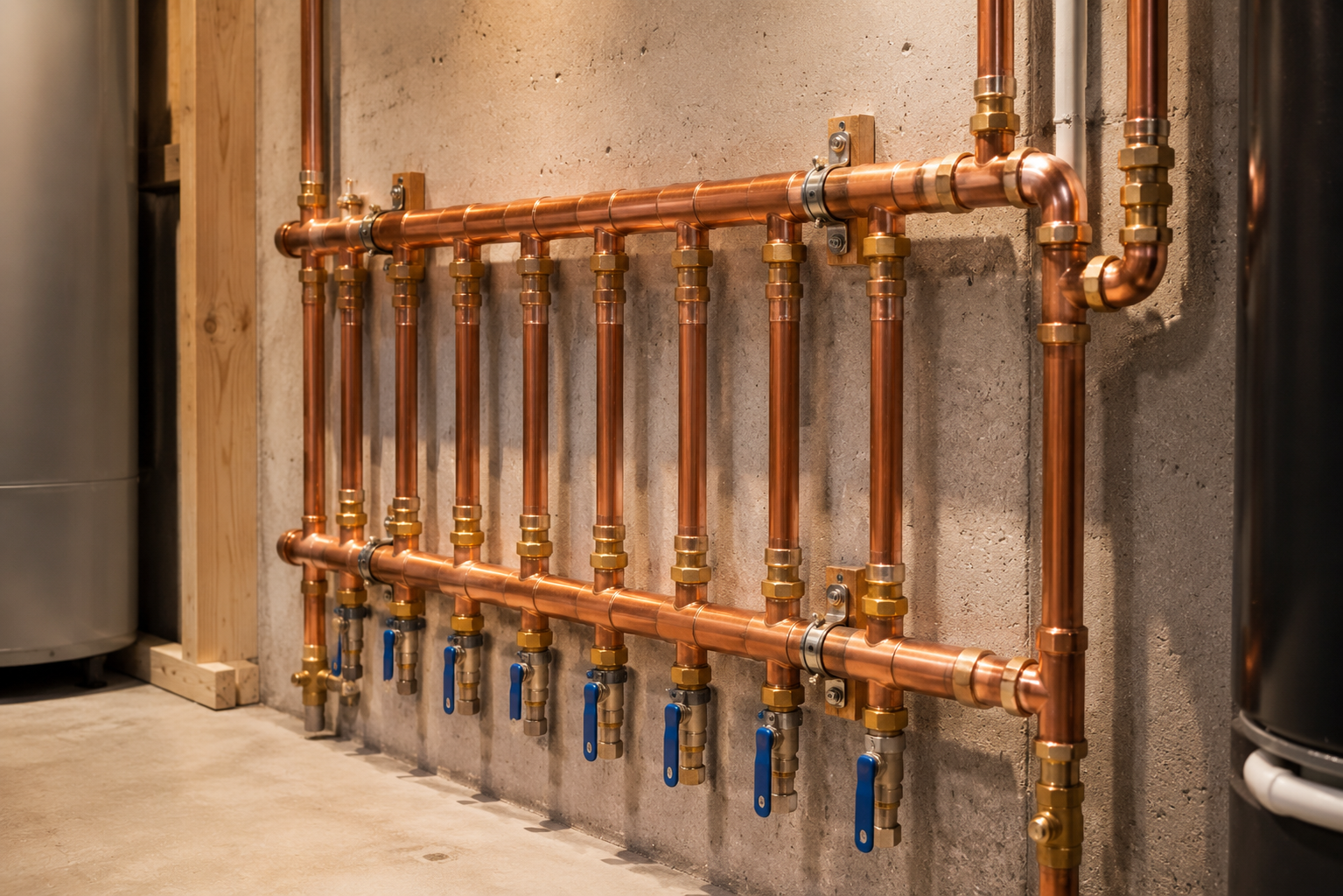
Plastic-Free Water Pipes
Copper, stainless steel, and ductile-iron supply lines — no PVC, no CPVC, no PEX, no plastic-leached drinking water.
Why we use it →Chemical Families that We Avoid
The 16 chemical families that show up on building-product SDSes most often, and that we screen out of every project.
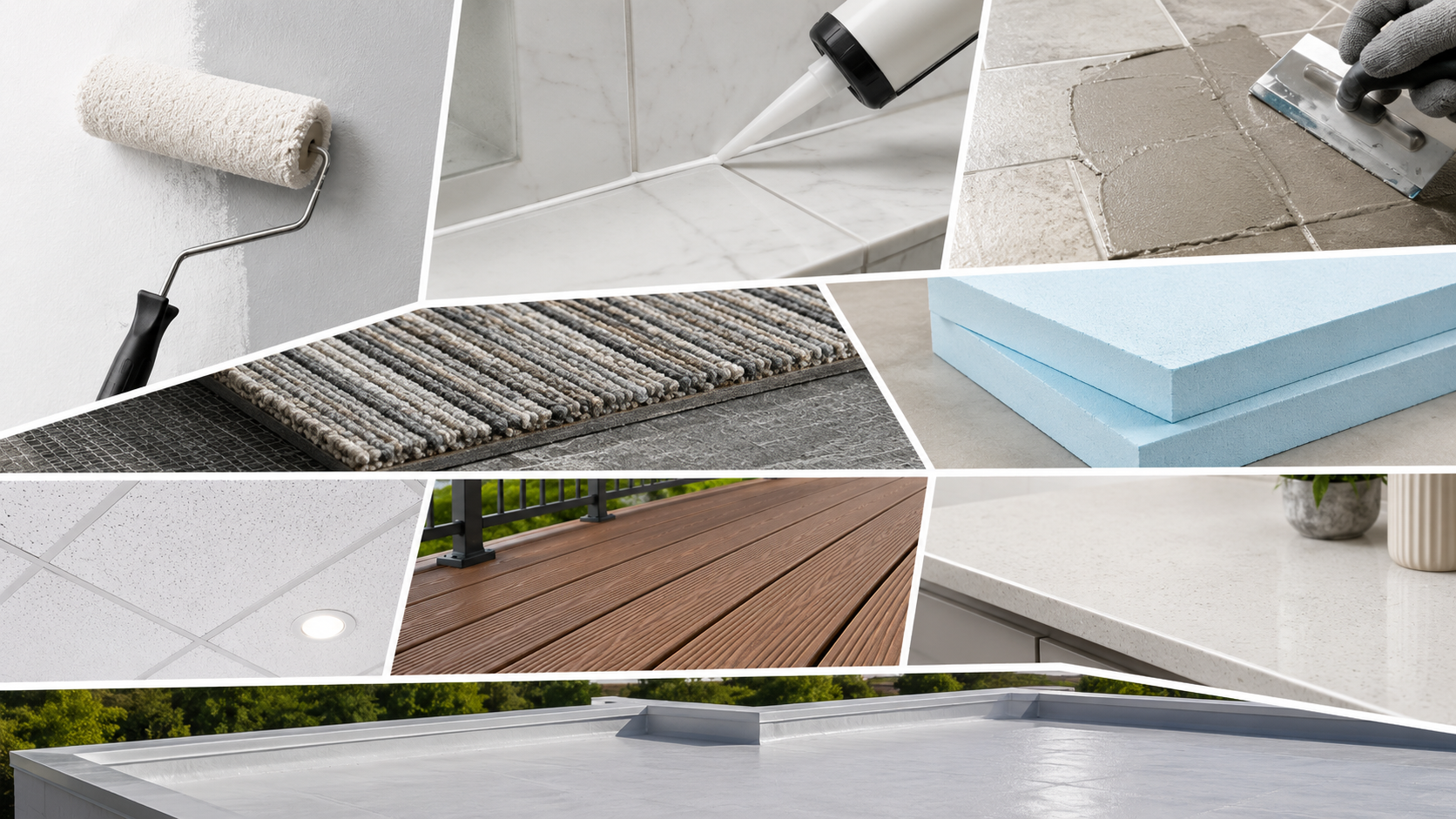
Antimicrobials
Pesticides hiding inside countertops, paint, and textiles.
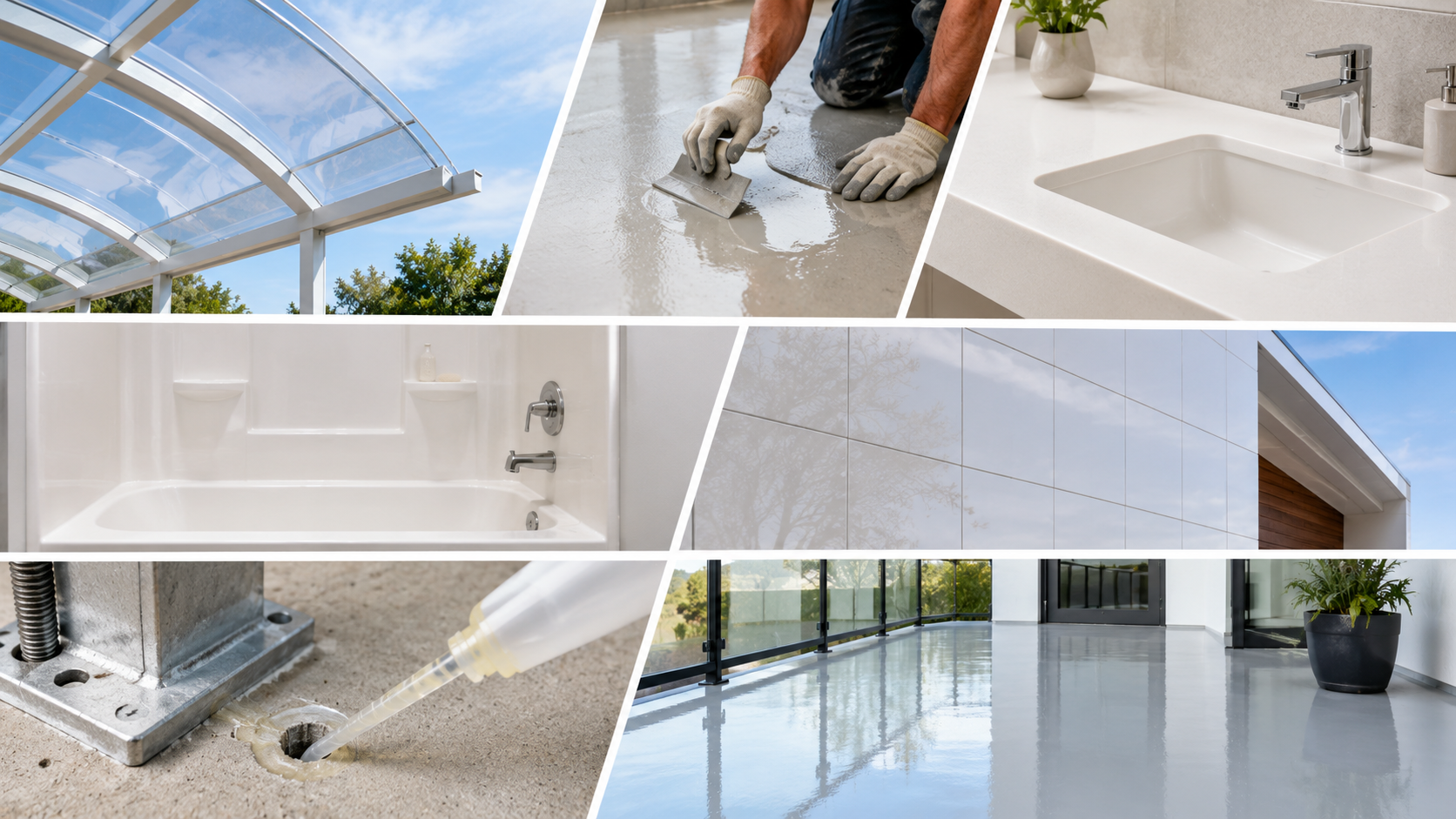
Bisphenols
The plastic-hardener family behind epoxy paints, polycarbonate, and food-contact resins.
Family overview →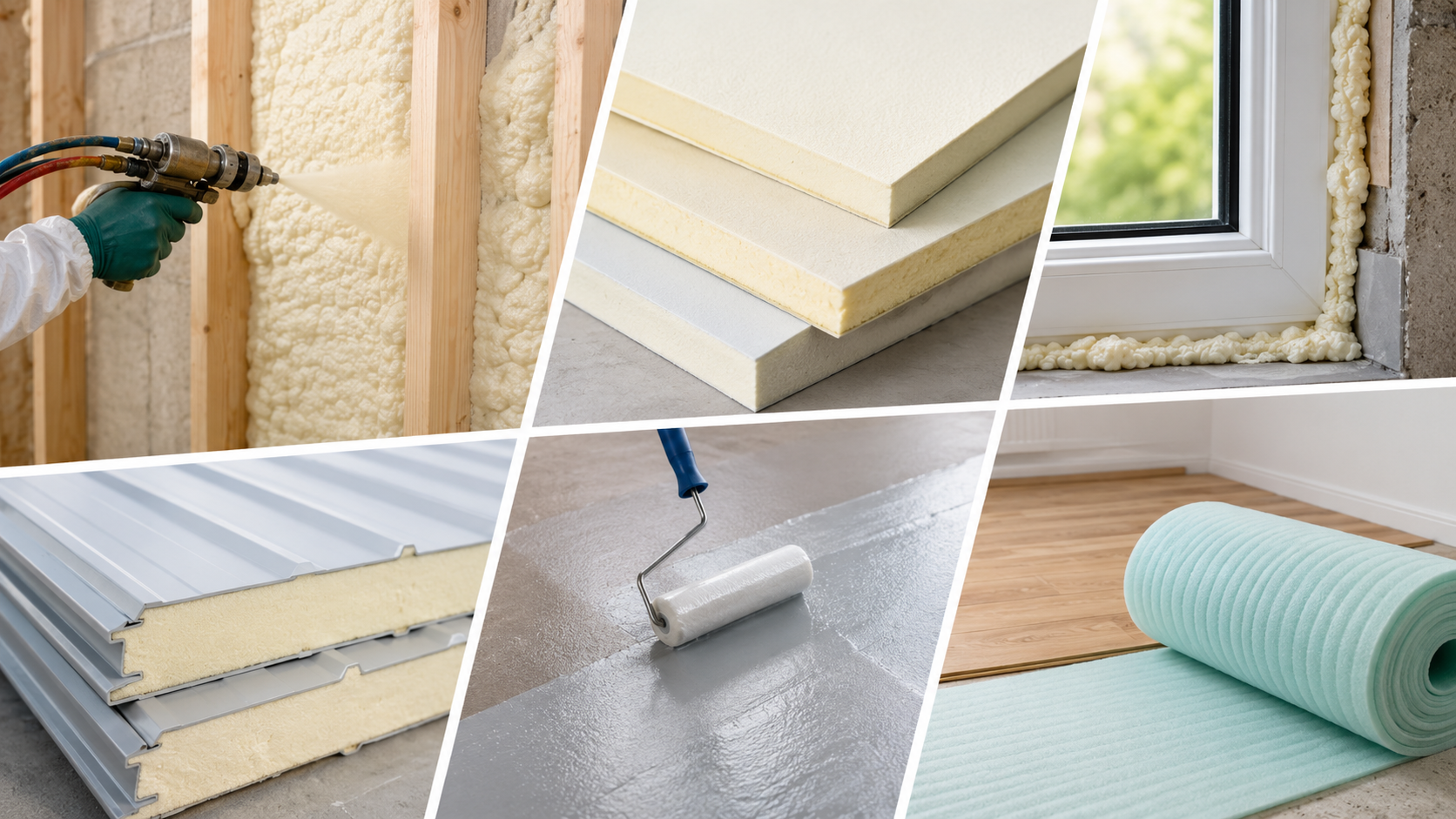
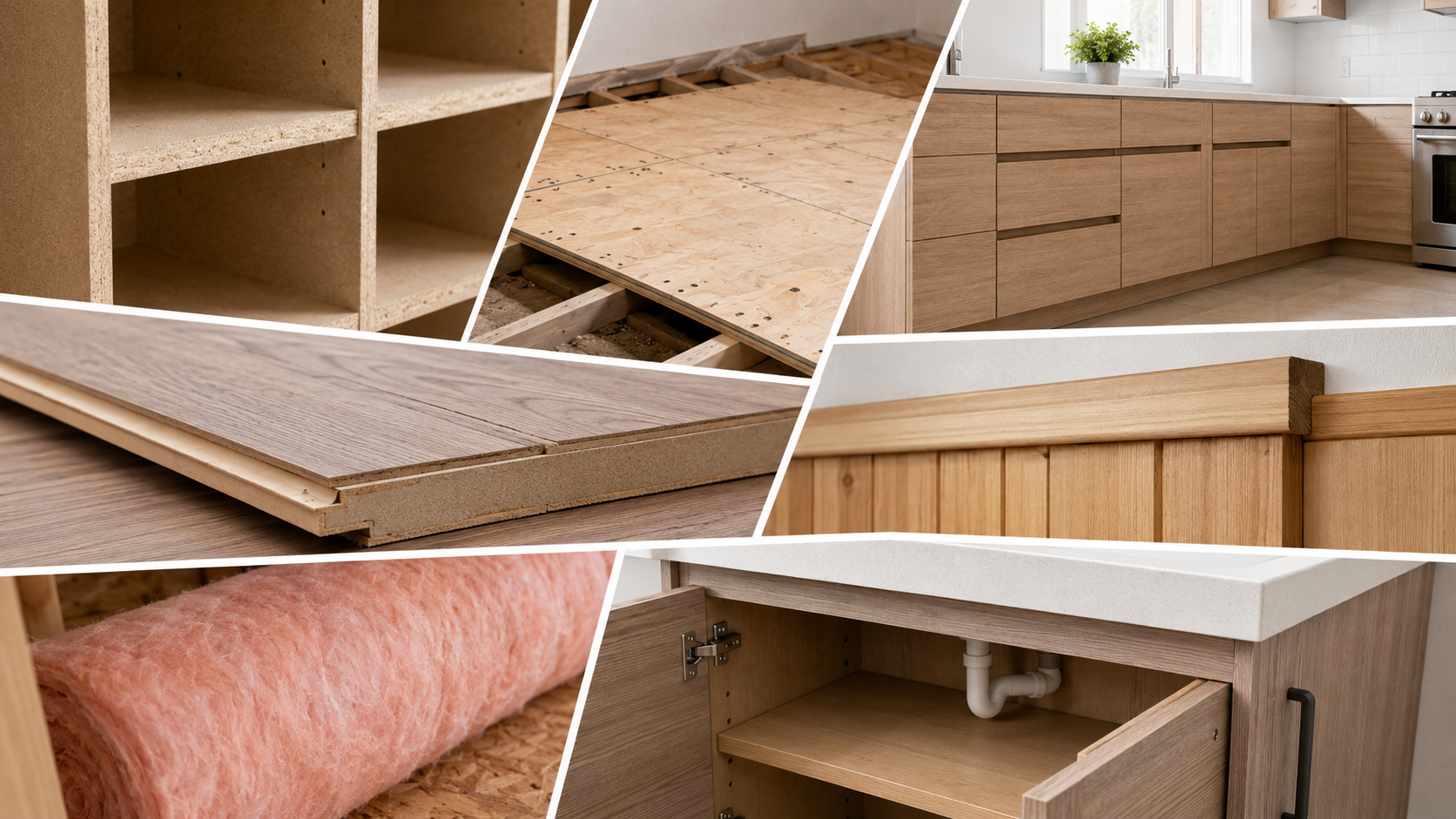
Formaldehyde
A known human carcinogen baked into composite wood, insulation, and adhesives.
Family overview →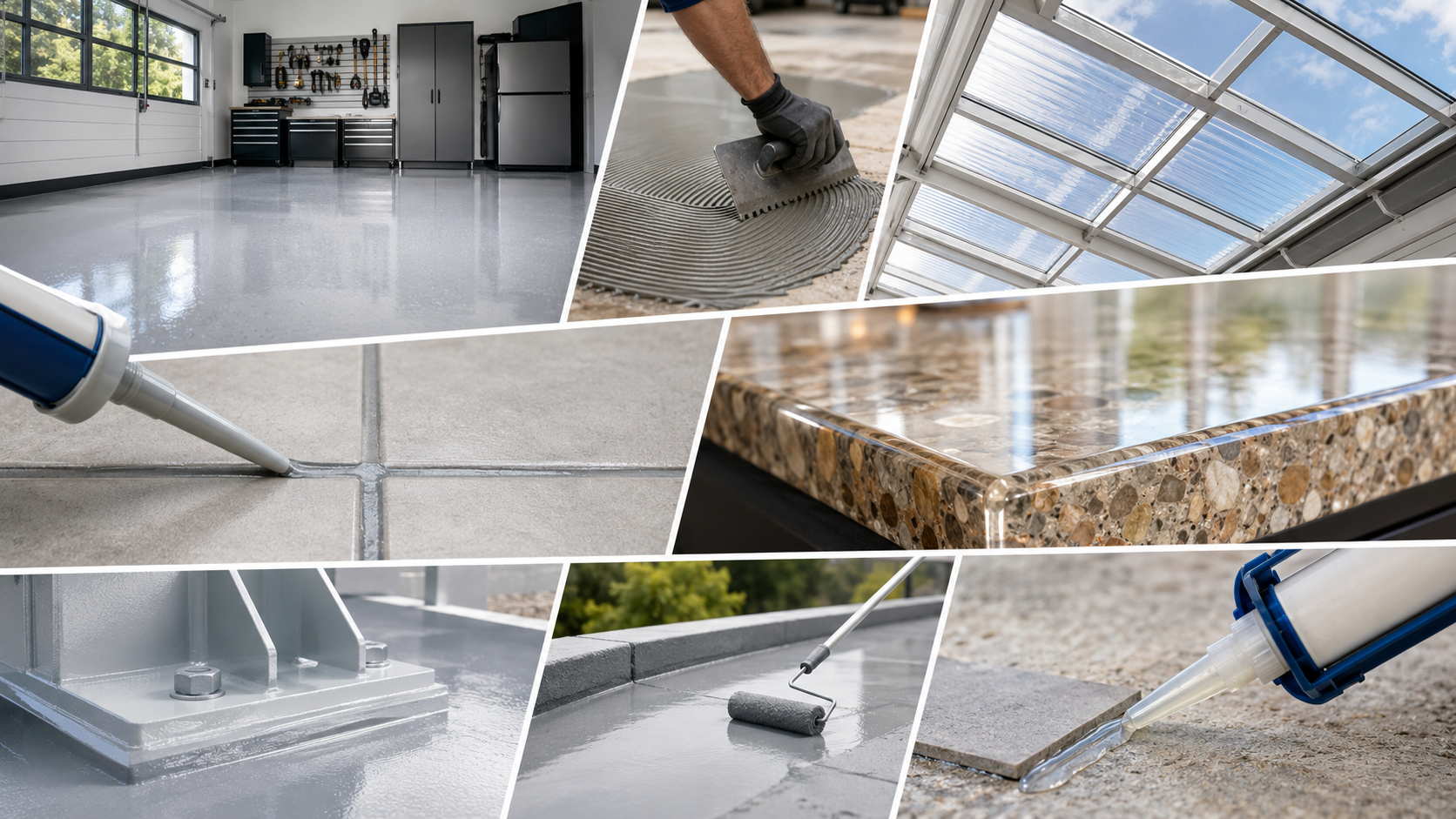
Flame Retardants
Halogenated and phosphorus additives that persist, bioaccumulate, and disrupt development.
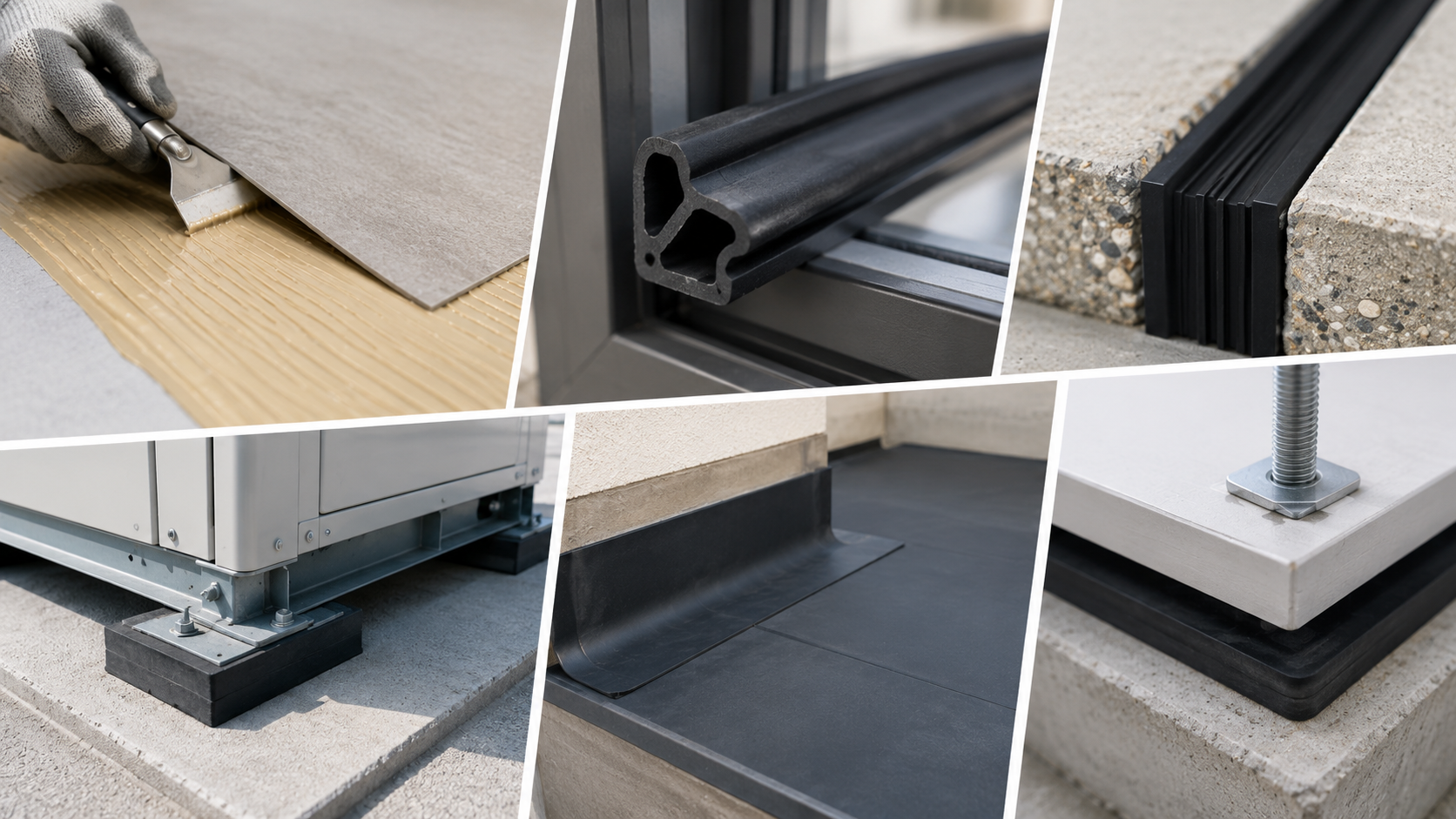
Isocyanates
The reactive ingredient in spray foam, polyurethane, and one-part urethane sealants.
Maleic Anhydride
A polyester-resin precursor and aggressive respiratory sensitizer.
Family overview →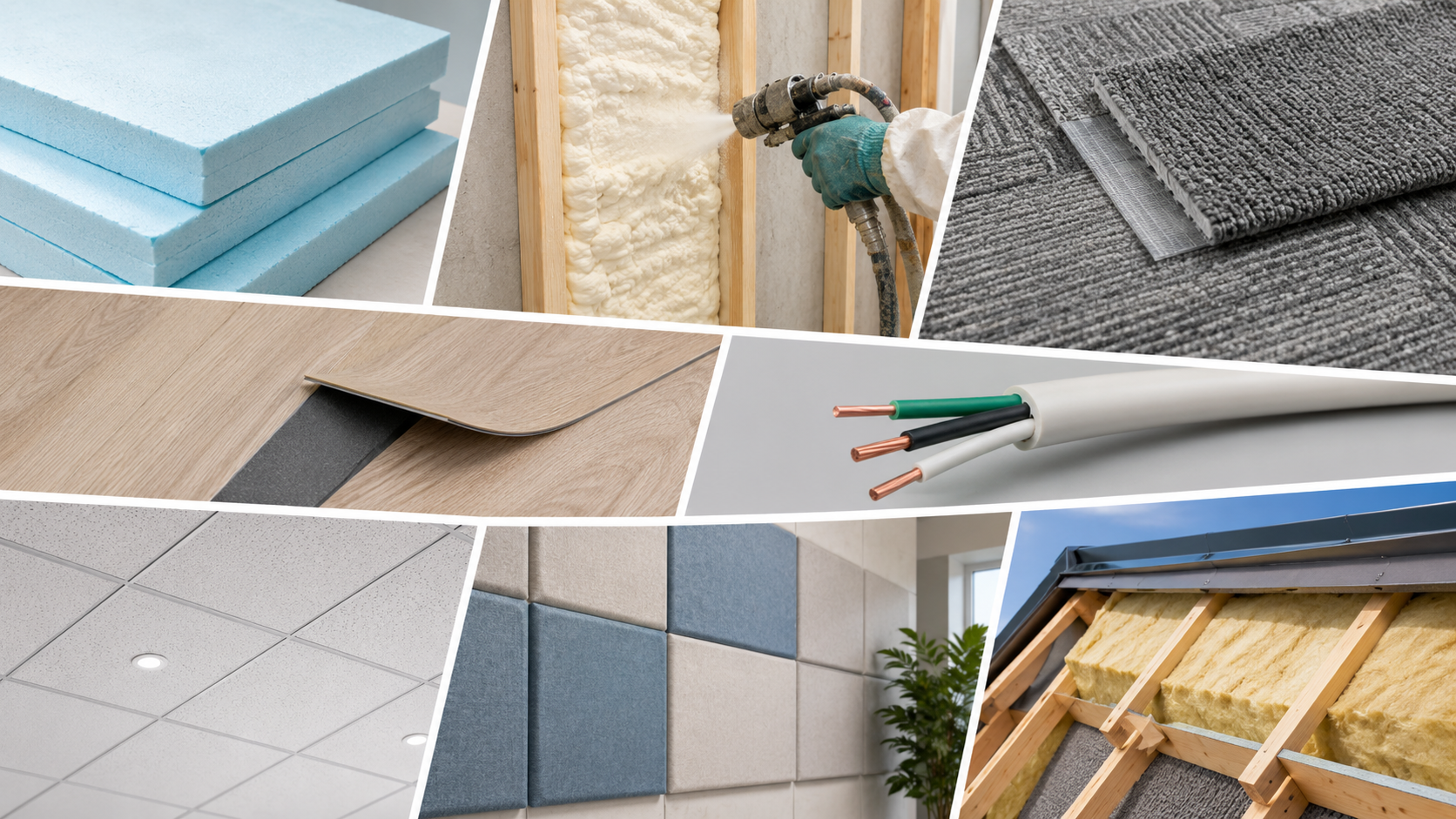
Methyl Methacrylate (MMA)
The acrylic-resin monomer in solid surface, dental composites, and floor coatings.
Family overview →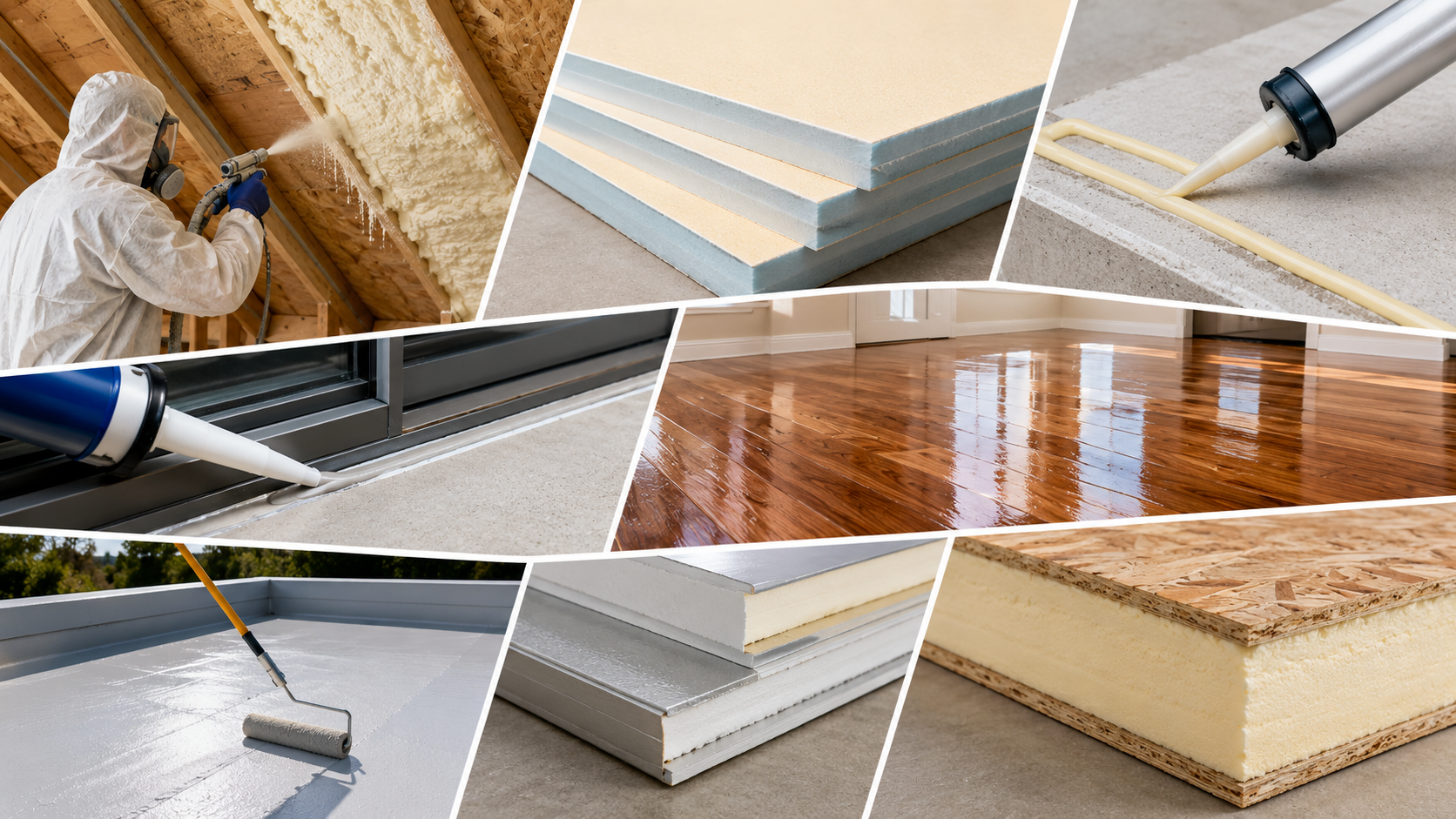
Amine Catalysts
The fishy-smelling "B-side" amines that drive polyurethane reactions — and never fully leave.
Family overview →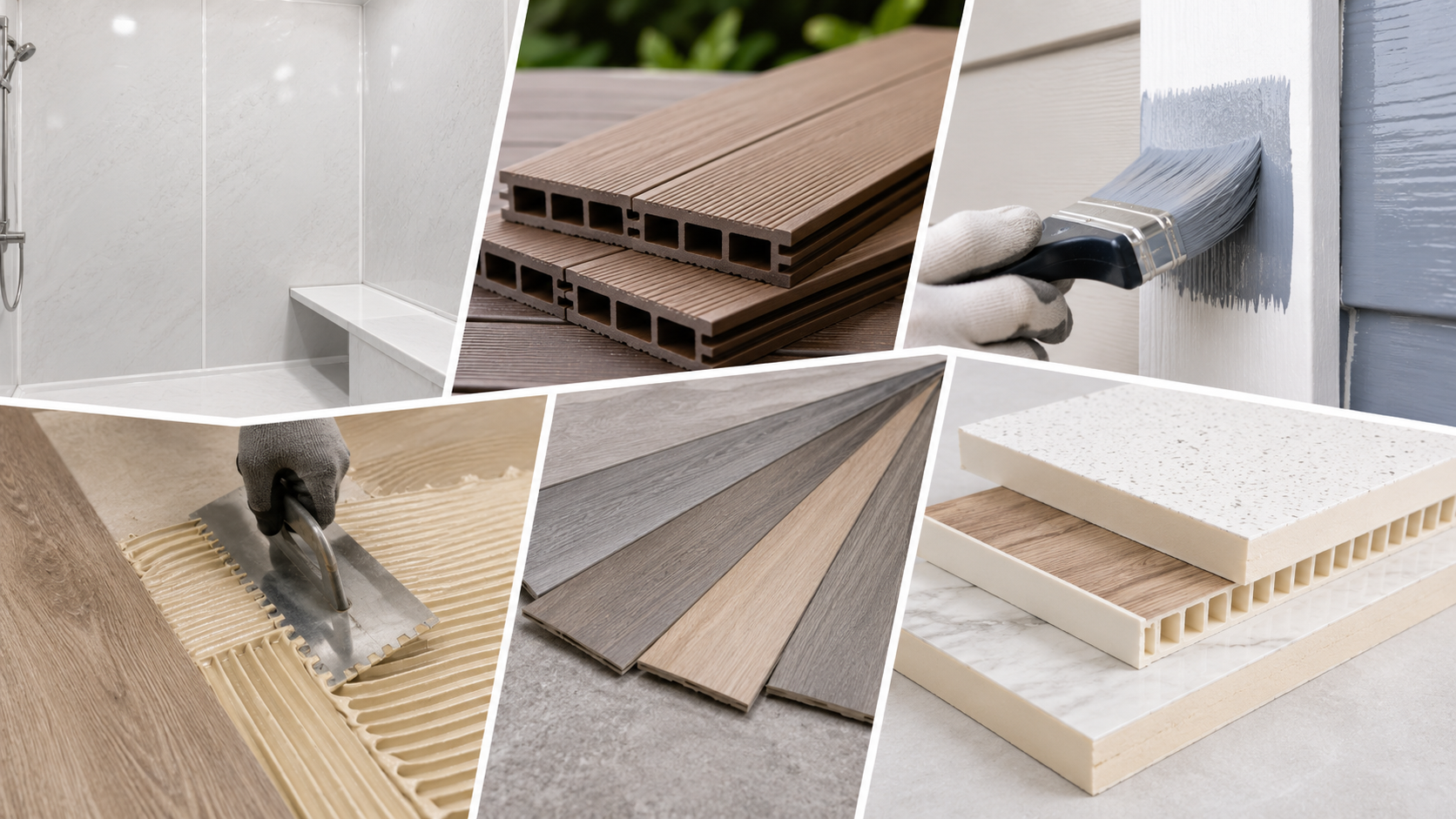
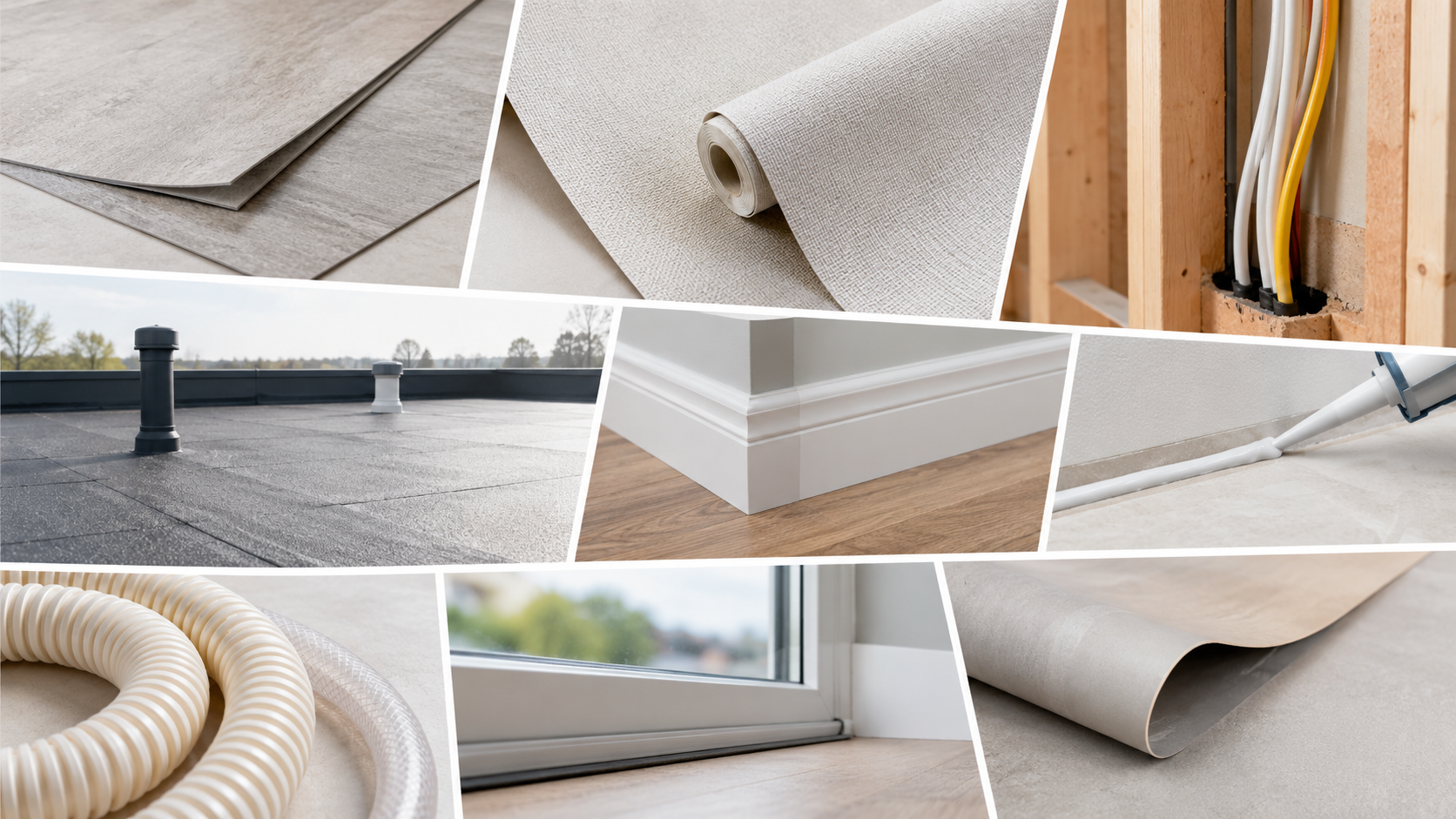
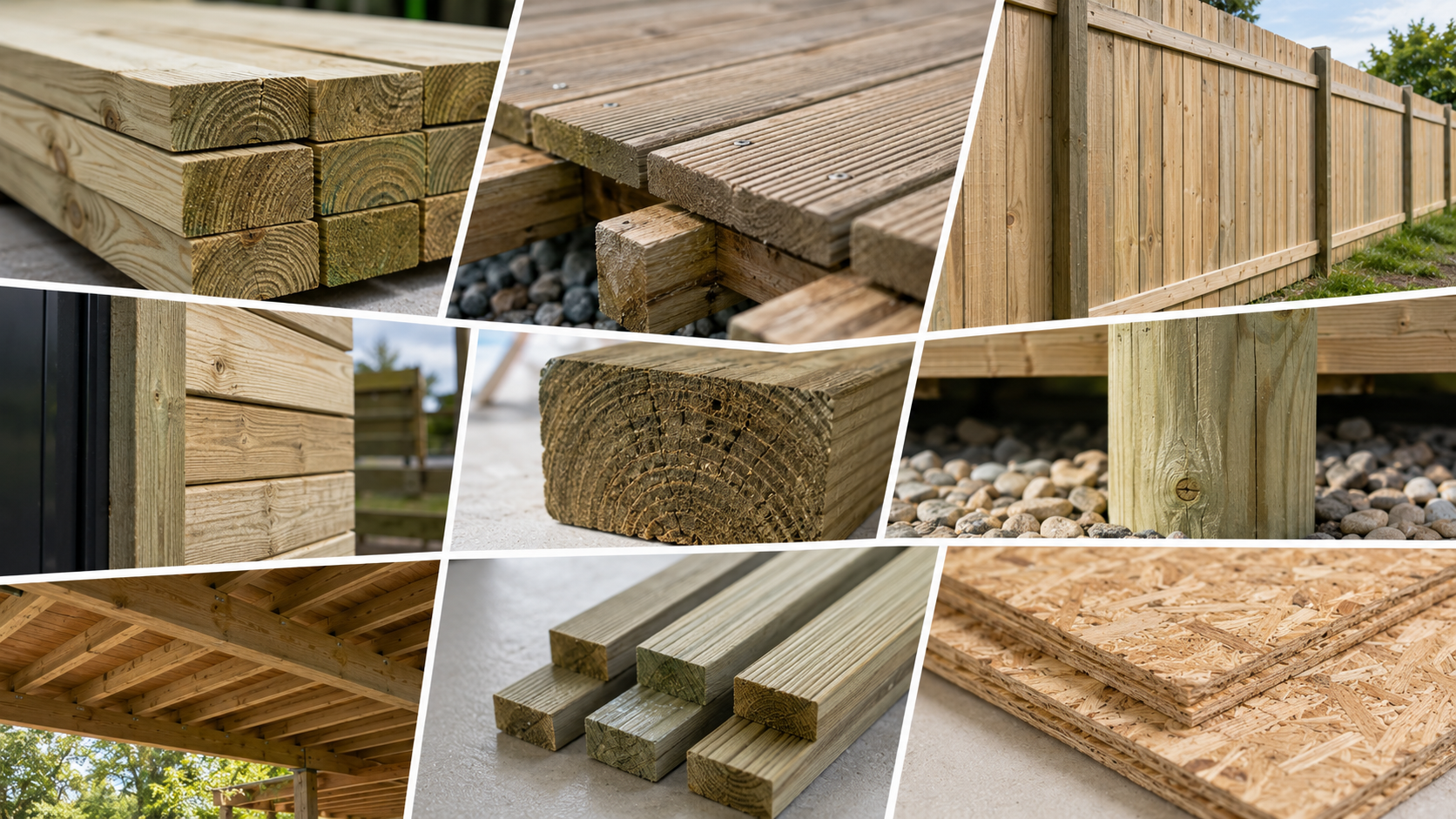
Orthophthalates
The plasticizer family that makes vinyl flexible — and disrupts hormones.
Chlorinated Phenols
Wood preservatives, pesticide intermediates, and persistent dioxin precursors.
Family overview →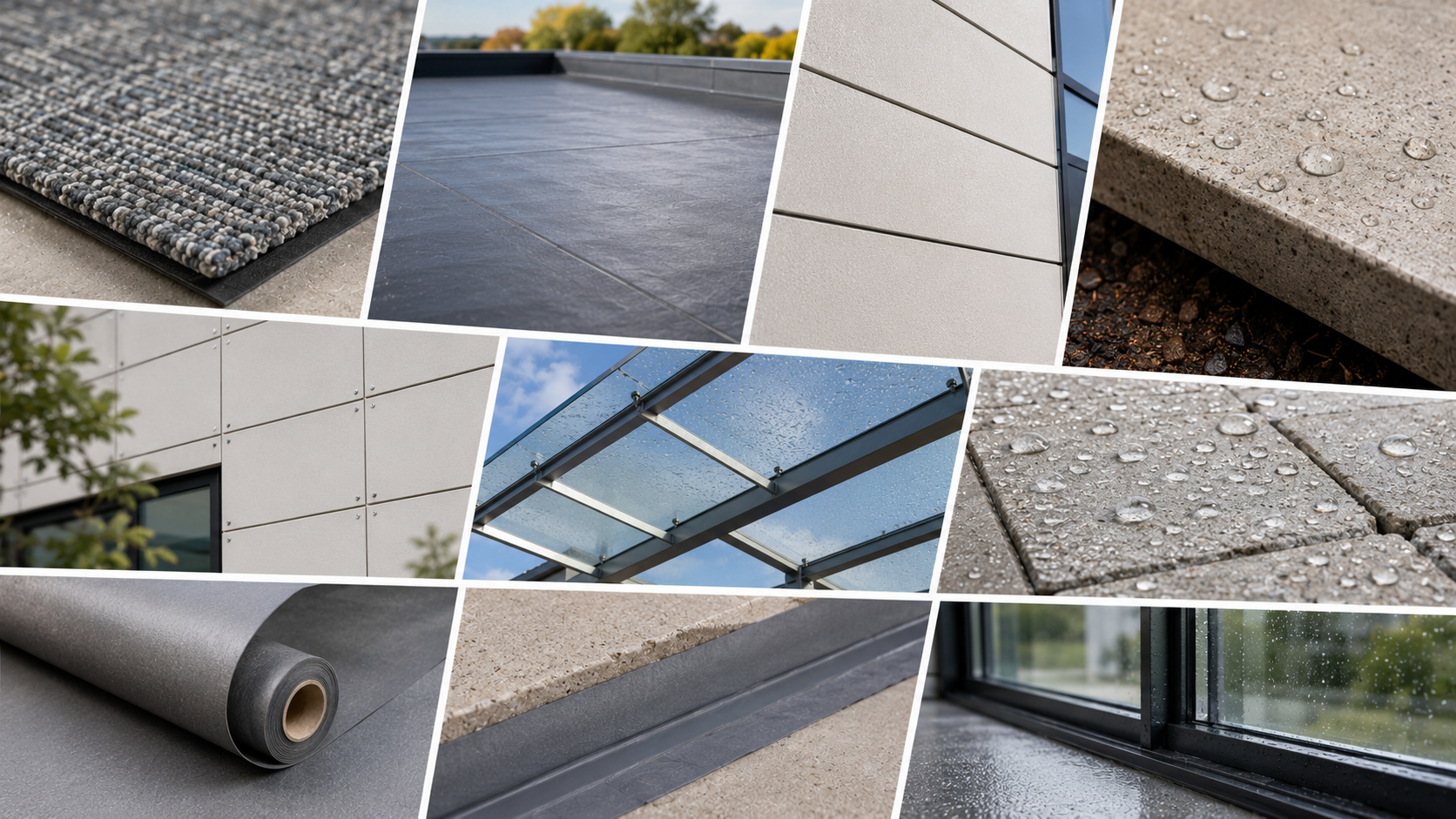
Per- and Polyfluorinated Substances (PFAS)
The "forever chemicals" that don't break down — and accumulate in human blood.
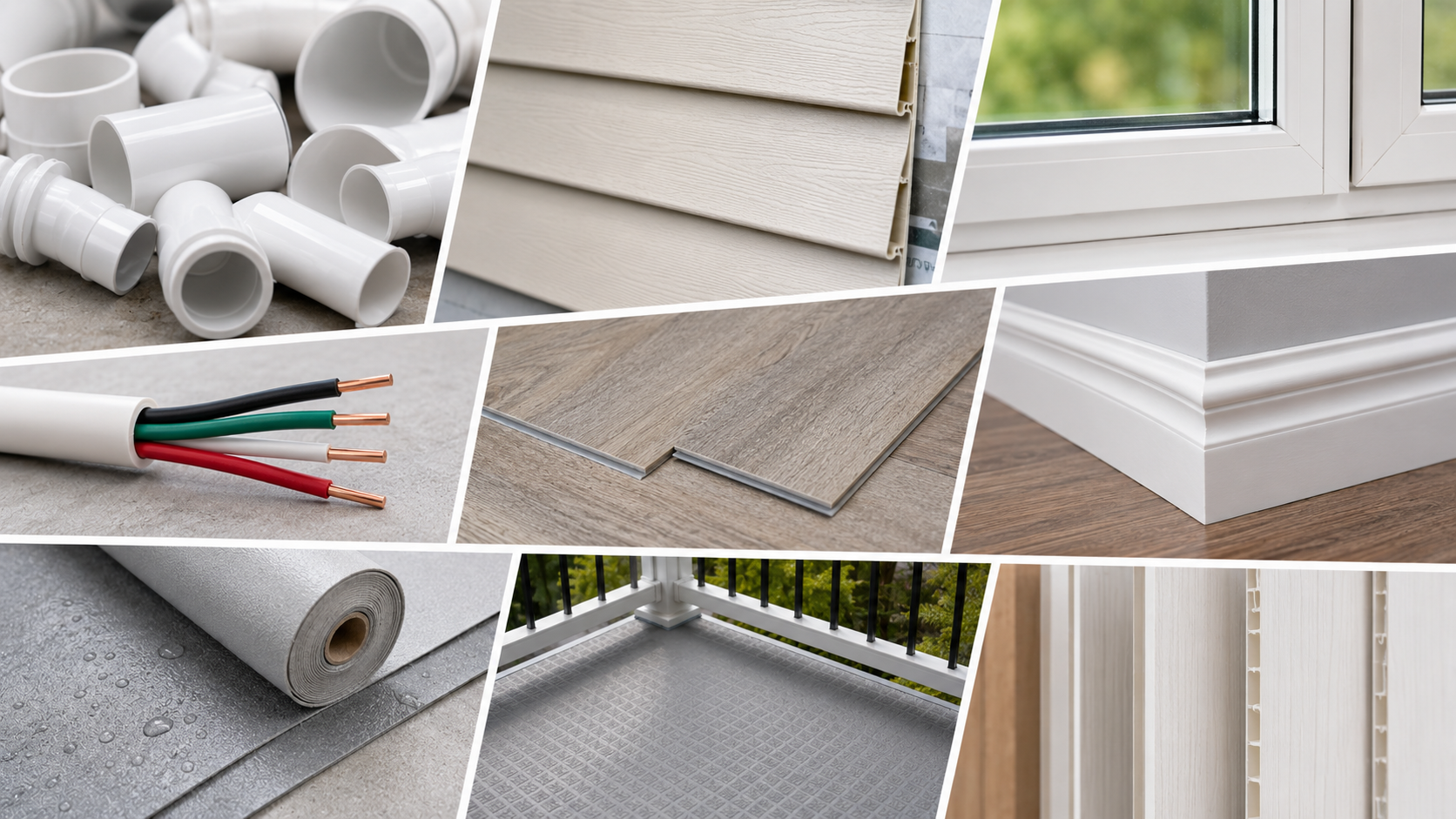
PVC & Chlorinated Polymers
The most common construction plastic — and a problem chemistry from cradle to grave.
Family overview →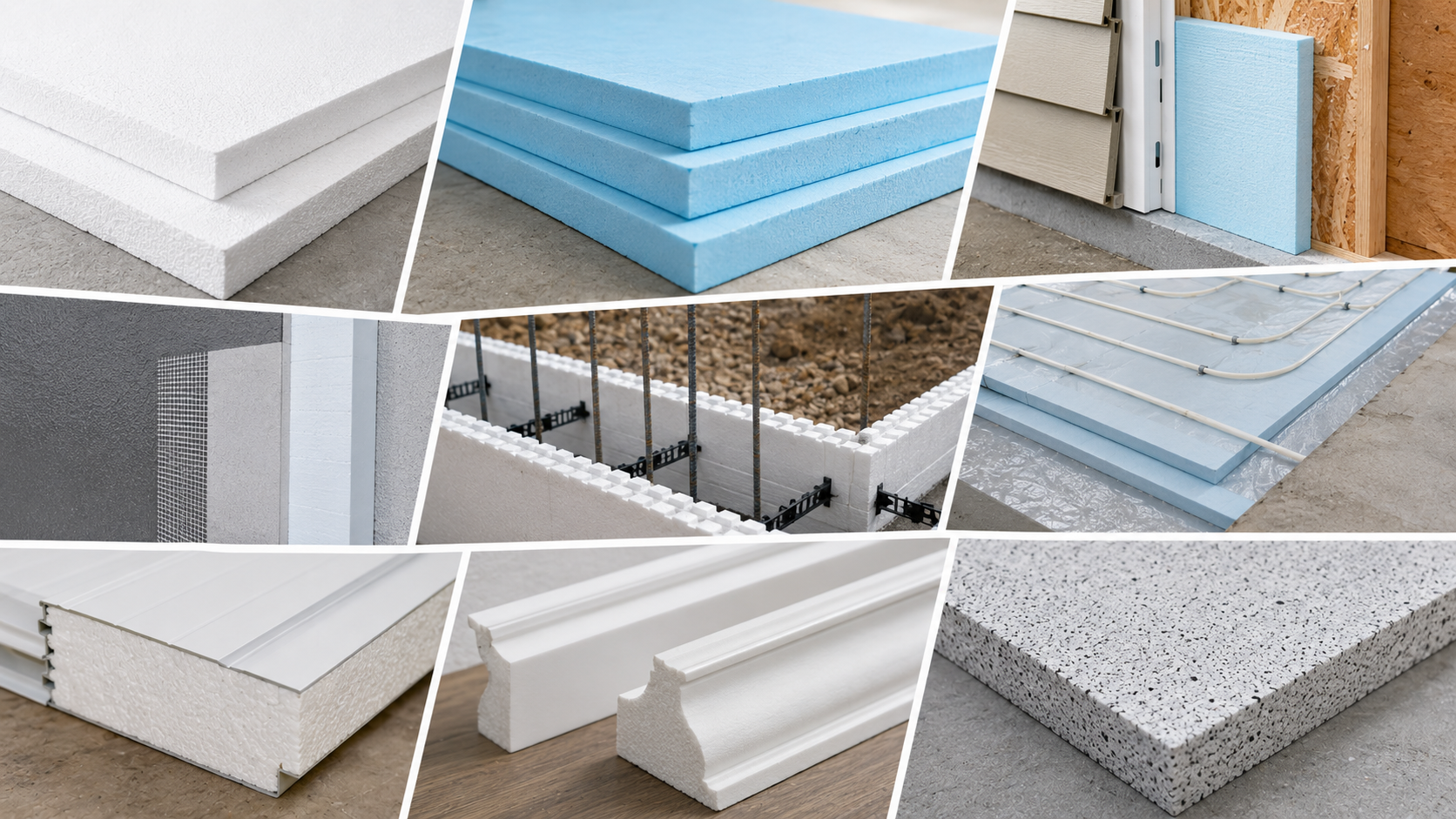
Styrene & Polystyrene
The monomer in foam insulation, plastic cups, and synthetic rubber — IARC reclassified "probable carcinogen."
Family overview →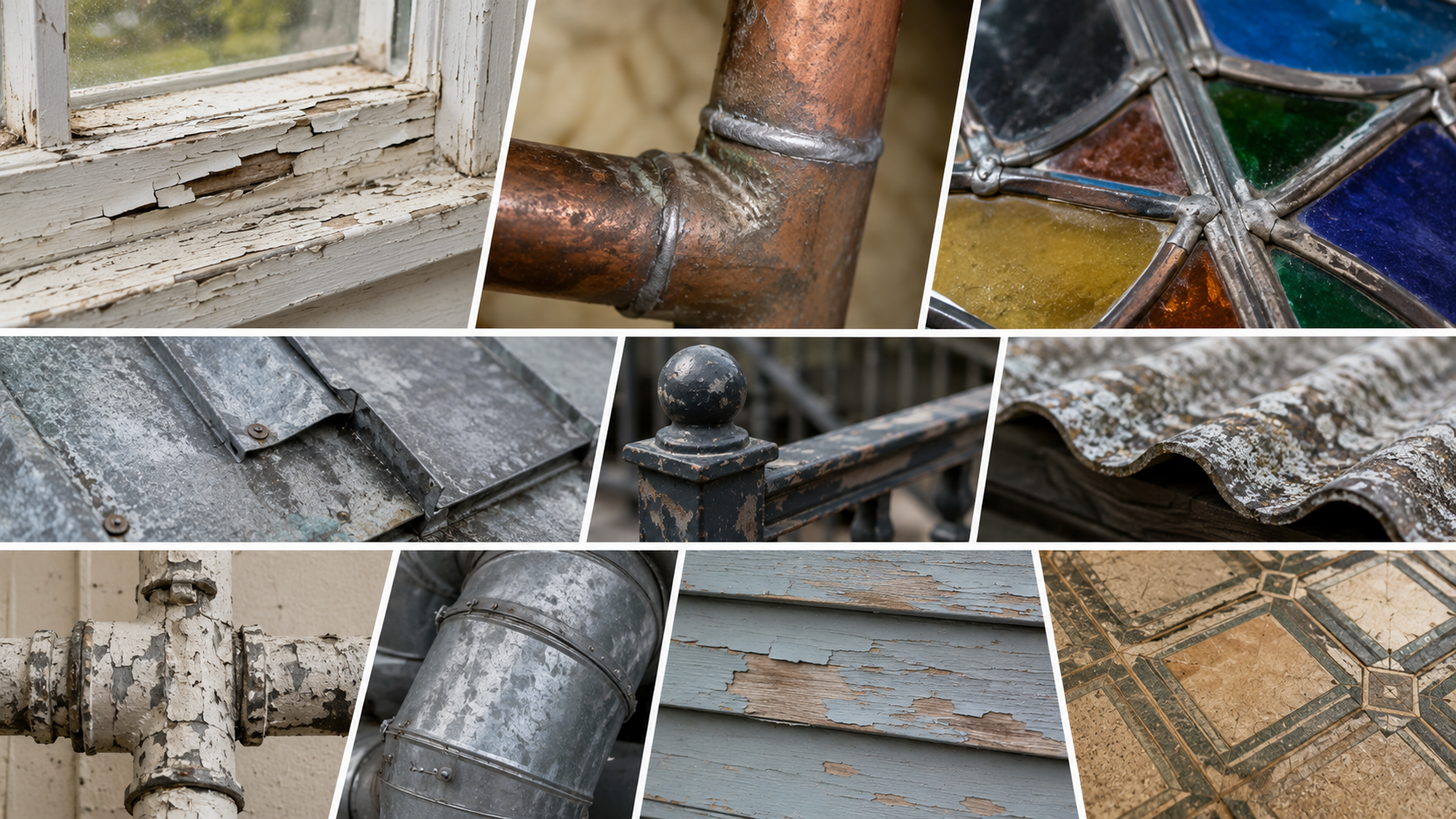
Toxic Metals
Lead, arsenic, cadmium, mercury, hexavalent chromium — heavy metals with no safe dose.
Family overview →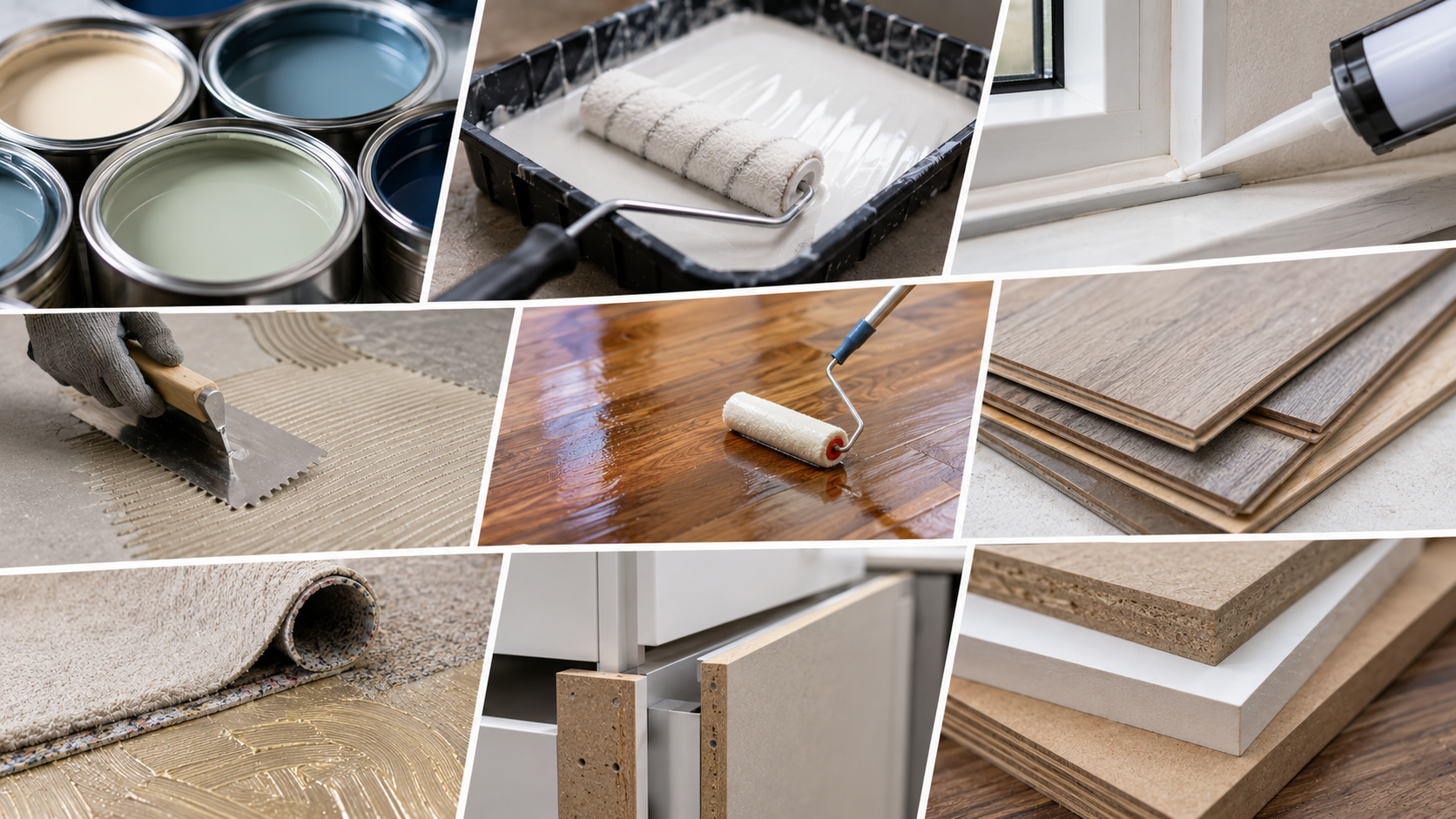
Volatile Organic Compounds (VOCs)
The catch-all category of small, evaporating organics that drive indoor-air complaints.
Family overview →