Isocyanates
The reactive ingredient in spray foam, polyurethane, and one-part urethane sealants.

Toxic Chemical Databases
Where this family lands across the nine independent toxicology authorities we screen against.
Chemical Type
Highly Reactive Polyurethane Precursor
Chemical Description
Isocyanates are the high-energy "A-side" of every polyurethane reaction. The two families that matter in construction are MDI (methylene diphenyl diisocyanate) — the workhorse for spray foam insulation and engineered-wood adhesives — and TDI (toluene diisocyanate), still common in flexible foams and one-component urethane sealants. HDI shows up in two-part automotive-grade coatings. Once polyurethane is fully cured the bulk polymer is relatively stable, but partial-cure batches release residual monomer, oligomers, and amine catalysts for months to years. Isocyanates are the leading cause of occupational asthma in industrial countries, and once a person becomes sensitized, even trace exposure can trigger a severe attack. EBH does not install closed-cell or open-cell spray polyurethane foam in occupied homes. Where polyurethane chemistry is unavoidable (engineered-wood adhesives, urethane sealant beads), we specify products with documented low residual monomer and we cure them off-site.
Chemical Structure
Molecular schematic for Isocyanates — formula and structural features shown below.
Biological Activity
Severity scores summarize hazard endpoints from IARC, NTP, EPA IRIS, ATSDR, and NIOSH on a 0–10 scale. Mirrors the system-level output of our SDS Toxic Chemical Screener.
Chemical Analogs and Brand Names
- Methylene bisphenyl diisocyanate (pure MDI) — CAS 101-68-8
- Polymeric MDI (PMDI) — CAS 9016-87-9
- 4,4'-MDI homopolymer — CAS 25686-28-6
- Toluene diisocyanate (TDI 80/20) — CAS 26471-62-5
- Hexamethylene diisocyanate (HDI) — CAS 822-06-0
- C
Top Health Consequences
- Occupational asthma — the #1 cause in industrialized countries
- Irreversible respiratory sensitization (one bad exposure can trigger a lifelong reaction)
- Hypersensitivity pneumonitis with chronic low-level exposure
- Skin sensitization and allergic contact dermatitis
- IARC Group 2B (TDI) and Group 3 (MDI) carcinogen classifications
Pathways of Exposure
- Inhalation of aerosolized A-side during spray foam installation
- Off-gassing of residual monomer from partial-cure or off-ratio foam batches
- Dermal contact during application of one-part urethane sealants and adhesives
- Re-aerosolization during demolition, sanding, or thermal degradation of cured foam
Substances in this Family
Each substance below has its own profile page with its own database flags, biological-activity scores, and exposure pathways — they are NOT interchangeable.
Building Materials with Isocyanates
Listed alphabetically. These are the product categories where this chemistry most often shows up — not an exhaustive list.
 Engineered Wood Adhesives (PMDI)
 Flexible Polyurethane Foam Cushions
 High-Performance Coatings & Stains
 One-Component Urethane Sealants
 Polyurethane Wood Floor Finishes
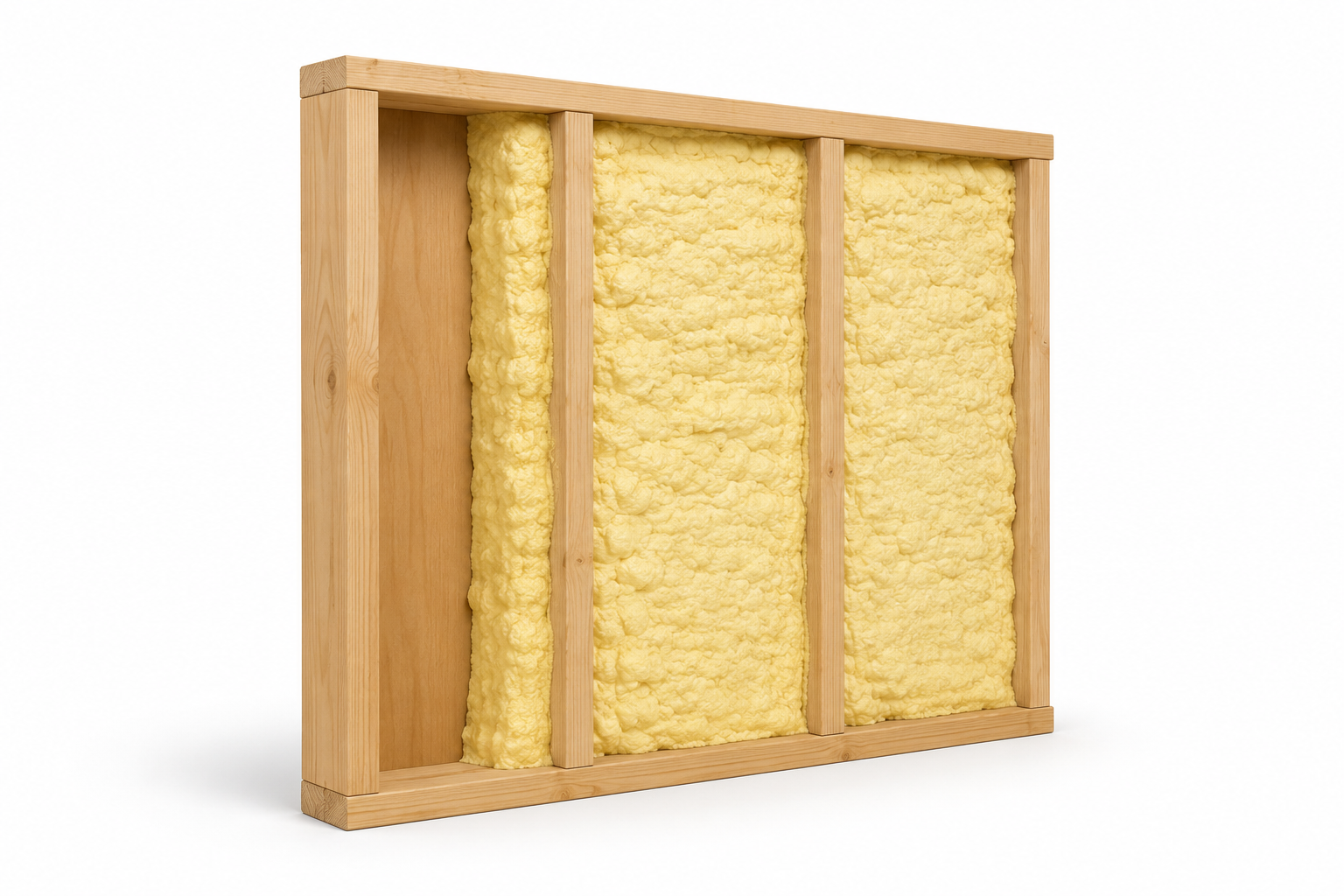 Spray Polyurethane Foam Insulation
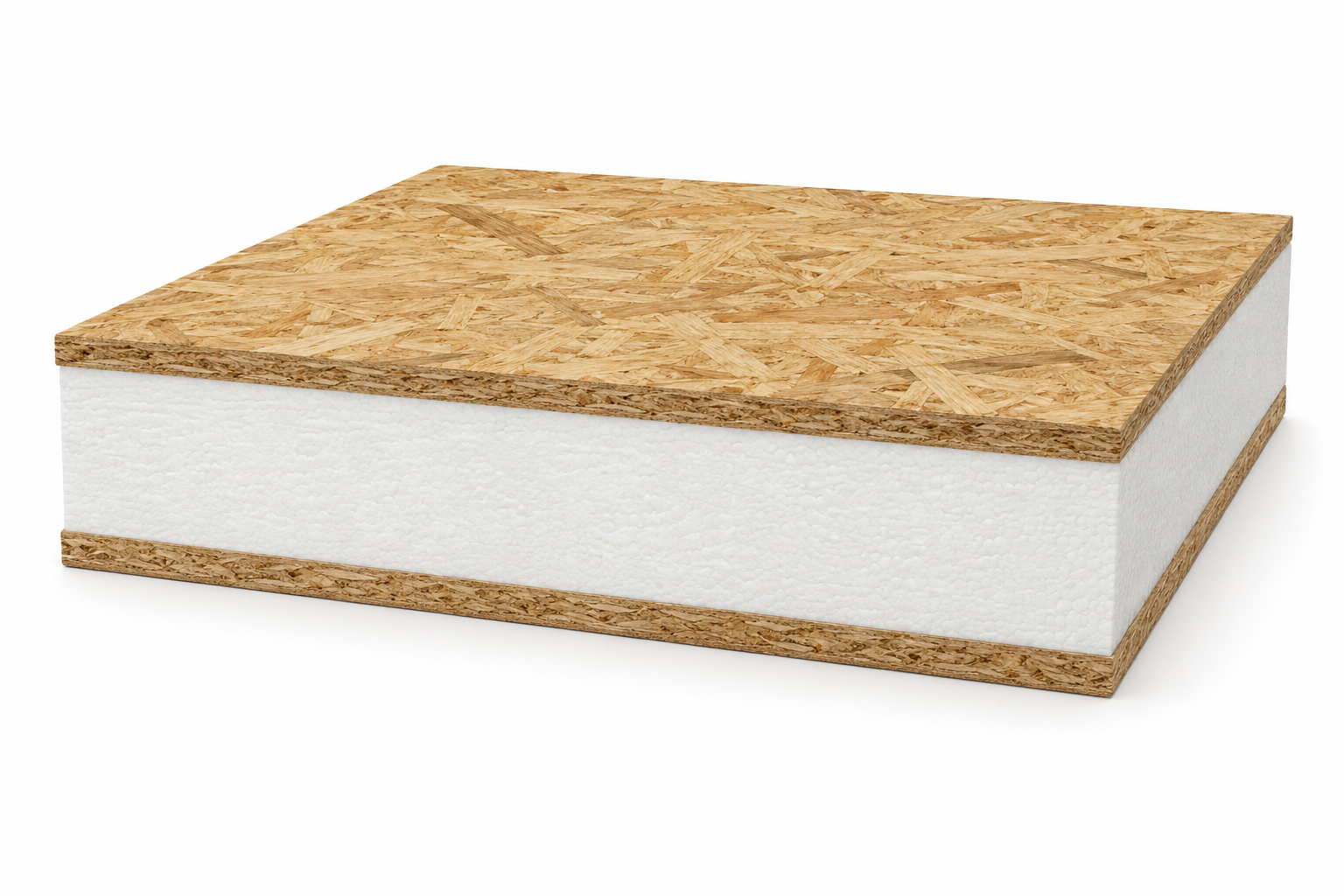 Structural Insulated Panels (SIPs)
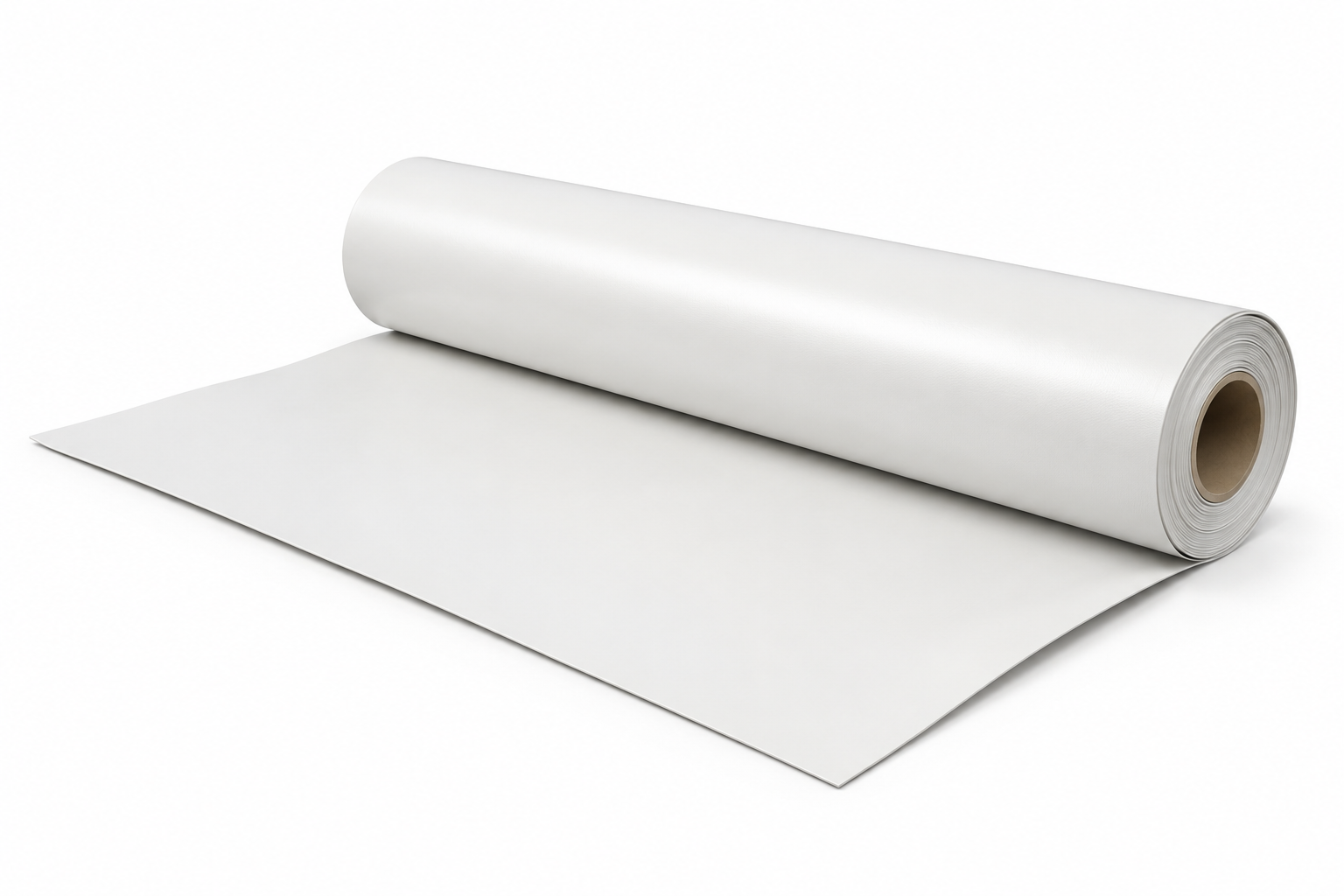 Thermoplastic Polyurethane Membranes
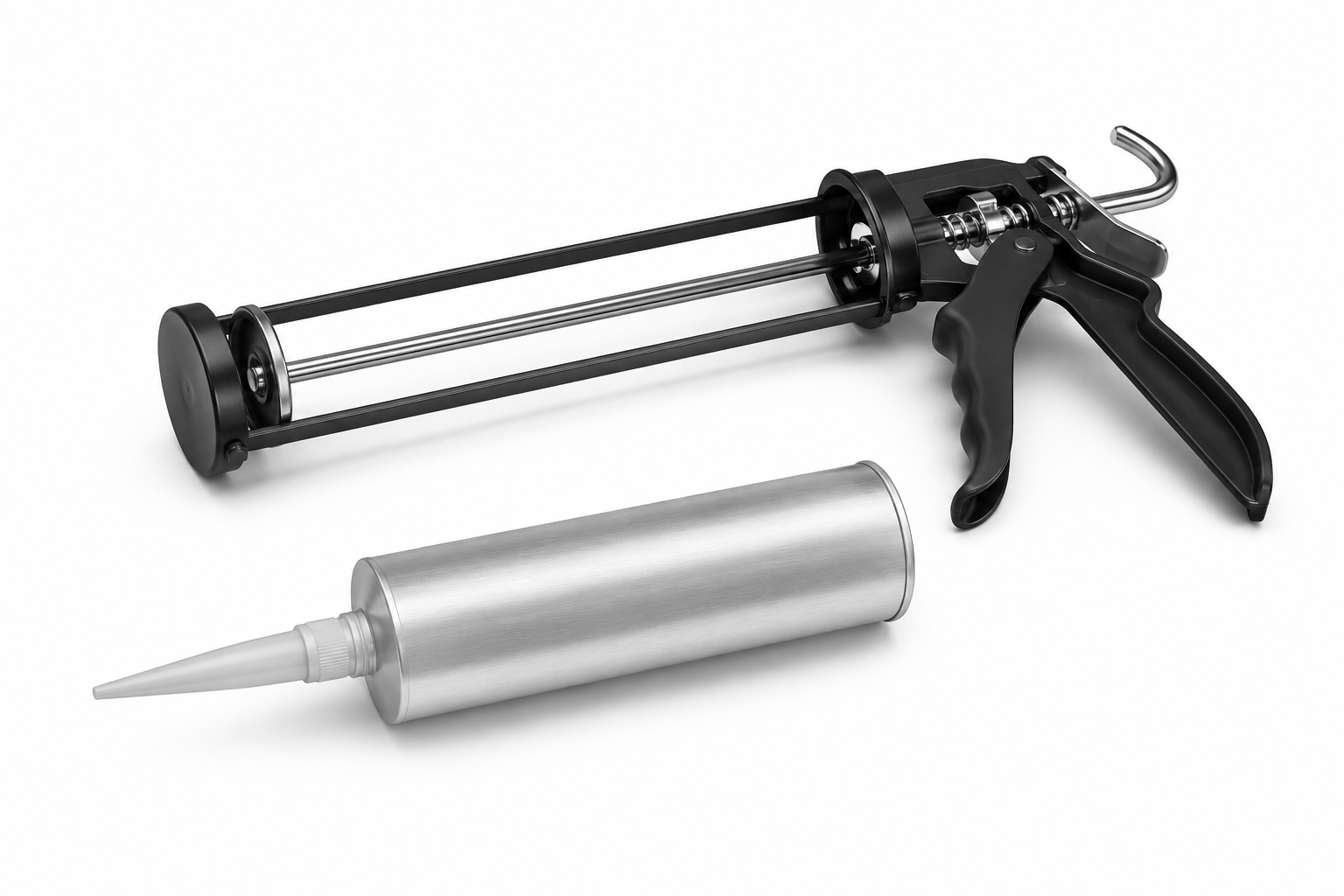 Two-Part Industrial Coatings
 Wire & Cable Jacket Compounds
Isocyanates and the Houses We Build Without Them
Isocyanates appears in more building products than most homeowners would believe. Our specifications exclude the family outright, which is what lets us promise a genuinely toxin free home instead of a lower-emission one.
Every house we build is designed as a healthy, mold free, all electric Passive House — the chemical screening is one layer of that, not the whole of it. Earth Bound Homes builds in Palo Alto, Menlo Park, San Mateo County and across the San Francisco Bay Area.