DBP (Dibutyl Phthalate)CAS 84-74-2
Short-chain plasticizer used in cellulose-based finishes and nail products — anti-androgen like DEHP.
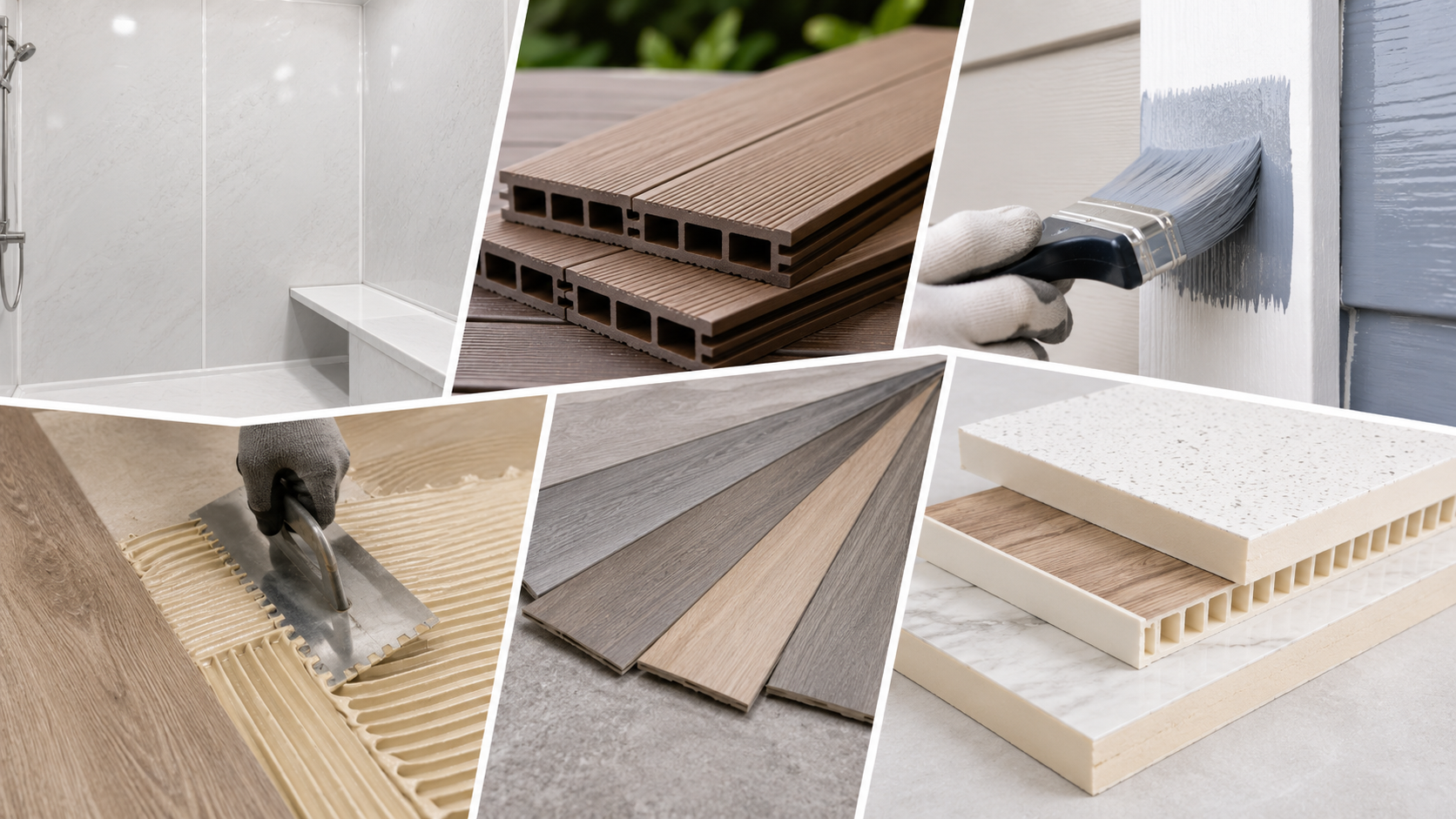
Toxic Chemical Databases
Substance-specific listings — these flags are for DBP alone, not for the broader family.
Chemical Type
Short-Chain C4 Phthalate
Chemical Description
DBP shares the DEHP anti-androgen toxicity profile but with a shorter alkyl chain that makes it more bioavailable and more readily absorbed through skin. Smaller market than DEHP in construction; significant use in nail polish, cellulose acetate film, and some adhesives. EU REACH lists it as a Category 1B reproductive toxicant. CPSC bans it from children's products.
Biological Activity
Severity scores specific to this substance, NOT the parent family average. Differences between siblings are real and meaningful.
Top Health Consequences
- Anti-androgen reproductive toxicity — Category 1B in EU
- Reduced fetal testosterone and altered male reproductive tract
- Higher dermal absorption than longer-chain phthalates
- Detectable urinary metabolites in nearly every U.S. resident sampled
Pathways of Exposure
- Dermal absorption from personal-care products (nail polish, cosmetics)
- Ingestion of contaminated house dust
- Inhalation of off-gassed monomer from new vinyl products
Building Materials with DBP
Listed alphabetically — product categories where this specific substance appears.
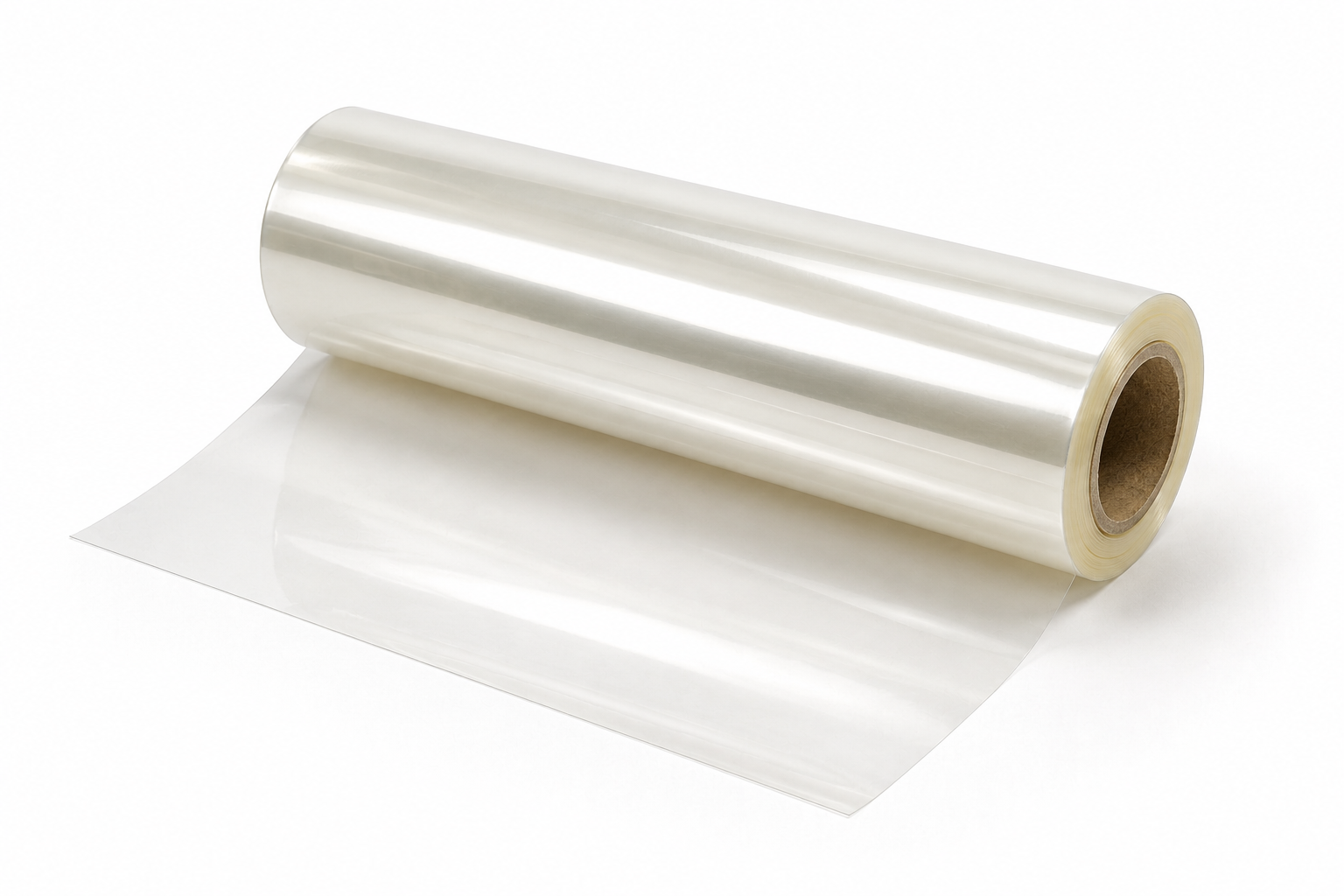 Cellulose-Acetate Film & Laminates
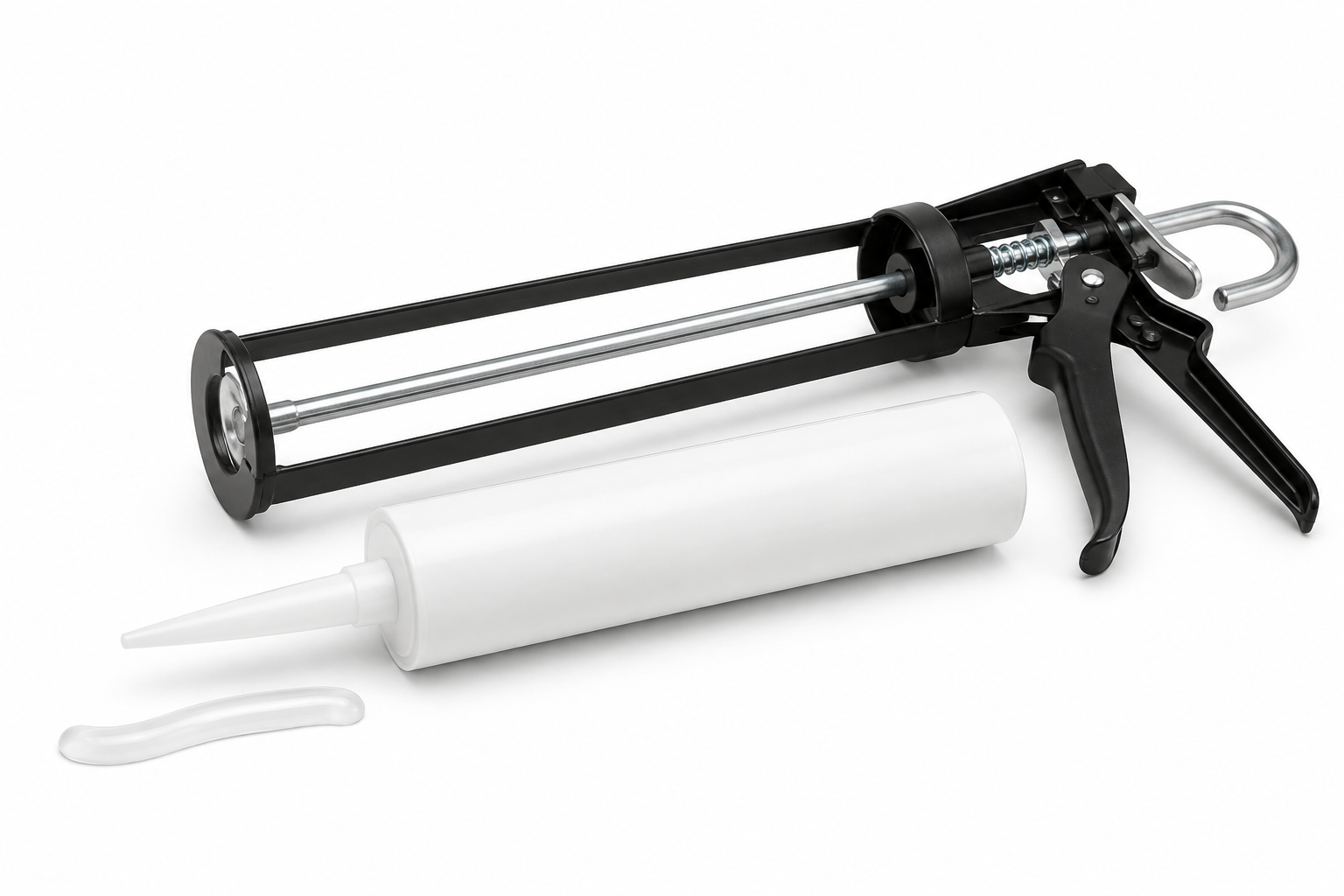 Latex & Acrylic Adhesives
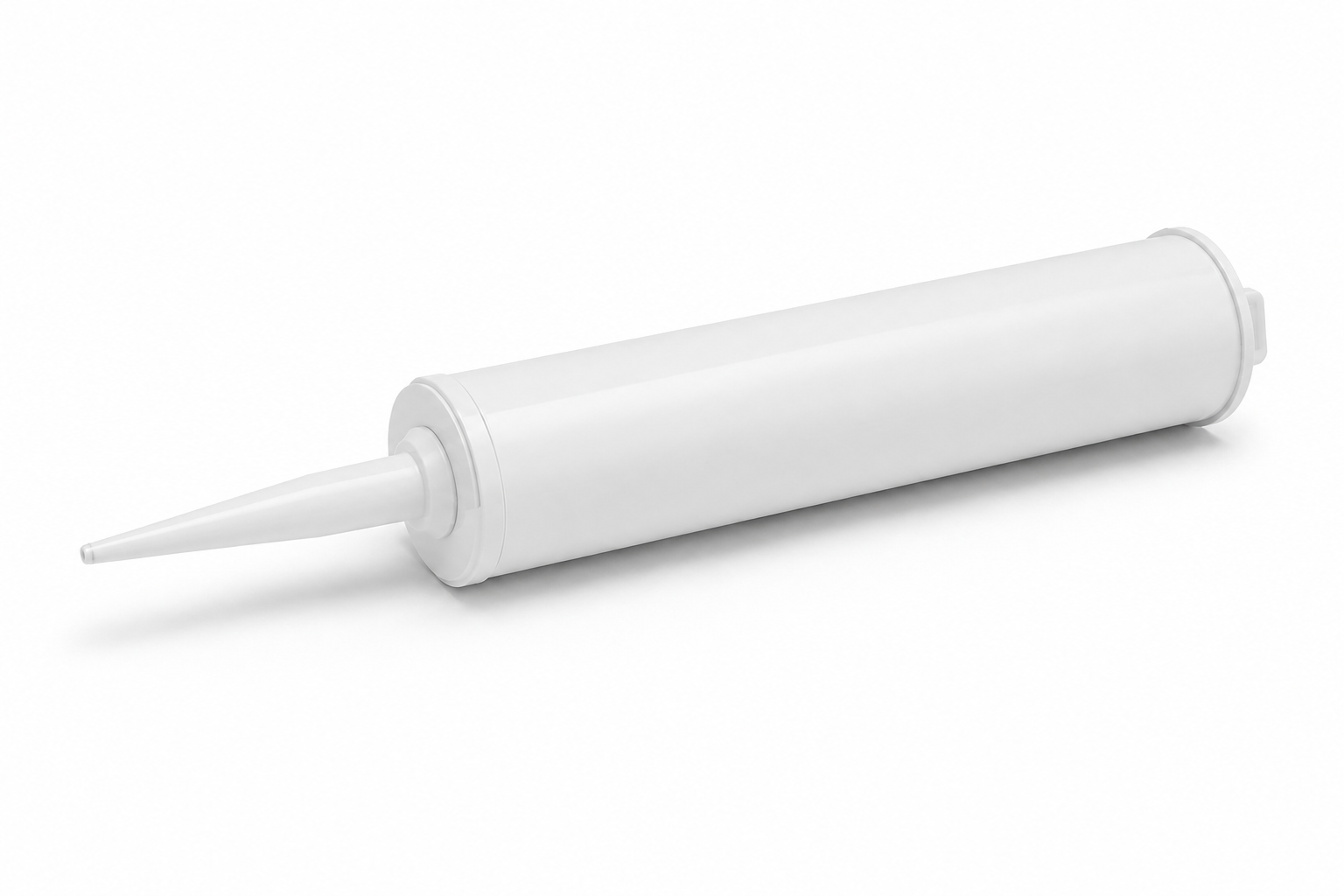 Specialty Caulks & Sealants
How We Keep DBP Out of a House
DBP is one of the substances our screening is built to catch. A healthy home is won in the specification and the submittal review, long before anyone opens a bucket on site.
If you want a house specified this way from the start, or an existing house assessed for what is already in it, that is the work we do. Earth Bound Homes builds in San Jose, Los Gatos, Santa Clara County and across the San Francisco Bay Area.