Orthophthalates
The plasticizer family that makes vinyl flexible — and disrupts hormones.

Toxic Chemical Databases
Where this family lands across the nine independent toxicology authorities we screen against.
Chemical Type
Endocrine-Active Plasticizer Class
Chemical Description
Orthophthalates are esters of phthalic acid, blended into PVC and other polymers at 20–40% by weight to make rigid plastic soft and flexible. DEHP, DINP, DIDP, BBP, DBP, DiBP — these are the molecules that turn hard PVC into supple vinyl flooring, shower curtains, garden hose, wall coverings, and flexible electrical cable jackets. They aren't chemically bonded to the polymer, so they leach, off-gas, and migrate into dust over the entire service life of the product. The toxicological signal across the orthophthalate family is consistent: anti-androgen effects on the developing male reproductive tract, altered hormone signaling, reduced semen quality, and metabolic endpoints. The U.S. CPSC has banned several phthalates from children's products, and Europe restricts them broadly under REACH. EBH avoids flexible PVC in all interior applications and specifies phthalate-free vinyl alternatives (linoleum, rubber, polyolefin) where flexibility is required.
Chemical Structure
Molecular schematic for Orthophthalates — formula and structural features shown below.
Biological Activity
Severity scores summarize hazard endpoints from IARC, NTP, EPA IRIS, ATSDR, and NIOSH on a 0–10 scale. Mirrors the system-level output of our SDS Toxic Chemical Screener.
Chemical Analogs and Brand Names
- DEHP (Di(2-ethylhexyl) phthalate) — CAS 117-81-7
- DBP (Dibutyl phthalate) — CAS 84-74-2
- BBP (Butyl benzyl phthalate) — CAS 85-68-7
- DINP (Diisononyl phthalate) — CAS 28553-12-0
- DIDP (Diisodecyl phthalate) — CAS 26761-40-0
- DiBP (Diisobutyl phthalate) — CAS 84-69-5
- DnOP (Di-n-octyl phthalate) — CAS 117-84-0
- C
Top Health Consequences
- Anti-androgen effects in the developing male reproductive tract
- Reduced semen quality and sperm count
- Altered timing of puberty in girls
- Asthma incidence increase with prenatal exposure
- Metabolic syndrome and insulin resistance signals
Pathways of Exposure
- Ingestion of house dust loaded with leached plasticizer (primary route for infants)
- Dermal absorption from vinyl flooring, wall coverings, and electrical cable
- Inhalation of off-gassed phthalate from new flexible PVC products
- Diet — migration from PVC food-contact wrap and tubing
Substances in this Family
Each substance below has its own profile page with its own database flags, biological-activity scores, and exposure pathways — they are NOT interchangeable.
- DEHP (Di(2-ethylhexyl) Phthalate)
- DBP (Dibutyl Phthalate)
- BBP (Butyl Benzyl Phthalate)
- DCHP (Dicyclohexyl Phthalate)
- DIDP (Diisodecyl Phthalate)
- Di-(C10-rich, branched C9-C11 alkyl) Phthalate
- DIHP (Diisoheptyl Phthalate)
- Di-(C9-rich branched C8-C10-alkyl) Phthalate (DINP-1)
- DIBP (Diisobutyl Phthalate)
- DINP-2 (Diisononyl Phthalate)
- DnOP (Di-n-Octyl Phthalate)
- DnPP (Di-n-pentyl Phthalate)
Building Materials with Orthophthalates
Listed alphabetically. These are the product categories where this chemistry most often shows up — not an exhaustive list.
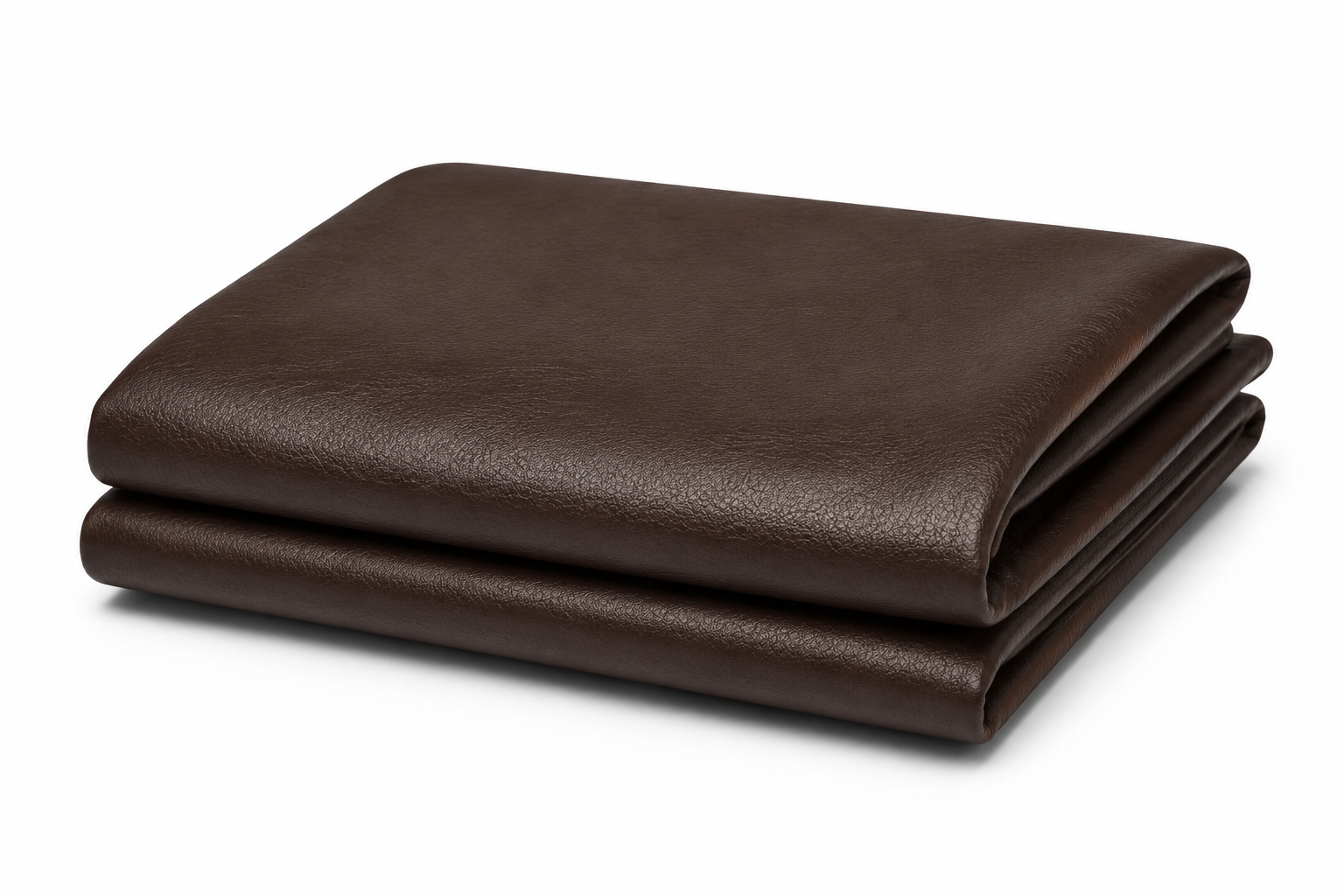 Artificial Leather & Vinyl Upholstery
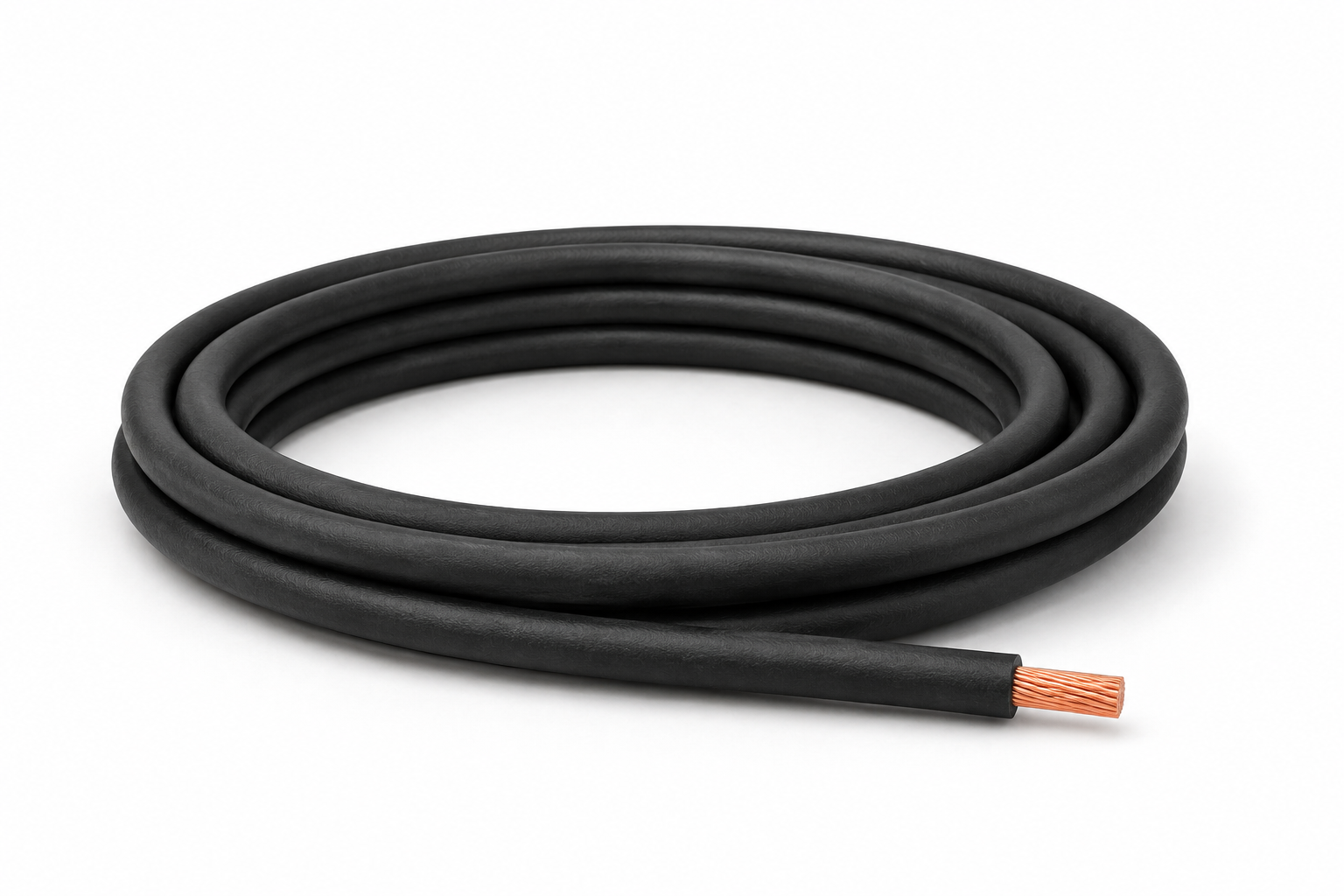 Electrical Cable & Wire Jacketing
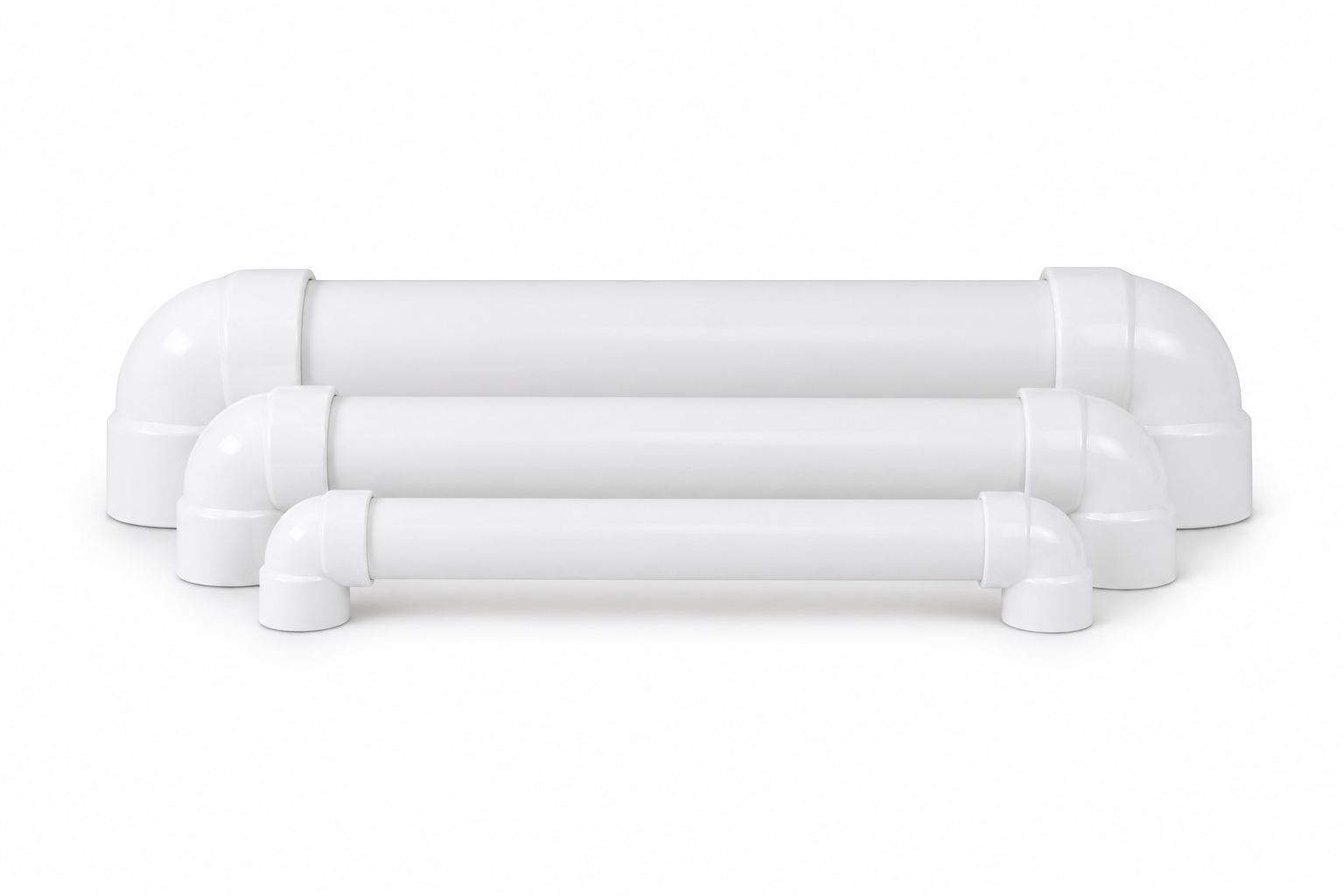 Flexible PVC Pipe & Tubing
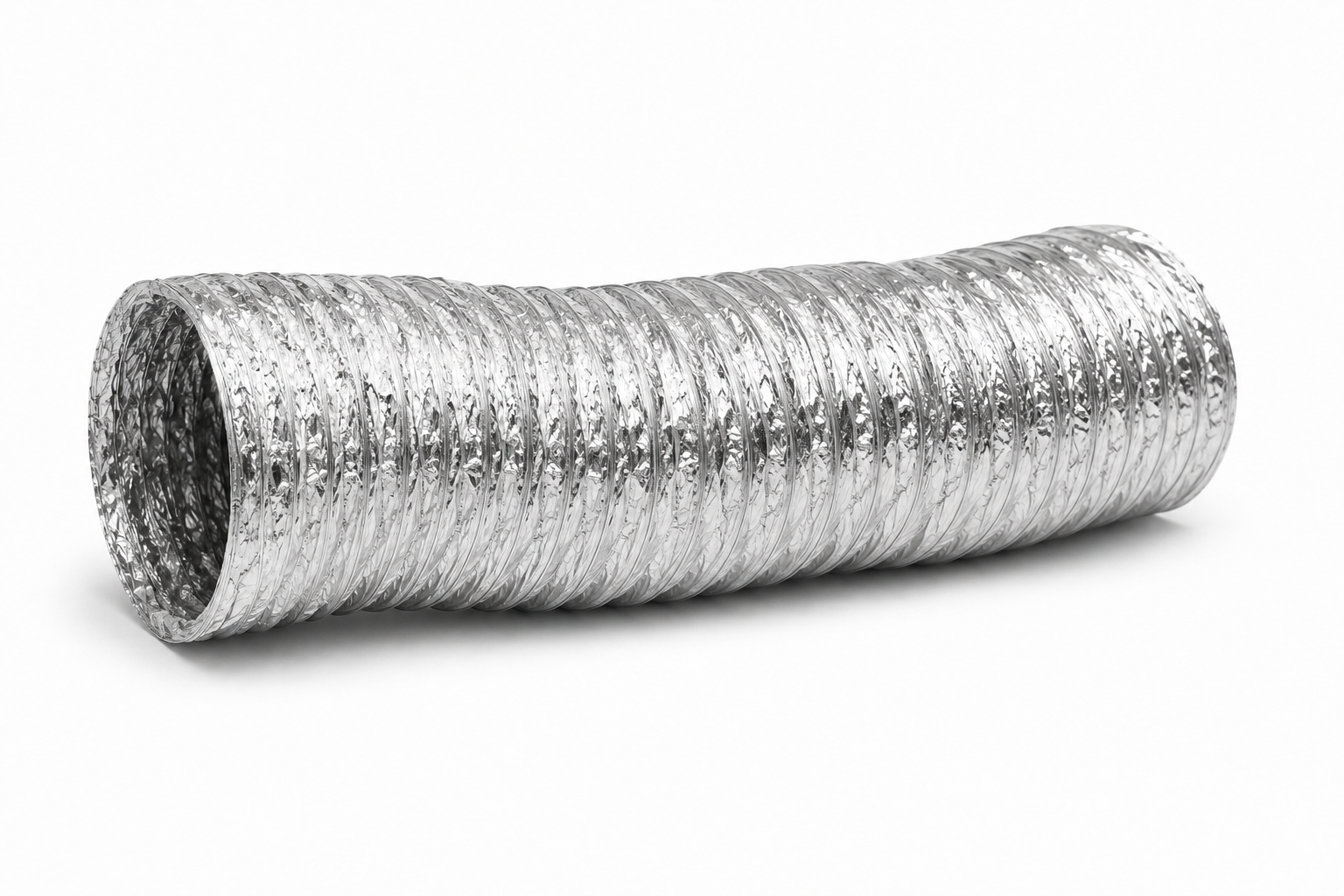 Hospital & Medical Tubing
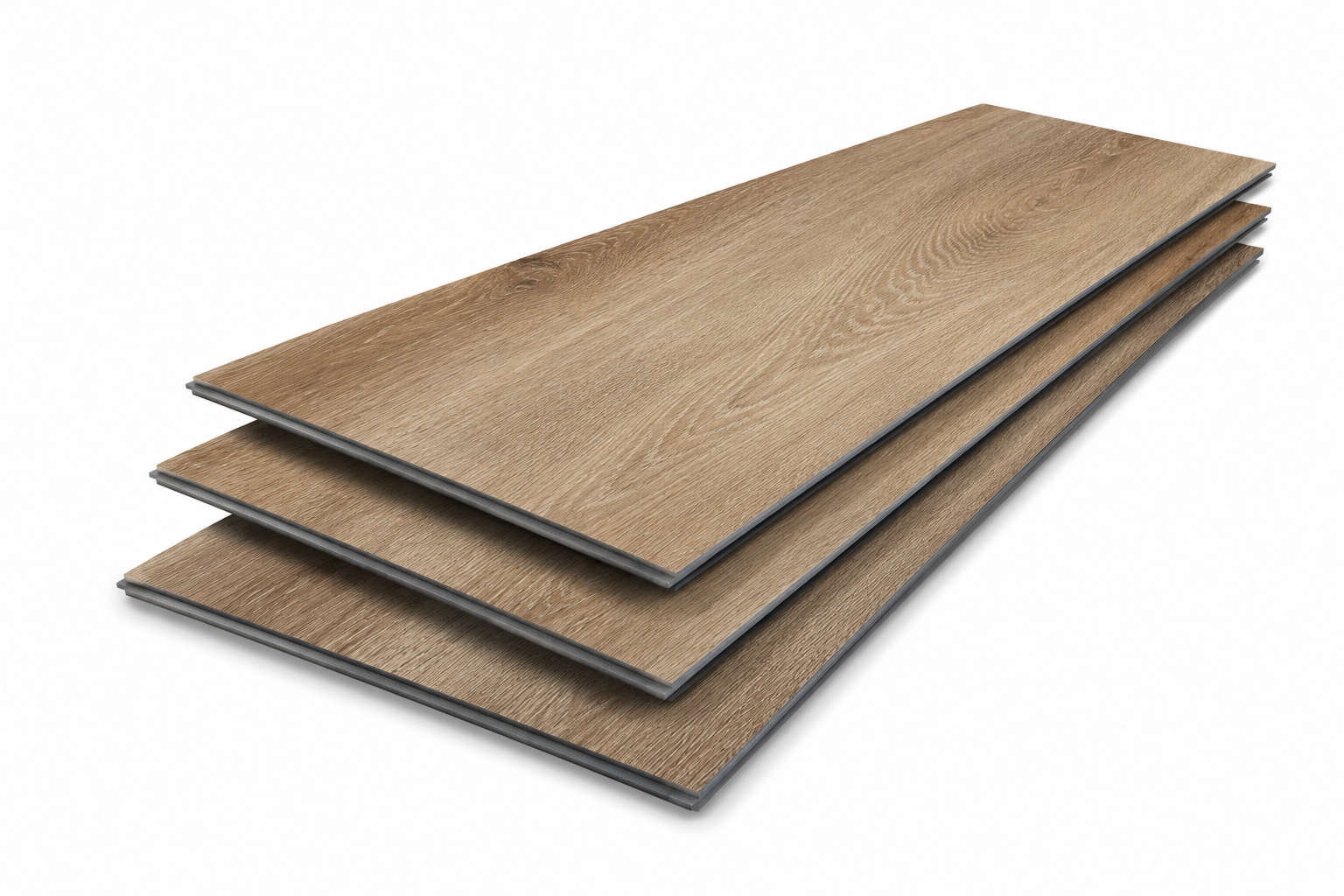 Resilient Vinyl Sheet Flooring
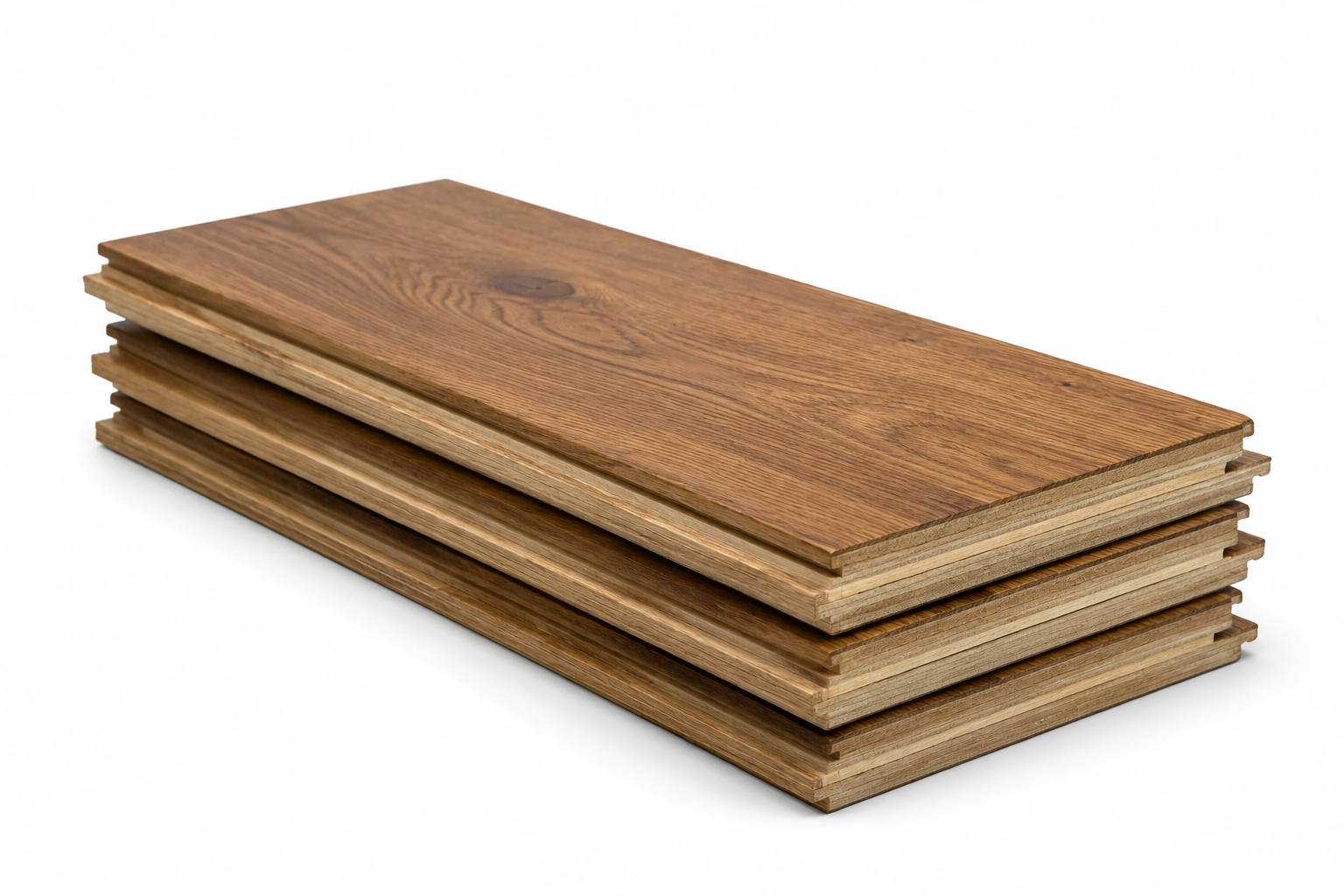 Resilient Vinyl Tile Flooring (LVT)
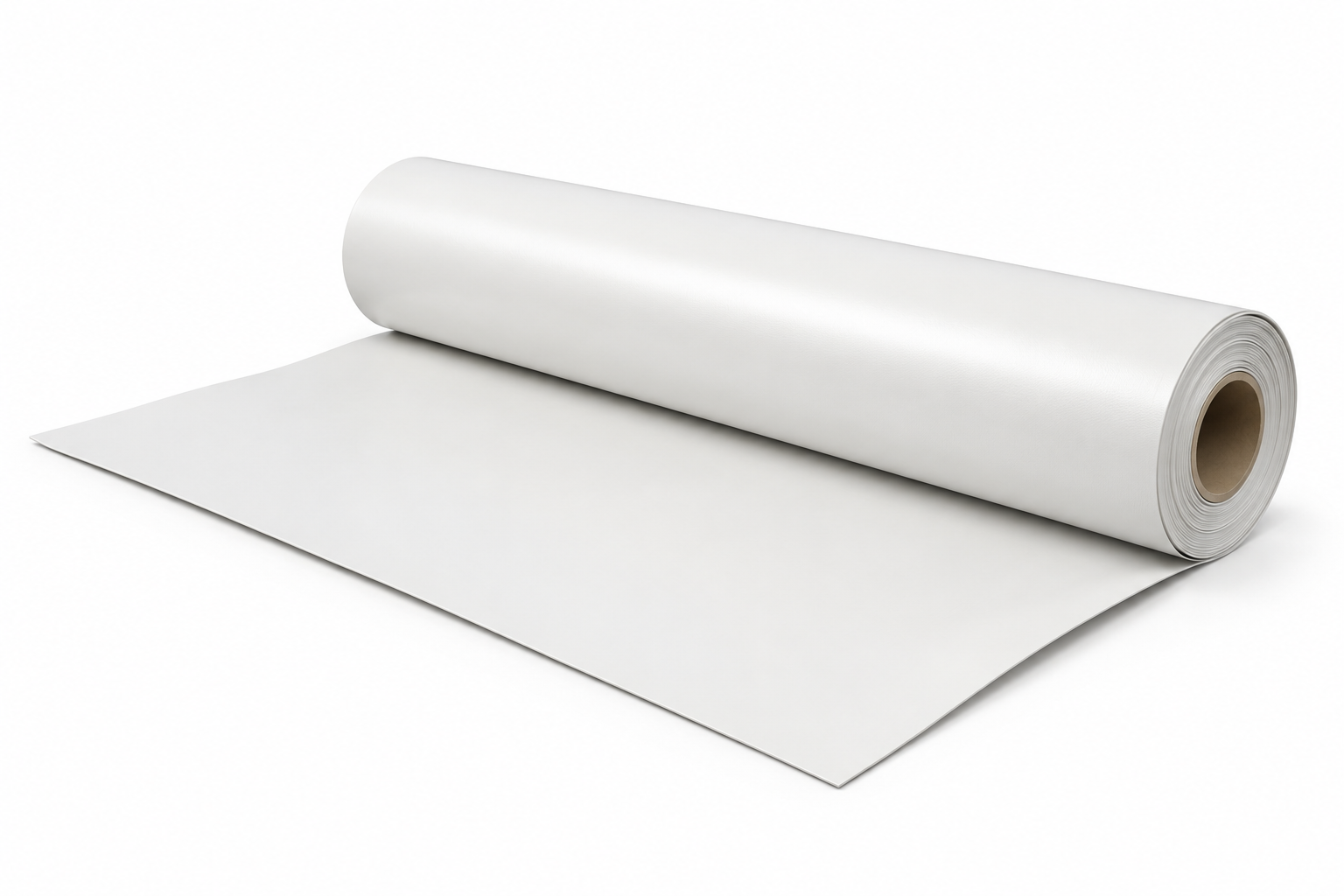 Roofing Membrane (PVC Single-Ply)
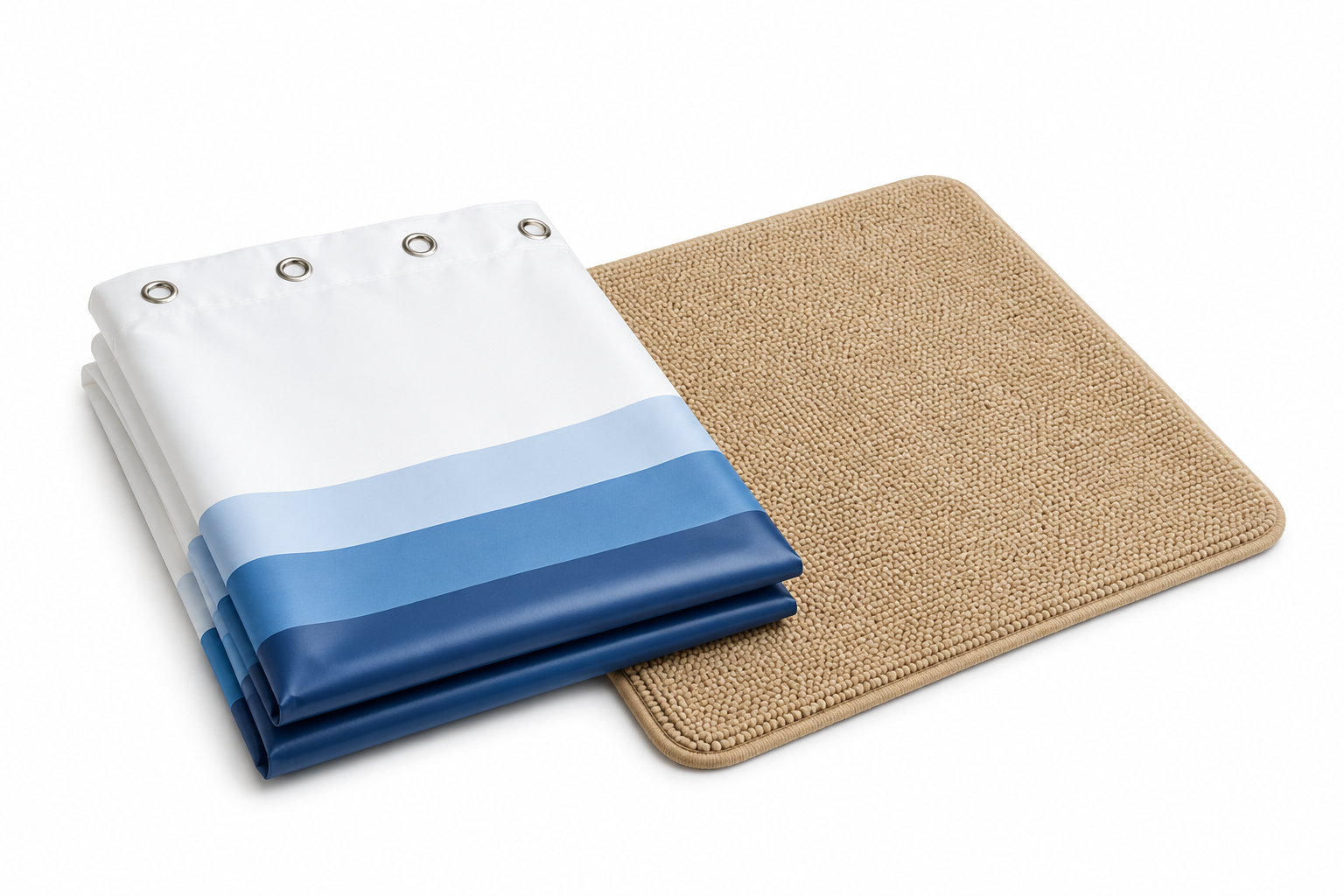 Shower Curtains & Bath Mats
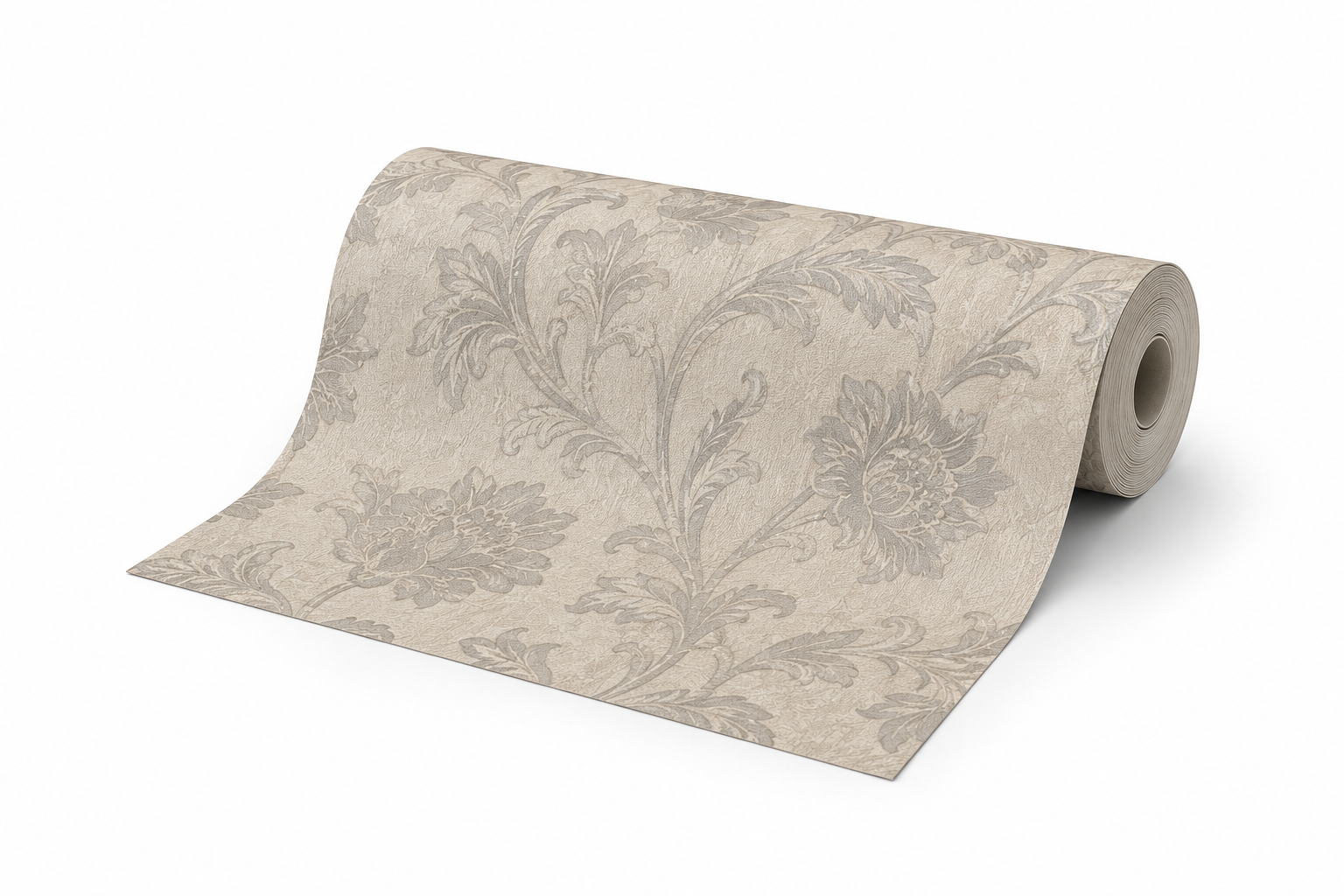 Vinyl Wall Coverings
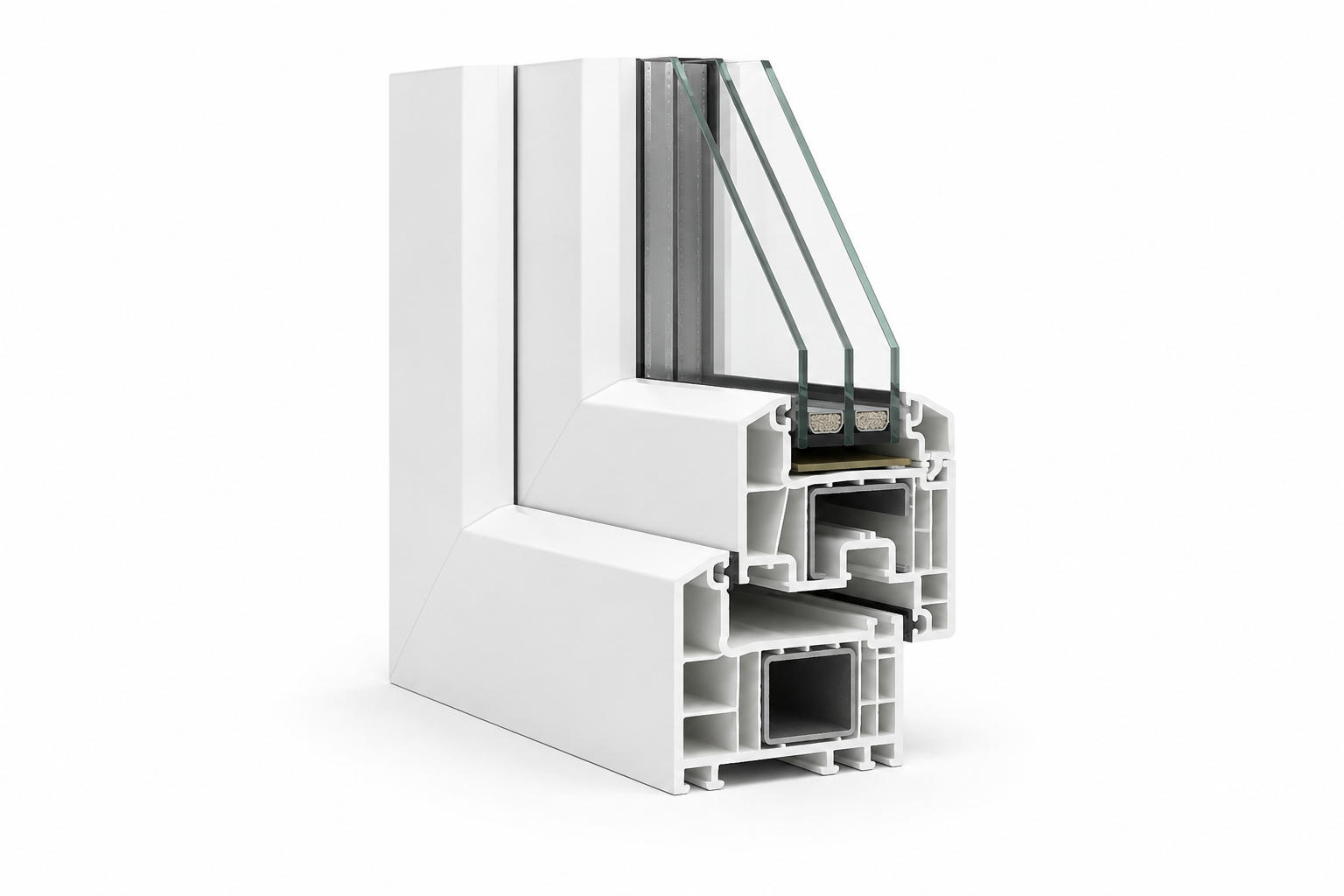 Vinyl Window Profiles & Trim
Orthophthalates and the Houses We Build Without Them
The Orthophthalates family is specified out of every Earth Bound Homes project. We publish this library because homeowners cannot avoid what nobody will name — and because the healthy homes we build depend on that list being honest.
Every house we build is designed as a healthy, mold free, all electric Passive House — the chemical screening is one layer of that, not the whole of it. Earth Bound Homes builds in Palo Alto, Atherton, Menlo Park and across the San Francisco Bay Area.