Bisphenols
The plastic-hardener family behind epoxy paints, polycarbonate, and food-contact resins.

Toxic Chemical Databases
Where this family lands across the nine independent toxicology authorities we screen against.
Chemical Type
Endocrine-Active Plastic Monomer
Chemical Description
Bisphenol A (BPA) is the workhorse molecule that links together to form polycarbonate plastic and epoxy resin. BPS, BPF, and BPAF are its structural cousins — manufacturers swapped to them after BPA's reputation soured, but the toxicology is similar. In construction, you meet bisphenols mainly as residual unreacted monomer in two-part epoxy coatings, polycarbonate skylight glazing, can linings inside metal duct sealants, and recycled-content concrete additives. Bisphenols are estrogen-mimics: they fit into the body's hormone receptors and send signals that aren't supposed to be there. Federal agencies have flagged developmental and reproductive endpoints in dozens of peer-reviewed studies. EBH specifies BPA-free coatings and avoids polycarbonate where any other material (glass, acrylic, or polyethylene) can do the job.
Chemical Structure
Molecular schematic for Bisphenols — formula and structural features shown below.
Biological Activity
Severity scores summarize hazard endpoints from IARC, NTP, EPA IRIS, ATSDR, and NIOSH on a 0–10 scale. Mirrors the system-level output of our SDS Toxic Chemical Screener.
Chemical Analogs and Brand Names
- Bisphenol A (BPA) — CAS 80-05-7
- Bisphenol S (BPS) — CAS 80-09-1
- Bisphenol F (BPF) — CAS 620-92-8
- Bisphenol AF (BPAF) — CAS 1478-61-1
- Bisphenol A diglycidyl ether (BADGE) — CAS 1675-54-3
- C
Top Health Consequences
- Endocrine disruption — estrogen and androgen receptor interference
- Reduced sperm quality and fertility endpoints in human and animal data
- Altered neurodevelopment, anxiety, and learning effects in early-life exposures
- Cardiovascular signaling changes including blood pressure and lipid handling
- Liver enzyme elevation with chronic dietary exposure
Pathways of Exposure
- Skin contact with curing epoxy primers, concrete sealers, and pipe-lining resins
- Inhalation of residual monomer from freshly-poured epoxy floors and countertops
- Hand-to-mouth uptake from polycarbonate dust during cutting or sanding
- Migration from canned-food linings and thermal-printed receipts (background load)
Substances in this Family
Each substance below has its own profile page with its own database flags, biological-activity scores, and exposure pathways — they are NOT interchangeable.
Building Materials with Bisphenols
Listed alphabetically. These are the product categories where this chemistry most often shows up — not an exhaustive list.
 Concrete Sealers & Hardeners
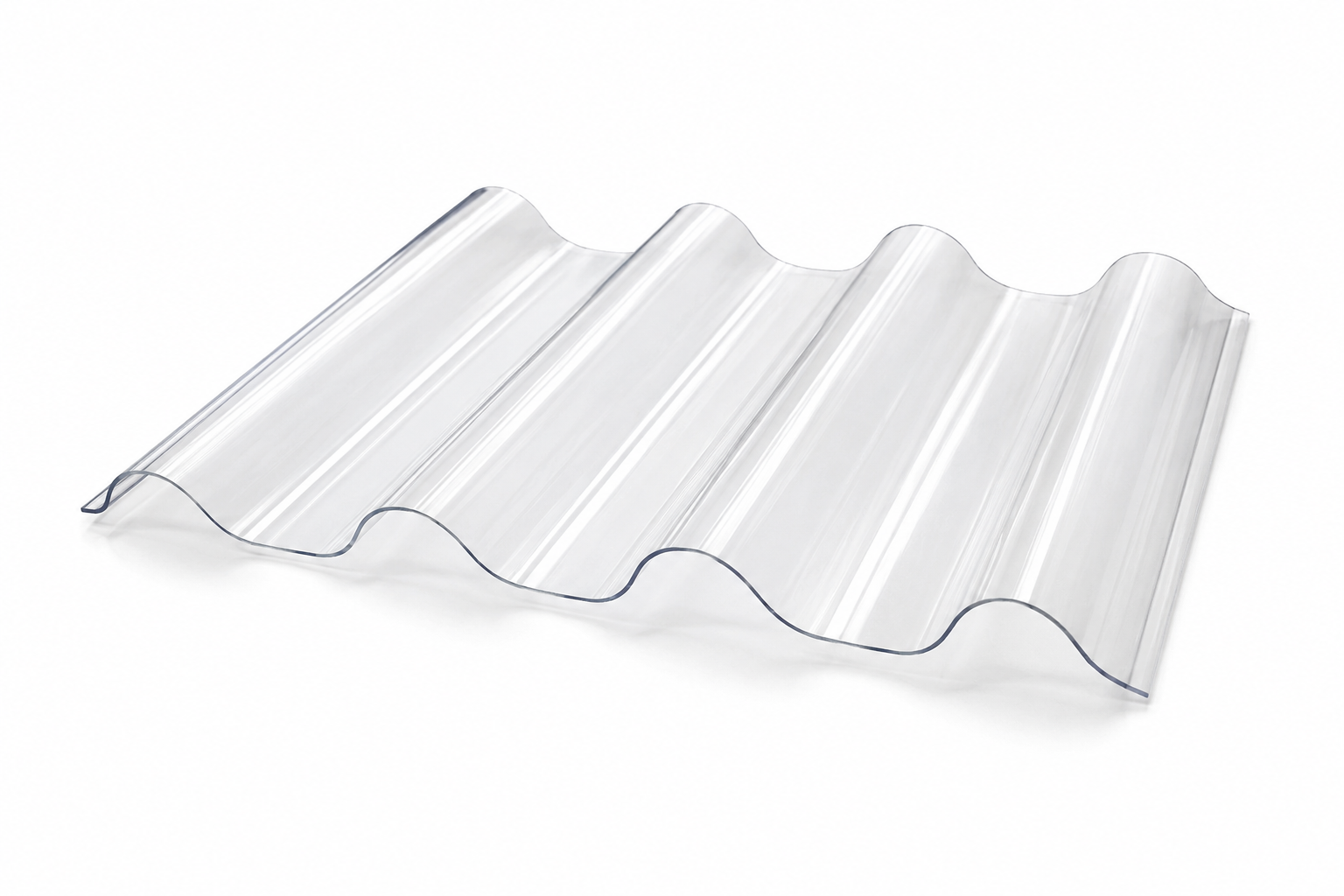 Decorative Polycarbonate Glazing
 Epoxy Floor Coatings
 Epoxy Grouts & Adhesives
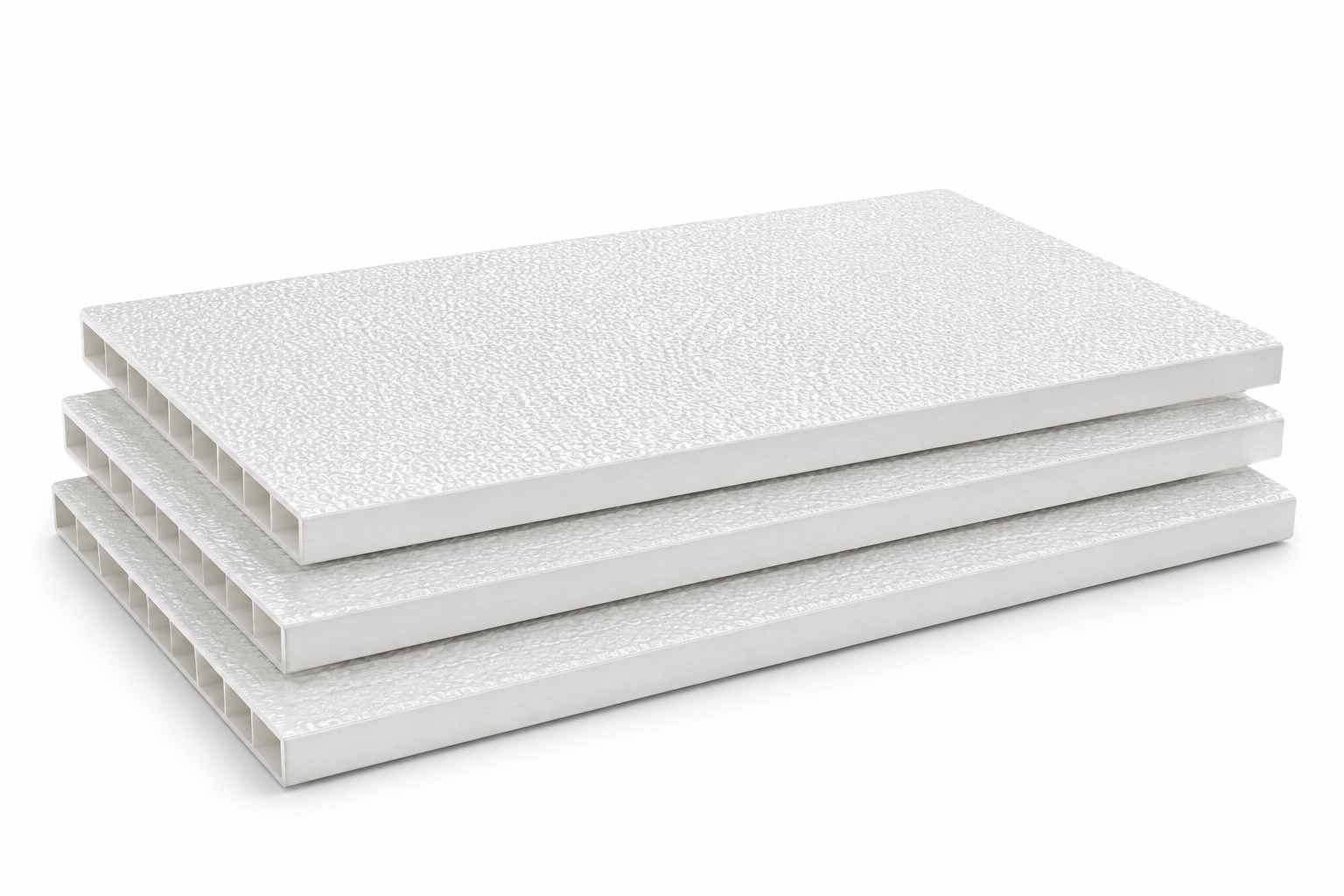 Fiberglass Reinforced Plastic Panels
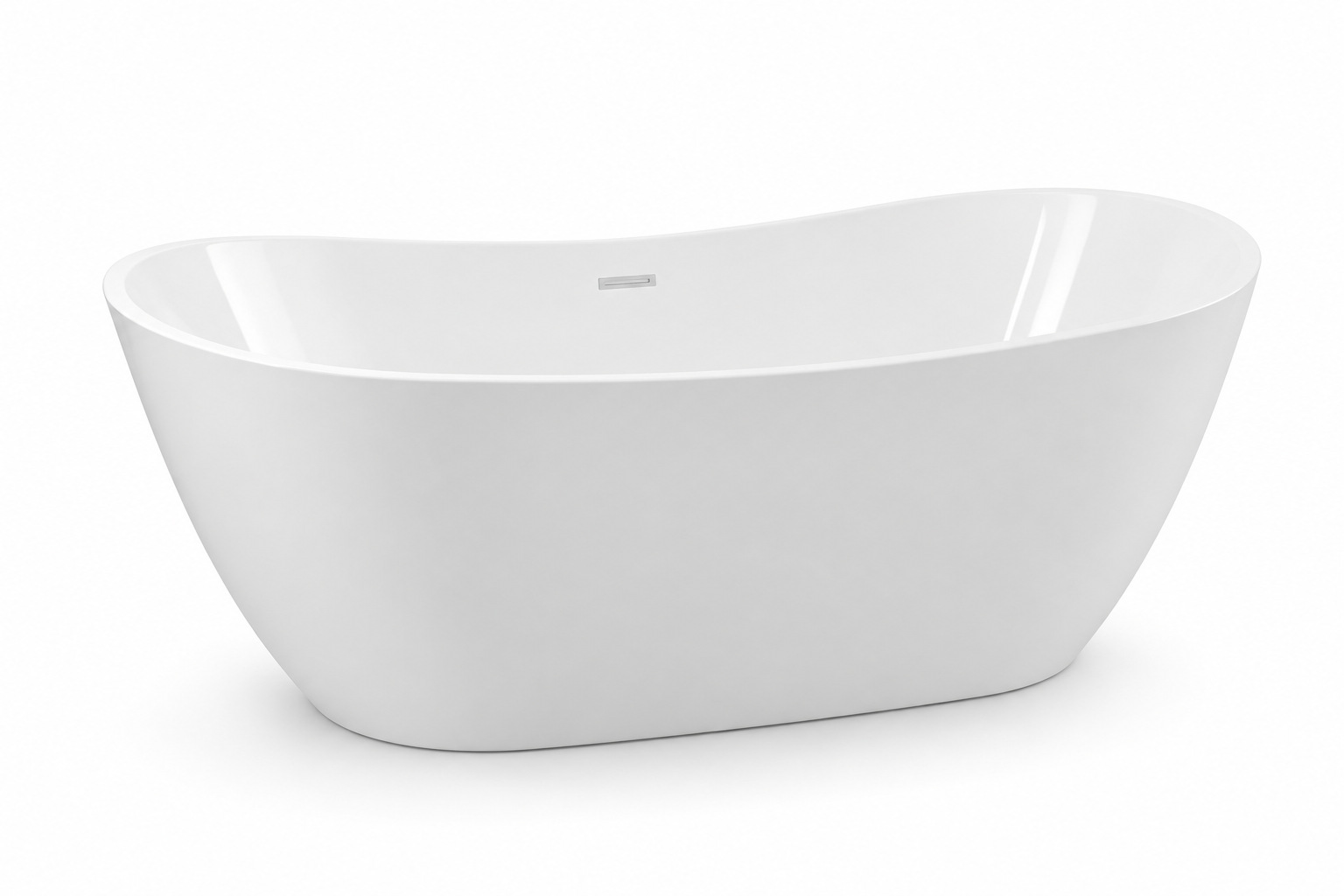 Polycarbonate Skylights
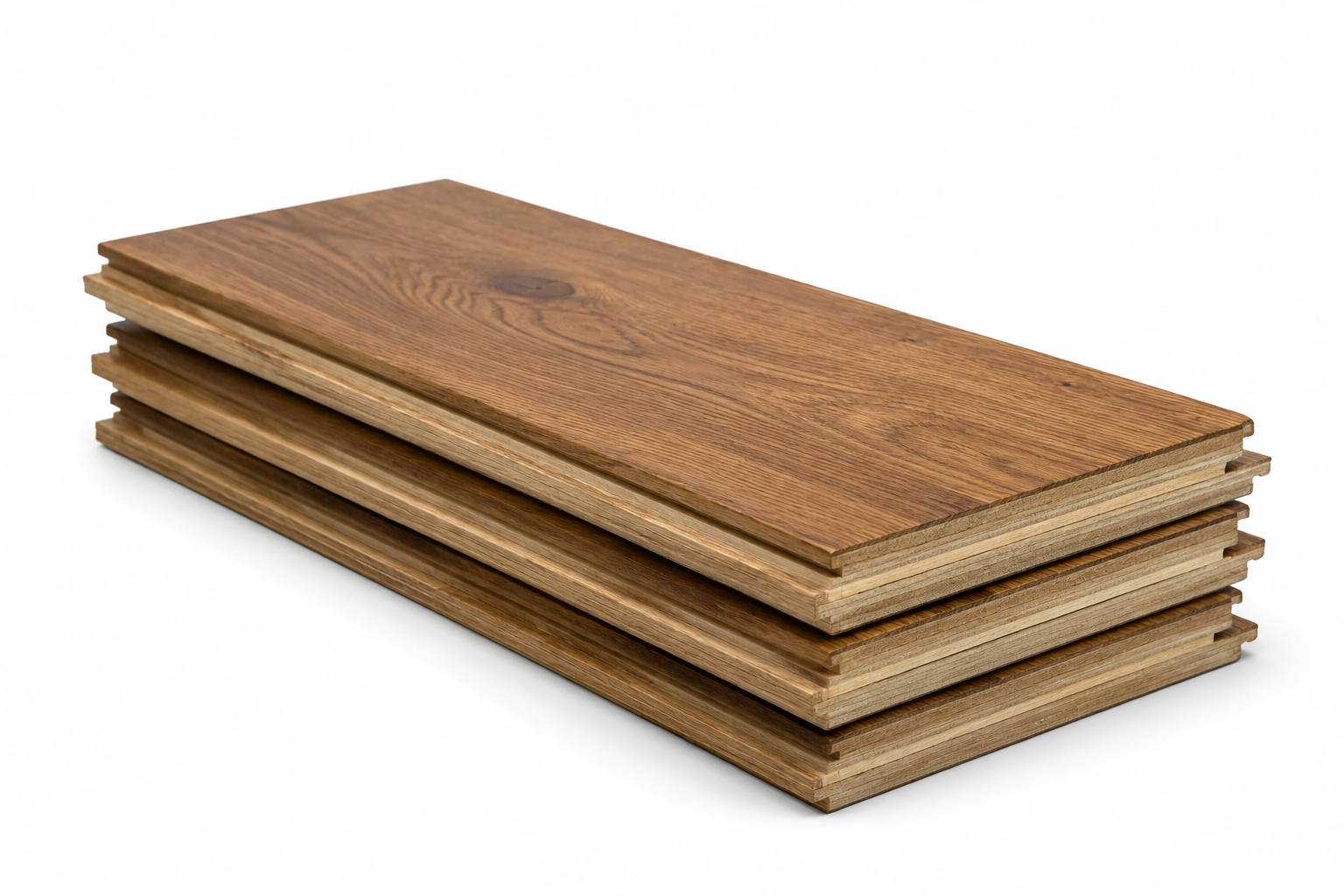 Pre-Finished Engineered Wood
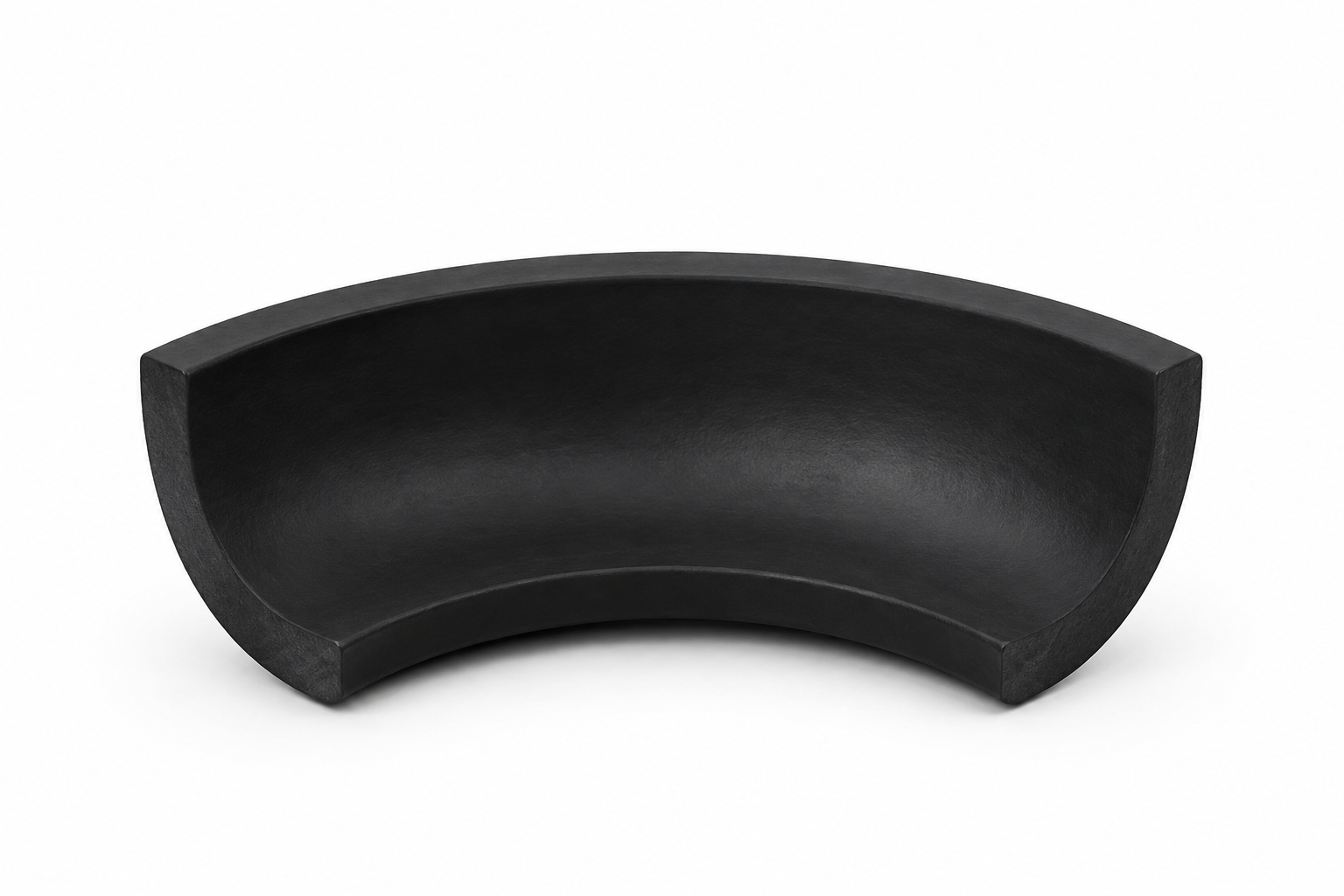 Tank & Pipe Linings
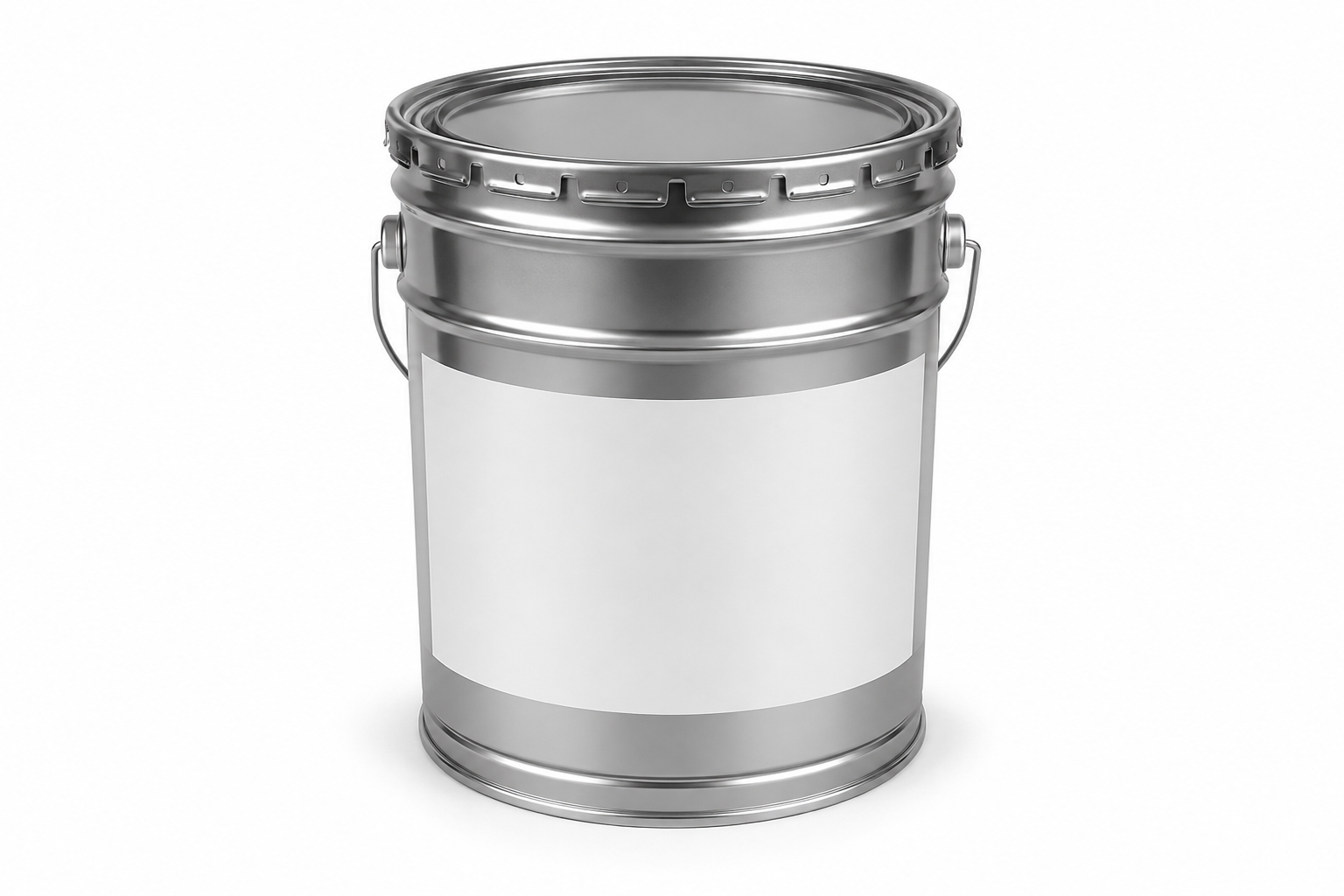 Two-Part Marine & Industrial Coatings
 Vinyl & Resilient Flooring
Bisphenols and the Houses We Build Without Them
Bisphenols appears in more building products than most homeowners would believe. Our specifications exclude the family outright, which is what lets us promise a genuinely toxin free home instead of a lower-emission one.
Every house we build is designed as a healthy, mold free, all electric Passive House — the chemical screening is one layer of that, not the whole of it. Earth Bound Homes builds in Palo Alto, Menlo Park, San Mateo County and across the San Francisco Bay Area.