Mercury (Hg) and CompoundsCAS 7439-97-6
Elemental mercury vapor crosses the blood-brain barrier — fluorescent lamps and thermostats are the residential sources.
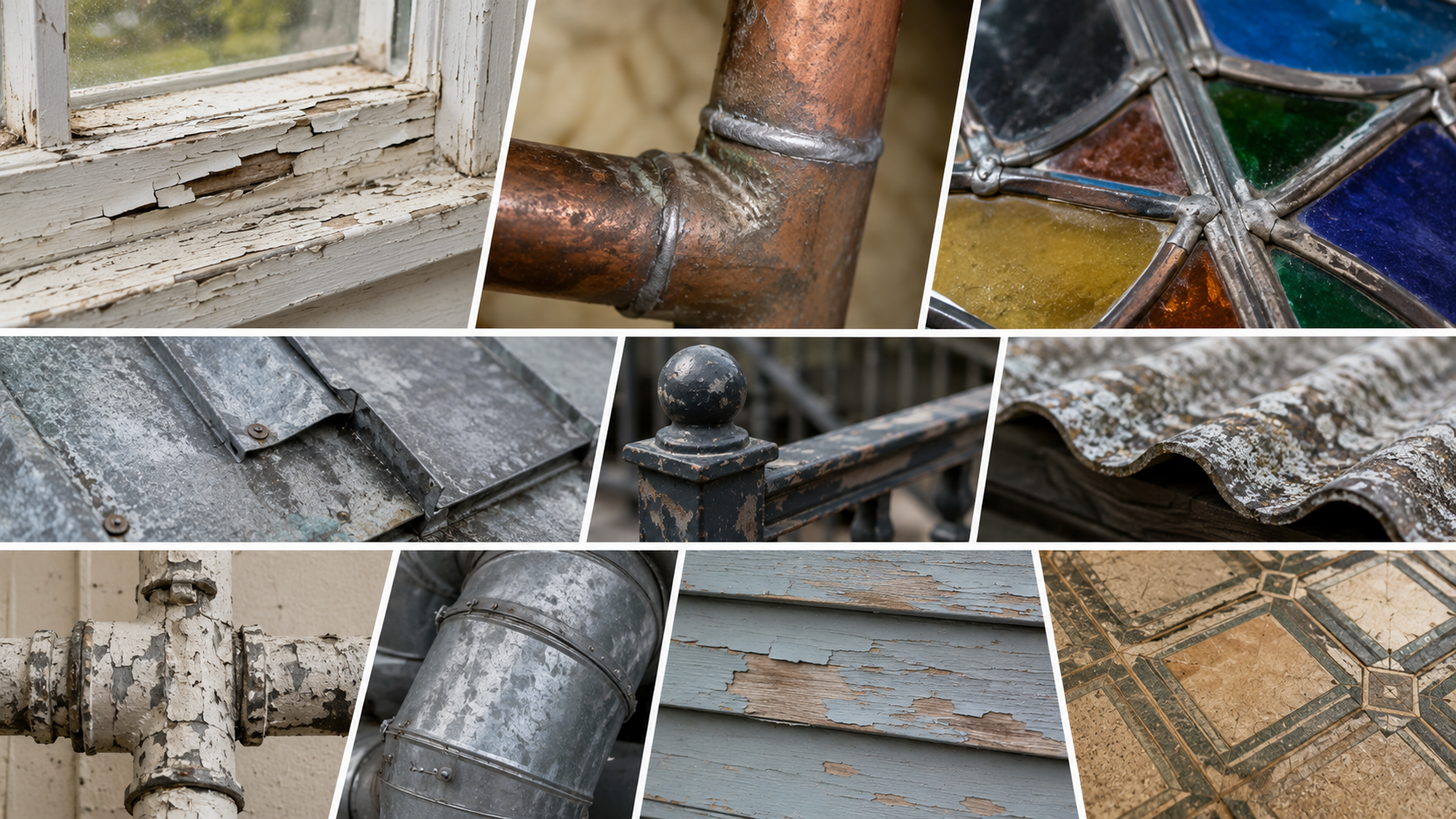
Toxic Chemical Databases
Substance-specific listings — these flags are for Mercury alone, not for the broader family.
Chemical Type
Heavy Metal — Potent Neurotoxicant
Chemical Description
Mercury exists in three toxicologically distinct forms: elemental (Hg⁰), inorganic (Hg²⁺), and organic (methylmercury). Each has different uptake routes and target tissues. Indoor exposure is dominated by elemental mercury vapor released from broken fluorescent lamps, older thermostats, and dental amalgam — Hg⁰ crosses the blood-brain barrier and accumulates in the CNS. Methylmercury exposure is dietary, primarily through predatory fish. All three forms are listed.
Biological Activity
Severity scores specific to this substance, NOT the parent family average. Differences between siblings are real and meaningful.
Top Health Consequences
- Central nervous system toxicity — tremor, cognitive deficits, mood changes
- Fetal neurodevelopmental toxicity from prenatal methylmercury exposure
- Renal tubular damage from inorganic mercury
- Indoor air contamination from broken fluorescent lamps
- Three toxicologically distinct chemical forms
Pathways of Exposure
- Inhalation of mercury vapor from broken fluorescent lamps indoors
- Diet — methylmercury accumulation in predatory fish
- Legacy thermostats and switches releasing vapor on damage
- Dental amalgam (occupational exposure for dental staff)
Building Materials with Mercury
Listed alphabetically — product categories where this specific substance appears.
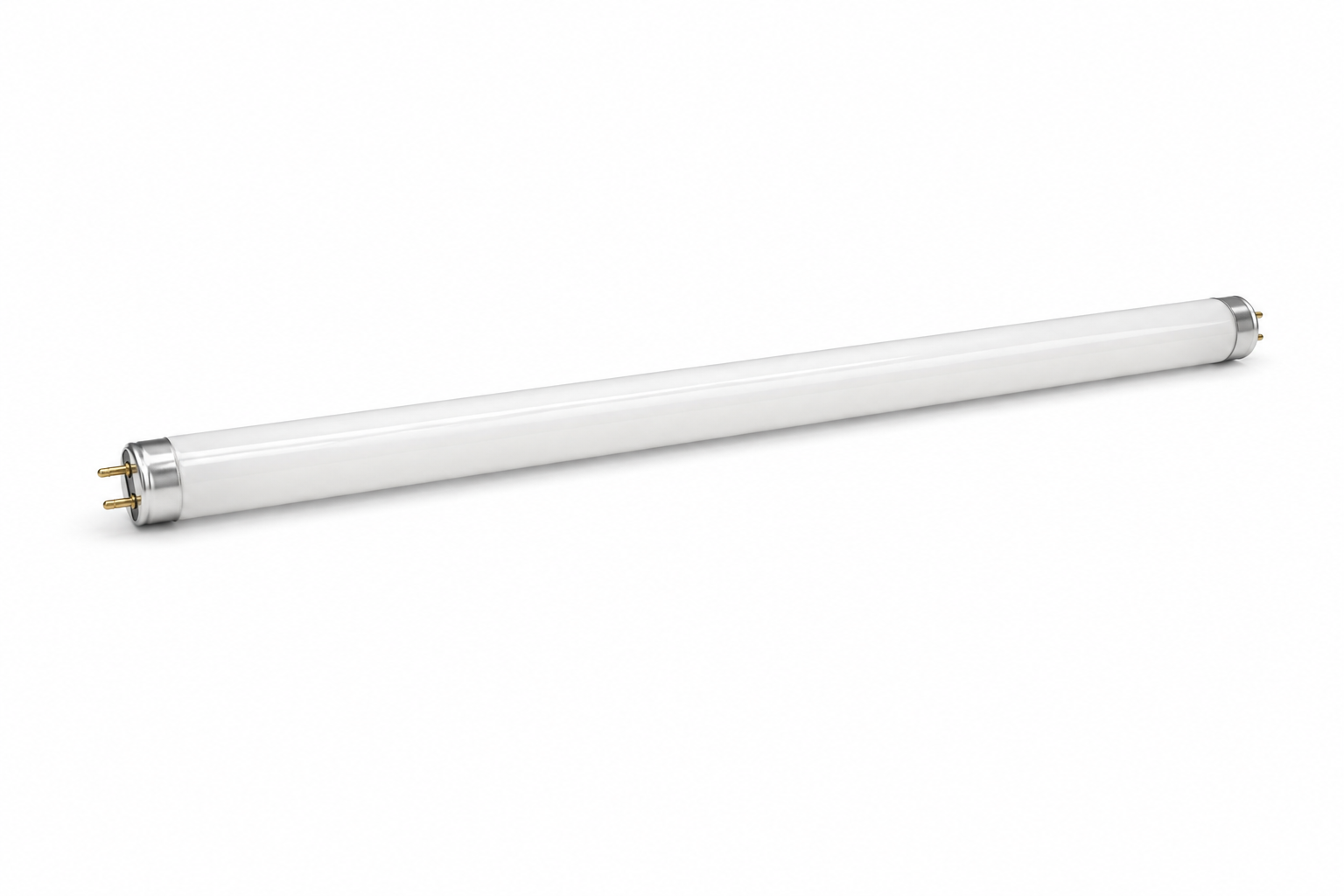 Compact Fluorescent Lamps & Linear Fluorescent Tubes
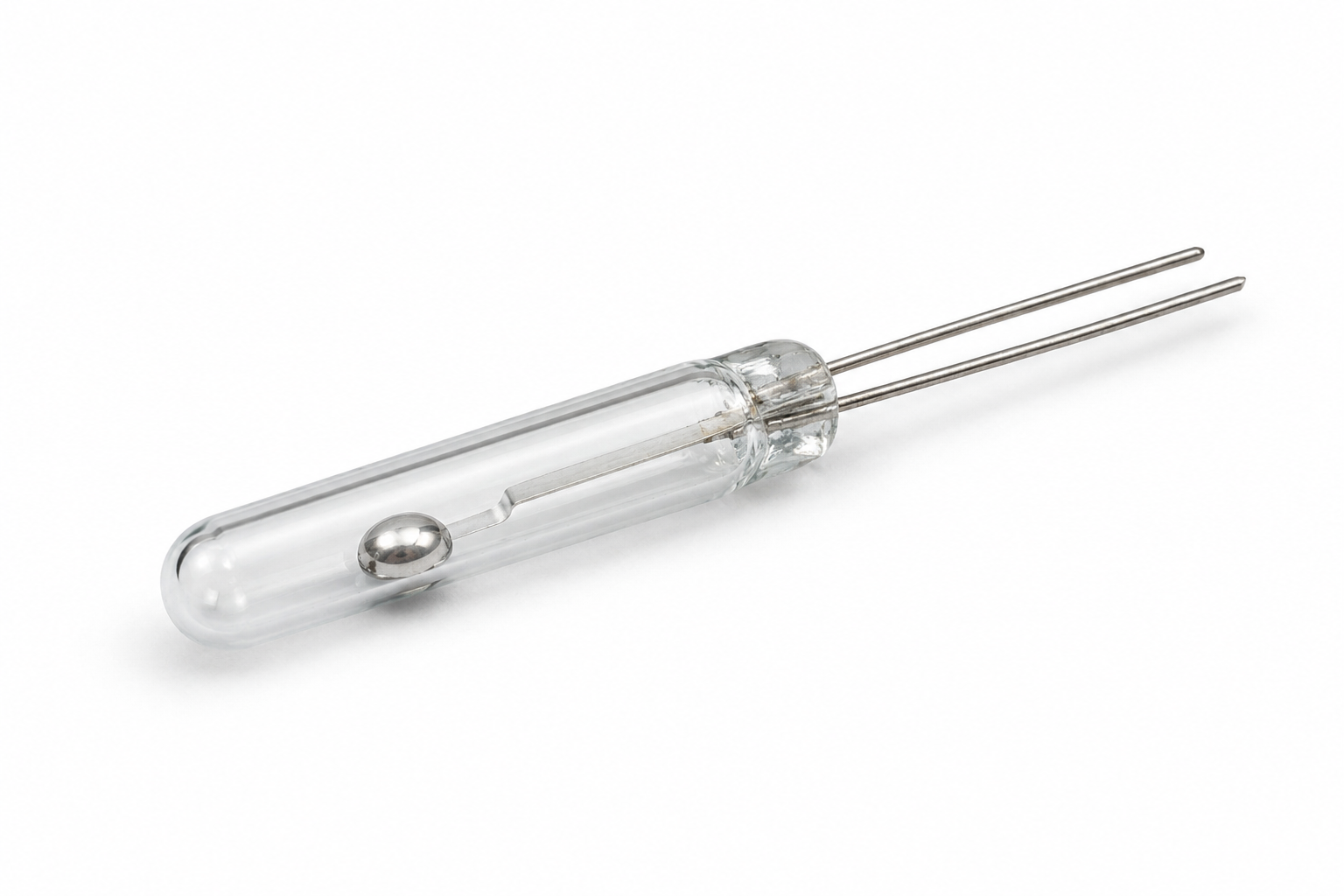 Legacy Mercury Switches
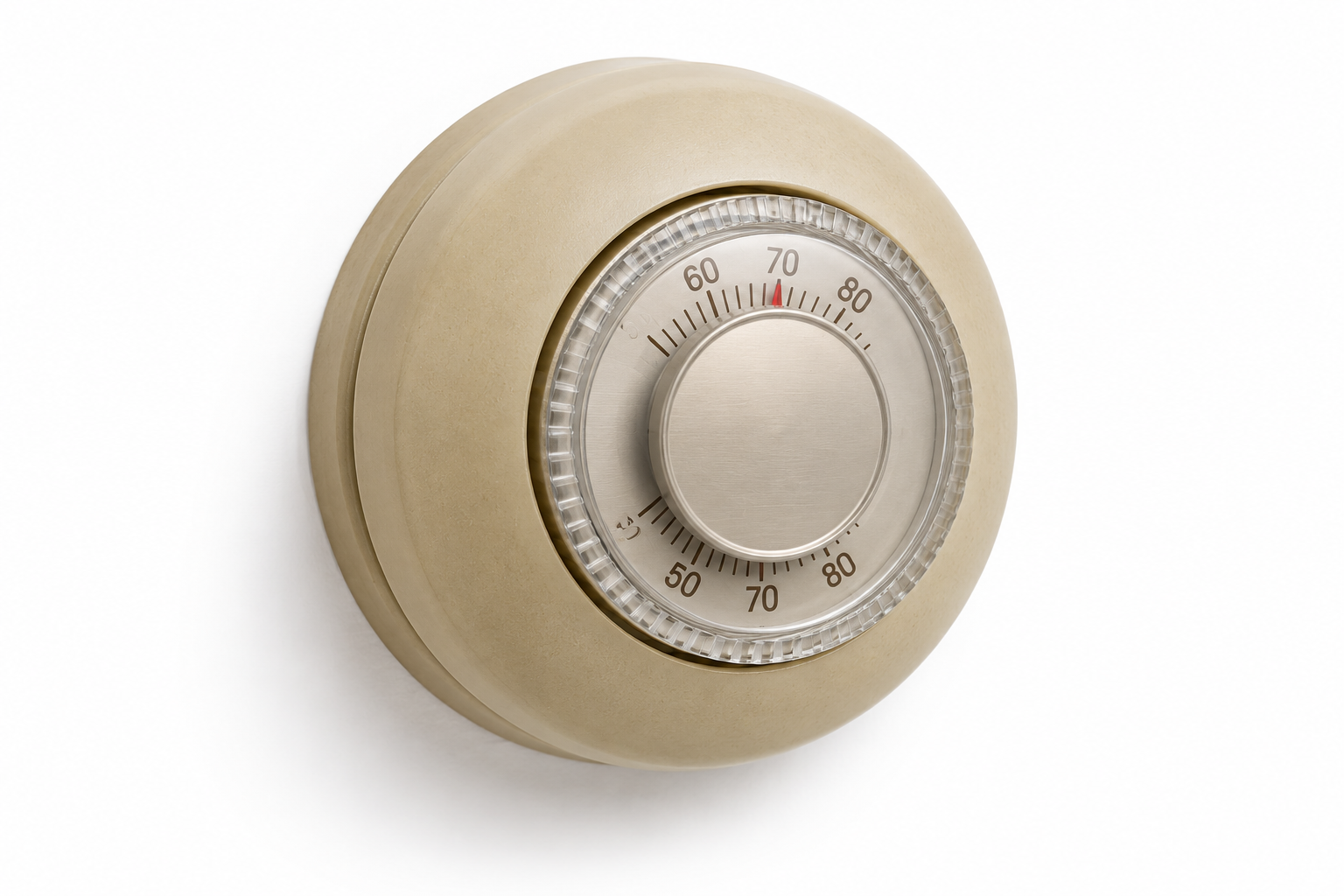 Legacy Mercury Thermostats (Pre-2000)
How We Keep Mercury (Hg) and Compounds Out of a House
Avoiding Mercury (Hg) and Compounds is only half of it. The replacement has to work in a mold free, airtight, PHPP-modeled assembly as well — and finding materials that do both is most of what we do.
If you want a house specified this way from the start, or an existing house assessed for what is already in it, that is the work we do. Earth Bound Homes builds in Los Gatos, San Jose, Santa Clara County and across the San Francisco Bay Area.