Bisphenol A (BPA)CAS 80-05-7
The original "bisphenol" — endocrine disruptor characterized as an estrogen-mimic in 1936, still widely used in epoxy and polycarbonate.
Toxic Chemical Databases
Substance-specific listings — these flags are for Bisphenol A alone, not for the broader family.
Chemical Type
Aromatic Endocrine-Active Diol
Chemical Description
BPA is the canonical bisphenol — first synthesized in 1891 and characterized as an estrogen-mimic in 1936, decades before it was commercialized as a plastic monomer. Polymerizes into polycarbonate plastic and cures into epoxy resin. The endocrine signal is well-replicated: BPA binds estrogen receptors and thyroid receptors at low doses with non-monotonic dose-response curves (effects sometimes stronger at lower doses, defying classical toxicology assumptions). Banned in baby bottles globally; EU REACH restricted in thermal-paper receipts in 2020. Still extensively used in epoxy can linings, polycarbonate glazing, and dental composites.
Biological Activity
Severity scores specific to this substance, NOT the parent family average. Differences between siblings are real and meaningful.
Top Health Consequences
- Estrogen-receptor binding endocrine disruption
- Reproductive-system development effects in prenatal exposure
- Cardiometabolic effects (obesity, insulin resistance) signals
- Non-monotonic dose-response — effects at very low doses
- Banned in baby bottles globally; REACH SVHC listed
Pathways of Exposure
- Migration from polycarbonate water bottles into beverages
- Skin absorption from thermal-paper receipts
- Food contact from epoxy can liners
- Drinking water from epoxy-lined tanks and pipes
Building Materials with Bisphenol A
Listed alphabetically — product categories where this specific substance appears.
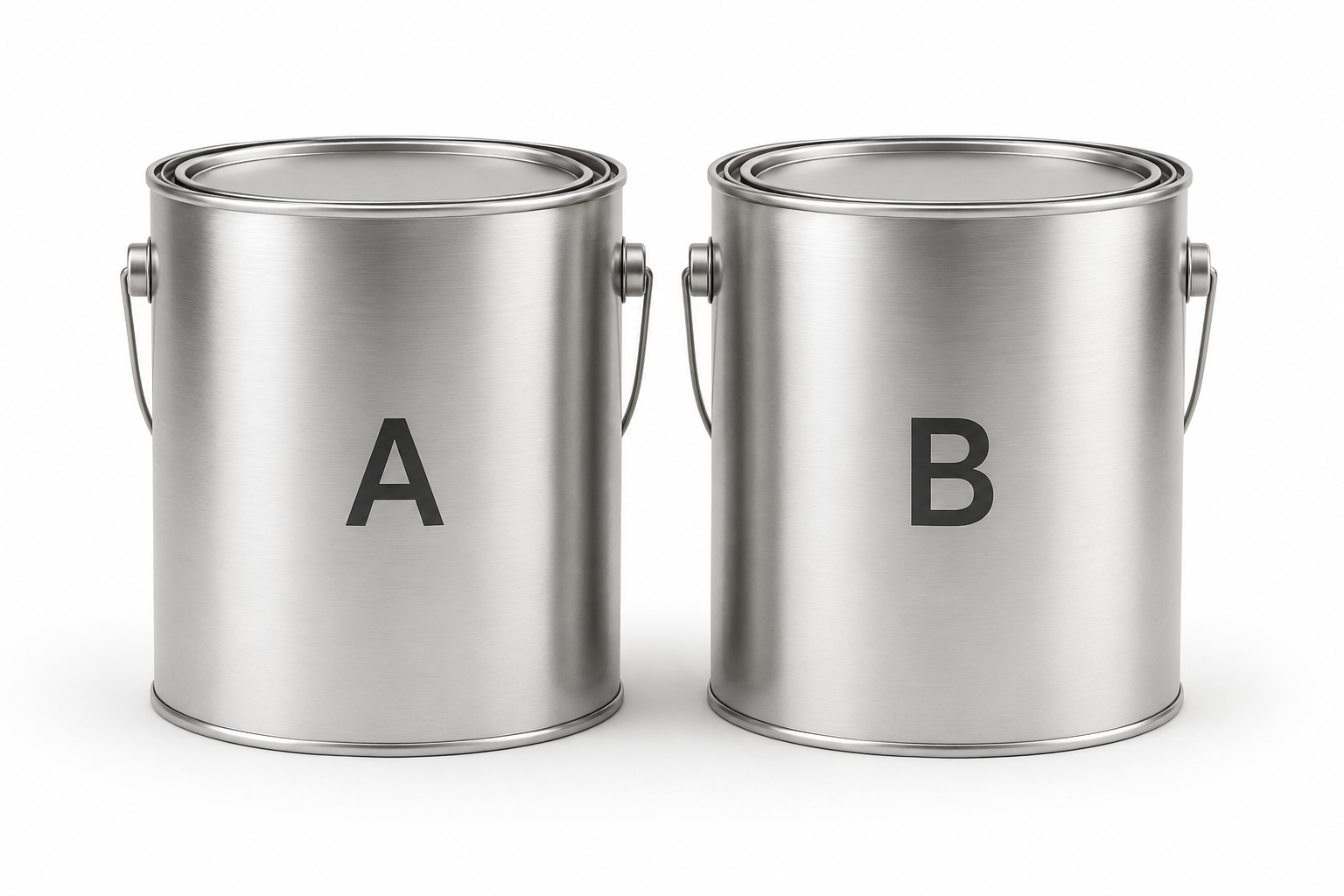 Epoxy Floor Coatings
 Epoxy-Lined Water Tanks & Pipe
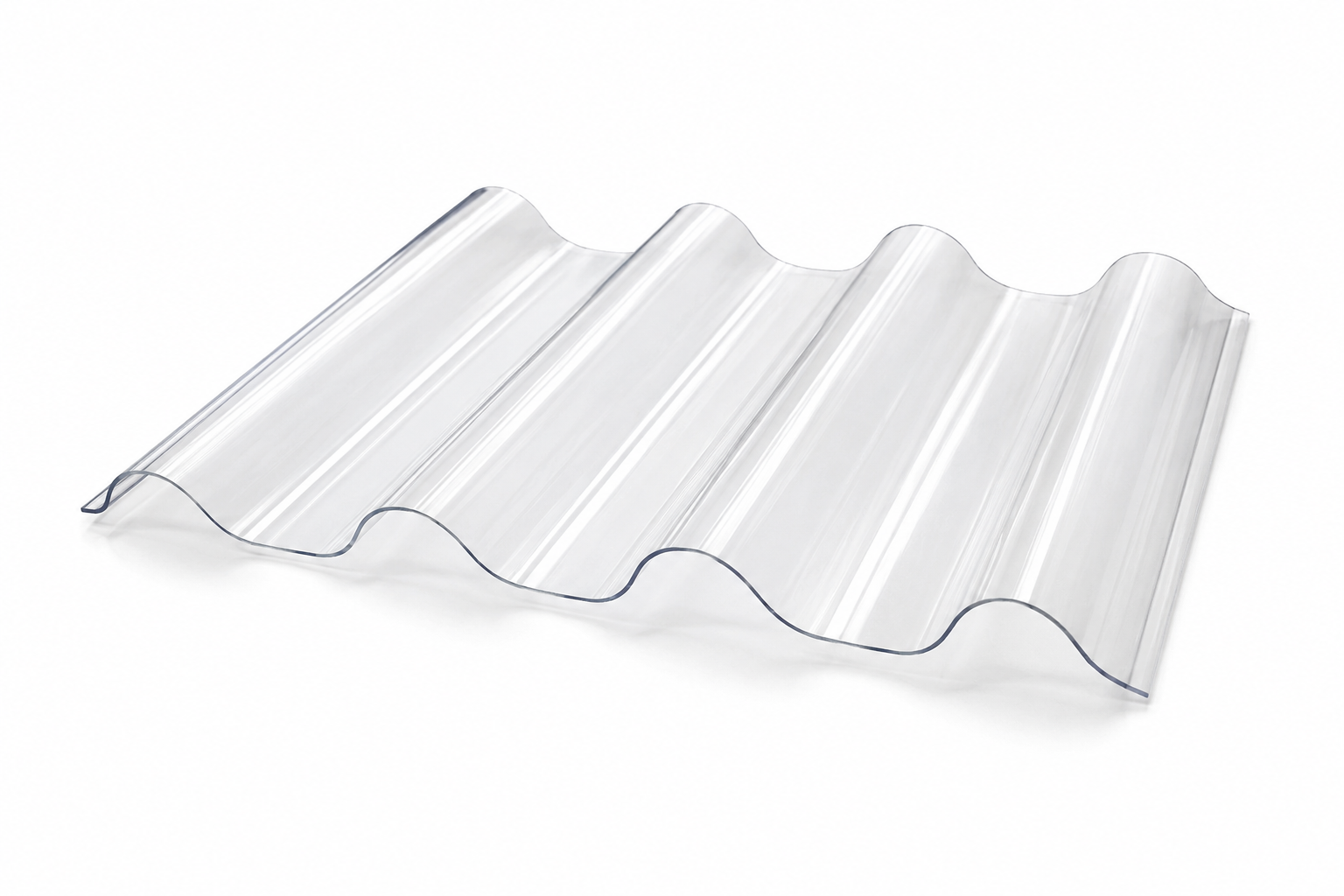 Polycarbonate Skylights & Glazing
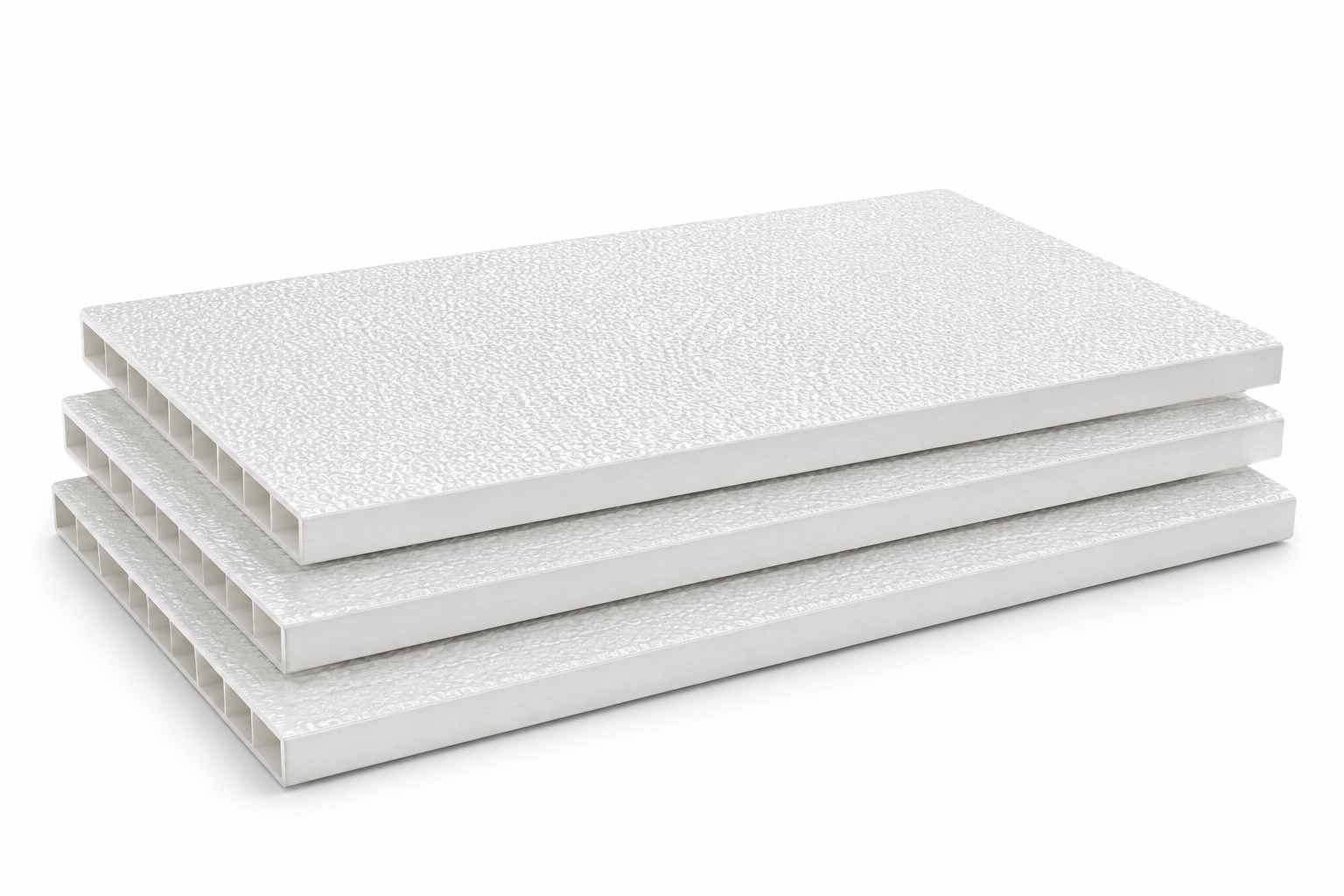 Reinforced Plastic Panels
 Two-Part Industrial Coatings
How We Keep Bisphenol A Out of a House
Avoiding Bisphenol A is only half of it. The replacement has to work in a mold free, airtight, PHPP-modeled assembly as well — and finding materials that do both is most of what we do.
If you want a house specified this way from the start, or an existing house assessed for what is already in it, that is the work we do. Earth Bound Homes builds in Los Gatos, San Jose, Santa Clara County and across the San Francisco Bay Area.