Recycled Glass / Cellular Glass Insulation
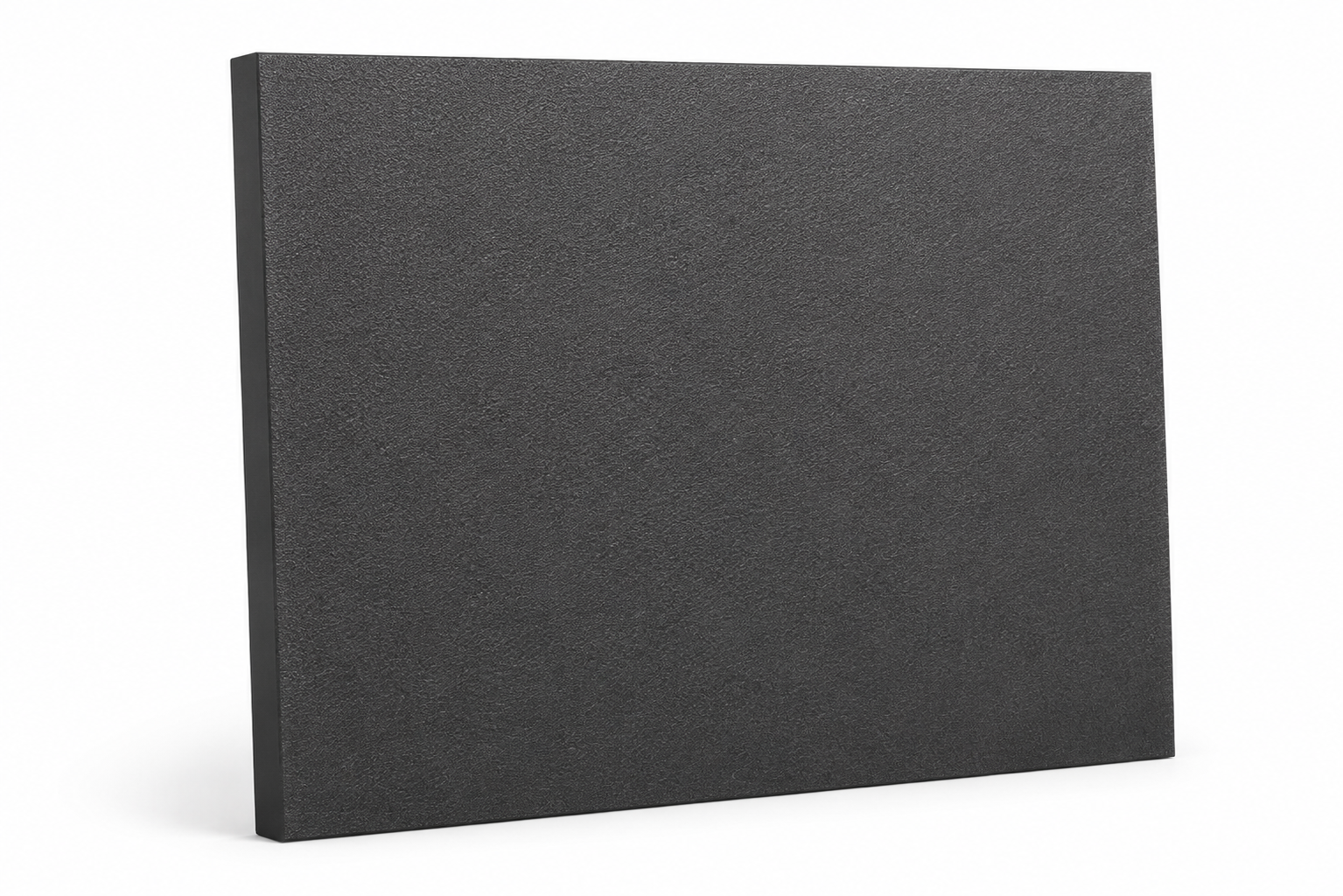
Foamed-glass rigid insulation from recycled bottle stream — inert, water-proof, fireproof, doesn't rot or decompose.
Toxicity Screening — All Clear
This material screens clear across all nine independent toxicology authorities we use on every project.
Material Type
Foamed Cellular Glass Rigid Insulation
Material Description
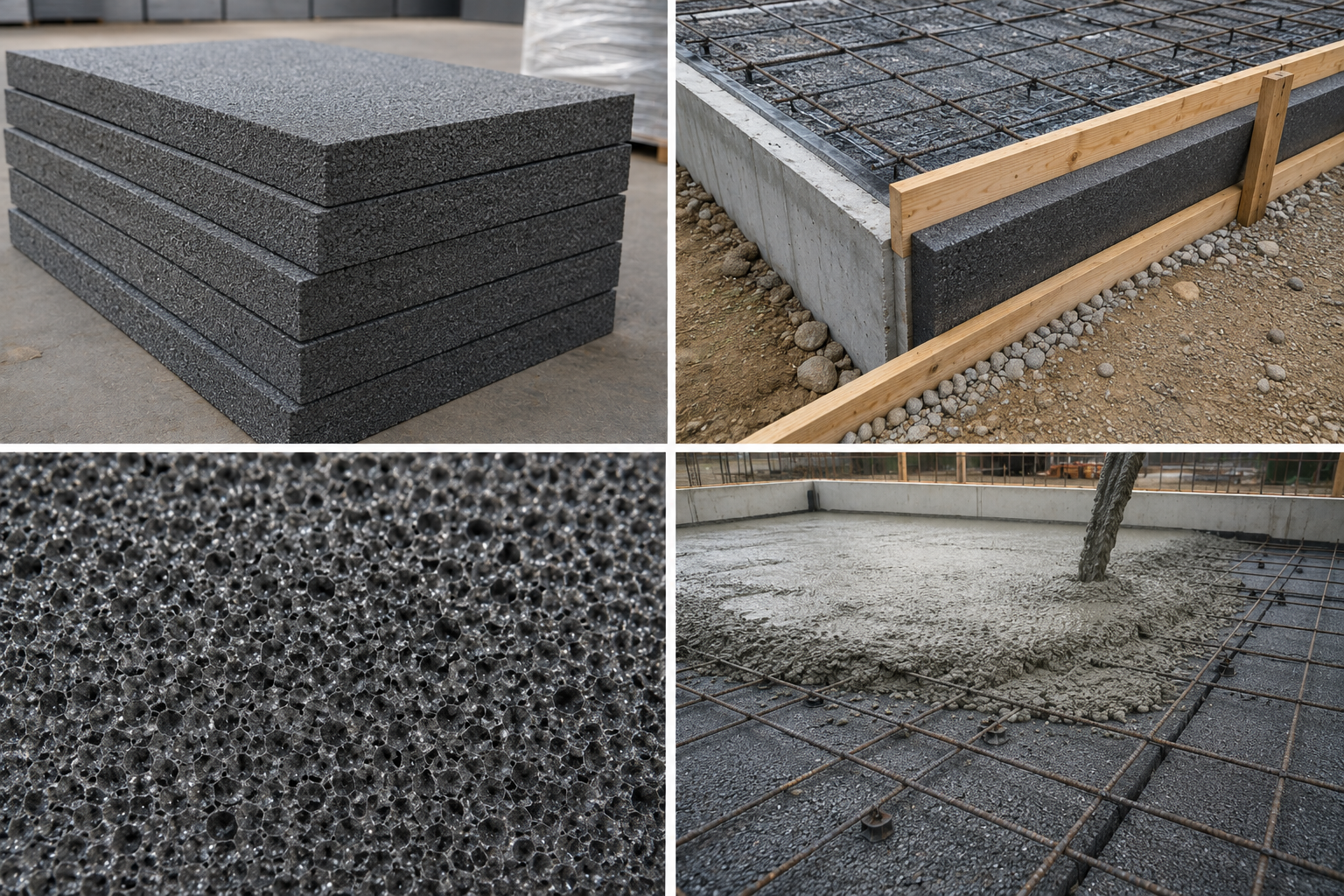
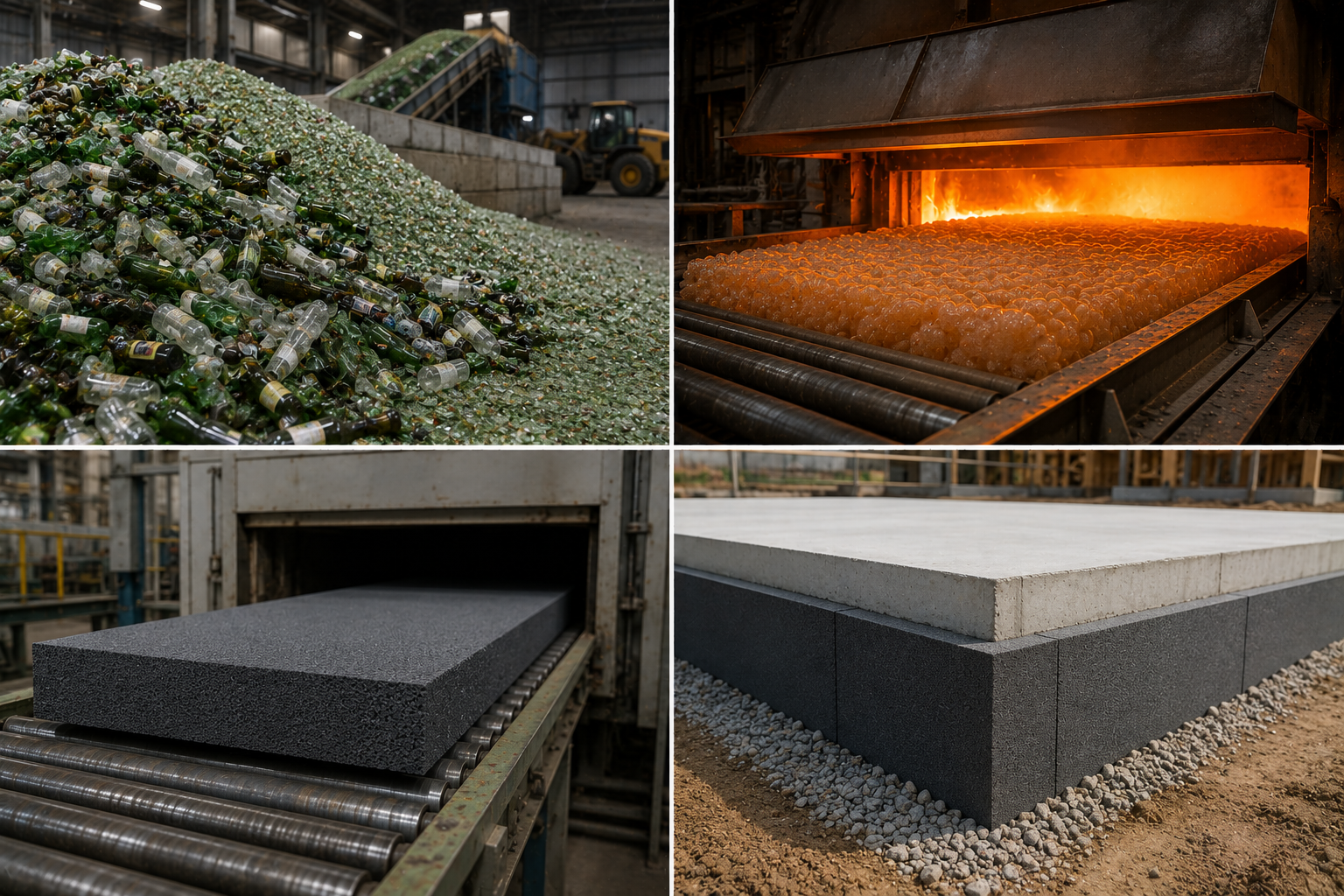
Cellular glass insulation is made by foaming recycled bottle glass with a small amount of carbon black and heating to ~1000°C — the carbon generates CO₂ that foams the glass into a closed-cell structure about 95% air by volume. The result is a rigid insulation that's literally glass: chemically inert, non-combustible, impermeable to water and water vapor, dimensionally stable across freeze-thaw cycles, and indestructible by insects, rodents, and microorganisms. The product is heavier and more expensive than foam plastic insulation but lasts essentially forever and screens absolutely clear through every toxicology database. EBH specifies cellular glass for below-grade and slab-edge insulation where moisture, soil contact, and pest pressure all conspire against organic alternatives.
Composition & Origin
Health Profile — All Endpoints Clear
Severity scored 0–10 against the same 10 hazard endpoints we use for the chemical families on the avoid list. Every score is 1–2 — essentially no signal across every endpoint.
Common Forms & Brands
- FOAMGLAS (Owens Corning)
- Pittsburgh Corning cellular glass
- GLAPOR foam glass aggregate
- Common framing: rigid board, structural-load slabs, foam-glass aggregate
Why We Use It
- Chemically inert SiO₂ — no off-gassing ever
- Waterproof and vapor-impermeable
- Fireproof (Class A, melts at >700°C)
- Compressive strength suitable for under-slab loads
- Indestructible by insects, rodents, mold, and decay
Where It Performs Best
- Below-grade foundation insulation
- Slab-edge thermal break
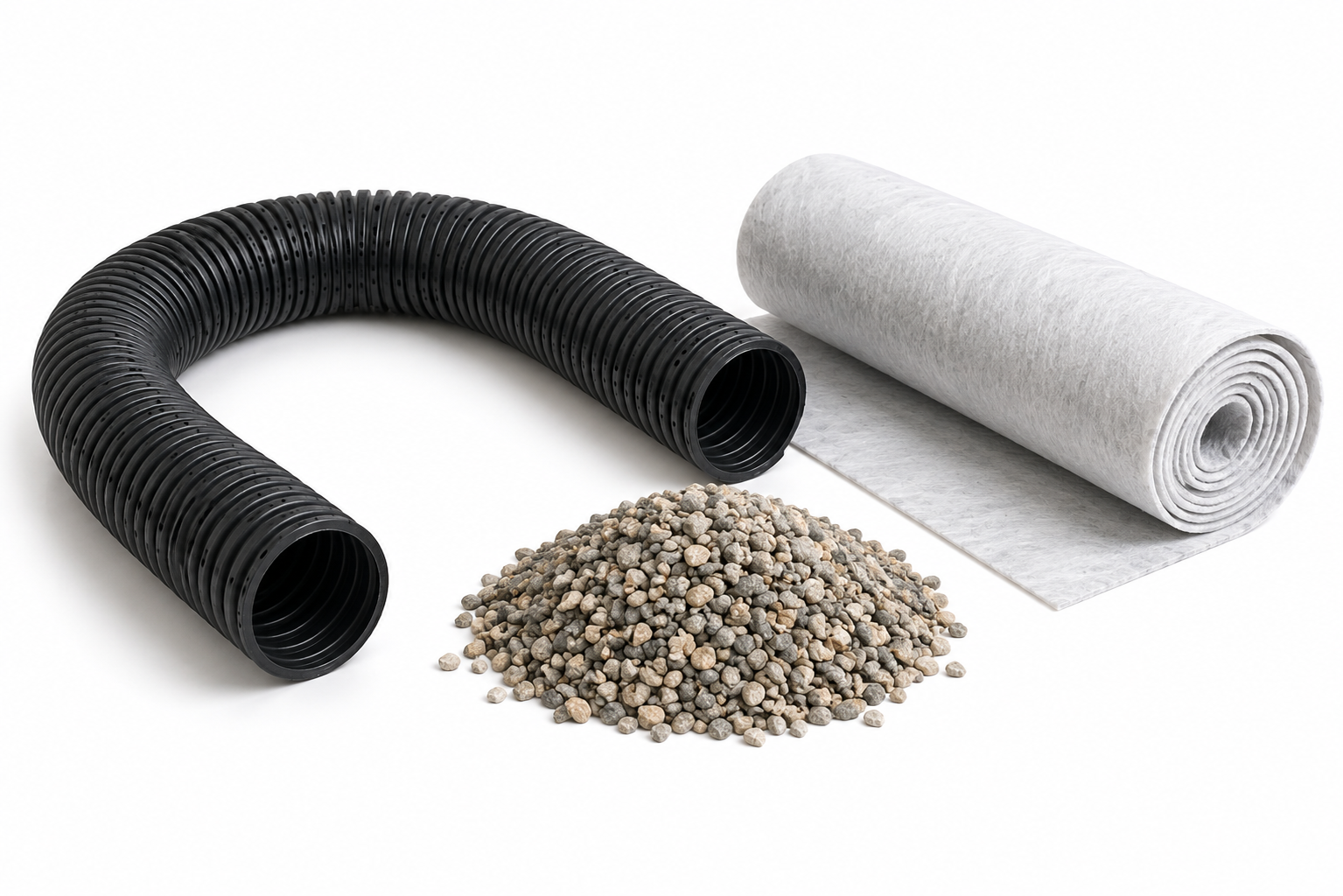
- Foundation perimeter against soil contact
- Roof underlayment in fire-prone zones
Building Applications for Recycled Glass / Cellular Glass Insulation
Listed alphabetically. Where in a home this material earns its keep.
 Below-Grade Foundation Insulation
 Foundation Perimeter Drainage Layer
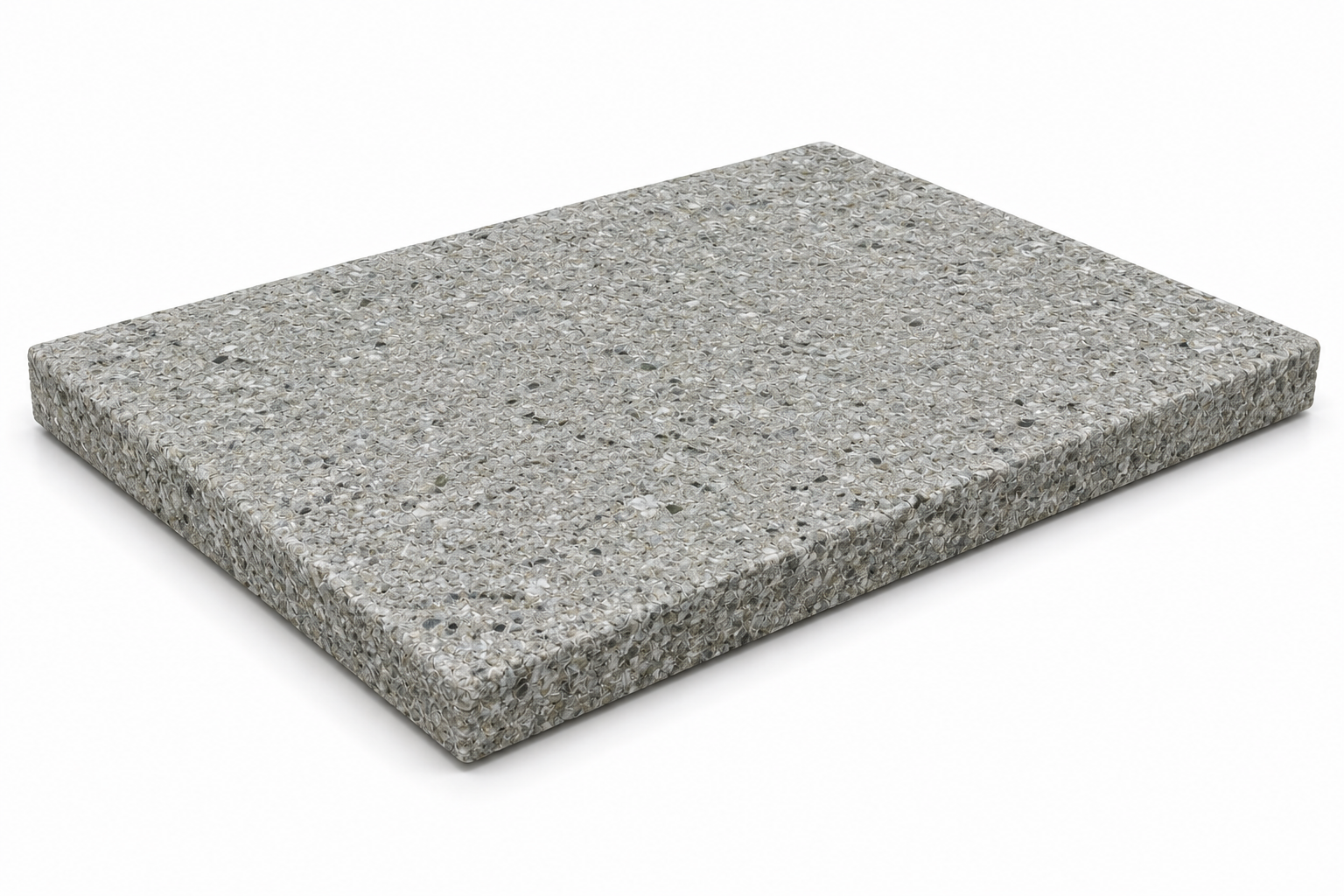 Mechanical Equipment Pads
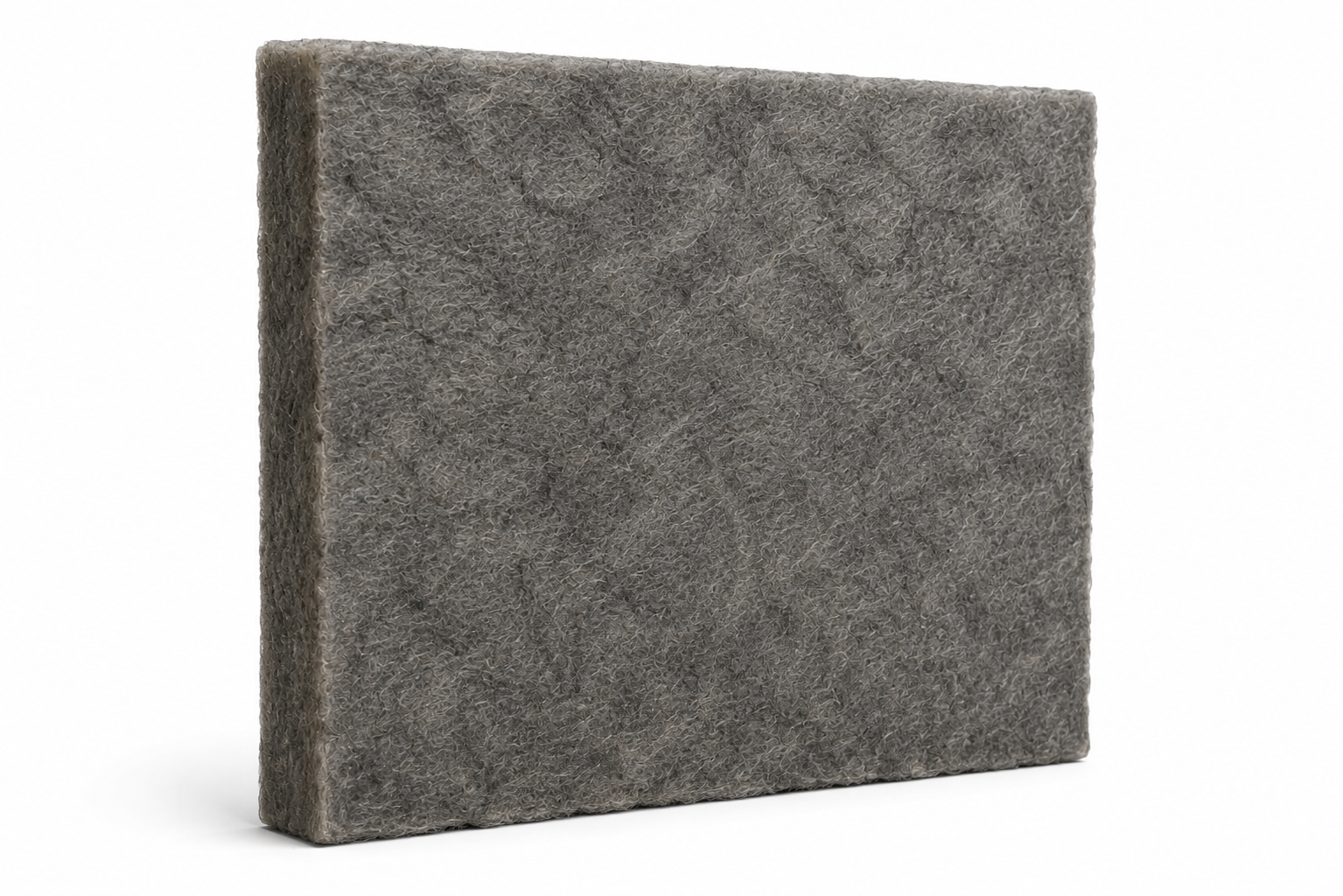 Roof Insulation (Fire-Zone)
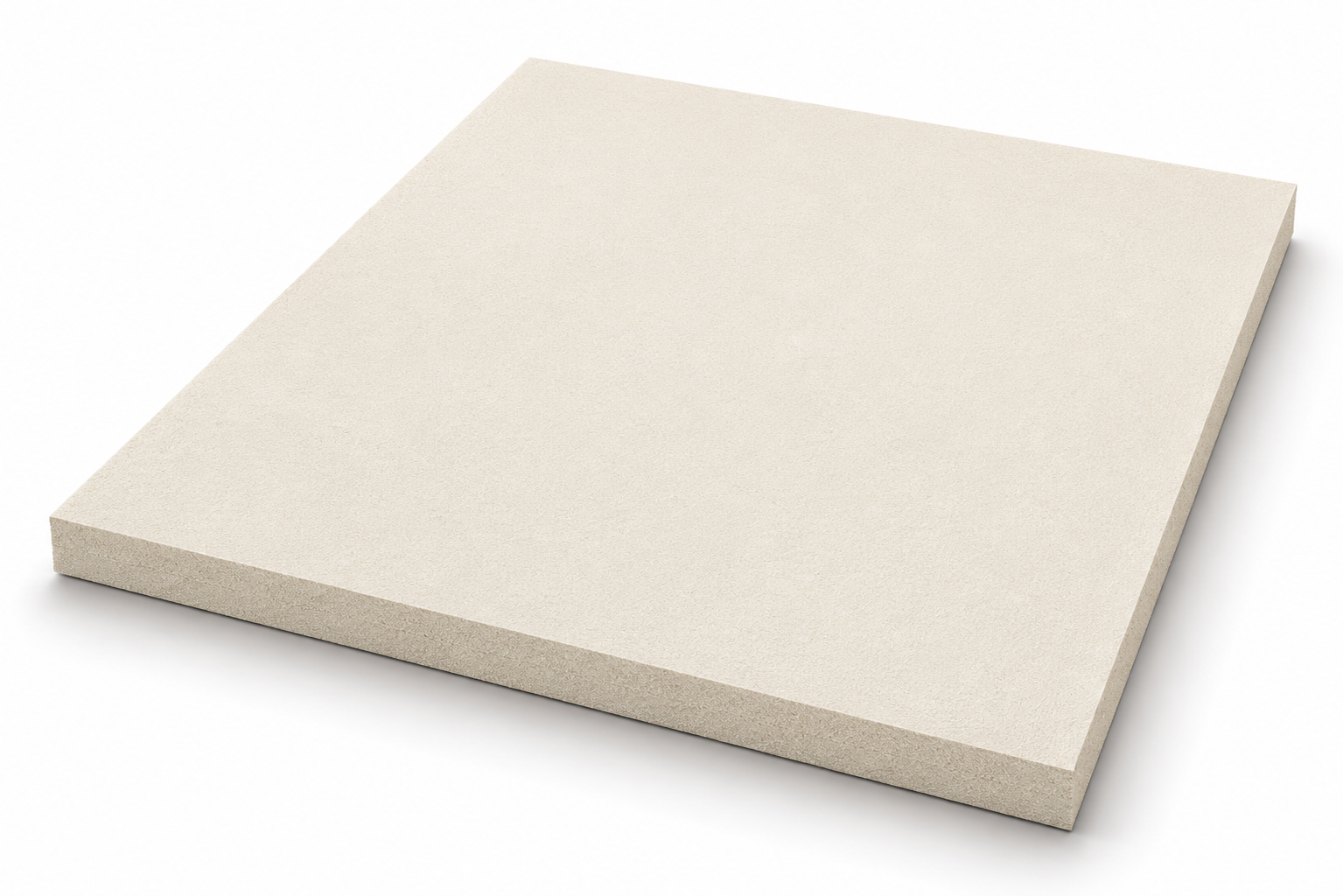 Sub-Slab Vertical Insulation
Recycled Glass / Cellular Glass Insulation on a Bay Area Home
Recycled Glass / Cellular Glass Insulation is one of the materials we actually install. Every product that reaches an Earth Bound Homes jobsite is screened against nine independent toxicology databases first, so the healthy home we hand over is healthy in the walls, not just on the brochure.
If you are planning a new house or a deep remodel and you want this level of material control, that is the whole job we do. Earth Bound Homes builds in Atherton, Palo Alto, Redwood City and across the San Francisco Bay Area.
Related materials we specify
- Cellulose Insulation
- Cork Insulation
- Mineral Wool - Formaldehyde Free Only
- Pumice & Volcanic Aggregate Insulation