Formaldehyde
A known human carcinogen baked into composite wood, insulation, and adhesives.

Toxic Chemical Databases
Where this family lands across the nine independent toxicology authorities we screen against.
Chemical Type
Reactive Aldehyde / Confirmed Human Carcinogen
Chemical Description
Formaldehyde is the smallest aldehyde — a tiny, water-soluble molecule that's also the most important industrial cross-linker in residential construction. Urea-formaldehyde, phenol-formaldehyde, and melamine-formaldehyde resins glue together MDF, particleboard, plywood, OSB, and engineered hardwood. It also shows up in pre-finish coatings, mineral-wool binders, and "permanent press" textiles. IARC has classified formaldehyde as a Group 1 (confirmed human) carcinogen for nasopharyngeal cancer and leukemia. Beyond cancer, sub-ppm indoor exposure triggers eye and respiratory irritation, asthma exacerbation, and odor complaints. The molecule slowly hydrolyzes out of its resin matrix for years after installation, with off-gassing accelerated by heat and humidity. EBH specifies CARB Phase 2, NAF (no-added-formaldehyde), or ULEF wood products throughout every project.
Chemical Structure
Molecular schematic for Formaldehyde — formula and structural features shown below.
Biological Activity
Severity scores summarize hazard endpoints from IARC, NTP, EPA IRIS, ATSDR, and NIOSH on a 0–10 scale. Mirrors the system-level output of our SDS Toxic Chemical Screener.
Chemical Analogs and Brand Names
- Formaldehyde — CAS 50-00-0
- Paraformaldehyde — CAS 30525-89-4
- Urea-formaldehyde resin — CAS 9011-05-6
- Phenol-formaldehyde resin — CAS 9003-35-4
- Melamine-formaldehyde resin — CAS 9003-08-1
- C
Top Health Consequences
- Nasopharyngeal cancer (IARC Group 1) and myeloid leukemia
- New-onset asthma and asthma exacerbation in occupants
- Chronic eye, nose, and throat irritation at sub-ppm levels
- Skin sensitization and allergic contact dermatitis
- Cognitive and headache symptoms in chronically exposed occupants
Pathways of Exposure
- Inhalation of off-gassed resin from MDF, particleboard, plywood, and engineered wood
- Off-gassing from new mineral-wool batt insulation with phenolic binders
- Combustion byproducts from gas stoves and unvented heaters
- Dermal absorption from "permanent-press" or wrinkle-free textiles
Substances in this Family
Each substance below has its own profile page with its own database flags, biological-activity scores, and exposure pathways — they are NOT interchangeable.
Building Materials with Formaldehyde
Listed alphabetically. These are the product categories where this chemistry most often shows up — not an exhaustive list.
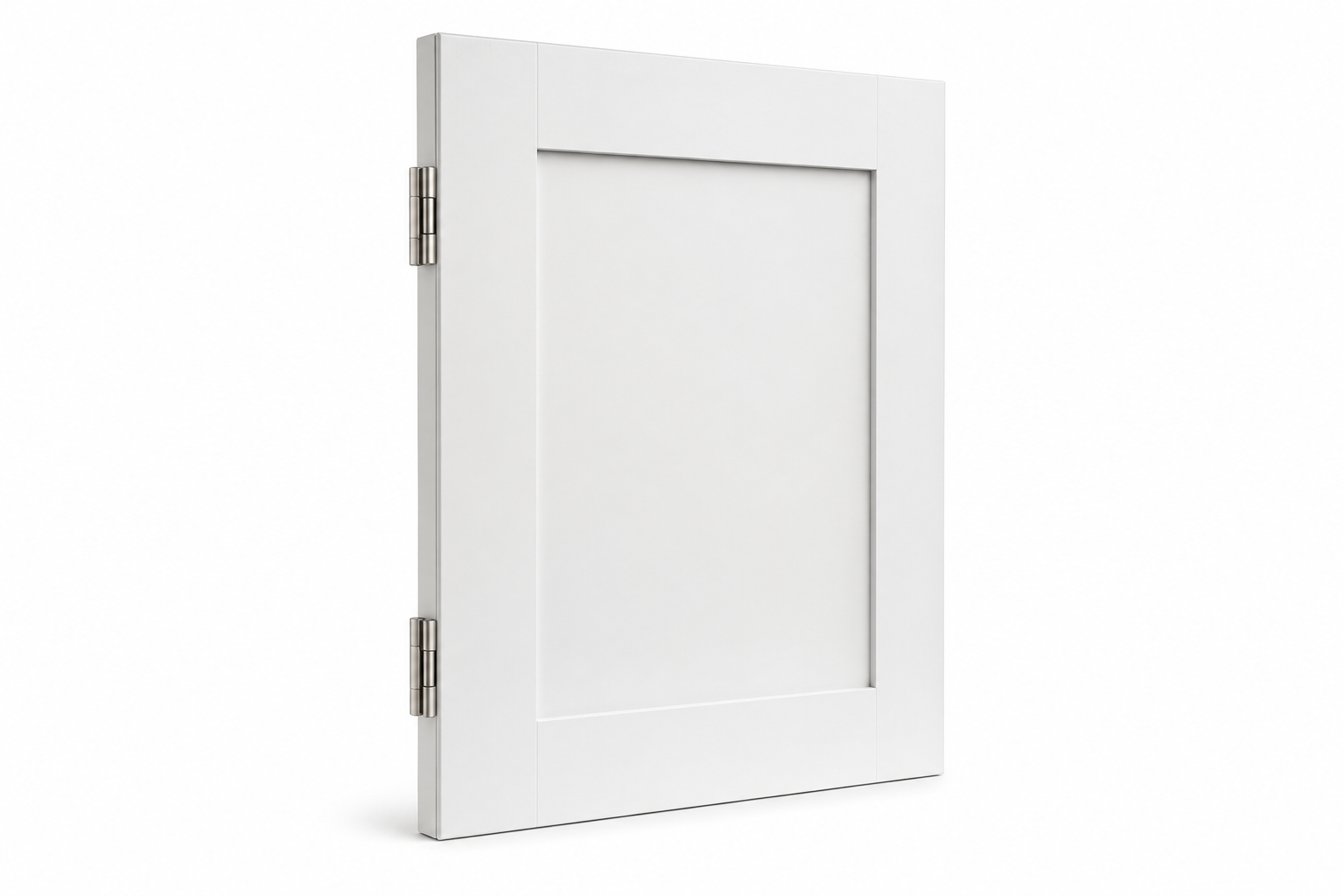 Cabinetry & Built-In Casework
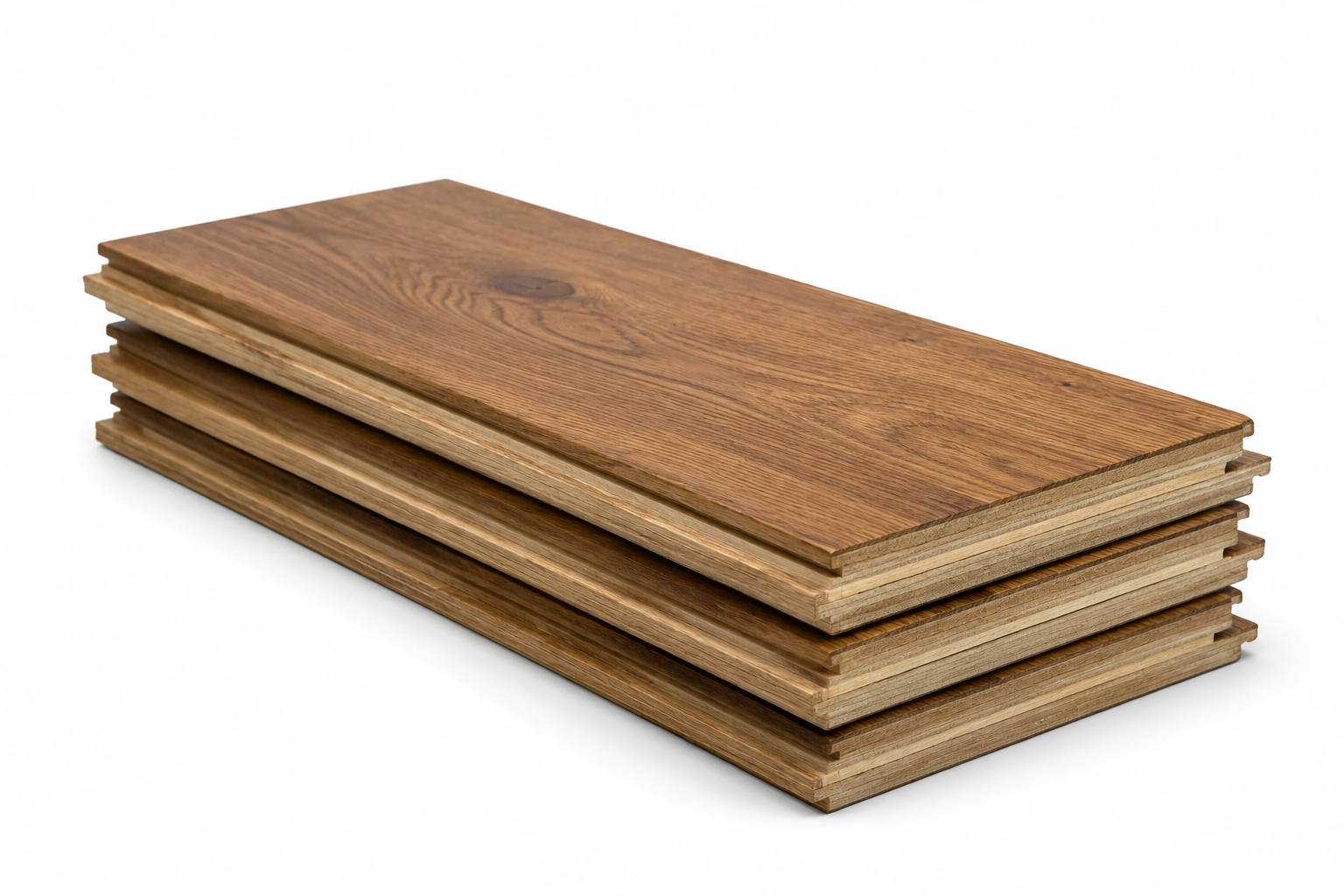 Engineered Hardwood Flooring
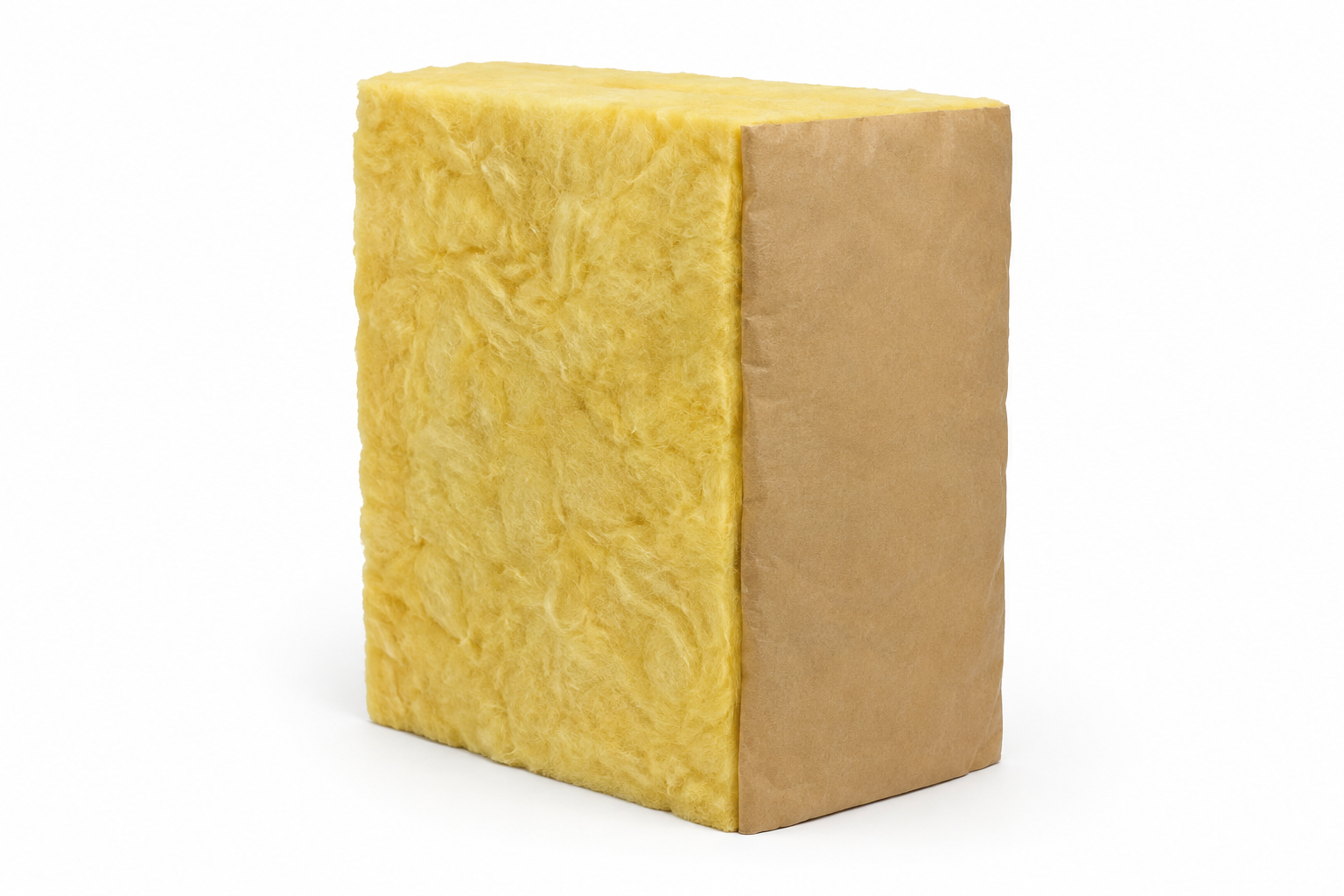 Fiberglass & Mineral Wool Insulation Binders
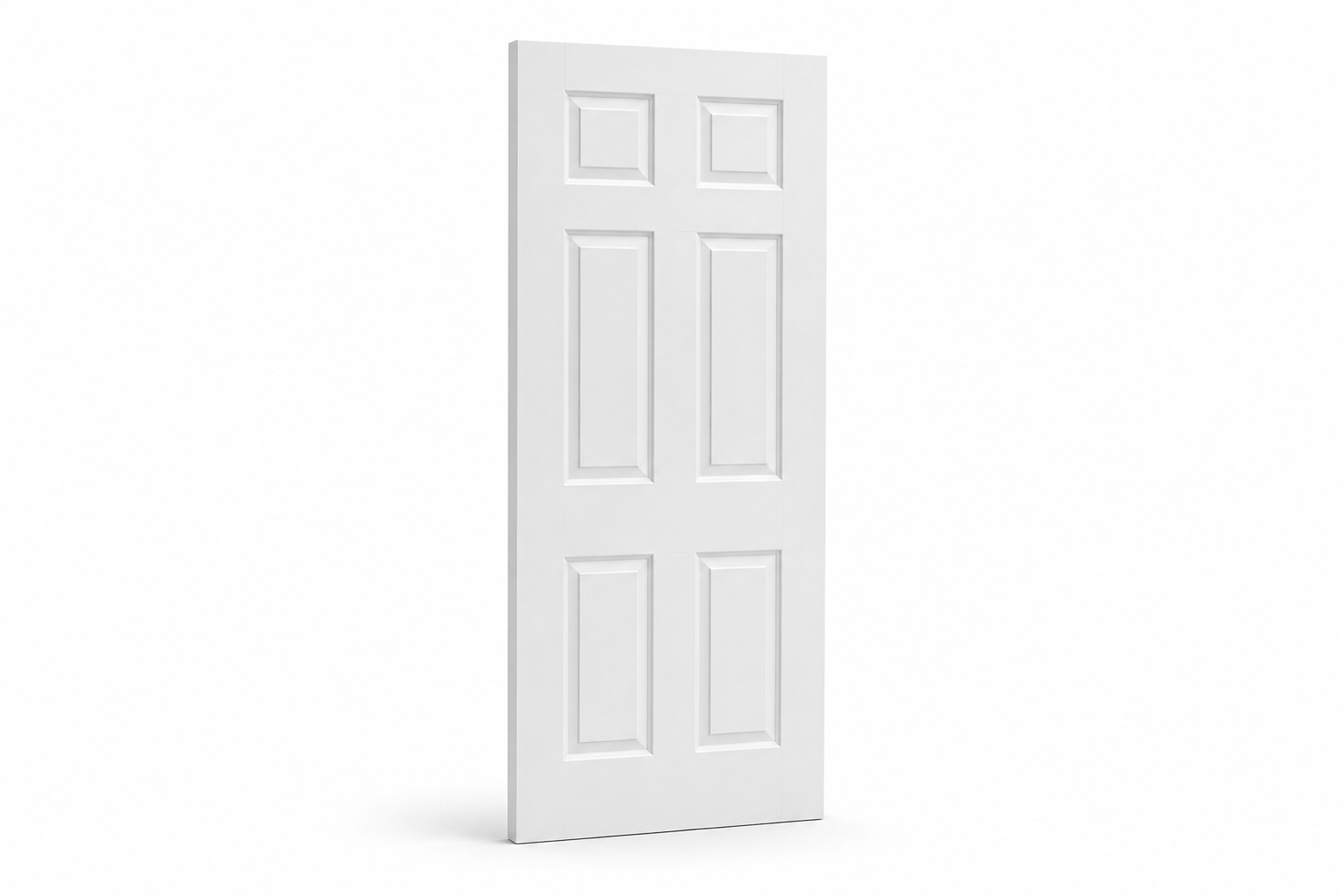 Interior Doors
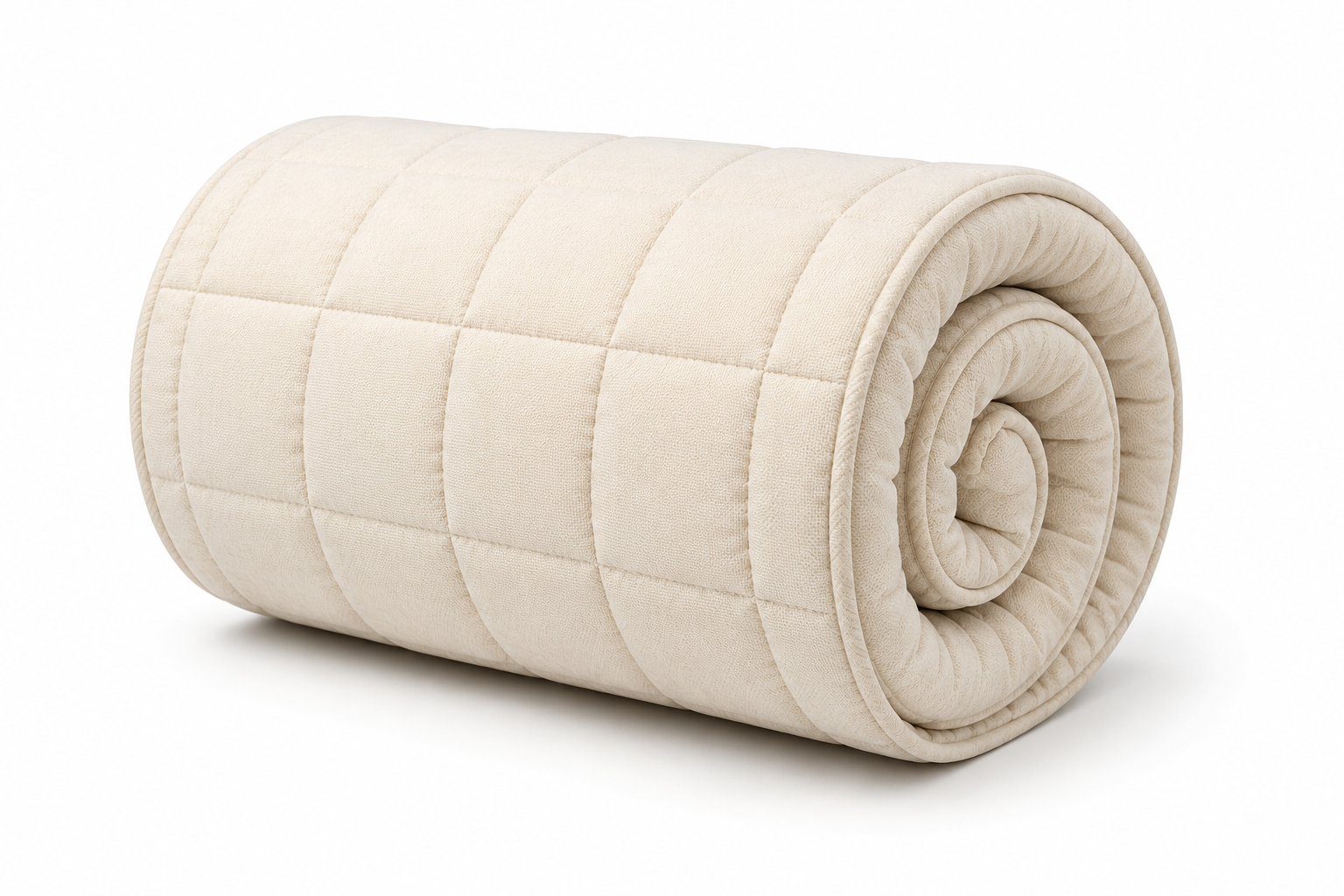 Mattresses & Upholstery Treatments
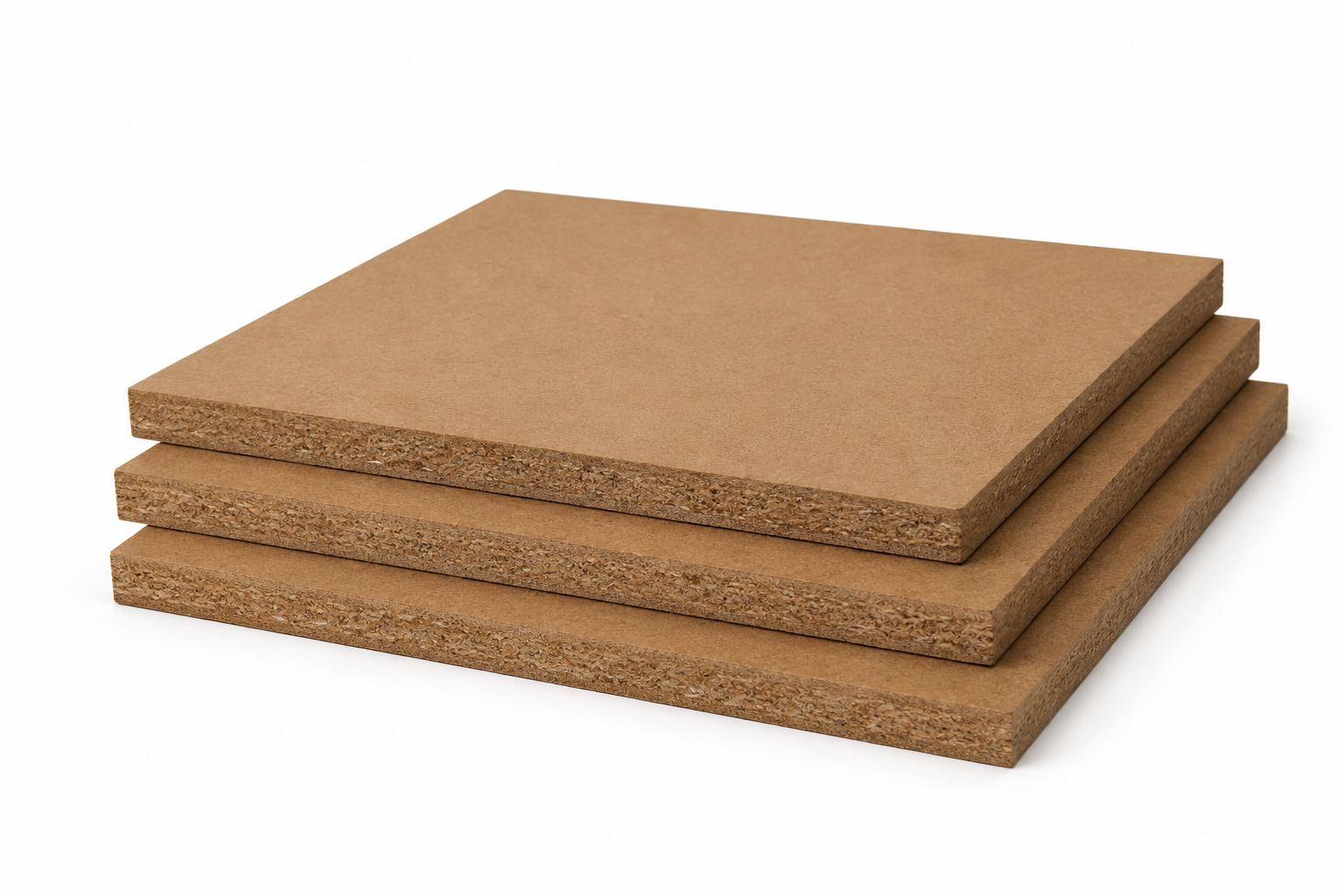 MDF, Particleboard, & Strandboard
 Plywood (UF-bonded)
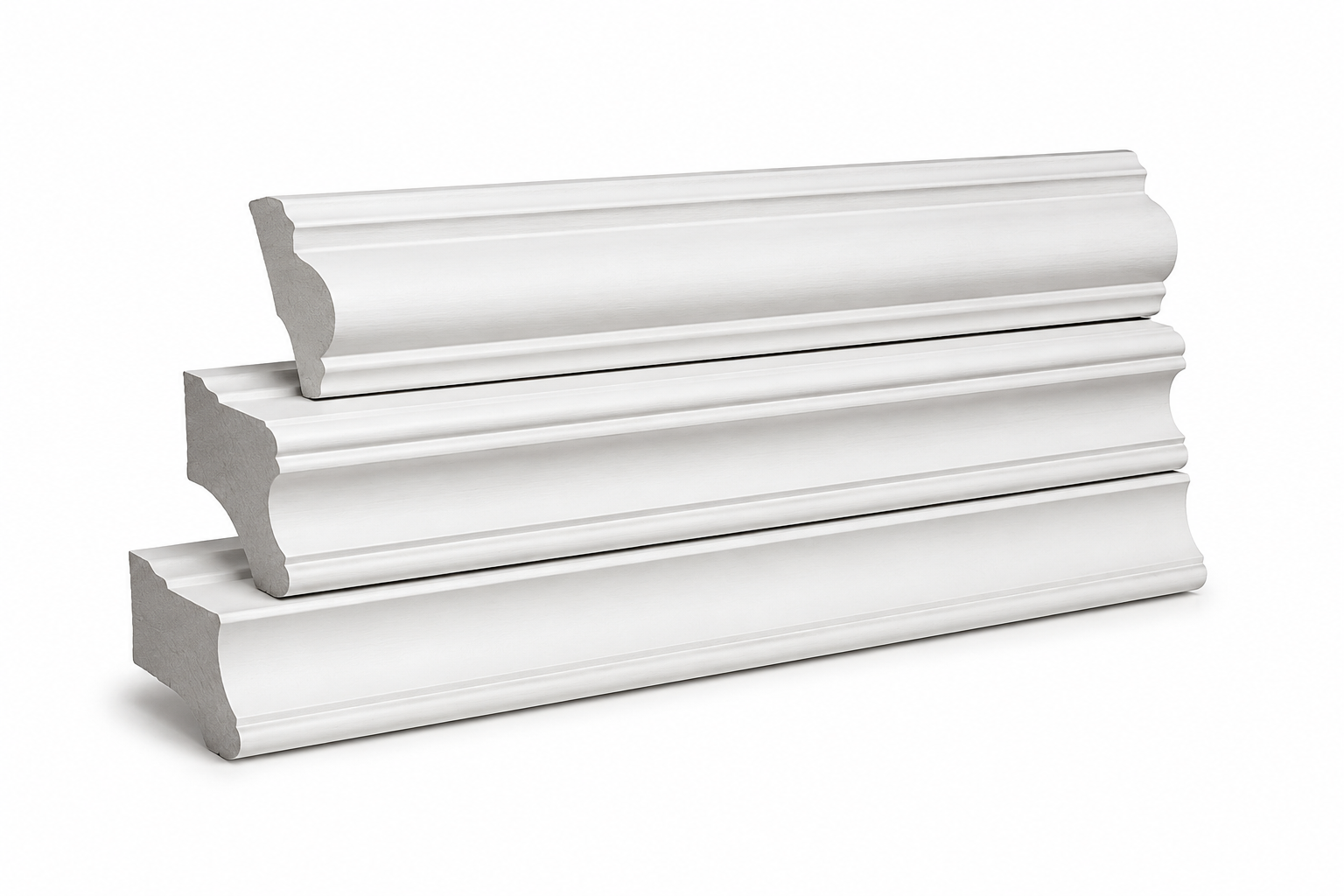 Pre-Finished Trim & Molding
 Sealants & Adhesives
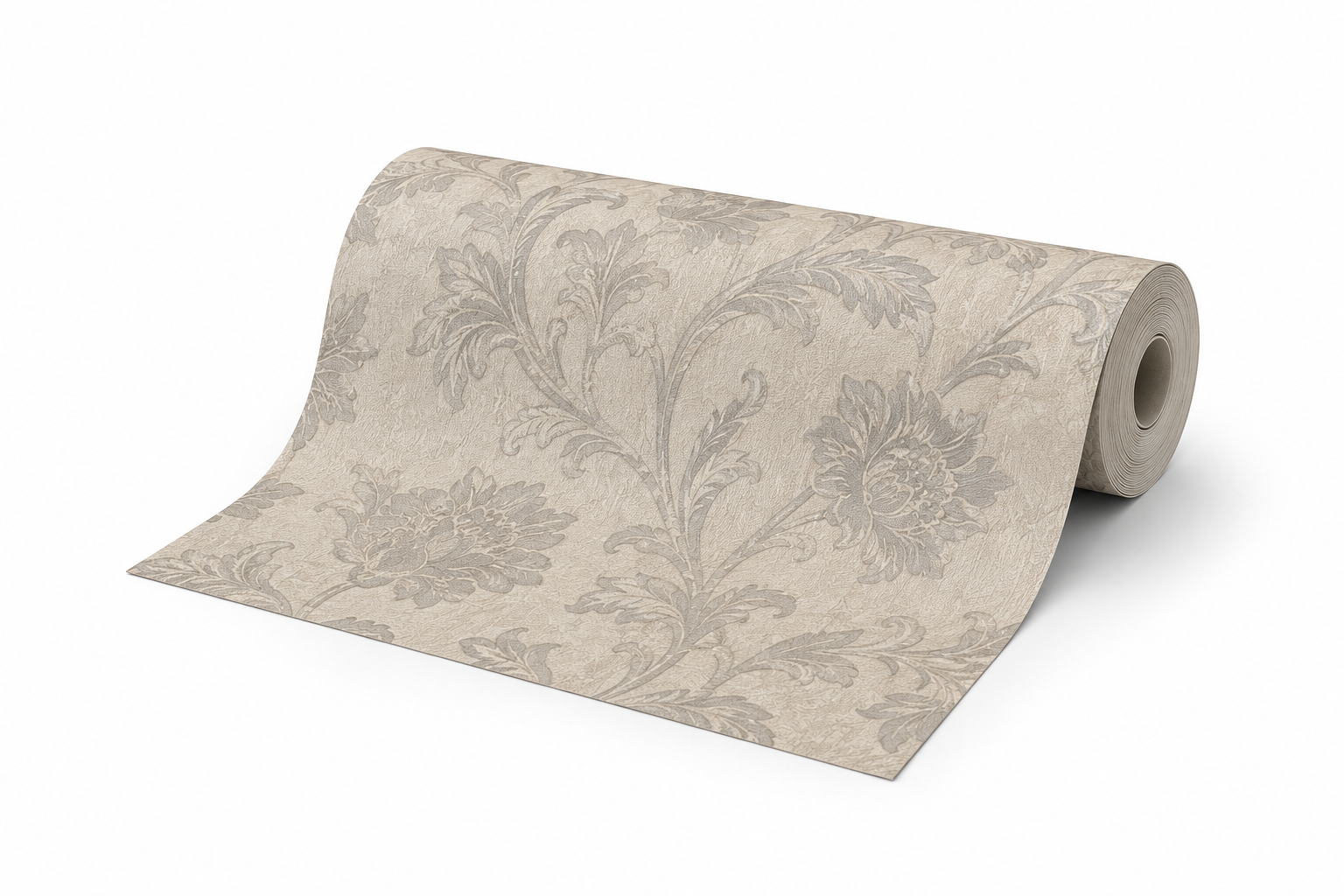 Wallpaper & Decorative Laminates
Formaldehyde and the Houses We Build Without Them
Formaldehyde appears in more building products than most homeowners would believe. Our specifications exclude the family outright, which is what lets us promise a genuinely toxin free home instead of a lower-emission one.
Every house we build is designed as a healthy, mold free, all electric Passive House — the chemical screening is one layer of that, not the whole of it. Earth Bound Homes builds in Menlo Park, Redwood City, San Mateo County and across the San Francisco Bay Area.