Vinyl Chloride Monomer (VCM)CAS 75-01-4
The PVC starting monomer — IARC Group 1 liver-angiosarcoma carcinogen, residual in every PVC product.

Toxic Chemical Databases
Substance-specific listings — these flags are for Vinyl Chloride Monomer alone, not for the broader family.
Chemical Type
Chlorinated Vinyl Hydrocarbon — Group 1 Liver Carcinogen
Chemical Description
Vinyl chloride is the small chlorinated hydrocarbon that polymerizes to form PVC plastic. The epidemiology is unusually clear: PVC manufacturing workers in the 1970s developed a rare cancer — angiosarcoma of the liver — at orders-of-magnitude elevated rates, leading IARC to classify VCM as a confirmed (Group 1) human carcinogen. Residual unreacted VCM exists in every finished PVC product at parts-per-million levels and slowly off-gasses over the product's service life. New flexible PVC products have measurably higher residual VCM than aged stock.
Biological Activity
Severity scores specific to this substance, NOT the parent family average. Differences between siblings are real and meaningful.
Top Health Consequences
- Liver angiosarcoma (IARC Group 1 + NTP Known Human Carcinogen)
- Acroosteolysis — bone resorption at fingertips in workers
- Reproductive endpoints in worker cohorts
- Off-gassing from new flexible PVC at indoor-air-relevant levels
- Drinking-water contamination from new PVC pipe in first months of service
Pathways of Exposure
- Off-gassing from new flexible PVC flooring, wall covering, and shower curtains
- Drinking-water exposure from new PVC pipe lines in first months
- Manufacturing-emission exposure in industrial communities near PVC plants
Building Materials with Vinyl Chloride Monomer
Listed alphabetically — product categories where this specific substance appears.
 New Flexible PVC Products (Residual)
 New PVC Drinking-Water Supply Pipe
 PVC Roofing Membrane
 PVC Vinyl Sheet & Tile Flooring
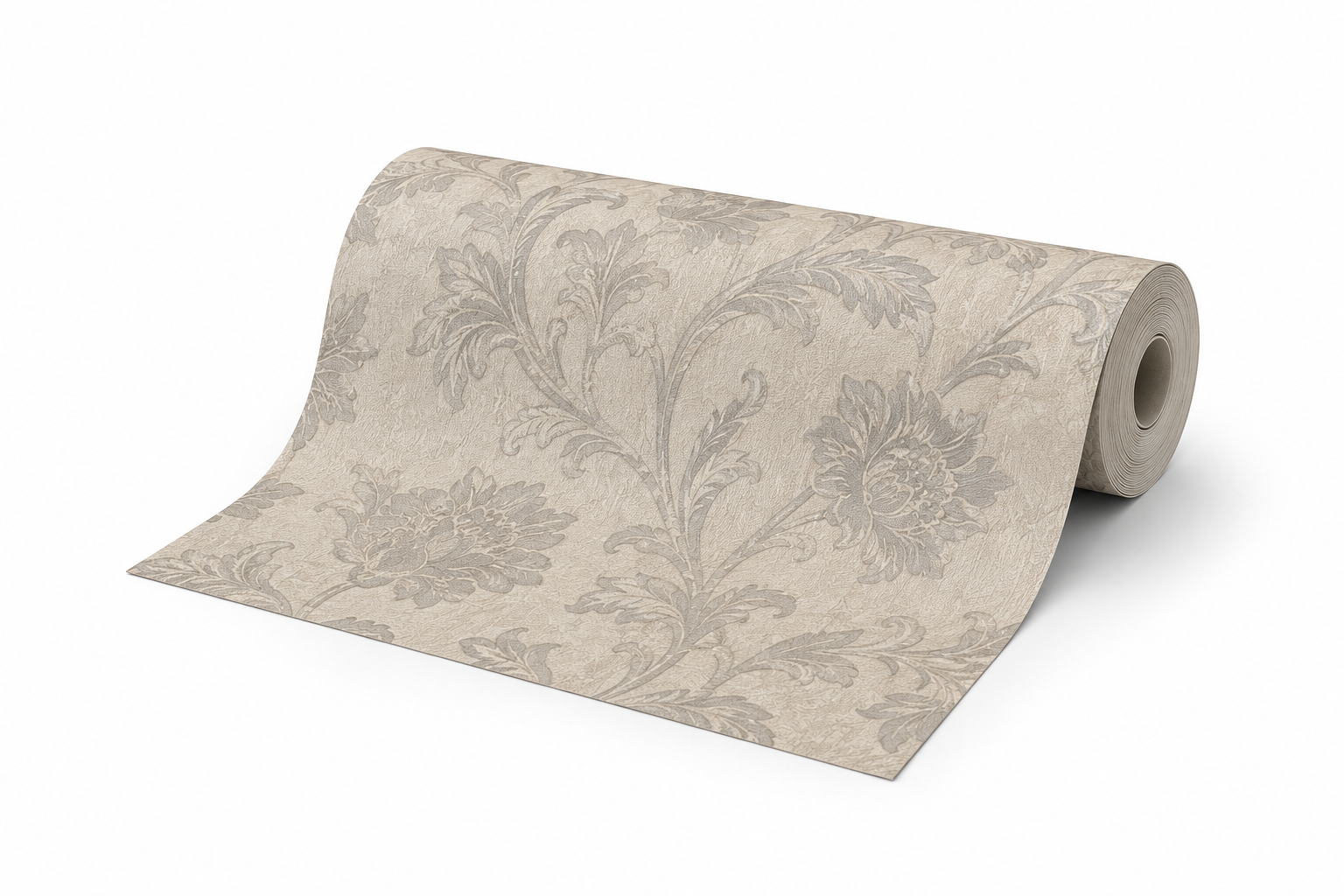 PVC Wall Covering
How We Keep Vinyl Chloride Monomer Out of a House
Avoiding Vinyl Chloride Monomer is only half of it. The replacement has to work in a mold free, airtight, PHPP-modeled assembly as well — and finding materials that do both is most of what we do.
If you want a house specified this way from the start, or an existing house assessed for what is already in it, that is the work we do. Earth Bound Homes builds in Atherton, Palo Alto, Redwood City and across the San Francisco Bay Area.