Methyl Methacrylate (MMA)
The acrylic-resin monomer in solid surface, dental composites, and floor coatings.
Toxic Chemical Databases
Where this family lands across the nine independent toxicology authorities we screen against.
Chemical Type
Acrylic Ester Monomer
Chemical Description
Methyl methacrylate is the small ester monomer that polymerizes into PMMA — Plexiglas, Lucite, and the filled acrylic resins used for solid-surface countertops (Corian-style), seamless poured-acrylic flooring, and the milky tile-grout-replacement systems sold for laboratory and clinical work. Cured PMMA is one of the most chemically stable plastics in residential use, but MMA monomer itself has a sharp, sweet odor at very low ppm and is a respiratory and skin sensitizer. Off-gassing from a freshly-installed poured acrylic floor can persist for weeks, and the catalysts used to drive the polymerization (usually benzoyl peroxide or amines) add their own concerns. EBH allows solid-surface PMMA countertops once fully cured and off-gassed, but we don't pour MMA-based acrylic floor systems in occupied buildings.
Chemical Structure
Molecular schematic for Methyl Methacrylate (MMA) — formula and structural features shown below.
Biological Activity
Severity scores summarize hazard endpoints from IARC, NTP, EPA IRIS, ATSDR, and NIOSH on a 0–10 scale. Mirrors the system-level output of our SDS Toxic Chemical Screener.
Chemical Analogs and Brand Names
- Methyl methacrylate (MMA) — CAS 80-62-6
- Polymethyl methacrylate (PMMA) — CAS 9011-14-7
- Ethyl methacrylate — CAS 97-63-2
- Hydroxyethyl methacrylate (HEMA) — CAS 868-77-9
- C
Top Health Consequences
- Occupational asthma in spray and pour applications
- Allergic contact dermatitis (a top-10 allergen in dental and salon workers)
- Olfactory irritation and headache at sub-ppm indoor concentrations
- Reproductive toxicity at high occupational exposure levels
- Liver and kidney effects in animal studies
Pathways of Exposure
- Inhalation during pour-in-place acrylic floor installation
- Off-gassing from new solid-surface fabrication and seam-welding
- Dermal contact during fabrication of acrylic kitchen and bath products
- Background exposure from nail salons and dental clinics
Building Materials with Methyl Methacrylate (MMA)
Listed alphabetically. These are the product categories where this chemistry most often shows up — not an exhaustive list.
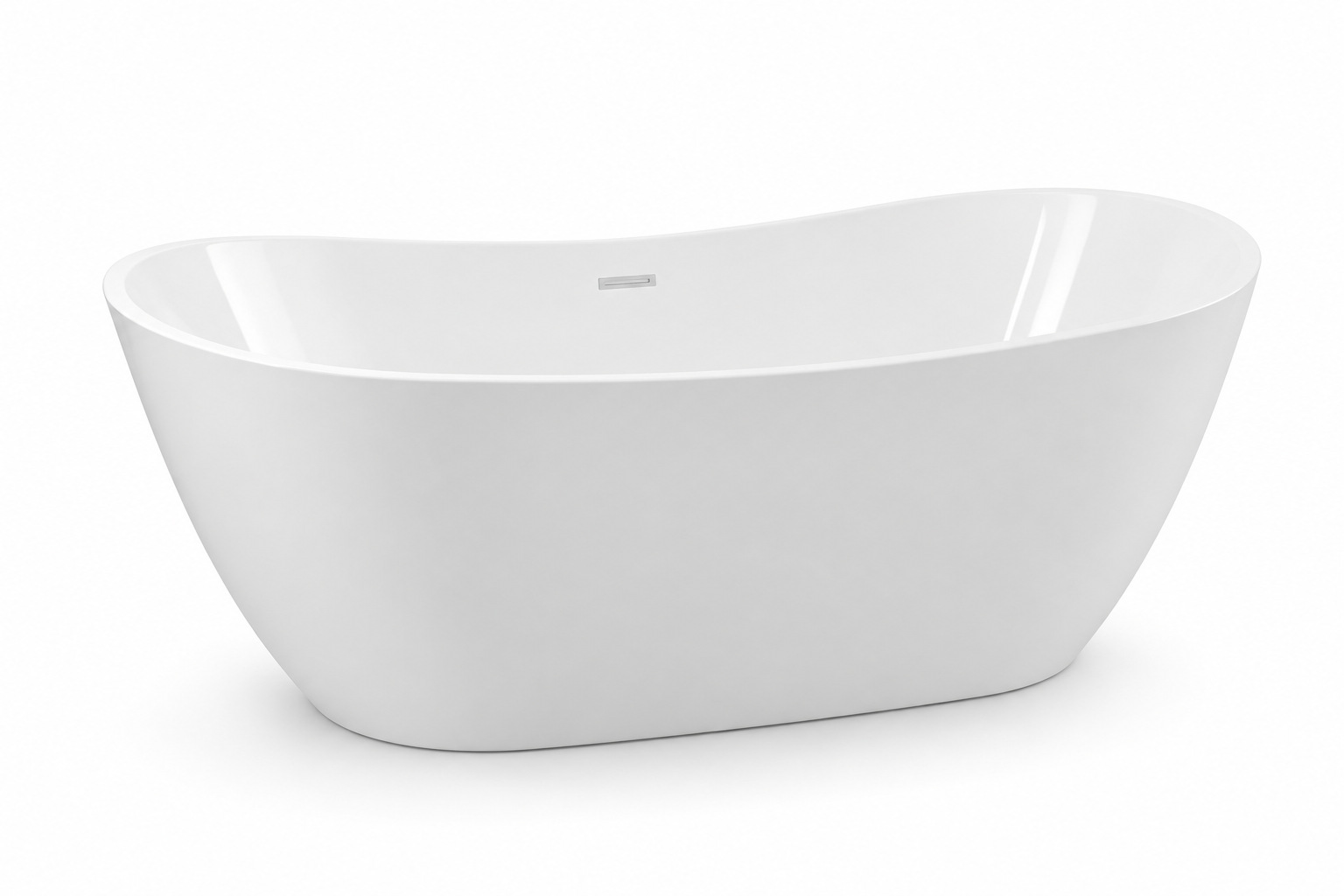 Acrylic Bath & Shower Enclosures
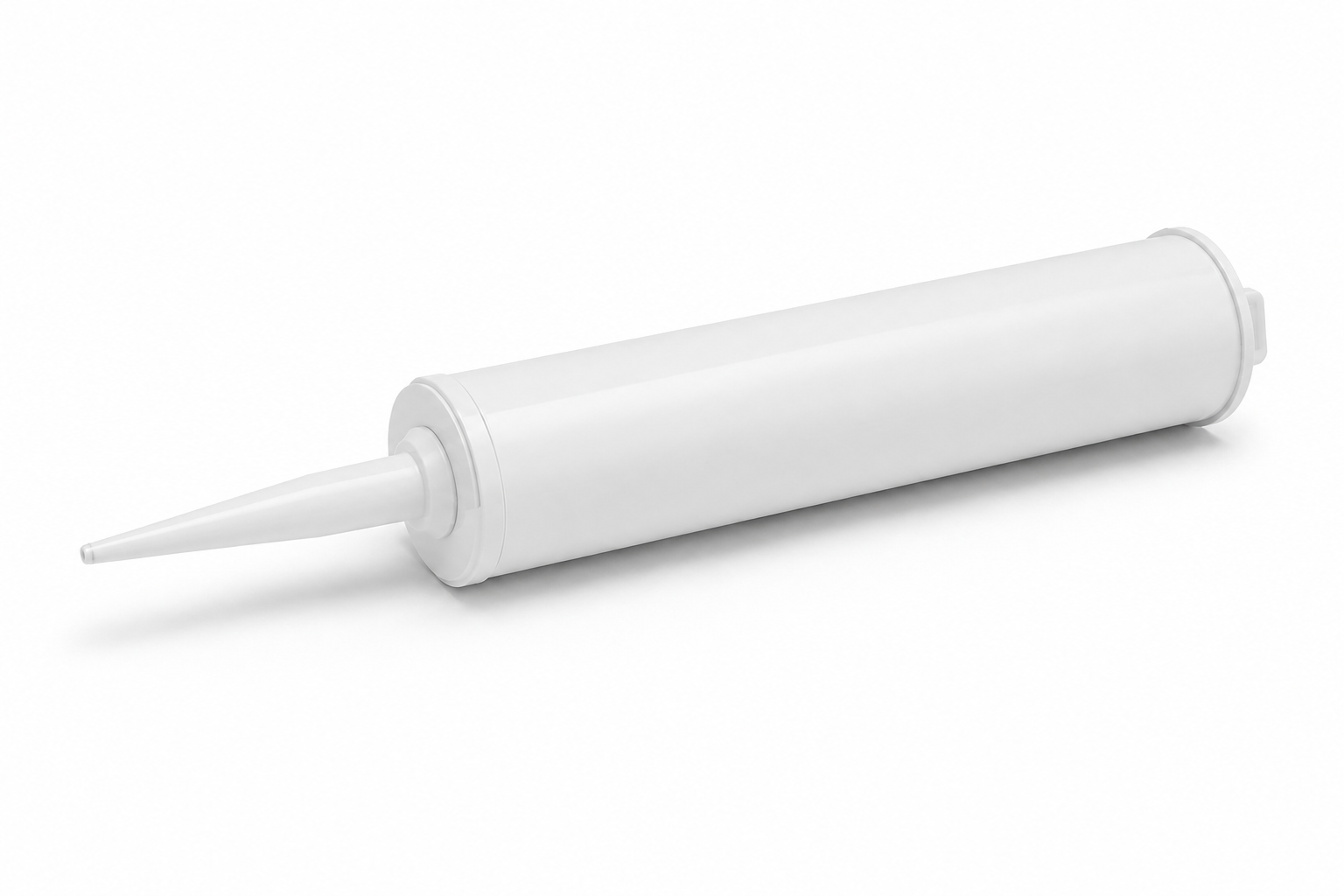 Acrylic Sealants & Caulks
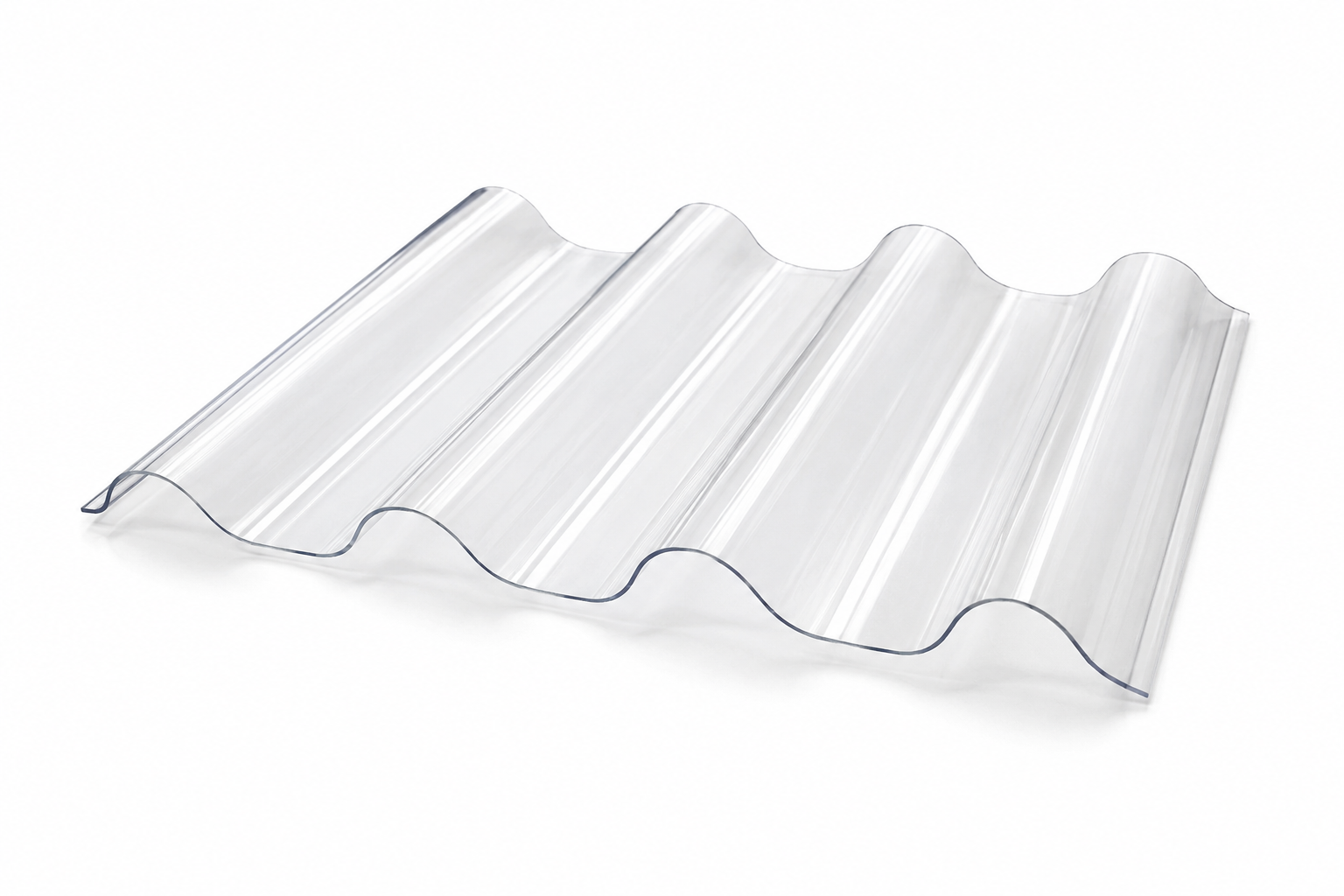 Decorative Acrylic Sheet Glazing
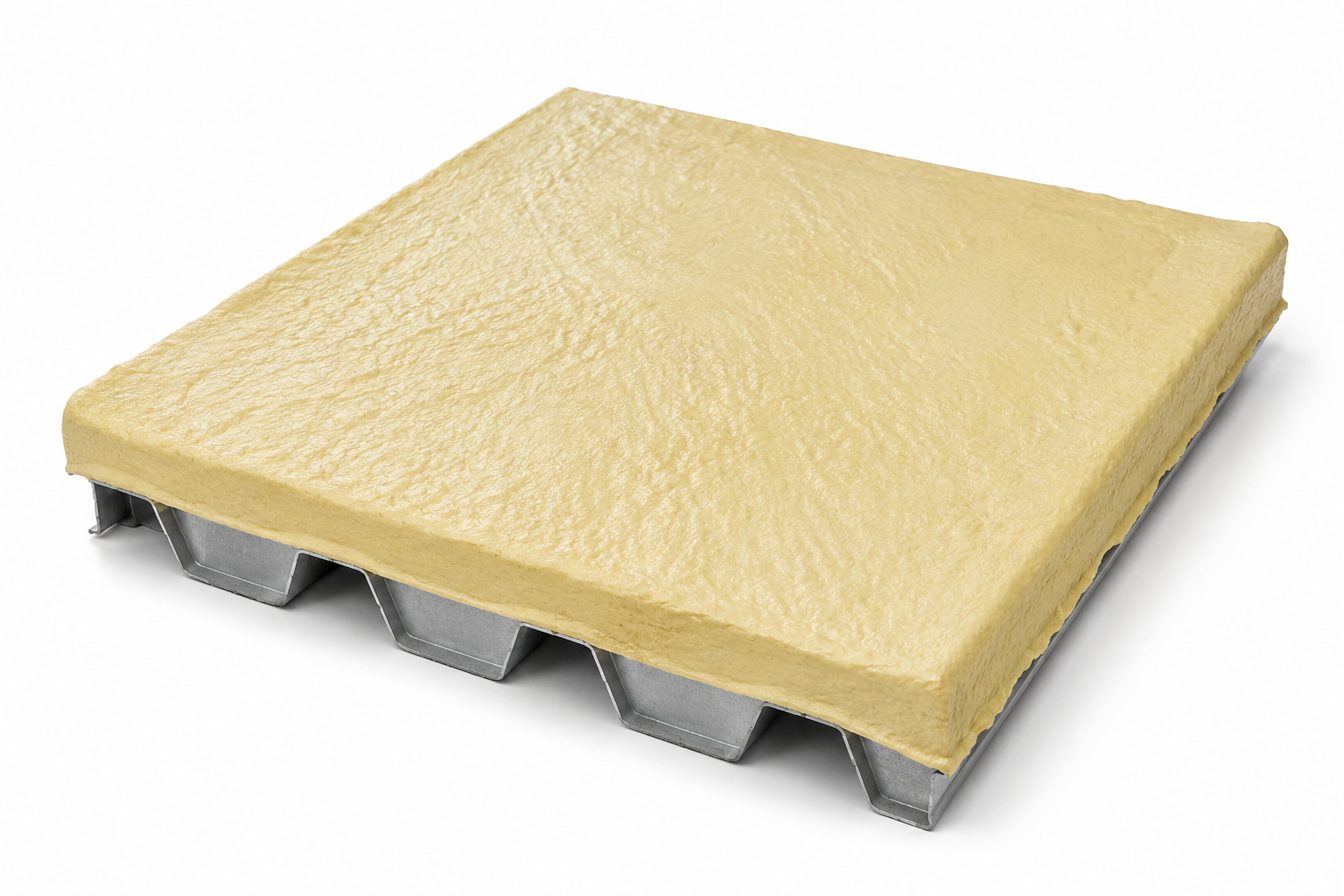 Methacrylate Pour-in-Place Flooring
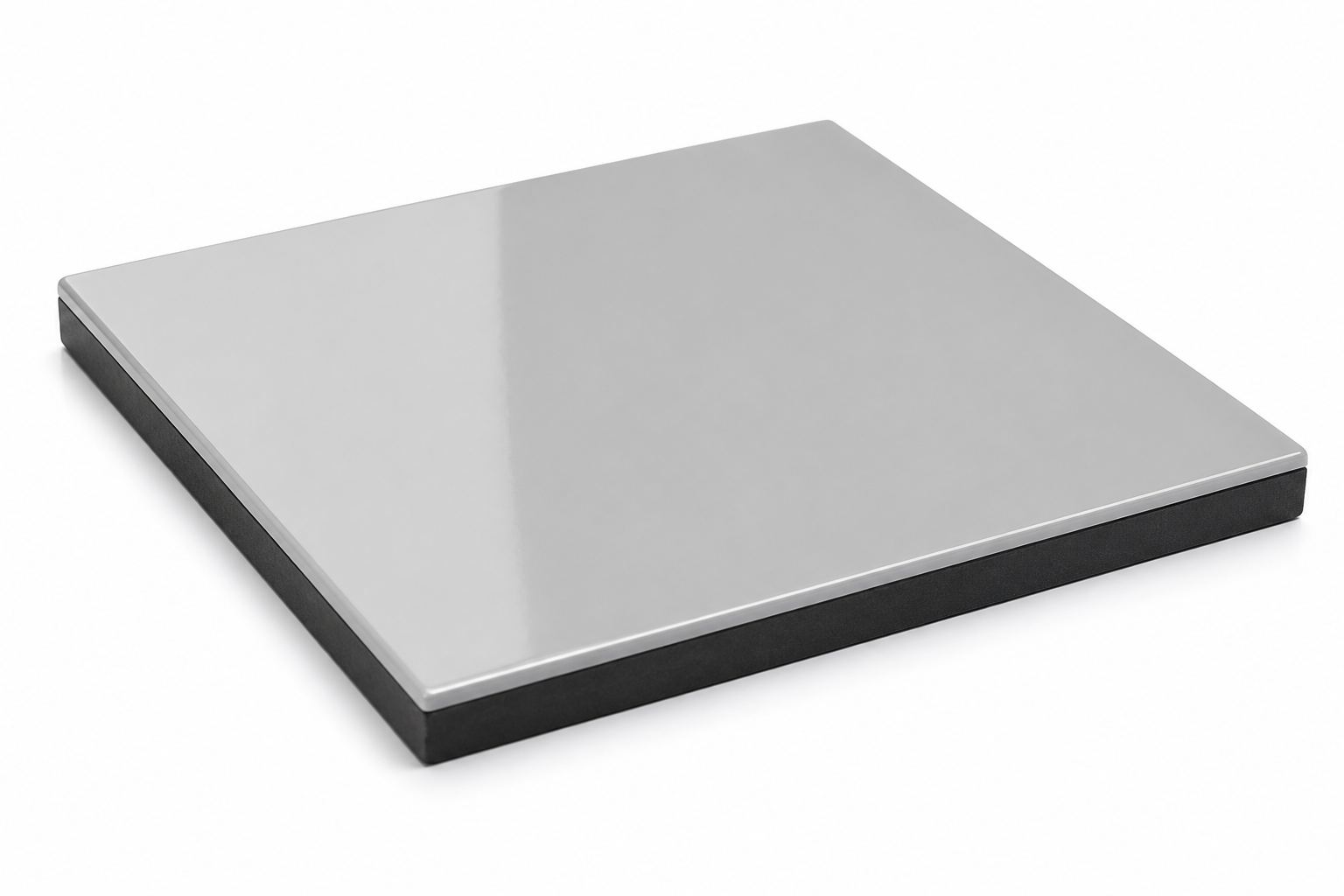 Poured Acrylic Resinous Flooring
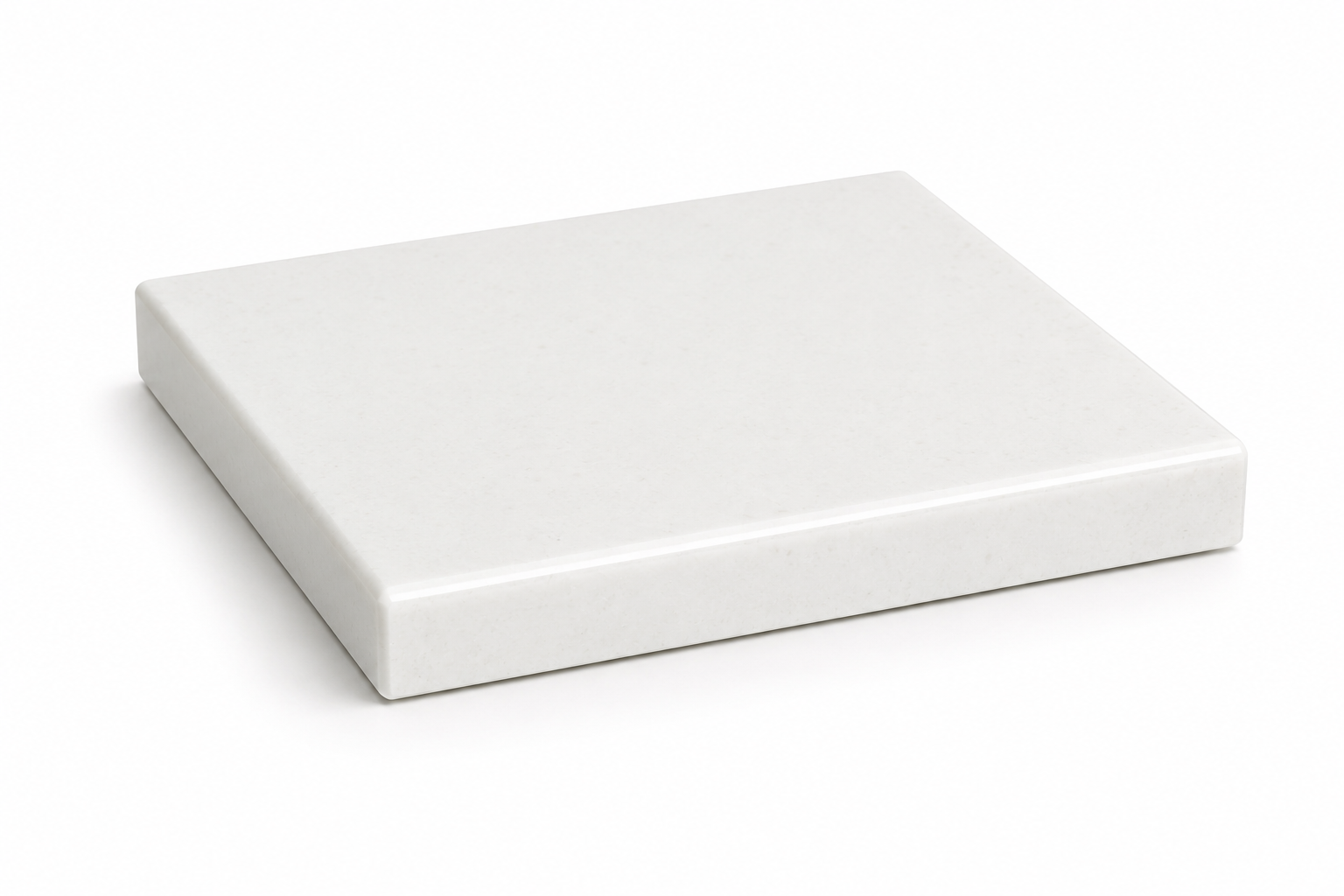 Solid Surface Countertops & Wall Panels
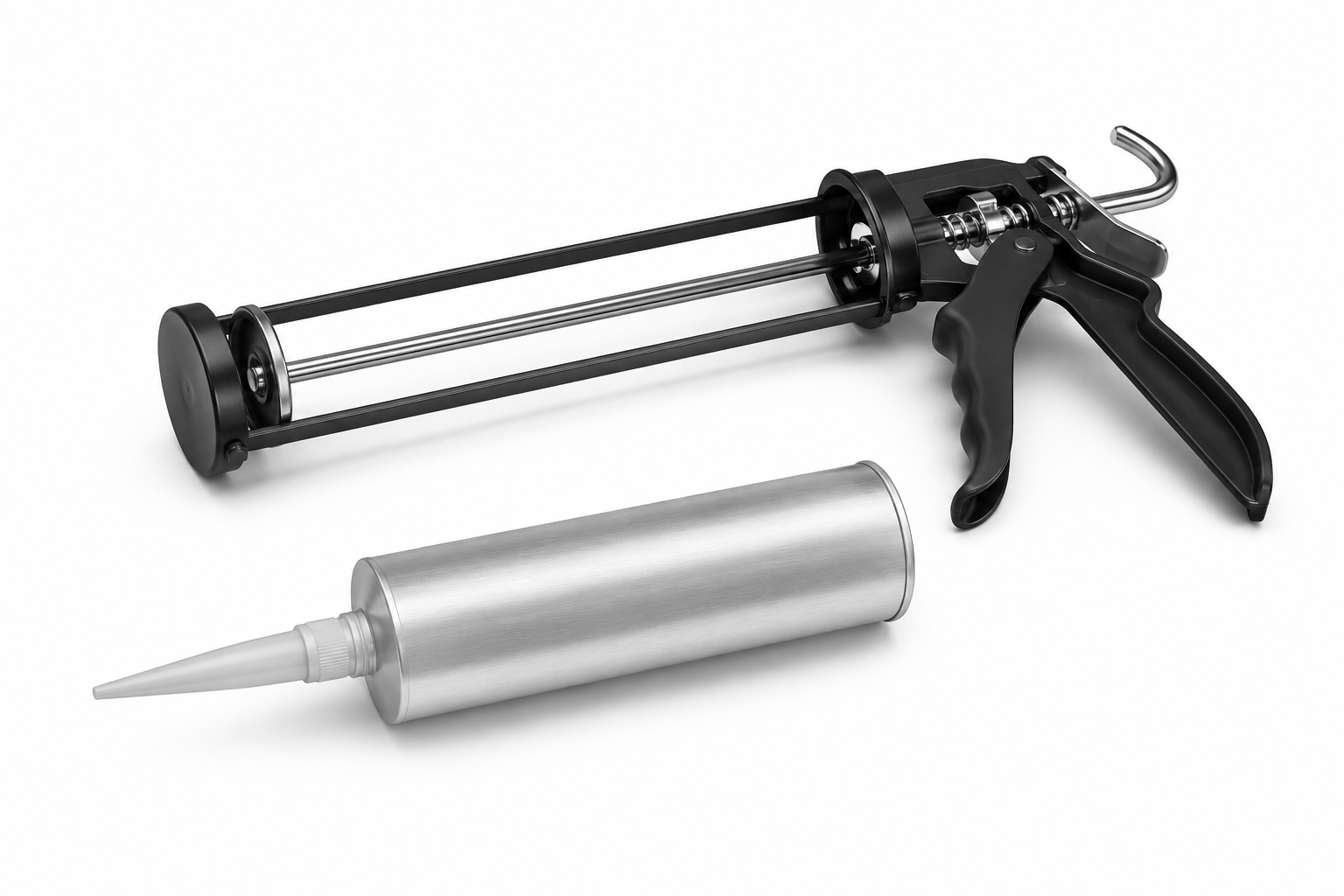 Specialty Acrylic Adhesives
 Surface Repair & Crack Fillers
 Translucent Skylight Glazing
 Whiteboard Surface Coatings
Methyl Methacrylate and the Houses We Build Without Them
We refuse the whole Methyl Methacrylate family rather than chasing one substance at a time. Manufacturers substitute within a family faster than regulators can keep up, so family-level avoidance is the only screening that holds.
Every house we build is designed as a healthy, mold free, all electric Passive House — the chemical screening is one layer of that, not the whole of it. Earth Bound Homes builds in Los Gatos, San Jose, Santa Clara County and across the San Francisco Bay Area.