Natural Oil & Wax Finishes
Linseed, tung, hardwax oil, and beeswax — penetrating finishes that nourish wood rather than coating it.
Toxicity Screening — All Clear
This material screens clear across all nine independent toxicology authorities we use on every project.
Material Type
Plant-Based Wood Finish
Material Description
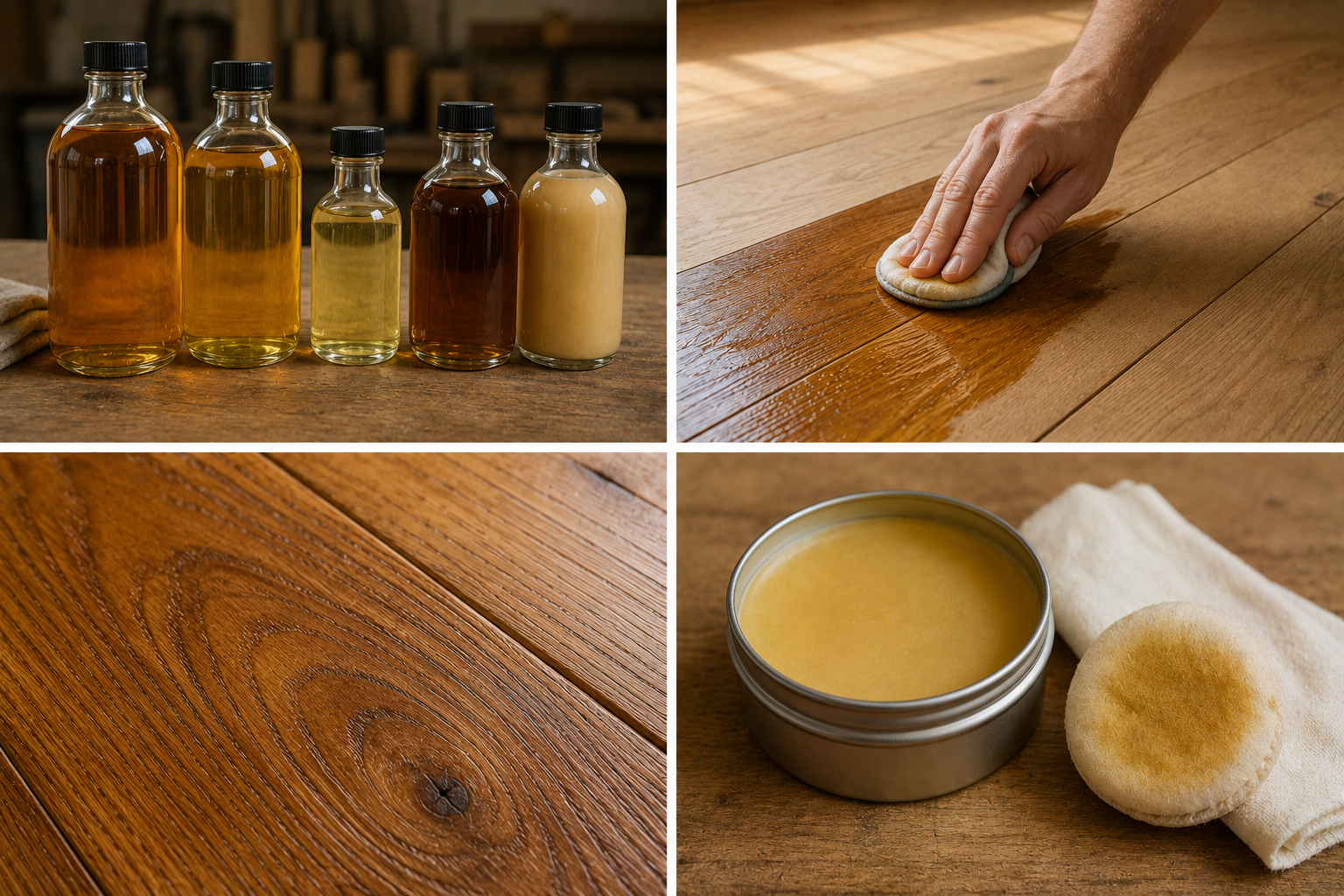
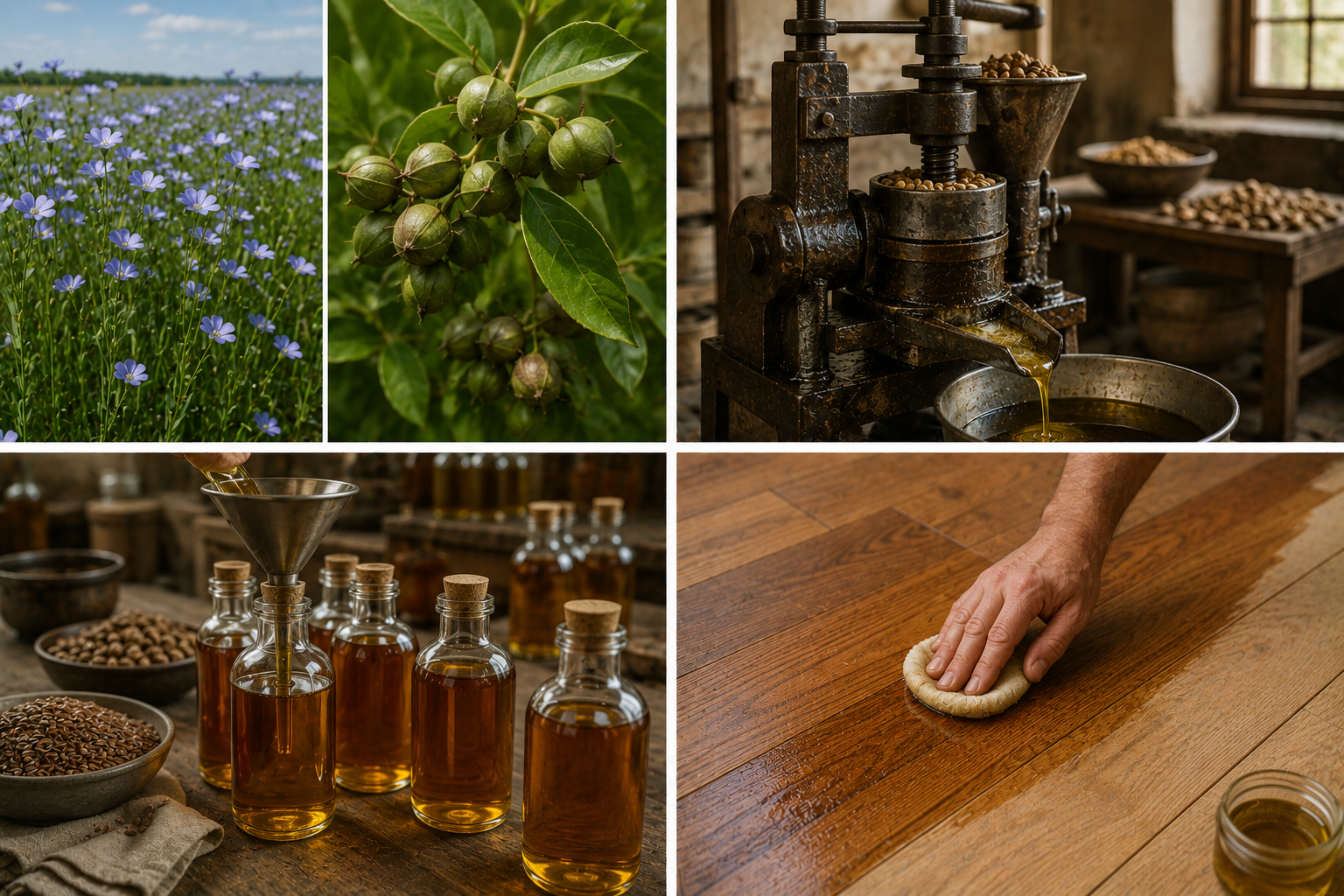
Natural oil finishes — linseed, tung oil, hardwax oil blends, and beeswax — are the traditional way to finish wood, predating polyurethane by centuries. Oil-based finishes penetrate into the wood fiber rather than forming a film on top, which means they don't peel, chip, or scratch the way polyurethane does. They reveal grain rather than burying it, are spot-repairable (worn areas can be re-oiled without sanding the entire floor), and use only plant or insect-derived ingredients. The catch is application and maintenance: oil-finished wood needs initial 2-3 coat application, then re-oiling every 1-3 years in high-wear areas. Hardwax oil blends (hardened with carnauba or candelilla wax) reduce maintenance frequency significantly.
Composition & Origin
Health Profile — All Endpoints Clear
Severity scored 0–10 against the same 10 hazard endpoints we use for the chemical families on the avoid list. Every score is 1–2 — essentially no signal across every endpoint.
Common Forms & Brands
- Osmo Polyx Hard Wax Oil
- Rubio Monocoat Oil Plus 2C
- Tried & True linseed oil finishes
- Real Milk Paint Co. tung oil
- Common framing: pure tung oil, polymerized linseed, hardwax oil blend, paste wax
Why We Use It
- Penetrating finish — feeds the wood rather than coating it
- Spot-repairable — re-oil worn areas without full refinishing
- Reveals natural grain depth and color
- Plant or insect-derived ingredients — no petrochemical solvents
- Self-warm tactile feel underfoot and under hand
Where It Performs Best
- Wood plank flooring
- Wood countertops and butcher block
- Cabinet interiors and shelving
- Furniture and millwork finishing
Building Applications for Natural Oil & Wax Finishes
Listed alphabetically. Where in a home this material earns its keep.
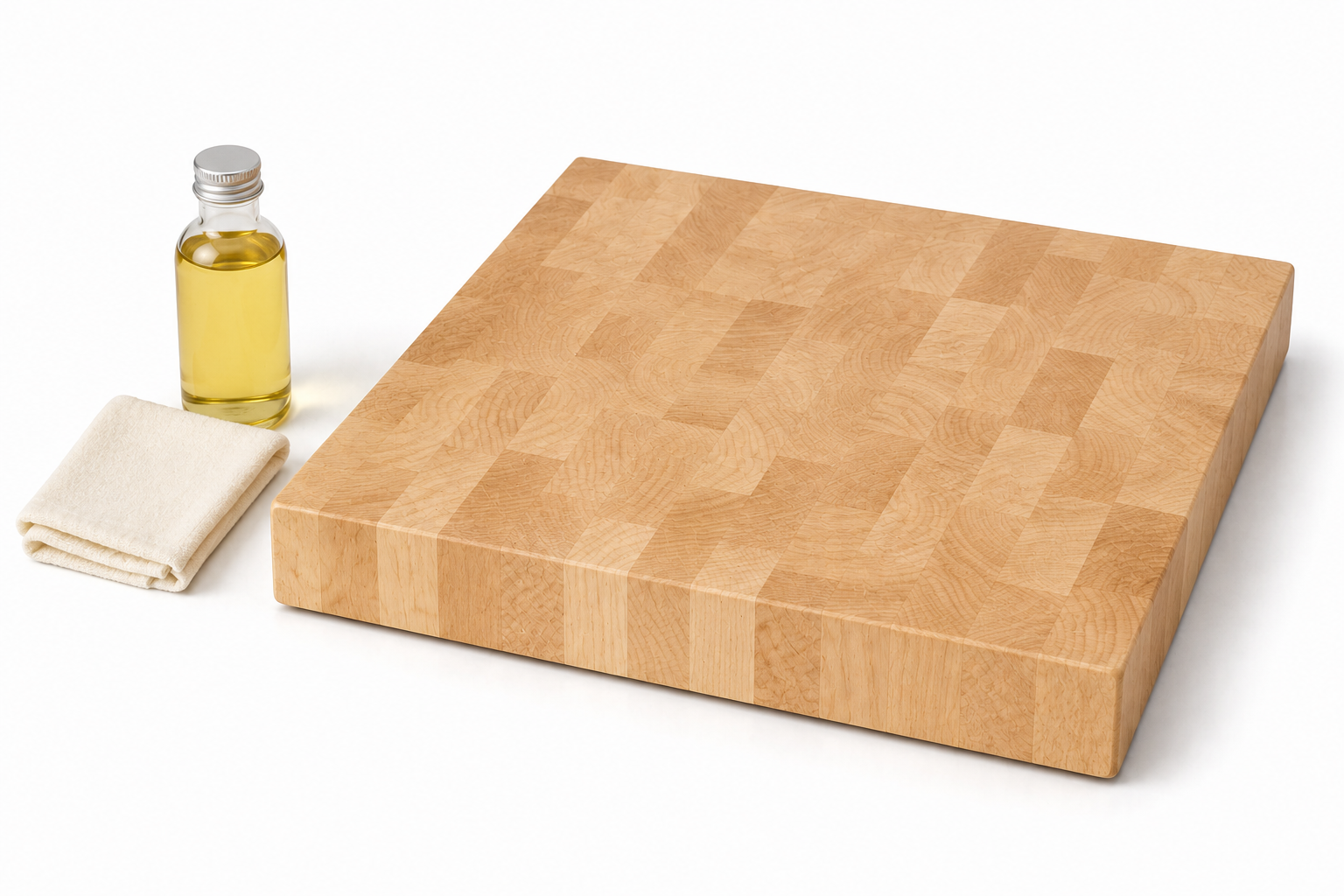 Butcher Block & Wood Countertops
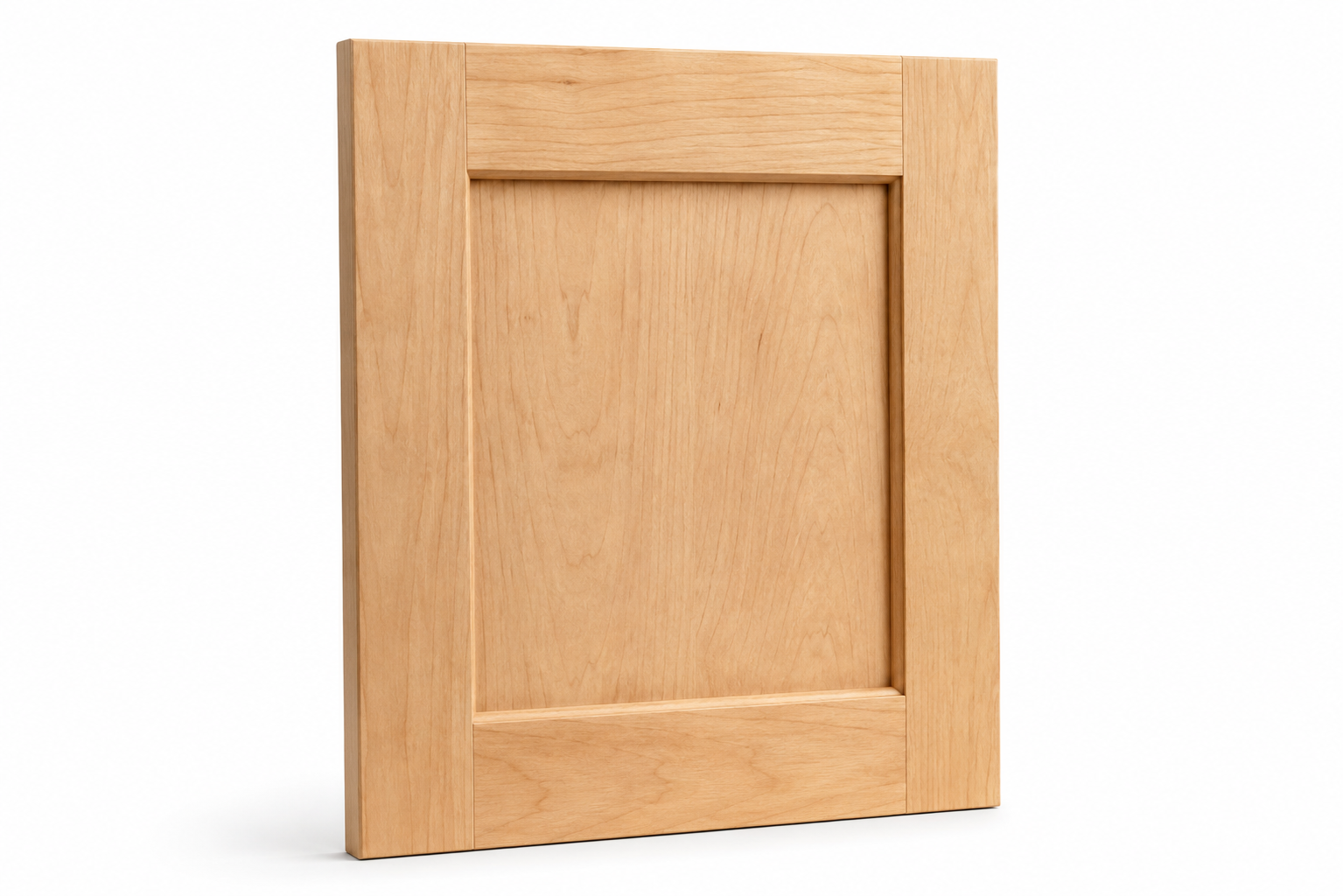 Cabinet Interior Finishing
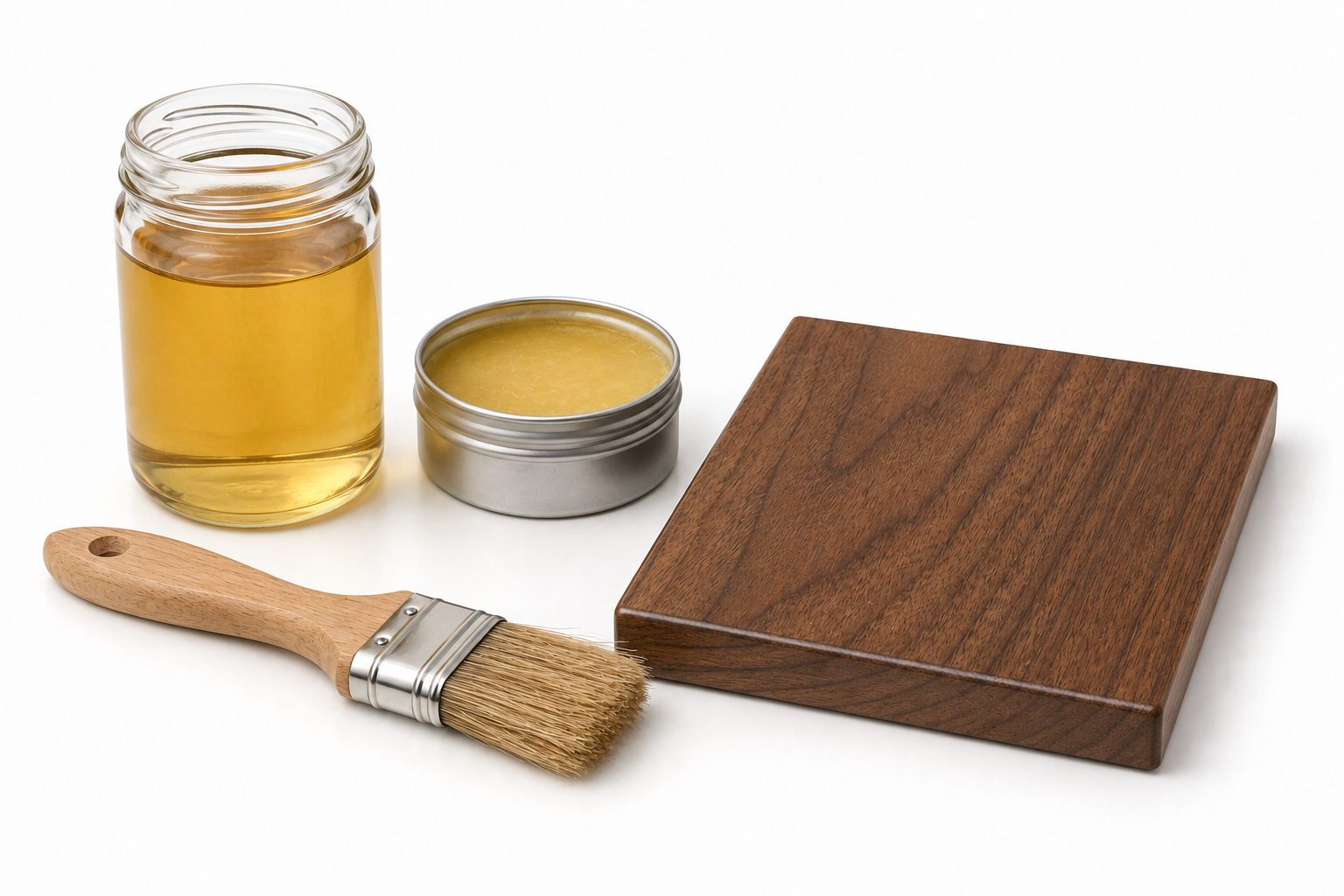 Furniture & Millwork Top Coats
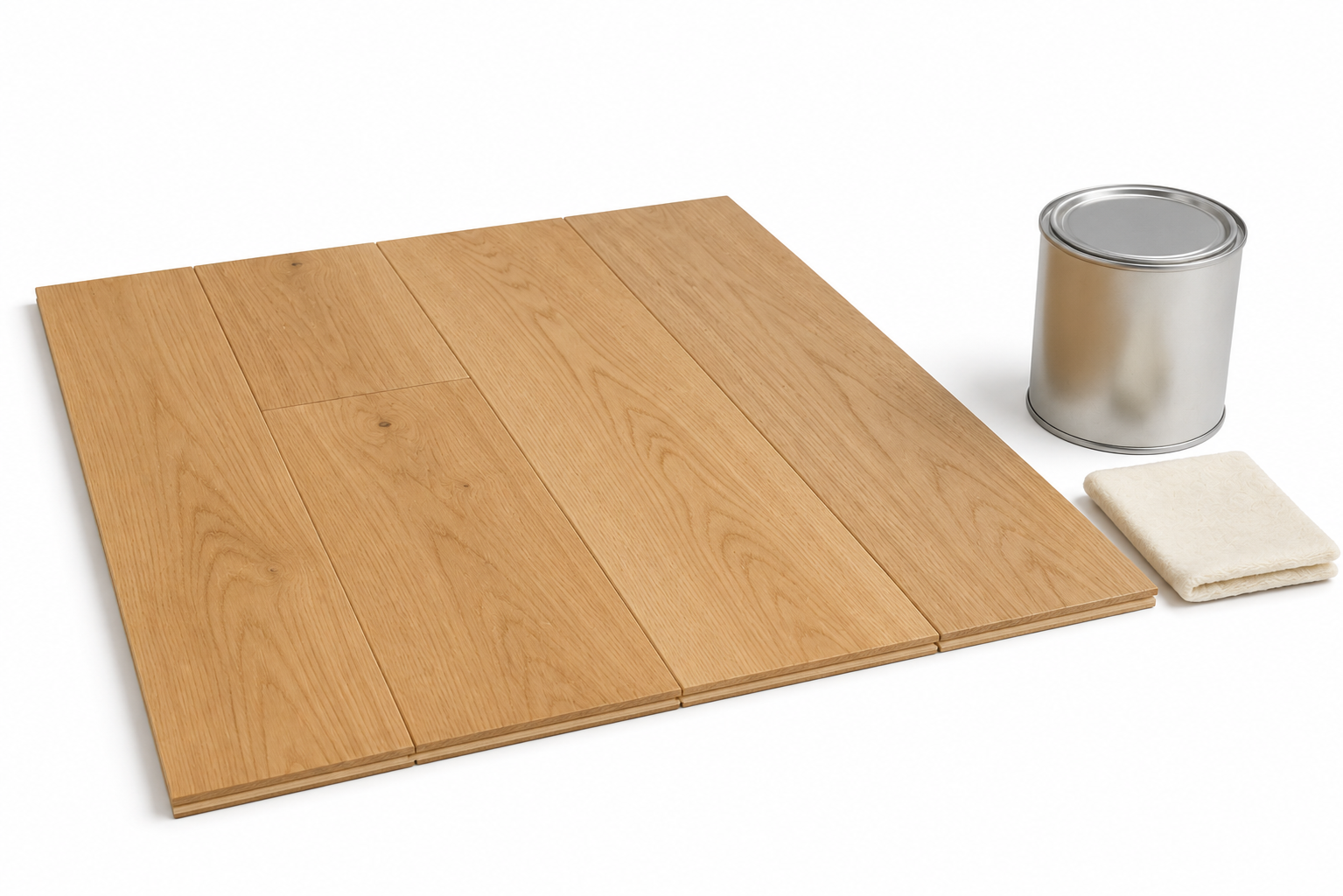 Hardwood Floor Finish
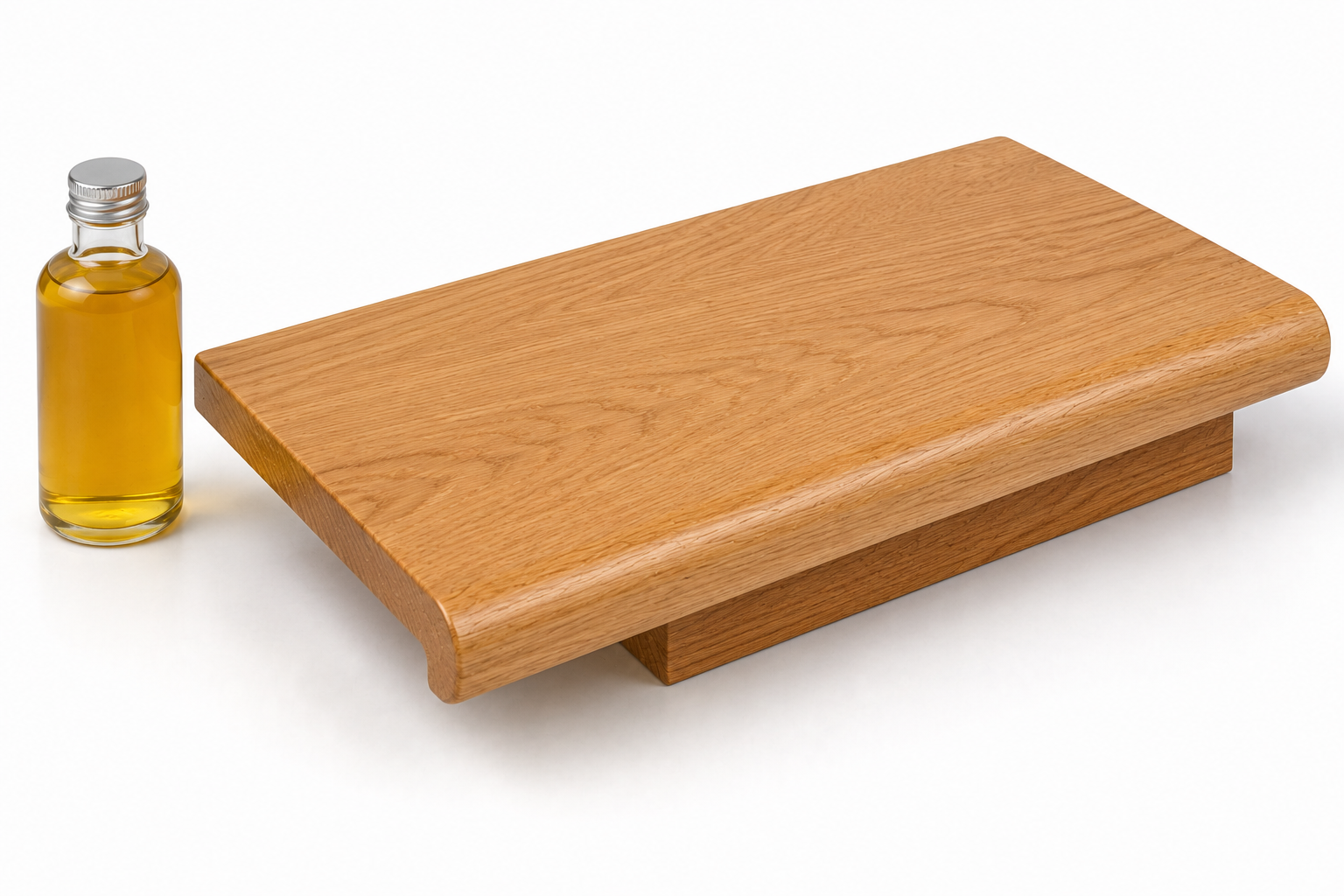 Stair Tread Finish
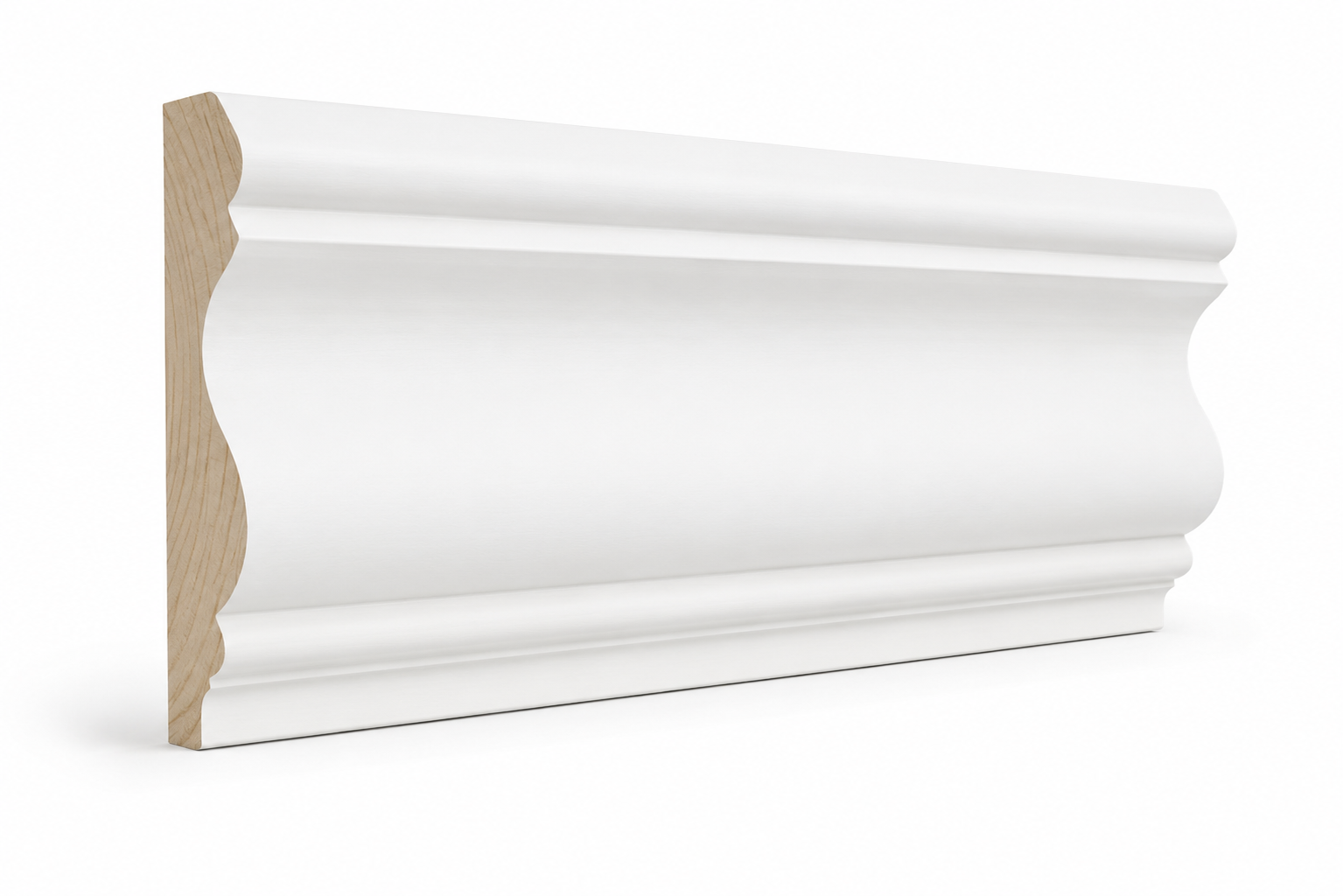 Wood Trim & Crown Molding
Natural Oil & Wax Finishes on a Bay Area Home
Natural Oil & Wax Finishes is part of how we build a sustainable home that is also a comfortable one. Our wall and roof assemblies are modeled in PHPP before anything is ordered, so insulation, cladding and finish all have to perform together.
If you are planning a new house or a deep remodel and you want this level of material control, that is the whole job we do. Earth Bound Homes builds in Los Gatos, San Jose, Santa Clara County and across the San Francisco Bay Area.