Hexabromocyclododecane (HBCD)CAS 25637-99-4
The dominant flame retardant in EPS and XPS insulation for decades — now POP-listed and being phased out.
Toxic Chemical Databases
Substance-specific listings — these flags are for Hexabromocyclododecane alone, not for the broader family.
Chemical Type
Cyclic Brominated Flame Retardant
Chemical Description
HBCD was the flame retardant of choice for expanded and extruded polystyrene foam used as below-grade and above-grade rigid insulation. The Stockholm Convention added it to its POPs list in 2013 with a specific exemption for EPS/XPS construction use that has since expired. Industry has shifted to a polymeric brominated replacement (PolyFR), but legacy HBCD remains in older buildings and the global landfill stream. The molecule is endocrine-active, bioaccumulative, and crosses the placenta.
Biological Activity
Severity scores specific to this substance, NOT the parent family average. Differences between siblings are real and meaningful.
Top Health Consequences
- Thyroid hormone disruption and altered hepatic enzyme activity
- Reproductive and developmental endpoints in animal models
- Persistent organic pollutant — measurable in human breast milk
- Bioaccumulation in adipose tissue with long half-life
Pathways of Exposure
- Off-gassing and dust release from legacy EPS/XPS rigid insulation
- Inhalation during demolition or thermal abuse of EPS/XPS
- Diet — accumulated burden in fatty fish
Building Materials with Hexabromocyclododecane
Listed alphabetically — product categories where this specific substance appears.
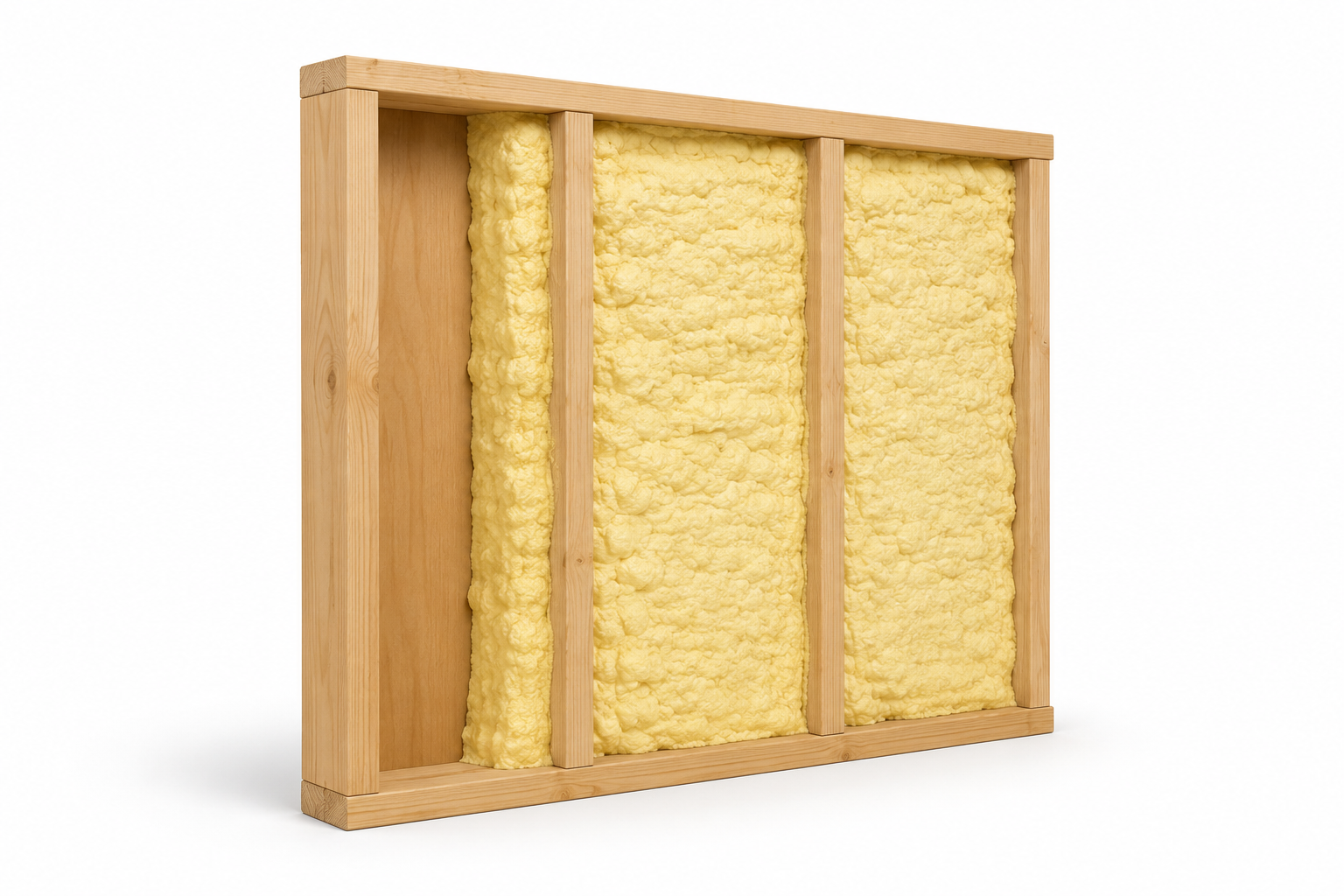 Below-Grade Foam Insulation (Legacy)
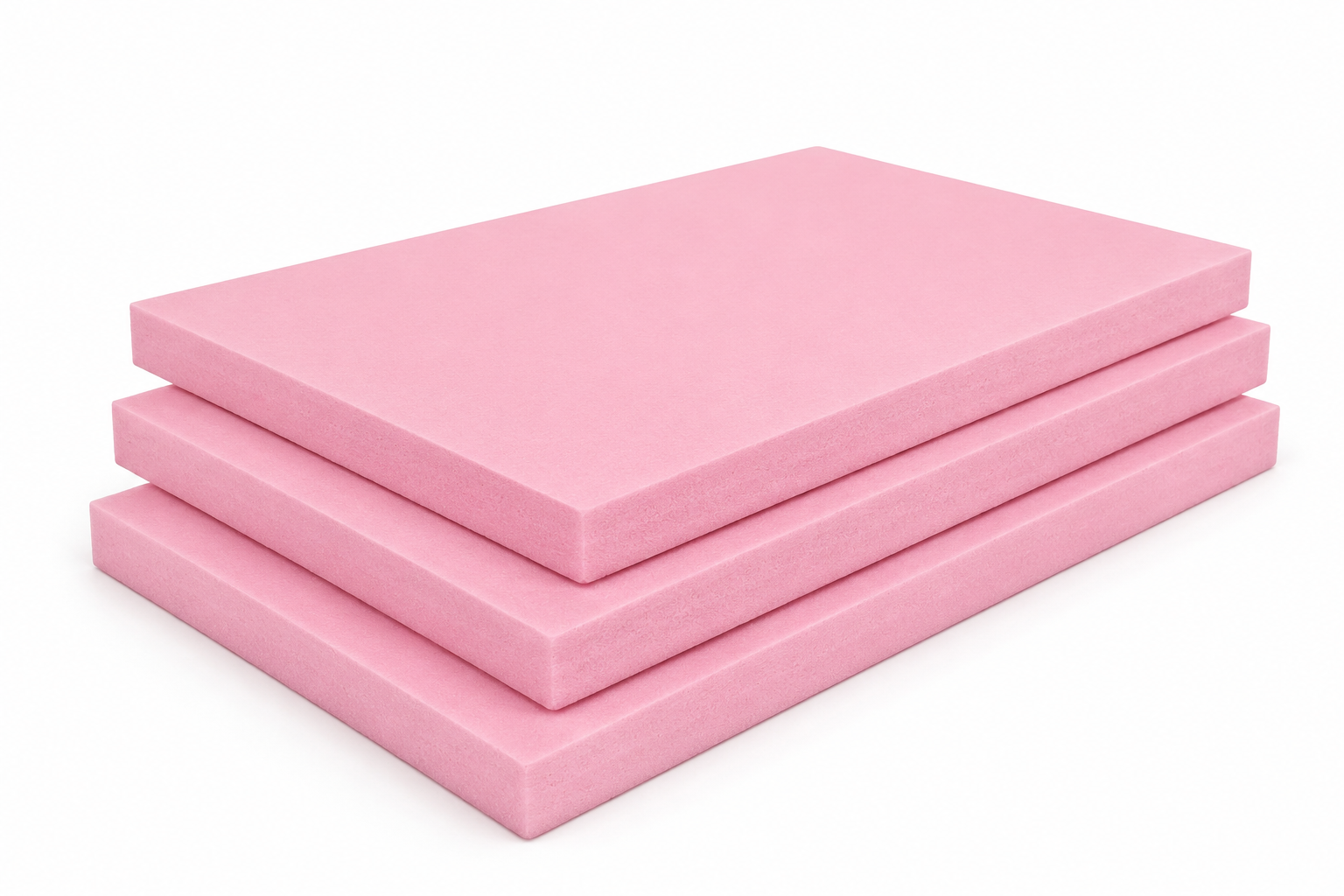 EPS Geofoam
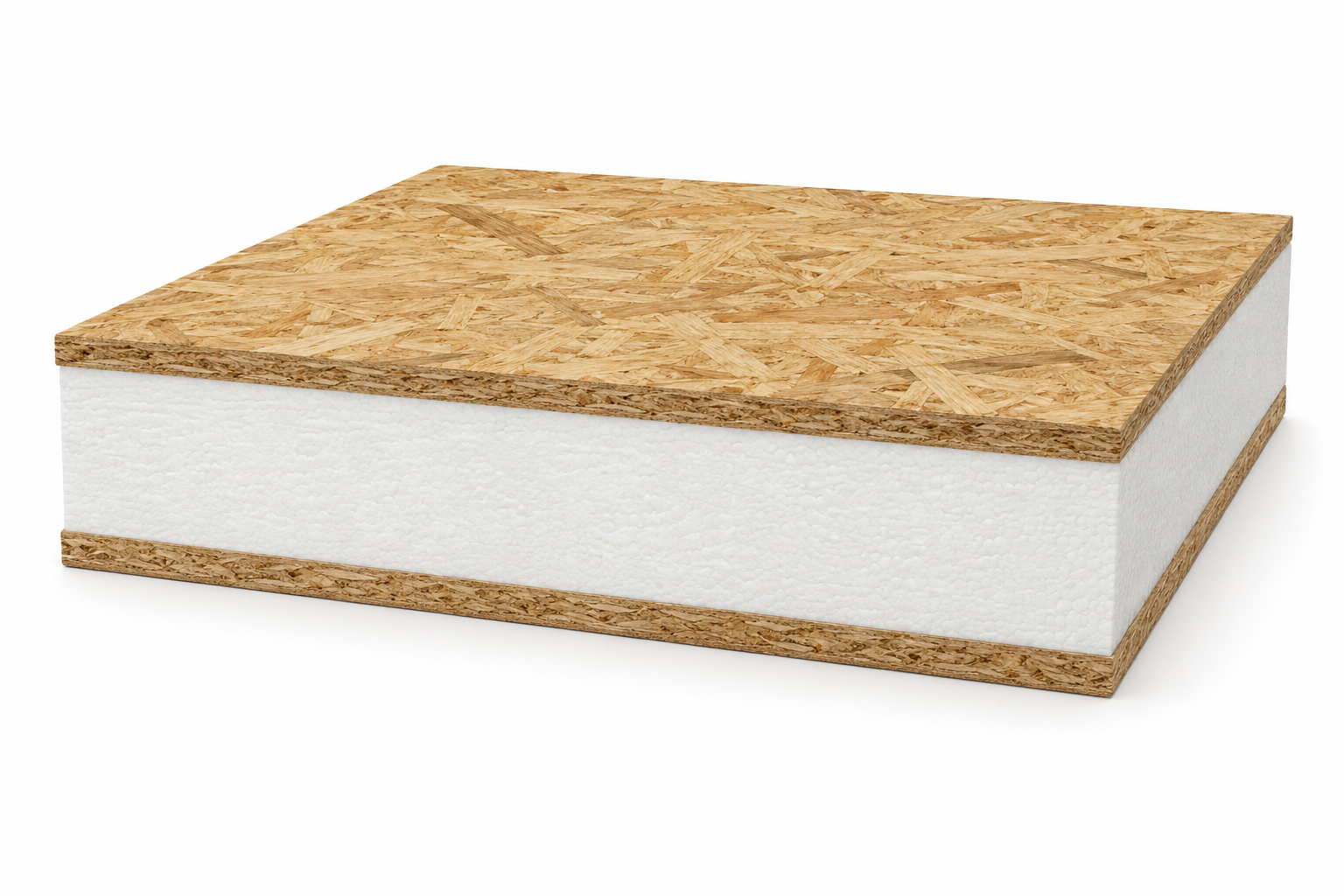 Polystyrene SIP Cores (Legacy)
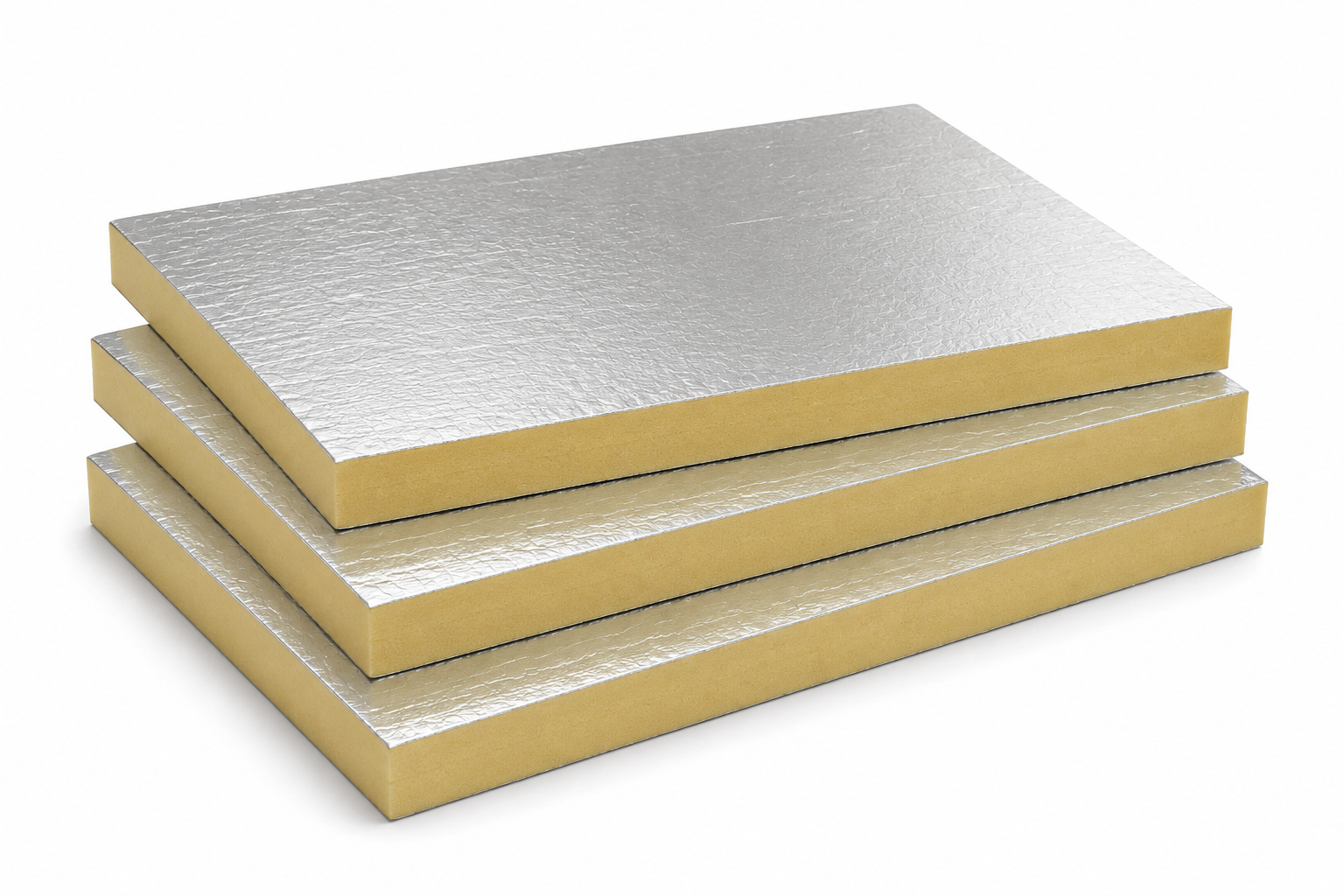 Rigid Foam Roof Insulation (Legacy)
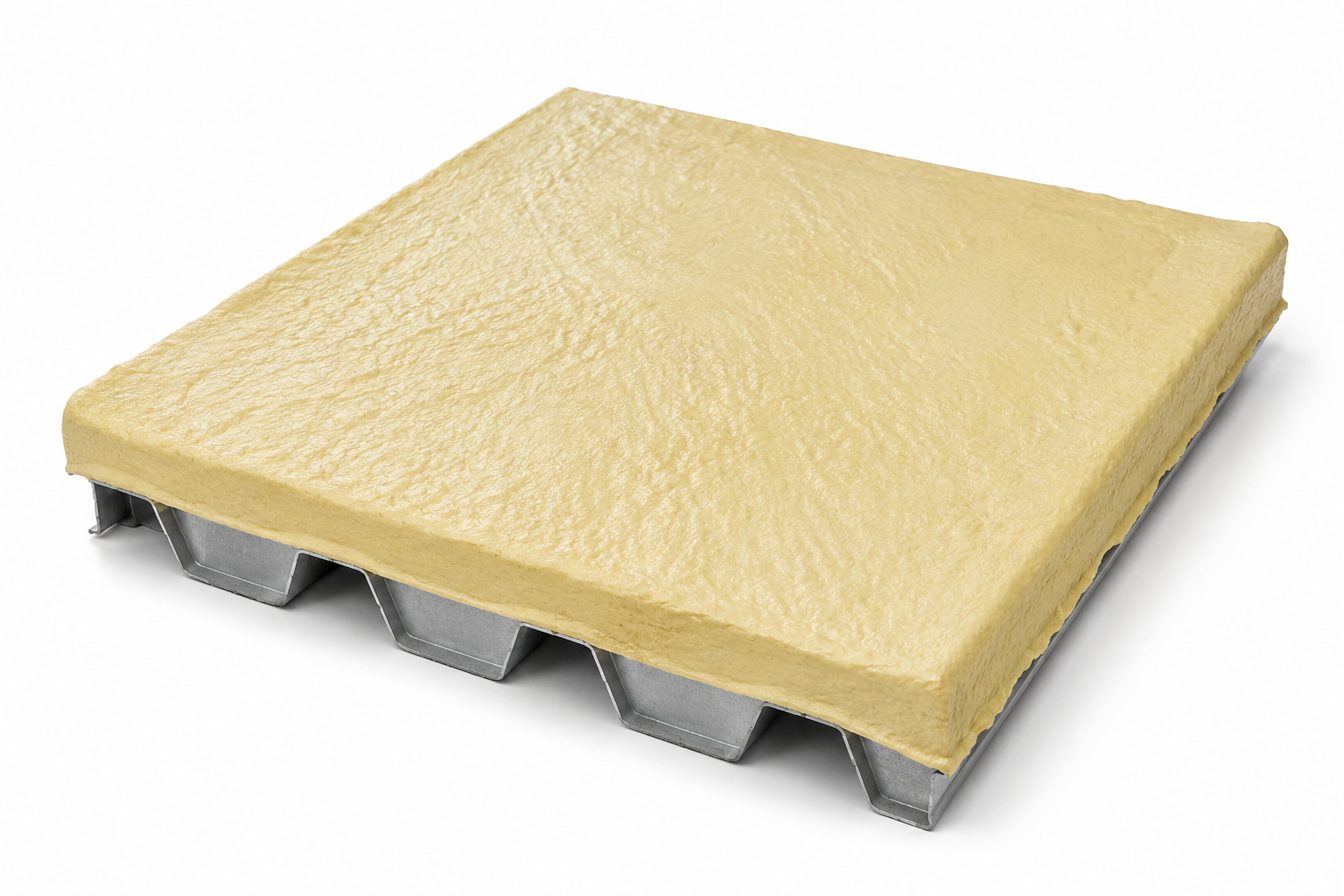 XPS Foundation Insulation (Legacy)
How We Keep Hexabromocyclododecane Out of a House
We do not knowingly install anything containing Hexabromocyclododecane. Our specifications name the chemistry we refuse, every submittal is screened against it, and substitutions are rejected — which is how a toxin free home stays that way through construction.
If you want a house specified this way from the start, or an existing house assessed for what is already in it, that is the work we do. Earth Bound Homes builds in Atherton, Palo Alto, Redwood City and across the San Francisco Bay Area.