Cork Flooring
Renewable bark-based flooring — soft underfoot, sound-absorbing, naturally antimicrobial without any added biocide.
Toxicity Screening — All Clear
This material screens clear across all nine independent toxicology authorities we use on every project.
Material Type
Tree-Bark Renewable Flooring
Material Description
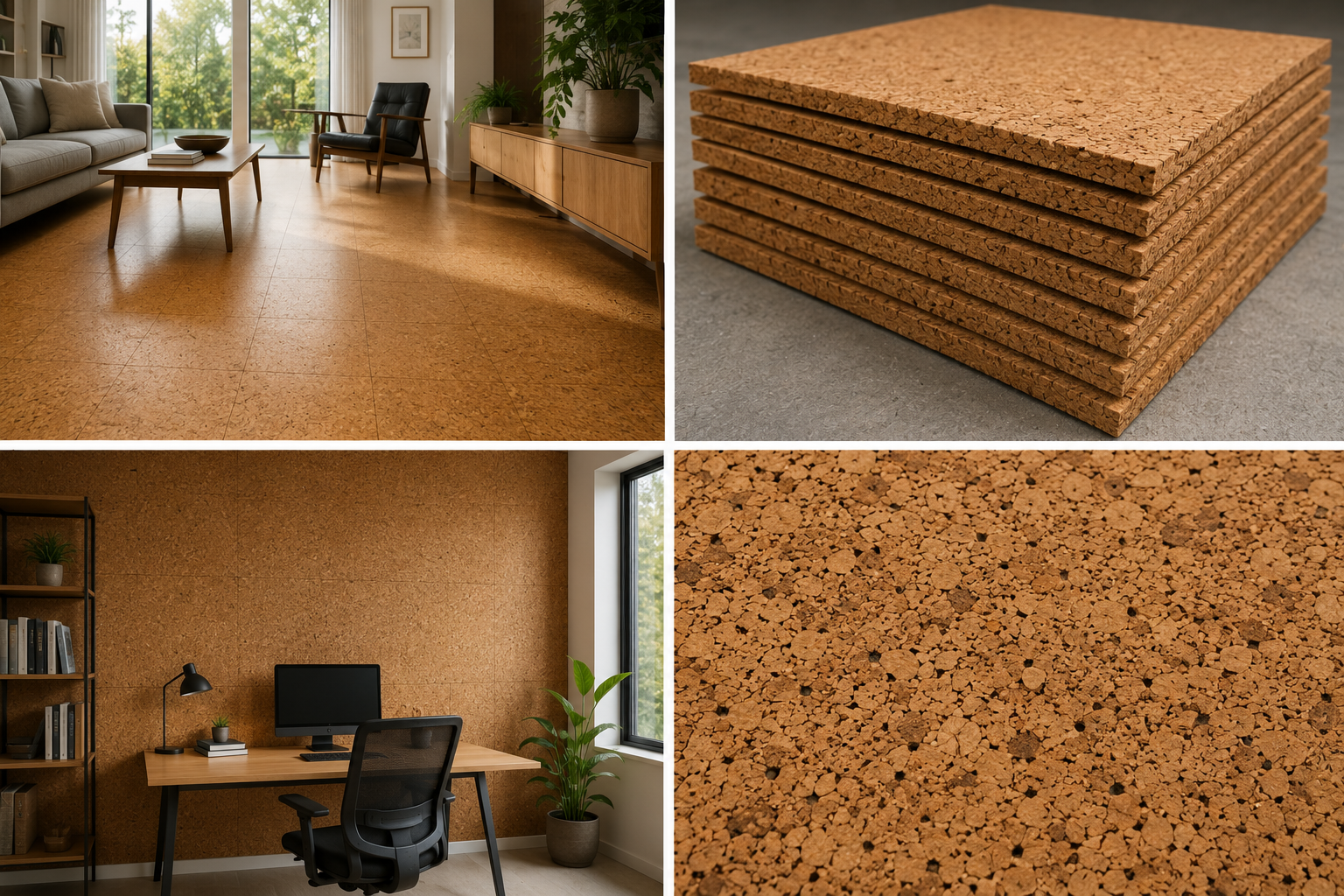
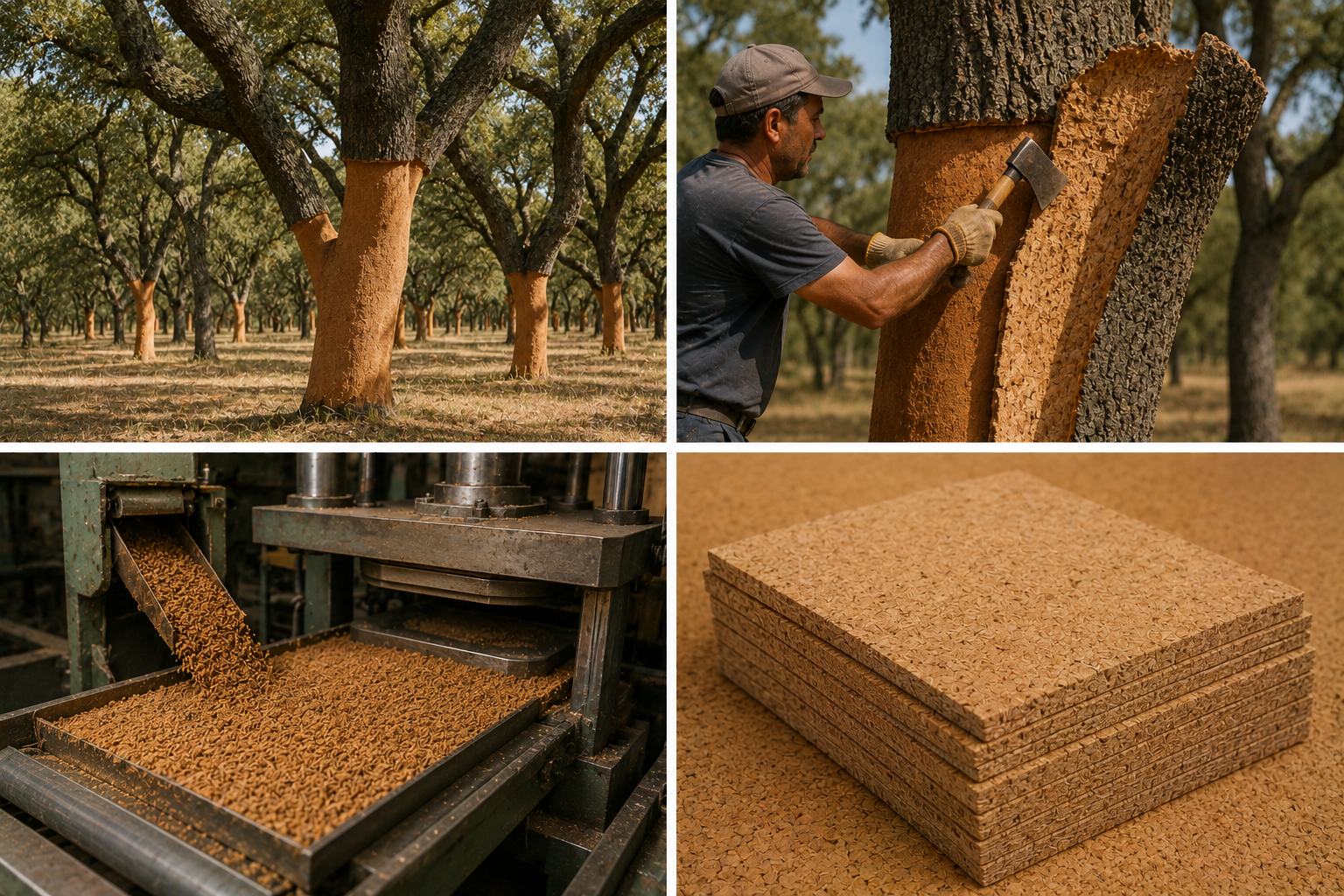
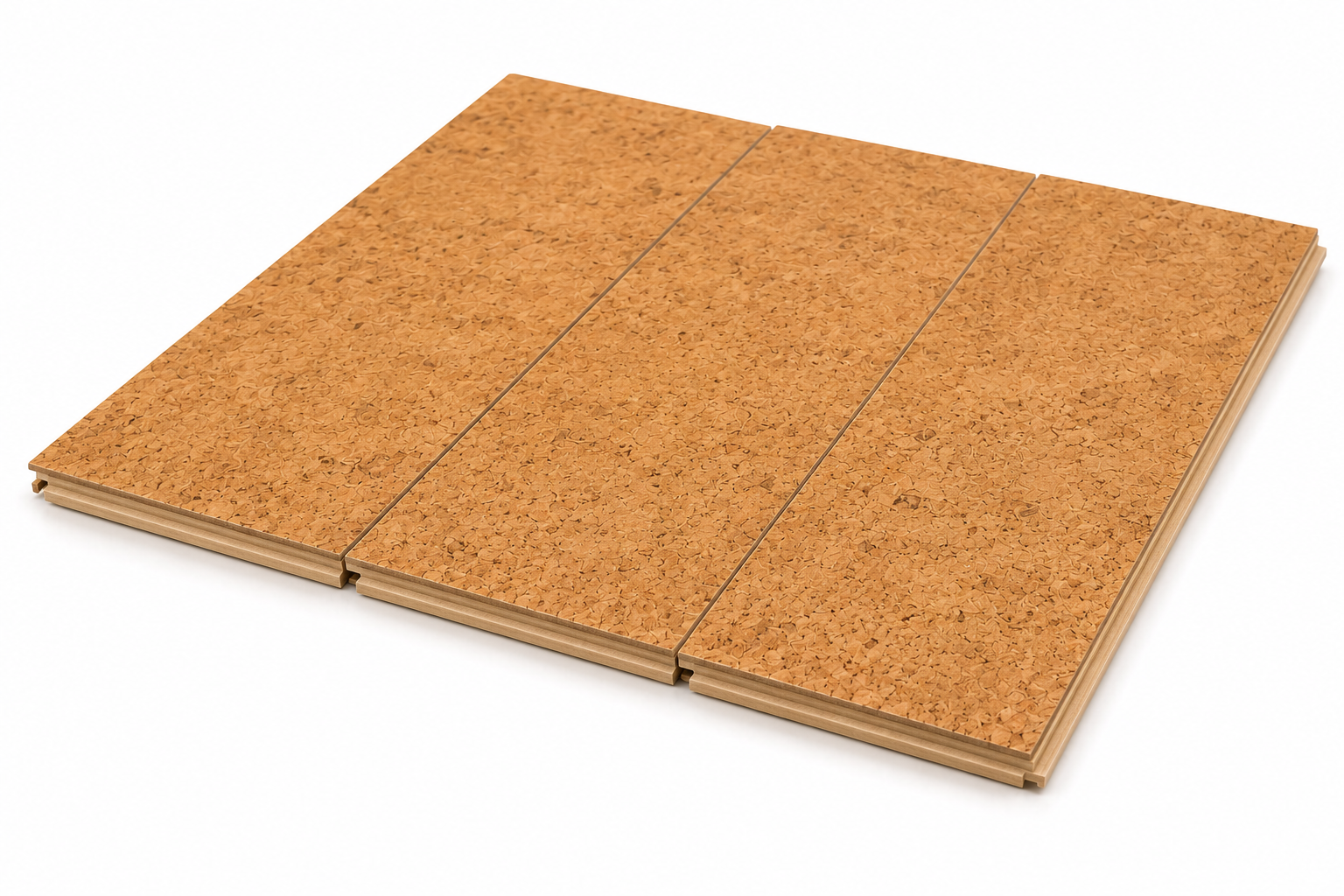
Cork flooring is the outer bark of the cork oak (Quercus suber), harvested every 9–12 years without felling the tree — the bark regenerates and the same trees produce cork for over a century. As a floor, cork is warm to the touch, soft underfoot, and naturally sound-absorbing thanks to its cellular structure of roughly 50% air by volume. Suberin — the waxy compound in cork — is biologically active on its own, so cork-floor surfaces resist mold and bacterial colonization without any added biocide. The cellular structure also gives cork compressive recovery: dents from furniture legs spring back. Plank, tile, and click-lock cork floors all qualify; EBH specifies cork flooring with NAF (no-added-formaldehyde) HDF cores or solid-cork construction. For cork used as rigid exterior insulation board, see the Cork Insulation page.
Composition & Origin
Health Profile — All Endpoints Clear
Severity scored 0–10 against the same 10 hazard endpoints we use for the chemical families on the avoid list. Every score is 1–2 — essentially no signal across every endpoint.
Common Forms & Brands
- Amorim Wise & Wicanders cork flooring
- ThermaCork rigid insulation board
- Globus Cork tile
- Common framing: cork sheet, agglomerated cork board, cork underlayment, cork tile
Why We Use It
- Renewable — harvested without cutting the tree
- Naturally antimicrobial via suberin content (no added biocides)
- Fire-resistant — cork char-layers and slows combustion
- Quiet underfoot and warm to touch
- Carbon-negative life cycle — cork oaks store more CO₂ than the harvest releases
Where It Performs Best
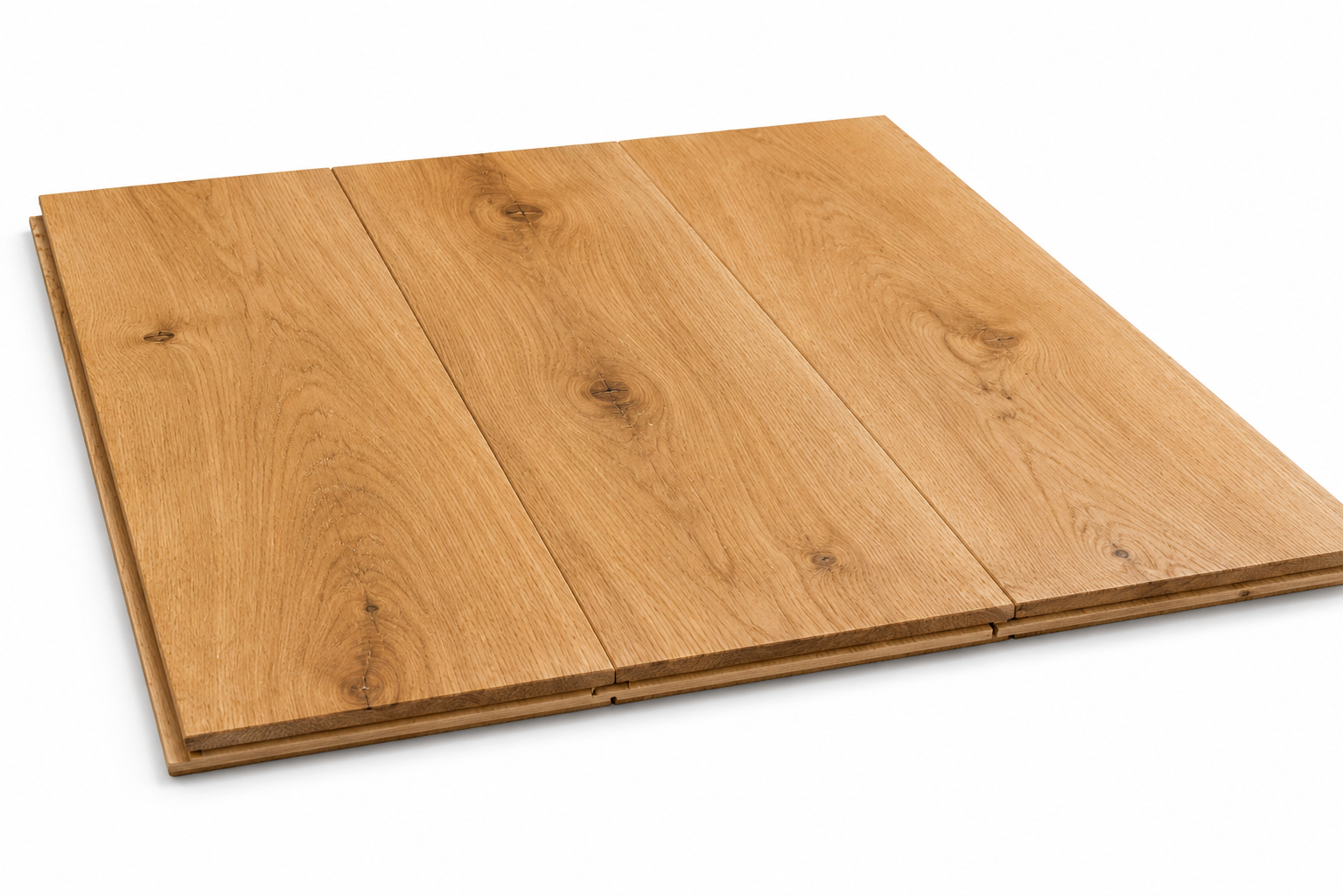
- Cork plank and tile flooring (residential & commercial)
- Click-lock floating cork floors over slab or subfloor
- Underlayment beneath wood or laminate flooring
- Cork wall surfacing in offices and quiet rooms
Building Applications for Cork Flooring
Listed alphabetically. Where in a home this material earns its keep.
 Click-Lock Floating Cork Floor
 Cork Plank Flooring
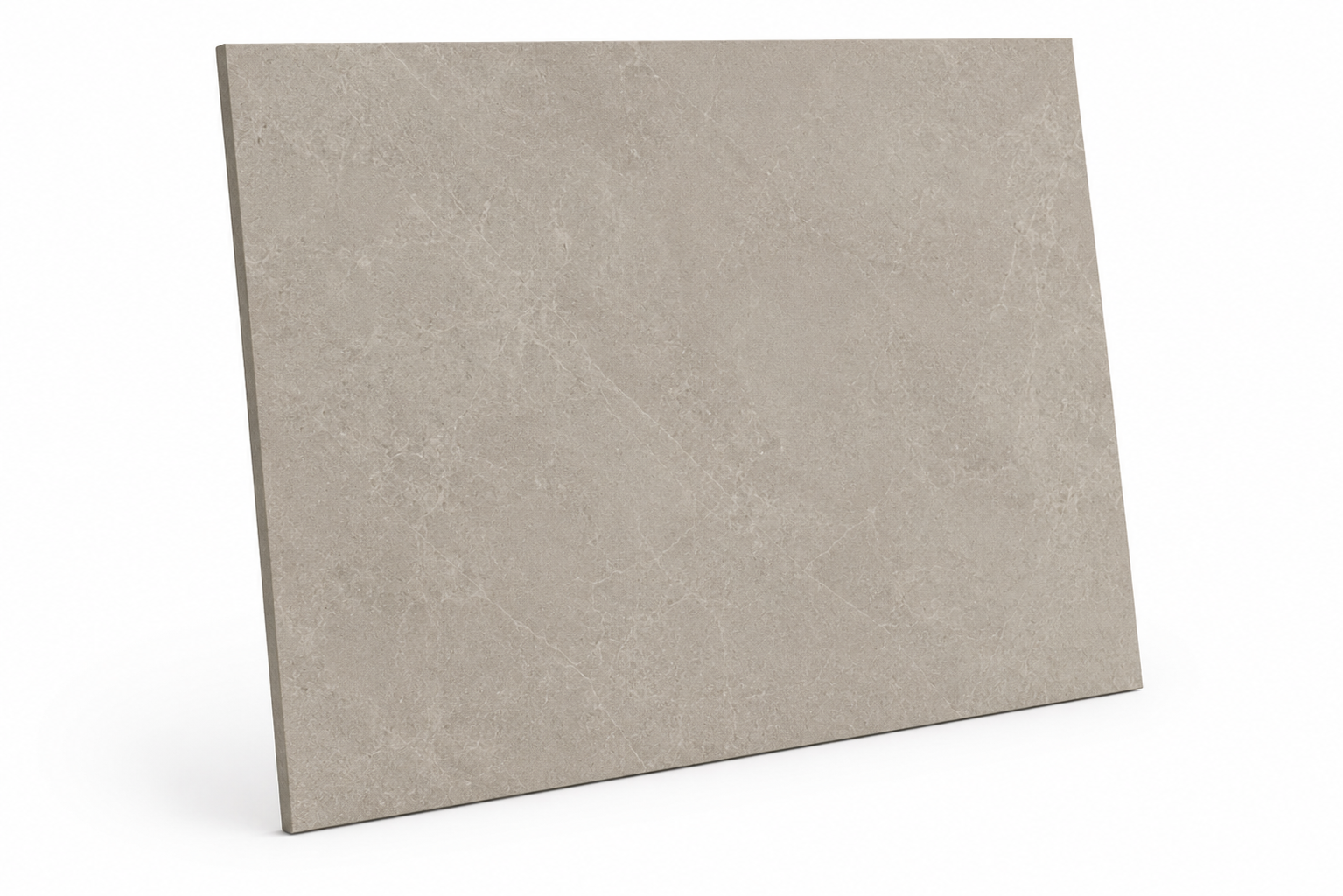 Cork Tile Flooring
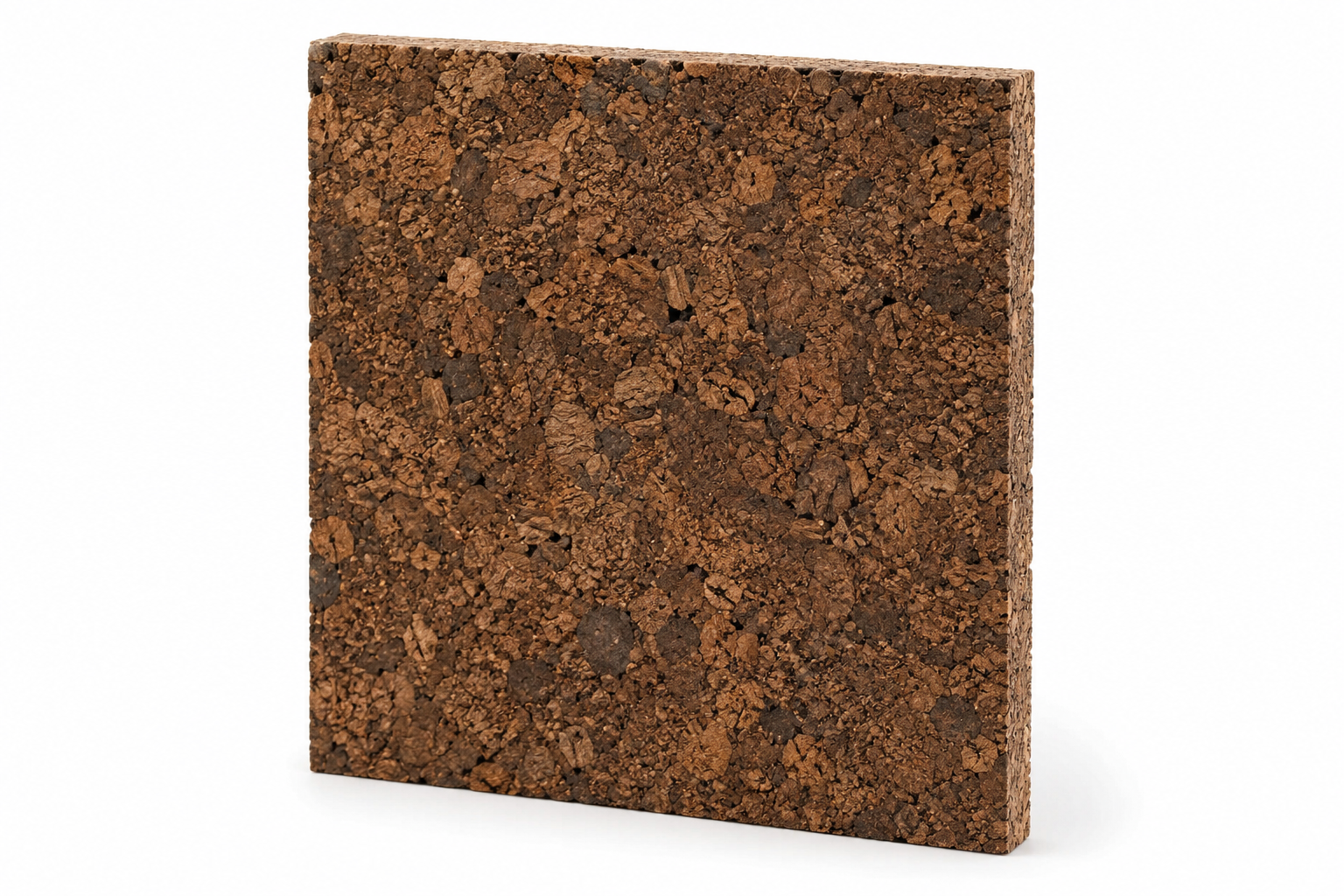 Cork Wall Surfacing
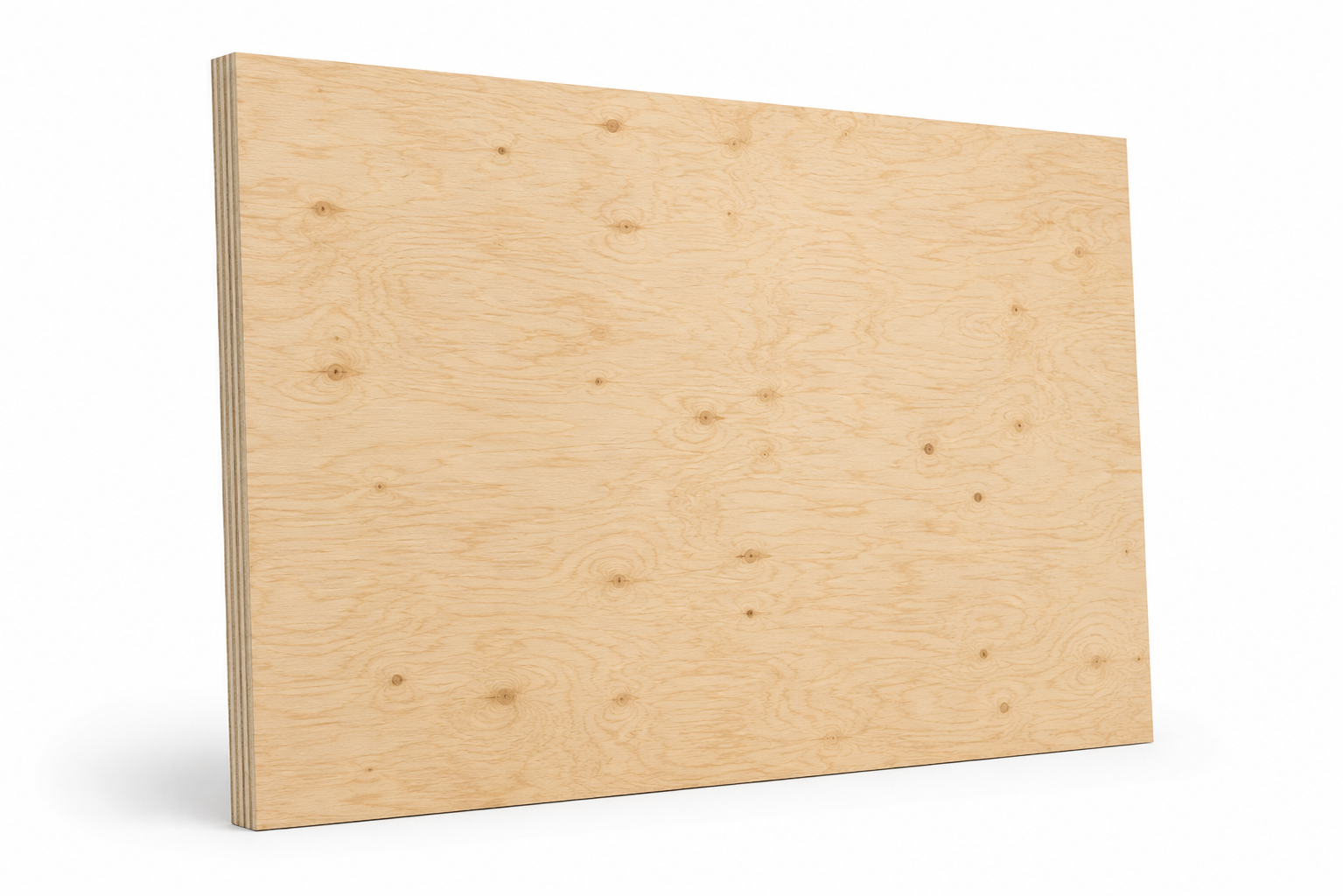 Floor Underlayment
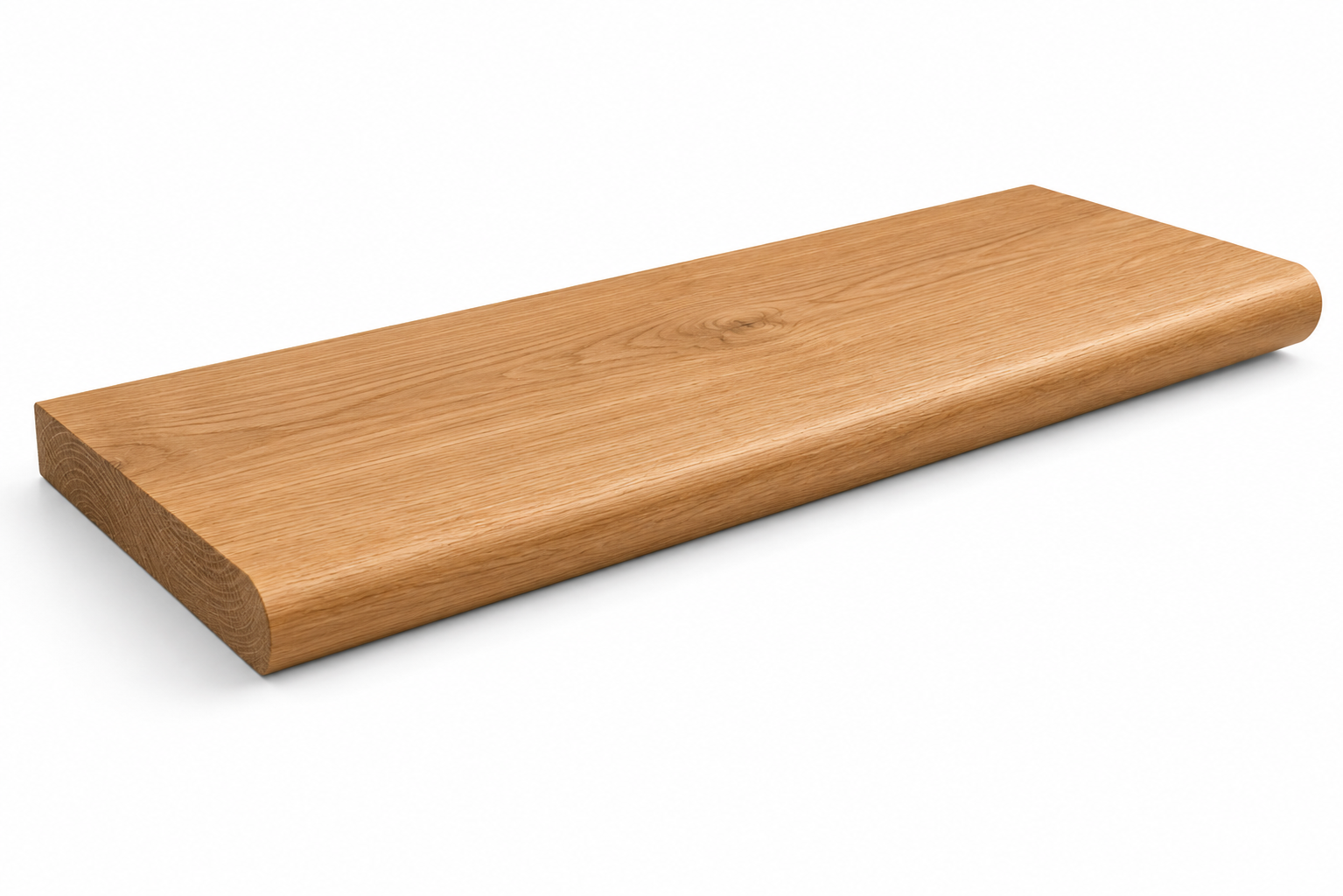 Stair Tread Cork Surfacing
Cork Flooring on a Bay Area Home
We specify Cork Flooring because it survives the screening. Nothing goes into one of our homes until it clears all nine toxicology databases we check — that is what makes a toxin free home different from a home marketed as one.
If you are planning a new house or a deep remodel and you want this level of material control, that is the whole job we do. Earth Bound Homes builds in Palo Alto, Menlo Park, San Mateo County and across the San Francisco Bay Area.