Antimicrobials
Pesticides hiding inside countertops, paint, and textiles.
Toxic Chemical Databases
Where this family lands across the nine independent toxicology authorities we screen against.
Chemical Type
Biocide & Preservative Class
Chemical Description
Antimicrobials are pesticide chemicals manufacturers add to building products to slow microbial growth — you'll see them advertised with words like "antibacterial," "mildew-resistant," or "odor-fighting." Common active ingredients include triclosan, triclocarban, silver nanoparticles, isothiazolinones (MIT, BIT, CMIT), zinc pyrithione, and quaternary ammonium compounds ("quats"). These molecules are deliberately designed to be biologically active at very low concentrations, which is exactly why they raise red flags when they migrate out of the product and into household dust, air, or skin. EBH avoids products marketed with antimicrobial claims because there is almost never an evidence-based health benefit in a residential setting, and the trade-off is exposure to a low-grade pesticide for the life of the building.
Chemical Structure
Molecular schematic for Antimicrobials — formula and structural features shown below.
Biological Activity
Severity scores summarize hazard endpoints from IARC, NTP, EPA IRIS, ATSDR, and NIOSH on a 0–10 scale. Mirrors the system-level output of our SDS Toxic Chemical Screener.
Chemical Analogs and Brand Names
- Triclosan — CAS 3380-34-5
- Triclocarban — CAS 101-20-2
- Methylisothiazolinone (MIT) — CAS 2682-20-4
- Benzisothiazolinone (BIT) — CAS 2634-33-5
- Silver nanoparticles — CAS 7440-22-4
- Zinc pyrithione — CAS 13463-41-7
- C
Top Health Consequences
- Endocrine disruption — interference with thyroid and reproductive hormones
- Skin sensitization and persistent contact dermatitis
- Disruption of the home microbiome and the human skin microbiome
- Resistance pressure on bacteria living in the building envelope
- Aquatic toxicity once products are washed, demolished, or landfilled
Pathways of Exposure
- Dermal contact with treated countertops, paints, fabrics, and cabinetry surfaces
- Inhalation of off-gassed biocide residues from new product installations
- Ingestion via house dust, especially for crawling infants
- Drinking-water contamination downstream of treated-product manufacturing
Substances in this Family
Each substance below has its own profile page with its own database flags, biological-activity scores, and exposure pathways — they are NOT interchangeable.
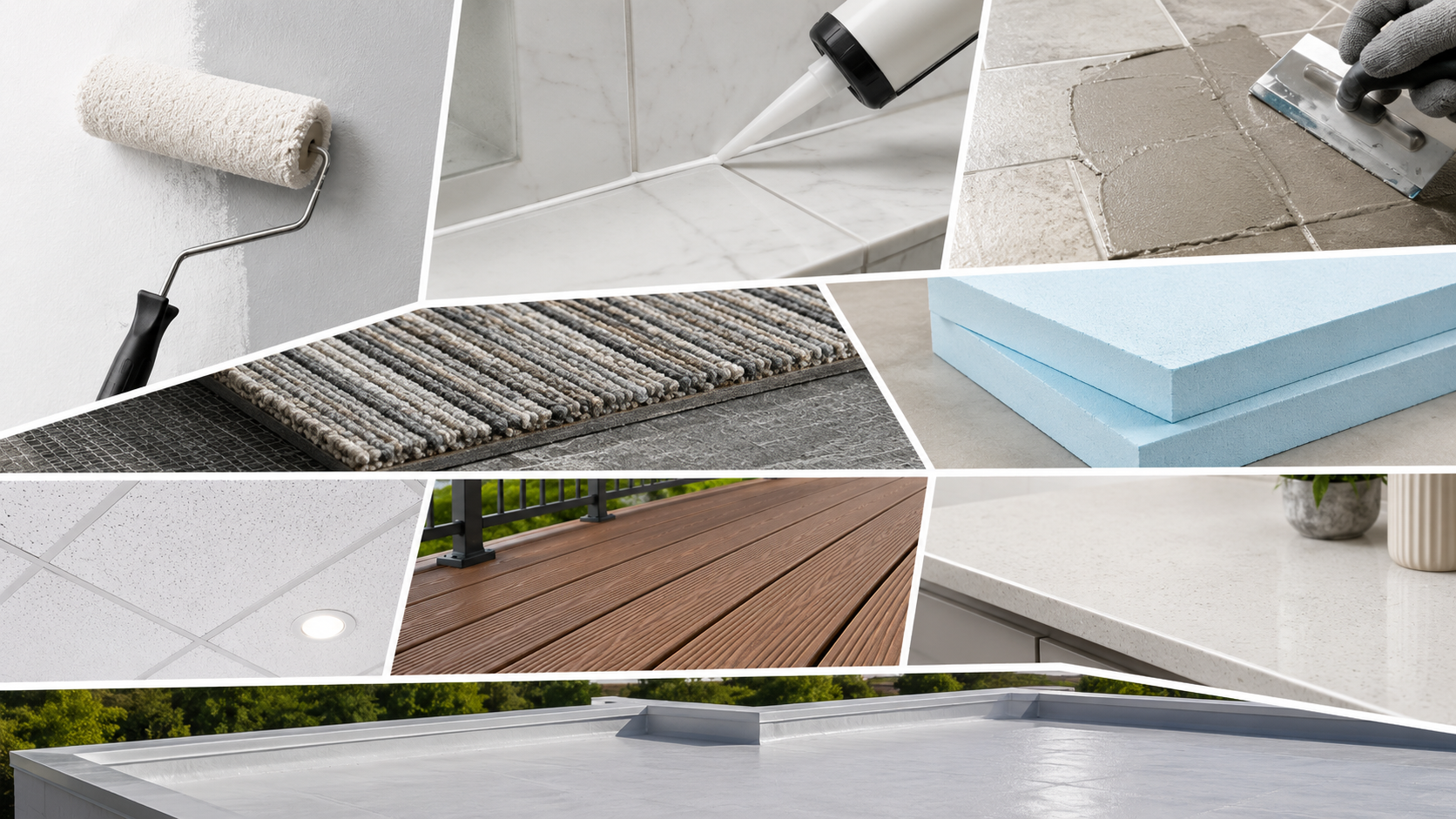
Building Materials with Antimicrobials
Listed alphabetically. These are the product categories where this chemistry most often shows up — not an exhaustive list.
 Architectural Paint & Coatings
 Carpet & Rug Backing
 Caulks & Sealants
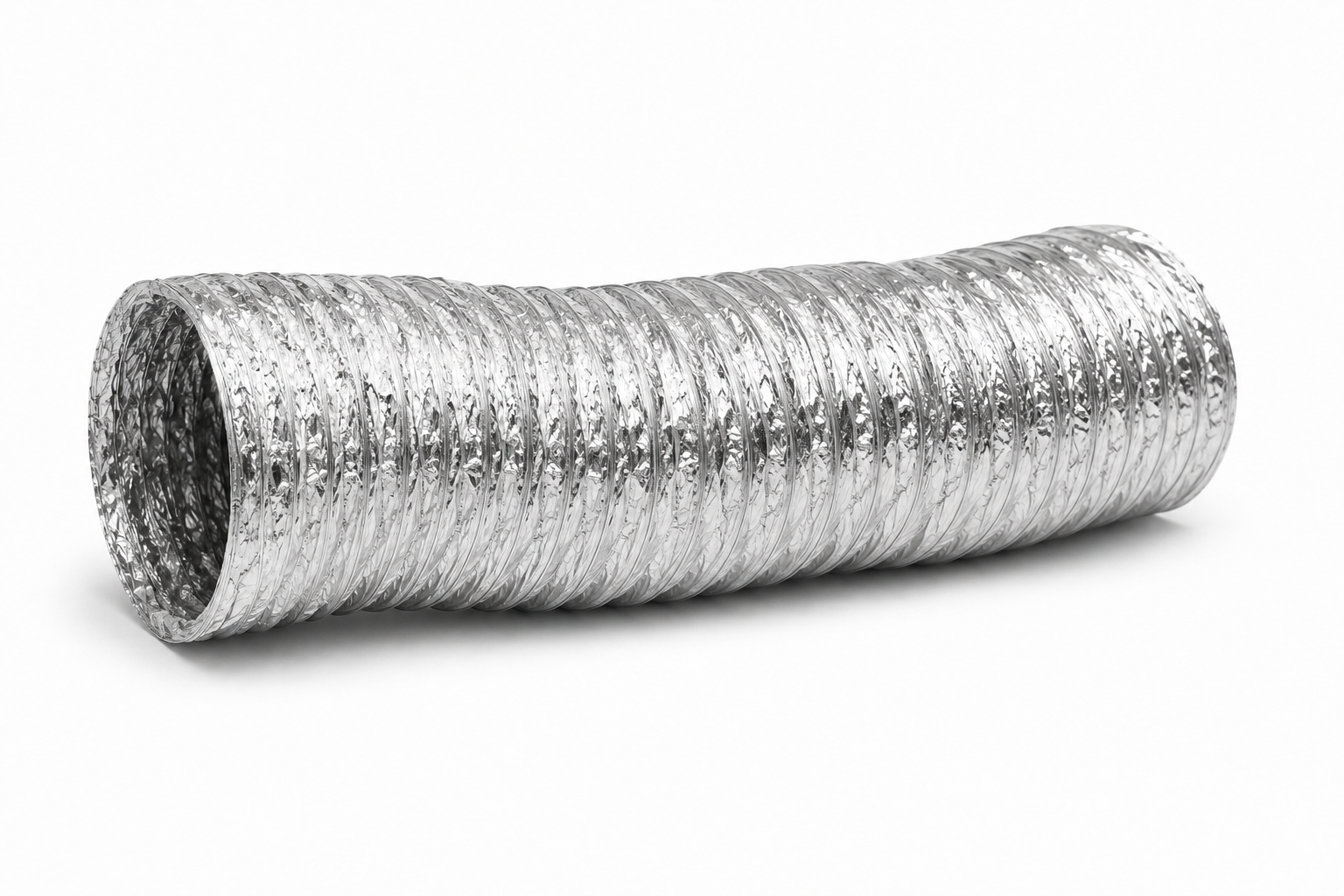 HVAC Insulation & Liners
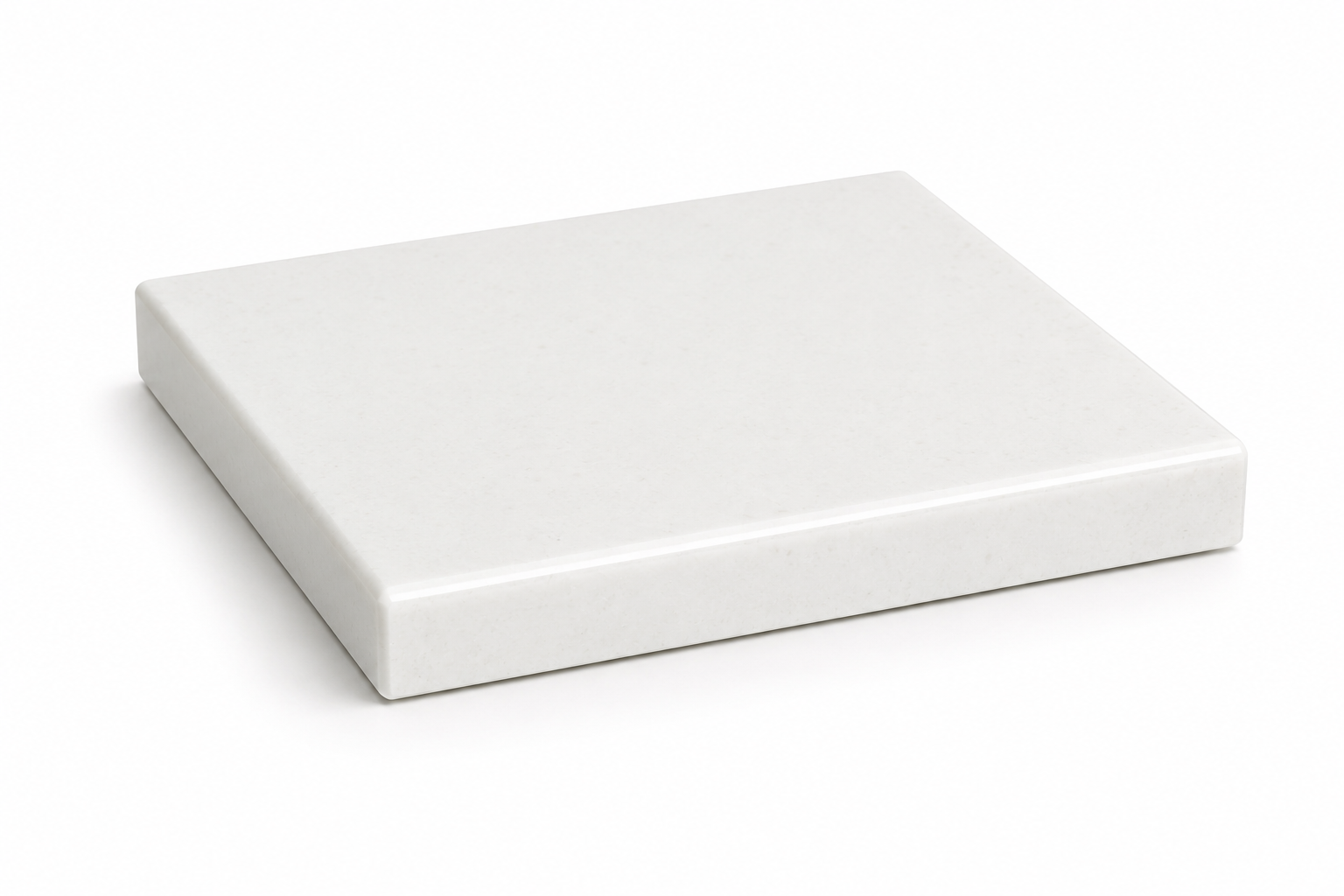 Kitchen & Bath Countertops
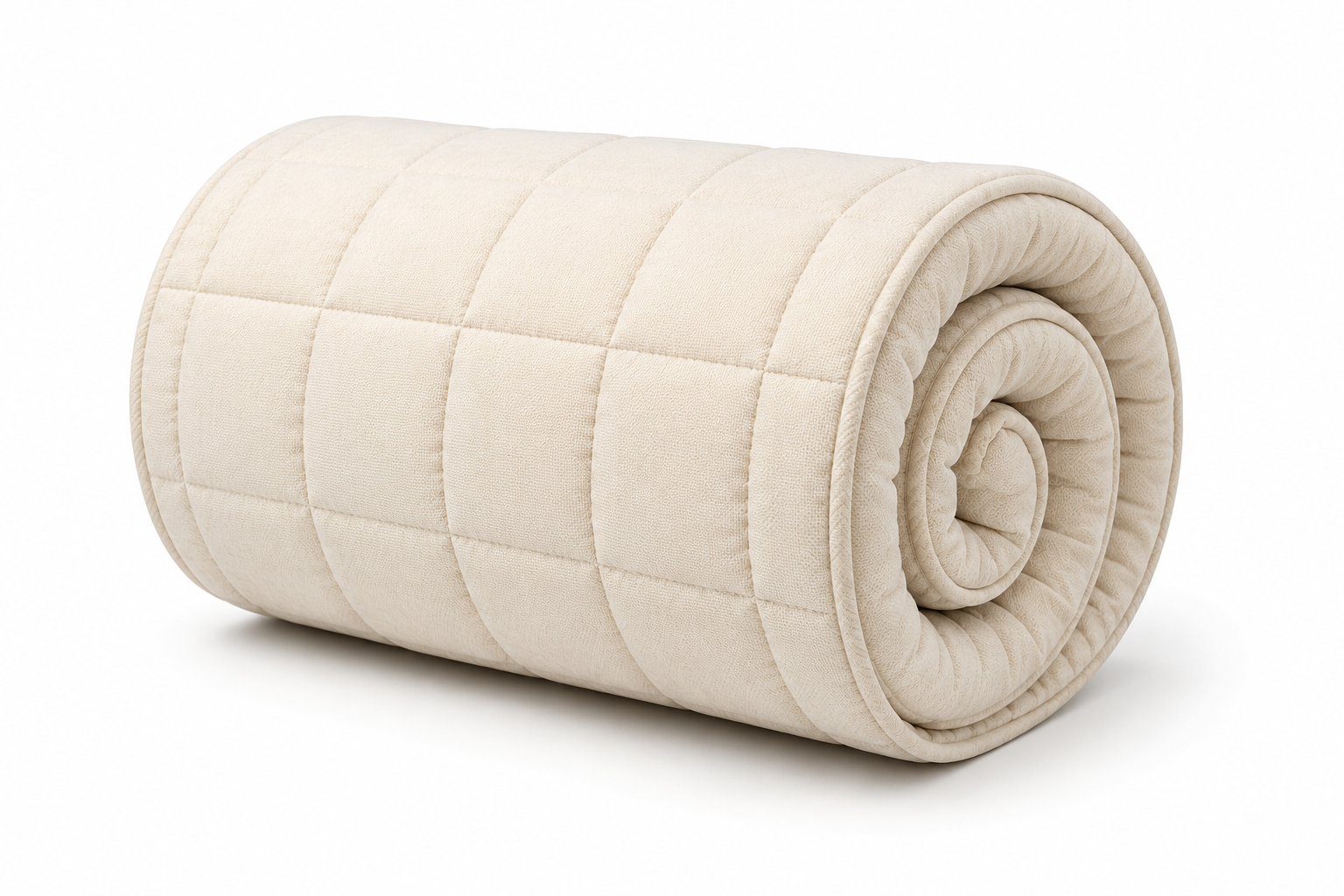 Mattresses & Upholstery
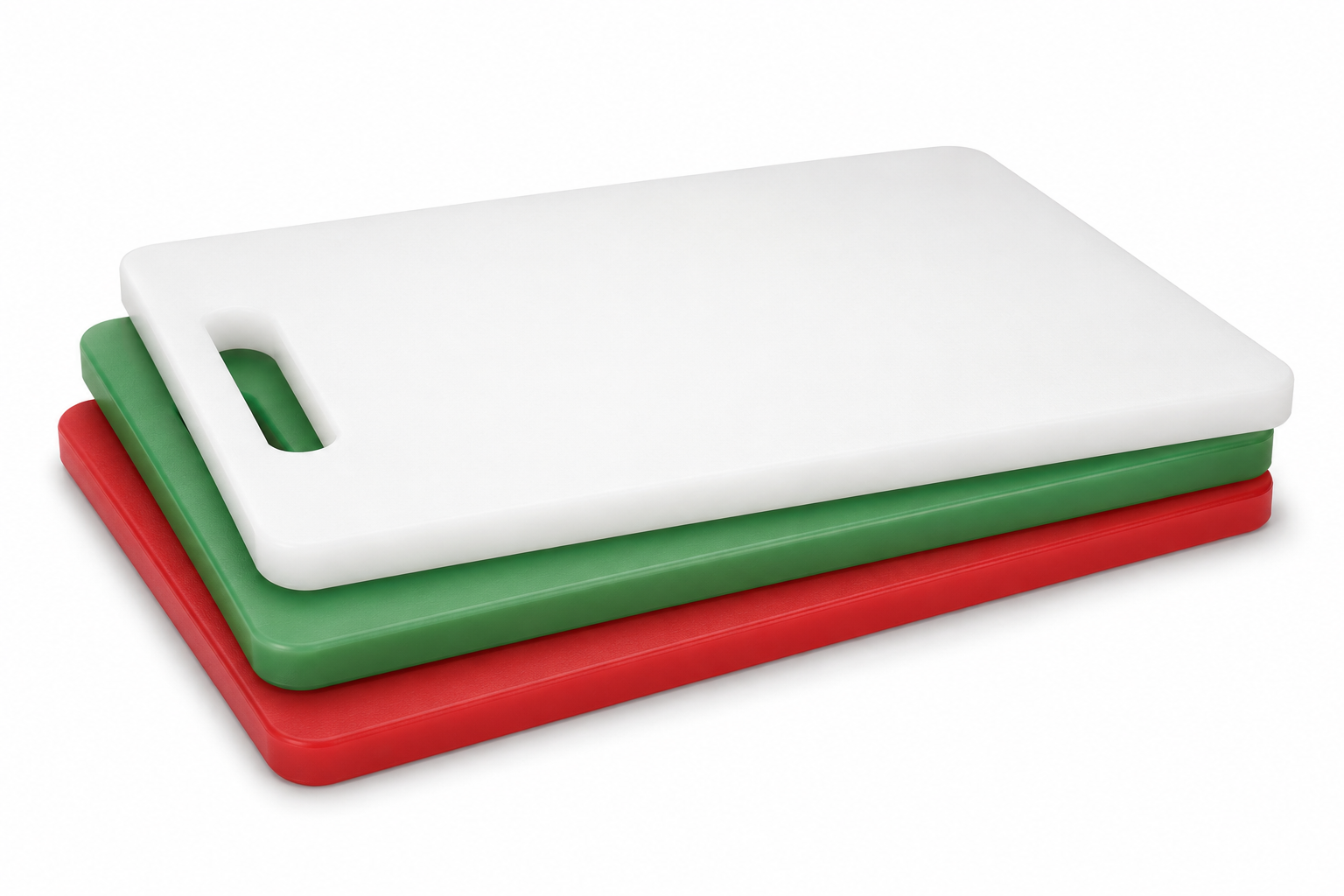 Plastic Cutting Boards & Shelving
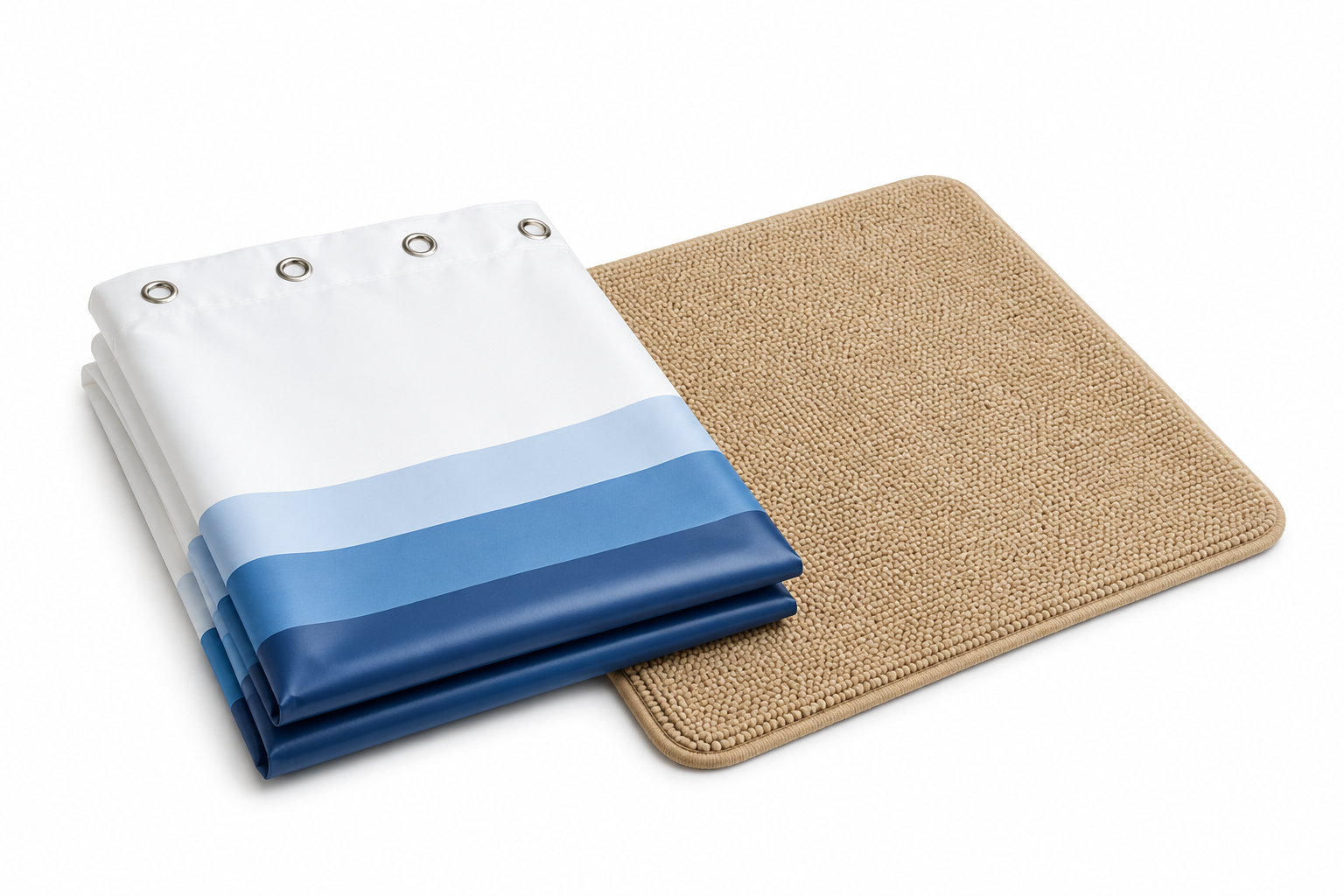 Shower Curtains & Bath Mats
 Textiles & Window Treatments
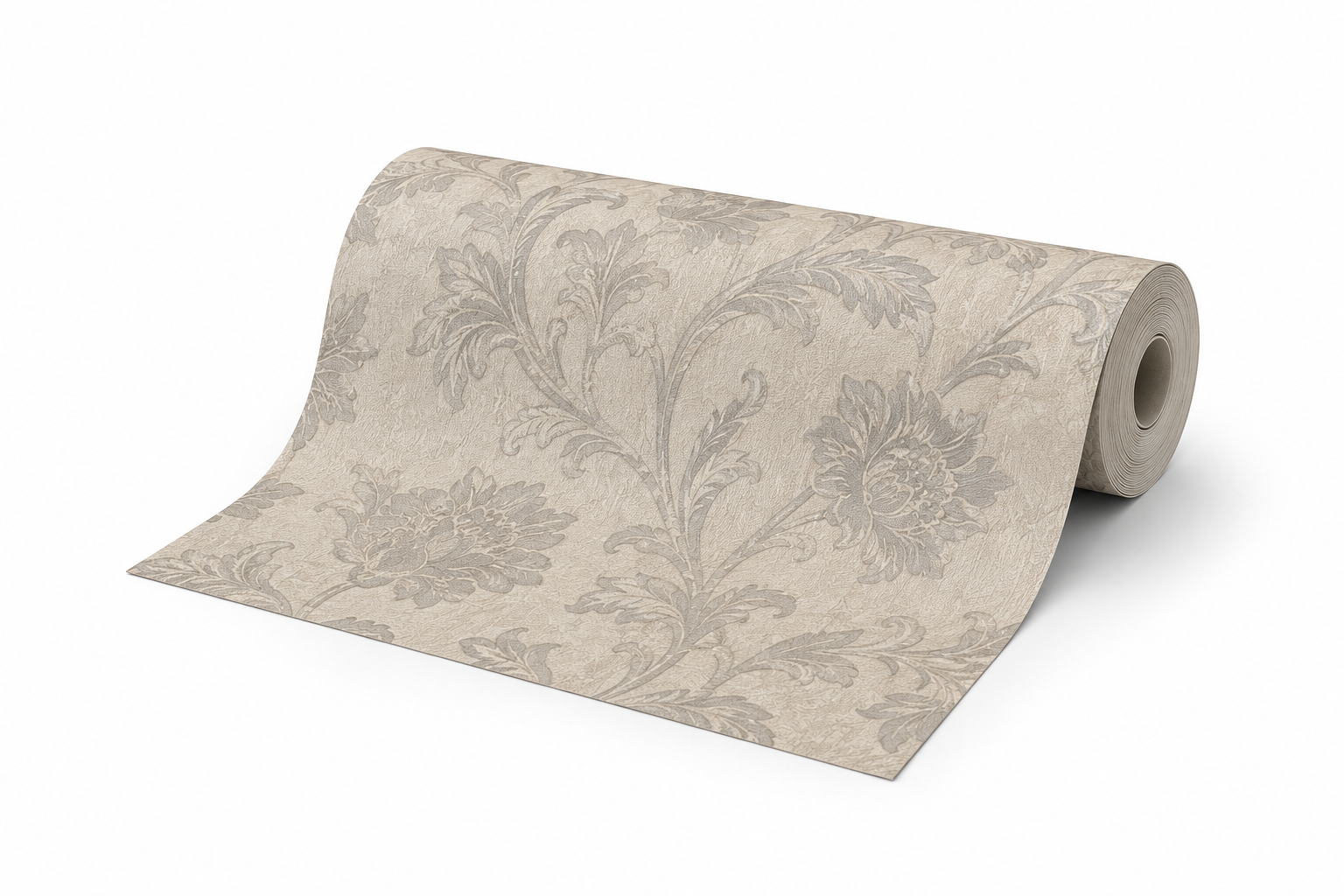 Wallpaper & Wall Coverings
Antimicrobials and the Houses We Build Without Them
We refuse the whole Antimicrobials family rather than chasing one substance at a time. Manufacturers substitute within a family faster than regulators can keep up, so family-level avoidance is the only screening that holds.
Every house we build is designed as a healthy, mold free, all electric Passive House — the chemical screening is one layer of that, not the whole of it. Earth Bound Homes builds in Los Gatos, San Jose, Santa Clara County and across the San Francisco Bay Area.