DEHP (Di(2-ethylhexyl) Phthalate)CAS 117-81-7
The most-studied and most-toxic phthalate — REACH SVHC Category 1B reproductive toxicant.

Toxic Chemical Databases
Substance-specific listings — these flags are for DEHP alone, not for the broader family.
Chemical Type
Branched-Chain C8 Phthalate Plasticizer
Chemical Description
DEHP has been the dominant flexible-PVC plasticizer for half a century and remains the reference compound in every phthalate risk assessment. Its metabolite MEHP is the active anti-androgen — it depresses fetal testosterone synthesis, producing the 'phthalate syndrome' of reproductive tract malformations in male offspring. EU REACH classifies DEHP as a Category 1B reproductive toxicant and an endocrine disruptor; CPSC bans it from children's toys and childcare articles above 0.1%. EPA TSCA has it on the high-priority risk evaluation list.
Biological Activity
Severity scores specific to this substance, NOT the parent family average. Differences between siblings are real and meaningful.
Top Health Consequences
- Phthalate syndrome — anti-androgen reproductive tract effects in male offspring
- Reduced anogenital distance in prenatally exposed boys
- Reduced sperm count and quality in adults
- Asthma incidence increase with childhood exposure
- Metabolic syndrome and insulin resistance signals
Pathways of Exposure
- Ingestion of house dust loaded with leached DEHP (primary route for infants)
- Dermal absorption from vinyl flooring and wall covering
- Diet — migration from PVC food-contact tubing and wrap
- Medical exposure from PVC IV bags and tubing
Building Materials with DEHP
Listed alphabetically — product categories where this specific substance appears.
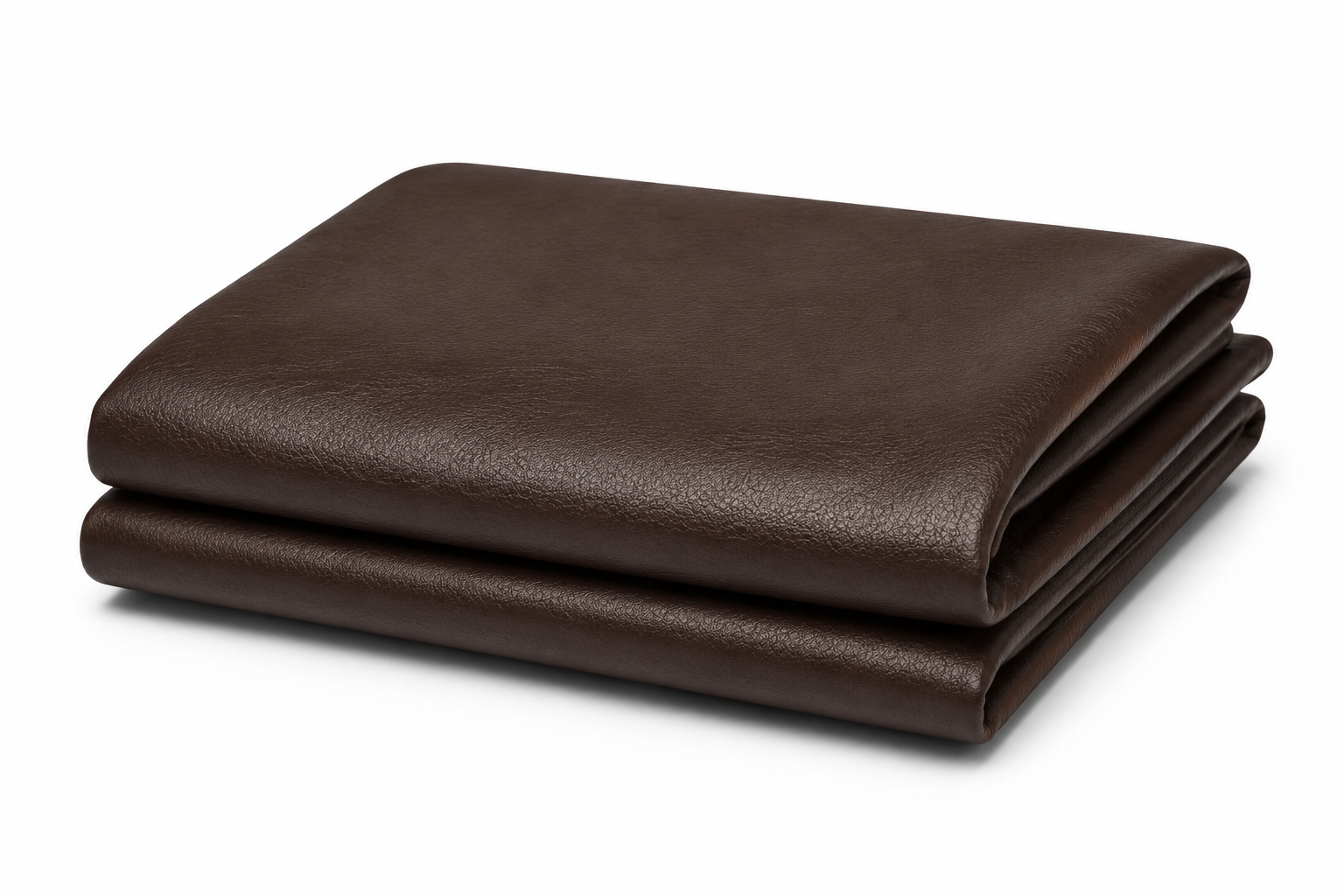 Artificial Leather & Vinyl Upholstery
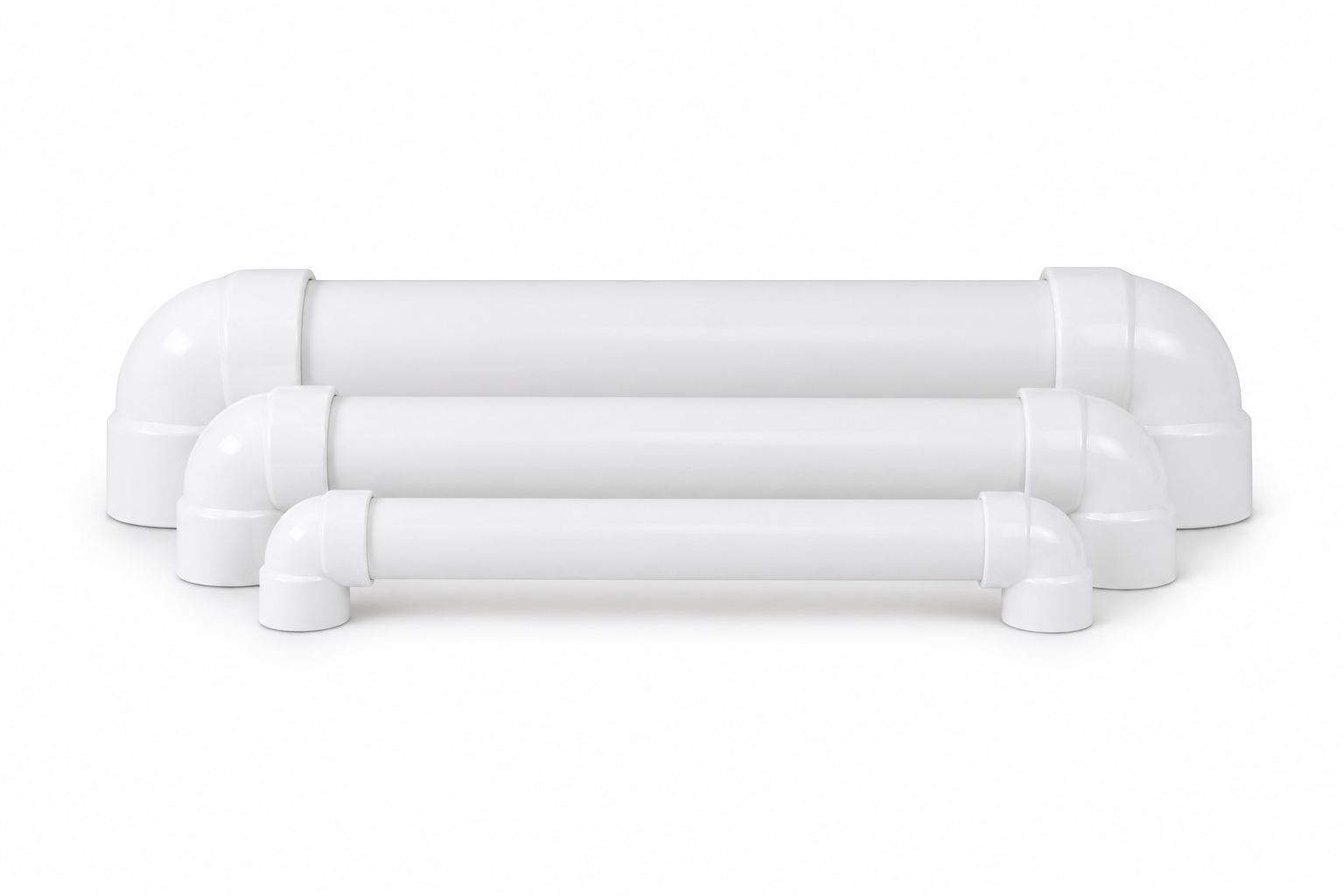 Flexible PVC Medical Tubing
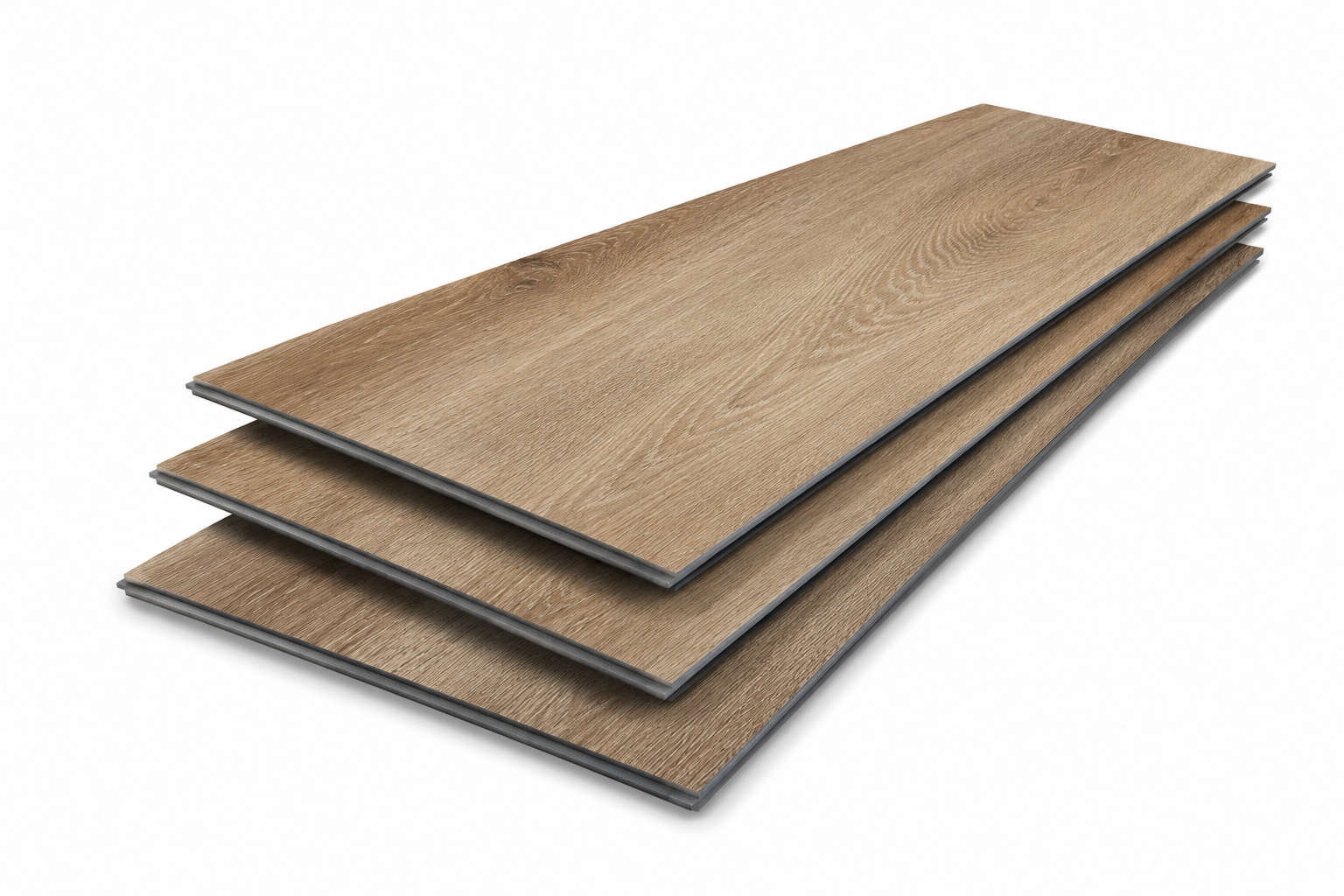 Resilient Vinyl Sheet Flooring
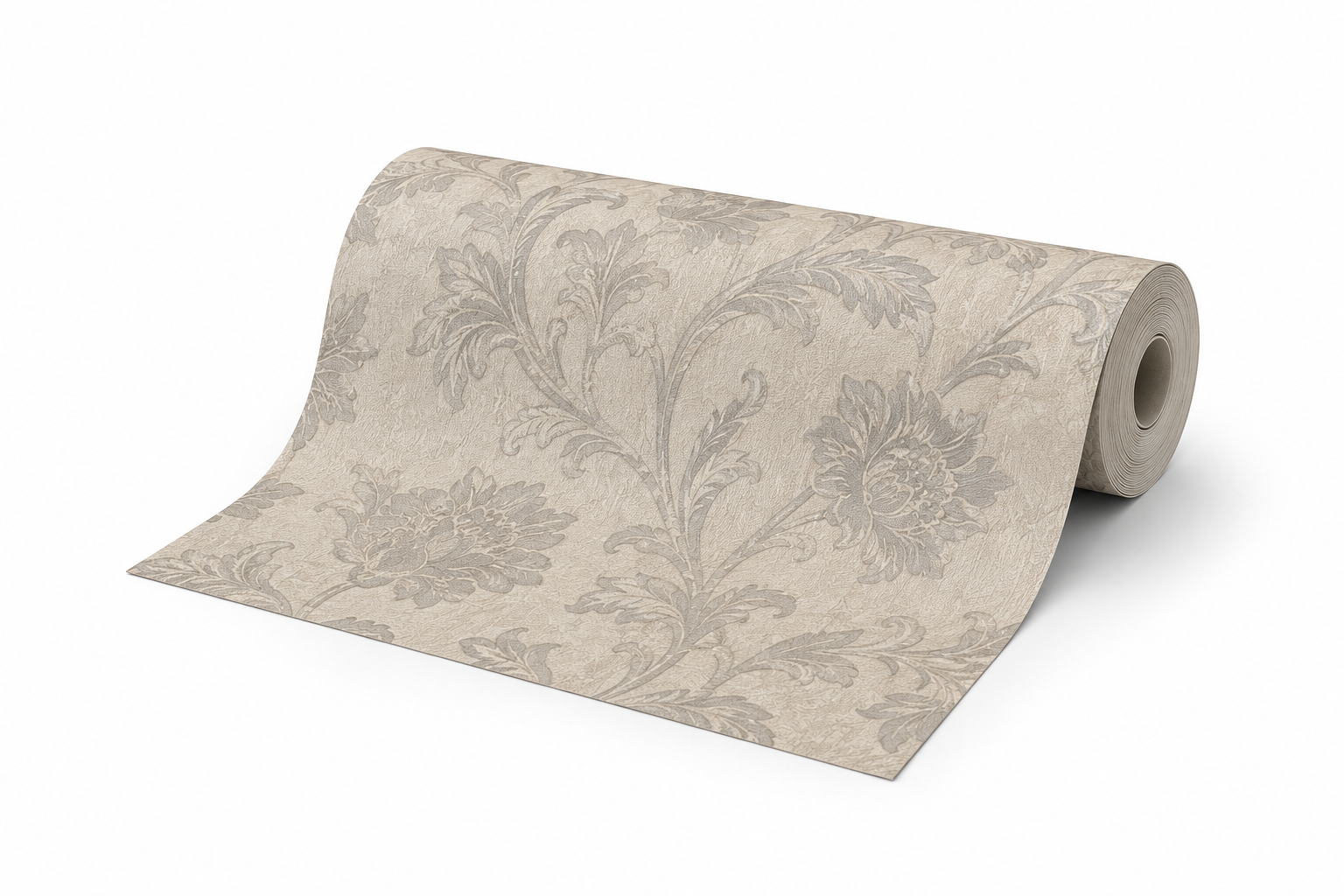 Vinyl Wall Coverings
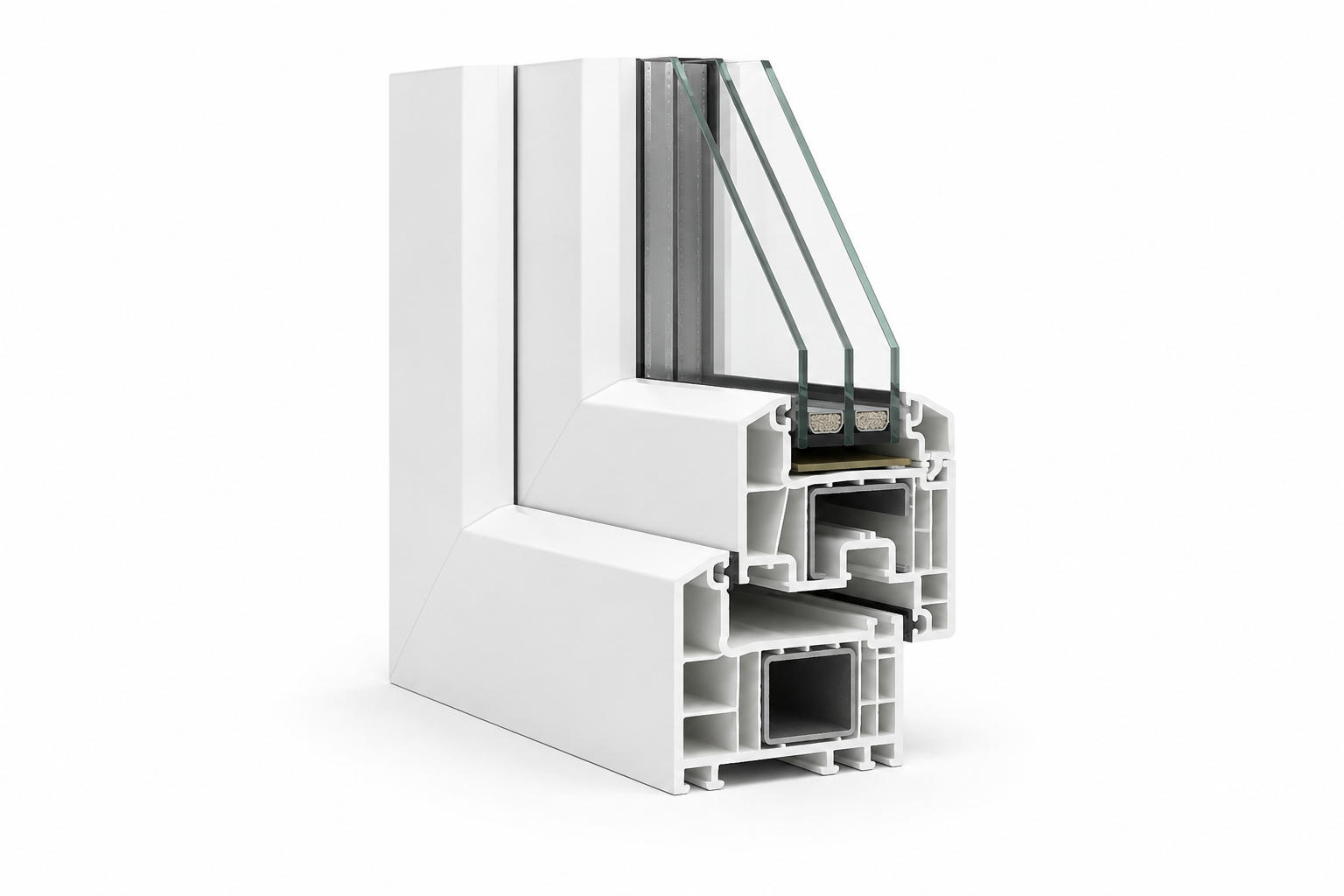 Vinyl Window Profiles
How We Keep DEHP (Di(2-ethylhexyl) Phthalate) Out of a House
We do not knowingly install anything containing DEHP (Di(2-ethylhexyl) Phthalate). Our specifications name the chemistry we refuse, every submittal is screened against it, and substitutions are rejected — which is how a toxin free home stays that way through construction.
If you want a house specified this way from the start, or an existing house assessed for what is already in it, that is the work we do. Earth Bound Homes builds in Atherton, Palo Alto, Redwood City and across the San Francisco Bay Area.