DIDP (Diisodecyl Phthalate)CAS 26761-40-0
Higher-molecular-weight phthalate replacement marketed as 'safer' than DEHP — the science is mixed.
Toxic Chemical Databases
Substance-specific listings — these flags are for DIDP alone, not for the broader family.
Chemical Type
Long-Chain Branched C10 Phthalate
Chemical Description
DIDP is one of the longer-chain higher-molecular-weight phthalates the industry shifted to as DEHP came under regulatory pressure. Lower bioavailability and weaker anti-androgen activity in some assays, but EU REACH still restricts it in children's products that can be mouthed. Used as a plasticizer in vinyl flooring, automotive interiors, and electrical cable jacketing.
Biological Activity
Severity scores specific to this substance, NOT the parent family average. Differences between siblings are real and meaningful.
Top Health Consequences
- Weaker but documented anti-androgen activity at high doses
- Liver enzyme induction with chronic dietary exposure
- EU REACH restriction in children's products
- Migration into house dust over service life
Pathways of Exposure
- Ingestion of contaminated house dust
- Dermal absorption from vinyl flooring
- Diet — migration from PVC food-contact items
Building Materials with DIDP
Listed alphabetically — product categories where this specific substance appears.
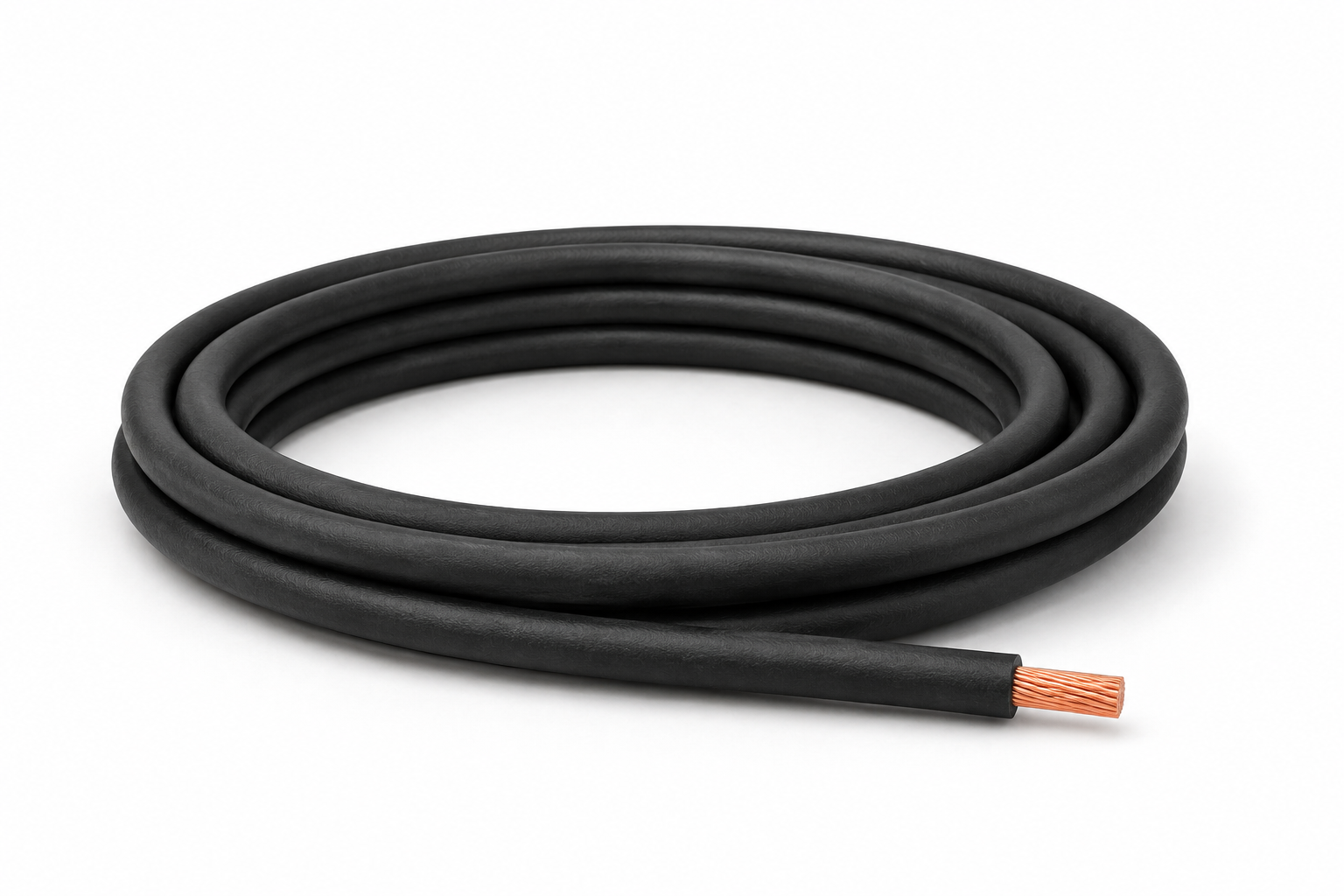 Electrical Cable Jacketing
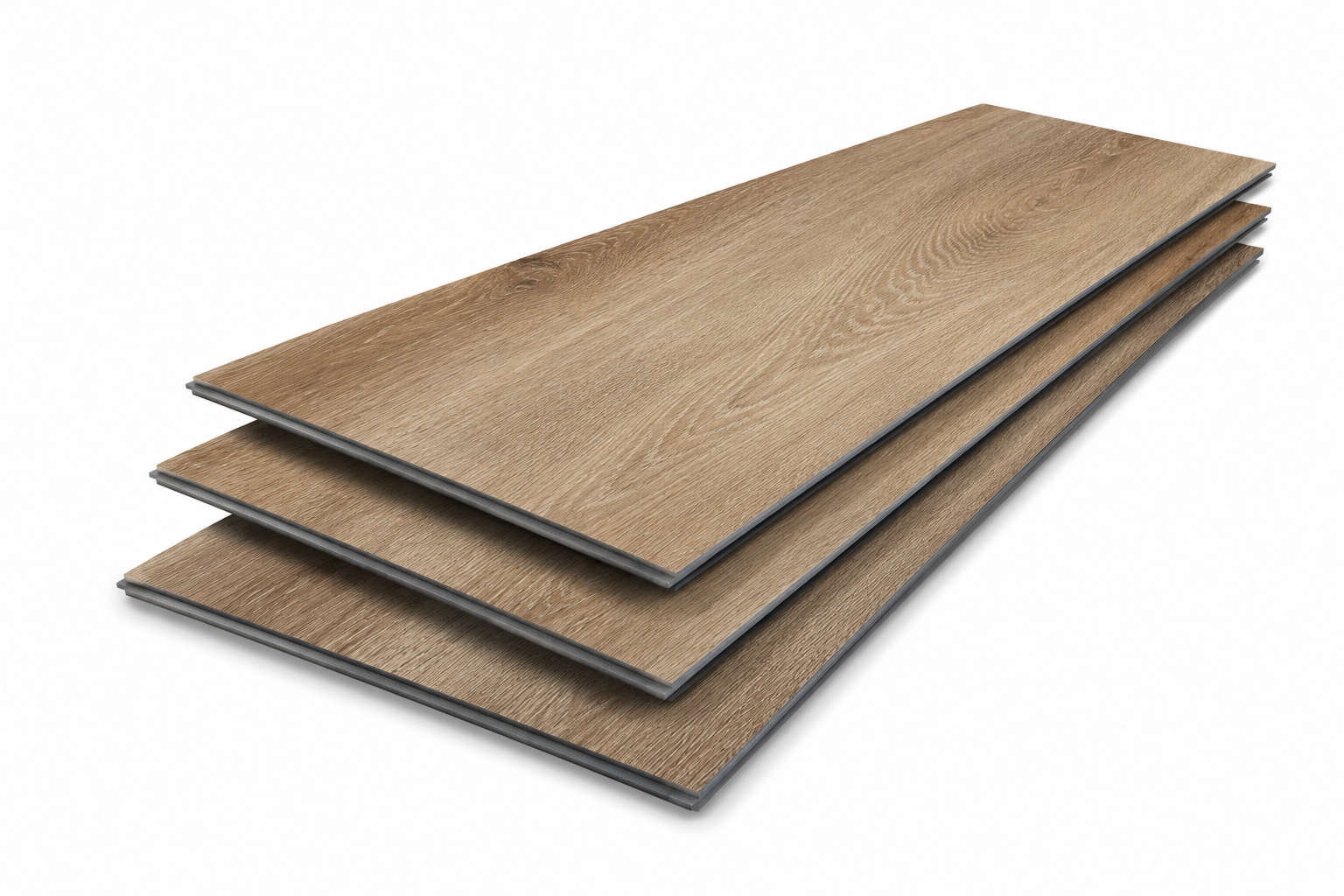 Resilient Vinyl Flooring
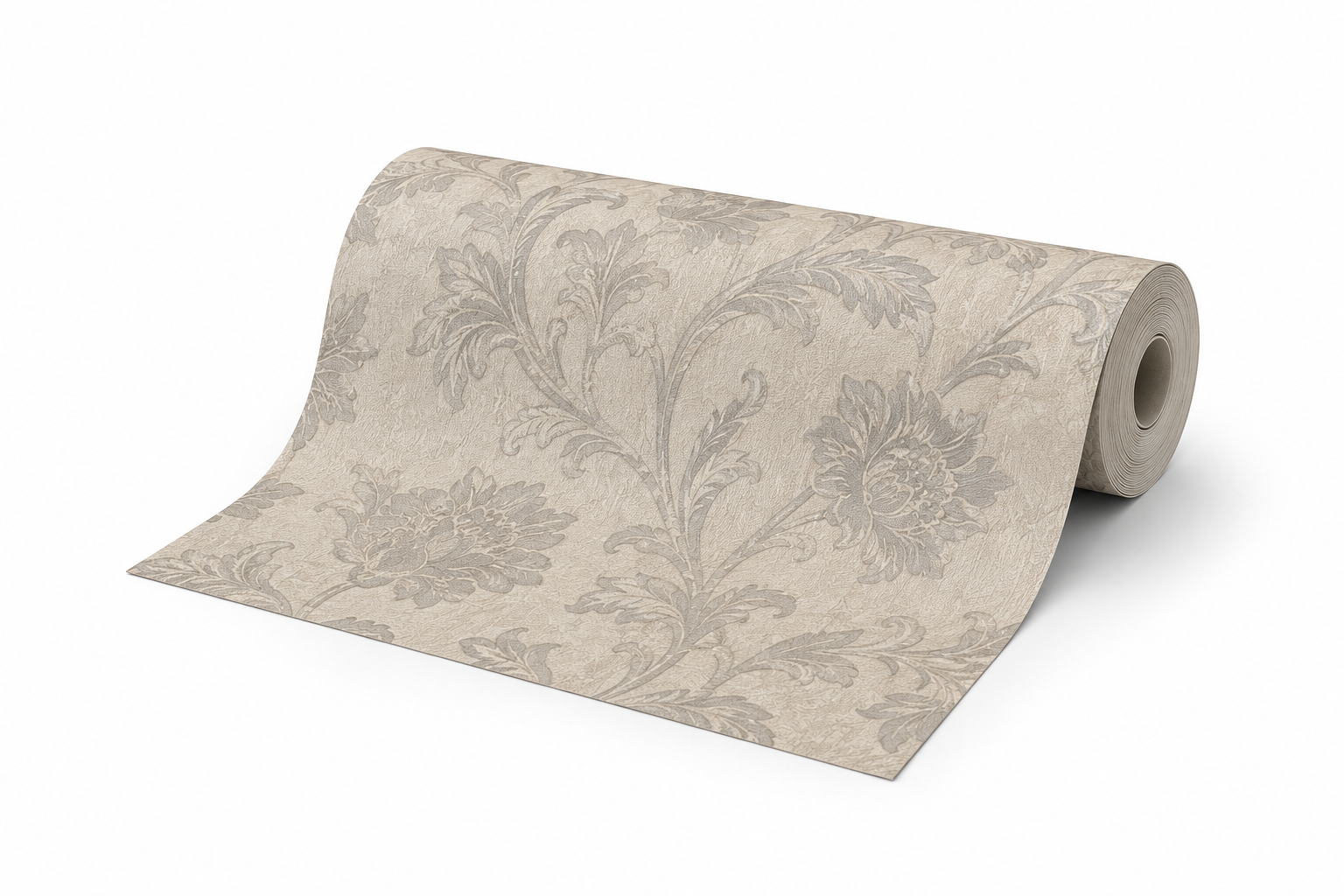 Vinyl Wall Coverings
How We Keep DIDP Out of a House
We do not knowingly install anything containing DIDP. Our specifications name the chemistry we refuse, every submittal is screened against it, and substitutions are rejected — which is how a toxin free home stays that way through construction.
If you want a house specified this way from the start, or an existing house assessed for what is already in it, that is the work we do. Earth Bound Homes builds in Atherton, Palo Alto, Redwood City and across the San Francisco Bay Area.