Organotin CompoundsCAS Multiple
PVC heat stabilizers, antifoulants, and biocides — TBT was banned globally; dialkyltins remain in PVC.

Toxic Chemical Databases
Substance-specific listings — these flags are for Organotin Compounds alone, not for the broader family.
Chemical Type
Organometallic Tin Compound Class
Chemical Description
Organotin compounds span a wide toxicity range. Tributyltin (TBT) was the most-studied — used as a marine antifouling agent until the IMO banned it in 2008 after demonstrated endocrine disruption in shellfish at parts-per-trillion concentrations. Dibutyltins and dioctyltins remain in widespread use as PVC heat stabilizers. Toxicity ranges from severe (TBT) to moderate (dibutyltin dilaurate) to low (some thiotin stabilizers).
Biological Activity
Severity scores specific to this substance, NOT the parent family average. Differences between siblings are real and meaningful.
Top Health Consequences
- Endocrine disruption — imposex in marine mollusks at ppt levels
- Immune suppression in animal and human cohort studies
- Migration from PVC heat-stabilizer formulations into house dust
- Wide toxicity range across the compound family
Pathways of Exposure
- Ingestion of house dust contaminated by PVC products
- Diet — bioaccumulation in fish from legacy marine antifoulant contamination
- Skin contact with PVC products containing organotin stabilizers
Building Materials with Organotin Compounds
Listed alphabetically — product categories where this specific substance appears.
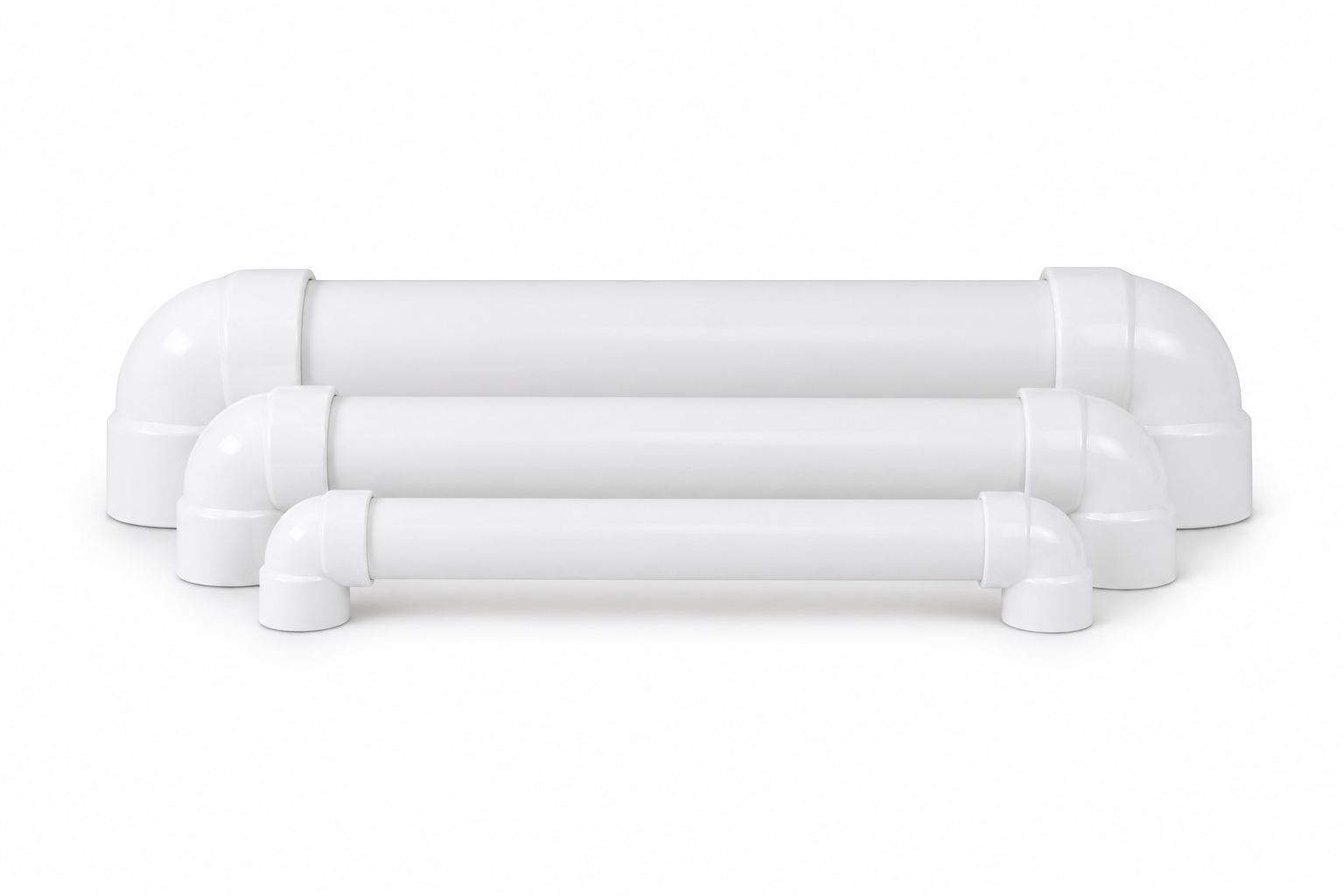 PVC Pipe Heat Stabilizers
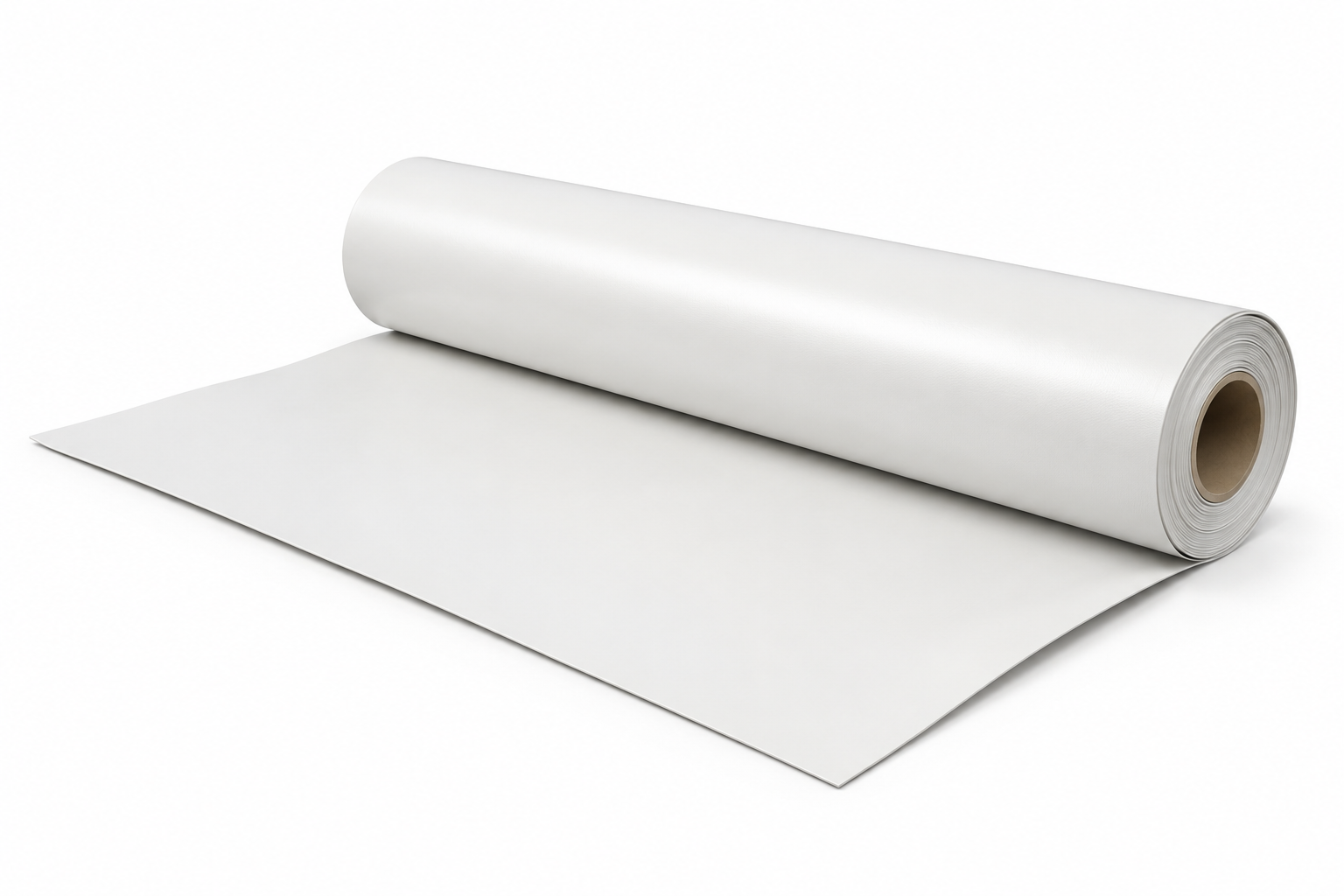 PVC Sheet & Membrane Stabilizers
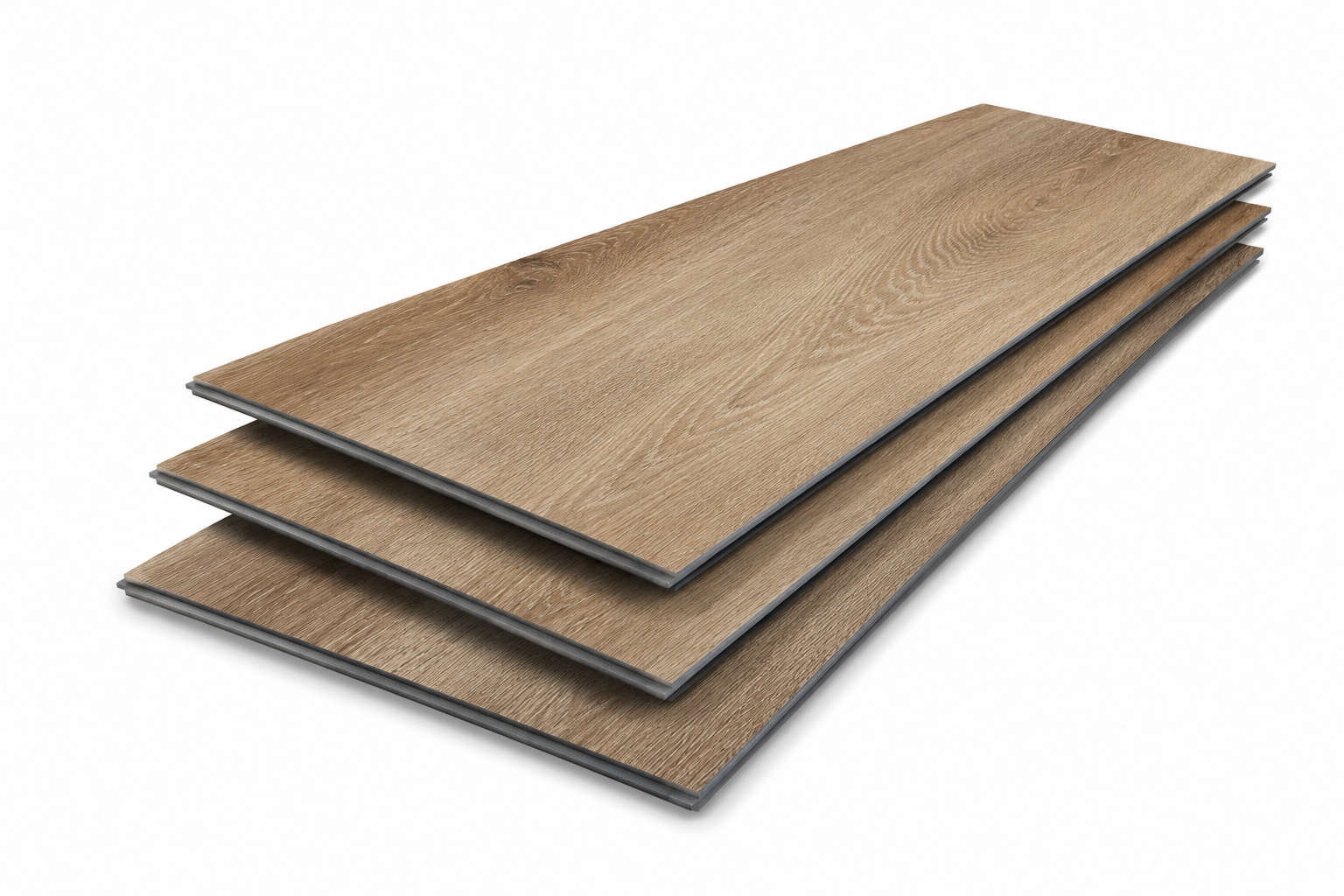 Vinyl Flooring Heat-Stabilizer Residues
How We Keep Organotin CompoundsCAS Multiple Out of a House
We do not knowingly install anything containing Organotin CompoundsCAS Multiple. Our specifications name the chemistry we refuse, every submittal is screened against it, and substitutions are rejected — which is how a toxin free home stays that way through construction.
If you want a house specified this way from the start, or an existing house assessed for what is already in it, that is the work we do. Earth Bound Homes builds in Palo Alto, Menlo Park, San Mateo County and across the San Francisco Bay Area.