Recycled Structural Steel
Electric-arc-furnace structural steel made from scrap — 75% lower embodied carbon than virgin blast-furnace steel.
Toxicity Screening — All Clear
This material screens clear across all nine independent toxicology authorities we use on every project.
Material Type
Electric-Arc-Furnace Recycled Steel
Material Description
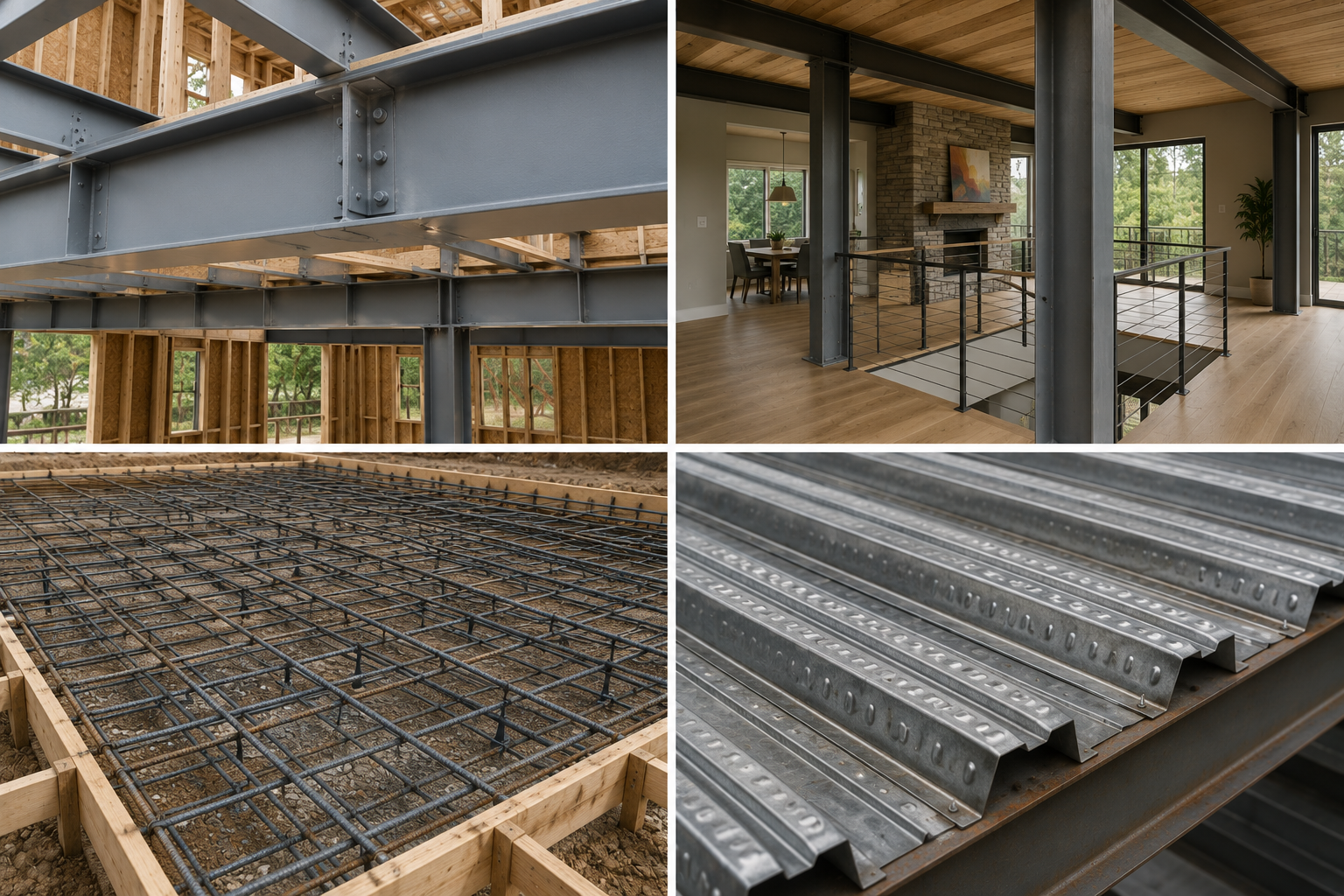
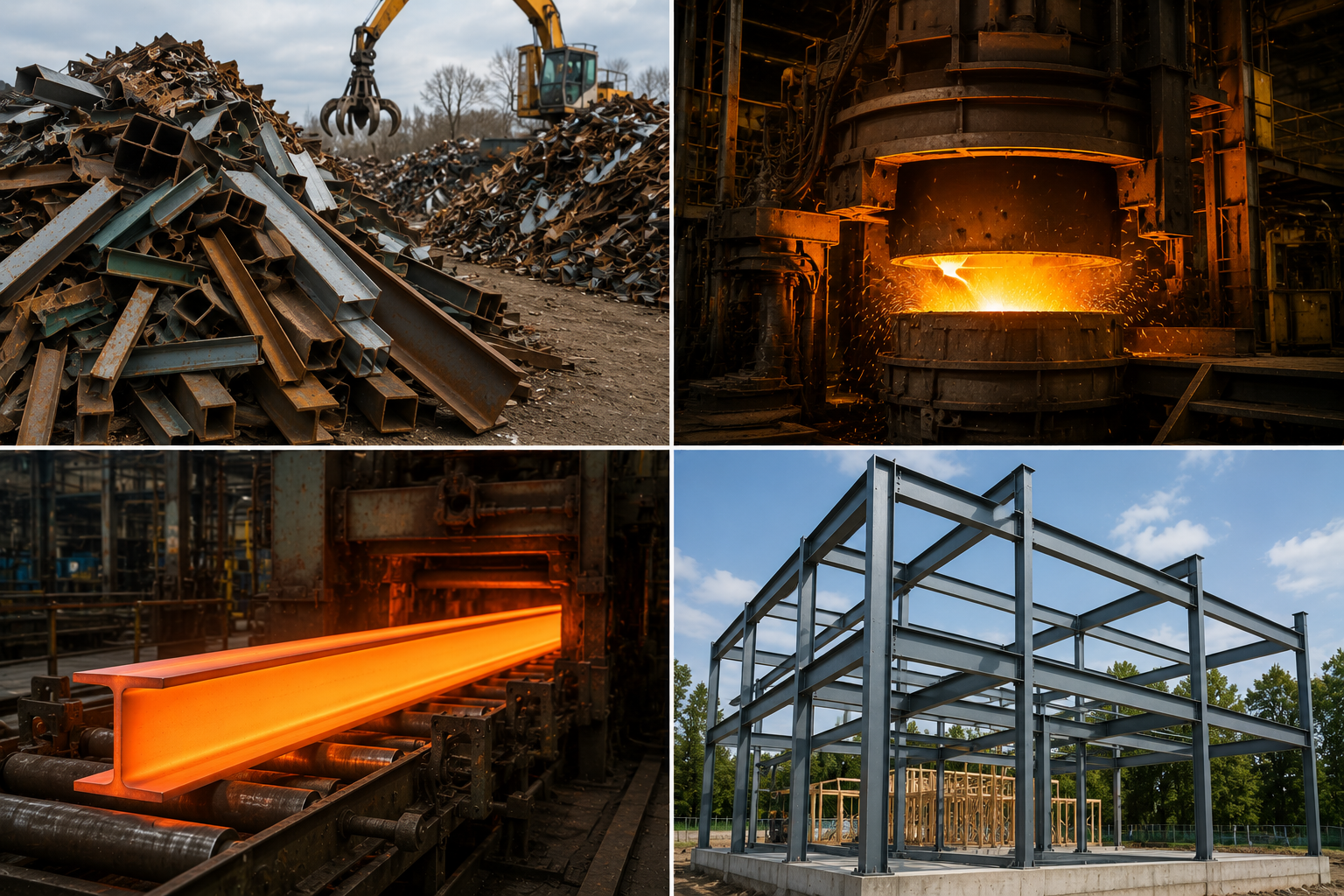
Steel is the only major construction material with a 100% closed-loop recycling stream — every steel beam can be melted and re-rolled indefinitely without quality loss. Electric-arc-furnace (EAF) steel uses scrap as its feedstock and electric heat (which can be renewable-powered) rather than coal-fired blast furnaces. The result is a structural product with embodied carbon roughly 75% lower than virgin steel, identical structural performance, and end-of-life recyclability that closes the loop again. EBH specifies minimum 90% recycled content on all structural steel and detailing accessories where the spec is achievable — typical North American EAF steel hits 95-98%.
Composition & Origin
Health Profile — All Endpoints Clear
Severity scored 0–10 against the same 10 hazard endpoints we use for the chemical families on the avoid list. Every score is 1–2 — essentially no signal across every endpoint.
Common Forms & Brands
- Nucor electric-arc-furnace structural steel
- Steel Dynamics SDI structural
- Commercial Metals Company (CMC) Micro Mill
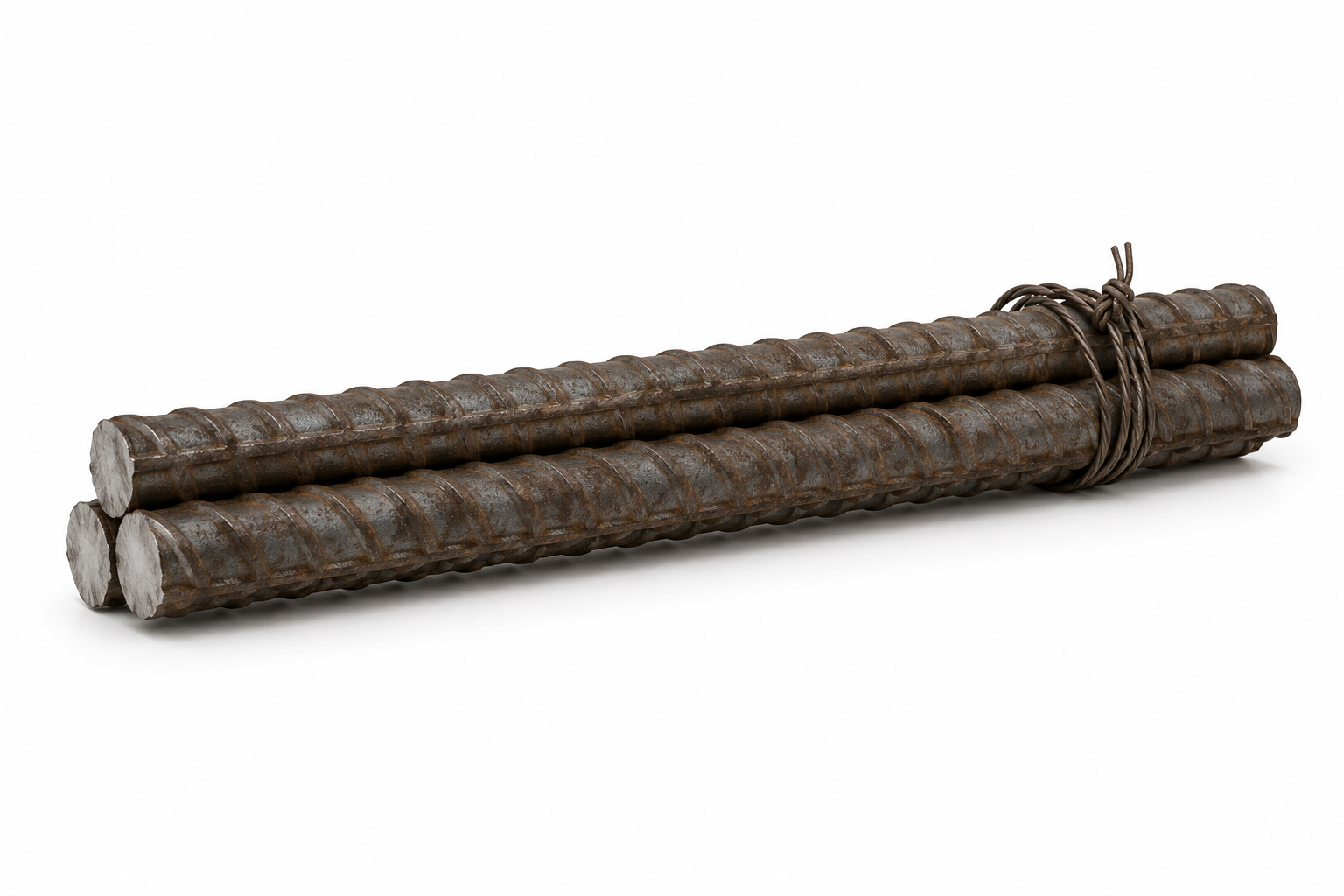
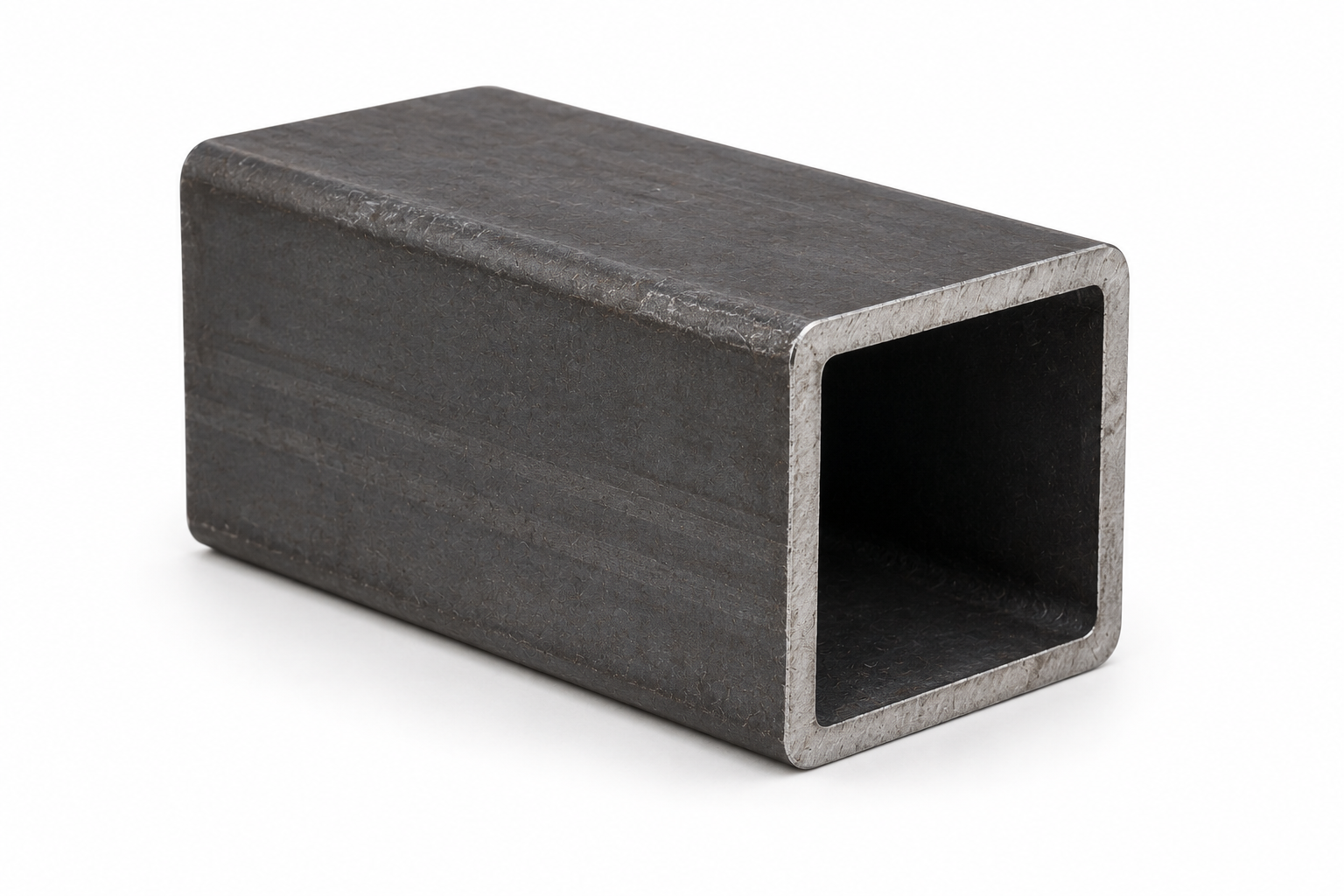
- Common framing: W-section beams, HSS tube, channel, angle, plate, rebar
Why We Use It
- Embodied carbon ~75% lower than blast-furnace virgin steel
- Closed-loop recyclable — meltable indefinitely
- Identical structural performance to virgin steel
- EAF electric heat can be renewable-powered
- EPDs (Environmental Product Declarations) document mill-by-mill carbon
Where It Performs Best
- Structural W-beams, columns, and trusses
- Hollow structural section (HSS) tube
- Concrete reinforcement rebar
- Sheet metal flashings and roofing
Building Applications for Recycled Structural Steel
Listed alphabetically. Where in a home this material earns its keep.
 Concrete Reinforcement Rebar
 HSS Tube Structural Steel
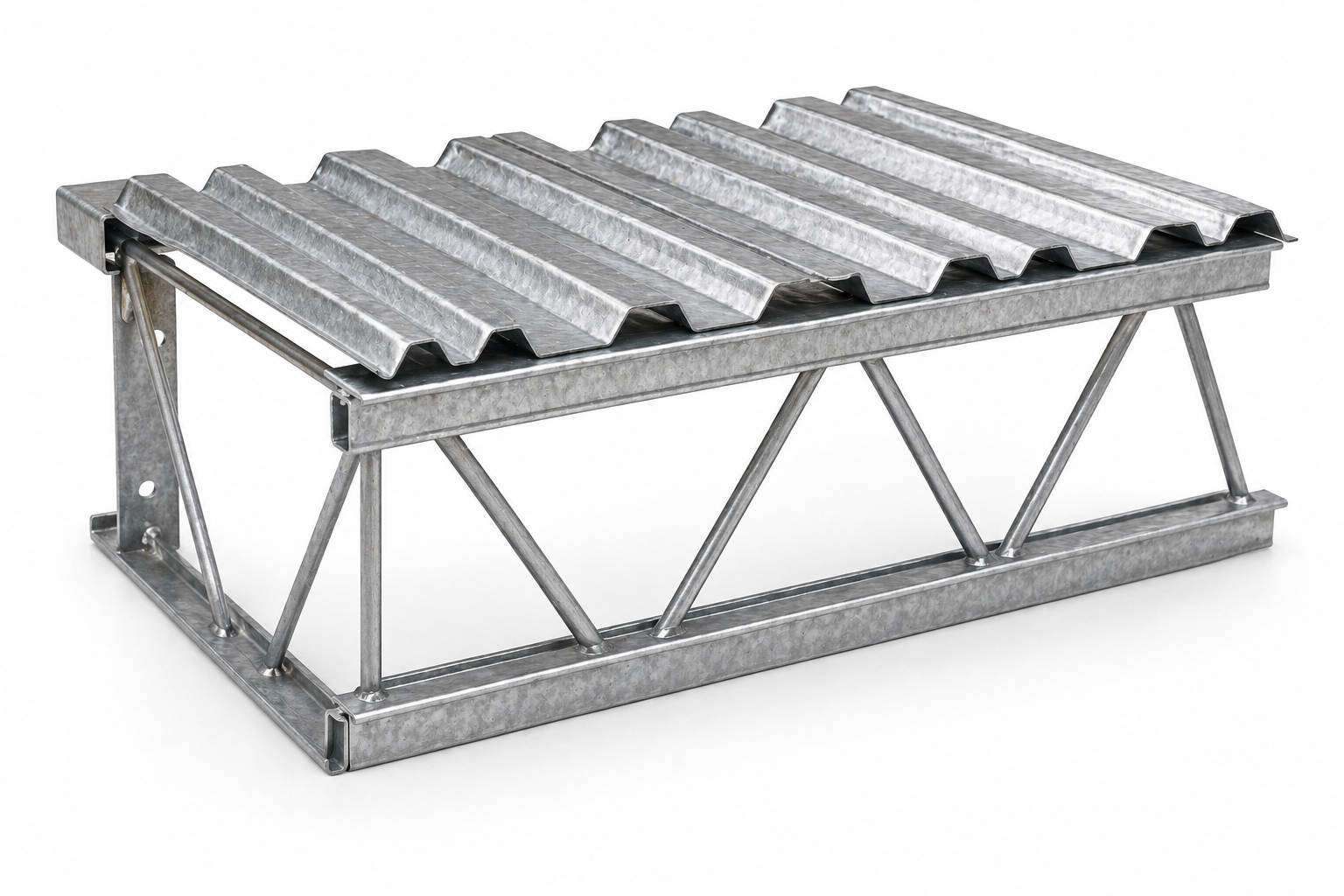 Joists & Steel Decking
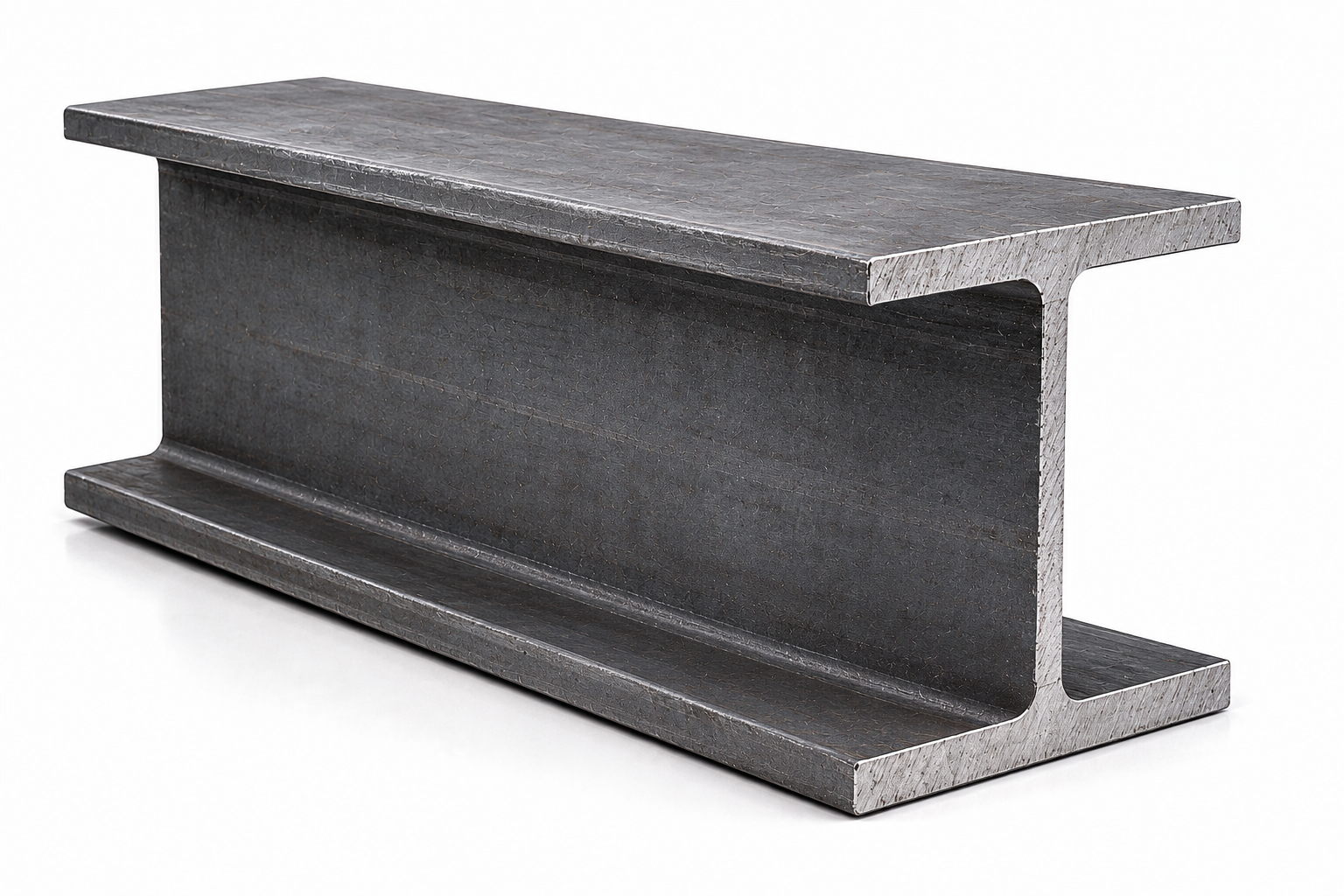 Structural Steel Beams & Columns
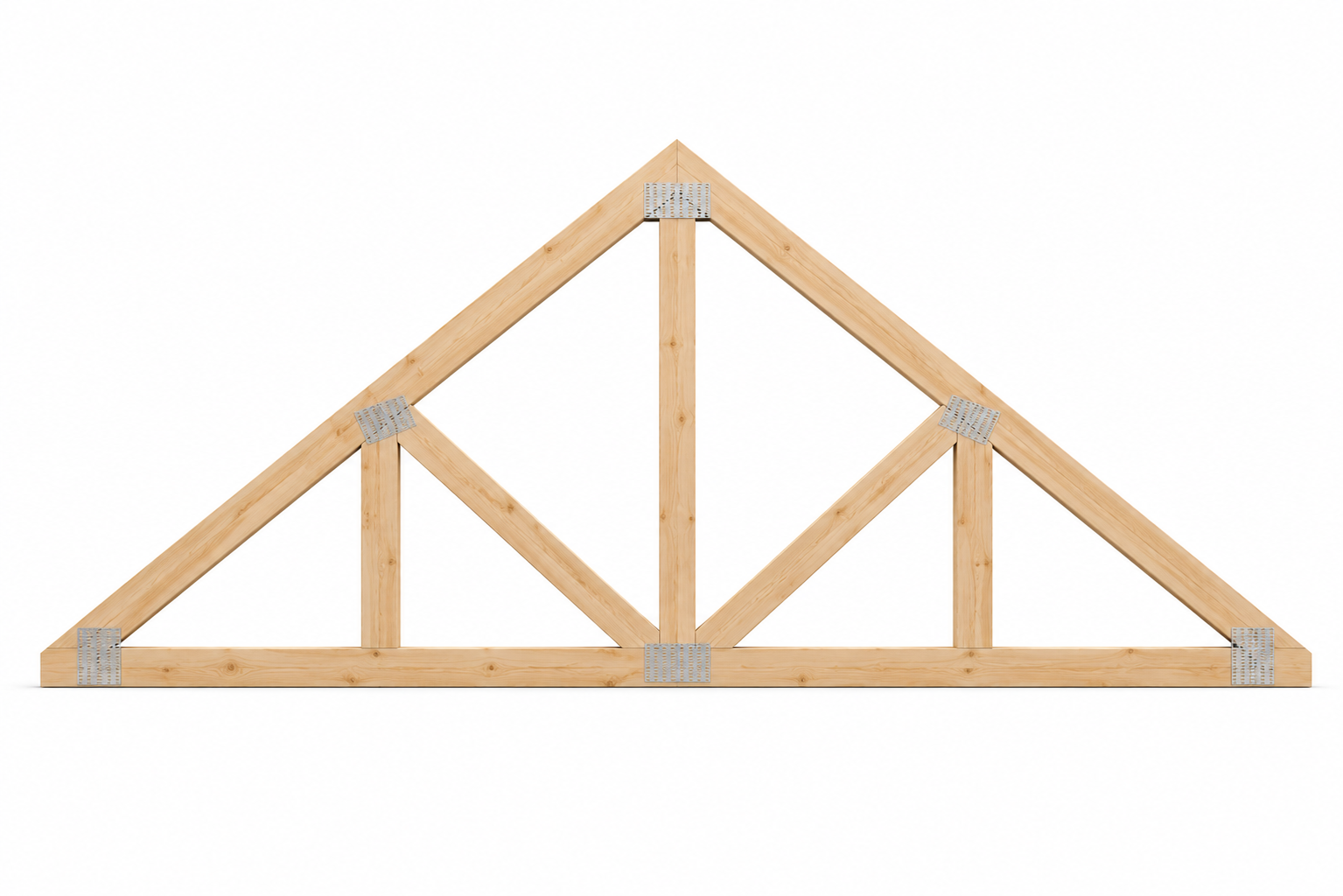 Trusses & Steel Roof Framing
Recycled Structural Steel on a Bay Area Home
Recycled Structural Steel shows up on our zero energy homes for a reason. An all electric house with a very small heating load only works if the envelope is right, and the envelope is only as good as the materials you are willing to put in it.
If you are planning a new house or a deep remodel and you want this level of material control, that is the whole job we do. Earth Bound Homes builds in Los Gatos, San Jose, Santa Clara County and across the San Francisco Bay Area.