Chloroprene
The neoprene-rubber building block — a likely human carcinogen.
Toxic Chemical Databases
Where this family lands across the nine independent toxicology authorities we screen against.
Chemical Type
Halogenated Diene Monomer
Chemical Description
Chloroprene is the chlorinated butadiene molecule that, once polymerized, becomes neoprene — the rubber you find in EPDM membrane adhesives, foam underlayments, wetsuit-style gaskets, and weatherproofing strips. EPA's IRIS program reclassified chloroprene as a likely human carcinogen, citing inhalation cancer risks near manufacturing facilities at concentrations far lower than older regulatory limits assumed. Cured neoprene products in a finished home pose much less hazard than the raw monomer, but residual unreacted chloroprene and breakdown products can off-gas for months. EBH avoids chloroprene-based adhesives and gaskets when butyl rubber, EPDM, or silicone alternatives can meet the same spec.
Chemical Structure
Molecular schematic for Chloroprene — formula and structural features shown below.
Biological Activity
Severity scores summarize hazard endpoints from IARC, NTP, EPA IRIS, ATSDR, and NIOSH on a 0–10 scale. Mirrors the system-level output of our SDS Toxic Chemical Screener.
Chemical Analogs and Brand Names
- Chloroprene (2-chloro-1,3-butadiene) — CAS 126-99-8
- Polychloroprene (neoprene polymer) — CAS 9010-98-4
- C
Top Health Consequences
- Lung, liver, and lymphatic cancers documented in human exposure cohorts
- Chronic respiratory irritation and reduced lung function
- Liver enzyme elevation with chronic inhalation exposure
- Reproductive effects observed in animal models
- Skin sensitization on direct contact with uncured product
Pathways of Exposure
- Inhalation of solvent fumes from neoprene contact cement during installation
- Off-gassing from new gaskets, weatherstripping, and roofing membranes
- Dermal contact with uncured neoprene foam products
- Background exposure from urban air near rubber-manufacturing facilities
Building Materials with Chloroprene
Listed alphabetically. These are the product categories where this chemistry most often shows up — not an exhaustive list.
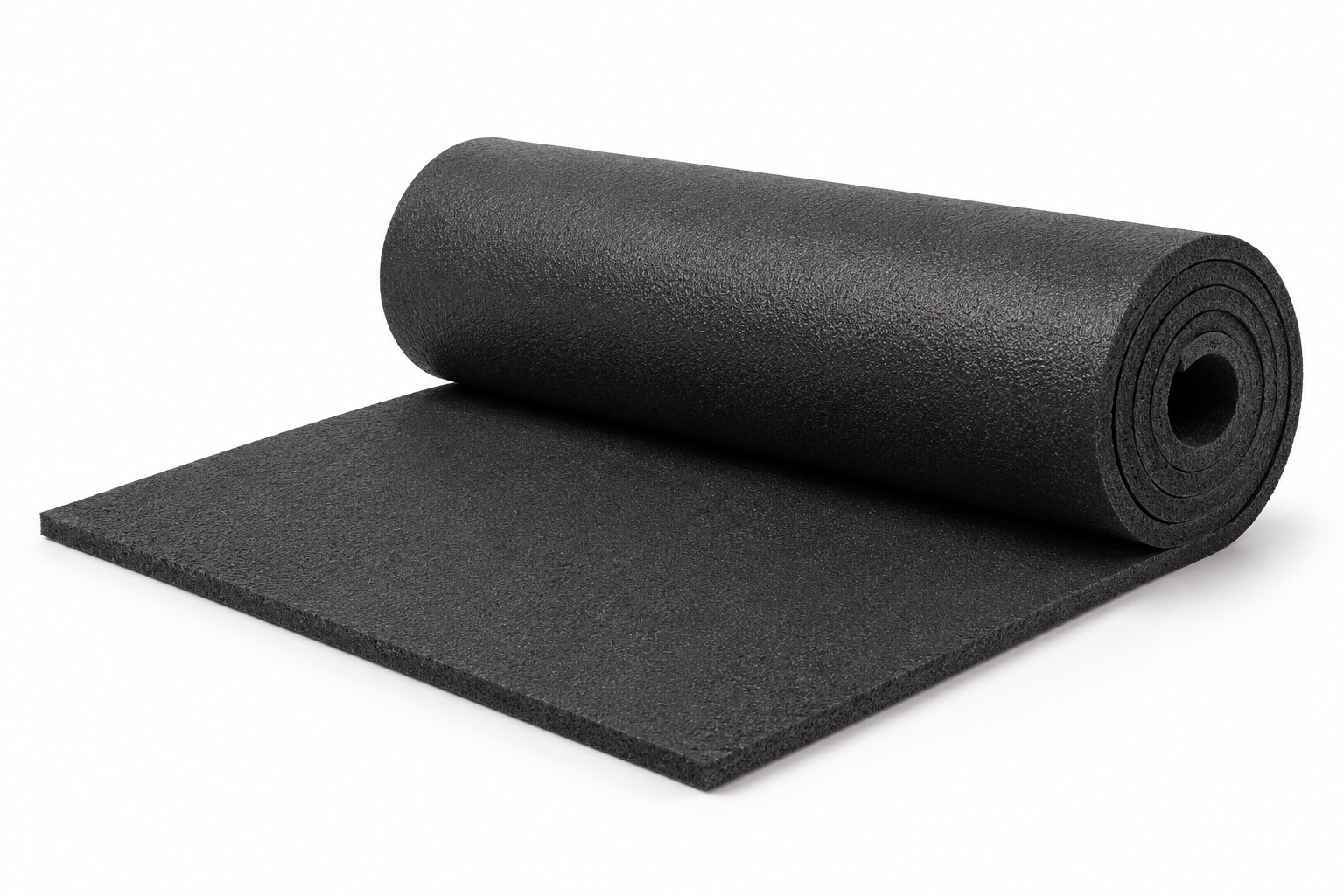 Carpet Backing & Underlayment
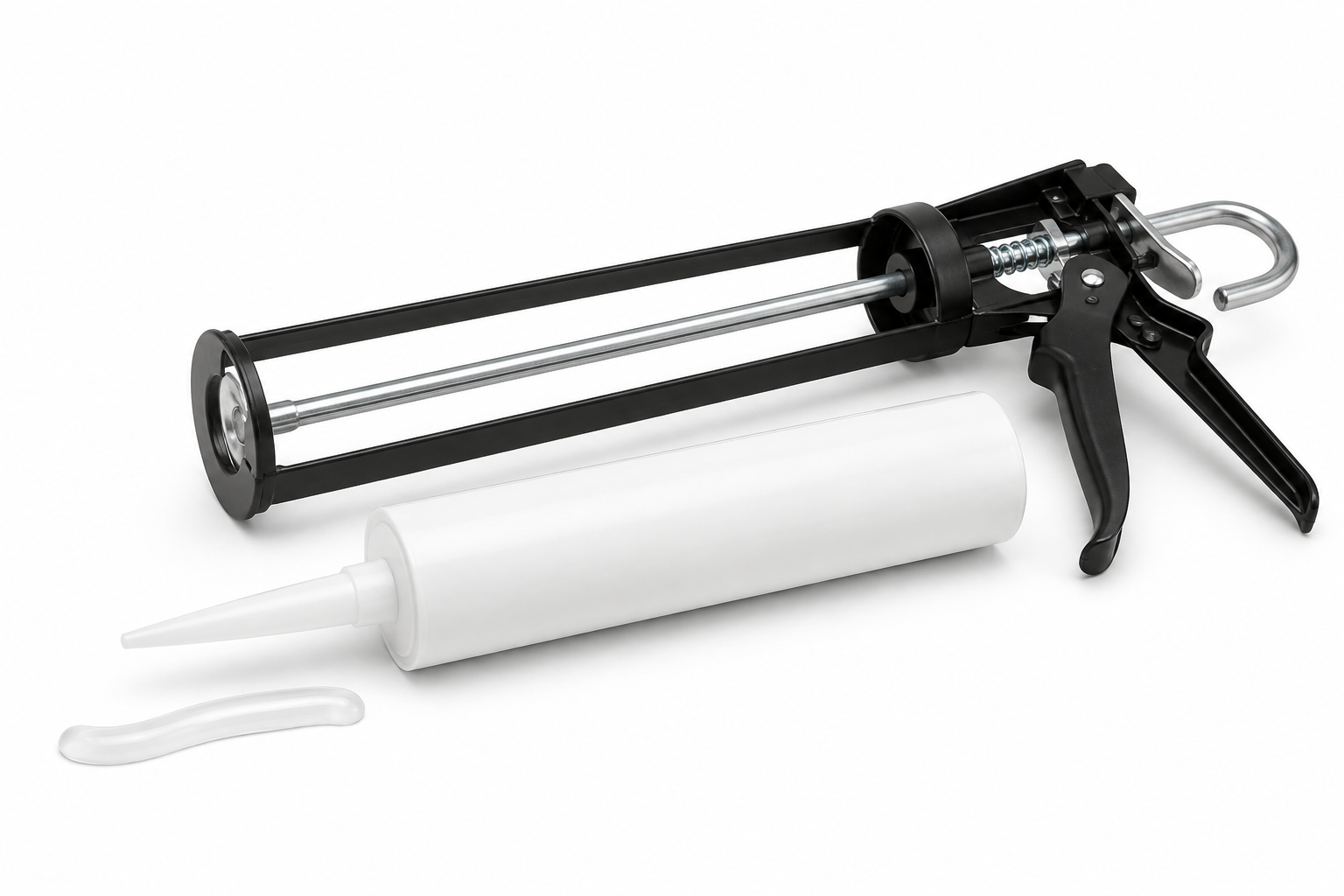 Contact Cements & Construction Adhesives
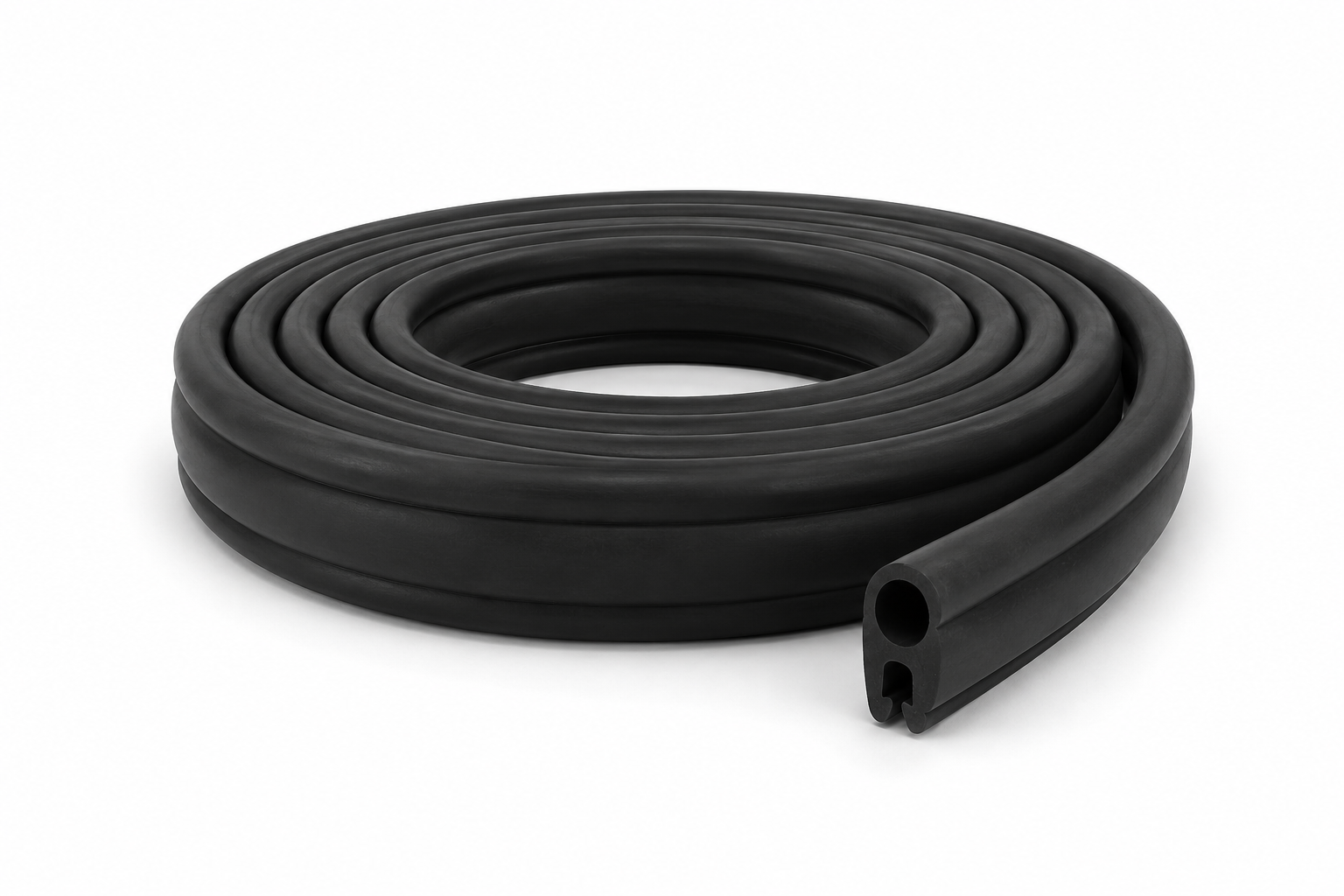 Door & Window Gaskets
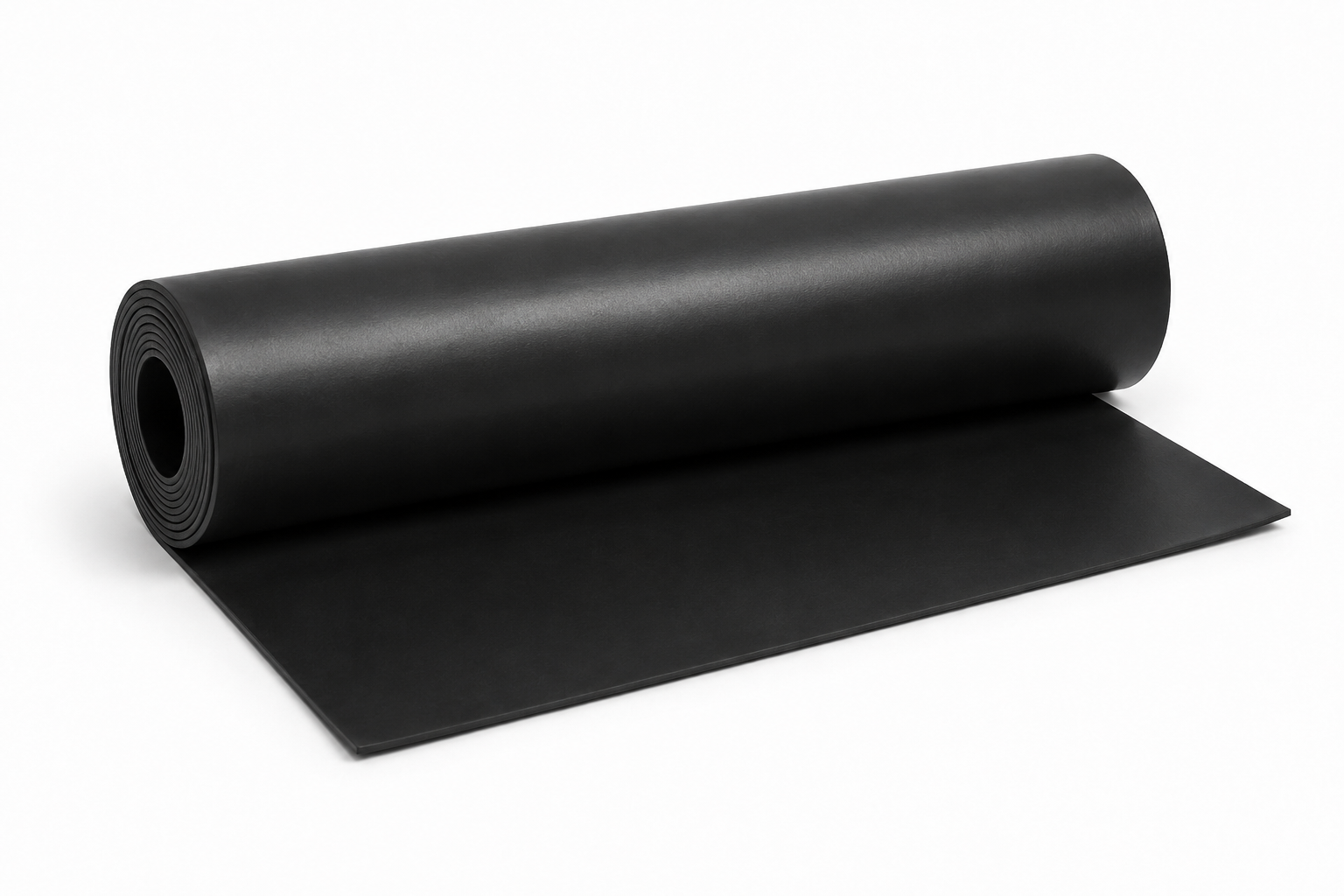 EPDM & Modified Bituminous Roofing Adhesives
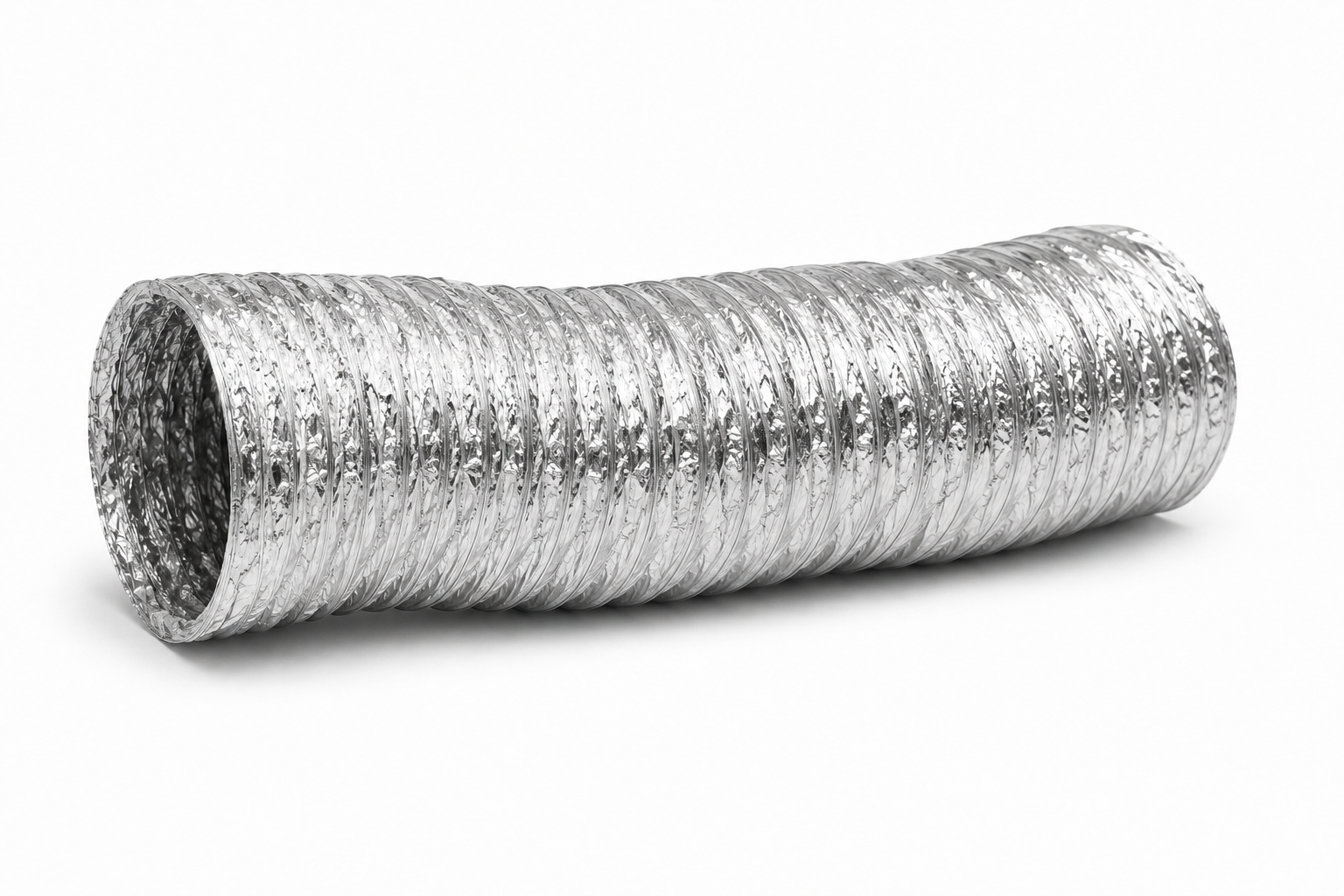 Flexible Hoses & HVAC Connectors
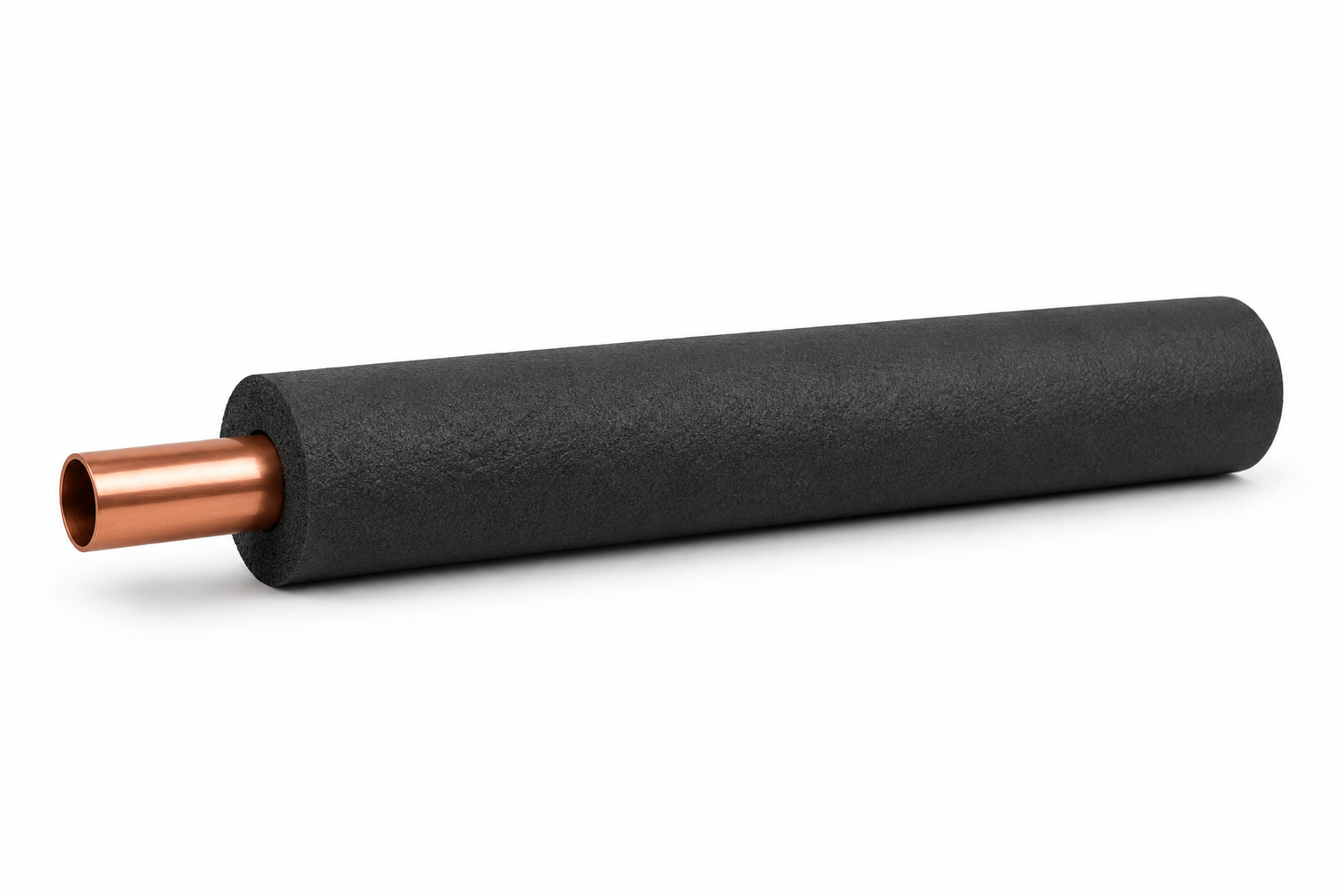 Foam Pipe Insulation
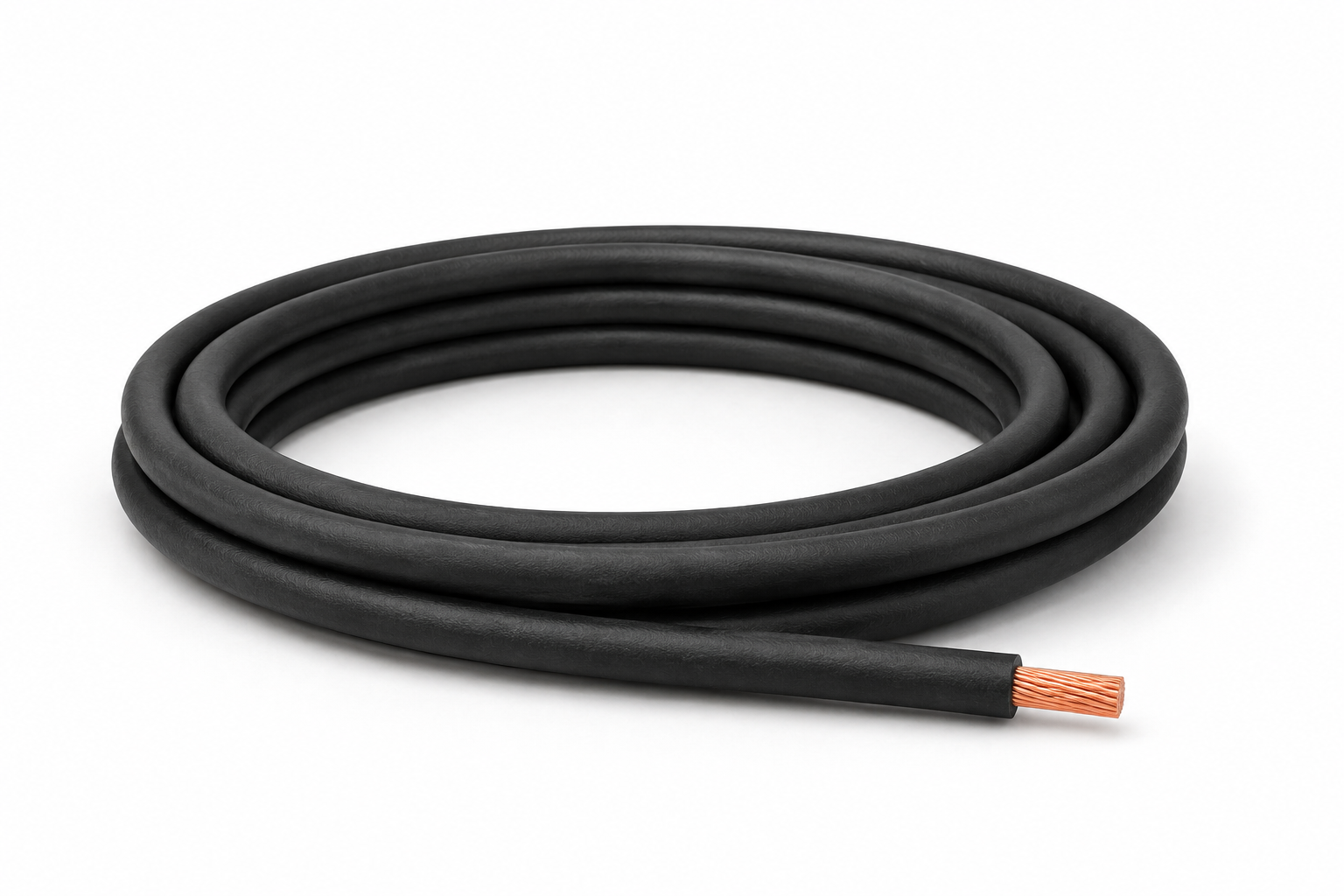 Heat-Resistant Wire Insulation
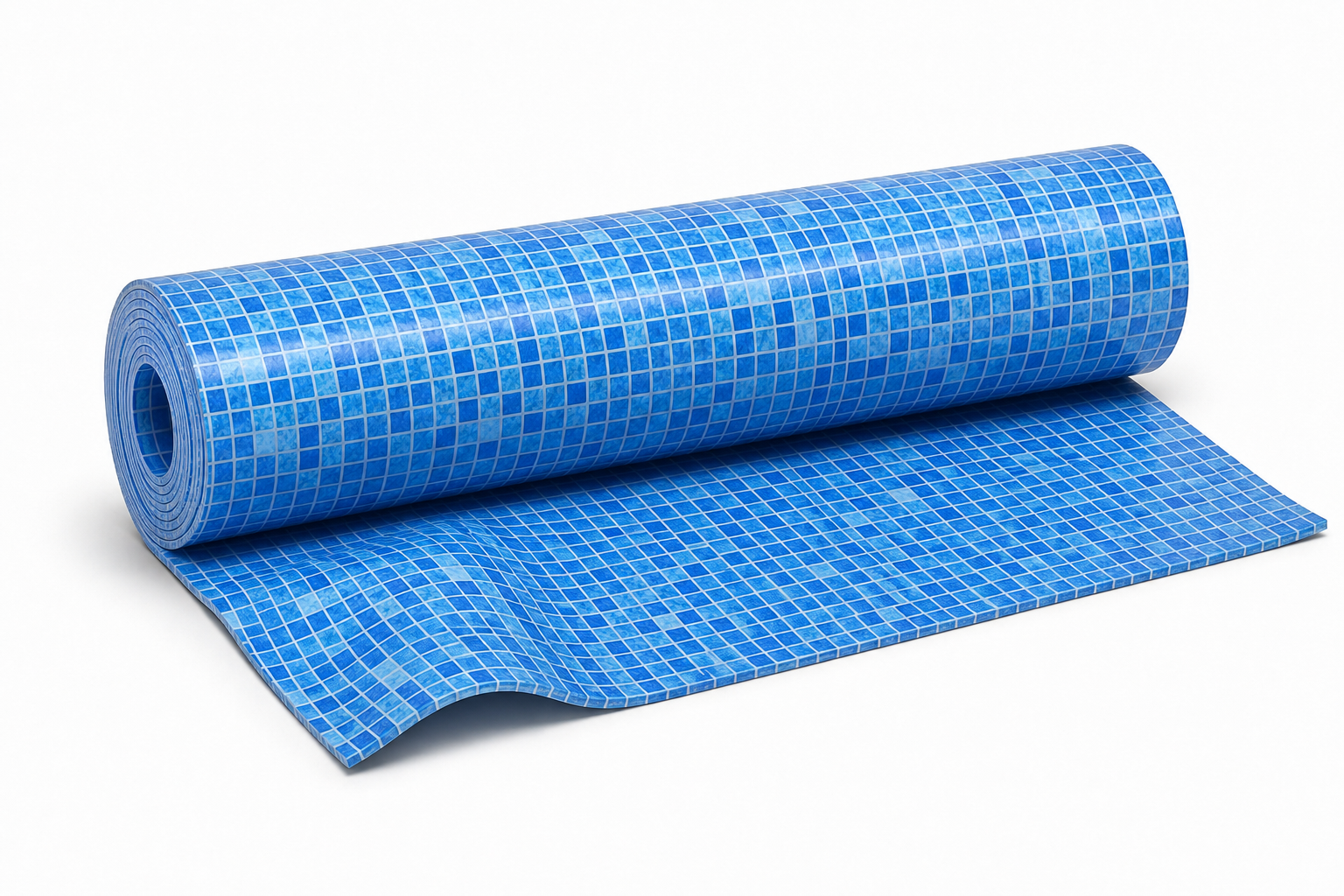 Pool & Spa Liners
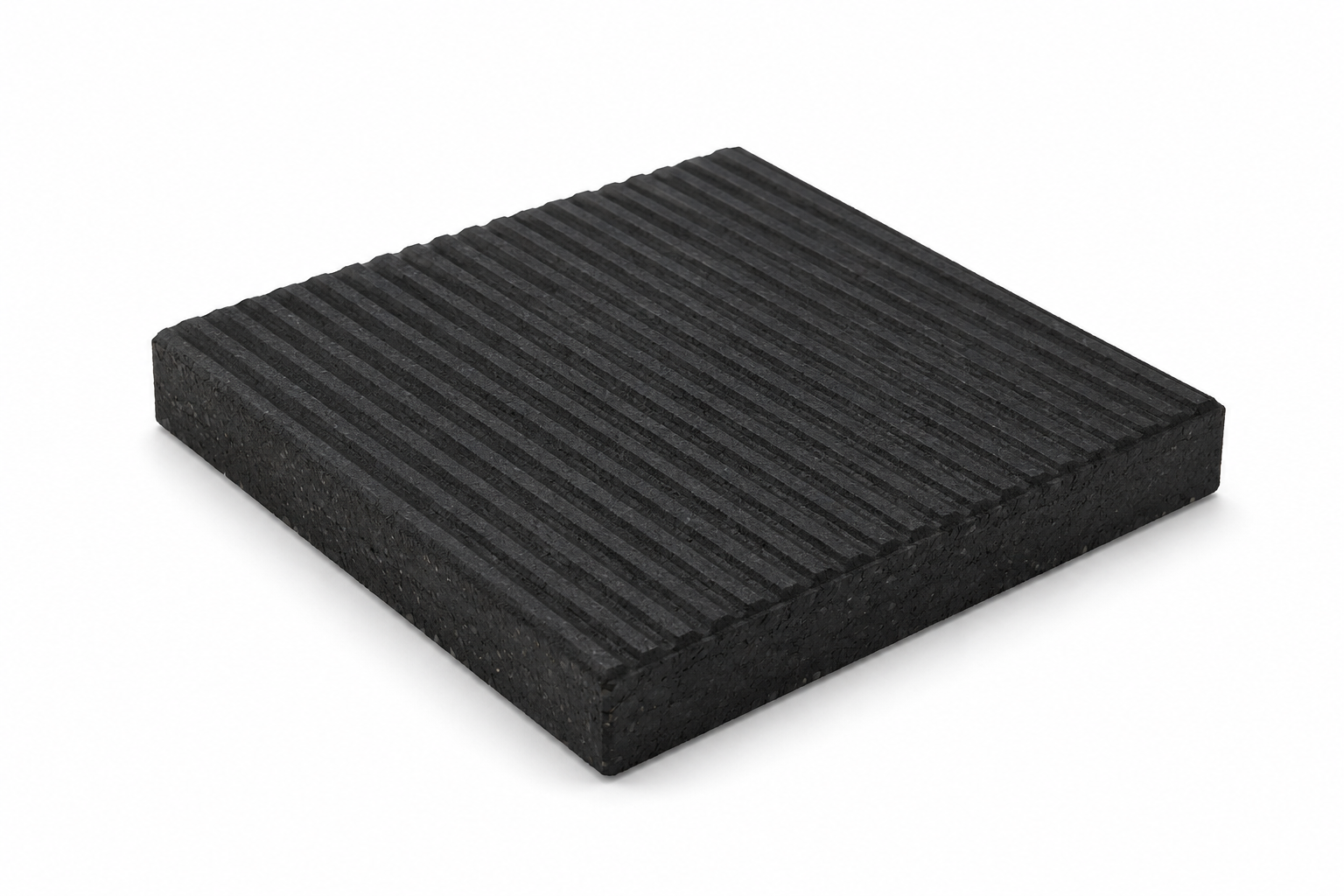 Vibration-Damping Pads
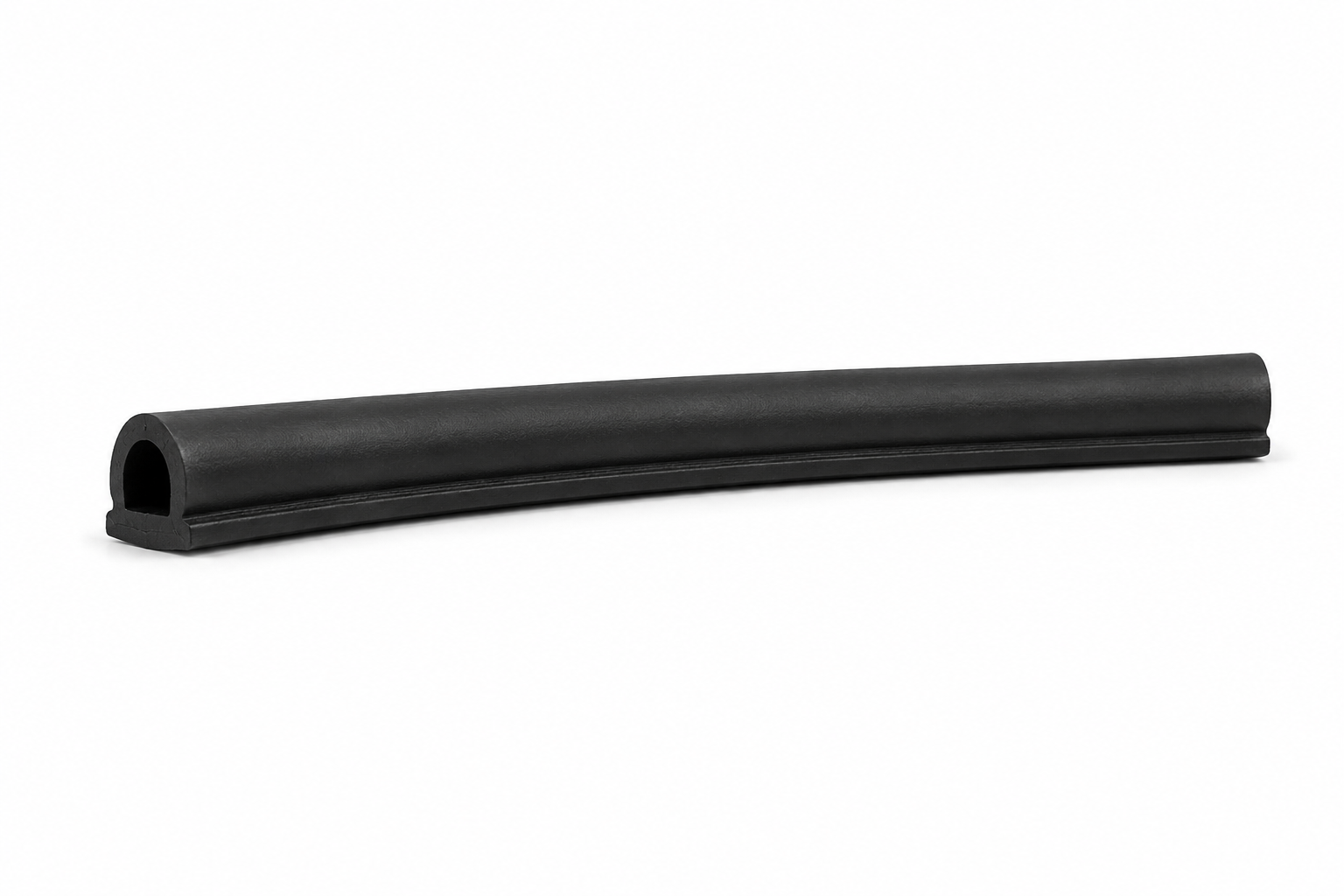 Weatherstripping & Seal Profiles
Chloroprene and the Houses We Build Without Them
The Chloroprene family is specified out of every Earth Bound Homes project. We publish this library because homeowners cannot avoid what nobody will name — and because the healthy homes we build depend on that list being honest.
Every house we build is designed as a healthy, mold free, all electric Passive House — the chemical screening is one layer of that, not the whole of it. Earth Bound Homes builds in Atherton, Palo Alto, Redwood City and across the San Francisco Bay Area.