Decabromodiphenyl Ether (DecaBDE)CAS 1163-19-5
Banned in the EU and California — persistent, bioaccumulative, and a neurodevelopmental toxicant.

Toxic Chemical Databases
Substance-specific listings — these flags are for Decabromodiphenyl Ether alone, not for the broader family.
Chemical Type
Brominated Diphenyl Ether
Chemical Description
DecaBDE was the last commercially used PBDE after Penta- and Octa-BDE were phased out. It debrominates in the environment to lower-brominated PBDEs that are more bioavailable and more toxic. The Stockholm Convention listed it as a Persistent Organic Pollutant in 2017; EPA finalized a TSCA risk-management rule restricting manufacture and processing. Animal studies show developmental neurotoxicity at low doses — altered motor activity and learning in prenatally exposed offspring.
Biological Activity
Severity scores specific to this substance, NOT the parent family average. Differences between siblings are real and meaningful.
Top Health Consequences
- Developmental neurotoxicity in prenatal animal exposures
- Thyroid hormone disruption — T4 suppression
- Bioaccumulation in breast milk and human serum
- Debromination to more-toxic lower-brominated PBDEs in the environment
Pathways of Exposure
- Ingestion of house dust contaminated by upholstered furniture and electronics
- Hand-to-mouth uptake for infants and toddlers
- Diet — bioaccumulated burden in fish and dairy
Building Materials with Decabromodiphenyl Ether
Listed alphabetically — product categories where this specific substance appears.
 Electrical & Electronic Enclosures
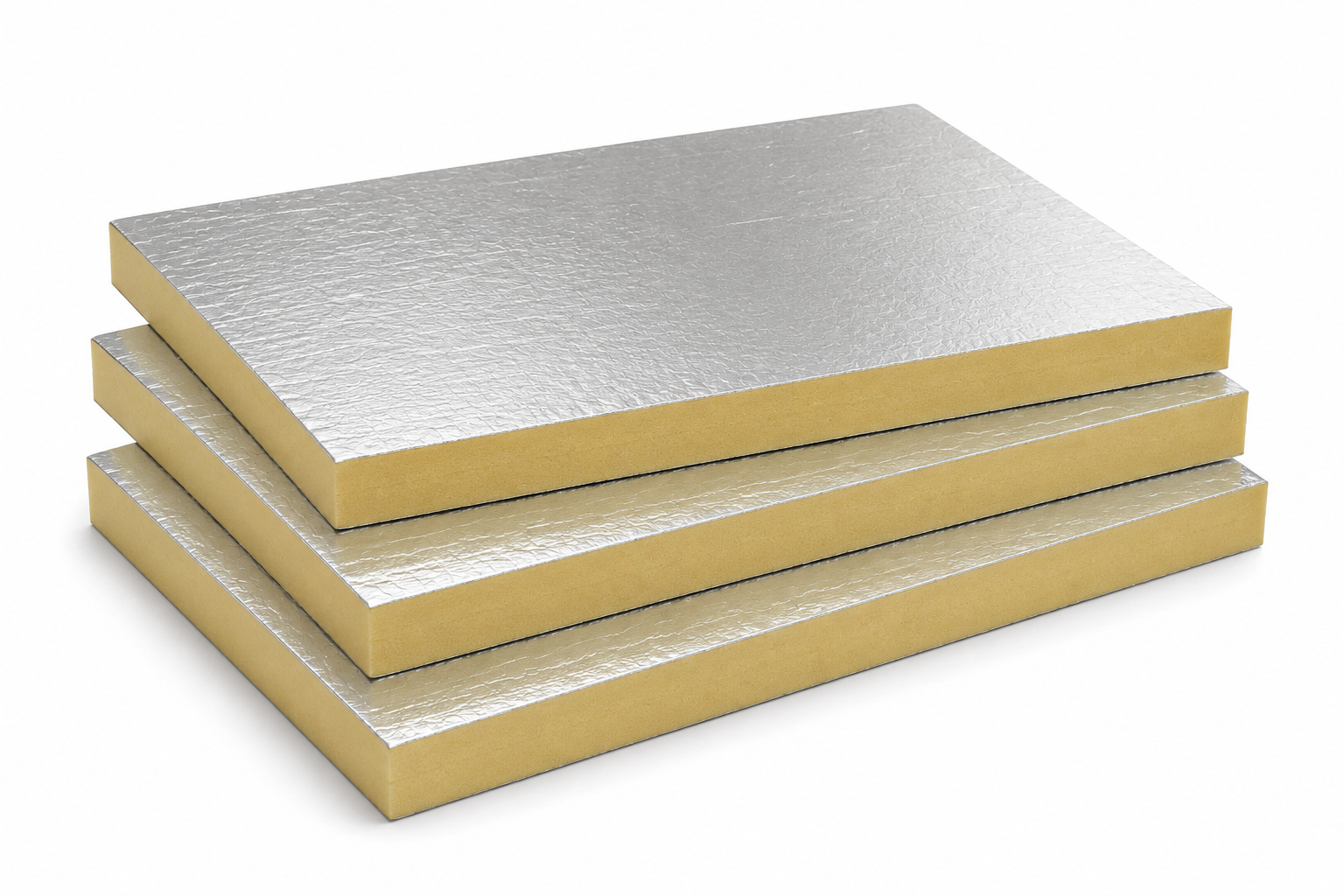 Polyiso & EPS Rigid Insulation (legacy)
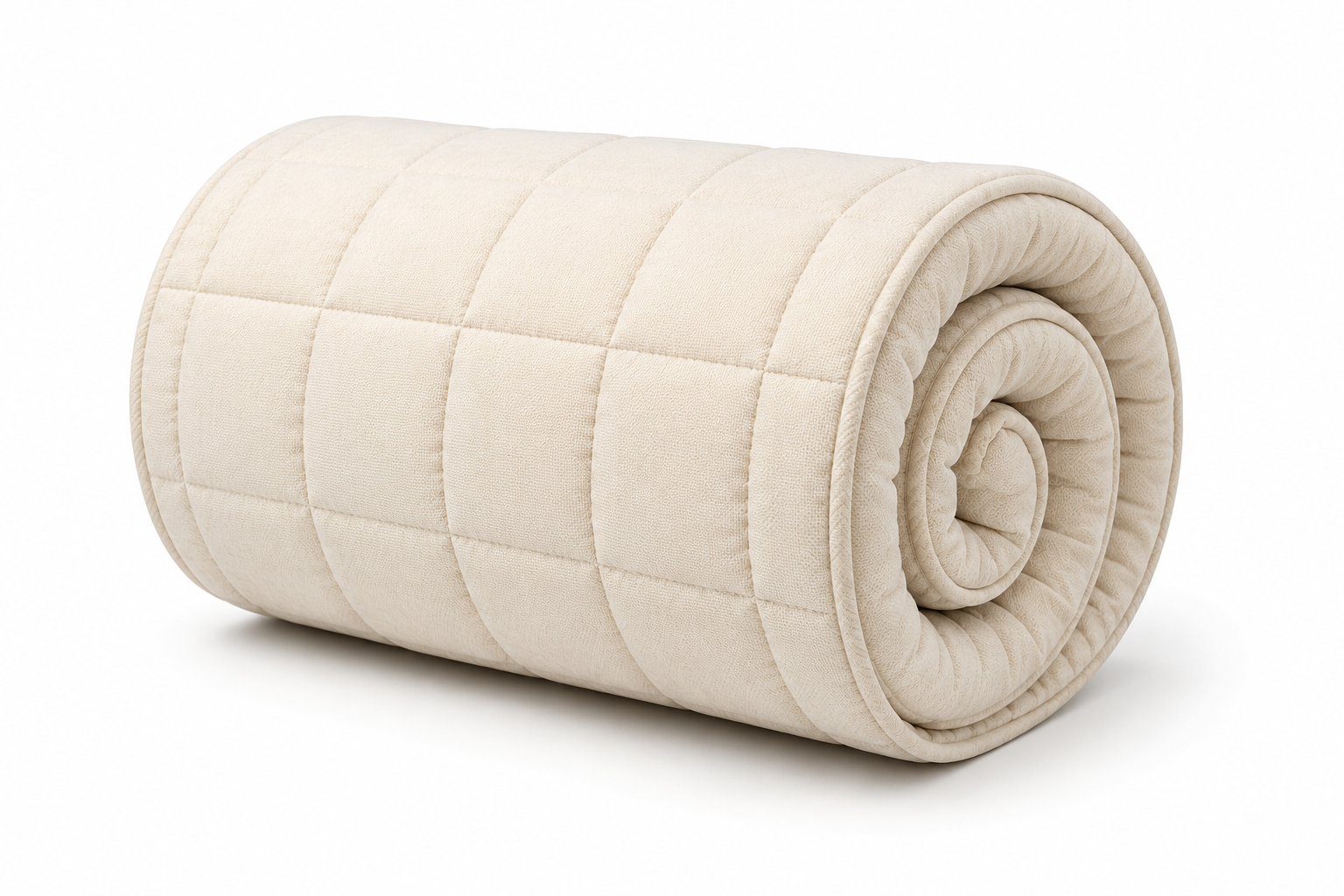 Upholstered Furniture (Pre-2015)
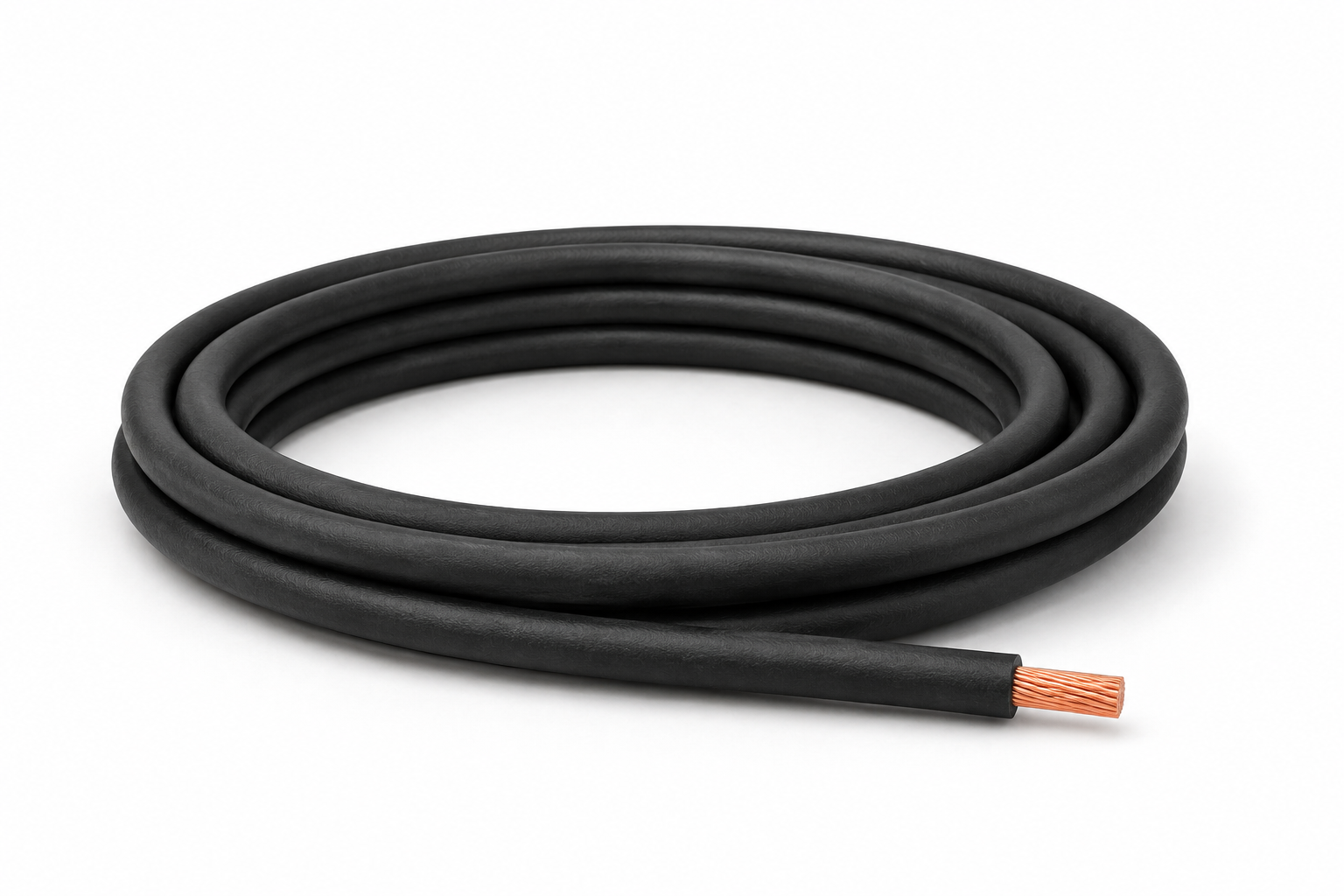 Vinyl Wire Jacketing
How We Keep Decabromodiphenyl Ether Out of a House
Decabromodiphenyl Ether is on our avoid list, which means it is specified out of the project before bidding — not caught on site. Keeping chemistry like this out of the house is the practical difference between a healthy home and an ordinary one.
If you want a house specified this way from the start, or an existing house assessed for what is already in it, that is the work we do. Earth Bound Homes builds in Palo Alto, Atherton, Menlo Park and across the San Francisco Bay Area.