Toluene Diisocyanate (TDI 80/20)CAS 26471-62-5
The dominant respiratory sensitizer in flexible polyurethane foam — IARC Group 2B carcinogen.
Toxic Chemical Databases
Substance-specific listings — these flags are for Toluene Diisocyanate alone, not for the broader family.
Chemical Type
Aromatic Diisocyanate (2,4- and 2,6- isomer mix)
Chemical Description
TDI is a 4-to-1 mixture of the 2,4 and 2,6 isomers. It is far more volatile than MDI and the primary isocyanate behind the global epidemic of polyurethane occupational asthma. Once a worker is sensitized, parts-per-billion exposure can trigger a severe attack. IARC classified TDI as Group 2B (possibly carcinogenic) based on rat hepatocellular tumors and limited human data. Used in flexible foam cushions, mattress cores, and one-part urethane sealants — much less in residential construction since MDI took over.
Biological Activity
Severity scores specific to this substance, NOT the parent family average. Differences between siblings are real and meaningful.
Top Health Consequences
- Occupational asthma — among the most potent known respiratory sensitizers
- Lifelong sensitization — trace exposure triggers attacks after first reaction
- IARC Group 2B carcinogen designation
- Skin sensitization with direct dermal contact
Pathways of Exposure
- Inhalation of monomer vapor during flexible-foam manufacturing
- Off-gassing from new mattresses, cushions, and foam-cored furniture
- Inhalation during one-part urethane sealant application
Building Materials with Toluene Diisocyanate
Listed alphabetically — product categories where this specific substance appears.
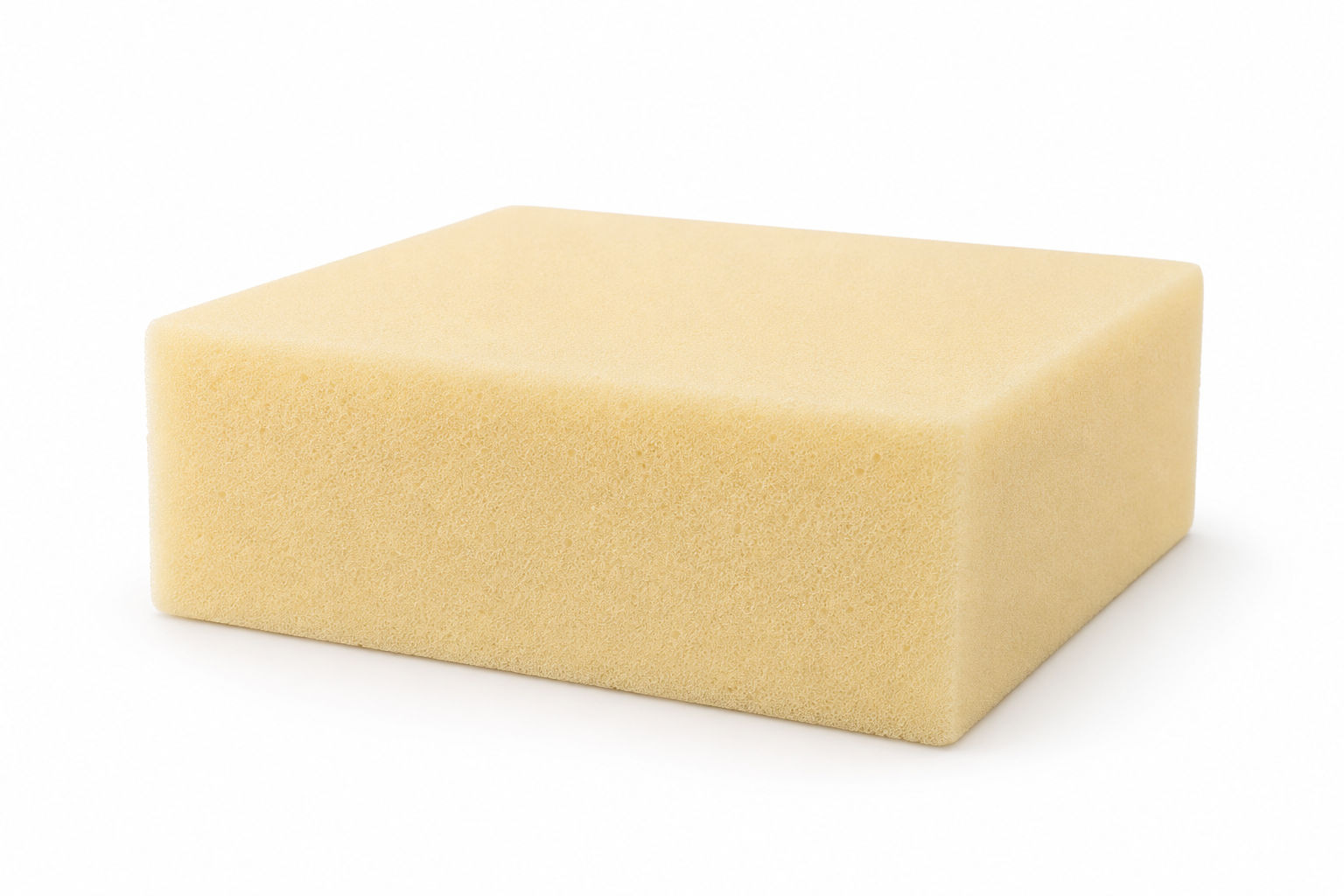 Flexible Polyurethane Foam Cushions
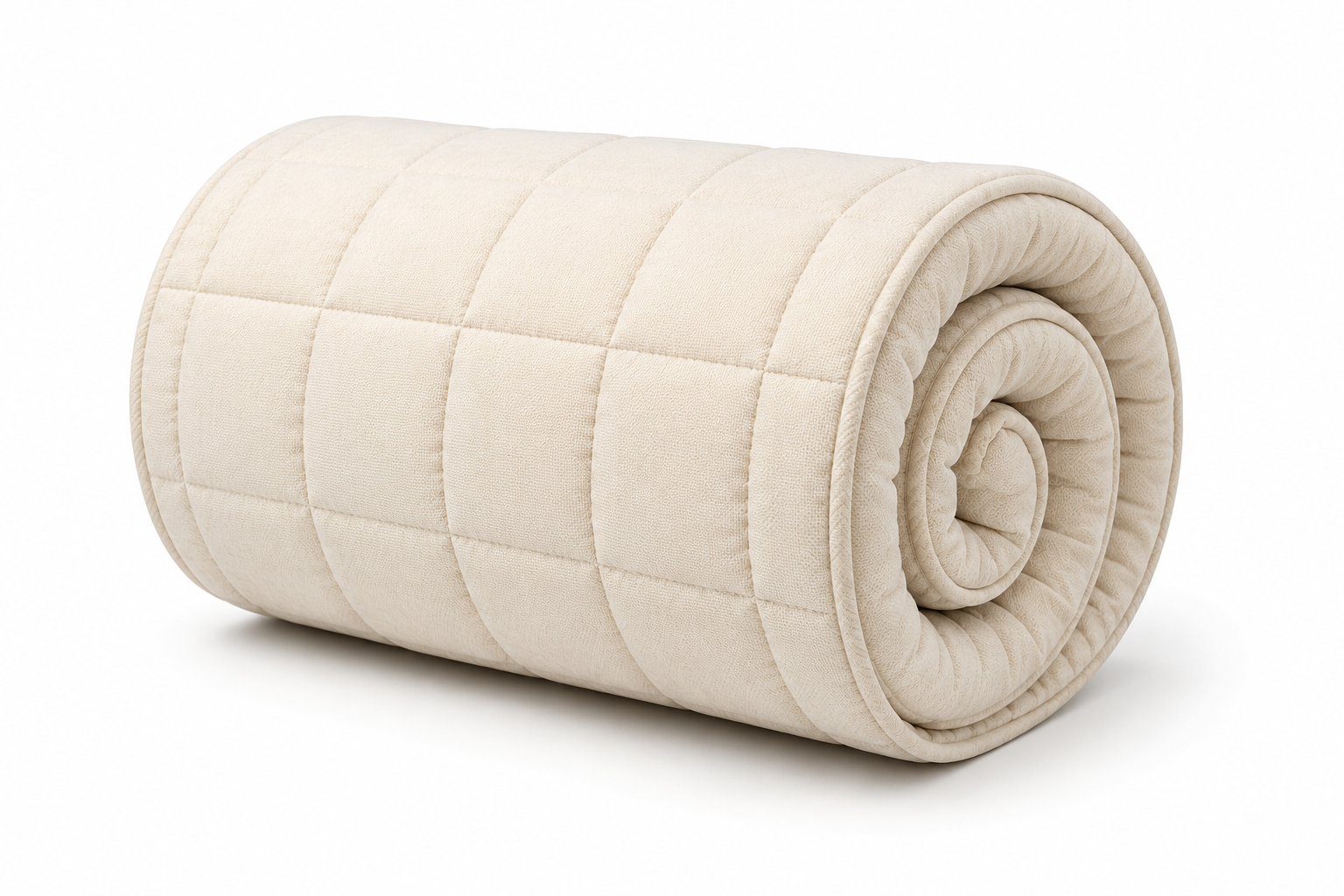 Mattress Foam Cores
 One-Part Urethane Sealants
 Upholstered Furniture Cushions
How We Keep Toluene Diisocyanate Out of a House
We do not knowingly install anything containing Toluene Diisocyanate. Our specifications name the chemistry we refuse, every submittal is screened against it, and substitutions are rejected — which is how a toxin free home stays that way through construction.
If you want a house specified this way from the start, or an existing house assessed for what is already in it, that is the work we do. Earth Bound Homes builds in Los Gatos, San Jose, Santa Clara County and across the San Francisco Bay Area.