Lead (Pb) and CompoundsCAS 7439-92-1
No safe blood level for children — neurodevelopmental damage and irreversible IQ loss at the lowest detectable exposures.
Toxic Chemical Databases
Substance-specific listings — these flags are for Lead alone, not for the broader family.
Chemical Type
Heavy Metal — Neurotoxin & Developmental Toxicant
Chemical Description
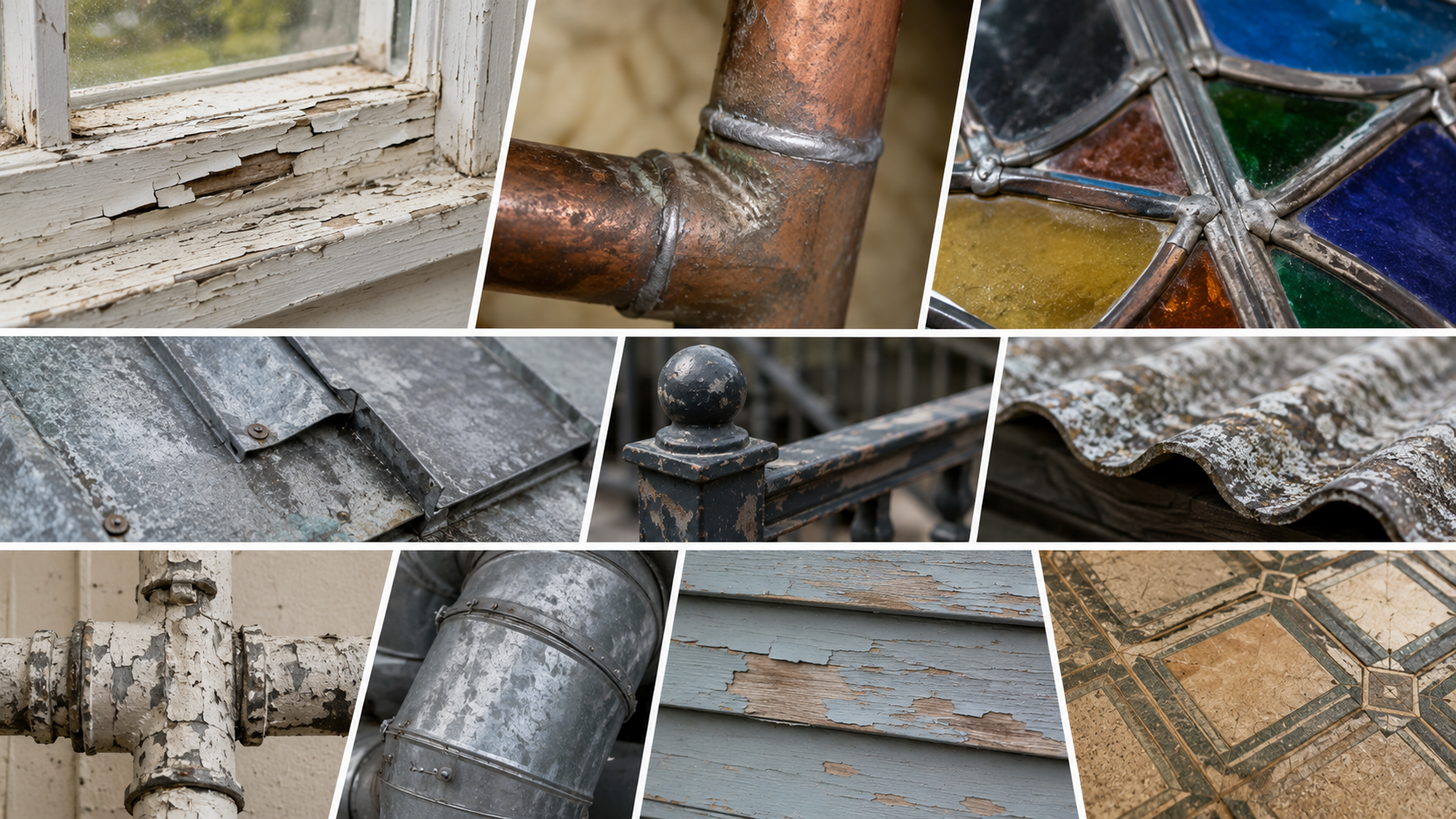
Lead is the textbook environmental neurotoxin. CDC's reference blood lead level dropped from 10 µg/dL to 5 µg/dL to 3.5 µg/dL in successive revisions — there is no demonstrated threshold below which neurodevelopmental effects don't occur. Pre-1978 paint and pre-1986 plumbing solder are the dominant residential sources. EPA's Renovation, Repair, and Painting (RRP) Rule governs lead-safe work practices for pre-1978 housing. IARC classifies inorganic lead compounds as Group 2A (probably carcinogenic).
Biological Activity
Severity scores specific to this substance, NOT the parent family average. Differences between siblings are real and meaningful.
Top Health Consequences
- Irreversible neurodevelopmental damage — no safe blood level for children
- IQ loss measurable at single-digit µg/dL blood lead
- Hypertension and cardiovascular disease in adult exposure
- Reduced kidney function with chronic exposure
- IARC Group 2A probable carcinogen
Pathways of Exposure
- Inhalation and ingestion of pre-1978 paint dust during demolition or renovation
- Drinking water from lead service lines, lead solder joints, and brass fittings
- Soil ingestion in legacy-industrial neighborhoods (especially for children)
- Imported pottery, cosmetics, and consumer goods with leaded glaze or pigment
Building Materials with Lead
Listed alphabetically — product categories where this specific substance appears.
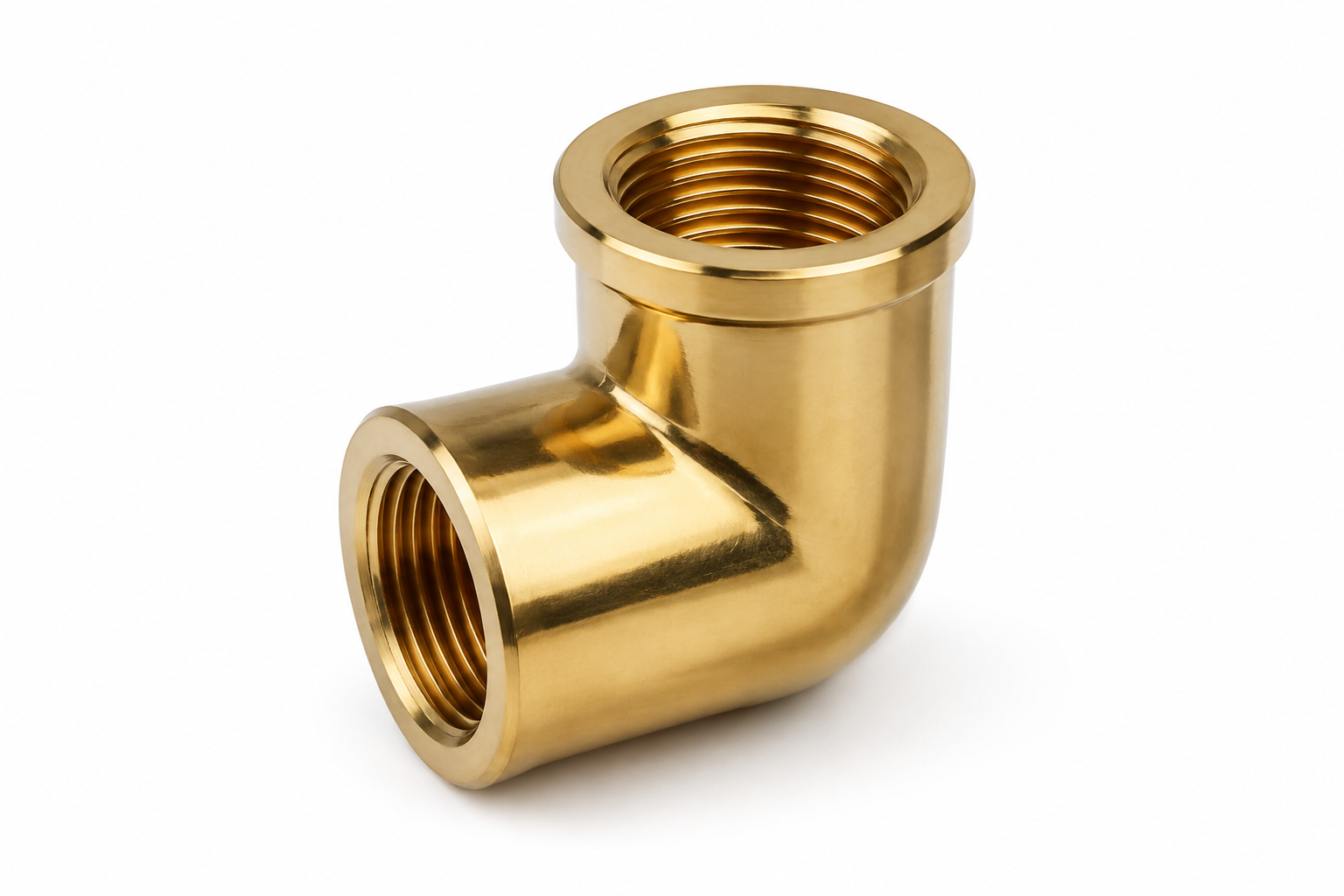 Brass Plumbing Fittings (Pre-2014)
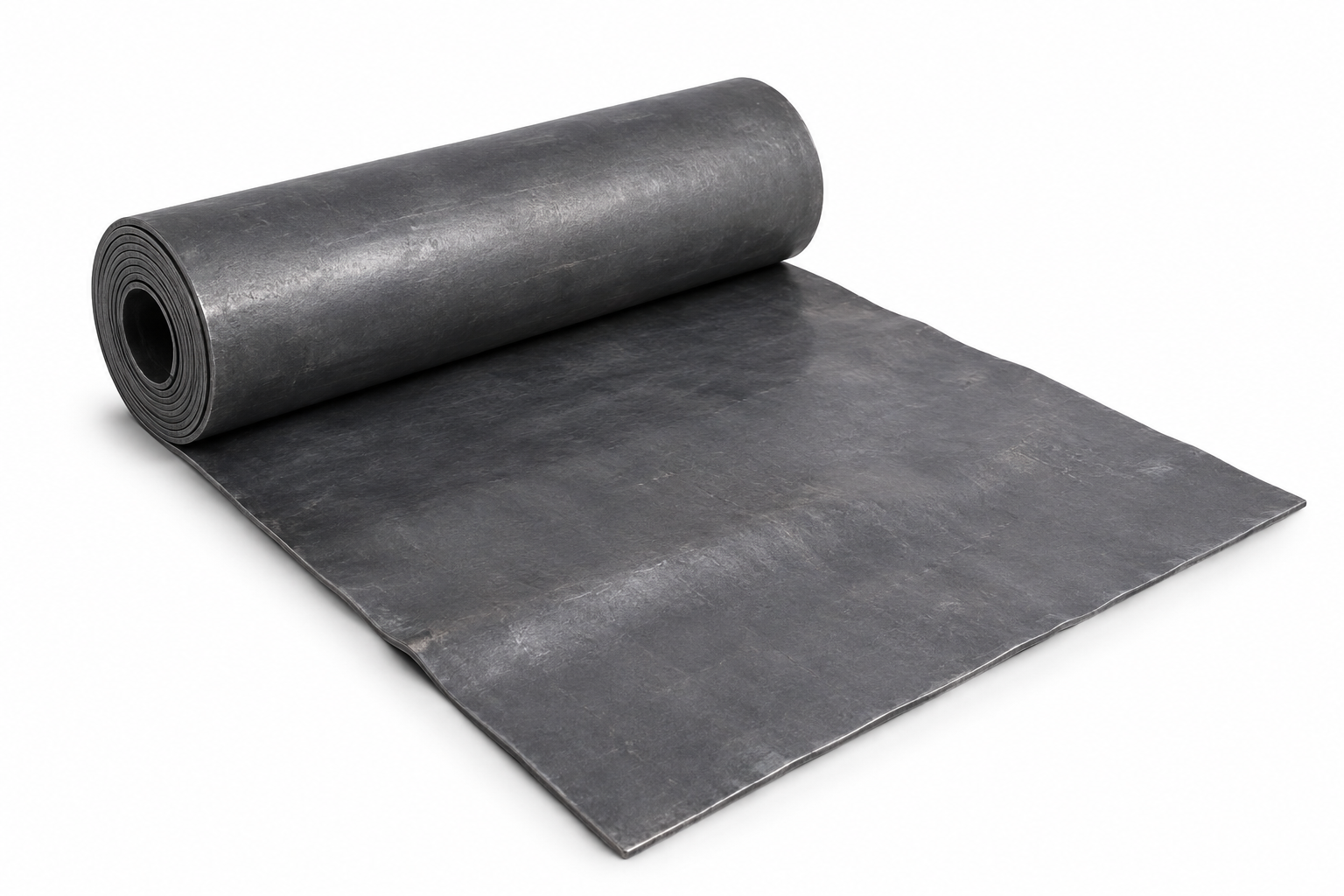 Lead Flashing & Radiation Shielding
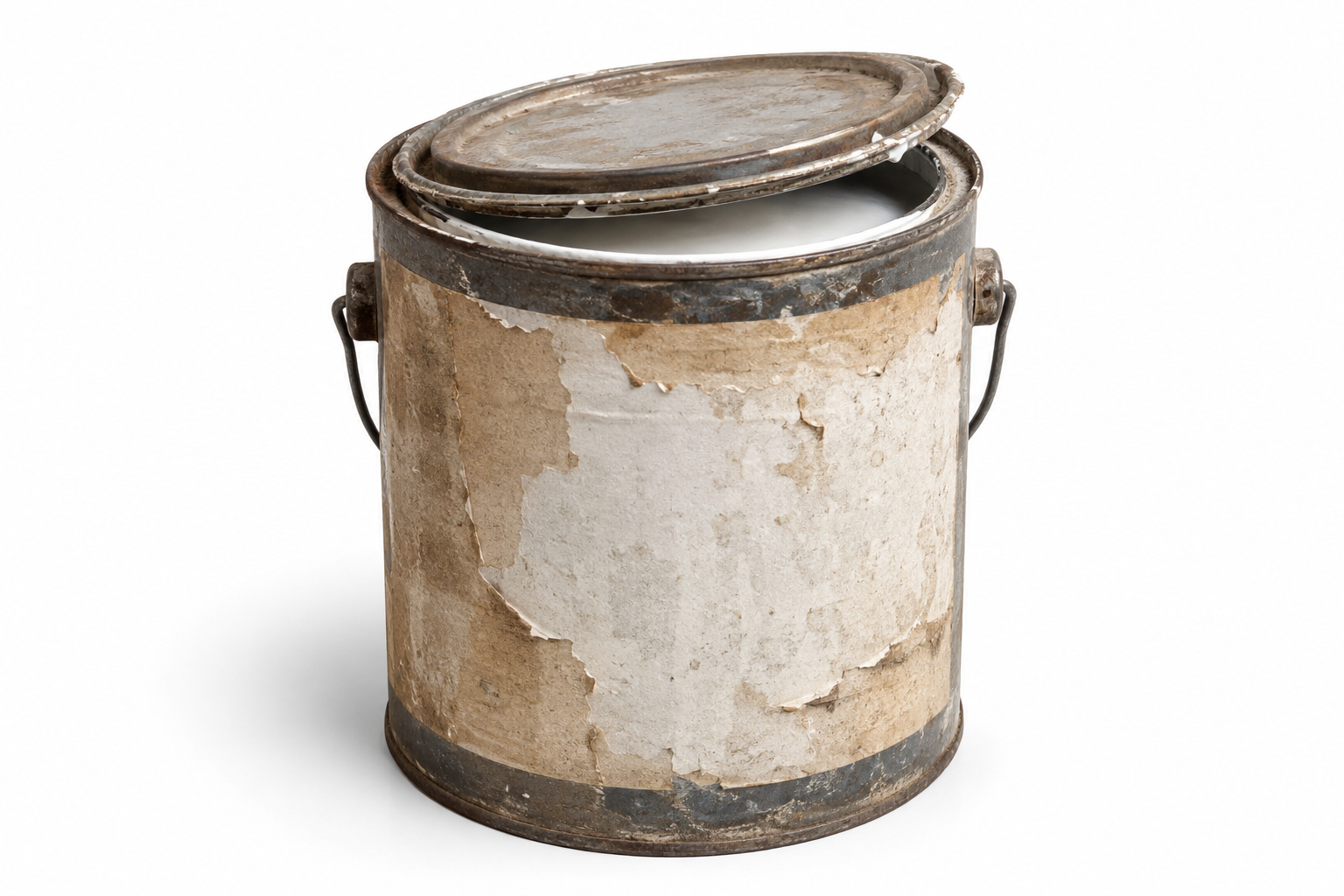 Lead Paint (Pre-1978)
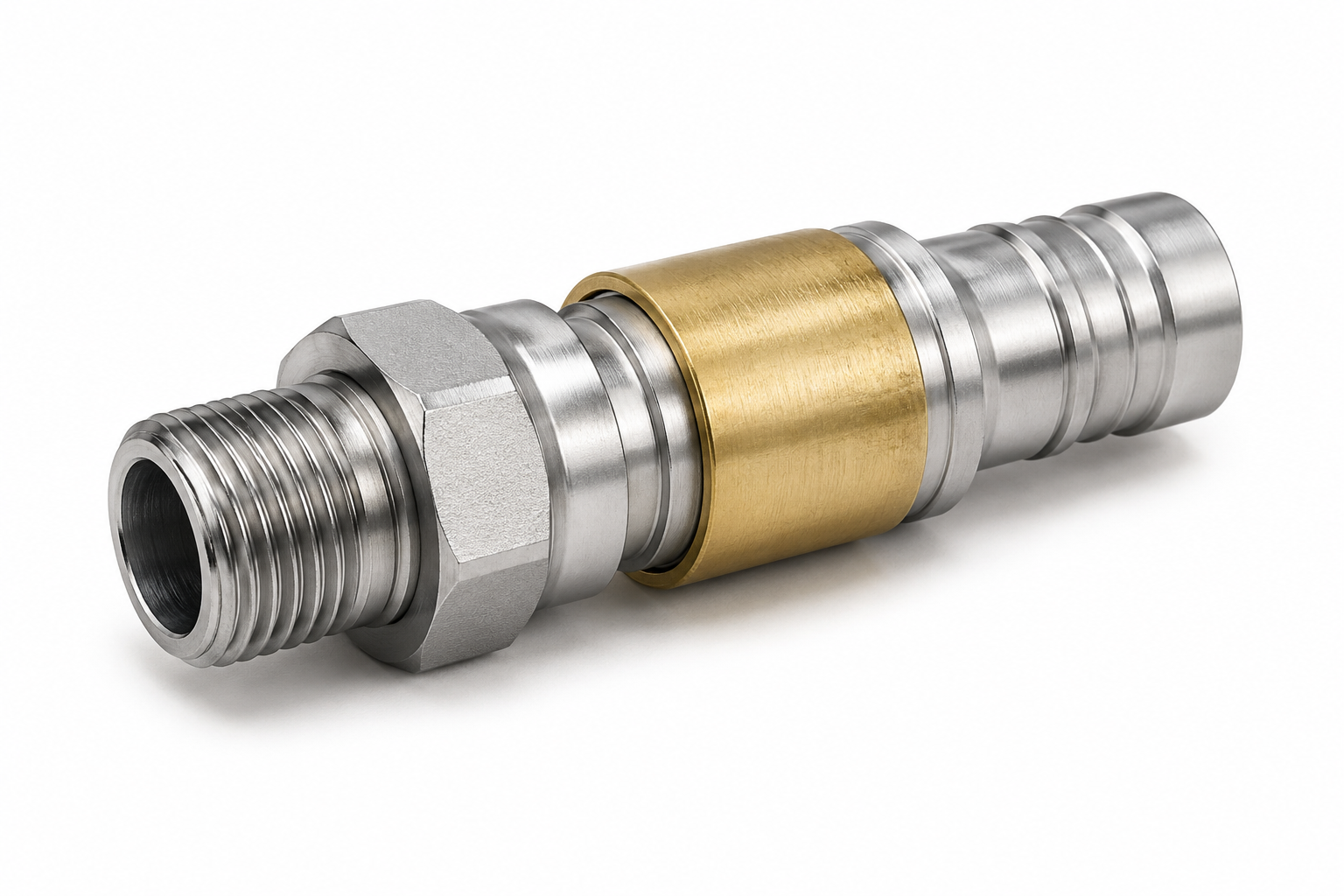 Lead Solder Joints (Pre-1986 Plumbing)
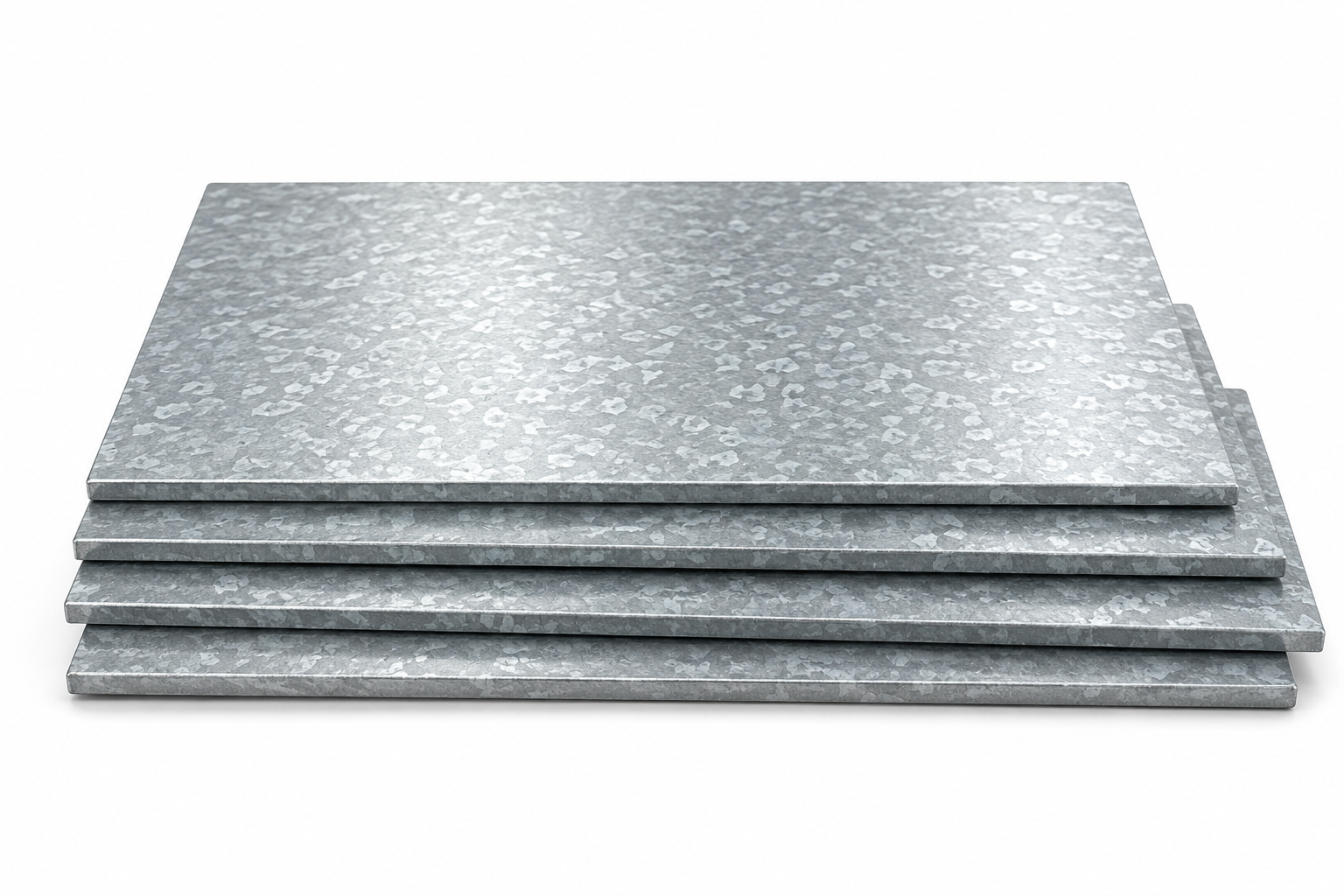 Solder & Roofing Flashing
How We Keep Lead (Pb) and Compounds Out of a House
Lead (Pb) and Compounds is one of the substances our screening is built to catch. A healthy home is won in the specification and the submittal review, long before anyone opens a bucket on site.
If you want a house specified this way from the start, or an existing house assessed for what is already in it, that is the work we do. Earth Bound Homes builds in San Jose, Los Gatos, Santa Clara County and across the San Francisco Bay Area.