Tricresyl Phosphate (TCP)CAS 1330-78-5
Mixed isomer flame retardant — the ortho-isomer (TOCP) is a notorious neurotoxin.

Toxic Chemical Databases
Substance-specific listings — these flags are for Tricresyl Phosphate alone, not for the broader family.
Chemical Type
Organophosphate Flame Retardant & Plasticizer
Chemical Description
Tricresyl phosphate is a mixture of ortho, meta, and para cresyl isomers. The ortho-isomer (TOCP) is the most studied — it caused the 1930s 'Ginger Jake' paralysis epidemic and remains the textbook organophosphate-induced delayed neuropathy (OPIDN) agent. Commercial TCP is now manufactured to minimize ortho content, but residual ortho-isomer at parts-per-million levels is still neurotoxic with chronic exposure. Used as a flame retardant in PVC, hydraulic fluids, and plasticizer in synthetic rubber.
Biological Activity
Severity scores specific to this substance, NOT the parent family average. Differences between siblings are real and meaningful.
Top Health Consequences
- Organophosphate-induced delayed neuropathy (OPIDN) — irreversible peripheral nerve damage
- Cholinesterase inhibition at high exposure
- Reproductive toxicity and reduced fertility endpoints
- Endocrine activity at low chronic doses
Pathways of Exposure
- Off-gassing from flexible PVC and synthetic rubber products
- Inhalation of aerosolized hydraulic fluid (aviation cabin air)
- Skin contact with treated upholstery
Building Materials with Tricresyl Phosphate
Listed alphabetically — product categories where this specific substance appears.
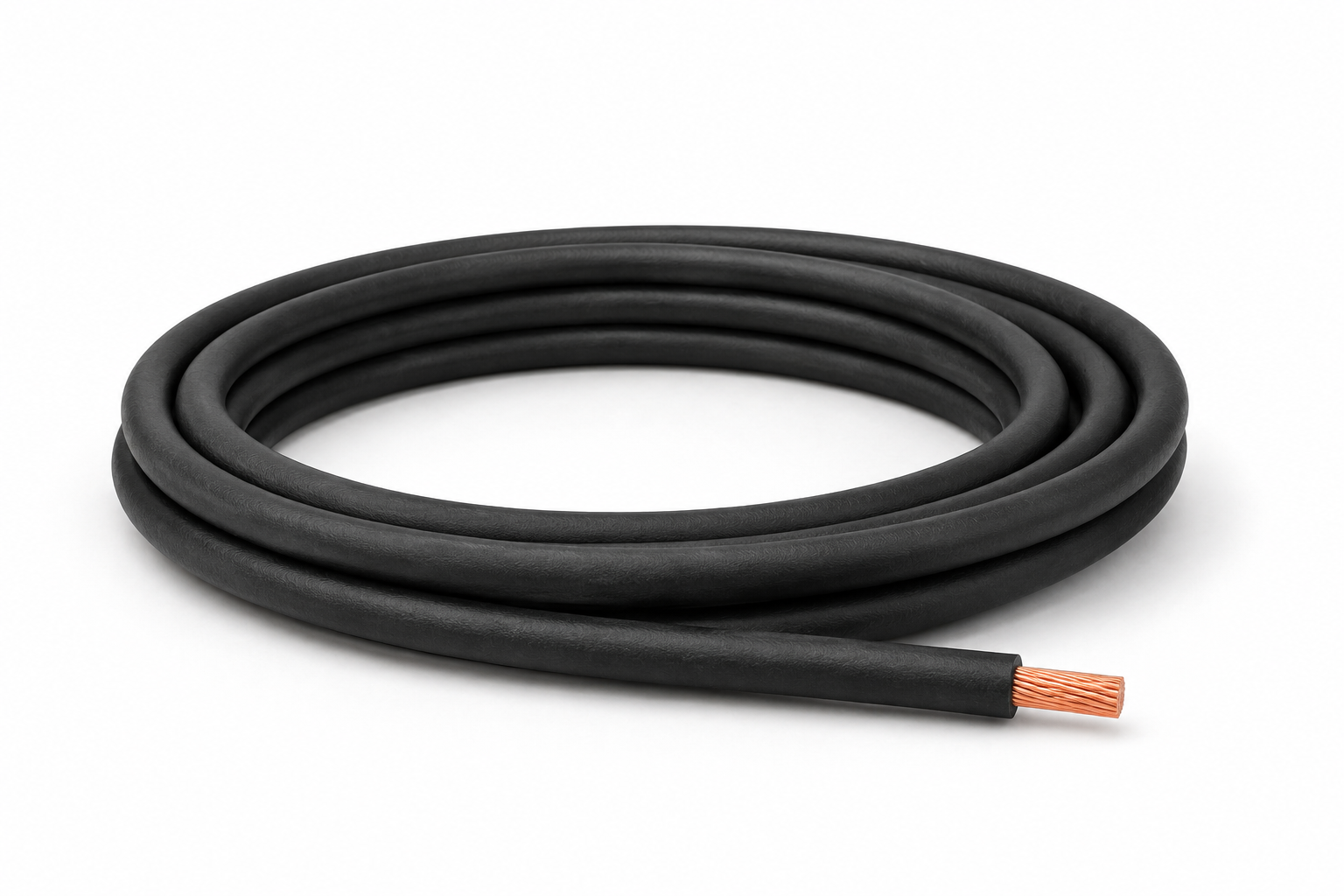 Electrical Cable & Wire Jacketing
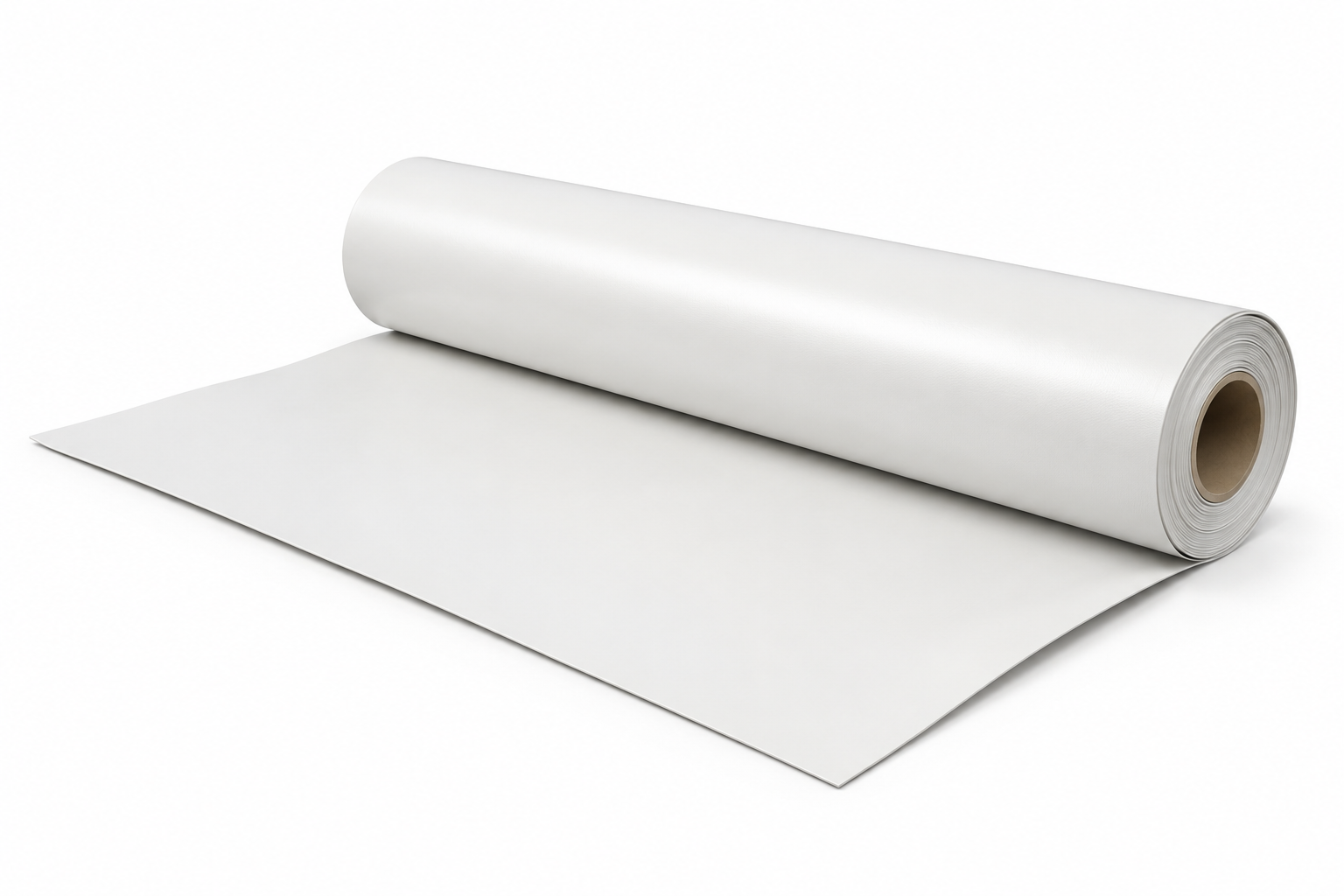 Flexible PVC Sheet & Membrane
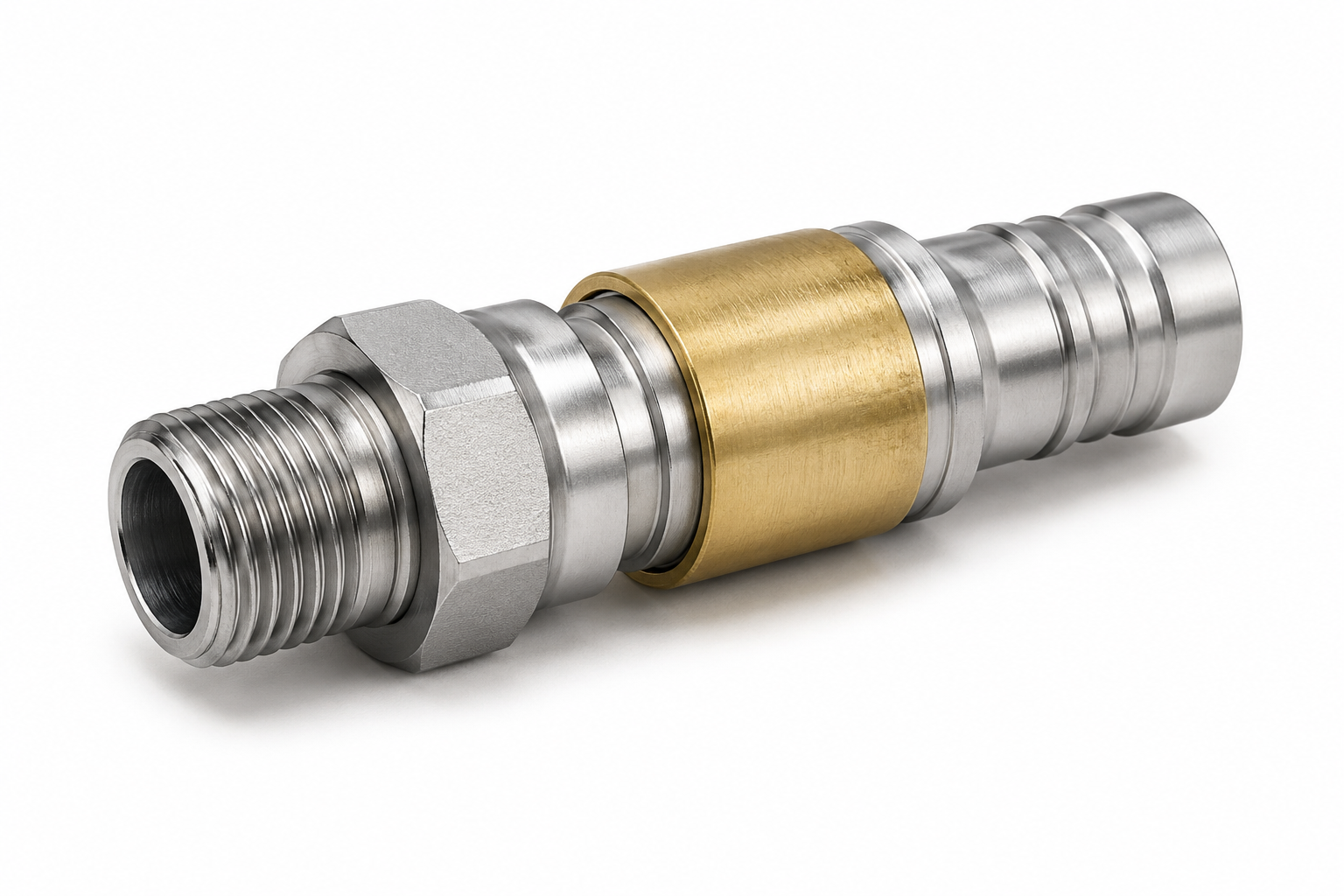 Hydraulic & Lubricant-Treated Components
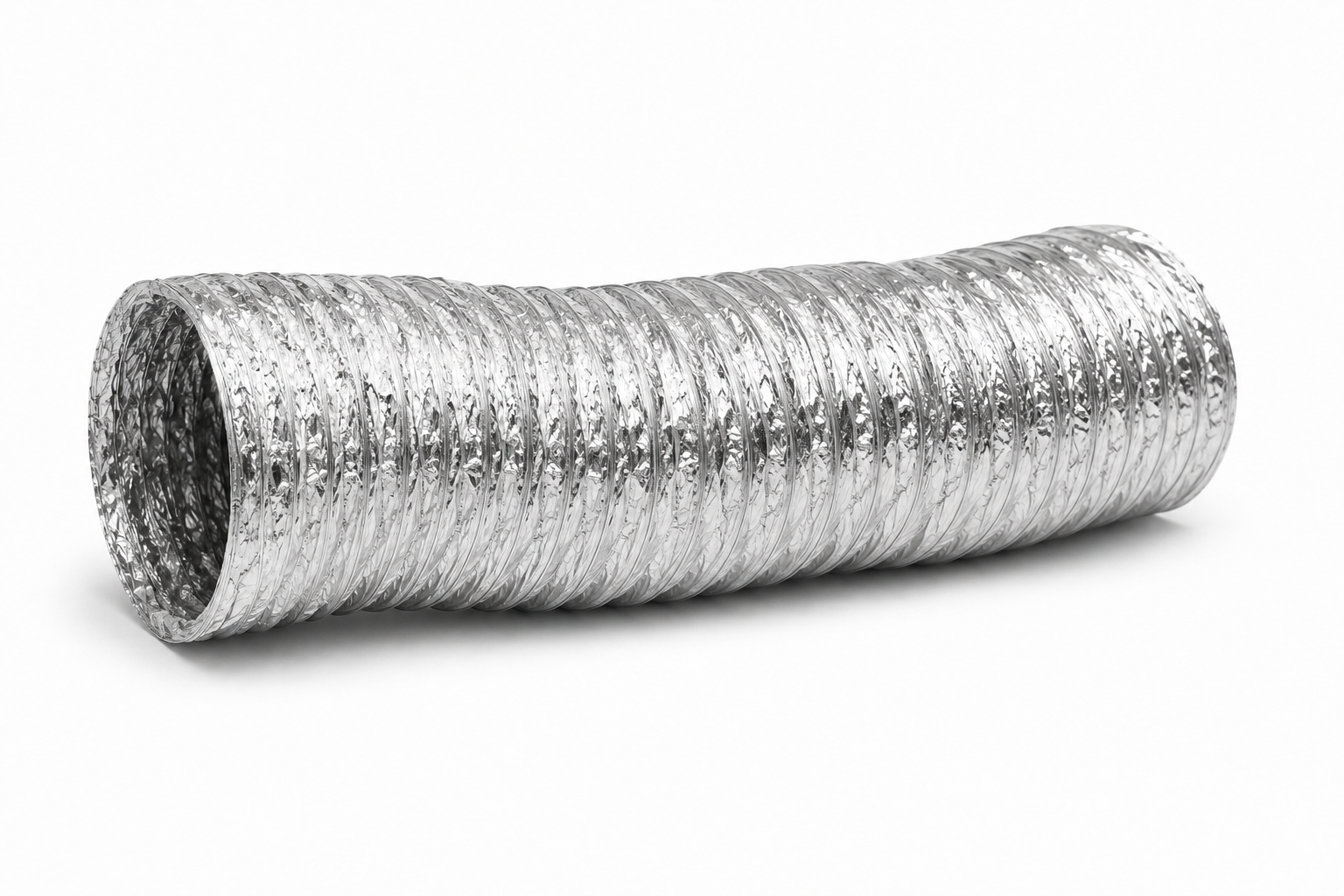 Synthetic Rubber Hoses & Gaskets
How We Keep Tricresyl Phosphate Out of a House
Tricresyl Phosphate is one of the substances our screening is built to catch. A healthy home is won in the specification and the submittal review, long before anyone opens a bucket on site.
If you want a house specified this way from the start, or an existing house assessed for what is already in it, that is the work we do. Earth Bound Homes builds in Palo Alto, Atherton, Menlo Park and across the San Francisco Bay Area.