Hexamethylene Diisocyanate (HDI)CAS 822-06-0
The 'aliphatic' isocyanate in automotive refinish clearcoats — UV-stable but a potent occupational asthmagen.
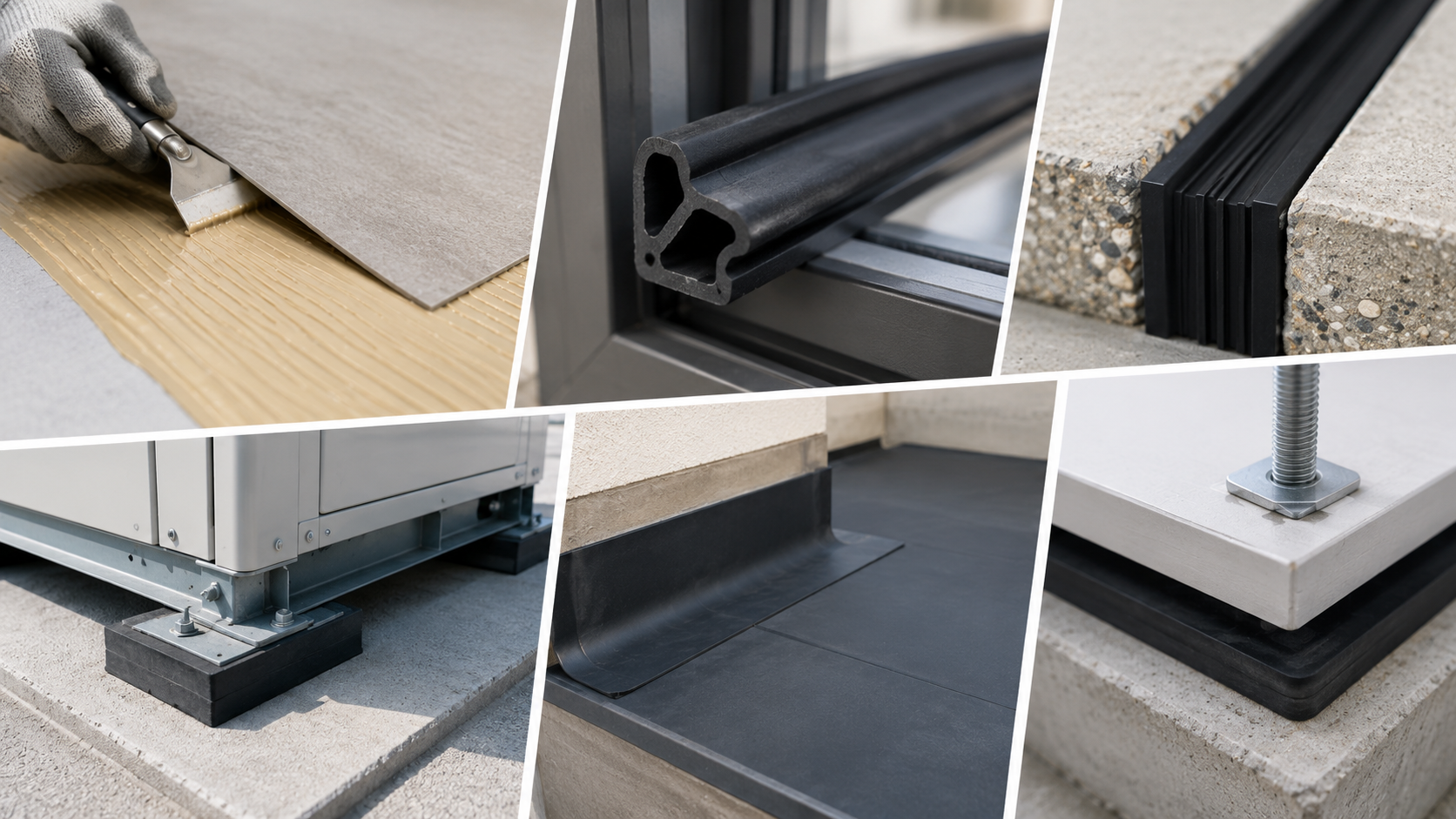
Toxic Chemical Databases
Substance-specific listings — these flags are for Hexamethylene Diisocyanate alone, not for the broader family.
Chemical Type
Aliphatic Diisocyanate
Chemical Description
HDI is the workhorse aliphatic isocyanate used where UV-stability matters — automotive refinish two-part clearcoats are the dominant use. Aliphatic isocyanates resist yellowing that aromatic MDI and TDI exhibit in sunlight. From an occupational health perspective HDI is one of the worst respiratory sensitizers; automotive paint shops have the highest documented isocyanate-asthma incidence of any industry. Typically formulated as biuret, isocyanurate (HDT), or uretdione oligomers rather than the monomer.
Biological Activity
Severity scores specific to this substance, NOT the parent family average. Differences between siblings are real and meaningful.
Top Health Consequences
- Occupational asthma — highest documented incidence in autobody refinishing
- Lifelong respiratory sensitization once triggered
- Skin sensitization and allergic contact dermatitis
- Aerosolized particulate exposure dominates risk over monomer vapor
Pathways of Exposure
- Inhalation of spray aerosol during two-part coating application
- Off-gassing during cure window
- Skin contact with uncured product
Building Materials with Hexamethylene Diisocyanate
Listed alphabetically — product categories where this specific substance appears.
 Automotive Refinish Clearcoats
 Exterior High-Performance Coatings
 Marine & Specialty Two-Part Coatings
How We Keep Hexamethylene Diisocyanate Out of a House
We do not knowingly install anything containing Hexamethylene Diisocyanate. Our specifications name the chemistry we refuse, every submittal is screened against it, and substitutions are rejected — which is how a toxin free home stays that way through construction.
If you want a house specified this way from the start, or an existing house assessed for what is already in it, that is the work we do. Earth Bound Homes builds in Atherton, Palo Alto, Redwood City and across the San Francisco Bay Area.