Volatile Organic Compounds (VOCs)
The catch-all category of small, evaporating organics that drive indoor-air complaints.

Toxic Chemical Databases
Where this family lands across the nine independent toxicology authorities we screen against.
Chemical Type
Mixed Solvent & Off-Gas Class
Chemical Description
VOCs are the umbrella category for any carbon-containing molecule that evaporates at room temperature. Hundreds of distinct compounds qualify: benzene, toluene, xylene, ethylbenzene, methylene chloride, n-hexane, glycol ethers, acetone, formaldehyde itself, and many more. Most enter the home through paints, stains, adhesives, caulks, cleaners, air fresheners, and freshly-installed flooring, then evaporate over weeks to months. The toxicity profile is as varied as the chemistry. The aromatic VOCs (benzene, toluene, xylene) are neurotoxic and carcinogenic. Chlorinated VOCs (methylene chloride, trichloroethylene) are liver and kidney toxicants. Glycol ethers are reproductive toxicants. The defining feature across the class is that VOC concentrations are typically 2–10x higher indoors than outdoors. EBH specifies low- and zero-VOC products throughout every project, ventilates aggressively during the construction and post-install cure window, and treats the full SVOC tail (semi-volatile organics like plasticizers and flame retardants) as part of the same air-quality strategy.
Chemical Structure
Molecular schematic for Volatile Organic Compounds (VOCs) — formula and structural features shown below.
Biological Activity
Severity scores summarize hazard endpoints from IARC, NTP, EPA IRIS, ATSDR, and NIOSH on a 0–10 scale. Mirrors the system-level output of our SDS Toxic Chemical Screener.
Chemical Analogs and Brand Names
- Benzene — CAS 71-43-2
- Toluene — CAS 108-88-3
- Xylene (mixed) — CAS 1330-20-7
- Ethylbenzene — CAS 100-41-4
- Methylene chloride — CAS 75-09-2
- n-Hexane — CAS 110-54-3
- 2-Butoxyethanol — CAS 111-76-2
- C
Top Health Consequences
- Benzene — IARC Group 1 leukemia carcinogen
- Toluene and xylene — central nervous system depression and ototoxicity
- Methylene chloride — acute fatal carboxyhemoglobinemia at high doses
- Headache, dizziness, fatigue, and "sick building syndrome" symptoms
- Asthma triggering and exacerbation in sensitized occupants
- Long-latency cancers from chronic low-dose aromatic exposure
Pathways of Exposure
- Inhalation during paint, stain, and adhesive installation
- Off-gassing from new flooring, cabinetry, and furniture
- Cleaning-product use and stored solvent inventory in attached garages
- Indoor combustion sources (gas stoves, candles, woodstoves)
- Permeation through attached-garage walls from stored fuel and equipment
Substances in this Family
Each substance below has its own profile page with its own database flags, biological-activity scores, and exposure pathways — they are NOT interchangeable.
Building Materials with Volatile Organic Compounds (VOCs)
Listed alphabetically. These are the product categories where this chemistry most often shows up — not an exhaustive list.
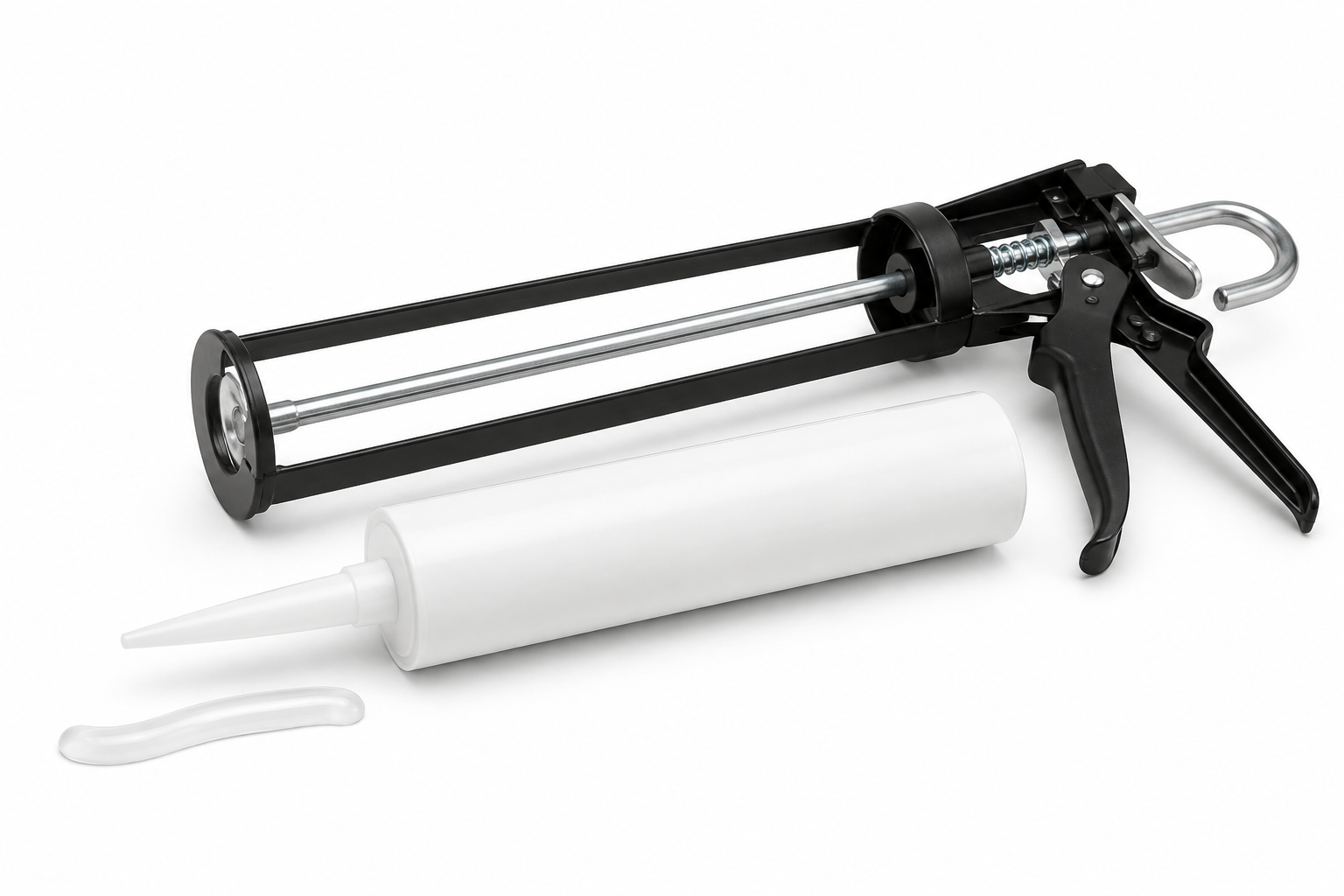 Adhesives & Construction Mastics
 Alkyd Oil-Based Paints & Primers
 Carpet & Carpet-Pad Adhesives
 Caulks & Sealants (Solvent-Based)
 Floor Finishes & Wood Stains
 Lacquer & Shellac Finishes
 Paint Strippers & Thinners
 Solvent-Borne Concrete Sealers
 Solvent-Borne Roofing Cements
 Wallpaper Adhesives
Volatile Organic Compounds and the Houses We Build Without Them
Volatile Organic Compounds appears in more building products than most homeowners would believe. Our specifications exclude the family outright, which is what lets us promise a genuinely toxin free home instead of a lower-emission one.
Every house we build is designed as a healthy, mold free, all electric Passive House — the chemical screening is one layer of that, not the whole of it. Earth Bound Homes builds in Palo Alto, Menlo Park, San Mateo County and across the San Francisco Bay Area.