Antimony Trioxide (ATO)CAS 1309-64-4
Not a flame retardant by itself — a synergist that multiplies the effect of brominated and chlorinated FRs.

Toxic Chemical Databases
Substance-specific listings — these flags are for Antimony Trioxide alone, not for the broader family.
Chemical Type
Inorganic Halogen Synergist
Chemical Description
Antimony trioxide is added to PVC, polyurethane foam, textiles, and electronics enclosures alongside a halogenated flame retardant; it intensifies the halogen's flame-suppressing action by a factor of three to five. IARC has classified Sb₂O₃ as Group 2B (possibly carcinogenic to humans) based on inhalation lung-tumor data in rodents and human occupational cohorts. The mineral is heavy and tends to settle into house dust rather than off-gas.
Biological Activity
Severity scores specific to this substance, NOT the parent family average. Differences between siblings are real and meaningful.
Top Health Consequences
- Lung-tumor signal in inhalation rodent studies and worker cohorts
- Chronic respiratory inflammation and reduced lung function
- Skin and conjunctival irritation at occupational dust levels
- Cardiac effects at high occupational exposure
Pathways of Exposure
- Dust ingestion from textiles, plastics, and electronics housings
- Inhalation of particulate during demolition or fabric processing
- Hand-to-mouth uptake for crawling infants
Building Materials with Antimony Trioxide
Listed alphabetically — product categories where this specific substance appears.
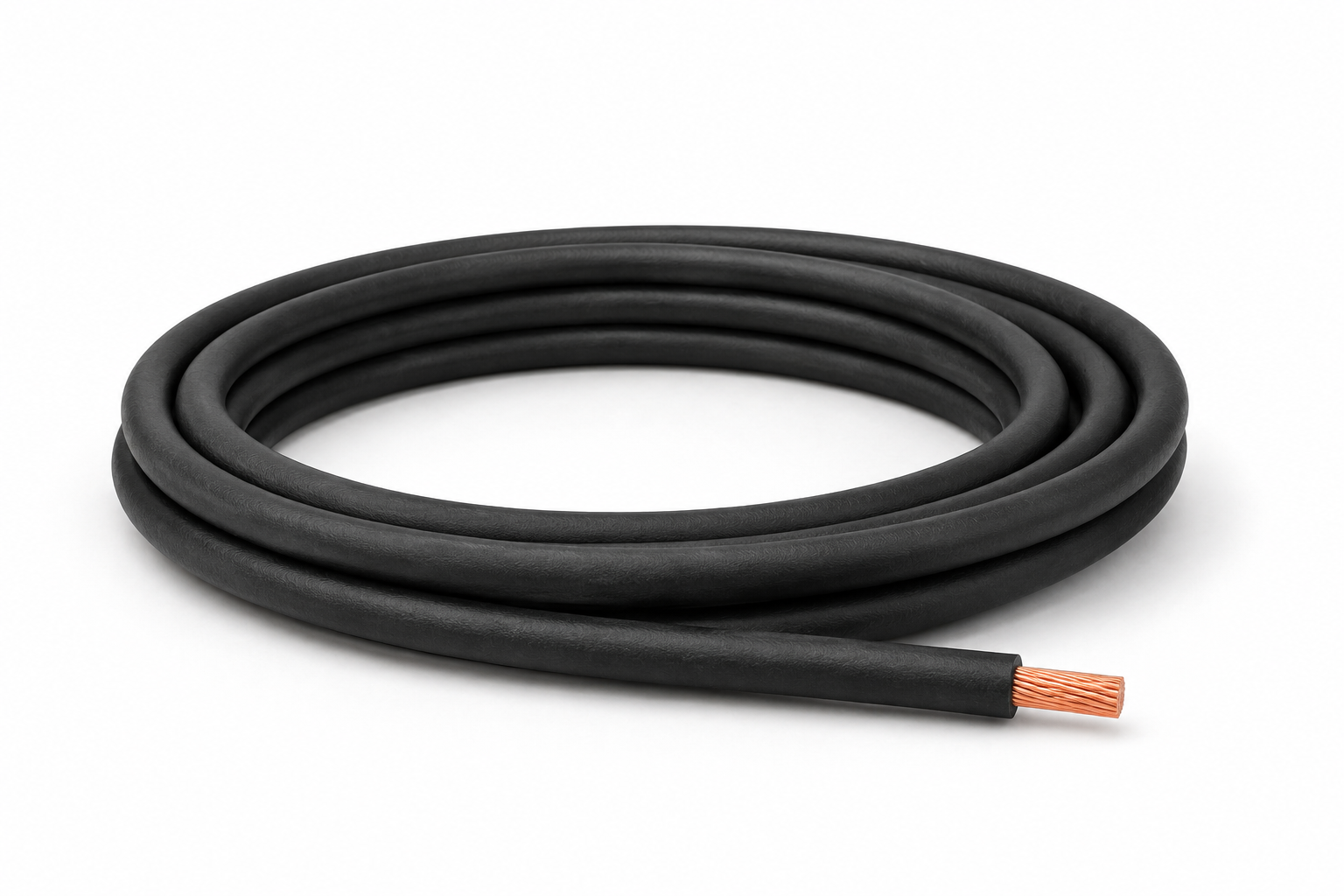 Electrical Cable Jacketing
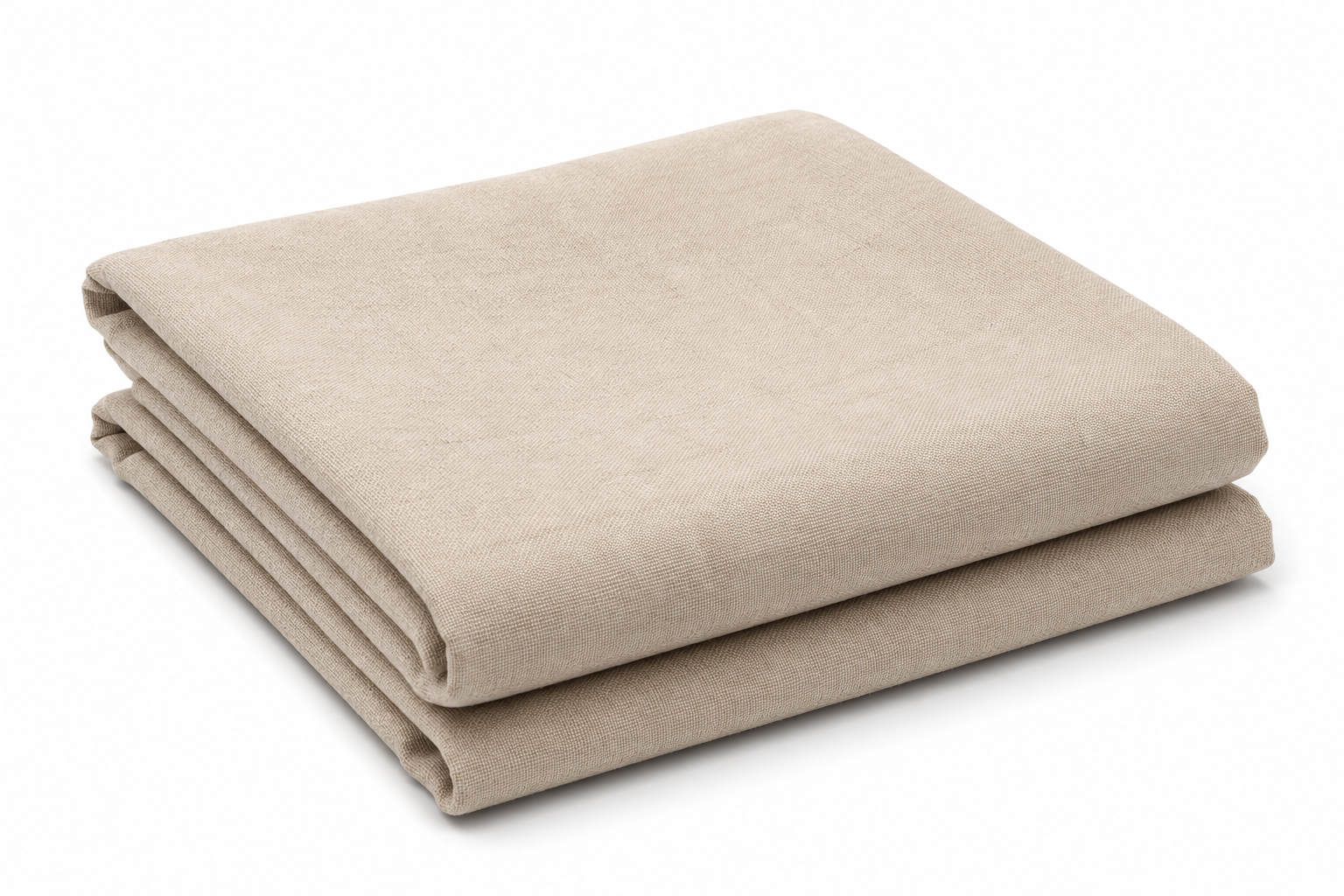 Flame-Treated Drapery & Upholstery
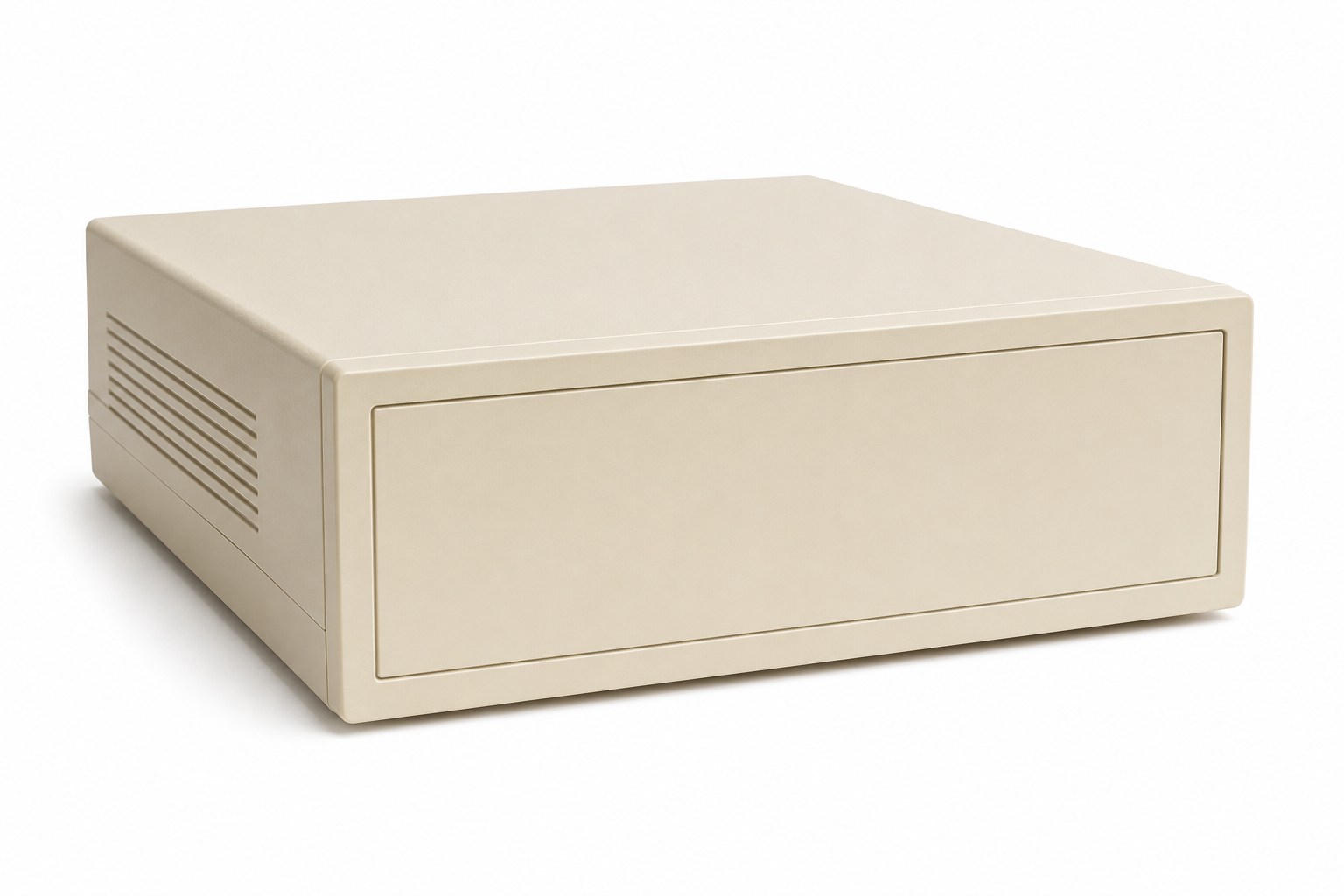 Plastic Electronics Housings
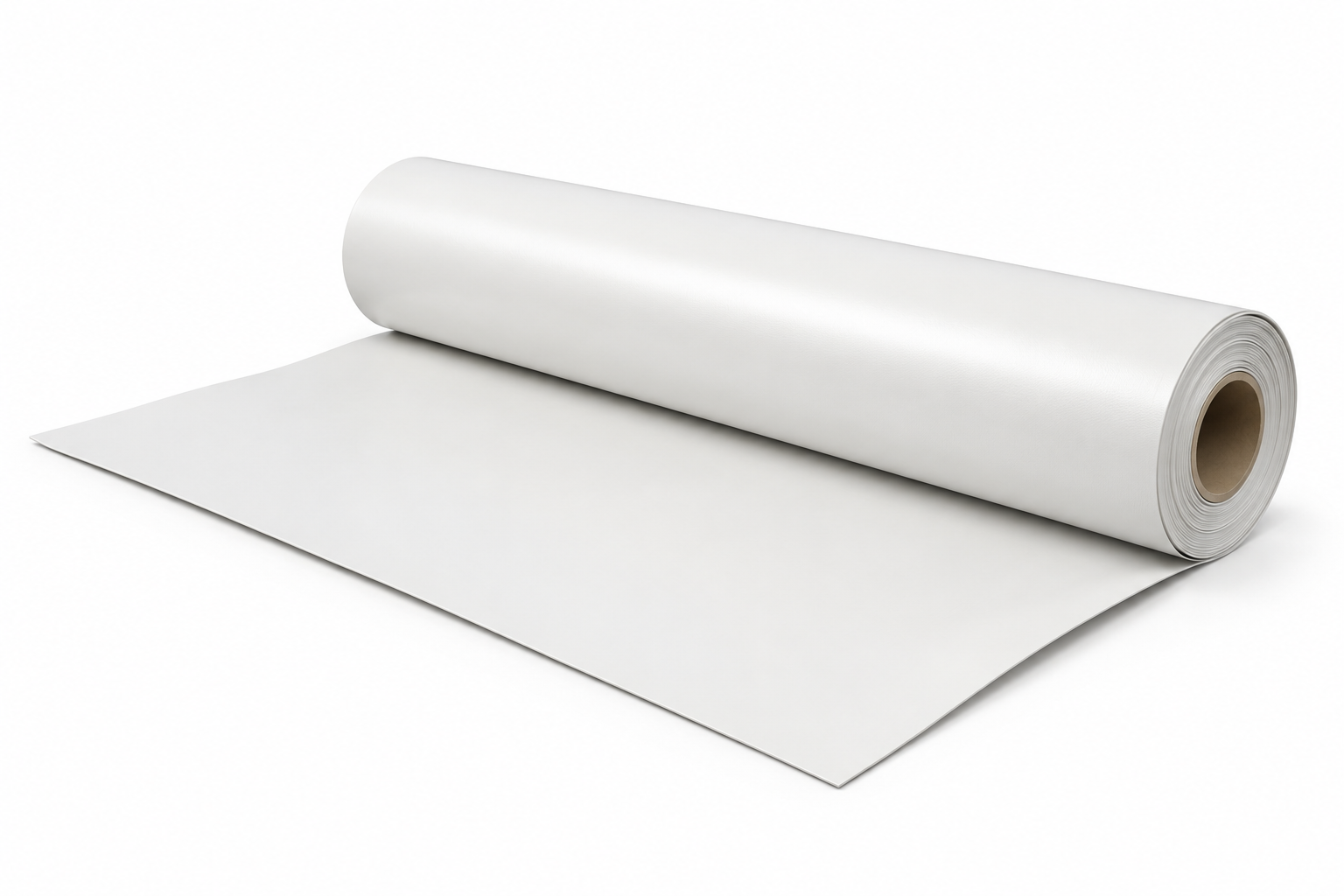 PVC Roofing Membrane
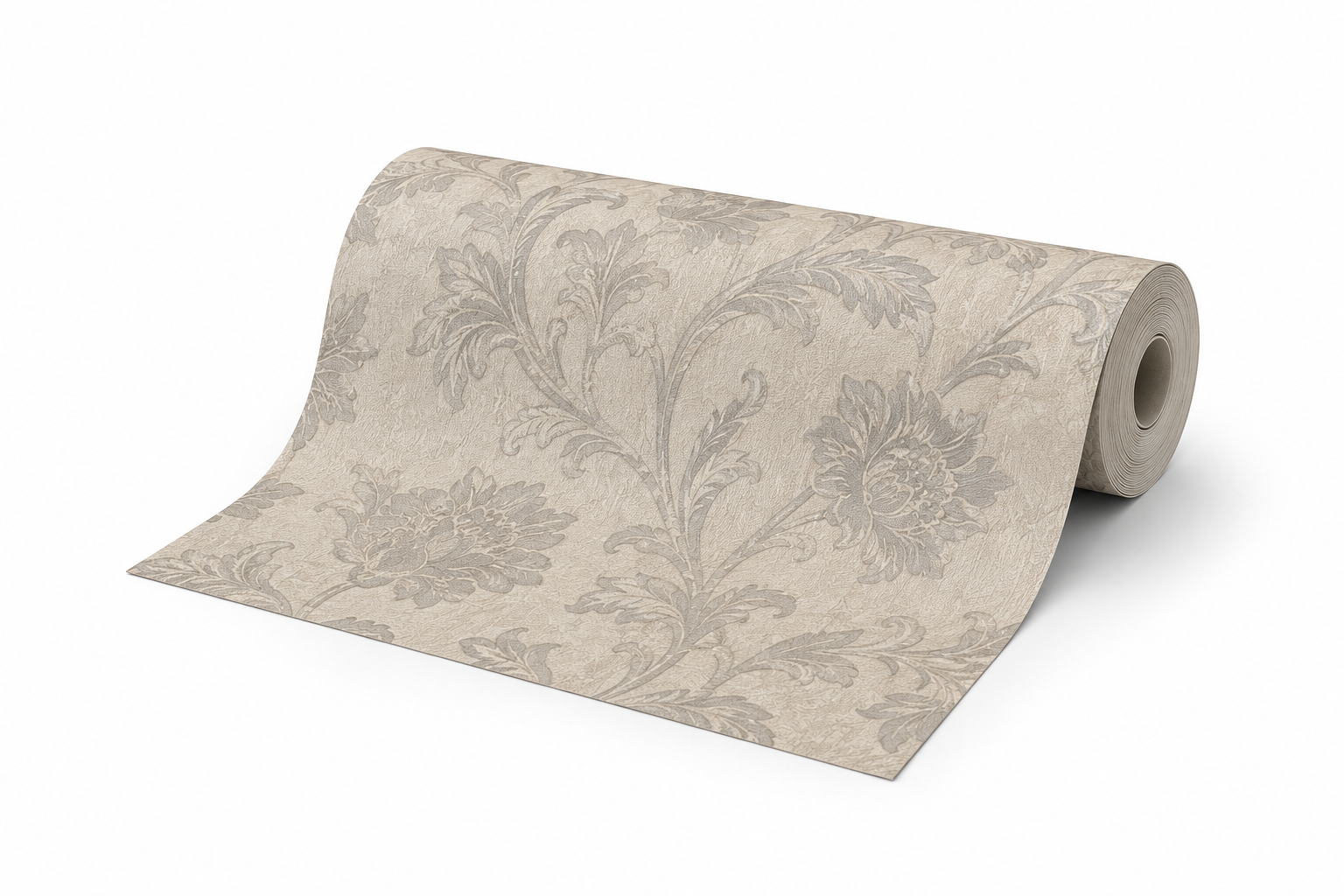 Vinyl Wall Coverings
How We Keep Antimony Trioxide Out of a House
Antimony Trioxide is on our avoid list, which means it is specified out of the project before bidding — not caught on site. Keeping chemistry like this out of the house is the practical difference between a healthy home and an ordinary one.
If you want a house specified this way from the start, or an existing house assessed for what is already in it, that is the work we do. Earth Bound Homes builds in Menlo Park, Redwood City, San Mateo County and across the San Francisco Bay Area.