Styrene & Polystyrene
The monomer in foam insulation, plastic cups, and synthetic rubber — IARC reclassified "probable carcinogen."
Toxic Chemical Databases
Where this family lands across the nine independent toxicology authorities we screen against.
Chemical Type
Aromatic Vinyl Monomer
Chemical Description
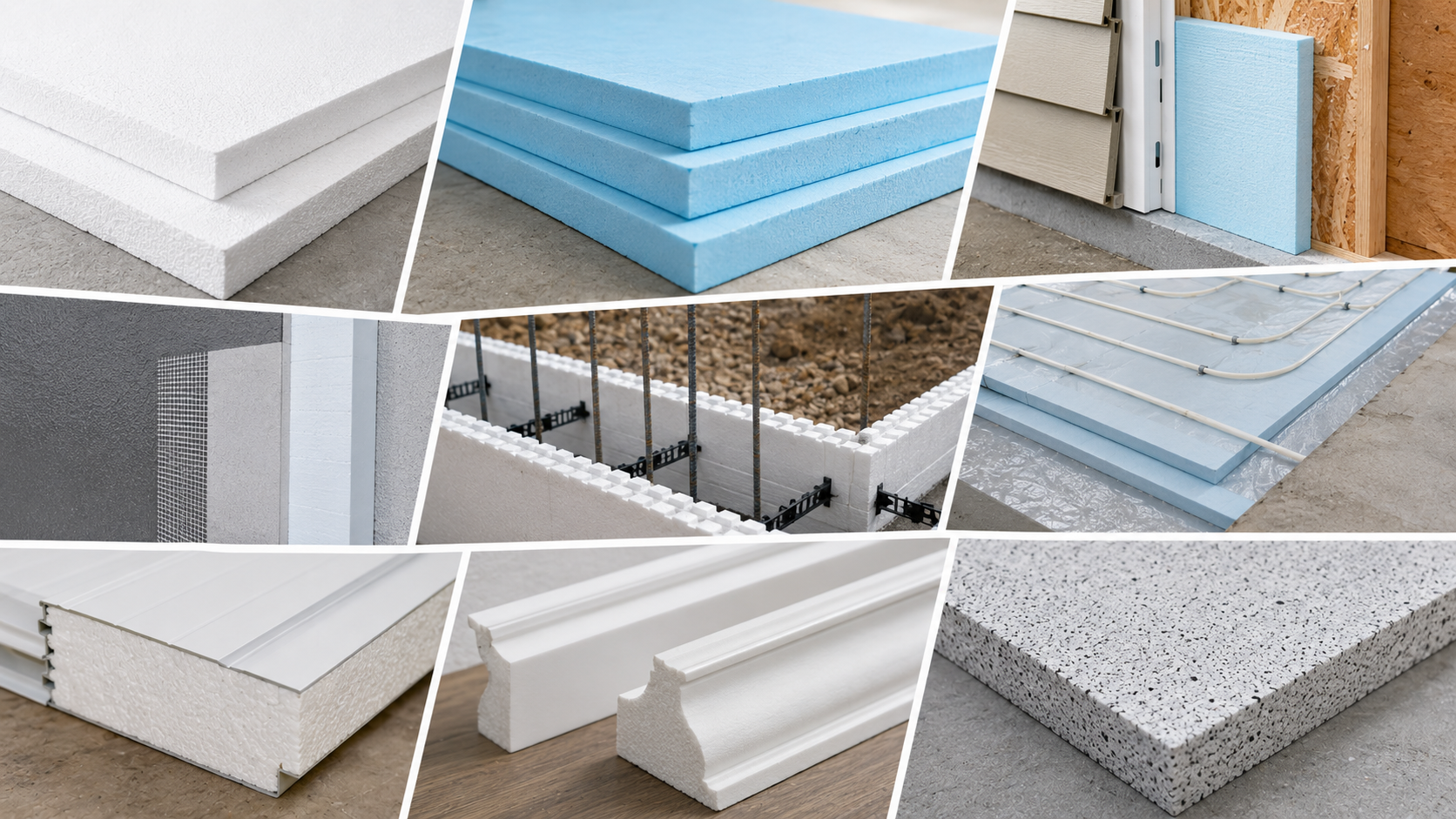
Styrene is a sweet-smelling, oil-soluble liquid that polymerizes into polystyrene — the rigid plastic in EPS foam and XPS rigid insulation, ABS pipe, polystyrene packaging, and styrene-butadiene synthetic rubber used in carpet backing and adhesives. IARC upgraded styrene to Group 2A (probable human carcinogen) in 2019, citing leukemia and lymphoma signals from occupational cohorts. Cured polystyrene foam in a wall assembly off-gasses residual monomer slowly, and degraded or thermally-abused foam (think: torch-down roofing over EPS, or wildfire smoke exposure) releases styrene plus the brominated flame retardants that older boards contain. EBH prefers mineral-wool rigid board, wood-fiber insulation, or cellular-glass over EPS/XPS wherever the thermal performance allows.
Chemical Structure
Molecular schematic for Styrene & Polystyrene — formula and structural features shown below.
Biological Activity
Severity scores summarize hazard endpoints from IARC, NTP, EPA IRIS, ATSDR, and NIOSH on a 0–10 scale. Mirrors the system-level output of our SDS Toxic Chemical Screener.
Chemical Analogs and Brand Names
- Styrene — CAS 100-42-5
- Polystyrene (PS, EPS, XPS) — CAS 9003-53-6
- Acrylonitrile-butadiene-styrene (ABS) — CAS 9003-56-9
- Styrene-butadiene rubber (SBR) — CAS 9003-55-8
- C
Top Health Consequences
- Leukemia and lymphoma signals in occupational cohorts (IARC Group 2A)
- Color-vision deficits and slowed reaction time at occupational exposure levels
- Hearing loss combined with co-exposure to noise
- Liver enzyme elevation with chronic inhalation
- Skin and respiratory irritation at high concentrations
Pathways of Exposure
- Off-gassing from new EPS/XPS rigid foam insulation
- Inhalation during ABS pipe cement application
- Off-gassing from styrene-butadiene carpet backing latex
- Thermal degradation byproducts (roofing torch-down, fire damage)
- Food contact migration from polystyrene packaging (background)
Substances in this Family
Each substance below has its own profile page with its own database flags, biological-activity scores, and exposure pathways — they are NOT interchangeable.
Building Materials with Styrene & Polystyrene
Listed alphabetically. These are the product categories where this chemistry most often shows up — not an exhaustive list.
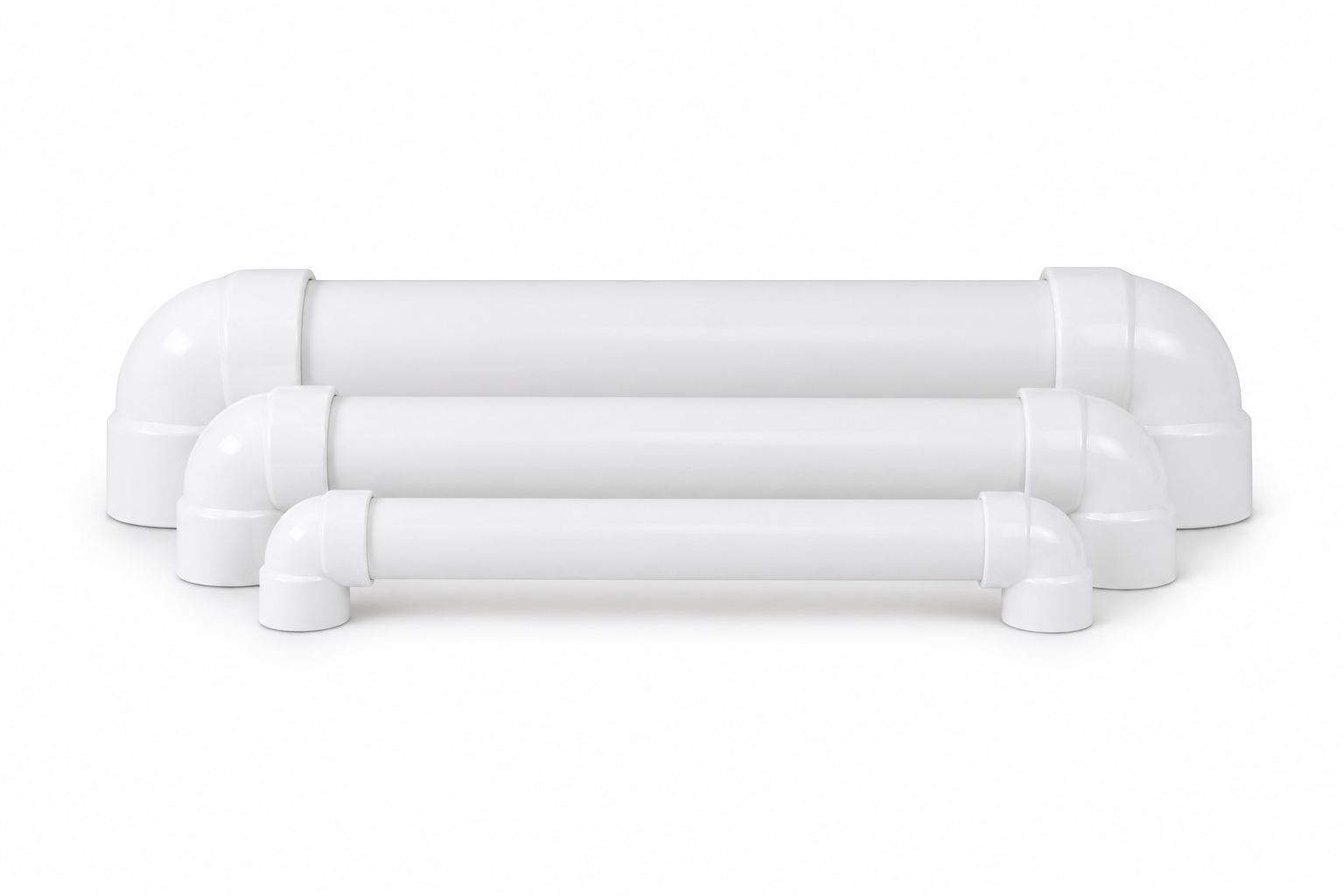 ABS Drain-Waste-Vent Pipe
 ABS Pipe Cement & Solvents
 Acoustical Insulation Foam
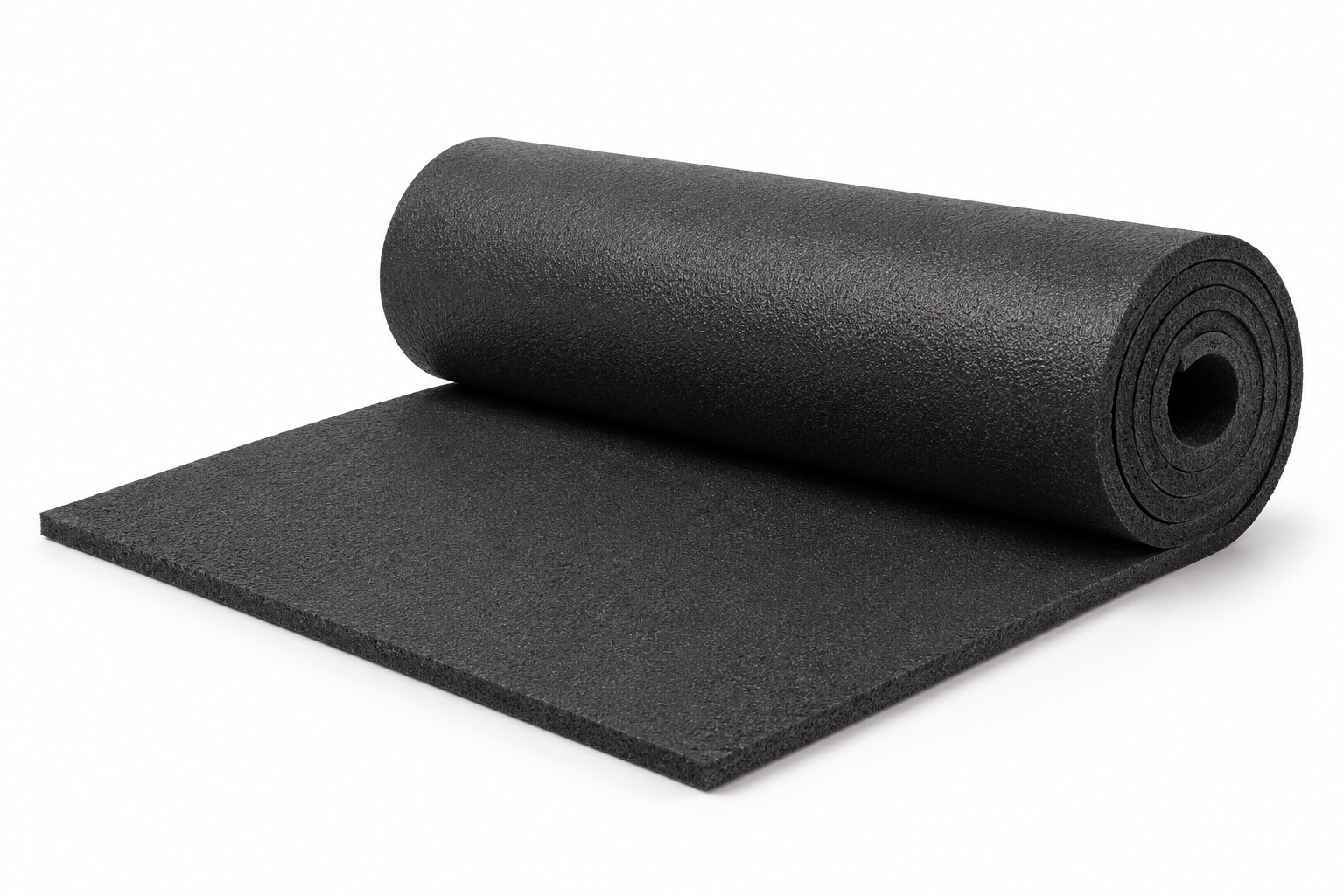 Carpet Latex Backing (SBR)
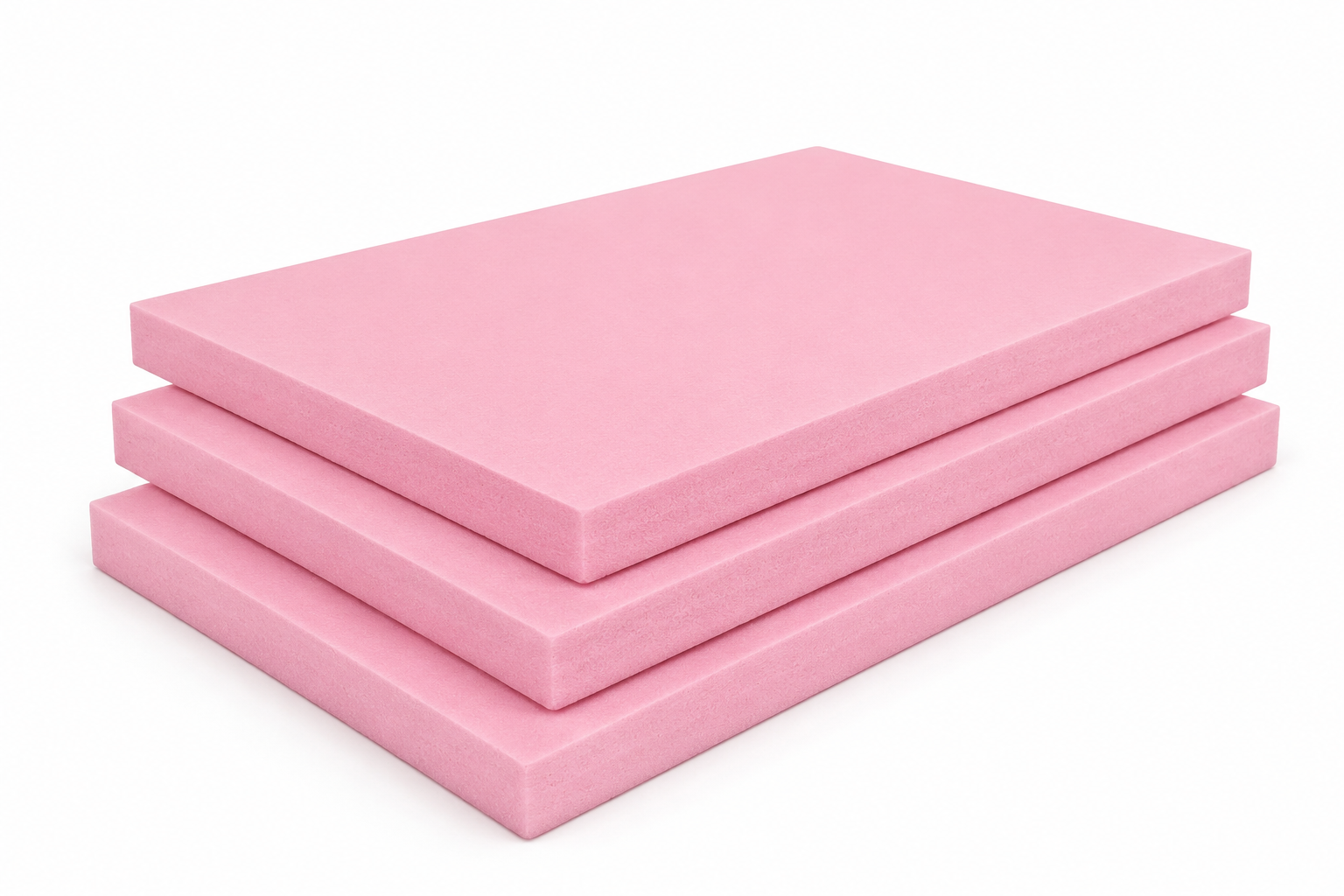 Expanded Polystyrene (EPS) Foam Insulation
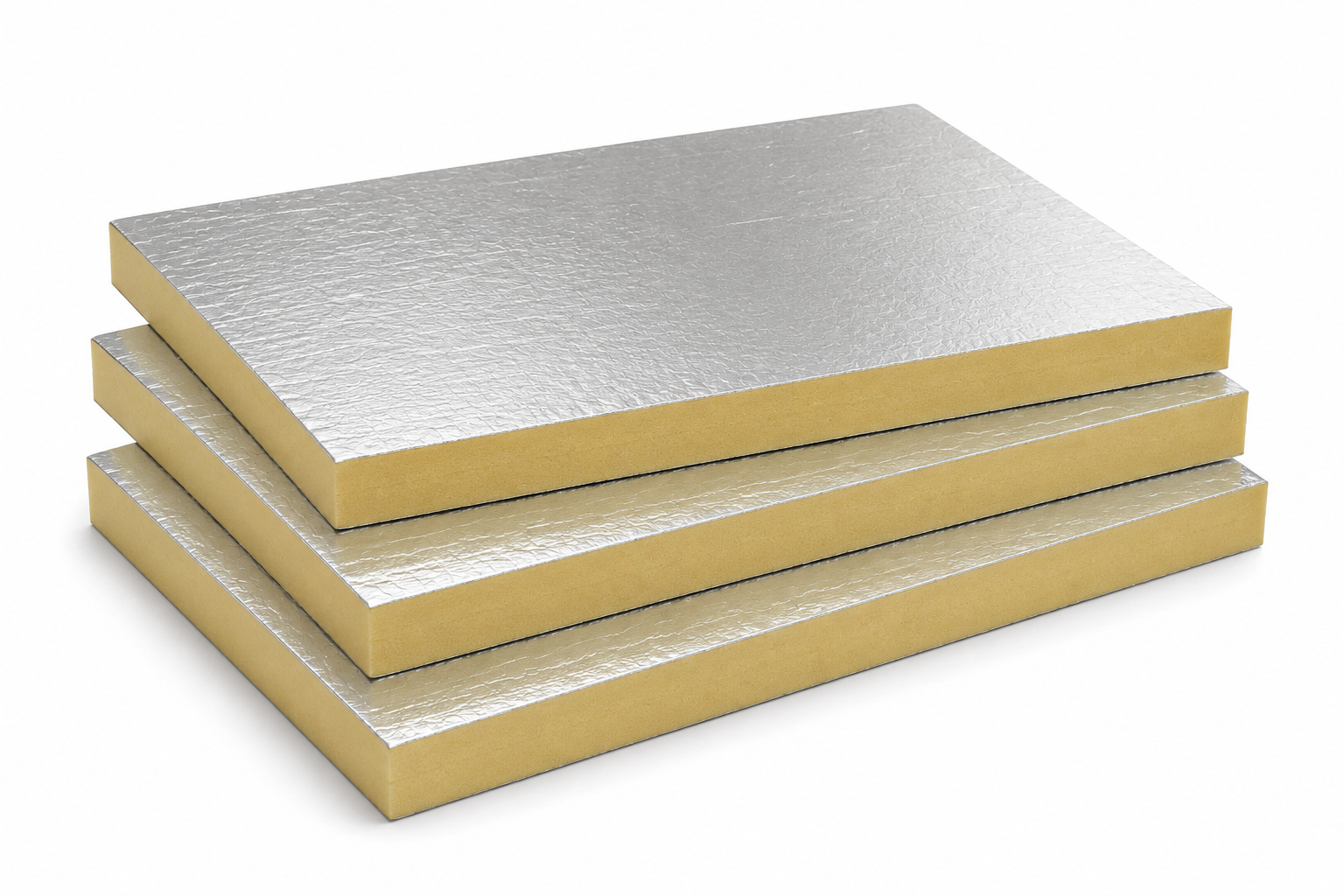 Extruded Polystyrene (XPS) Rigid Board
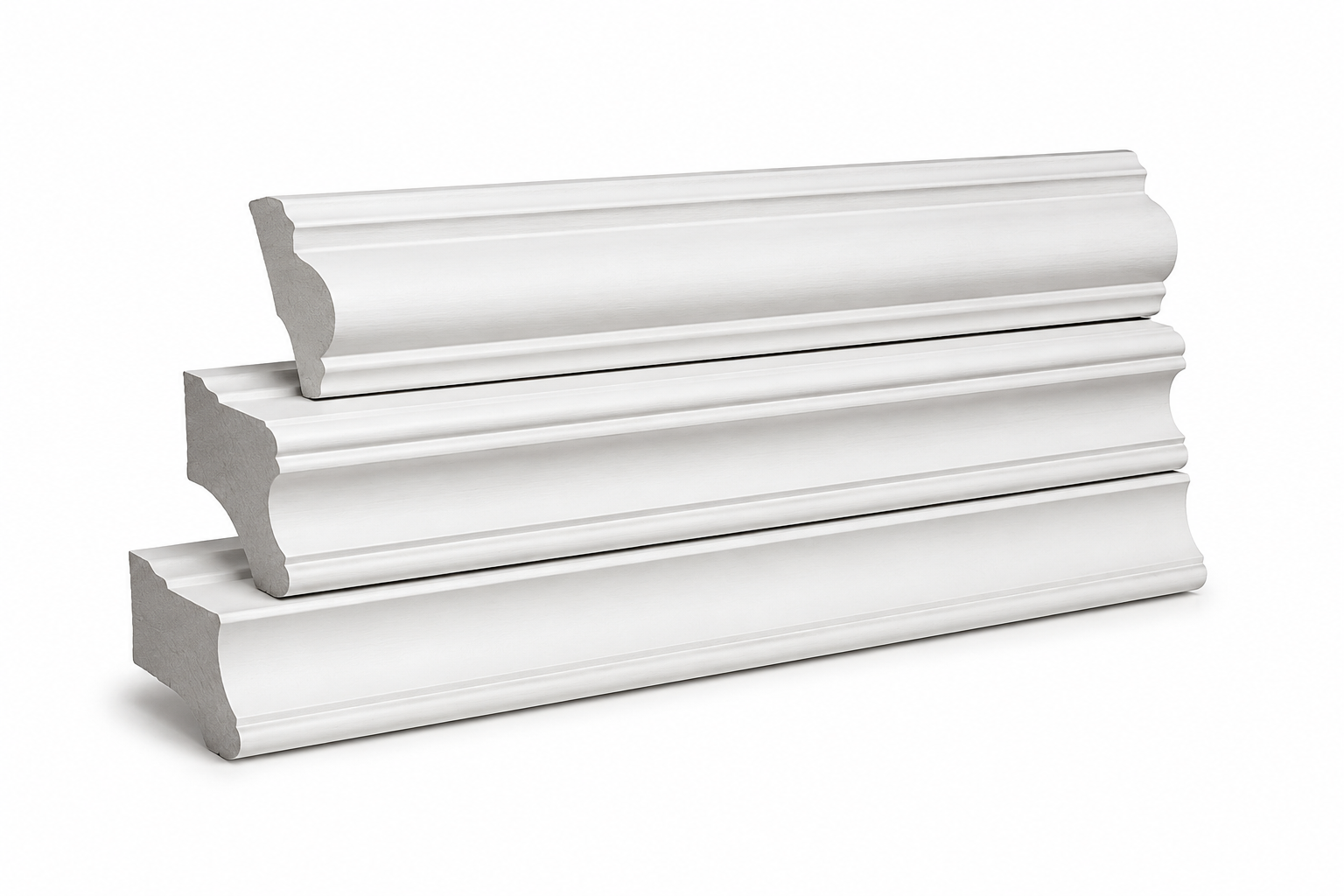 Faux Architectural Trim & Molding (EPS Core)
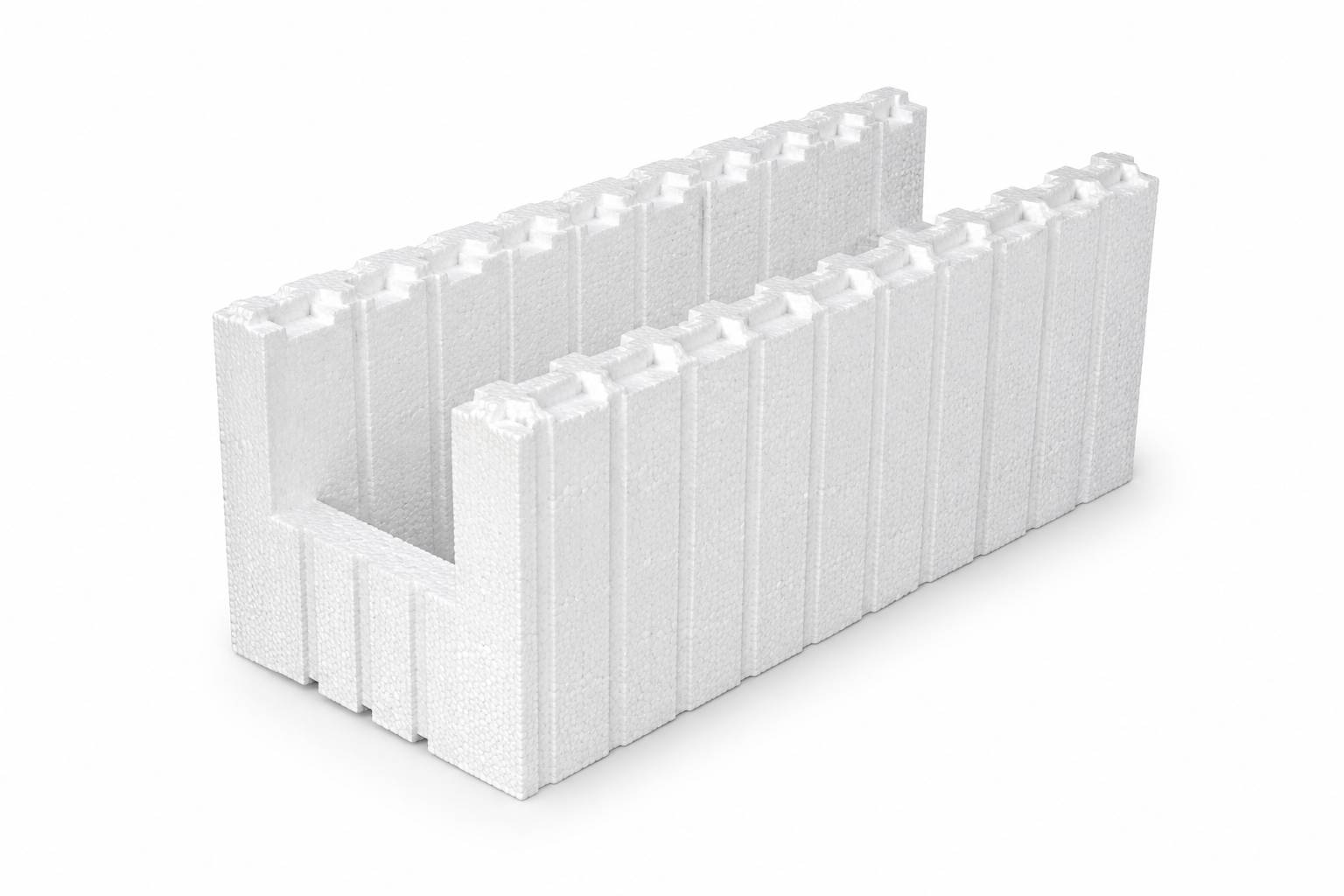 Polystyrene Concrete Form (ICF) Blocks
 SBR-Based Sealants & Asphalt Modifiers
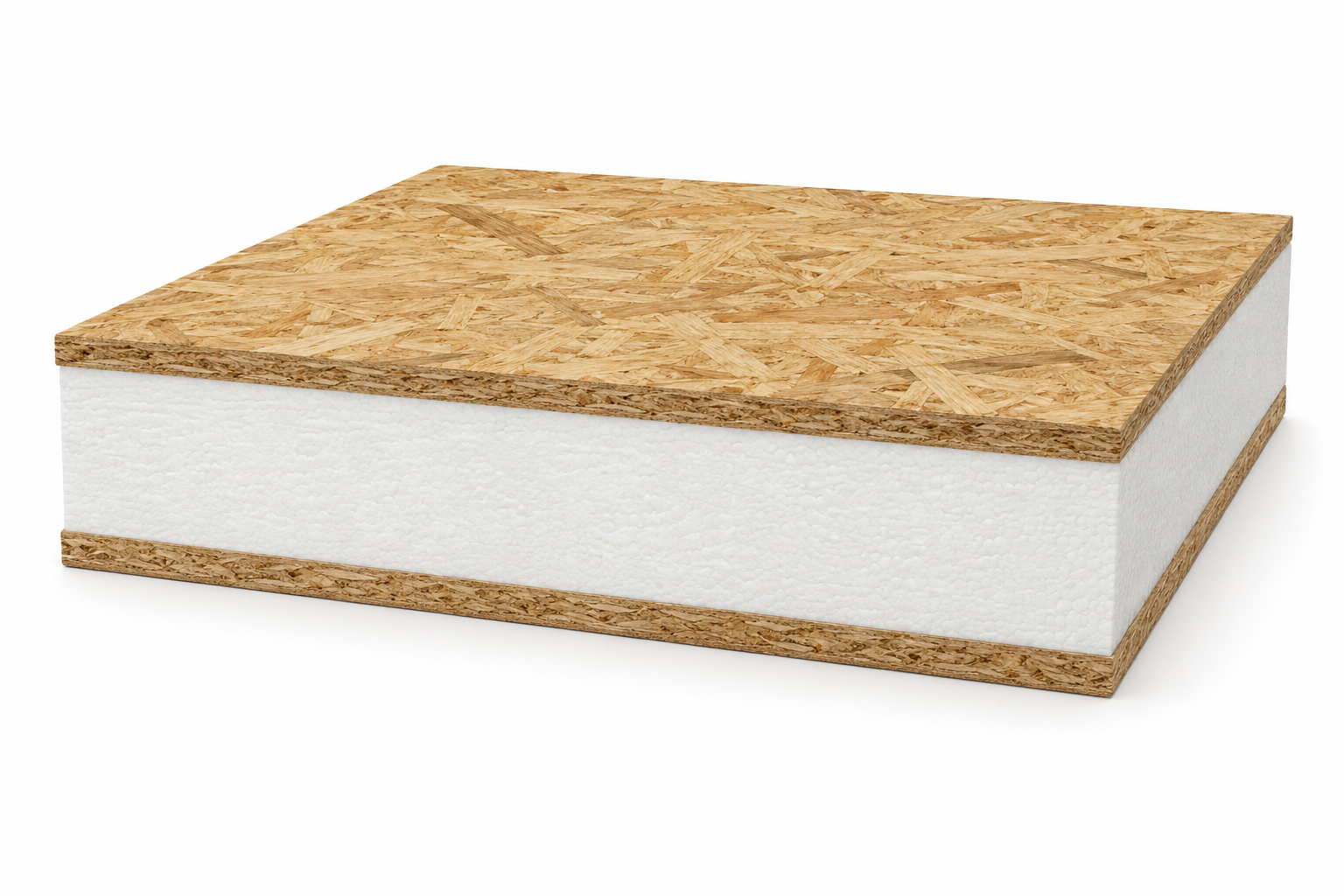 Structural Insulated Panel (SIP) Cores
Styrene & Polystyrene and the Houses We Build Without Them
We refuse the whole Styrene & Polystyrene family rather than chasing one substance at a time. Manufacturers substitute within a family faster than regulators can keep up, so family-level avoidance is the only screening that holds.
Every house we build is designed as a healthy, mold free, all electric Passive House — the chemical screening is one layer of that, not the whole of it. Earth Bound Homes builds in San Jose, Los Gatos, Santa Clara County and across the San Francisco Bay Area.