No Added Formaldehyde (NAF) Plywood
Engineered wood bonded with soy-protein or NAF MDI adhesive — engineered performance without UF off-gassing.
Toxicity Screening — All Clear
This material screens clear across all nine independent toxicology authorities we use on every project.
Material Type
Formaldehyde-Free Engineered Wood Panel
Material Description
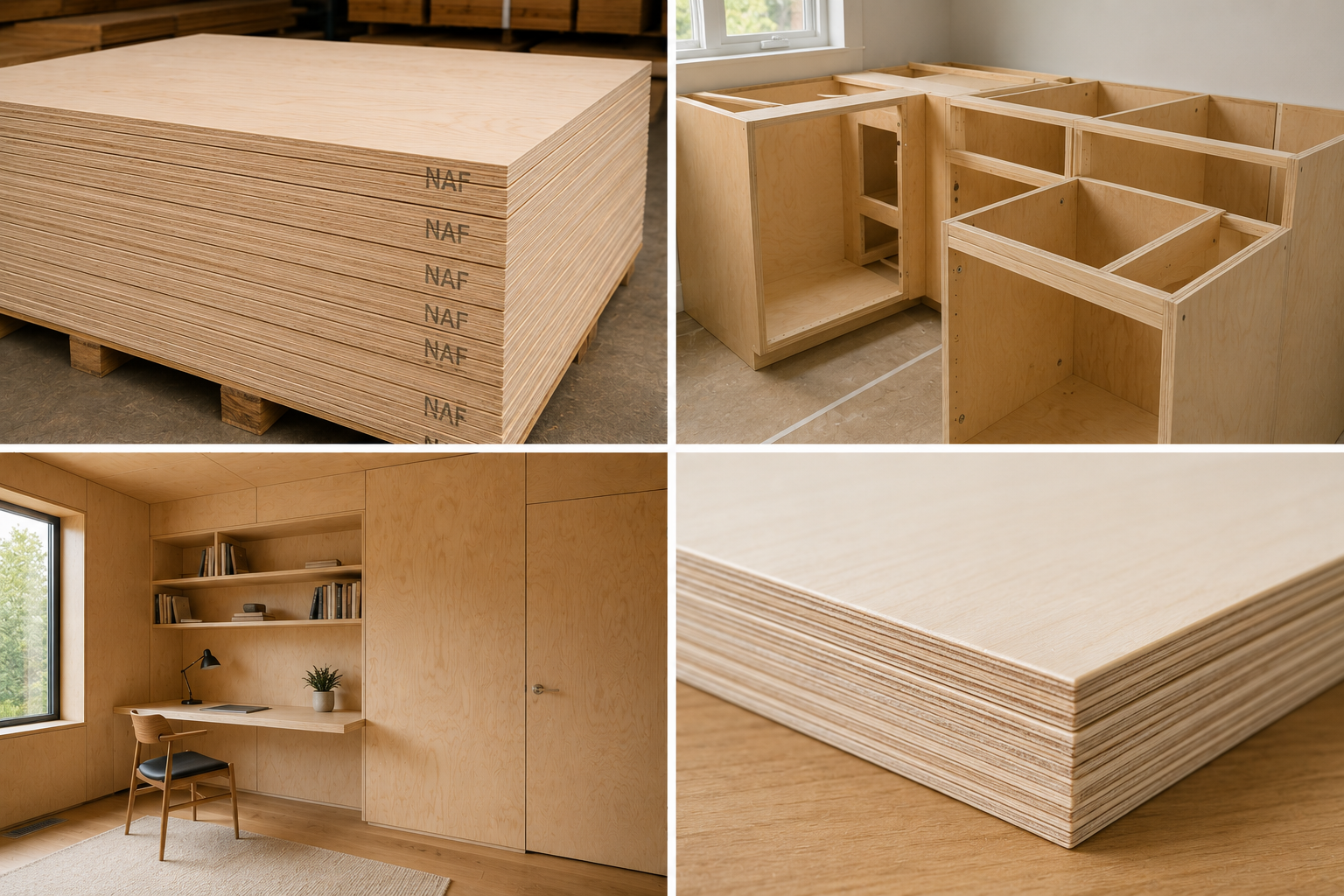
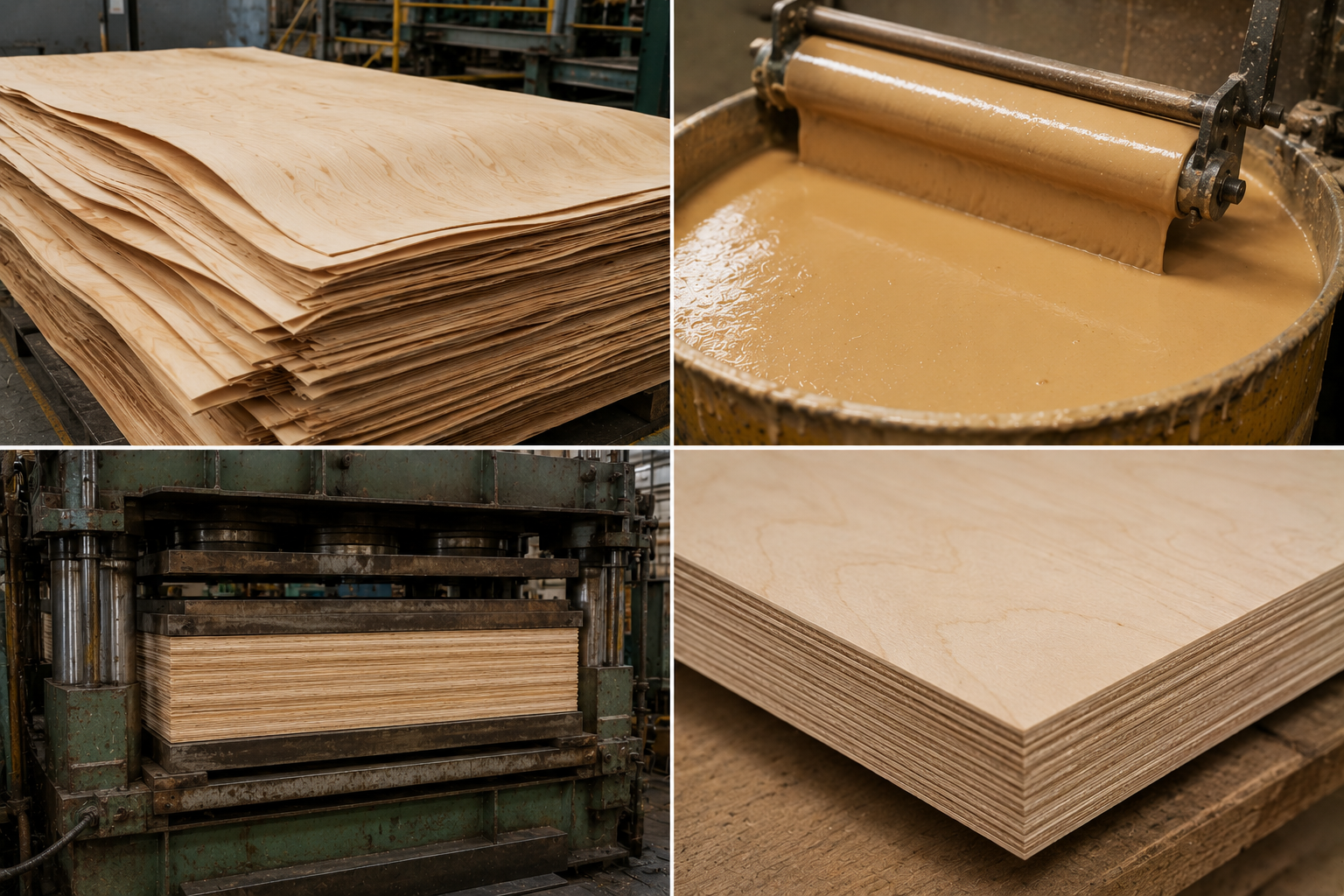
No-Added-Formaldehyde (NAF) plywood is engineered wood that uses soy-protein-based adhesive, lignin-based adhesive, or MDI bonded under controlled conditions instead of the urea-formaldehyde resin that dominates conventional plywood. CARB Phase 2 and TSCA Title VI both define emission limits; NAF products go further by eliminating the source altogether. Once cured, MDI-bonded plywood has the same structural performance as UF-bonded plywood with essentially zero formaldehyde emission. The MDI process must be properly cured to avoid residual isocyanate — EBH specifies NAF plywood with documented cure protocols, and never accepts NAF claims without third-party emission test reports.
Composition & Origin
Health Profile — All Endpoints Clear
Severity scored 0–10 against the same 10 hazard endpoints we use for the chemical families on the avoid list. Every score is 1–2 — essentially no signal across every endpoint.
Common Forms & Brands
- Columbia Forest Products PureBond (soy-protein bonded)
- Roseburg SkyBlend (NAF particleboard)
- Sierra Pine Medex (NAF MDF)
- Common framing: NAF plywood, NAF OSB, NAF MDF, NAF particleboard
Why We Use It
- Zero formaldehyde emission once fully cured
- Structural performance identical to UF-bonded plywood
- Soy-bonded NAF uses agricultural byproduct as the binder
- Requires third-party emission verification — never accept claims without test data
- MDI-bonded products must have documented full-cure protocols
Where It Performs Best
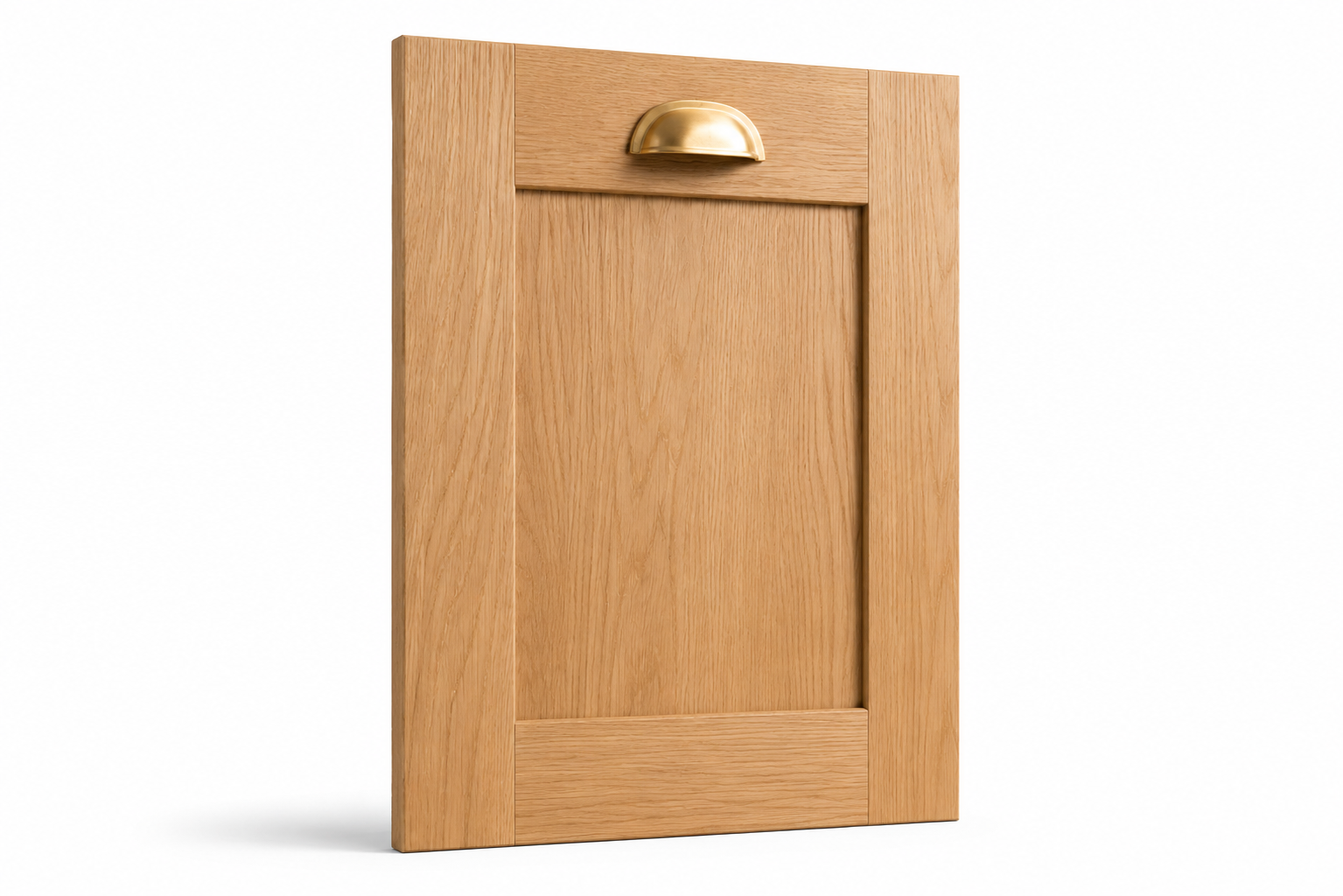
- Cabinet box construction
- Subfloor and underlayment
- Roof and wall sheathing
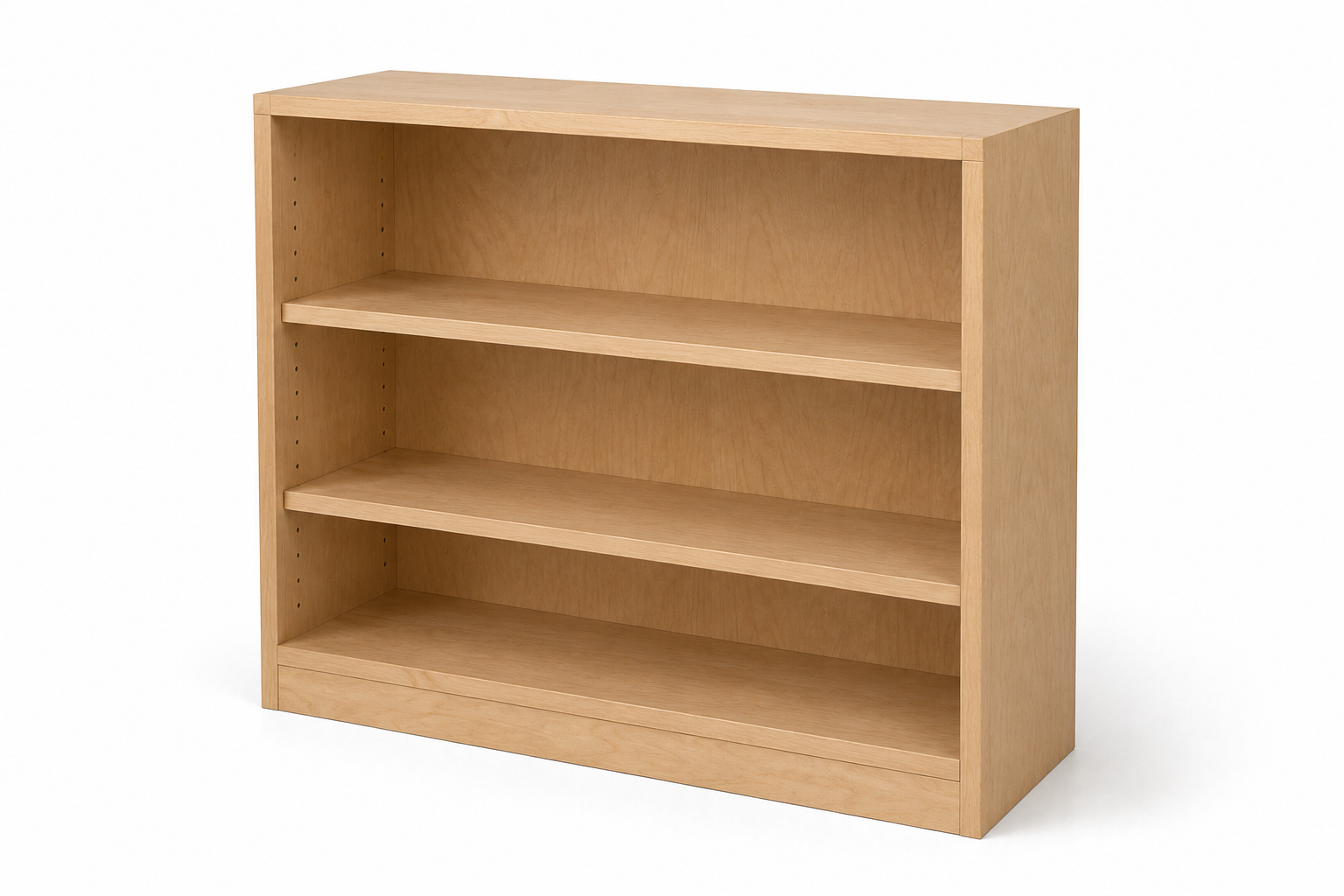
- Interior millwork and built-ins
Building Applications for No Added Formaldehyde (NAF) Plywood
Listed alphabetically. Where in a home this material earns its keep.
 Cabinet Box Construction
 Interior Millwork & Built-ins
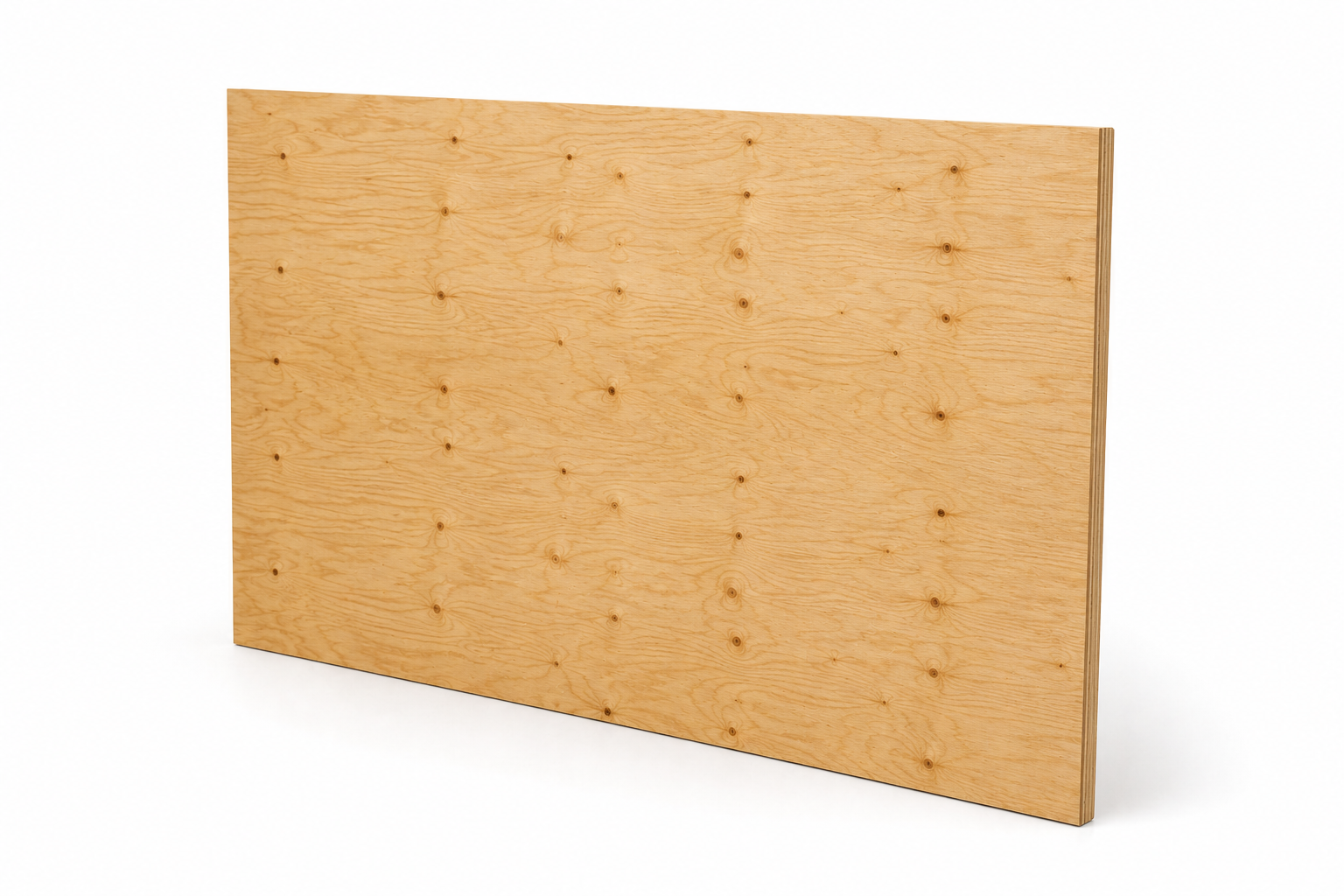 Roof & Wall Sheathing
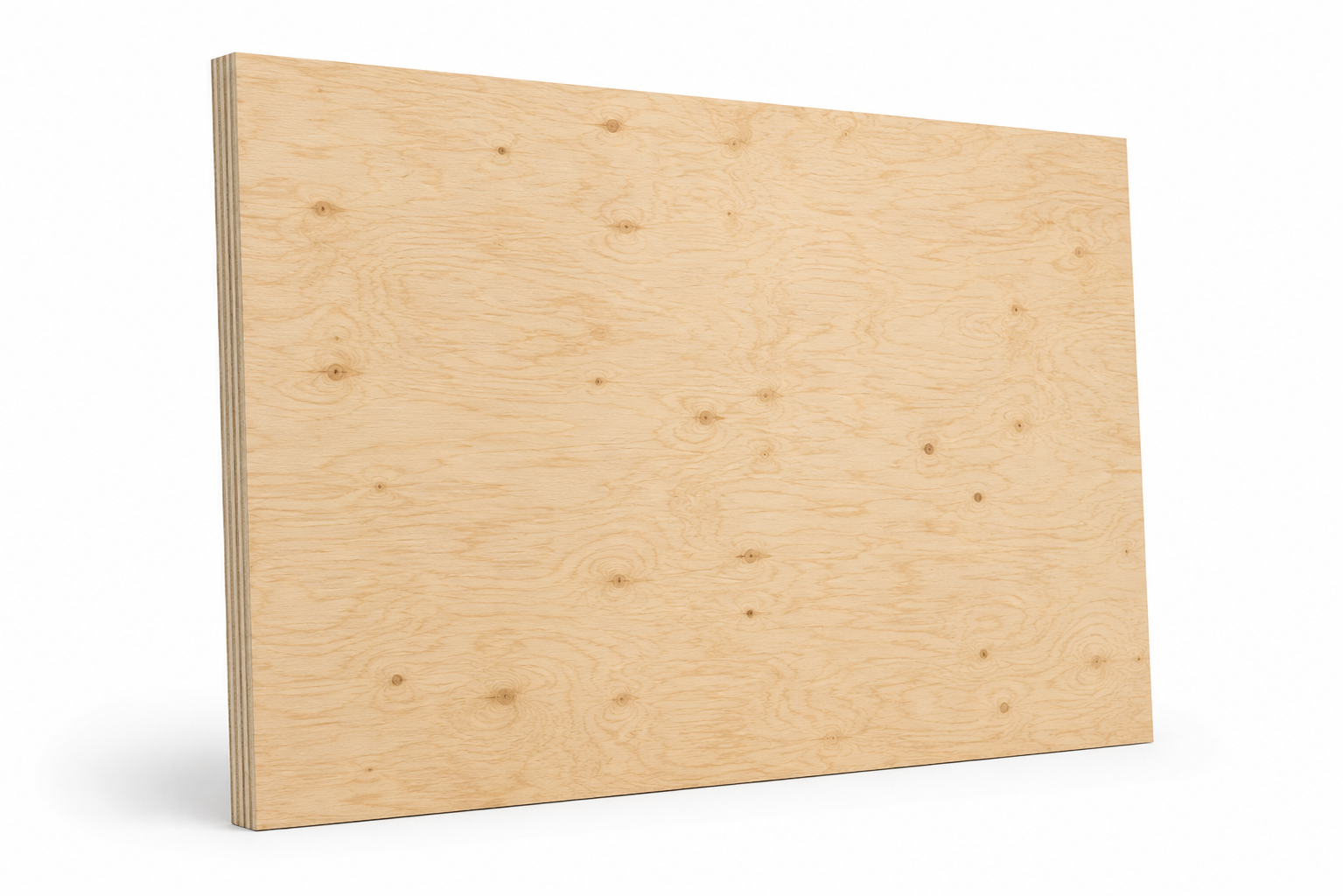 Subfloor & Underlayment
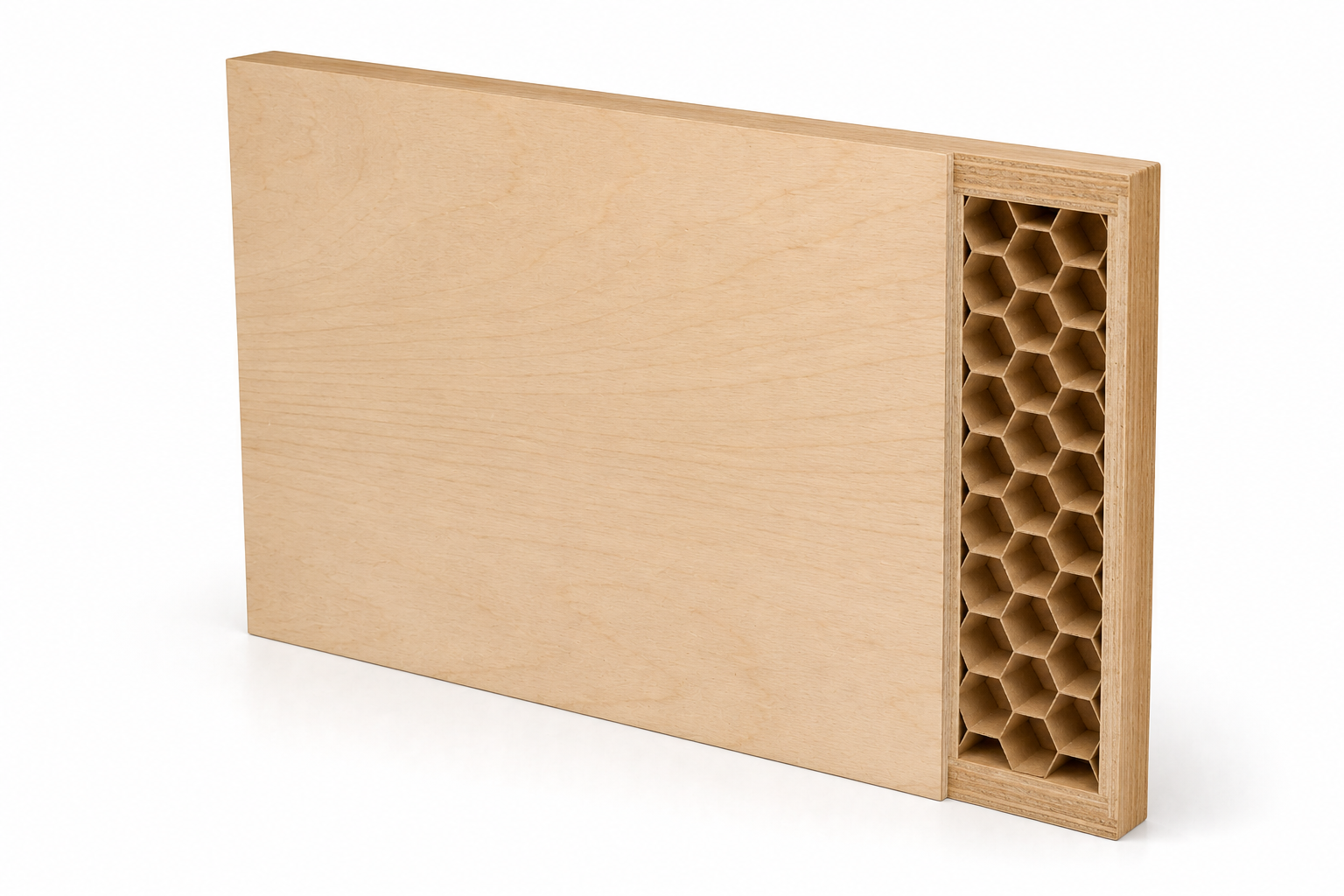 Veneered Door Cores
No Added Formaldehyde (NAF) Plywood on a Bay Area Home
We specify No Added Formaldehyde (NAF) Plywood because it survives the screening. Nothing goes into one of our homes until it clears all nine toxicology databases we check — that is what makes a toxin free home different from a home marketed as one.
If you are planning a new house or a deep remodel and you want this level of material control, that is the whole job we do. Earth Bound Homes builds in Menlo Park, Redwood City, San Mateo County and across the San Francisco Bay Area.