Per- and Polyfluorinated Substances (PFAS)
The "forever chemicals" that don't break down — and accumulate in human blood.
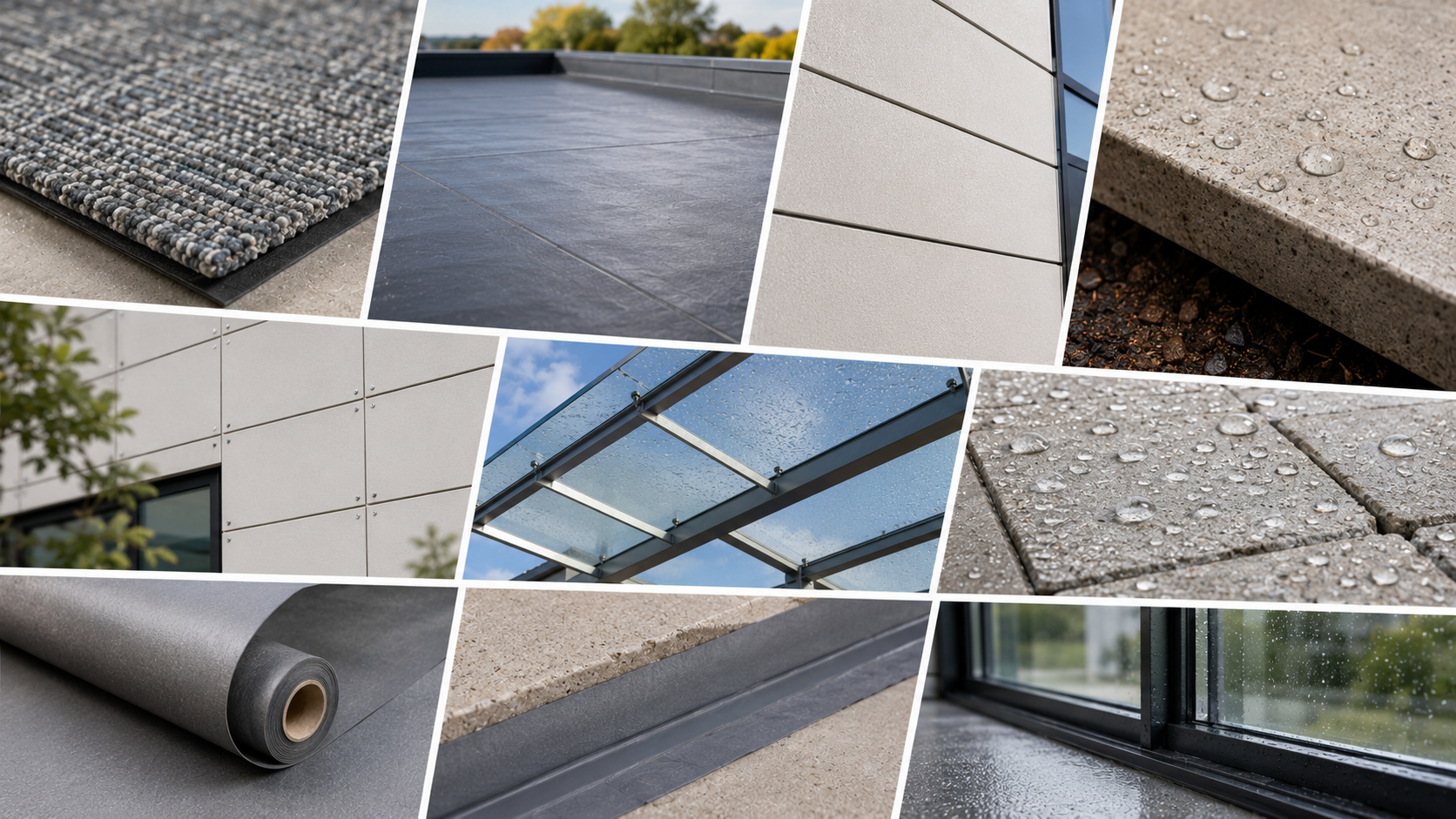
Toxic Chemical Databases
Where this family lands across the nine independent toxicology authorities we screen against.
Chemical Type
Fluorinated Surfactant Class
Chemical Description
PFAS is shorthand for the thousands of synthetic chemicals built on a backbone of carbon-fluorine bonds — the strongest single bond in organic chemistry. That bond is exactly why PFAS are so useful (they repel water, oil, stain, and grease) and exactly why they're a disaster: they don't biodegrade. In construction PFAS appear in stain-resistant carpet treatments, fluoropolymer-based architectural membranes (PTFE/Teflon-style), waterproof breathable building wraps, fluorinated firefighting foam (AFFF) residuals, and increasingly in concrete and gypsum additives. The most studied compounds — PFOA, PFOS, PFBS, GenX — show clear human-health signals across cancer, immune, hormonal, and developmental endpoints. EBH specifies PFAS-free carpet, eliminates stain-treatment add-ons, and avoids fluoropolymer weather-resistive barriers in favor of mineral-coated or polyolefin alternatives.
Chemical Structure
Molecular schematic for Per- and Polyfluorinated Substances (PFAS) — formula and structural features shown below.
Biological Activity
Severity scores summarize hazard endpoints from IARC, NTP, EPA IRIS, ATSDR, and NIOSH on a 0–10 scale. Mirrors the system-level output of our SDS Toxic Chemical Screener.
Chemical Analogs and Brand Names
- Perfluorooctanoic acid (PFOA) — CAS 335-67-1
- Perfluorooctane sulfonate (PFOS) — CAS 1763-23-1
- Perfluorobutane sulfonate (PFBS) — CAS 375-73-5
- Perfluorohexanoic acid (PFHxA) — CAS 307-24-4
- GenX (HFPO-DA) — CAS 13252-13-6
- Polytetrafluoroethylene (PTFE) — CAS 9002-84-0
- C
Top Health Consequences
- Reduced antibody response to vaccines (well-replicated immune signal)
- Kidney and testicular cancer increases in exposed populations
- Elevated cholesterol and cardiovascular disease risk
- Thyroid hormone disruption
- Reduced birth weight and developmental endpoints
- Bioaccumulation in human serum with half-lives of 3–8 years
Pathways of Exposure
- Drinking water contamination (the dominant route in most U.S. communities)
- Ingestion of house dust from stain-treated carpet, furniture, and rugs
- Inhalation of off-gassing from waterproof breathable building wraps
- Skin contact with fluorinated cookware coatings and treated textiles
- Diet — bioaccumulation in fish and meat
Substances in this Family
Each substance below has its own profile page with its own database flags, biological-activity scores, and exposure pathways — they are NOT interchangeable.
Building Materials with Per- and Polyfluorinated Substances (PFAS)
Listed alphabetically. These are the product categories where this chemistry most often shows up — not an exhaustive list.
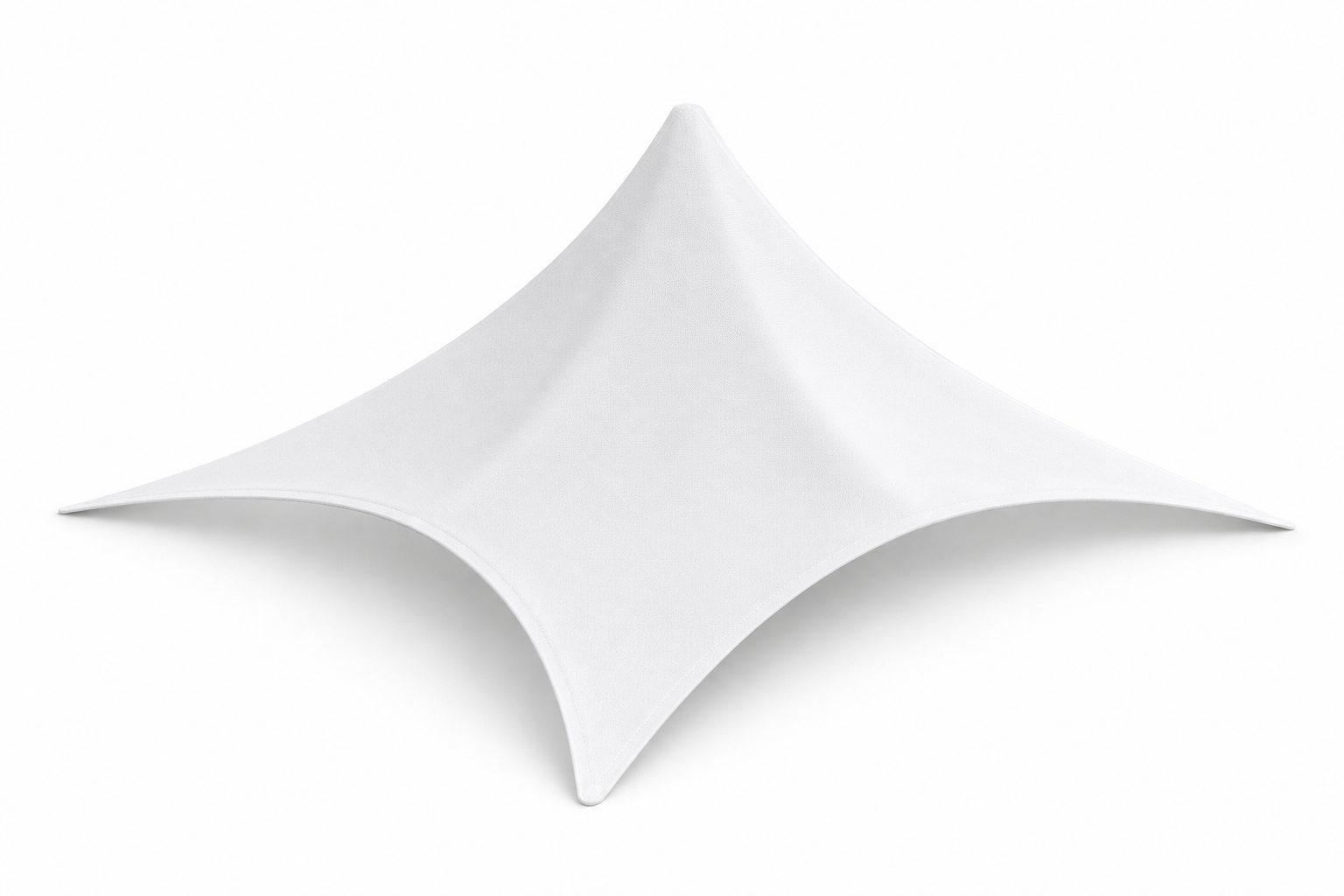 Architectural PTFE Membrane Roofing
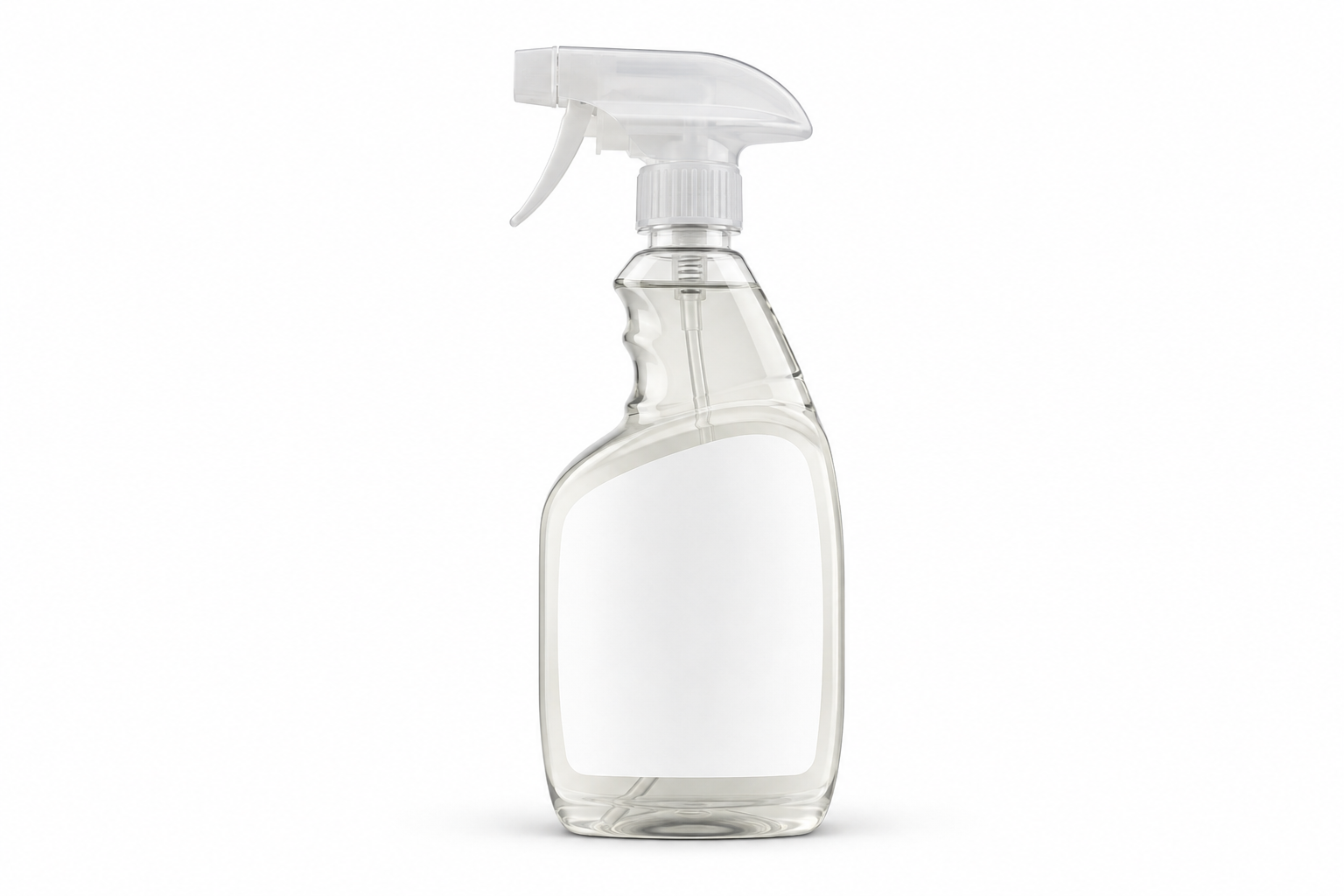 Carpet Stain-Treatment Finishes
 Concrete Surface Sealers
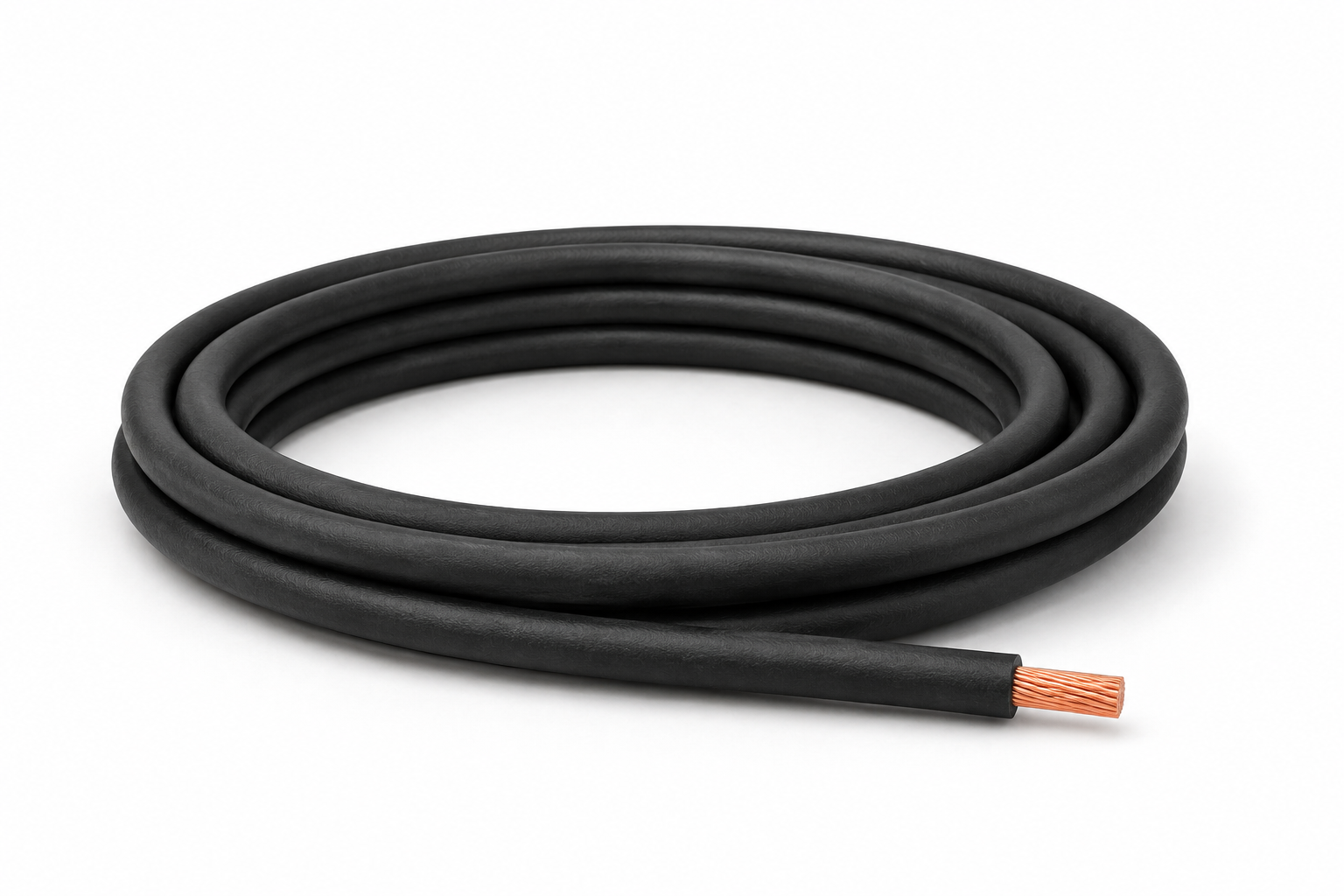 Fluoropolymer Wire Insulation
 Fluoropolymer-Coated Architectural Fabrics
 Non-Stick Cookware (Built-In)
 Stain-Resistant Upholstery & Drapery
 Stone & Tile Sealers
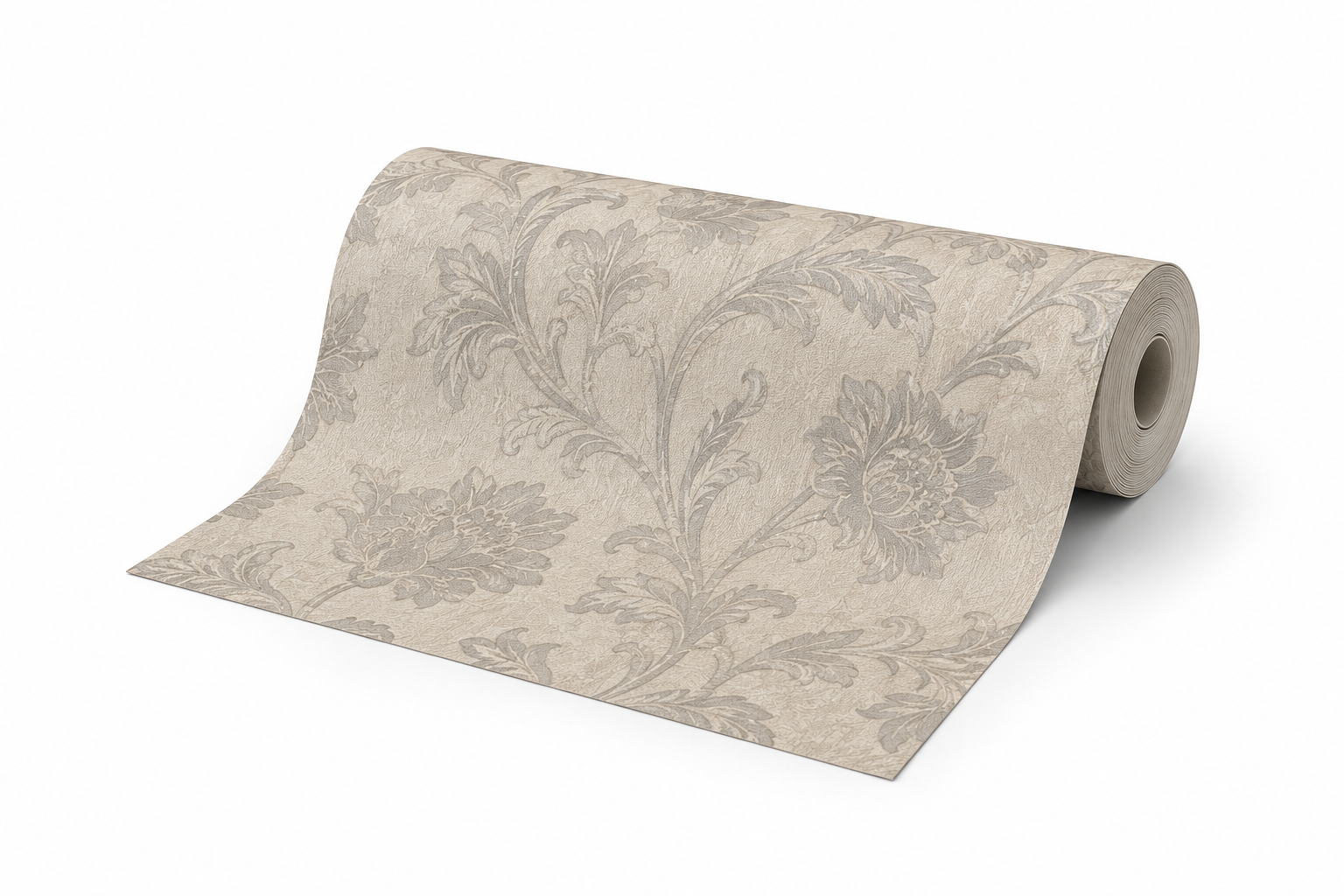 Wallpaper Stain-Treatment Coatings
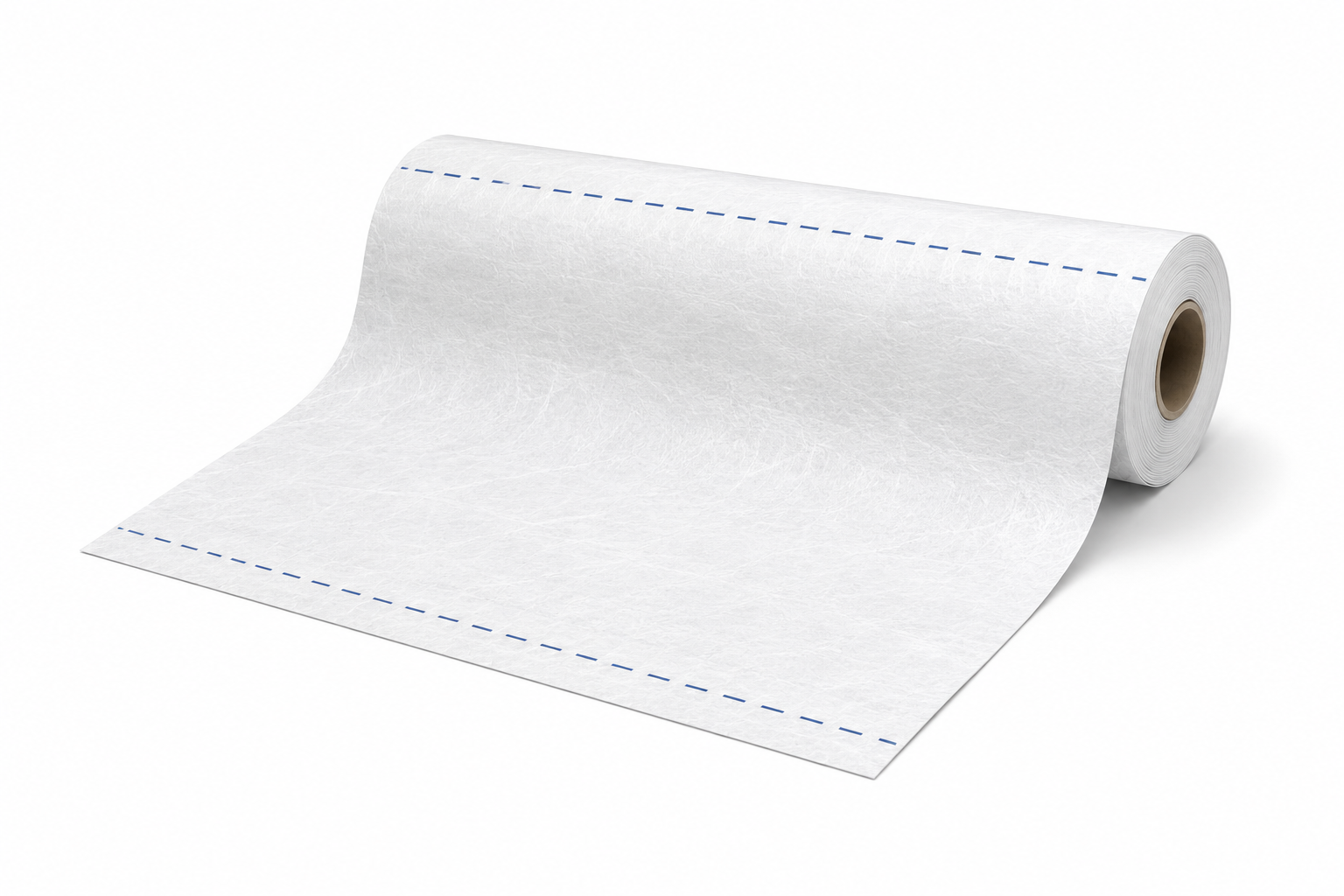 Waterproof Breathable Housewraps
Per- and Polyfluorinated Substances and the Houses We Build Without Them
The Per- and Polyfluorinated Substances family is specified out of every Earth Bound Homes project. We publish this library because homeowners cannot avoid what nobody will name — and because the healthy homes we build depend on that list being honest.
Every house we build is designed as a healthy, mold free, all electric Passive House — the chemical screening is one layer of that, not the whole of it. Earth Bound Homes builds in Palo Alto, Atherton, Menlo Park and across the San Francisco Bay Area.