Sheep's Wool Insulation
Naturally fire-resistant, moisture-buffering animal fiber — biodegradable at end of life.
Toxicity Screening — All Clear
This material screens clear across all nine independent toxicology authorities we use on every project.
Material Type
Animal-Fiber Thermal Insulation
Material Description
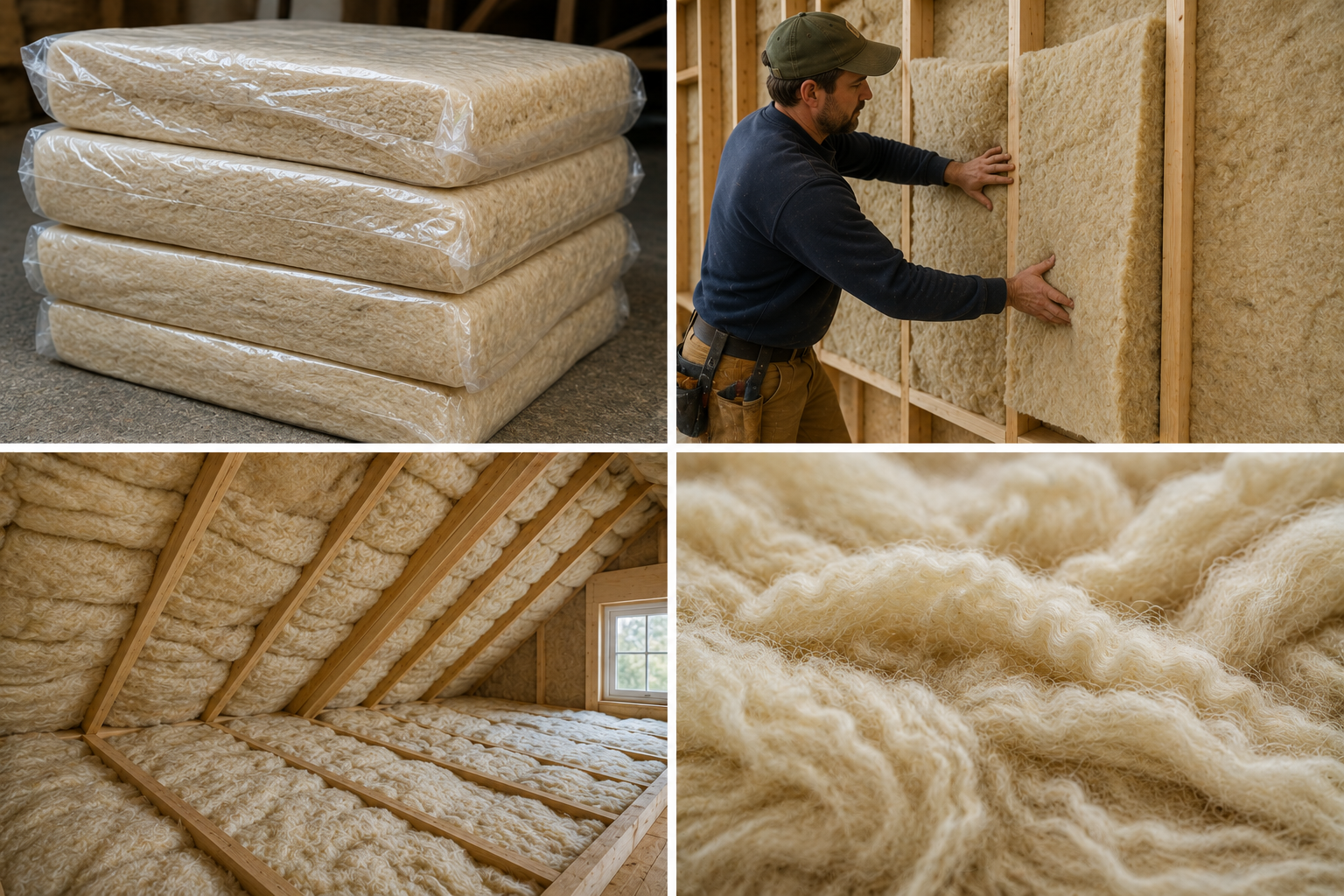
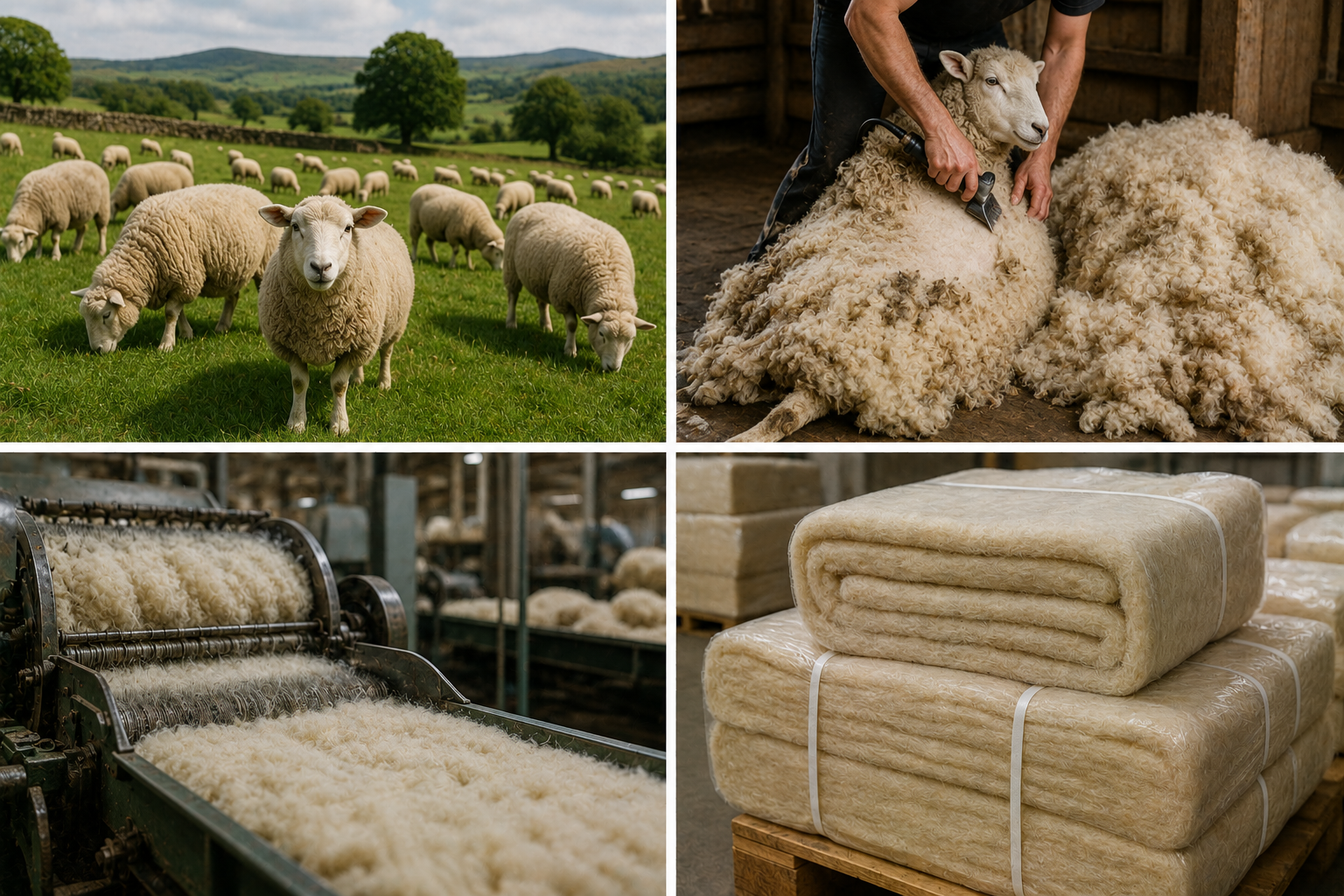
Sheep's wool insulation is exactly what it sounds like — wool fibers, cleaned, lightly carded, and batted into mats or loose-fill. The keratin protein in wool is naturally hygroscopic: it can absorb and release up to 35% of its weight in moisture without losing R-value, which makes it remarkable at buffering humidity swings inside a wall cavity. Wool is also naturally flame-resistant — it self-extinguishes rather than burning, because keratin has a high nitrogen content and a high autoignition temperature. Manufacturers typically treat wool with borate for insect resistance; borate is itself low-toxicity to mammals and the levels used pose negligible health risk. End-of-life: compostable.
Composition & Origin
Health Profile — All Endpoints Clear
Severity scored 0–10 against the same 10 hazard endpoints we use for the chemical families on the avoid list. Every score is 1–2 — essentially no signal across every endpoint.
Common Forms & Brands
- Havelock Wool batts and loose-fill
- Black Mountain Insulation NatuWool
- Oregon Shepherd loose-fill wool
- Common framing: 100% wool batts, wool/borate batts, dense-pack loose-fill
Why We Use It
- No off-gassing — wool is the cured product, not a reactive chemistry
- Naturally flame-resistant — self-extinguishes, no added flame retardants required
- Moisture-buffering — absorbs and releases water vapor without losing R-value
- Biodegradable at end of life — compostable rather than landfill-bound
- Carbon-storing — sequesters atmospheric carbon in the keratin protein
Where It Performs Best
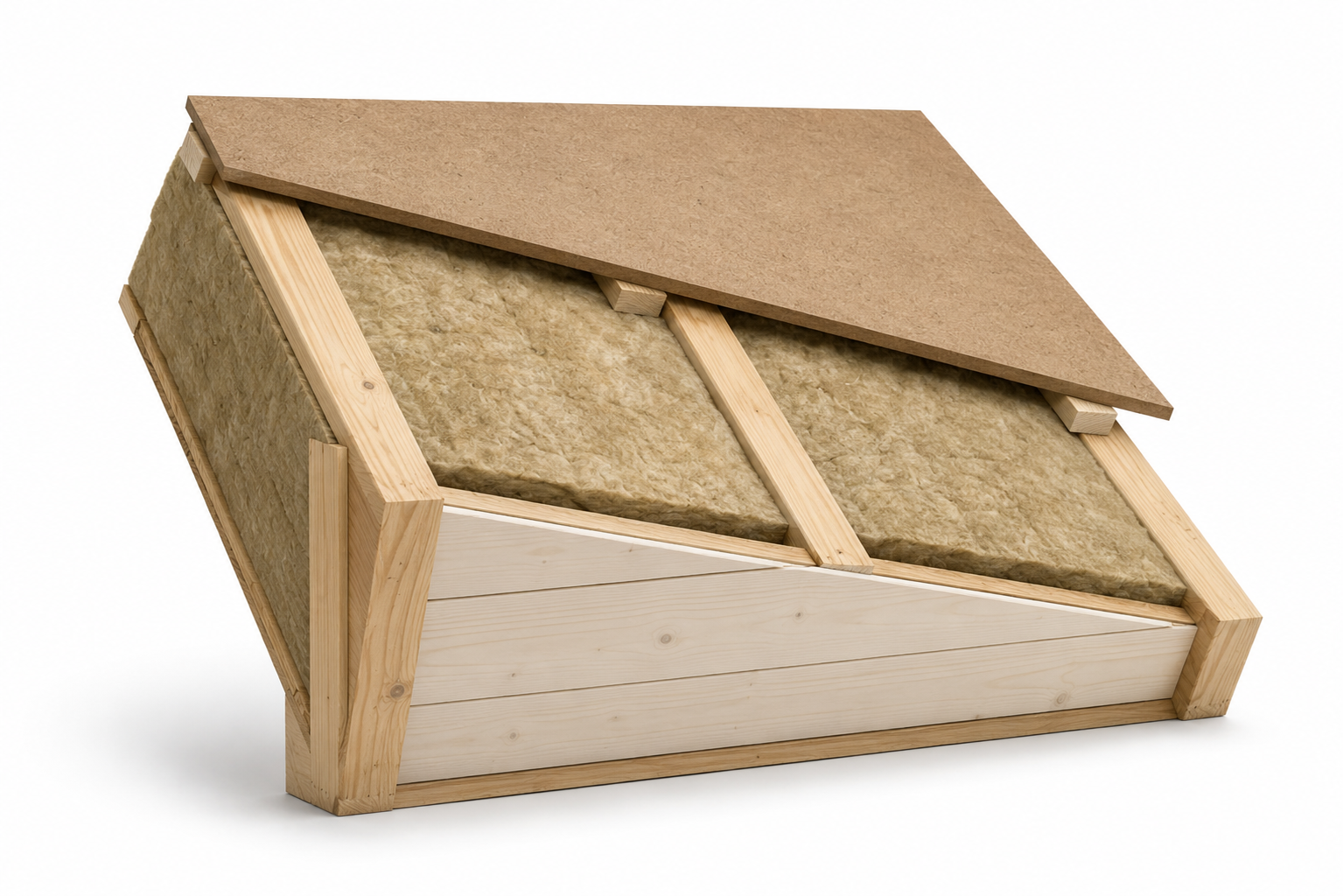
- Wall cavity insulation (batts) in stud and rafter bays
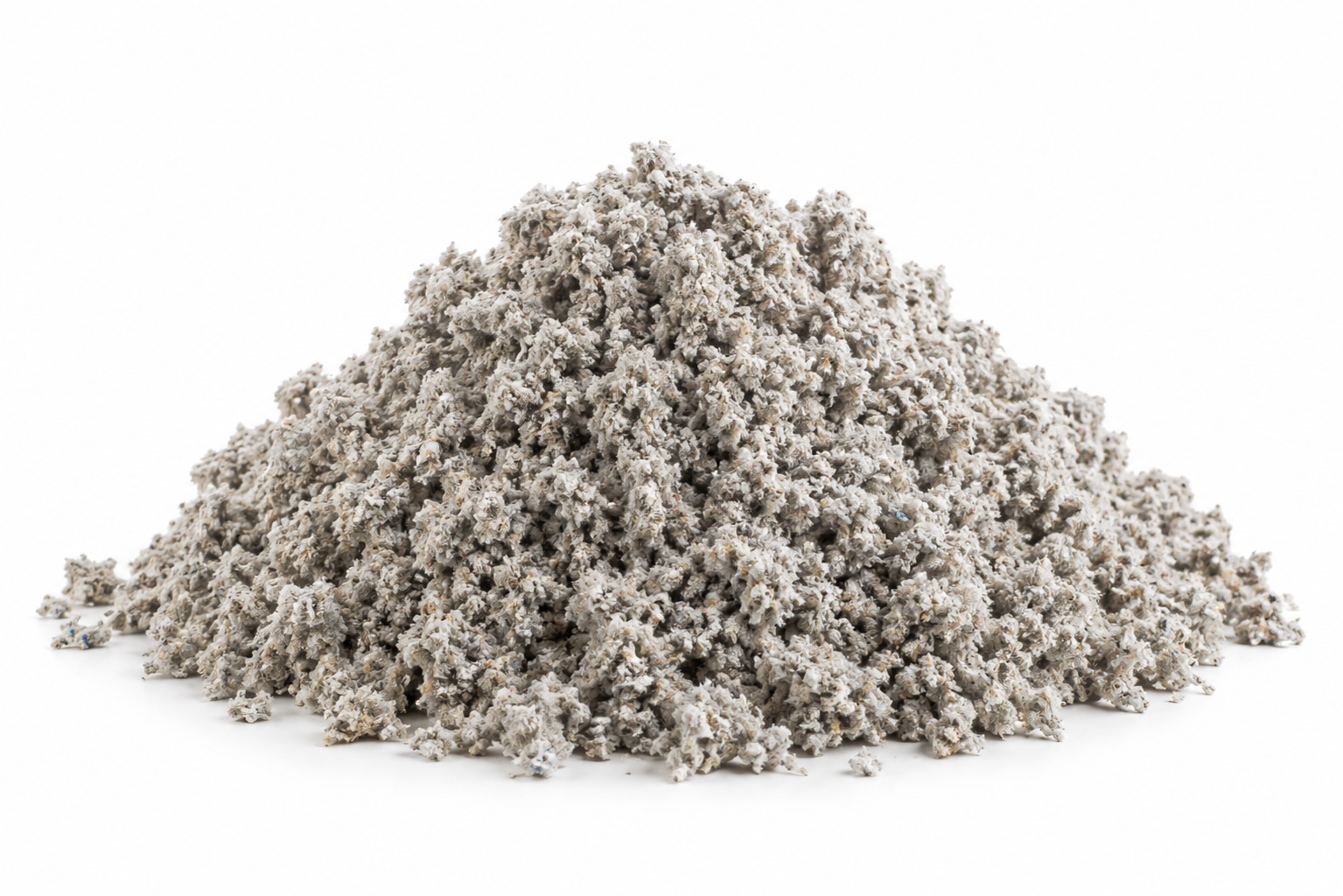
- Loose-fill attic insulation (dense-pack capable)
- Acoustic insulation in interior partitions
- Sound-deadening between floors
Building Applications for Sheep's Wool Insulation
Listed alphabetically. Where in a home this material earns its keep.
 Attic Loose-Fill
 Cathedral Ceiling Cavity
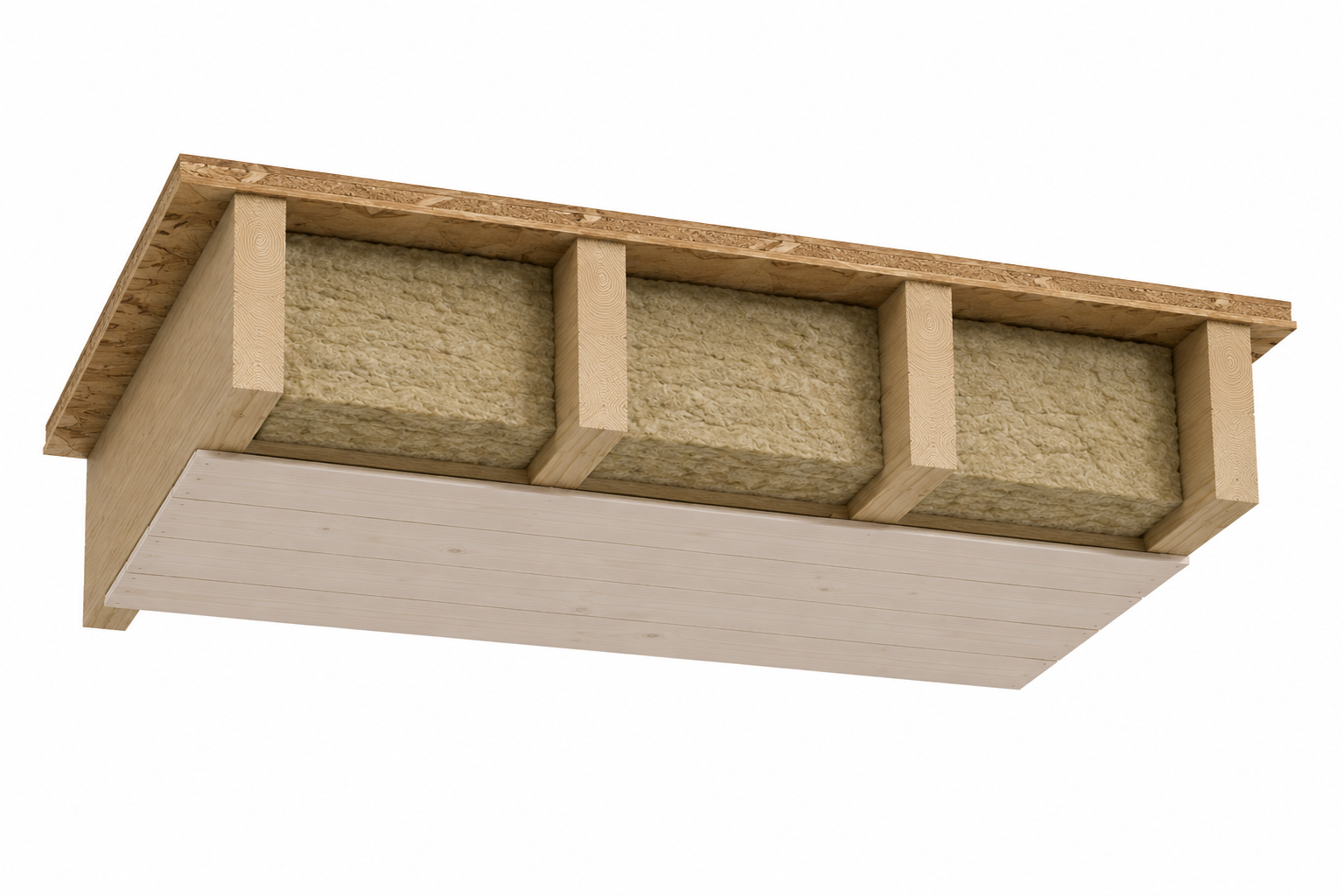 Floor Joist Bays
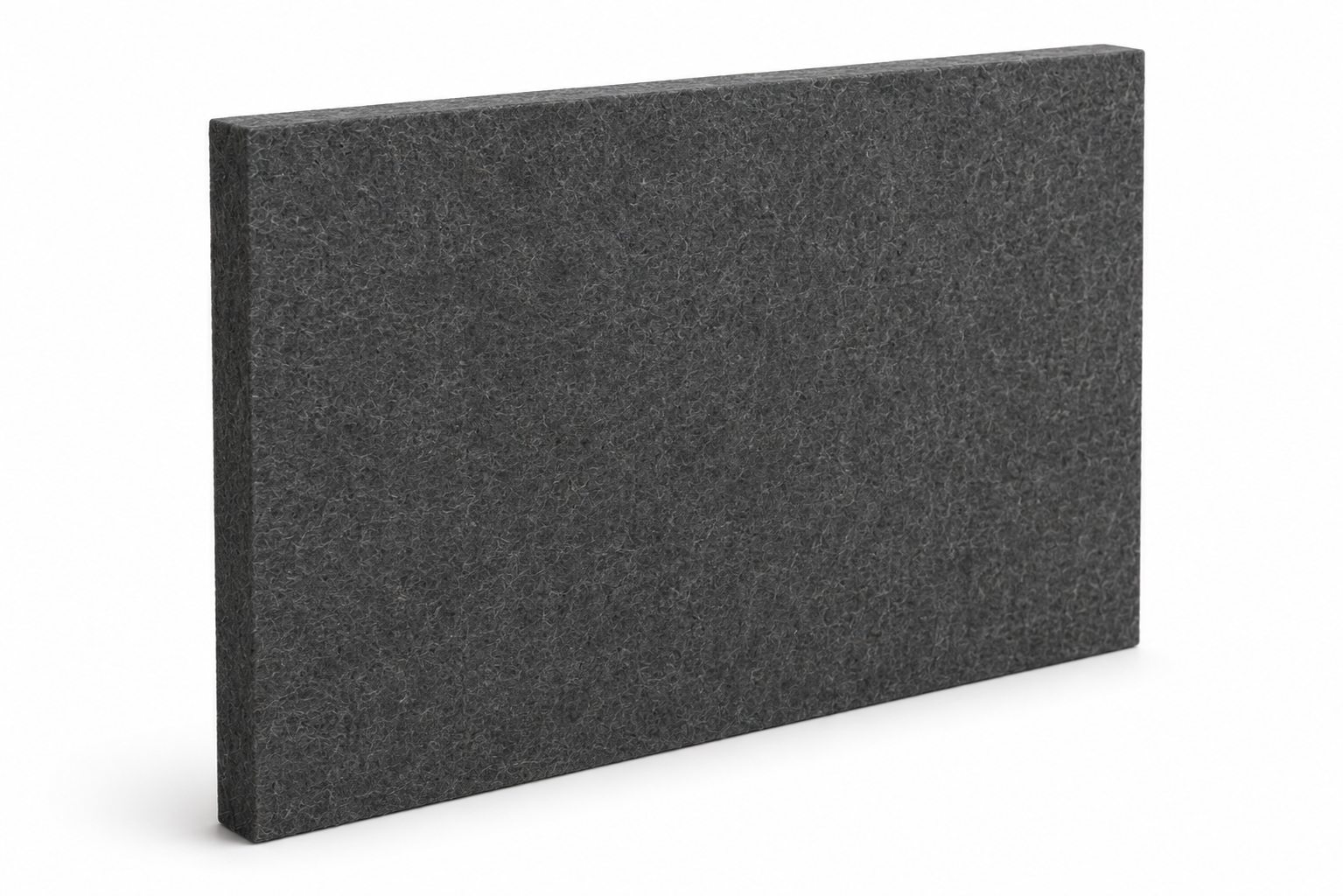 Interior Sound Partitions
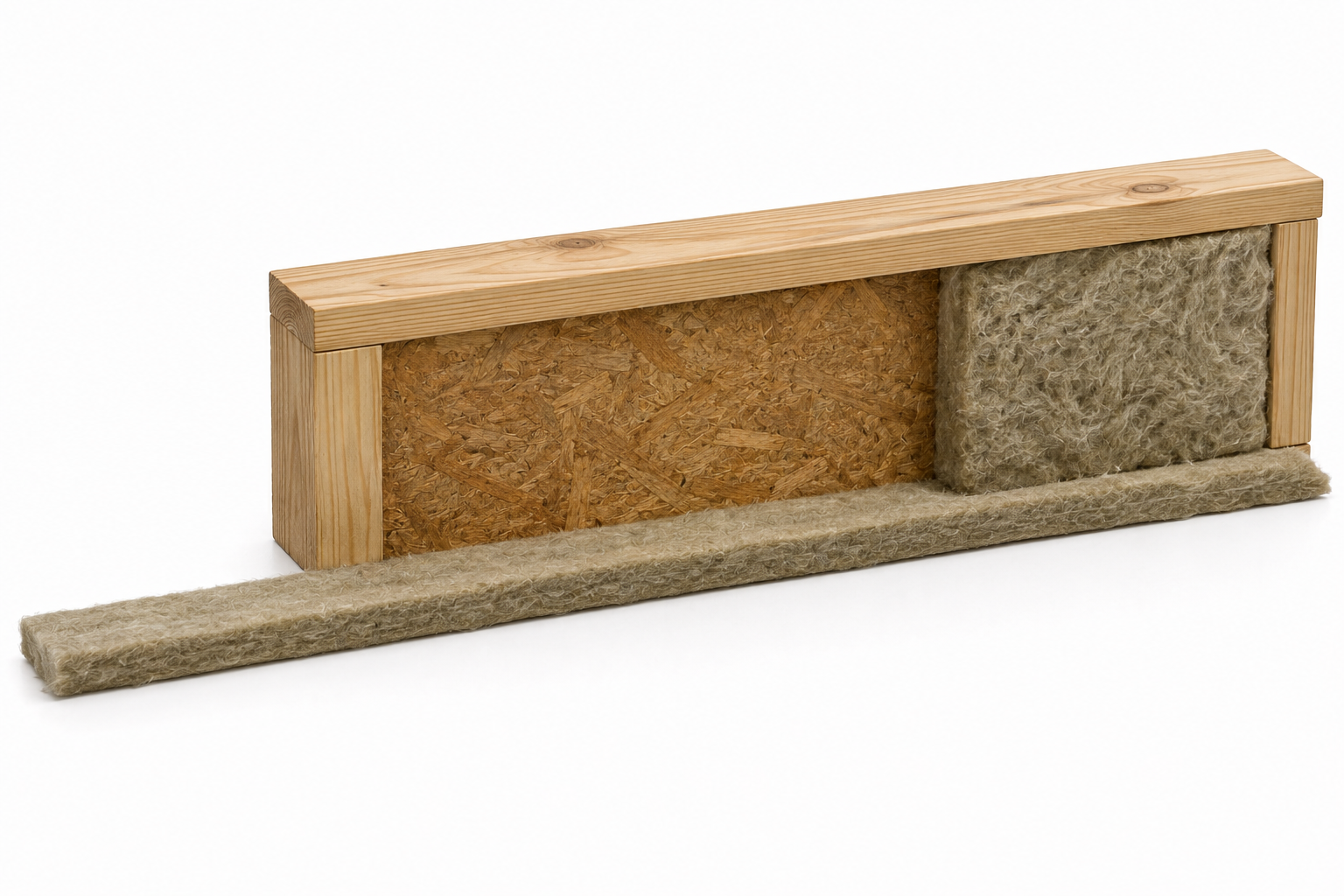 Rim Joist Air Seal Backing
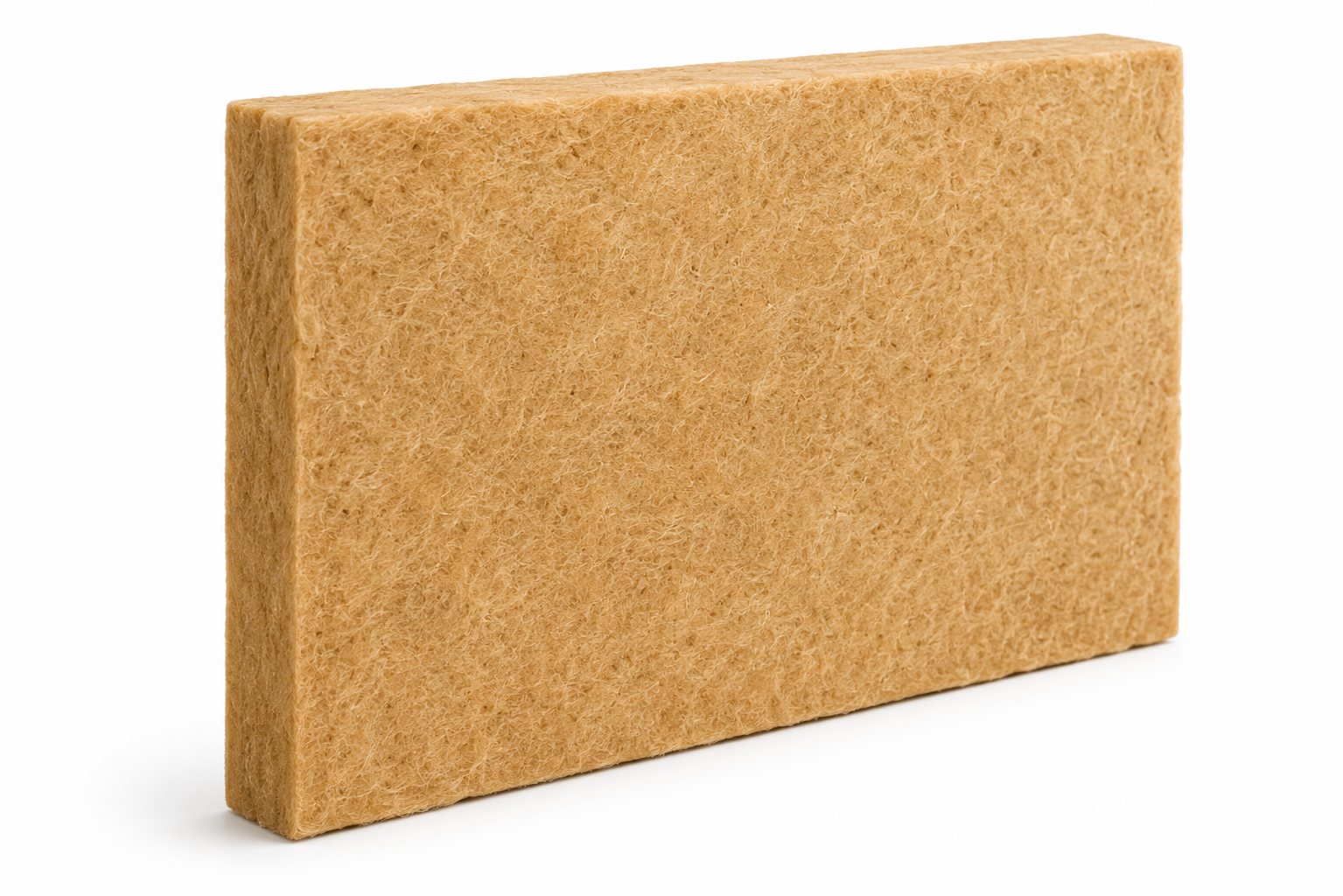 Wall Cavity Batts
Sheep's Wool Insulation on a Bay Area Home
Sheep's Wool Insulation earns its place in our assemblies. We design mold free homes by keeping water out and letting walls dry in both directions, and the materials have to cooperate with that — which is why this one is on the approved list and most of its competitors are not.
If you are planning a new house or a deep remodel and you want this level of material control, that is the whole job we do. Earth Bound Homes builds in Los Gatos, San Jose, Santa Clara County and across the San Francisco Bay Area.
Related materials we specify
- Cellulose Insulation
- Cork Insulation
- Mineral Wool - Formaldehyde Free Only
- Pumice & Volcanic Aggregate Insulation