Resilient Homes for an Uncertain Future
We build homes that withstand fire, earthquakes, storms, blackouts, and the long-term challenges of a changing climate. Resilience isn't a single feature—it's a system of carefully selected materials, structural details, and energy systems that work together to keep your home safe, comfortable, and independent for generations.
What Is a Resilient Home?
Resilience in homebuilding means designing a structure that doesn't merely survive extreme events—it continues to function through them. When the power goes out, when the wildfire crests the ridge, when the earthquake rolls through, when the next 100-year storm arrives, a truly resilient home keeps doing what a home is supposed to do: shelter, warm, cool, and protect the people inside it.
For Passive House—our approach to ultra-efficient, comfortable, healthy construction—please visit our dedicated Passive House page. On this page, we focus on the three pillars of physical and energy resilience that protect your home from the events you can see coming.
Fire-Resistant Design
Non-combustible materials, ember-resistant detailing, and fire-rated assemblies engineered for California's wildland-urban interface.
Seismic Strengthening
Modern structural engineering, continuous load paths, and proven connection details that perform predictably during earthquakes.
Energy Independence
Solar generation, battery storage, and full electrification so your home keeps running even when the grid doesn't.
Fire-Resistant Construction: Building in California's Fire Zones
In California's wildland-urban interface, surviving a wildfire is no longer a matter of luck or wind direction—it's a matter of design. The homes that survive ember storms, radiant heat, and direct flame contact share a common DNA: every assembly, every penetration, every material is chosen for fire performance. Earth Bound Homes has built fire-resilient homes across the Bay Area using the proven strategies below.
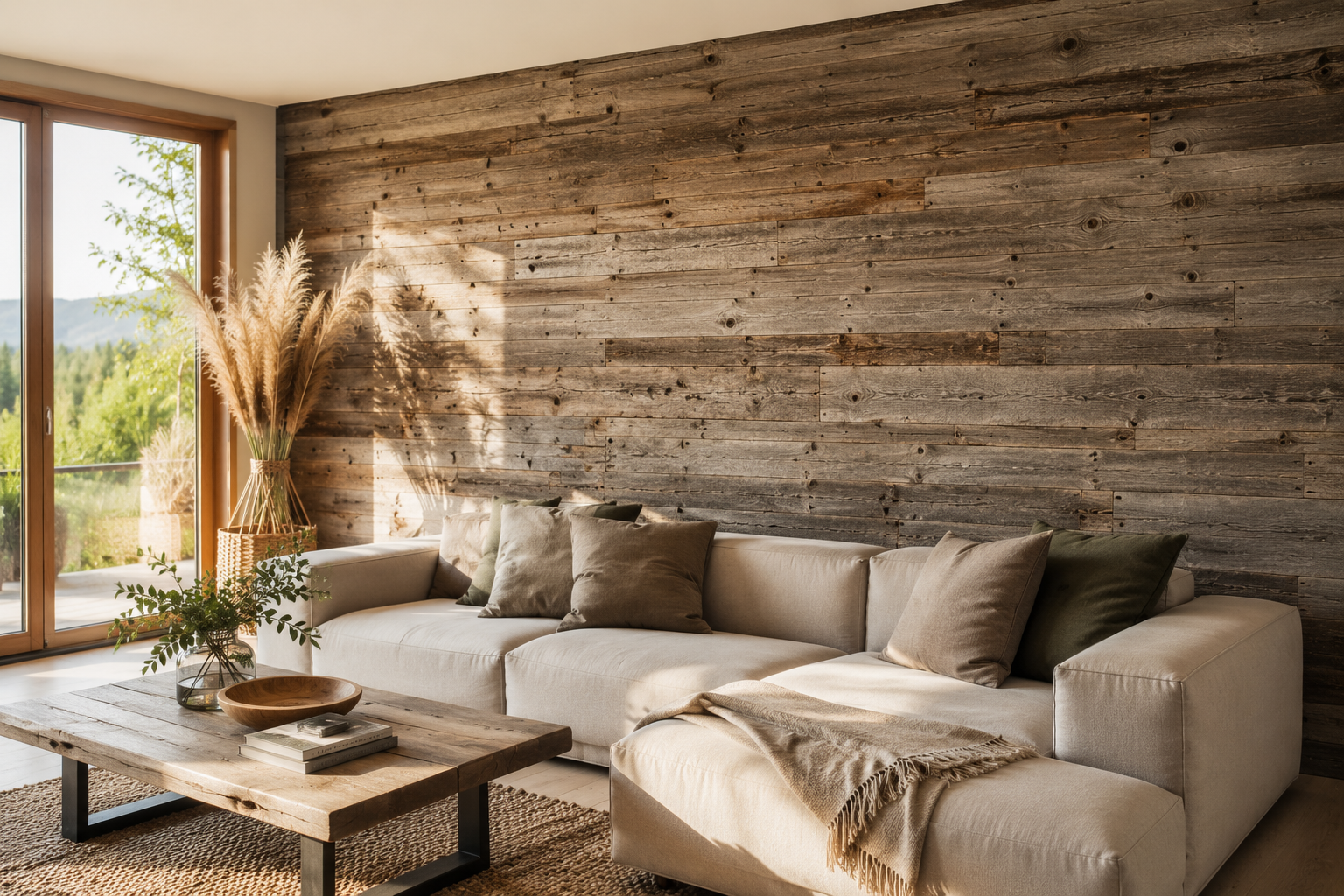
Non-Combustible Exterior Cladding
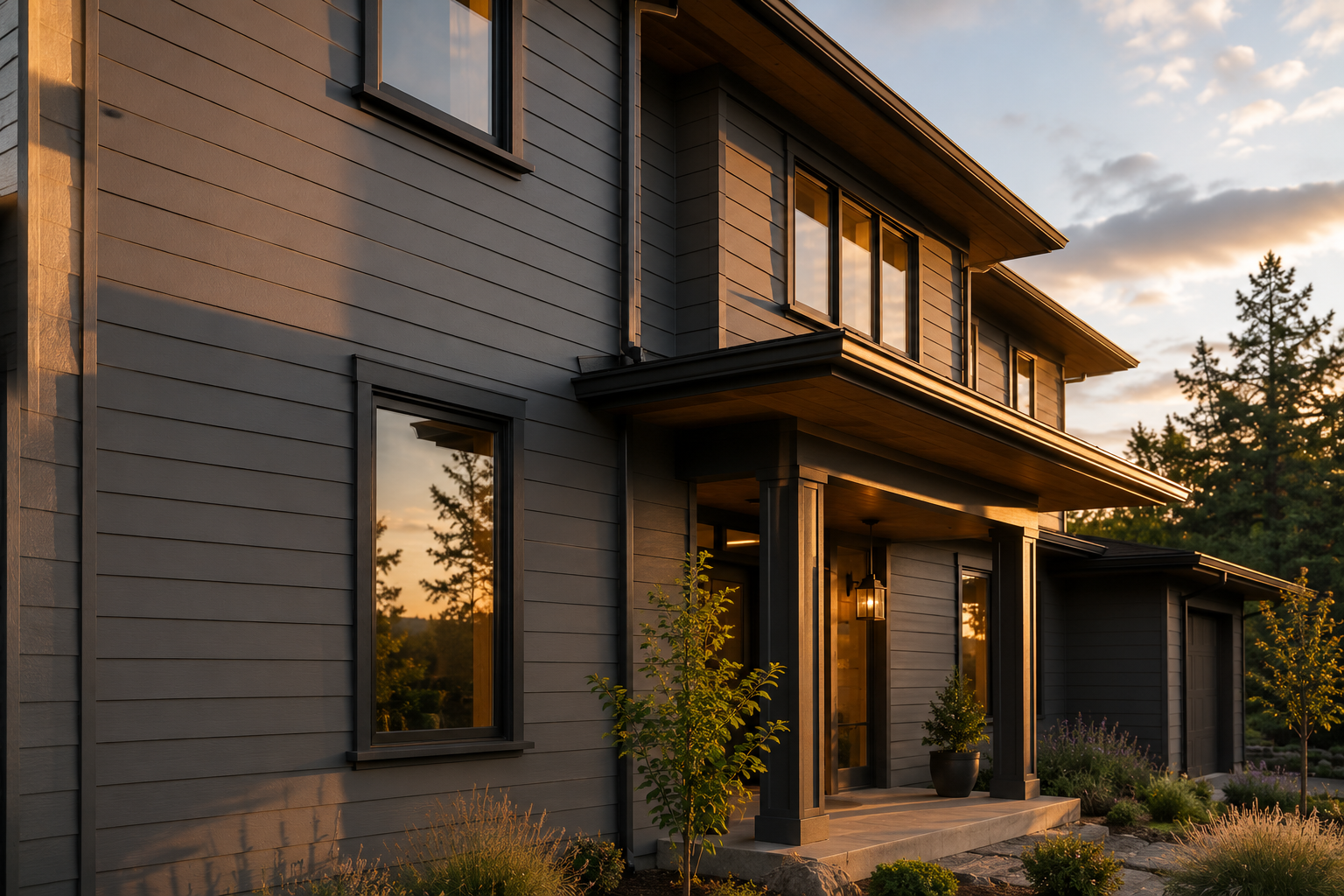
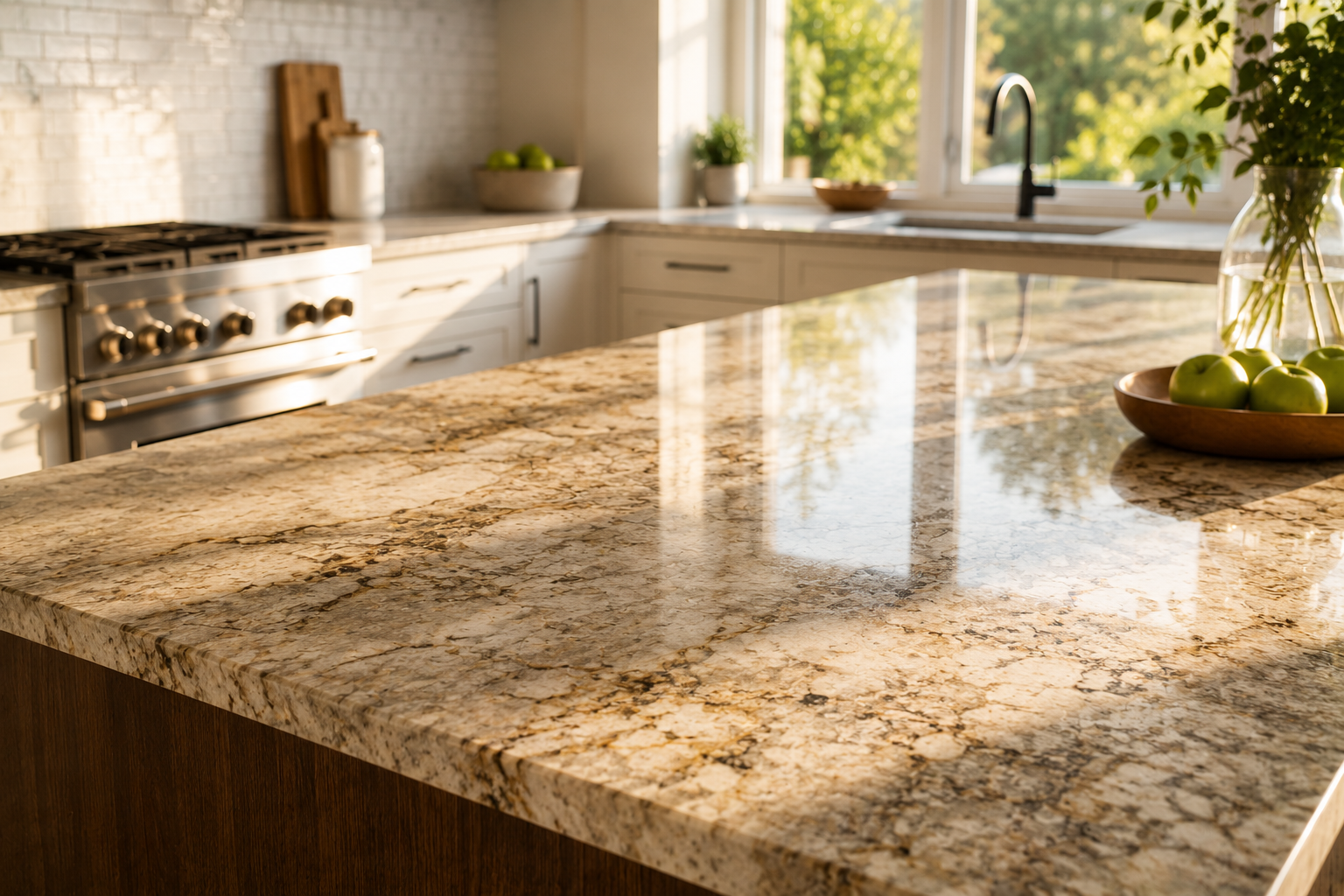
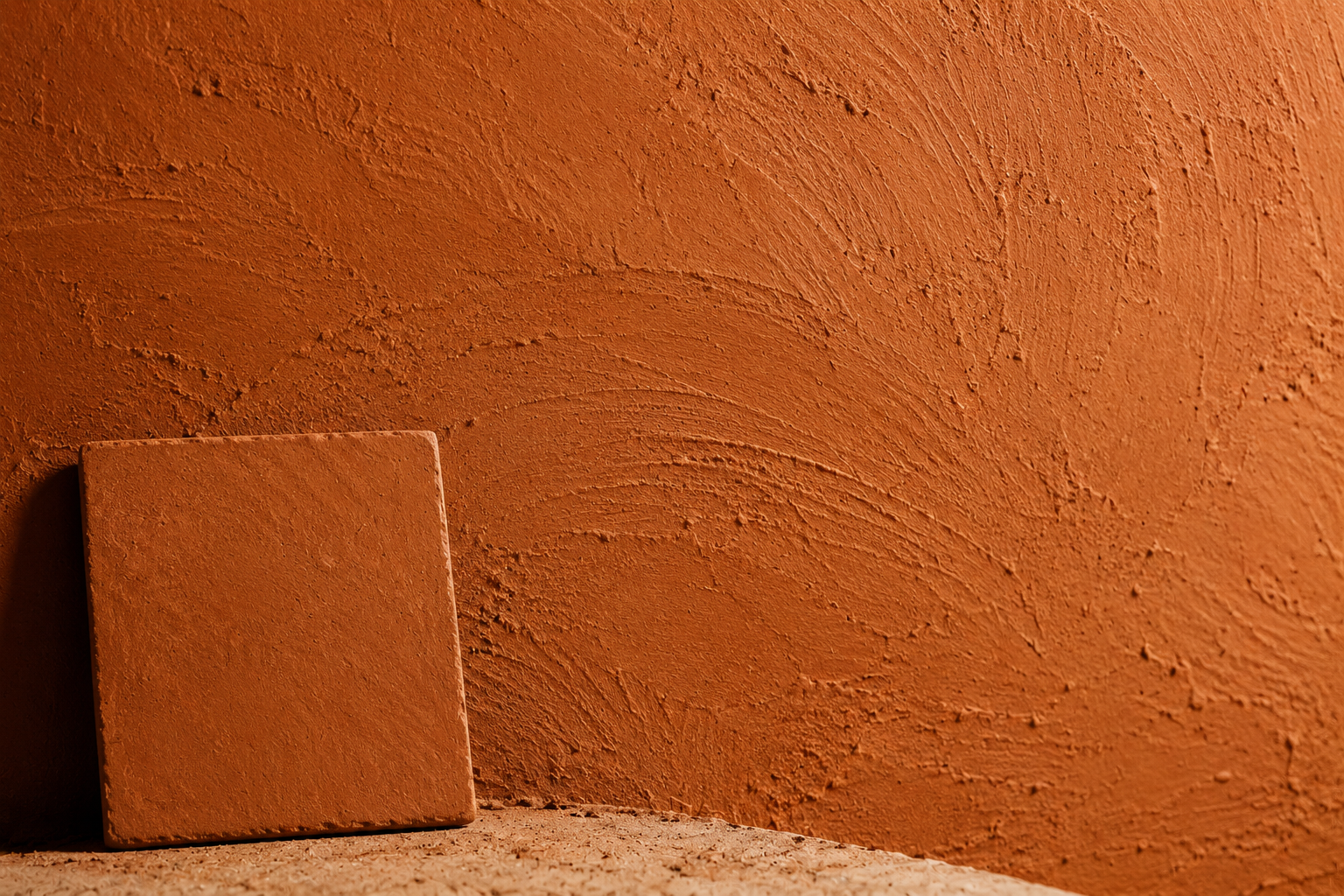
The exterior skin of your home is its first defense against wildfire. Embers travel miles ahead of a fire front, settling on walls, eaves, and decks. A non-combustible cladding gives those embers nothing to ignite. Modern residential architecture now has an extraordinary range of fire-rated cladding options that are not only safe—they're beautiful. Here are the eight most popular choices in custom and modern construction today.

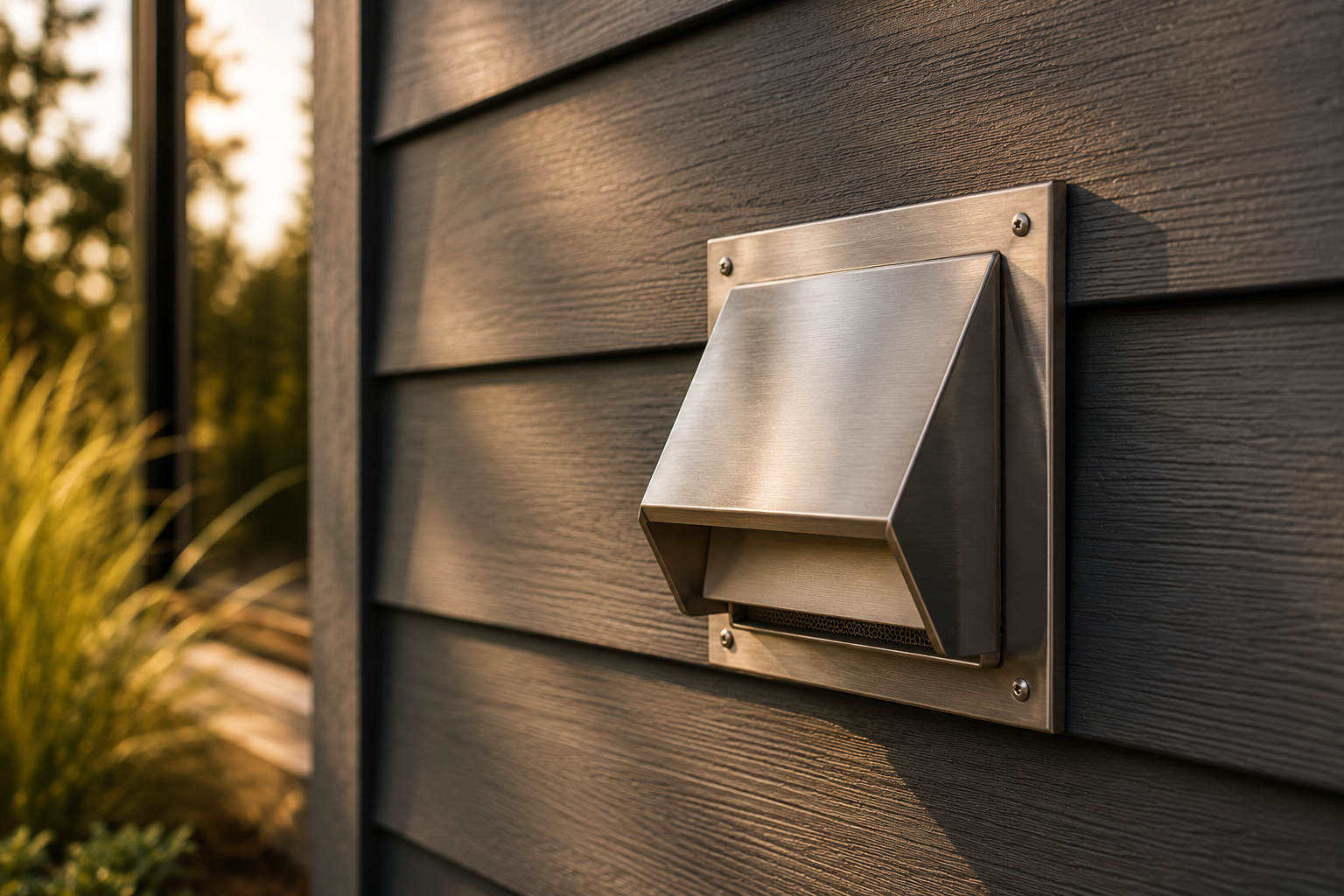
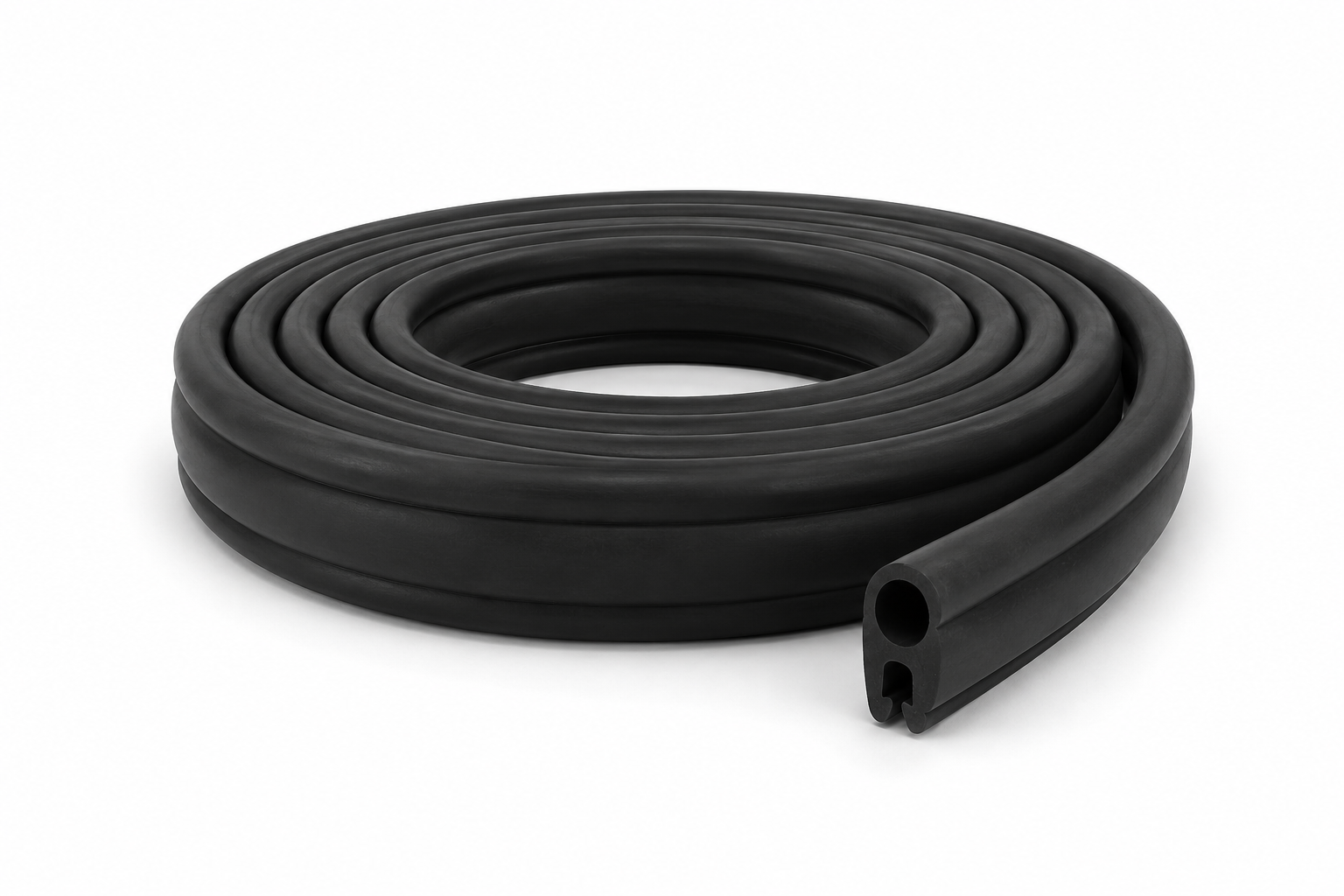
Ember-Resistant Vents & Openings
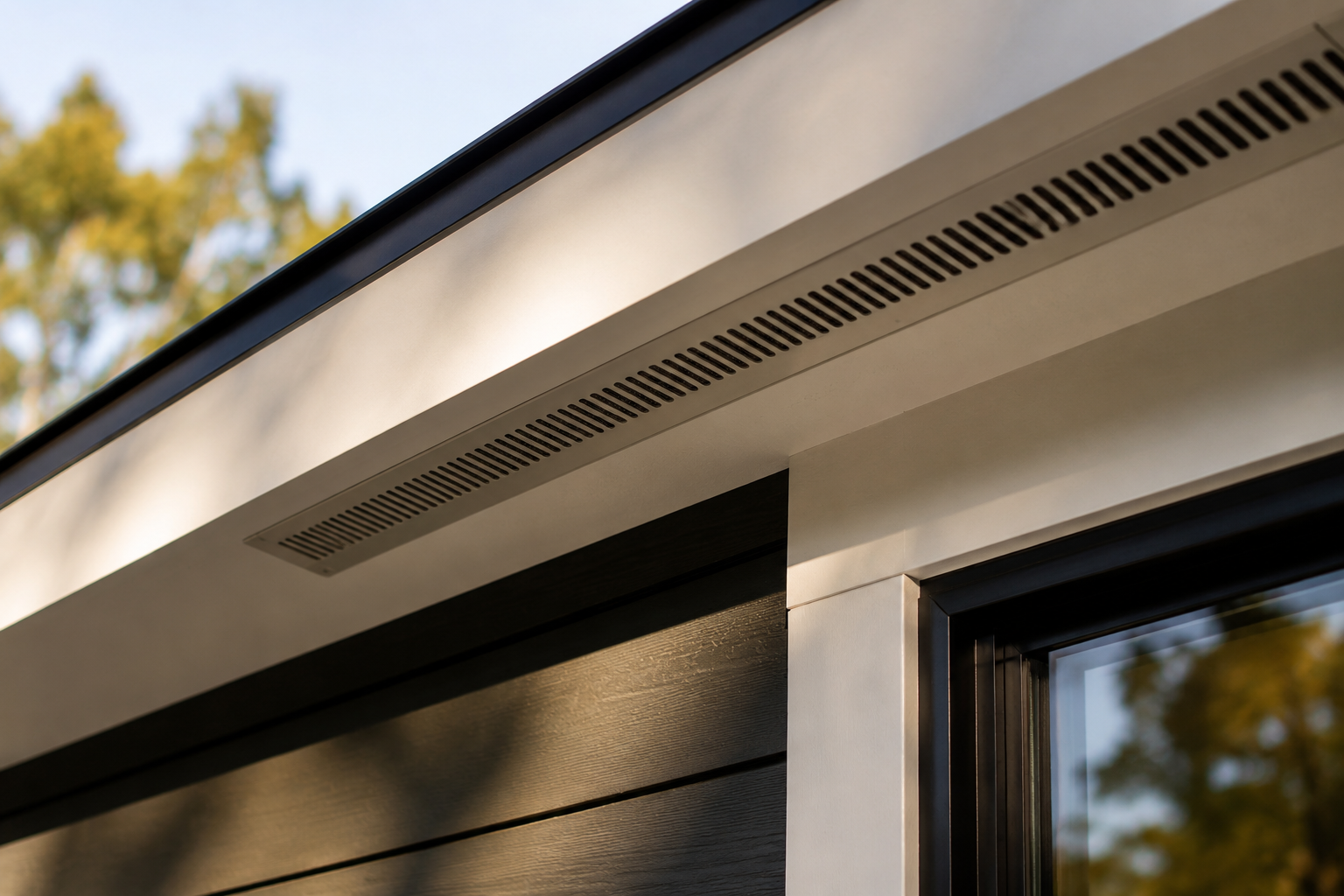
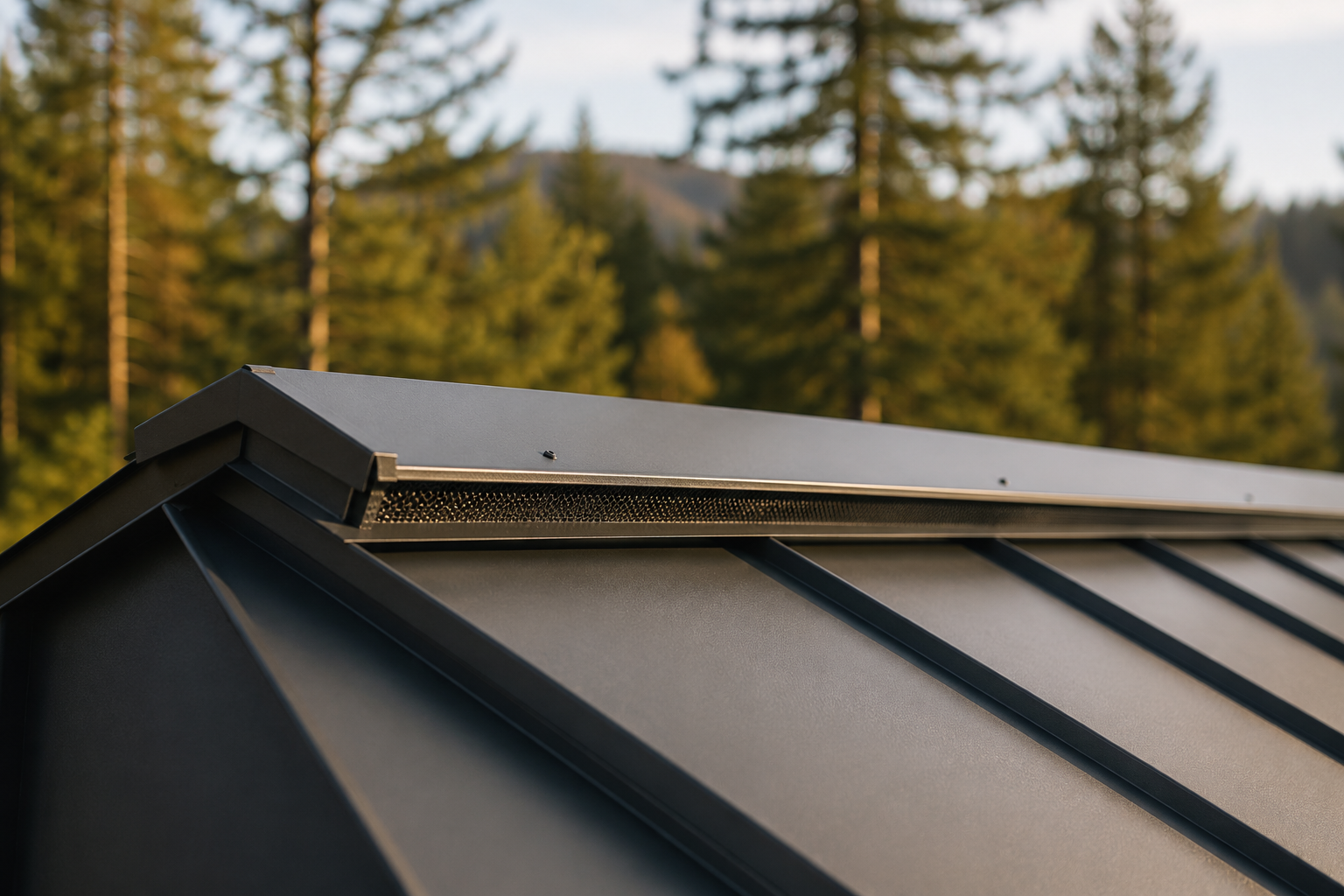
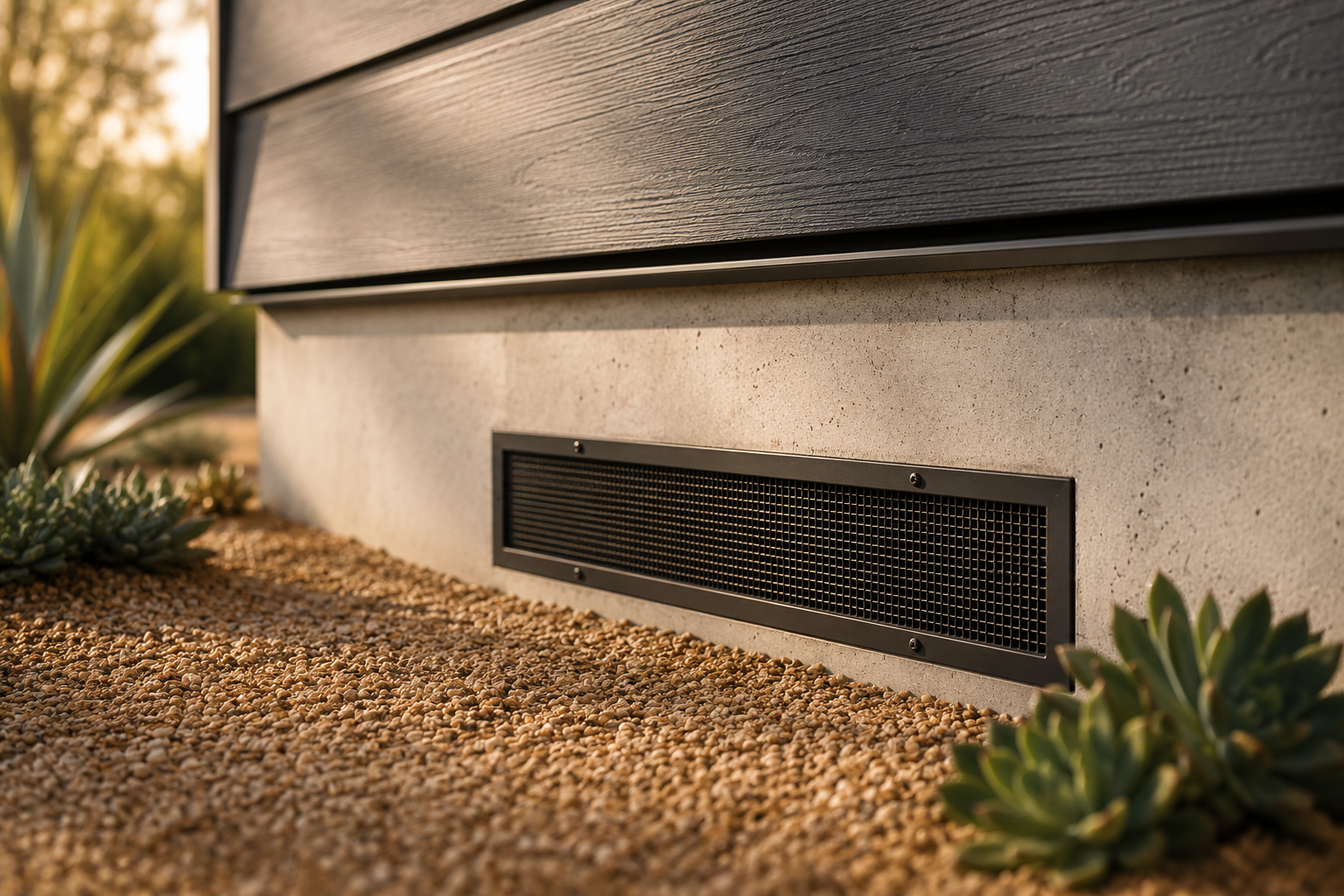
Most wildfire-destroyed homes are not lost to flame fronts—they're lost to embers entering attics, soffits, and crawlspaces through standard vents and openings. Modern ember-resistant detailing closes those pathways without compromising the ventilation a healthy building needs. Here are the eight component types that, together, make a home ember-tight.
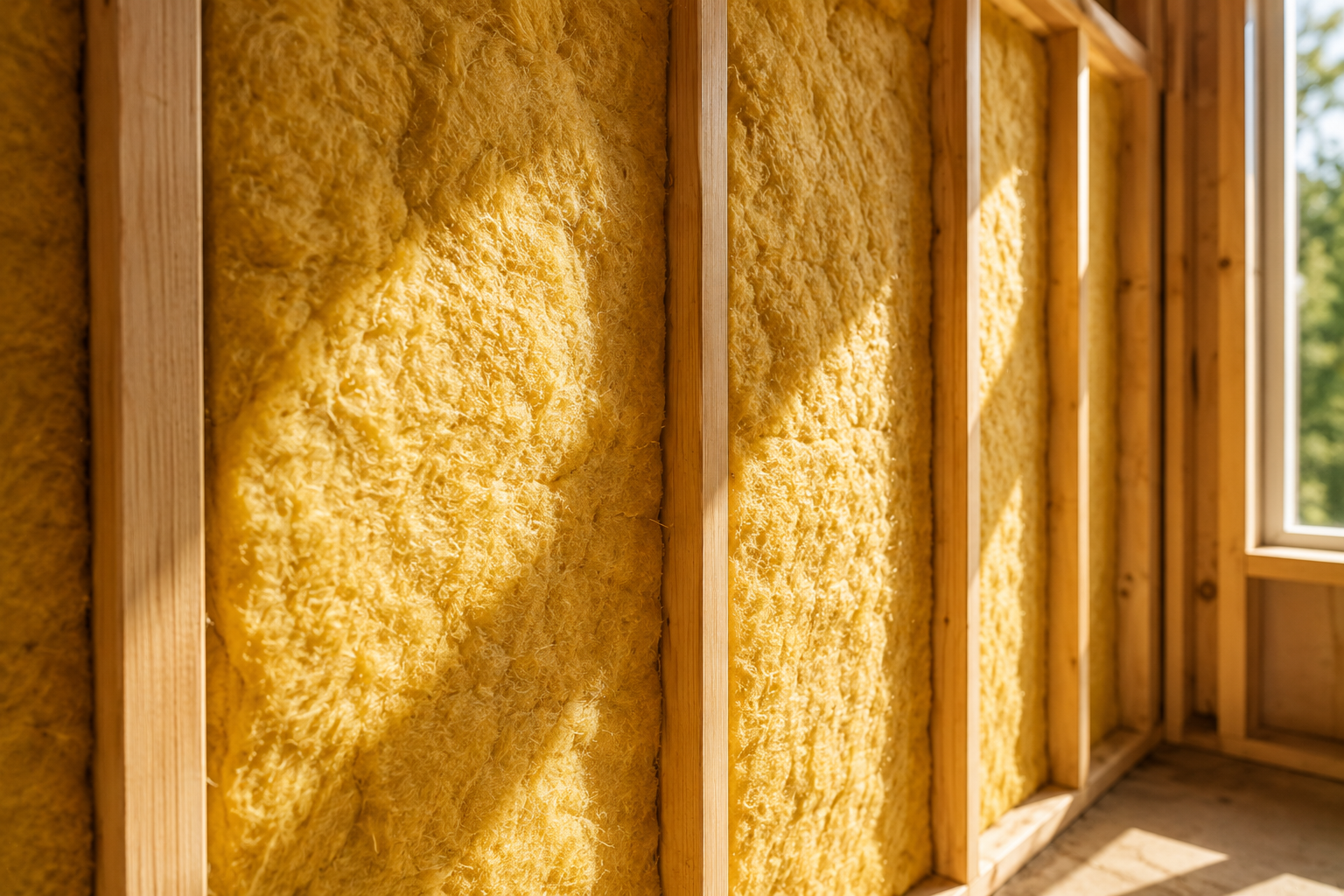
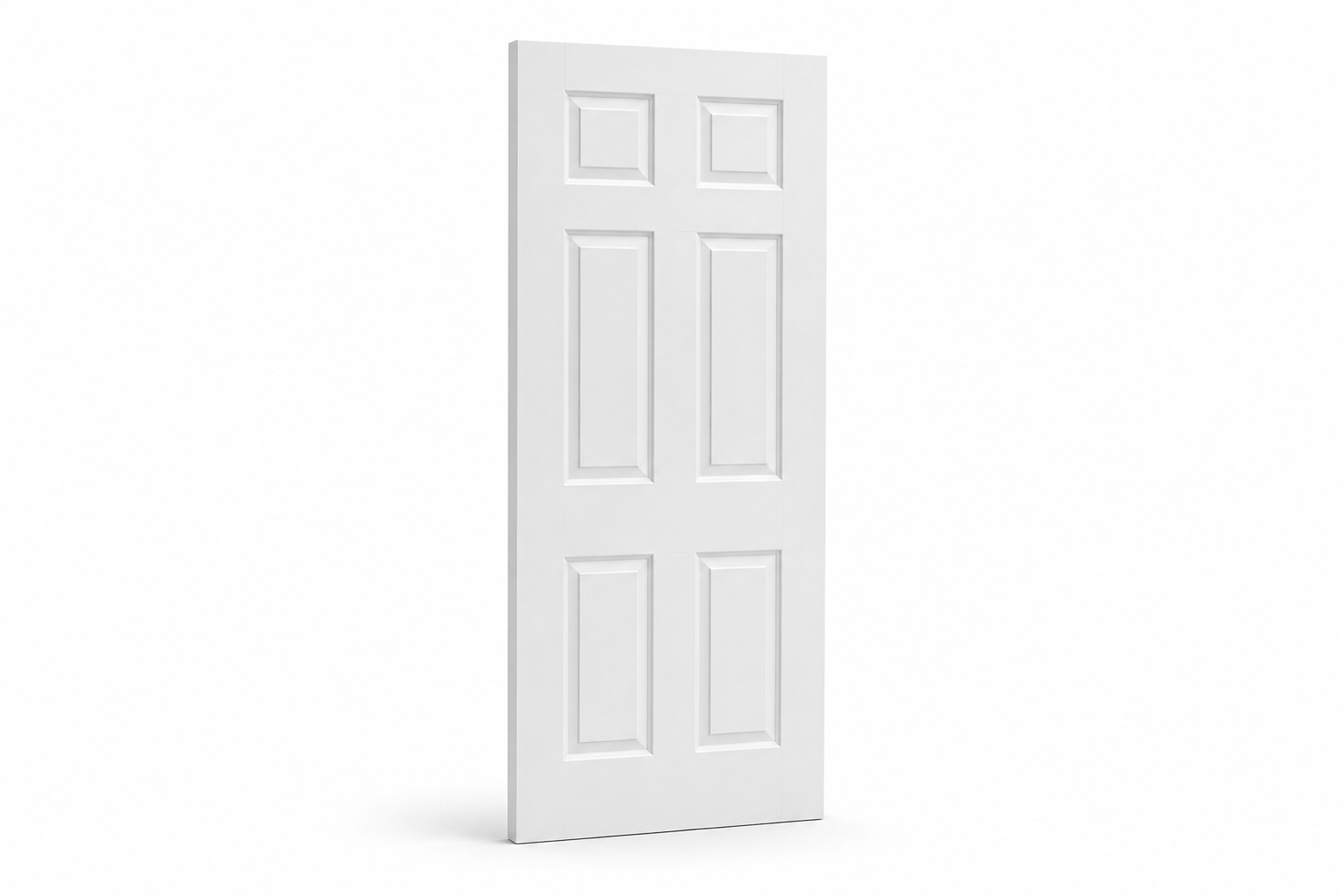
Fire-Rated Wall, Roof, and Door Assemblies
Behind the cladding, the assembly itself—every layer of sheathing, insulation, and finish—contributes to a structure's overall fire performance. A 1-hour fire-rated wall buys 60 minutes for fire crews, evacuation, or for the front to pass. Here are eight of the assembly choices that drive the highest fire-resistance ratings in modern residential work.
Defensible Space & Landscape Design
No matter how fire-resistant a structure is, defensible space—the landscape immediately surrounding the home—is what ultimately determines whether direct flame contact ever reaches the building. California's CAL FIRE defensible space program defines three zones, and within each, specific landscape and material choices dramatically reduce ignition risk. Here are eight of the highest-impact design strategies we deploy.
Ignition-Resistant Interior & Detail Materials
Beyond the primary cladding and assemblies, the small detail materials—decking, fencing, gates, trellises, accent woods—are often what tip a home into ignition during a wildfire. Modern ignition-resistant alternatives let you keep the design intent without keeping the fire risk. Here are eight detail materials that consistently outperform their traditional combustible counterparts.

Seismic & Structural Resilience: Earthquake-Ready Homes
California's seismic activity isn't a possibility; it's a certainty. The structural systems that hold a home together during an earthquake are the same systems that resist high-wind events, storm loading, and the long-term creep of structural settlement. Modern engineering practice combined with verified connection details produces homes that perform predictably—not just survive, but remain habitable—after a major seismic event.
Modern Shear Wall Design
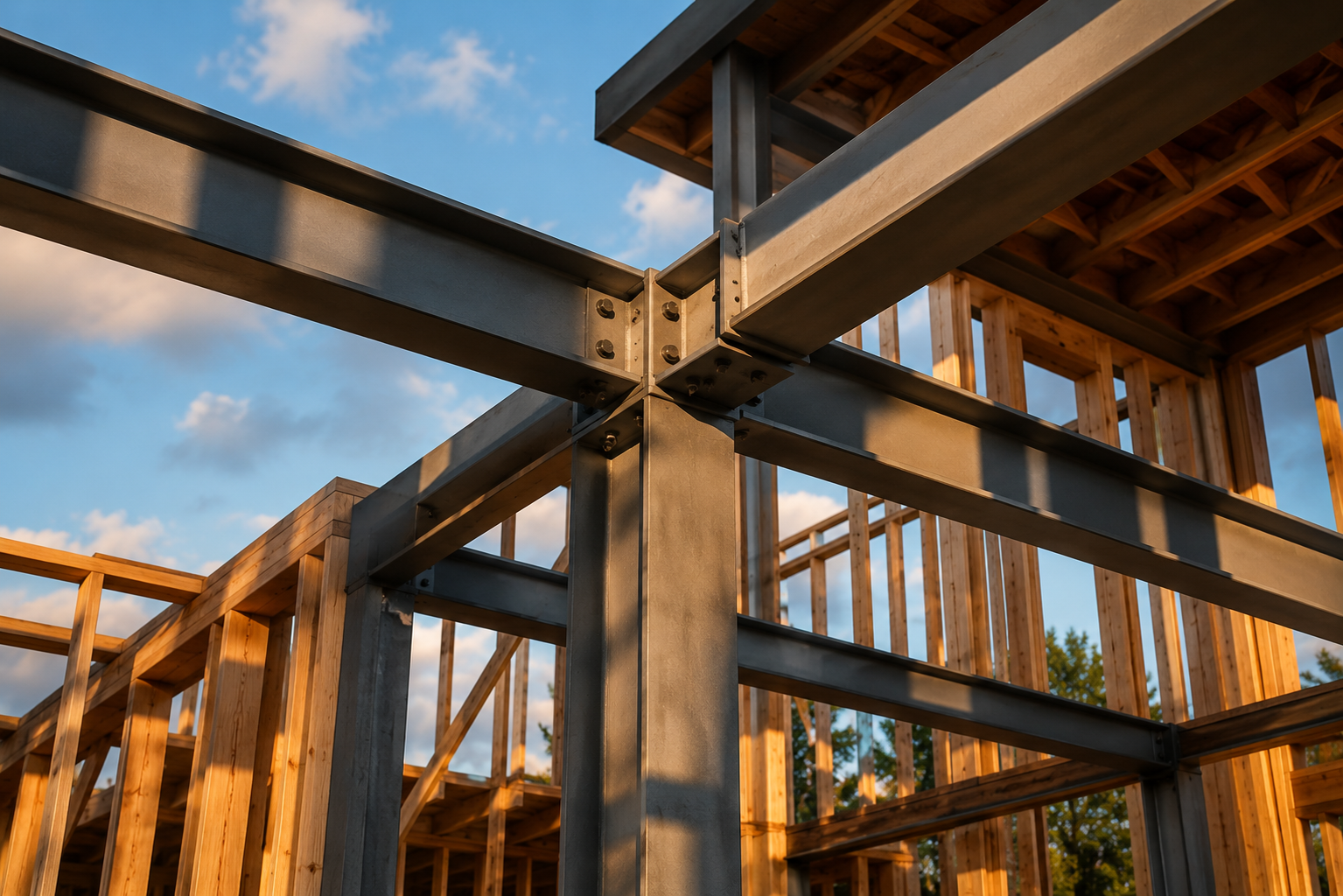
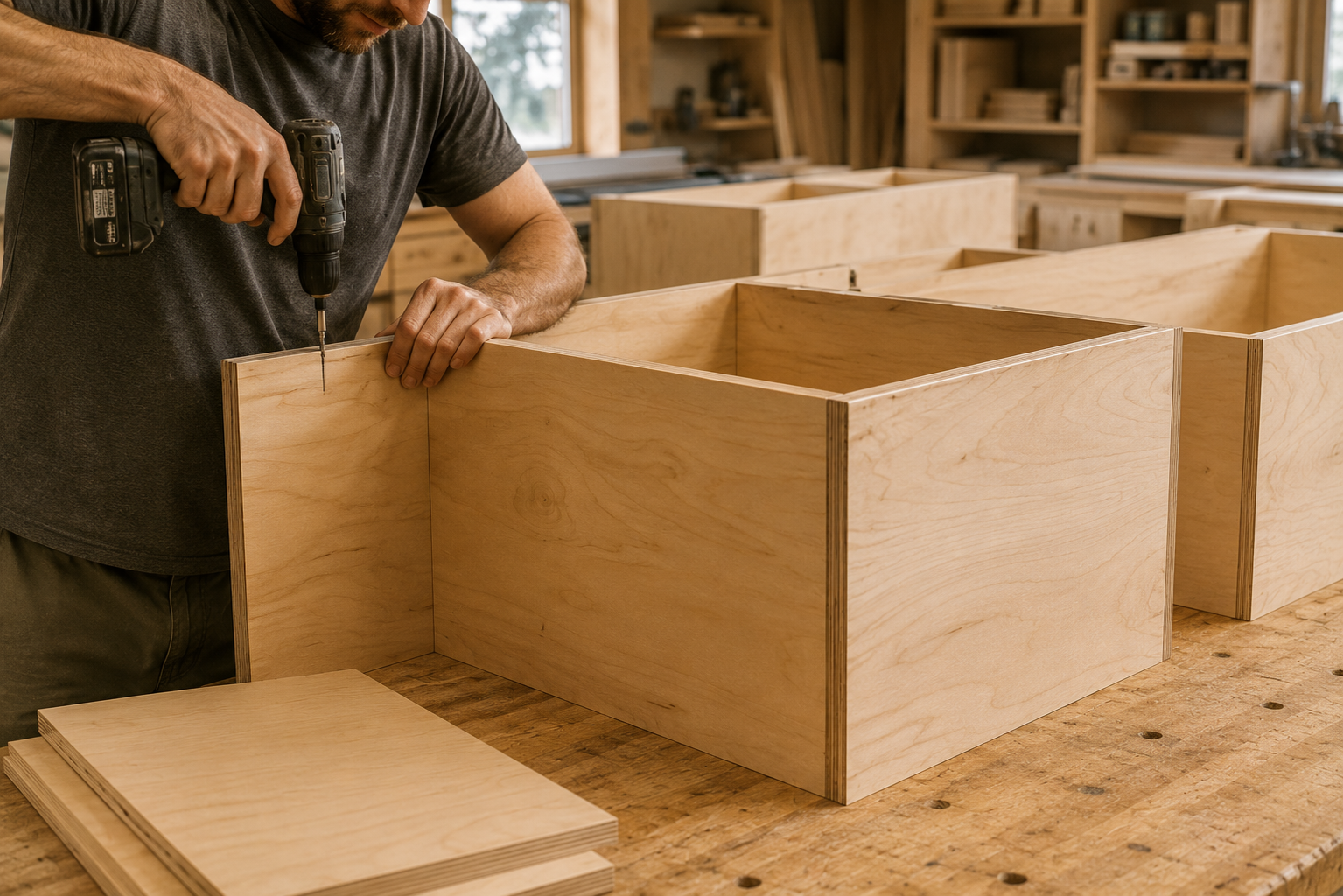
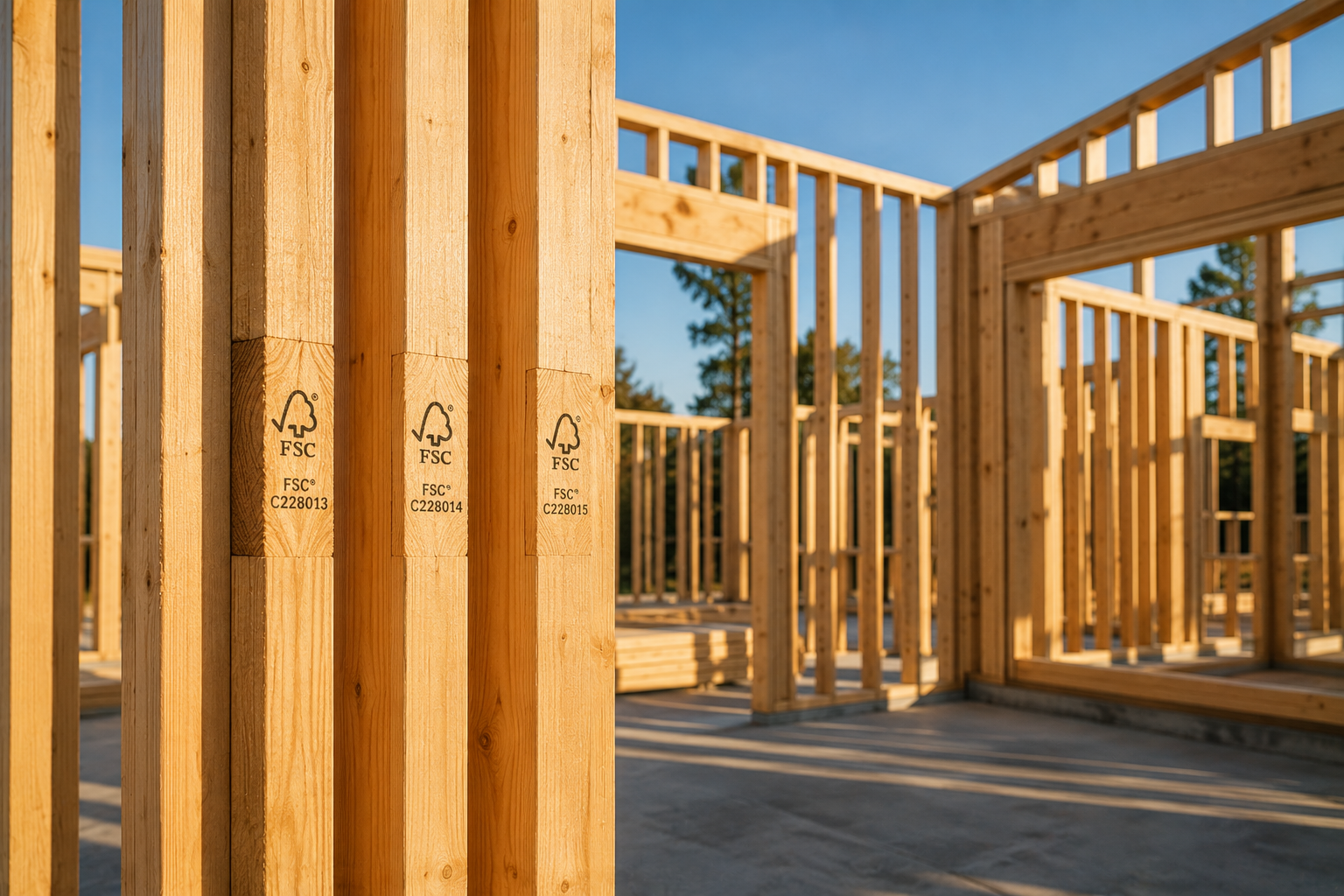
Shear walls are the engineered braced panels that transfer lateral earthquake and wind forces from the roof down to the foundation. Where older homes relied on a few light-framed walls with traditional plywood sheathing, modern shear wall systems incorporate continuous load paths, engineered fasteners, and high-strength sheathing materials specifically designed to resist seismic forces. Here are the eight shear wall variations seen most often in modern California residential work.
Hold-Downs, Anchors & Engineered Connections
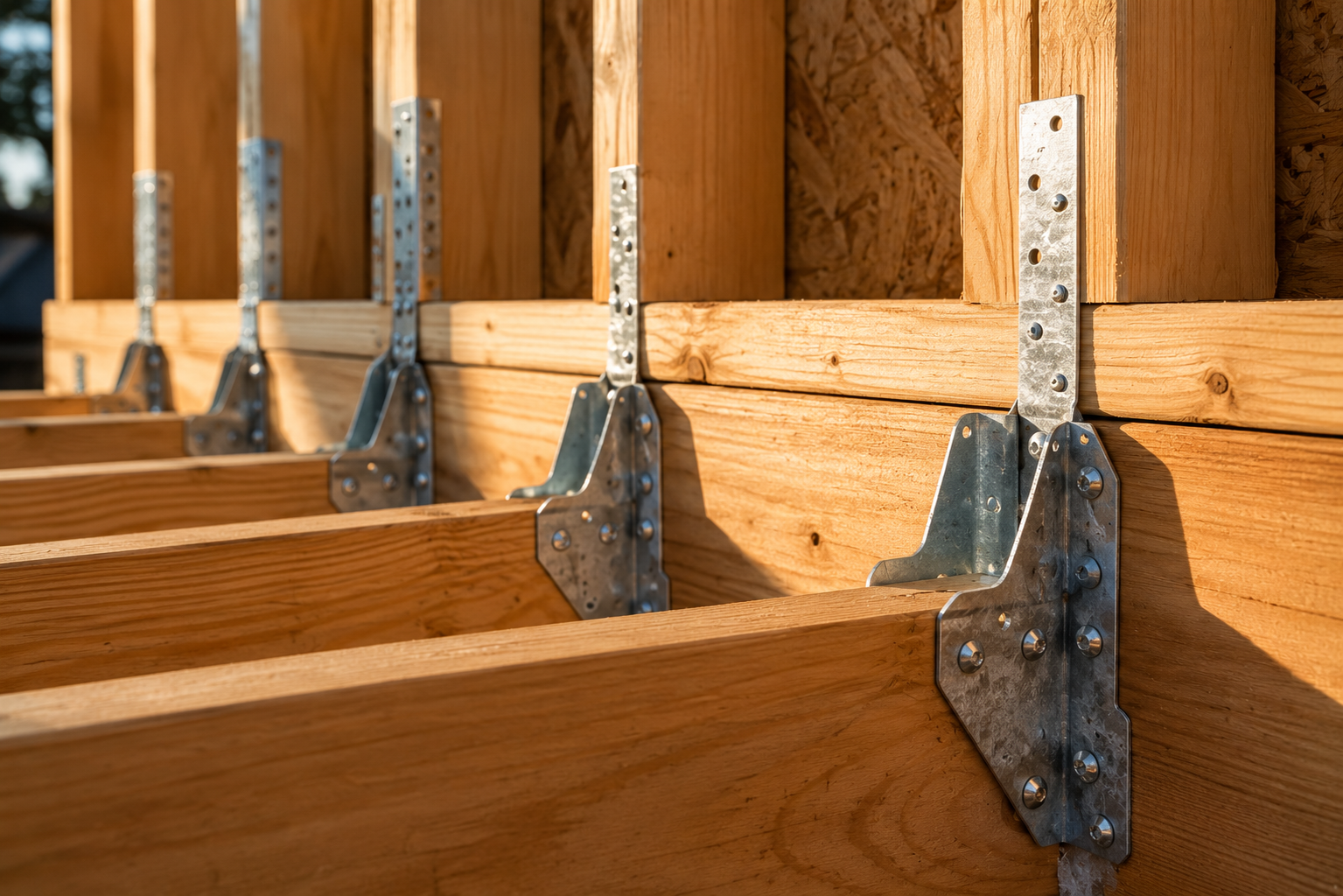
The single point of failure in many older homes during an earthquake is not the shear wall—it's the connection between the framing and the foundation. Hold-downs, anchor bolts, and engineered connectors are the small, hidden, high-leverage components that keep a home tied together when the ground starts moving. Here are the eight connection types that define modern seismic detailing.
Foundation Design & Upgrades
The foundation is the literal interface between the structure and the moving earth. Modern foundations are engineered for soil conditions, seismic forces, and site-specific risks like expansive soils or steep grades. For existing homes, foundation upgrades are often the single most impactful resilience investment. Here are eight foundation strategies that define modern California seismic construction.
Retrofitting Older Homes
Most Bay Area homes built before 1980 lack modern seismic detailing—and represent enormous untapped opportunity for resilience improvement. A well-executed seismic retrofit transforms an aging structure into one that performs predictably during an earthquake, often at a fraction of the cost of a new build. Here are eight retrofit interventions that consistently deliver the highest return per dollar.
Continuous Load Path Engineering
Continuous load path is the principle that every structural element—roof, walls, floor, foundation—is positively connected to the next, forming an unbroken chain from the ridge to the footing. Earthquake and wind forces find the weakest link in that chain and break it. Modern engineering eliminates the weak links by design. Here are eight load-path elements that, together, define a structurally complete home.
Energy Independence: Solar, Storage & Full Electrification
A truly resilient home doesn't need the grid. It generates its own electricity, stores enough to run through multi-day outages, and uses heat pumps and induction cooking instead of fossil fuels. When PG&E's Public Safety Power Shutoffs roll out, when the next atmospheric river takes down lines, when rates climb yet again—energy-independent homes simply keep running. Here's how we build them.
Solar-Ready Design
A home designed for solar from day one performs dramatically better than one with panels retrofitted onto a roof that wasn't planned for them. Orientation, roof geometry, shading, and structural capacity all determine how much sun a home can actually capture. Here are the eight solar-readiness design strategies we build into every project.
Battery Storage Integration
Solar without storage is only useful when the sun is shining. Battery storage transforms a grid-tied solar array into a genuine resilience asset, providing power through PG&E shutoffs, evening peak hours, and grid emergencies. Modern battery systems are also financial assets, arbitraging time-of-use rates and providing measurable resale value. Here are the eight components and strategies that define modern residential energy storage.
Full Electrification: All-Electric Homes
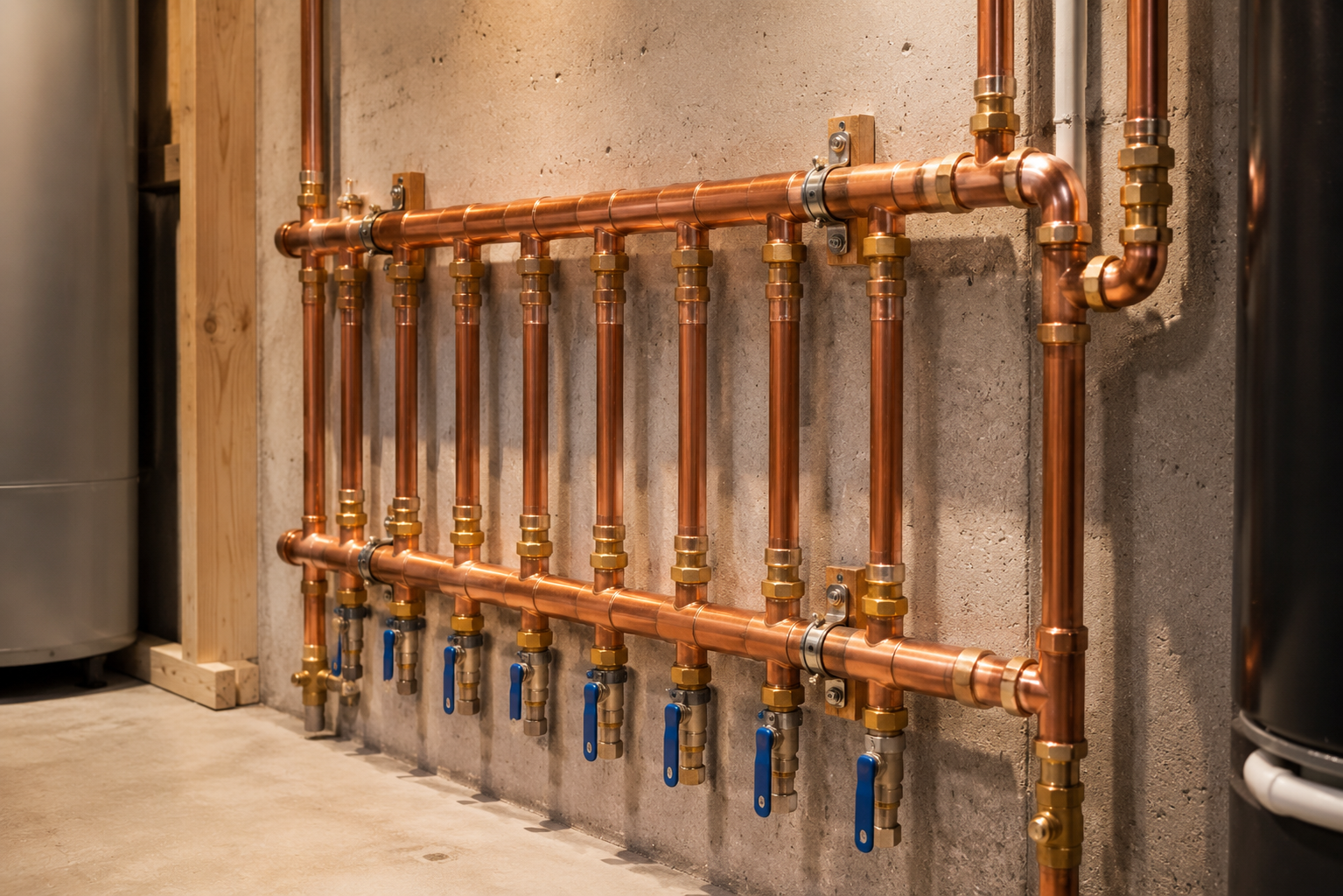
A home that runs on electricity rather than natural gas can be powered entirely by solar and batteries—a gas-burning home cannot. Full electrification also eliminates indoor combustion (a major source of indoor air pollution), removes the gas line as a seismic vulnerability, and prepares the home for a future where gas service may be increasingly restricted. Here are the eight electrification systems that define a modern all-electric home.
Heat Pump Systems: Heating, Cooling & Hot Water
Heat pumps are the single most important technology in residential decarbonization. Operating on the same refrigeration principle as a refrigerator—moving heat rather than creating it—they deliver heating and cooling at 3-4x the efficiency of any combustion system, and they're now mature, reliable, and quiet. Here are the eight heat pump configurations we specify across Bay Area residential work.
Reducing Energy Dependence
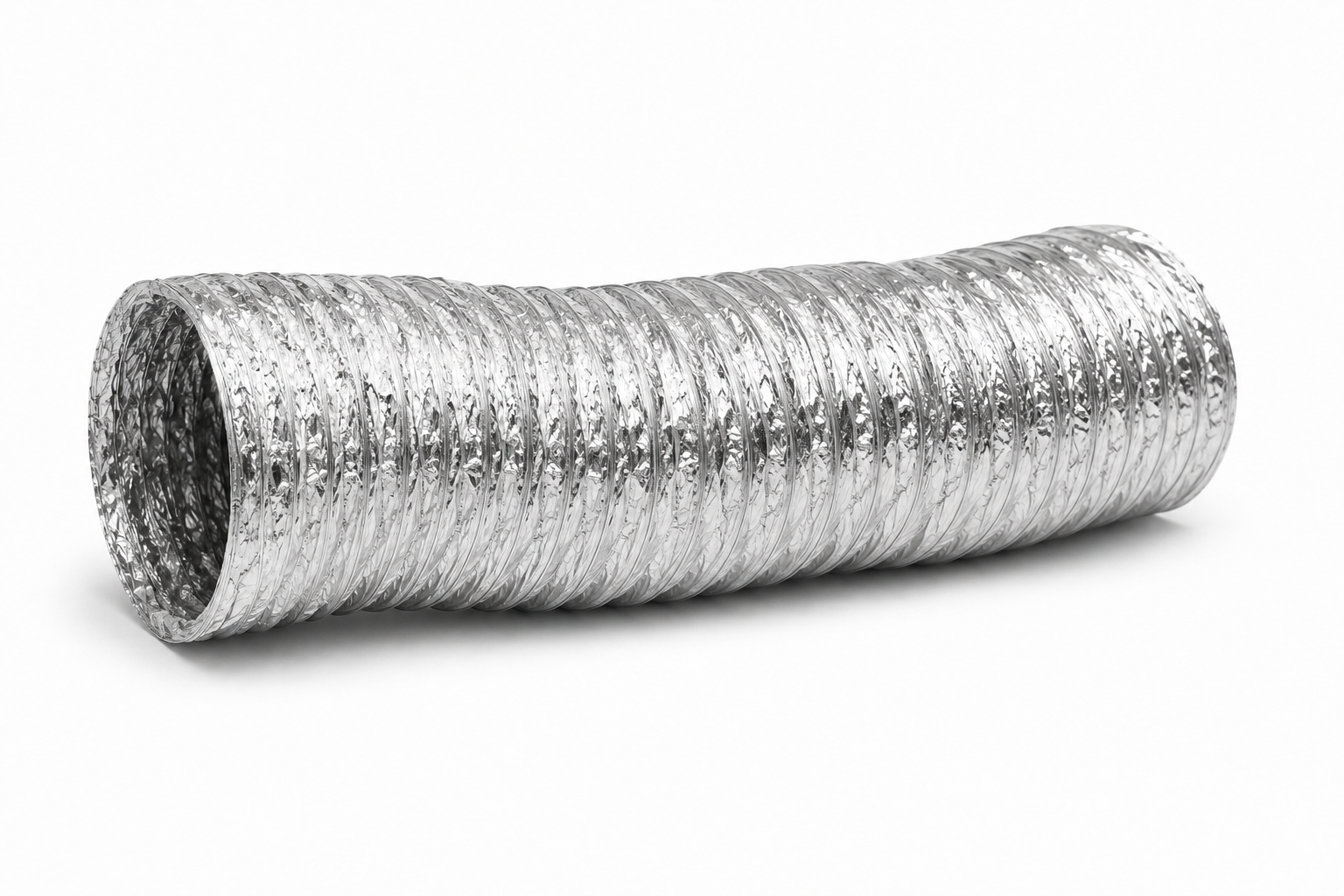
The most resilient kilowatt-hour is the one you never need to generate in the first place. Reducing a home's energy demand through envelope efficiency, smart load management, and right-sized mechanicals is the foundation that makes the rest of the energy independence strategy work. Here are the eight design moves that consistently produce the lowest-consumption homes we build.
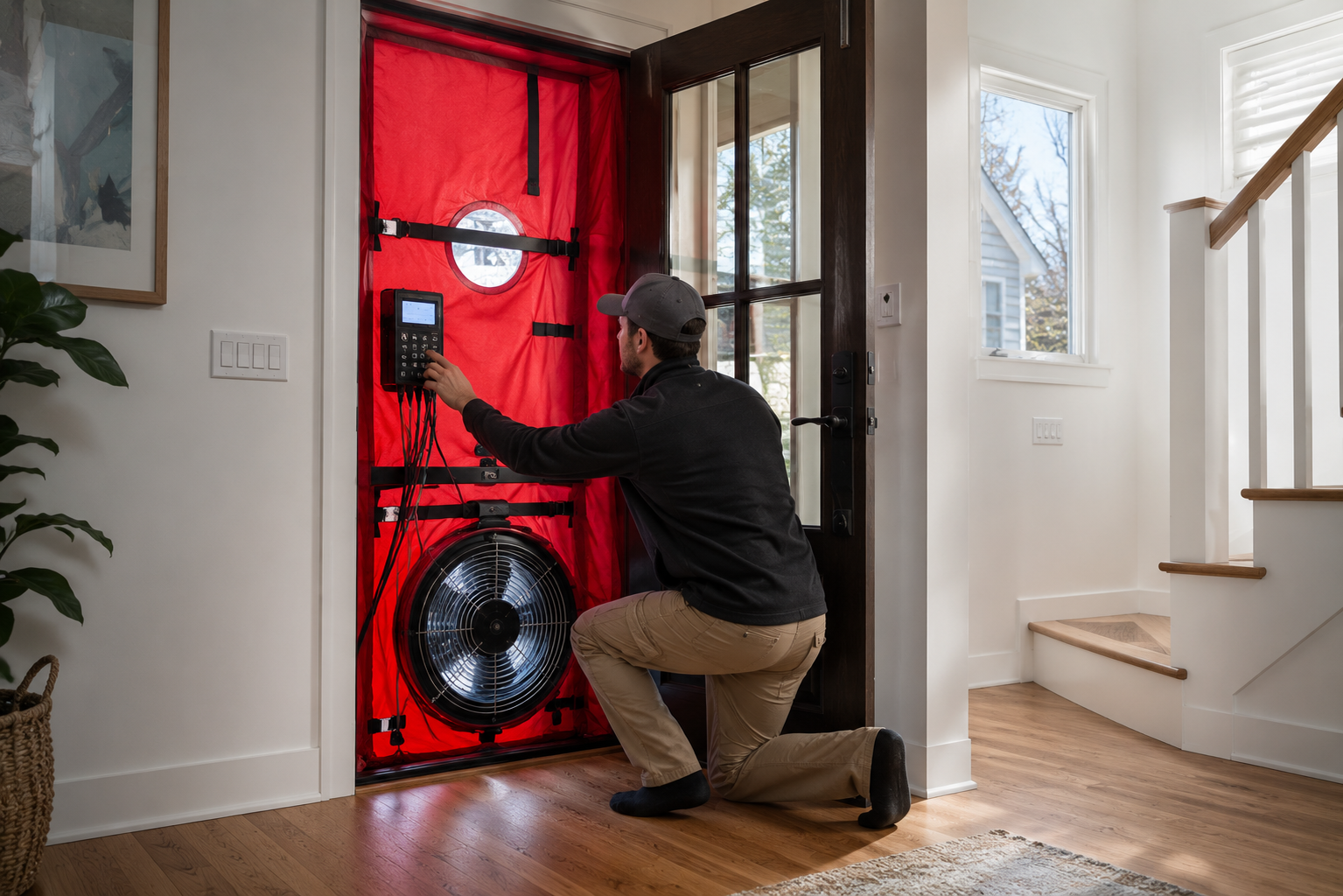
Learn More: Expert Playlists
Explore our curated YouTube playlists on resilient construction, durability, energy efficiency, and more:

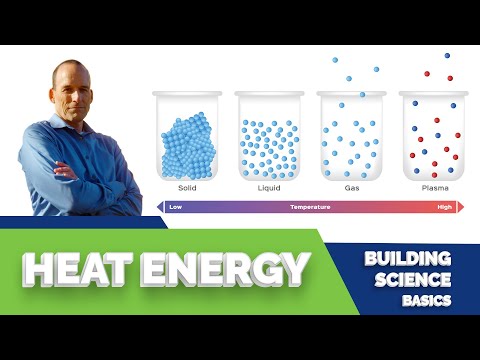
Energy Efficiency & Operational Carbon
9 videos on reducing energy consumption
View full playlist on YouTube
Ready to Build a Resilient Home?
Contact us today to discuss how we can bring fire-resistant construction, seismic strengthening, and energy independence to your next project.
Get in Touch