PVC & Chlorinated Polymers
The most common construction plastic — and a problem chemistry from cradle to grave.

Toxic Chemical Databases
Where this family lands across the nine independent toxicology authorities we screen against.
Chemical Type
Chlorinated Vinyl Polymer
Chemical Description
Polyvinyl chloride is everywhere in modern construction: pipe, siding, window frames, flooring, wall covering, electrical cable, and roofing membrane. The polymer itself is relatively stable in service, but every life-cycle stage carries a hazard. The monomer (vinyl chloride) is an IARC Group 1 human carcinogen. The manufacturing produces chlorinated dioxins and furans. The finished product depends on a stew of additives — phthalate plasticizers, lead and cadmium stabilizers in older stock, brominated flame retardants, and organotin heat stabilizers. End-of-life incineration releases dioxins again. Chlorinated polyvinyl chloride (CPVC) and post-chlorinated PVC carry the same concerns plus added chlorine loading. EBH minimizes PVC throughout every project: HDPE drain-waste-vent, copper or PEX supply piping, linoleum or solid wood flooring, polyolefin housewrap, and aluminum-clad or fiberglass window frames.
Chemical Structure
Molecular schematic for PVC & Chlorinated Polymers — formula and structural features shown below.
Biological Activity
Severity scores summarize hazard endpoints from IARC, NTP, EPA IRIS, ATSDR, and NIOSH on a 0–10 scale. Mirrors the system-level output of our SDS Toxic Chemical Screener.
Chemical Analogs and Brand Names
- Polyvinyl chloride (PVC) — CAS 9002-86-2
- Chlorinated polyvinyl chloride (CPVC) — CAS 68648-82-8
- Vinyl chloride monomer — CAS 75-01-4
- Polyvinylidene chloride (PVDC) — CAS 9002-85-1
- C
Top Health Consequences
- Vinyl chloride monomer is a confirmed (IARC Group 1) human carcinogen
- Dioxin and furan emissions during manufacture and incineration
- Plasticizer migration drives chronic endocrine and reproductive exposure
- Heavy-metal stabilizer leaching from older PVC stock
- Hydrogen chloride and dioxin release in building fires
Pathways of Exposure
- Inhalation of off-gassed plasticizer and stabilizer from new vinyl flooring and wall covering
- Skin contact with flexible PVC during use and demolition
- Drinking water leaching from CPVC supply piping (especially when new)
- Dust ingestion from worn or weathered vinyl surfaces
- Combustion byproducts in fires (HCl, dioxins, furans)
Substances in this Family
Each substance below has its own profile page with its own database flags, biological-activity scores, and exposure pathways — they are NOT interchangeable.
Building Materials with PVC & Chlorinated Polymers
Listed alphabetically. These are the product categories where this chemistry most often shows up — not an exhaustive list.
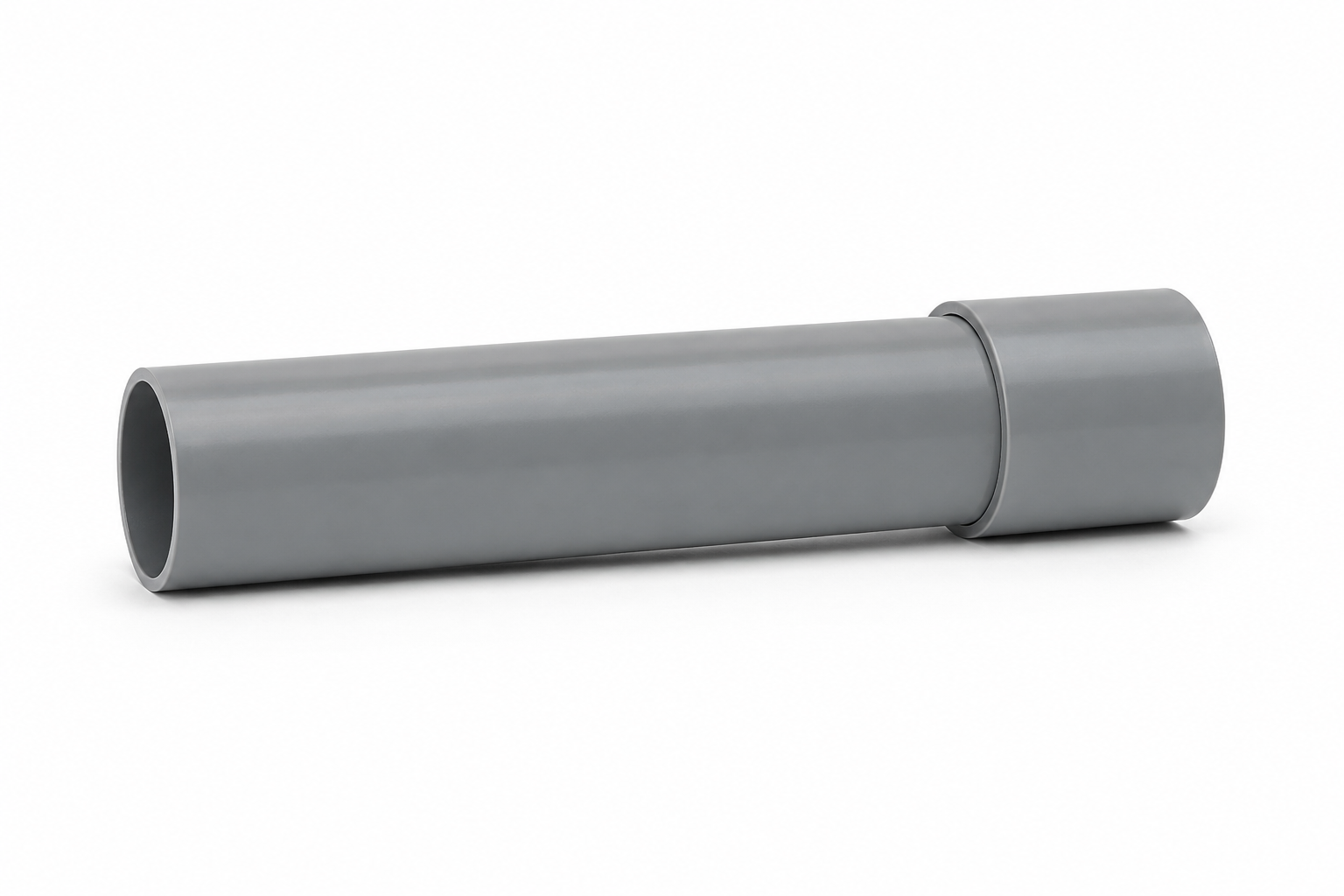 Electrical Conduit & Box Components
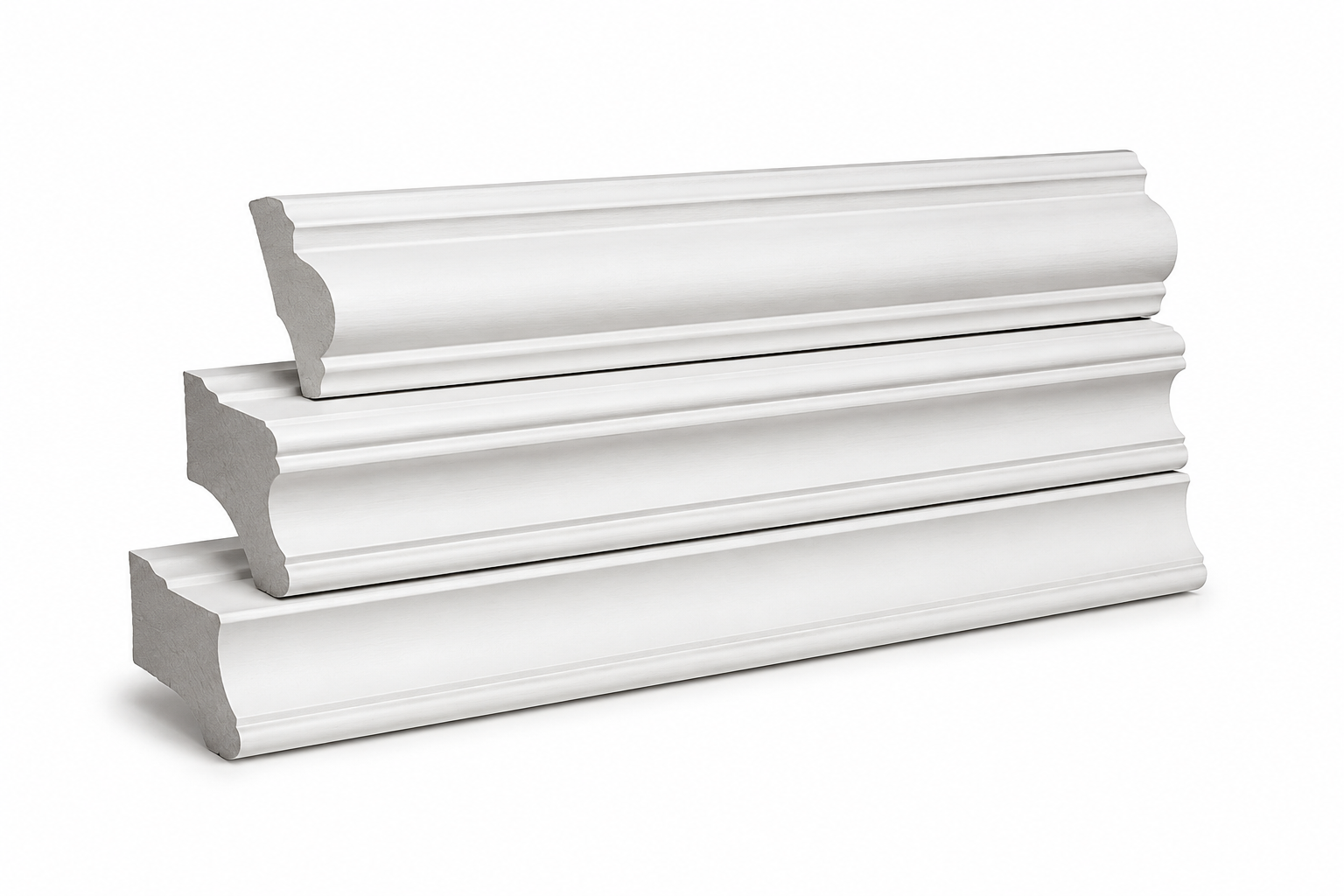 Faux Wood Window Trim & Profiles
 Resilient Vinyl Sheet Flooring
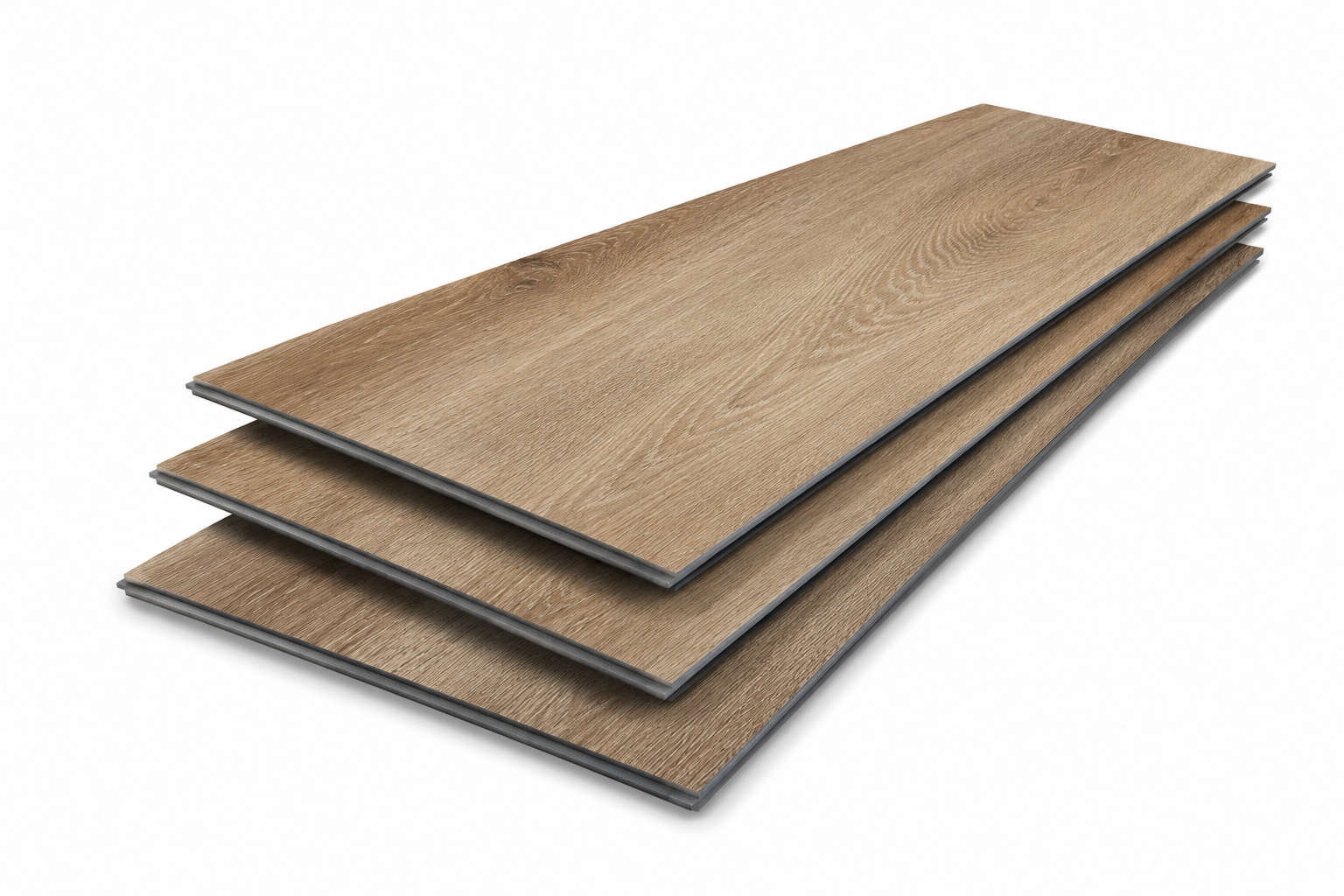
 Resilient Vinyl Tile (LVT, VCT)
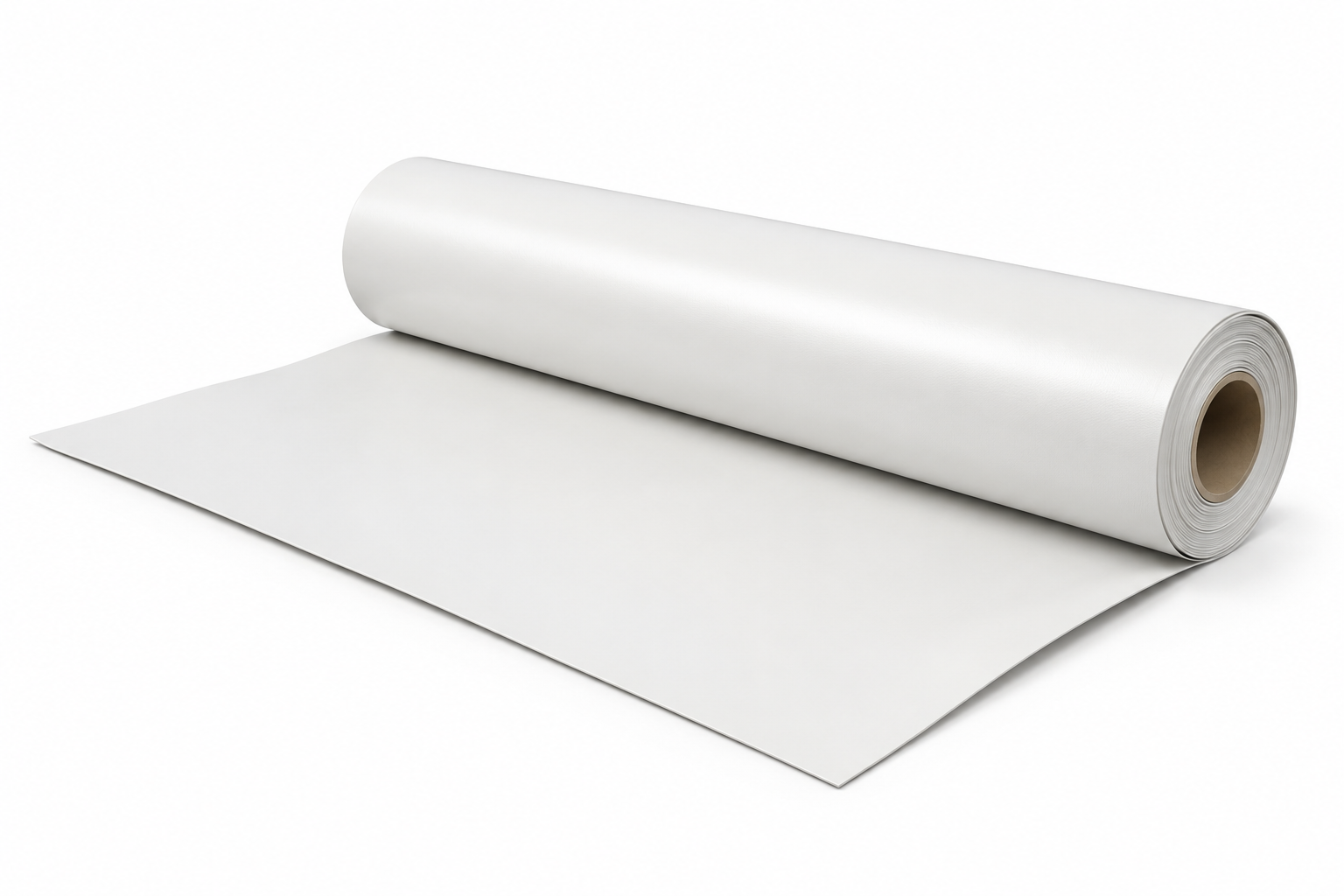 Roofing Membrane (PVC Single-Ply)
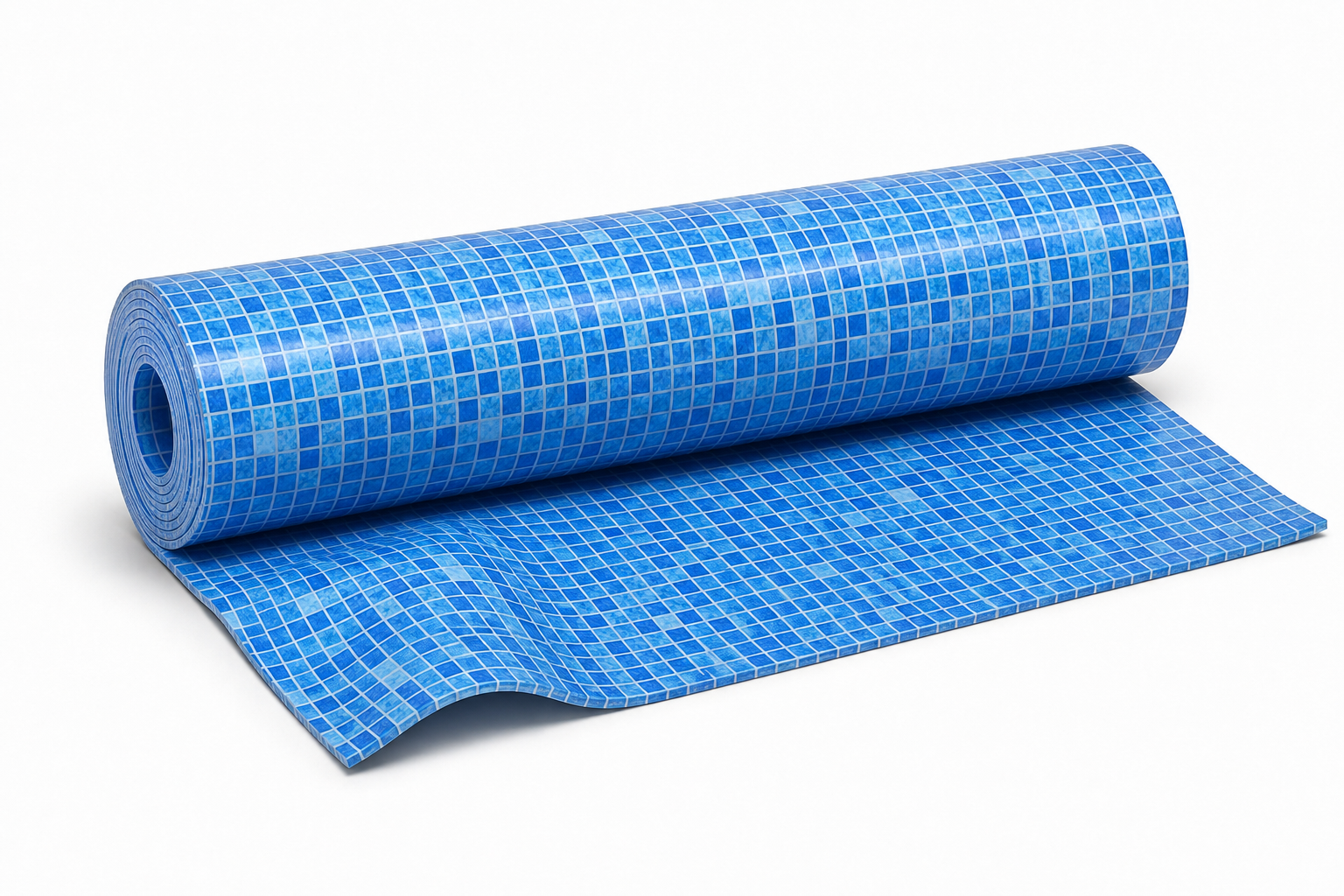 Shower Pan Liners (PVC)
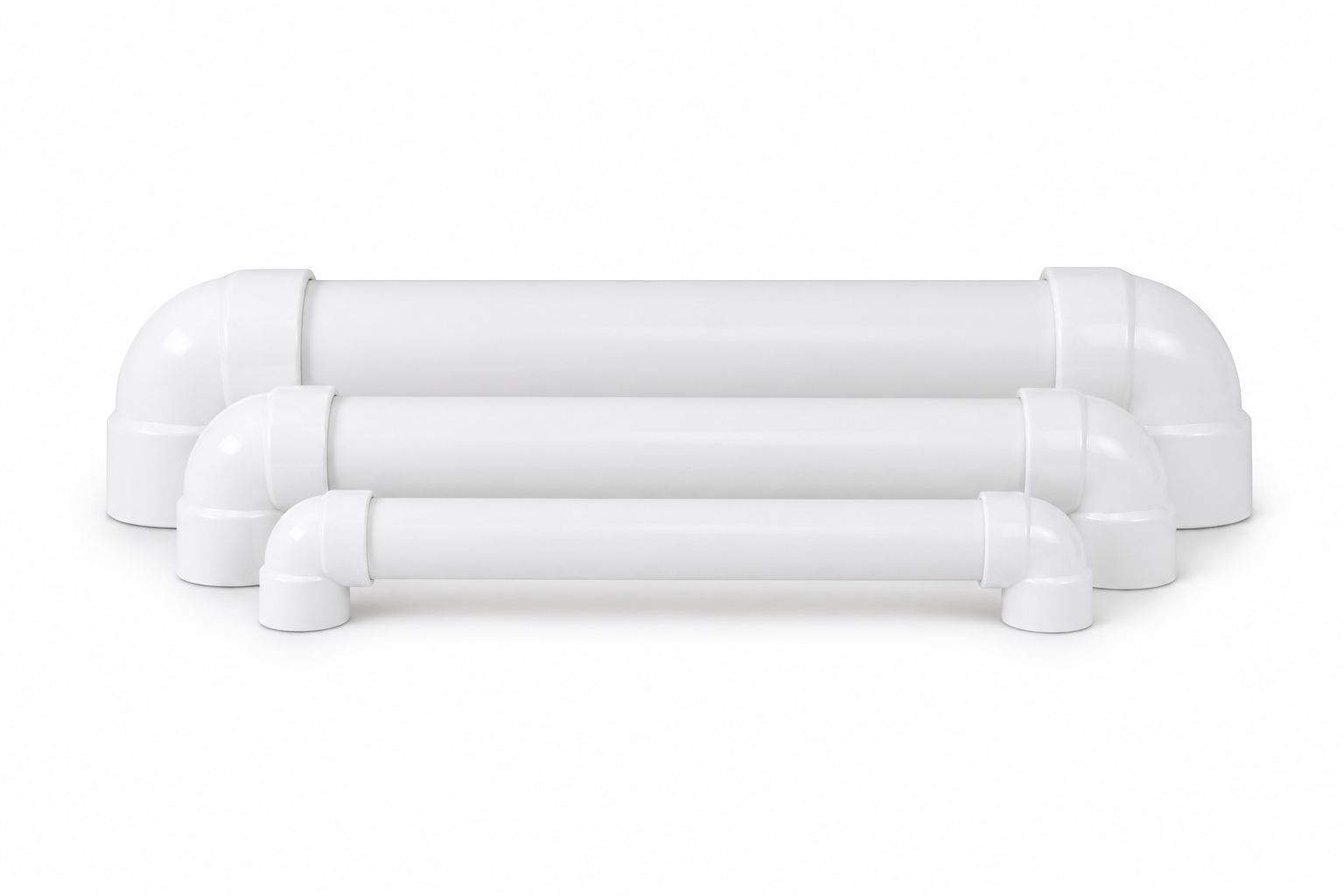 Supply & DWV Pipe (CPVC & PVC)
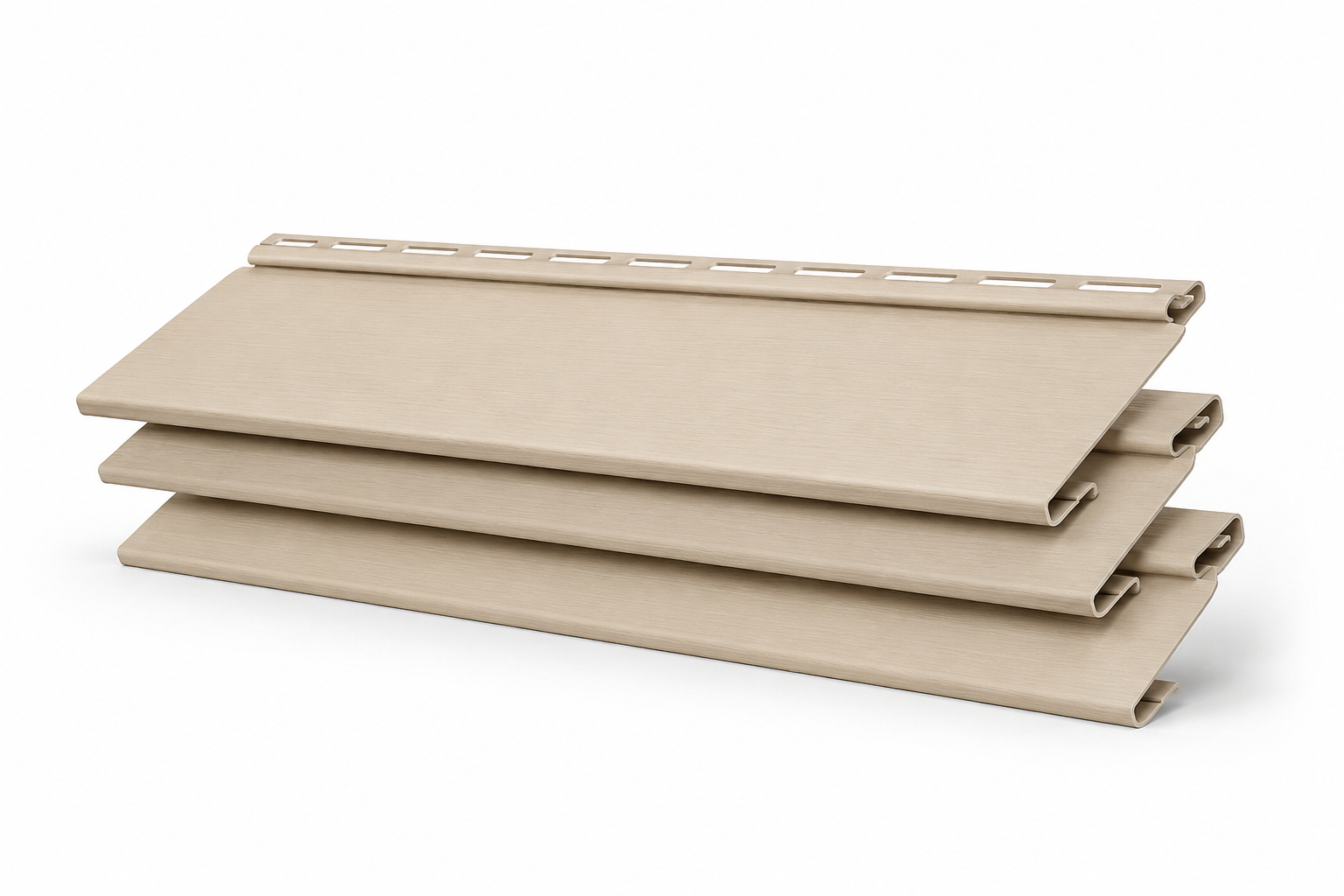 Vinyl Siding
 Vinyl Wall Coverings
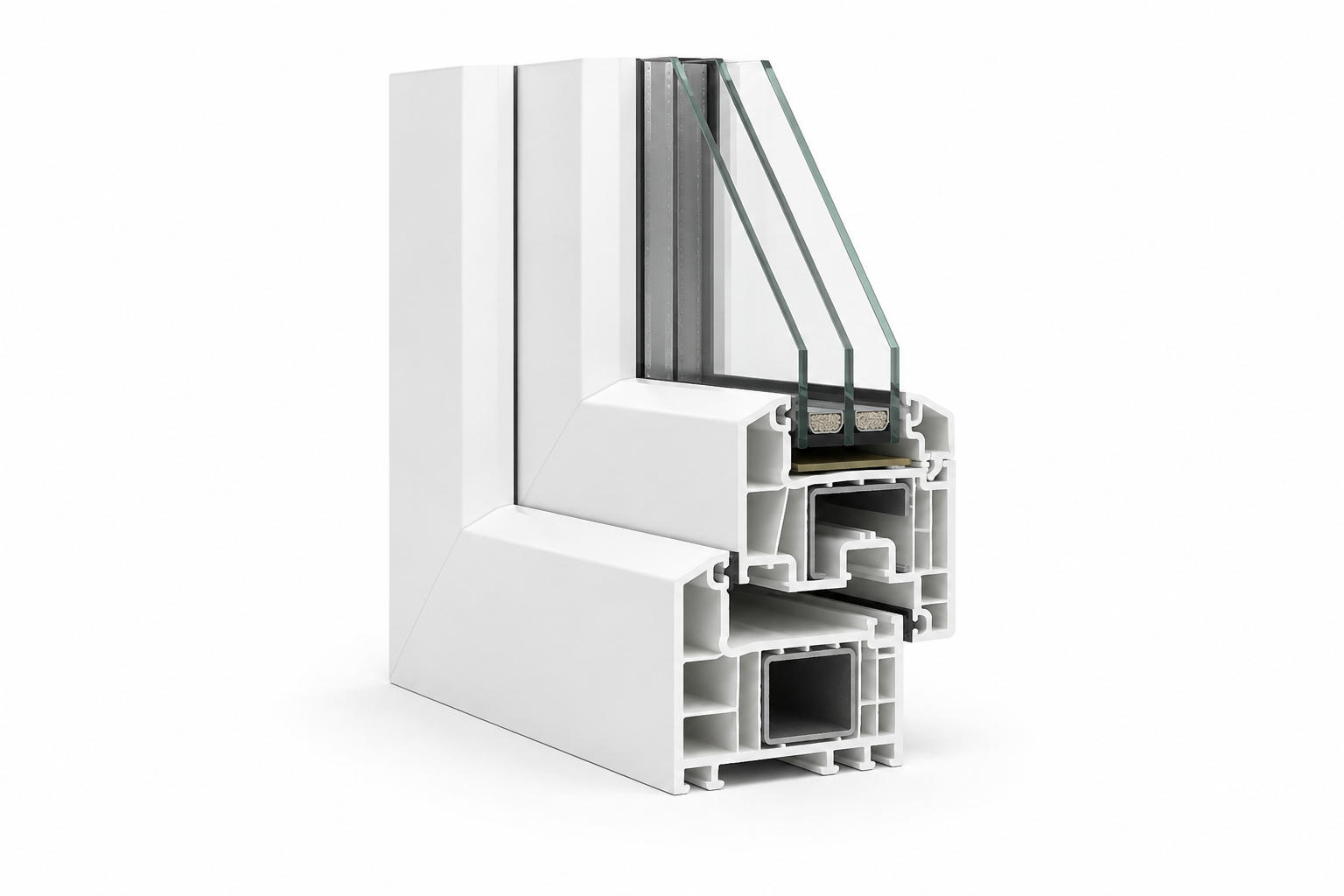 Vinyl Window Frames
PVC & Chlorinated Polymers and the Houses We Build Without Them
PVC & Chlorinated Polymers appears in more building products than most homeowners would believe. Our specifications exclude the family outright, which is what lets us promise a genuinely toxin free home instead of a lower-emission one.
Every house we build is designed as a healthy, mold free, all electric Passive House — the chemical screening is one layer of that, not the whole of it. Earth Bound Homes builds in Palo Alto, Menlo Park, San Mateo County and across the San Francisco Bay Area.