Amine Catalysts
The fishy-smelling "B-side" amines that drive polyurethane reactions — and never fully leave.
Toxic Chemical Databases
Where this family lands across the nine independent toxicology authorities we screen against.
Chemical Type
Tertiary & Reactive Amine Catalyst Class
Chemical Description
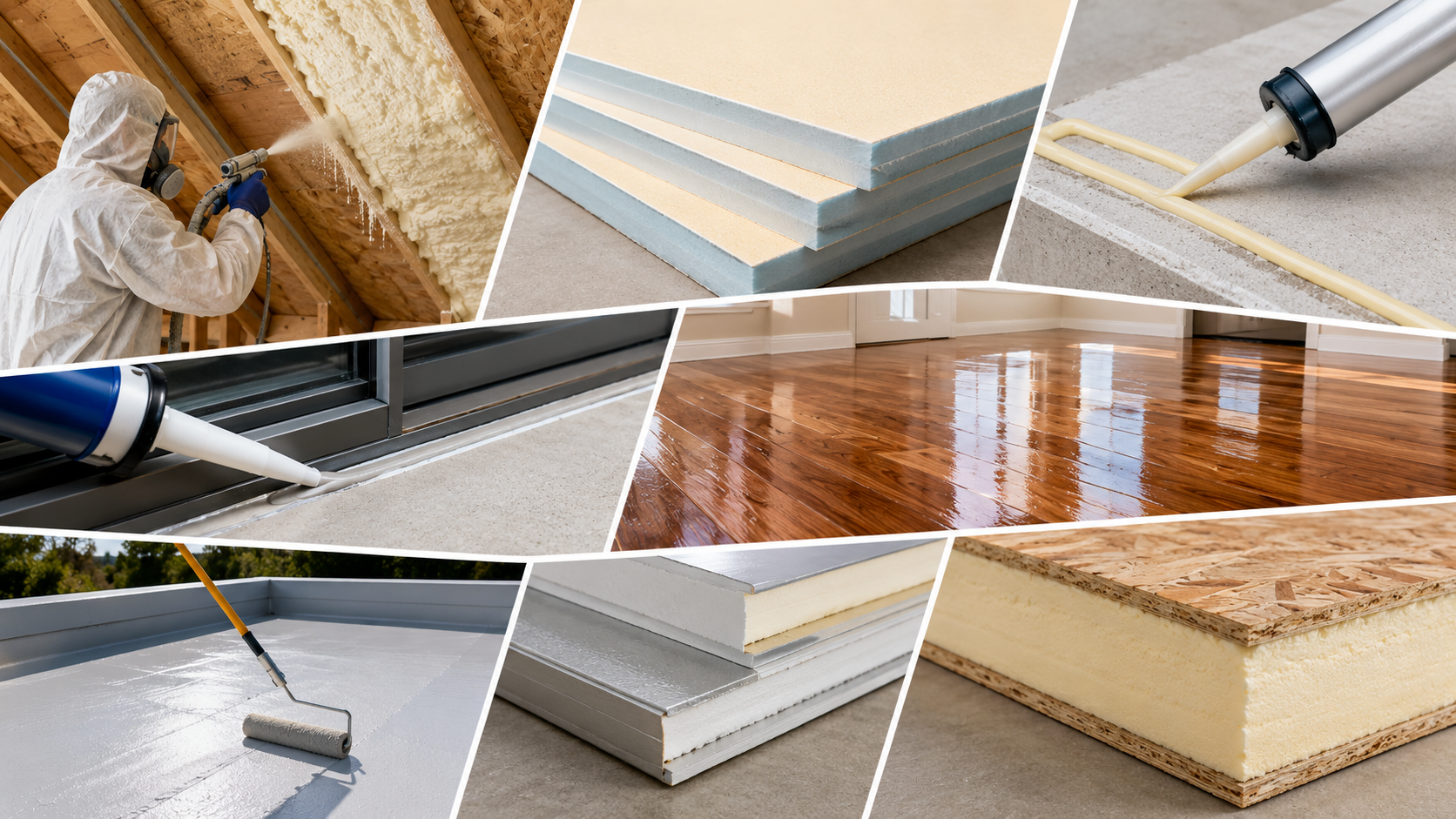
Tertiary amines are the catalysts that make the polyurethane reaction go. Triethylenediamine (DABCO), DMCHA, DMEA, monoethanolamine, and bis(2-dimethylaminoethyl) ether are the workhorses in every spray foam, rigid insulation board, and one-part urethane sealant. They are not consumed in the reaction — they stay in the cured polymer and migrate out as off-gas for the life of the product. Amine off-gas is the source of the persistent fishy or ammonia smell that occupants report from improperly-installed spray foam, sometimes years after install. EBH treats any residual amine smell as a signal that the foam batch was off-ratio or under-cured, which is itself a sign of much larger isocyanate and polyol problems. We avoid amine-catalyzed polyurethane chemistry in occupied homes.
Chemical Structure
Molecular schematic for Amine Catalysts — formula and structural features shown below.
Biological Activity
Severity scores summarize hazard endpoints from IARC, NTP, EPA IRIS, ATSDR, and NIOSH on a 0–10 scale. Mirrors the system-level output of our SDS Toxic Chemical Screener.
Chemical Analogs and Brand Names
- Triethylenediamine (DABCO / TEDA) — CAS 280-57-9
- N,N-Dimethylcyclohexylamine (DMCHA) — CAS 98-94-2
- N,N-Dimethylethanolamine (DMEA) — CAS 108-01-0
- Monoethanolamine (MEA) — CAS 141-43-5
- Bis(2-dimethylaminoethyl) ether (BDMAEE) — CAS 3033-62-3
- Pentamethyldiethylenetriamine (PMDETA) — CAS 3030-47-5
- C
Top Health Consequences
- Persistent fishy or ammonia smell in interior air
- Respiratory irritation and worsening asthma in sensitive occupants
- Eye and mucous-membrane irritation at sub-ppm levels
- Skin sensitization with direct contact
- Headaches, nausea, and dizziness in chronically exposed occupants
Pathways of Exposure
- Off-gassing from cured spray polyurethane foam (residual amine release)
- Inhalation during foam installation and trimming
- Off-gassing from one-part urethane sealant beads
- Re-volatilization in summer when interior temperatures rise
Building Materials with Amine Catalysts
Listed alphabetically. These are the product categories where this chemistry most often shows up — not an exhaustive list.
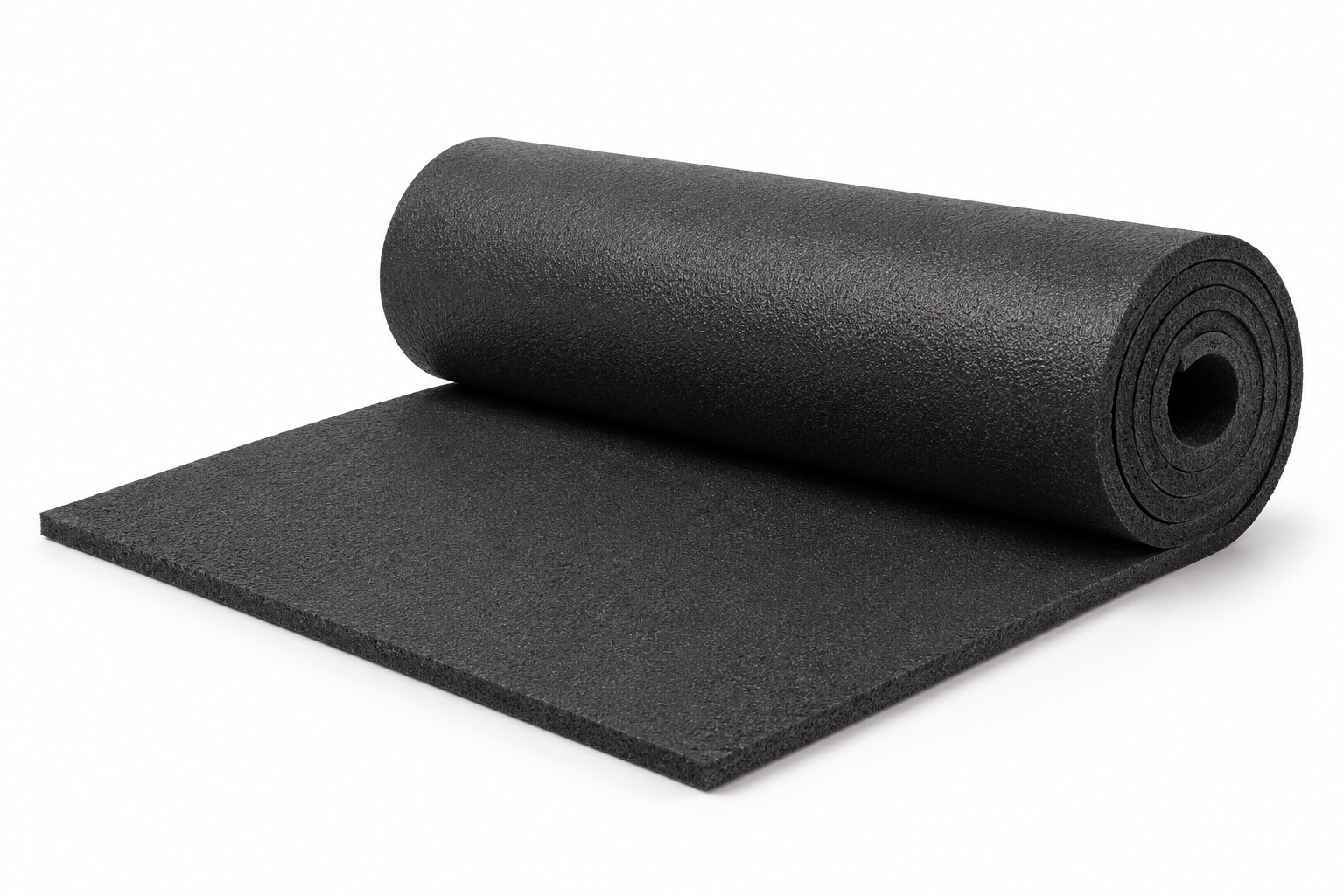 Carpet Backing (Urethane)
 Engineered Wood Adhesives
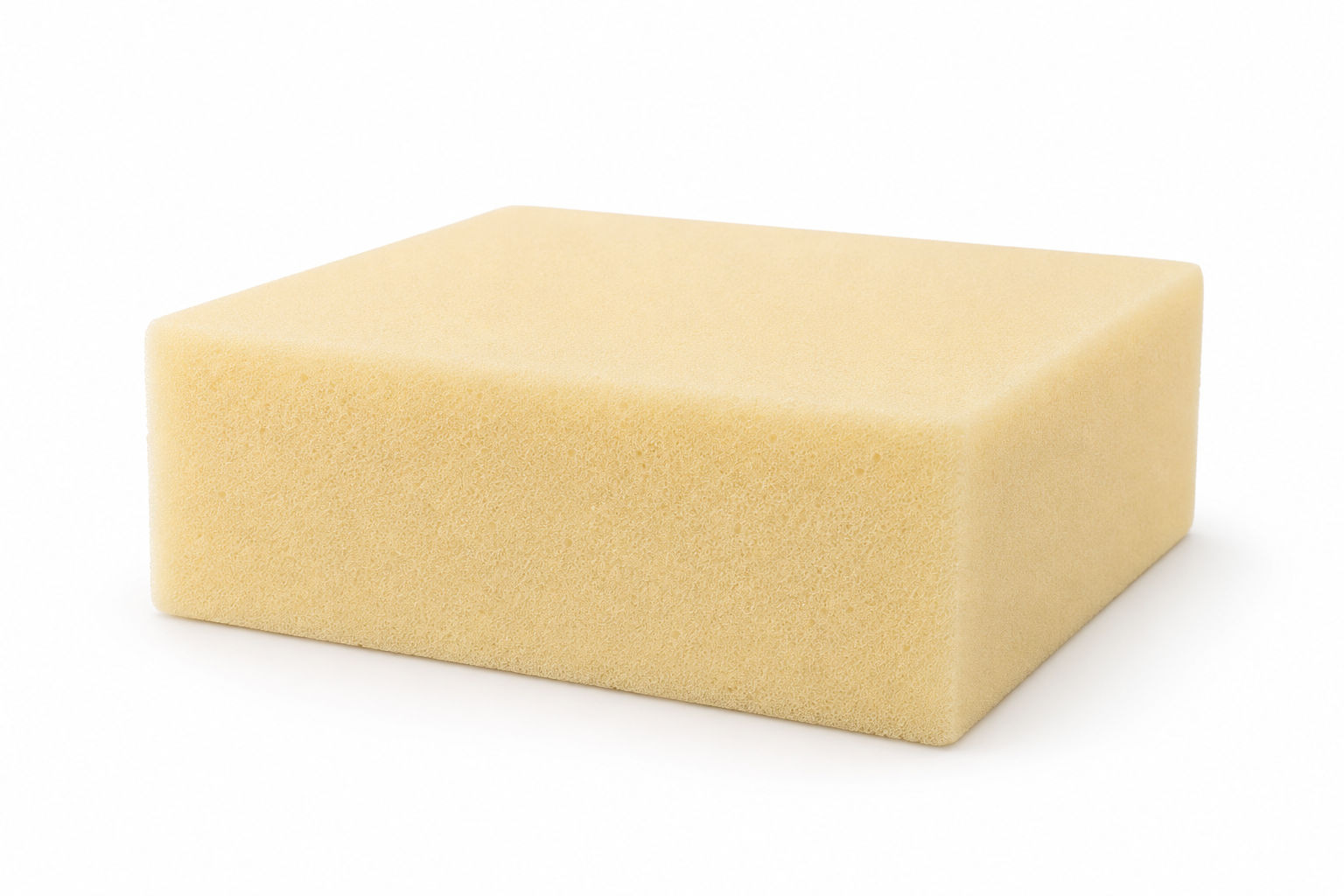 Flexible Polyurethane Foam Cushions
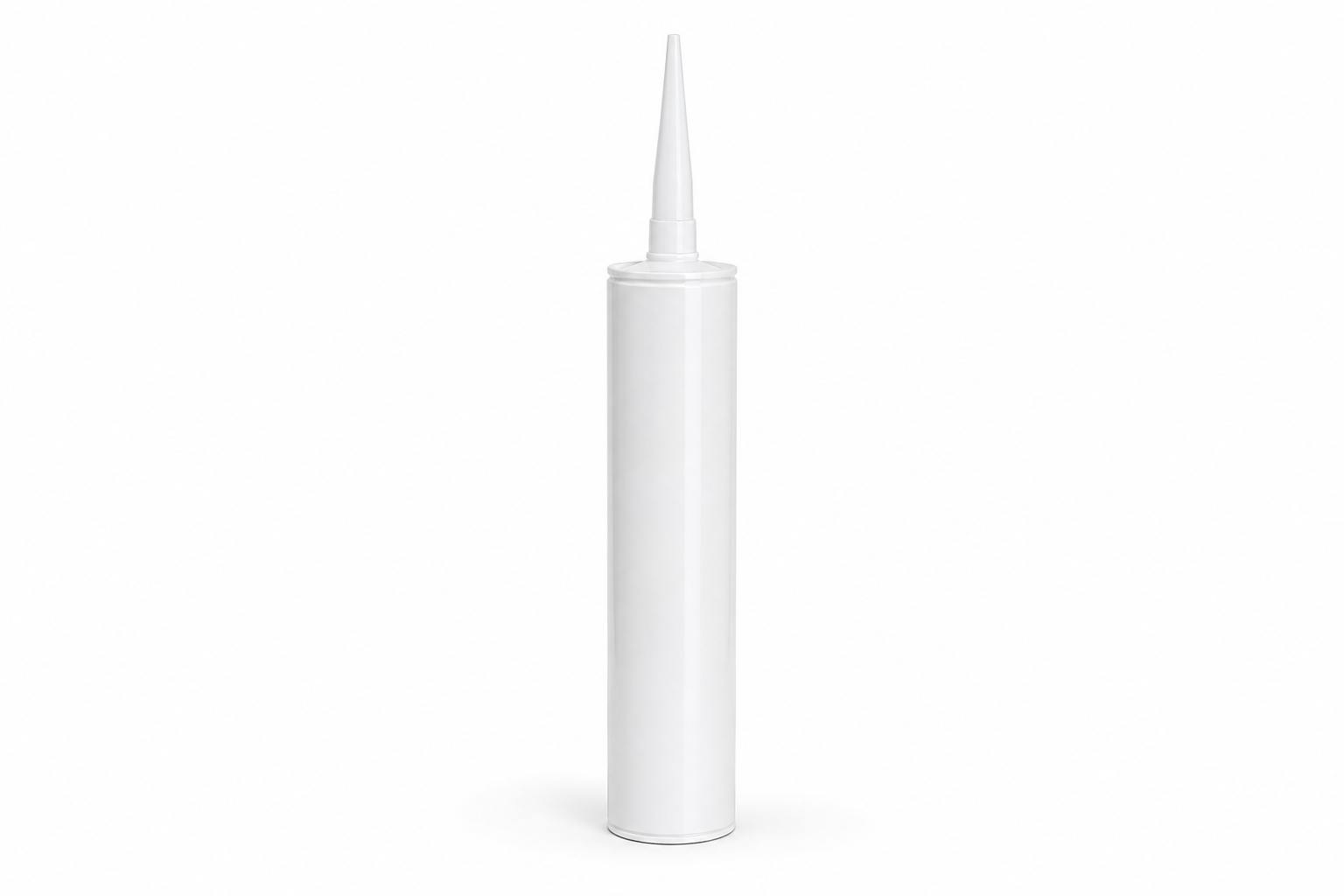 One-Part Urethane Sealants
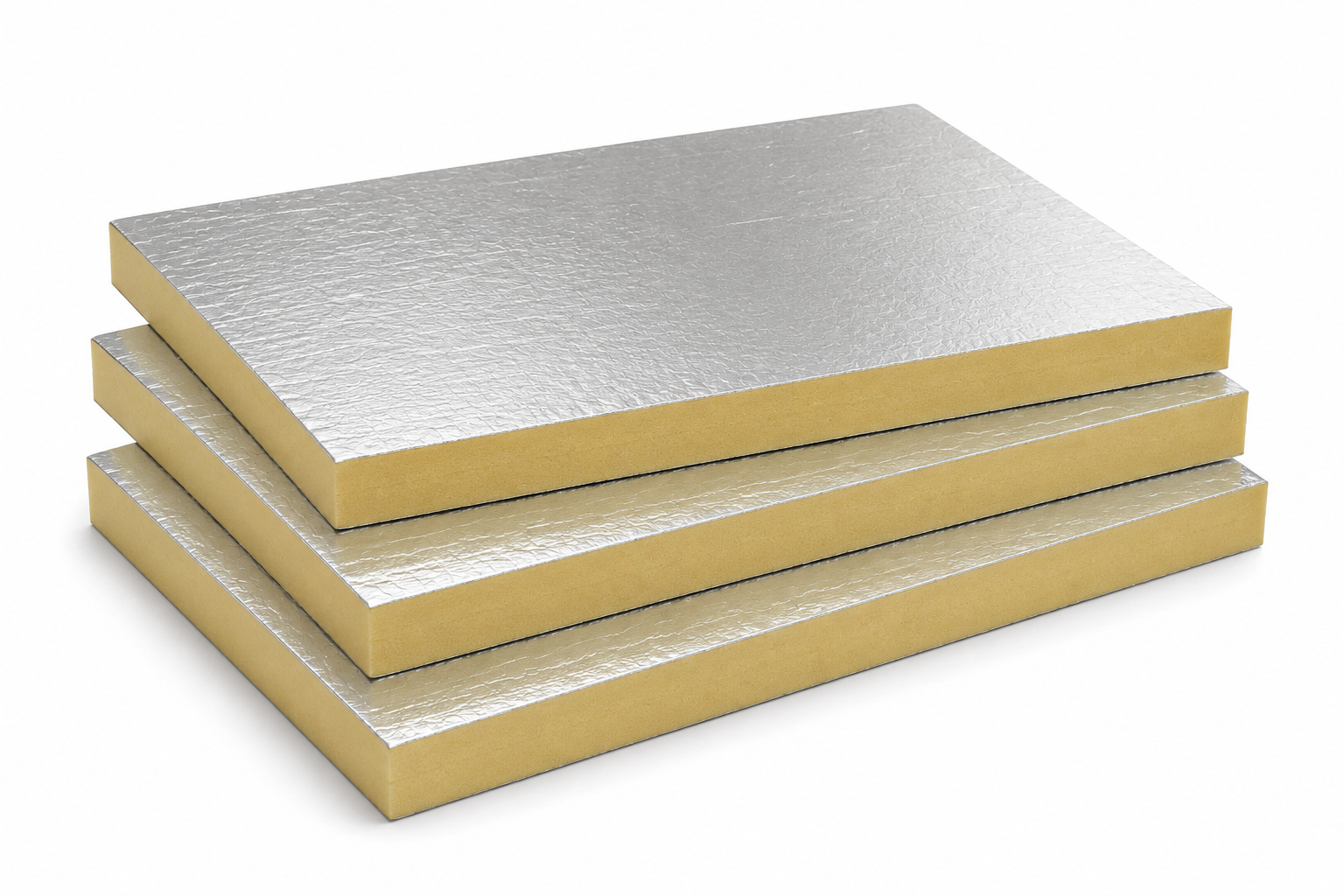 Polyiso Rigid Insulation Board
 Polyurethane Wood Floor Finish
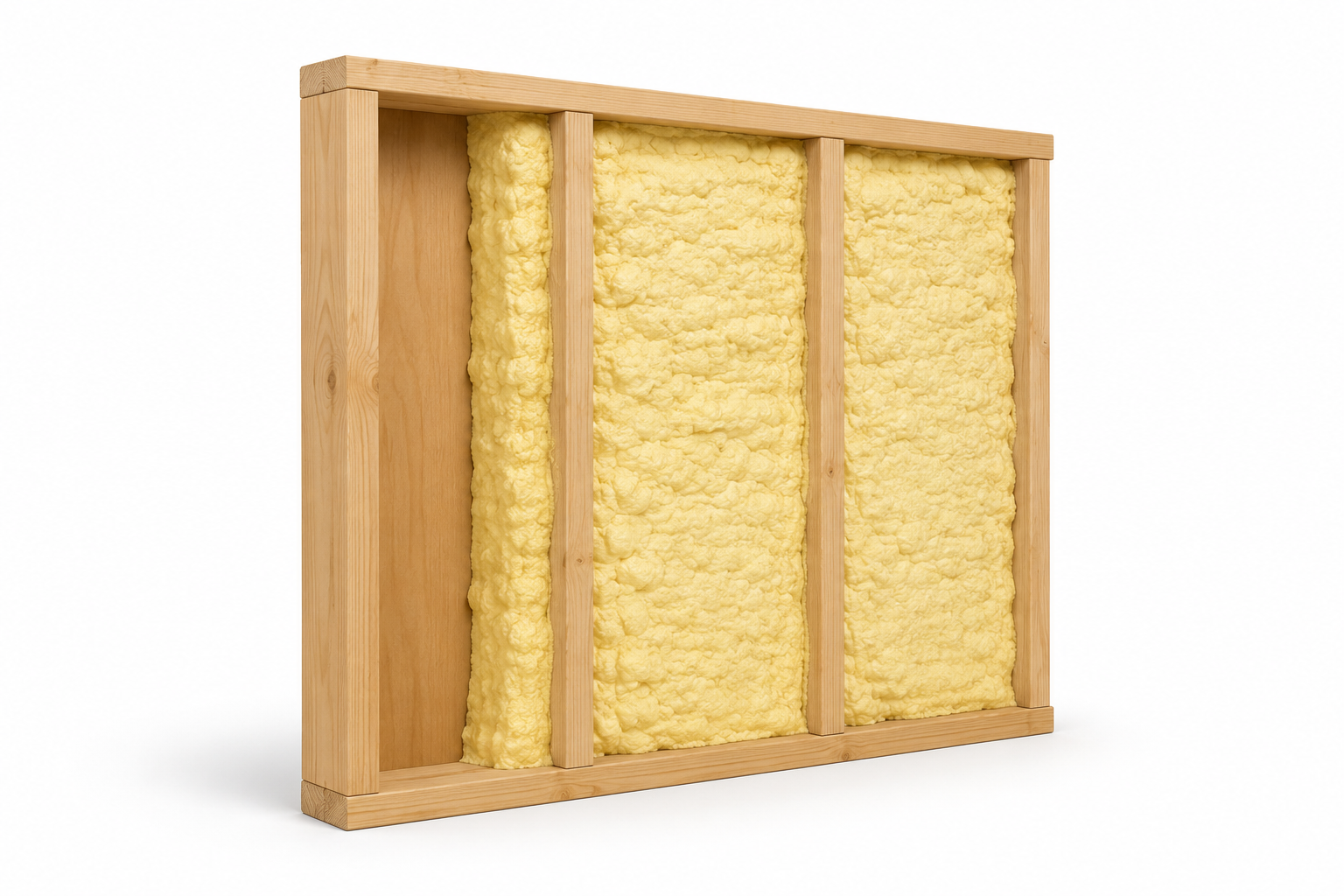 Spray Polyurethane Foam Insulation
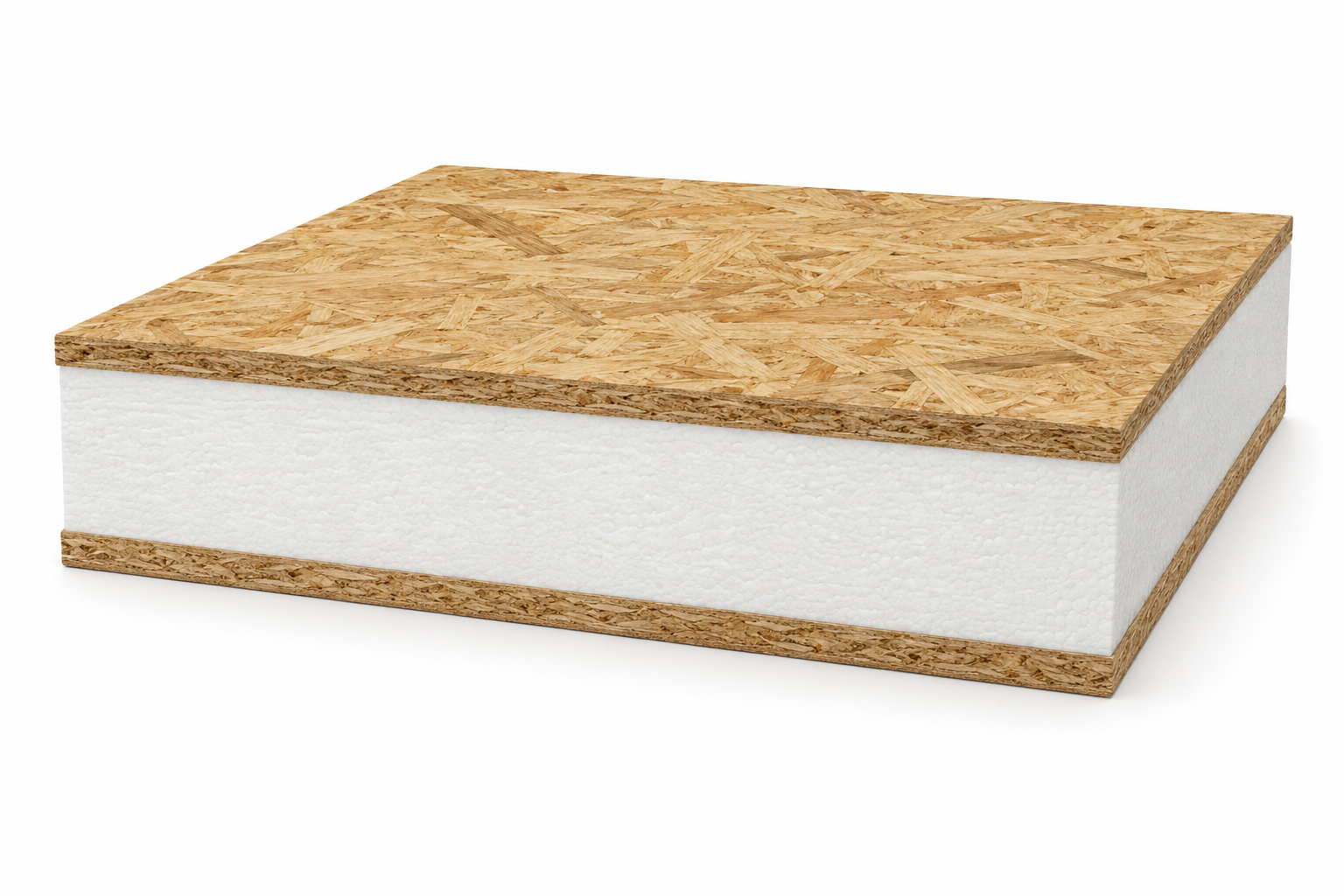 Structural Insulated Panels (SIPs)
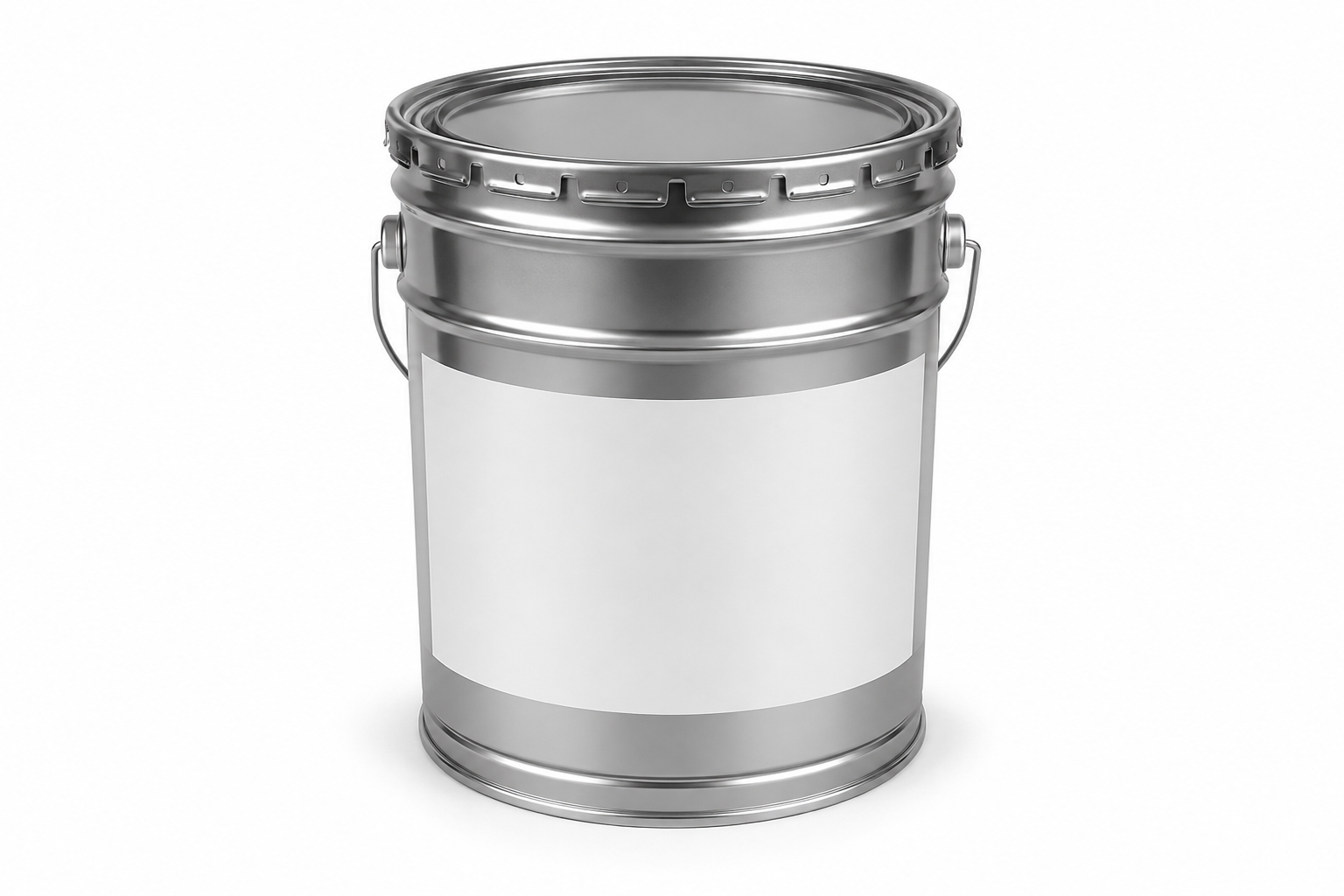 Two-Part Urethane Industrial Coatings
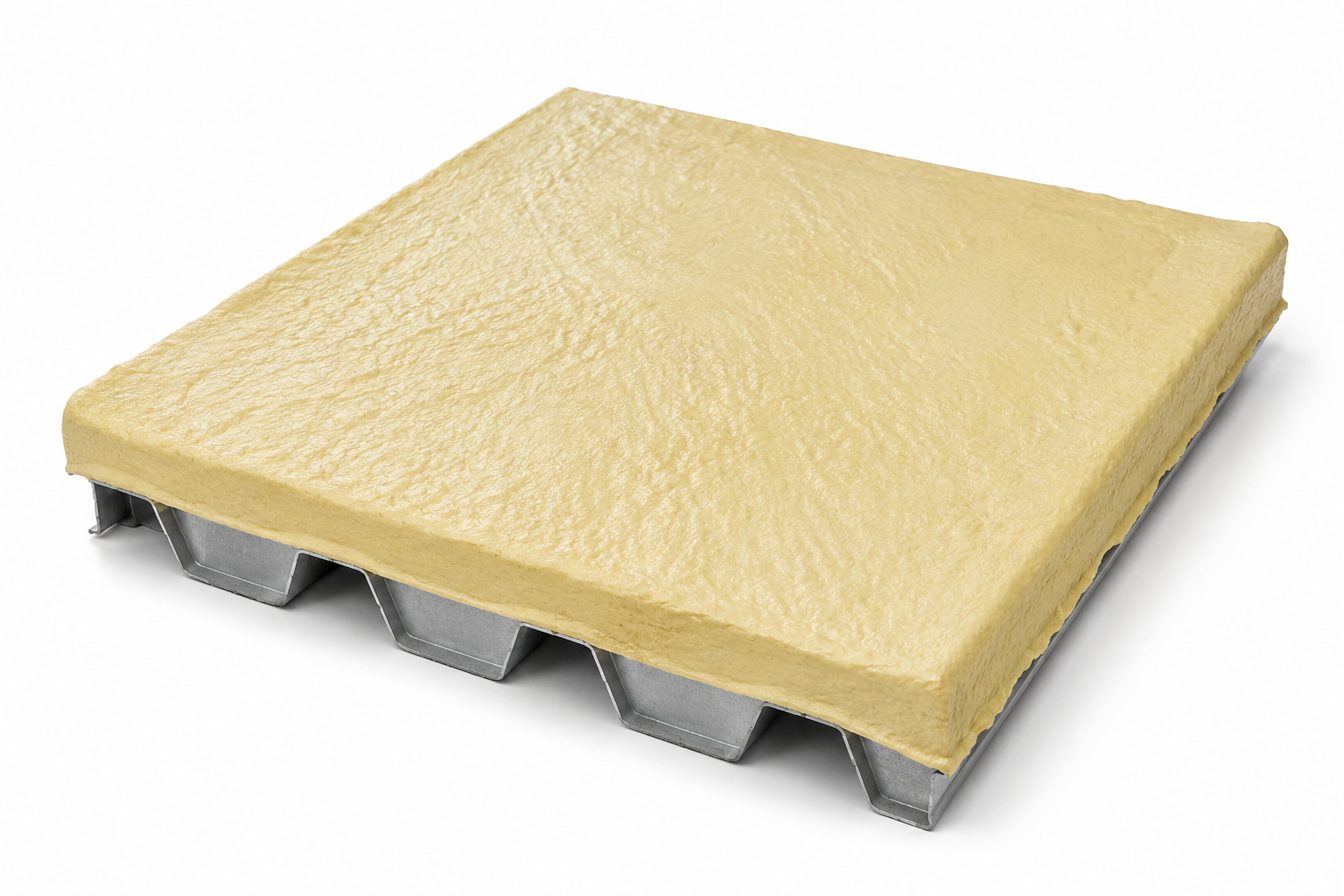 Urethane Pour-In-Place Roof Insulation
Amine Catalysts and the Houses We Build Without Them
The Amine Catalysts family is specified out of every Earth Bound Homes project. We publish this library because homeowners cannot avoid what nobody will name — and because the healthy homes we build depend on that list being honest.
Every house we build is designed as a healthy, mold free, all electric Passive House — the chemical screening is one layer of that, not the whole of it. Earth Bound Homes builds in Atherton, Palo Alto, Redwood City and across the San Francisco Bay Area.