Flame Retardants
Halogenated and phosphorus additives that persist, bioaccumulate, and disrupt development.

Toxic Chemical Databases
Where this family lands across the nine independent toxicology authorities we screen against.
Chemical Type
Halogenated / Organophosphate Additive Class
Chemical Description
Flame retardants are an additive class — not a single molecule — sprayed, blended, or polymerized into foam, plastics, textiles, and electronics to slow combustion. The two big chemistries to know about are halogenated retardants (the brominated and chlorinated families: PBDEs, HBCD, DecaBDE, TBBPA, TCEP, TCPP, TDCPP) and organophosphate retardants (TPHP, V6, Firemaster 550). Halogenated retardants are persistent: they don't break down in landfills, they migrate through house dust, and they bioaccumulate up the food chain into breastmilk and blood serum. Organophosphate retardants are less persistent but more bioavailable in the short term, and several are documented endocrine disruptors and neurodevelopmental toxicants. EBH avoids flame-retardant chemistry by specifying products that meet fire codes via material design (mineral wool, gypsum-encased assemblies, fire-rated solid wood) rather than via chemical additives.
Chemical Structure
Molecular schematic for Flame Retardants — formula and structural features shown below.
Biological Activity
Severity scores summarize hazard endpoints from IARC, NTP, EPA IRIS, ATSDR, and NIOSH on a 0–10 scale. Mirrors the system-level output of our SDS Toxic Chemical Screener.
Chemical Analogs and Brand Names
- TCPP (Tris(1-chloro-2-propyl) phosphate) — CAS 13674-84-5
- TCEP (Tris(2-chloroethyl) phosphate) — CAS 115-96-8
- TDCPP (Tris(1,3-dichloro-2-propyl) phosphate) — CAS 13674-87-8
- DecaBDE — CAS 1163-19-5
- HBCD (Hexabromocyclododecane) — CAS 25637-99-4
- TBBPA (Tetrabromobisphenol A) — CAS 79-94-7
- Antimony Trioxide (synergist) — CAS 1309-64-4
- C
Top Health Consequences
- Endocrine disruption — thyroid hormone interference is the strongest signal
- Neurodevelopmental deficits including reduced IQ in prenatally exposed children
- Reproductive toxicity and sperm-quality endpoints
- Hepatic enzyme induction and lipid metabolism disruption
- Bioaccumulation in human serum and breast milk over the lifespan
Pathways of Exposure
- Inhalation and ingestion of house dust loaded with semi-volatile retardants
- Hand-to-mouth uptake for crawling infants and toddlers
- Dermal absorption from upholstered furniture, foam padding, and electronics casings
- Diet — bioaccumulated retardants from fish, meat, and dairy
Substances in this Family
Each substance below has its own profile page with its own database flags, biological-activity scores, and exposure pathways — they are NOT interchangeable.
Building Materials with Flame Retardants
Listed alphabetically. These are the product categories where this chemistry most often shows up — not an exhaustive list.
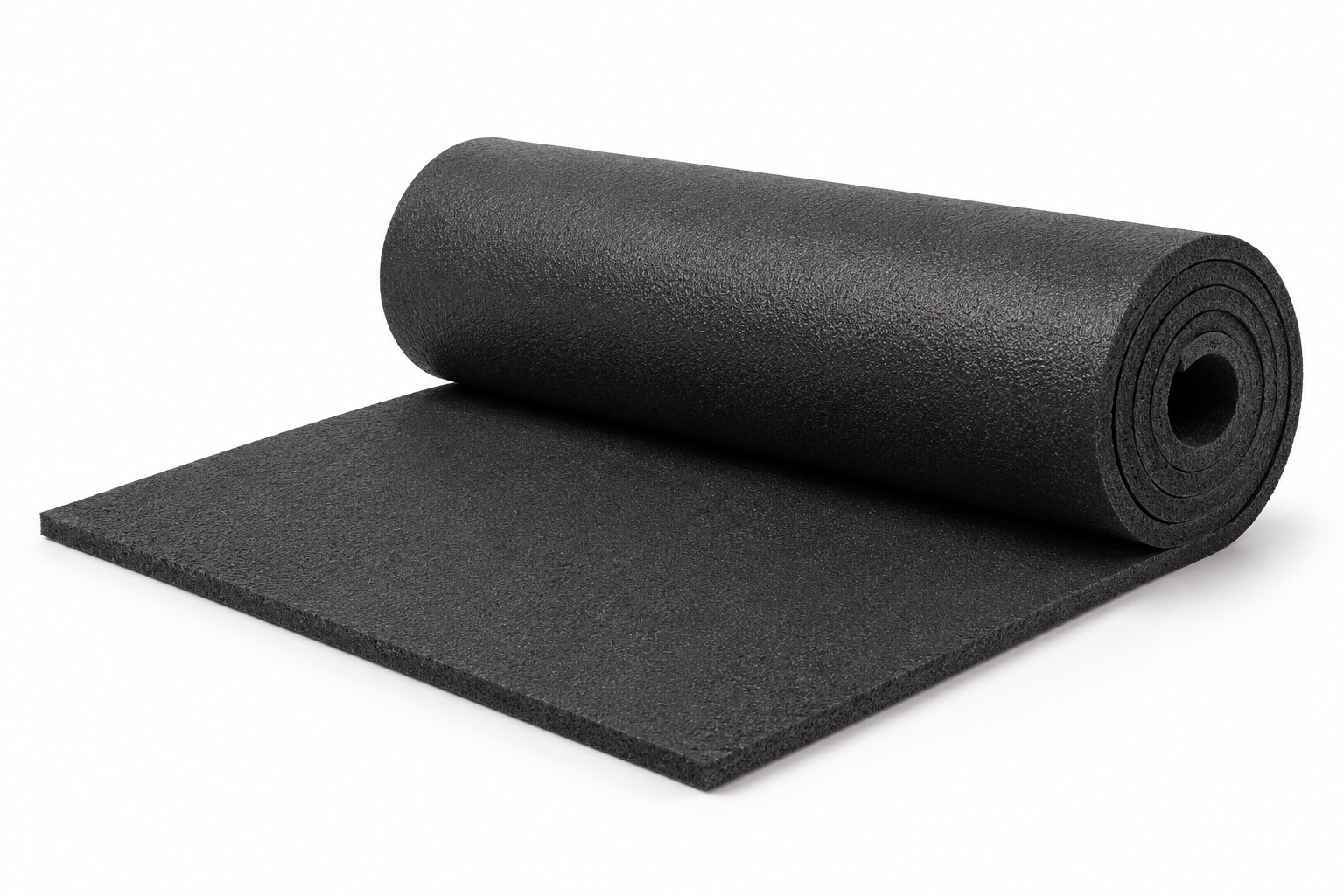 Carpet Padding & Underlayment
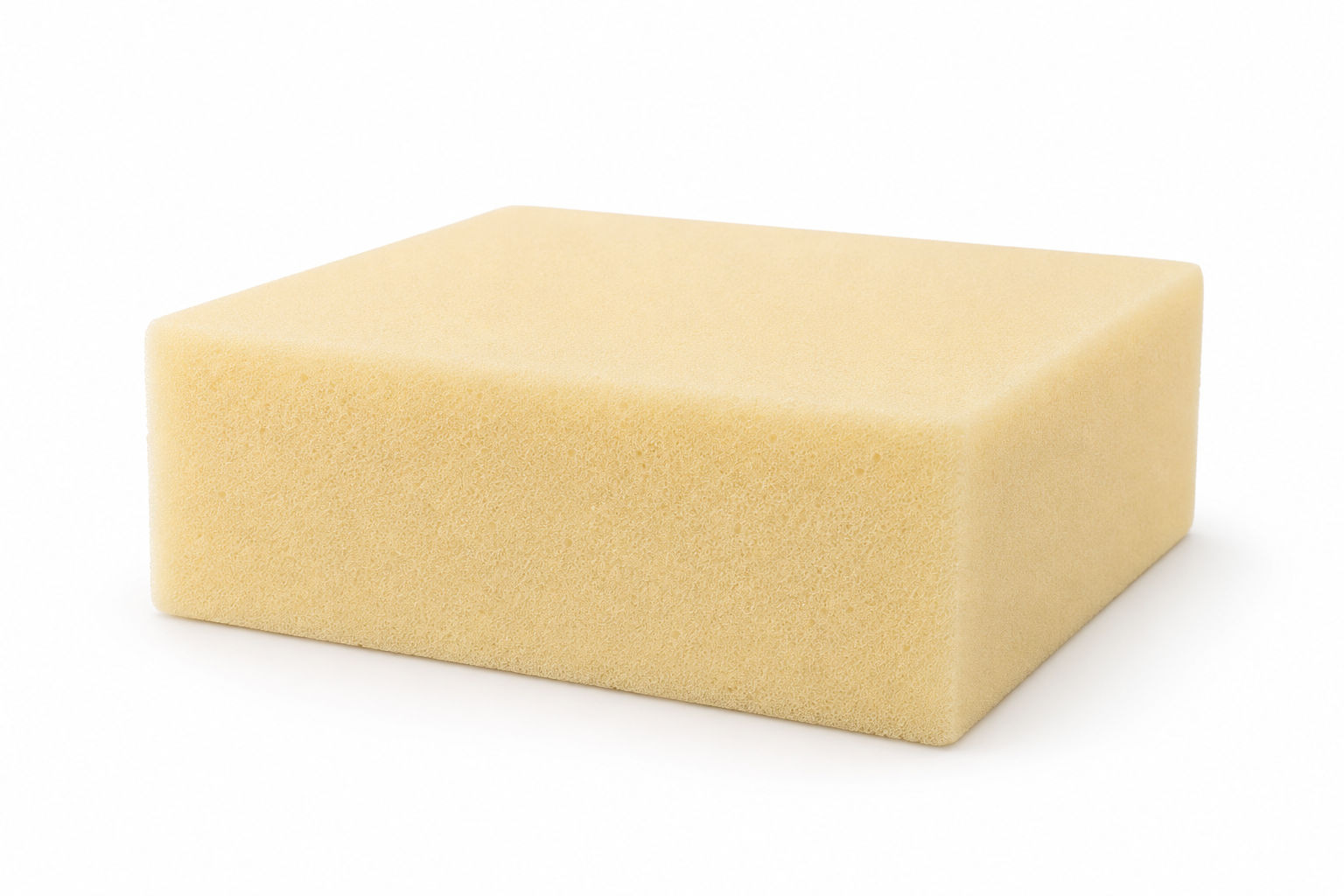 Children's Foam Products
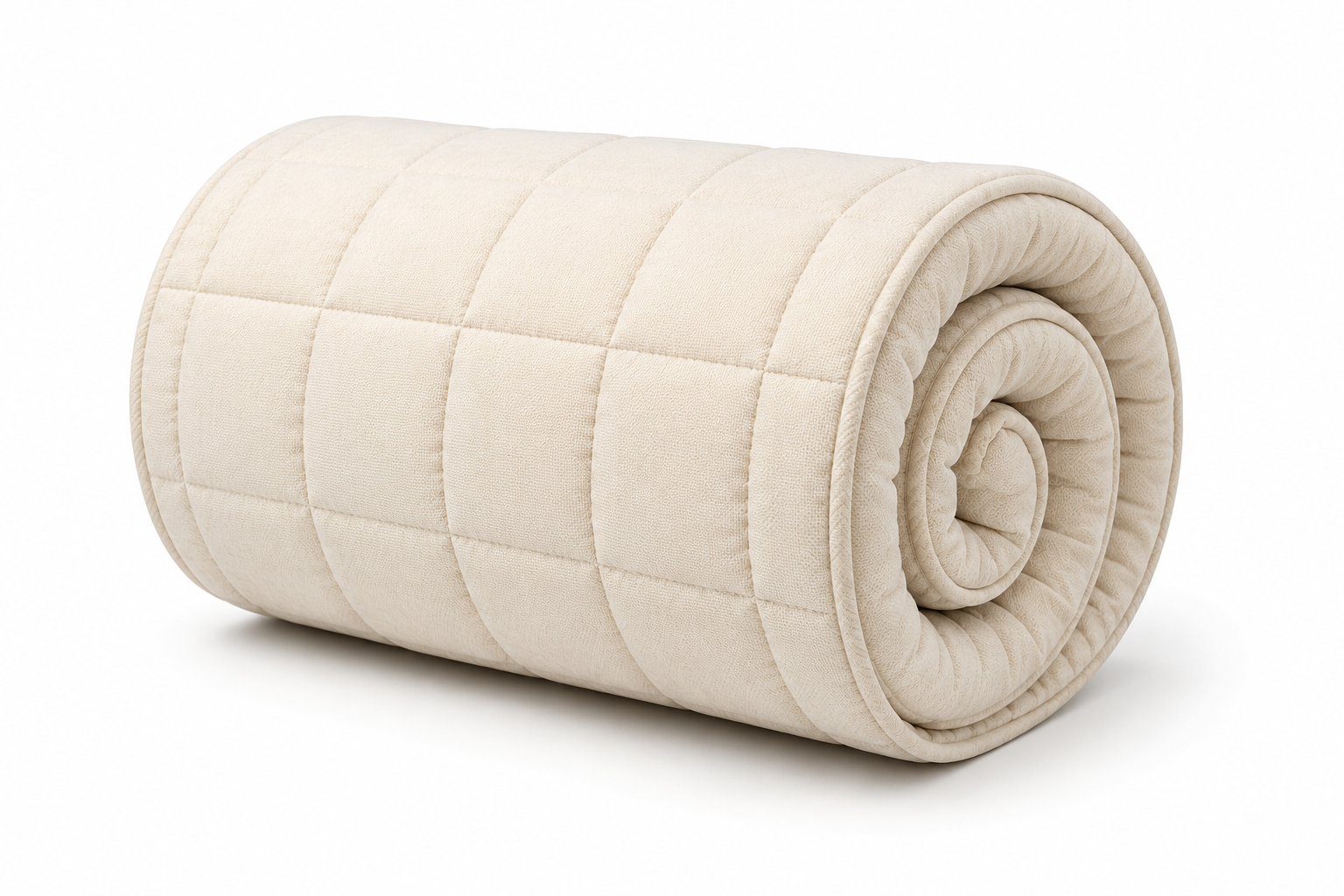 Cushions, Mattresses, & Upholstered Furniture
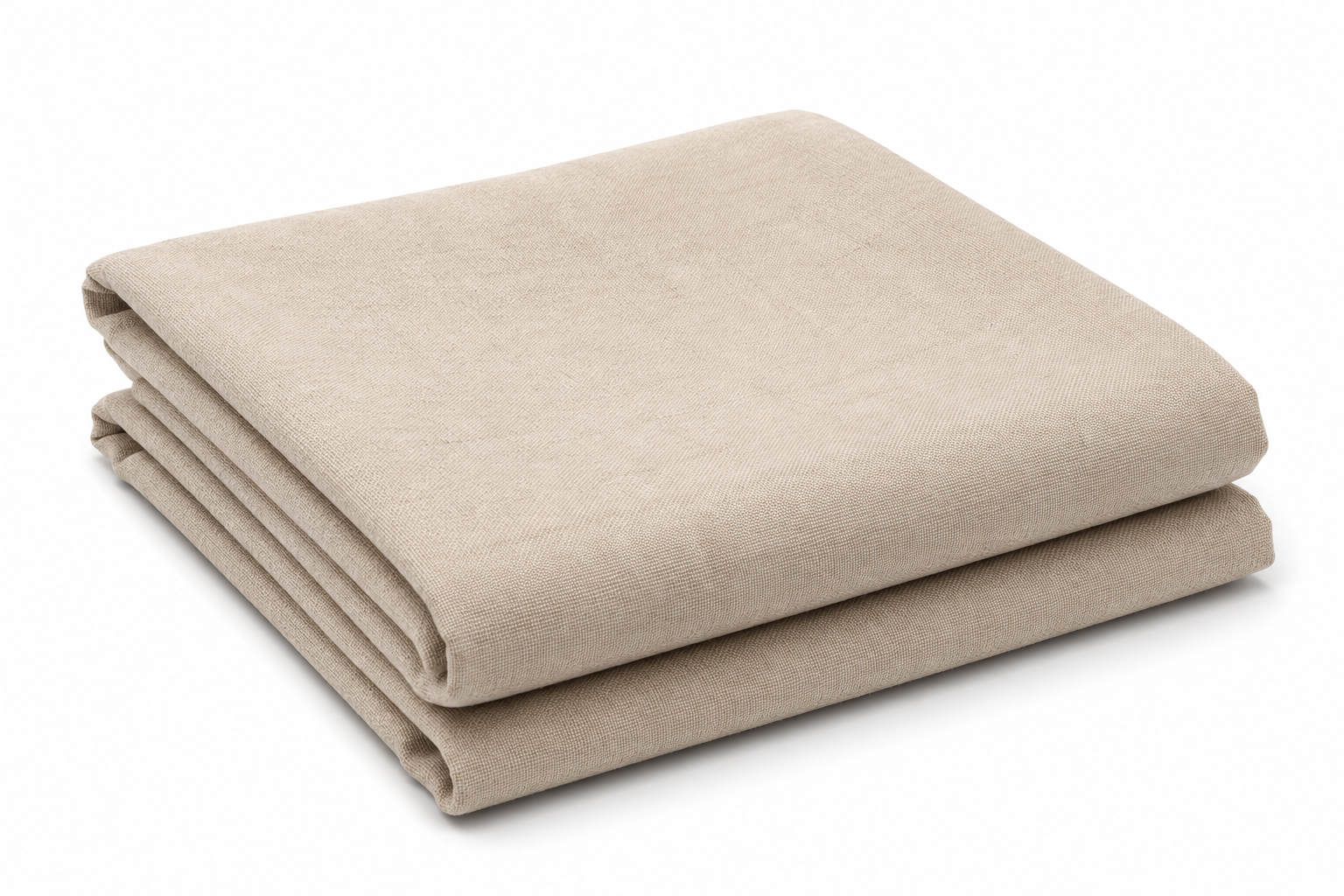 Drapery & Window Treatments
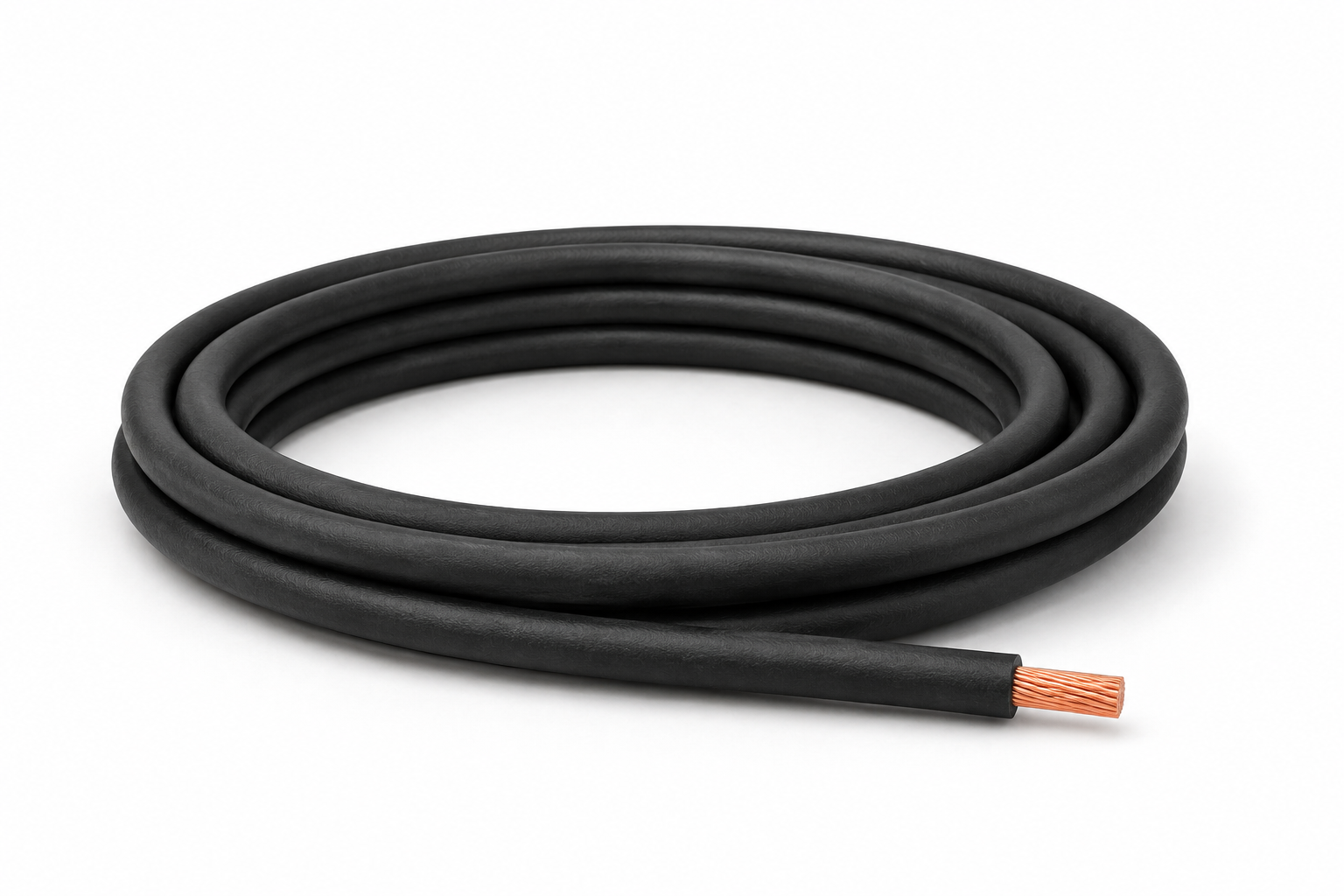 Electrical Wire & Cable Insulation
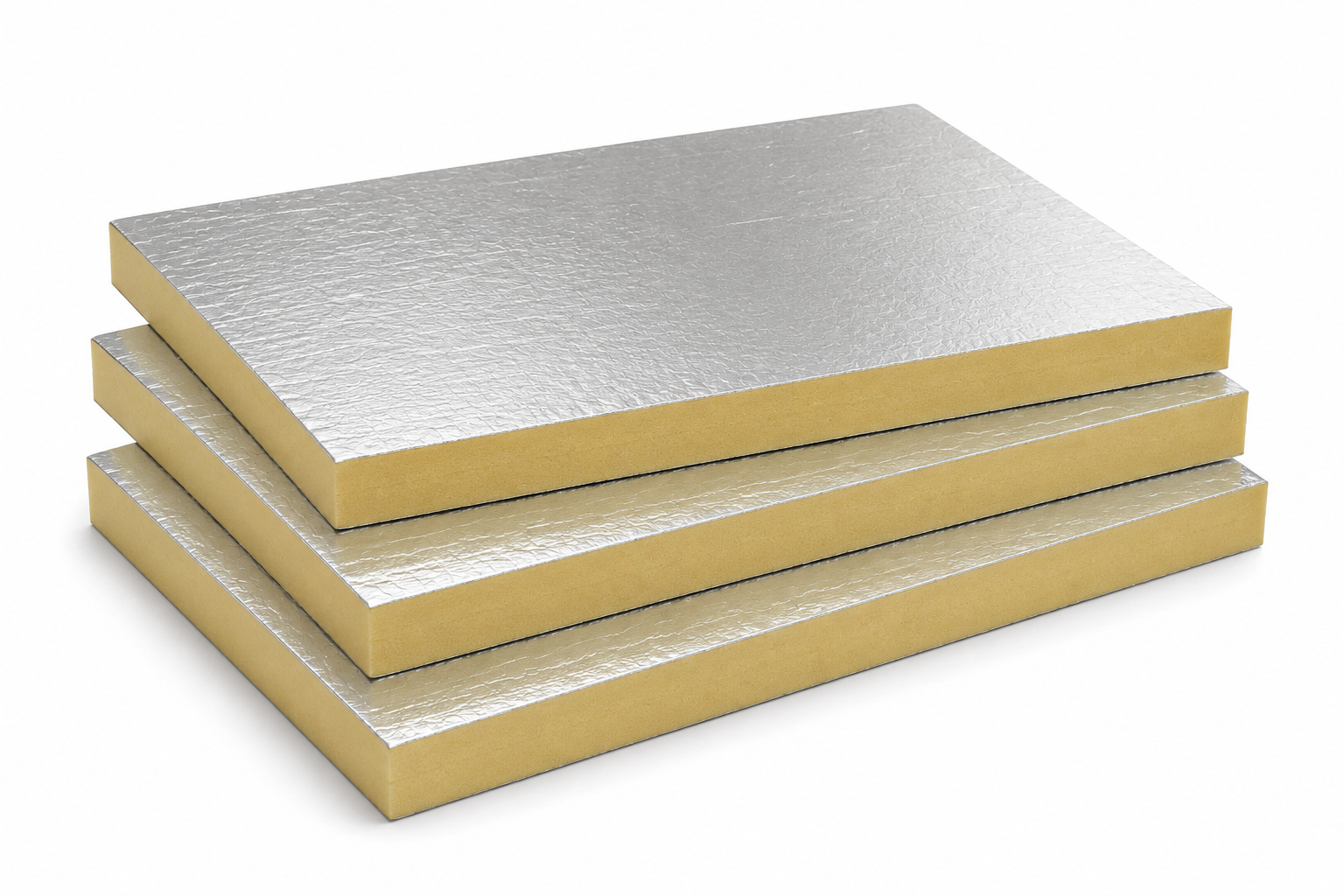 Polyiso & Polystyrene Rigid Insulation
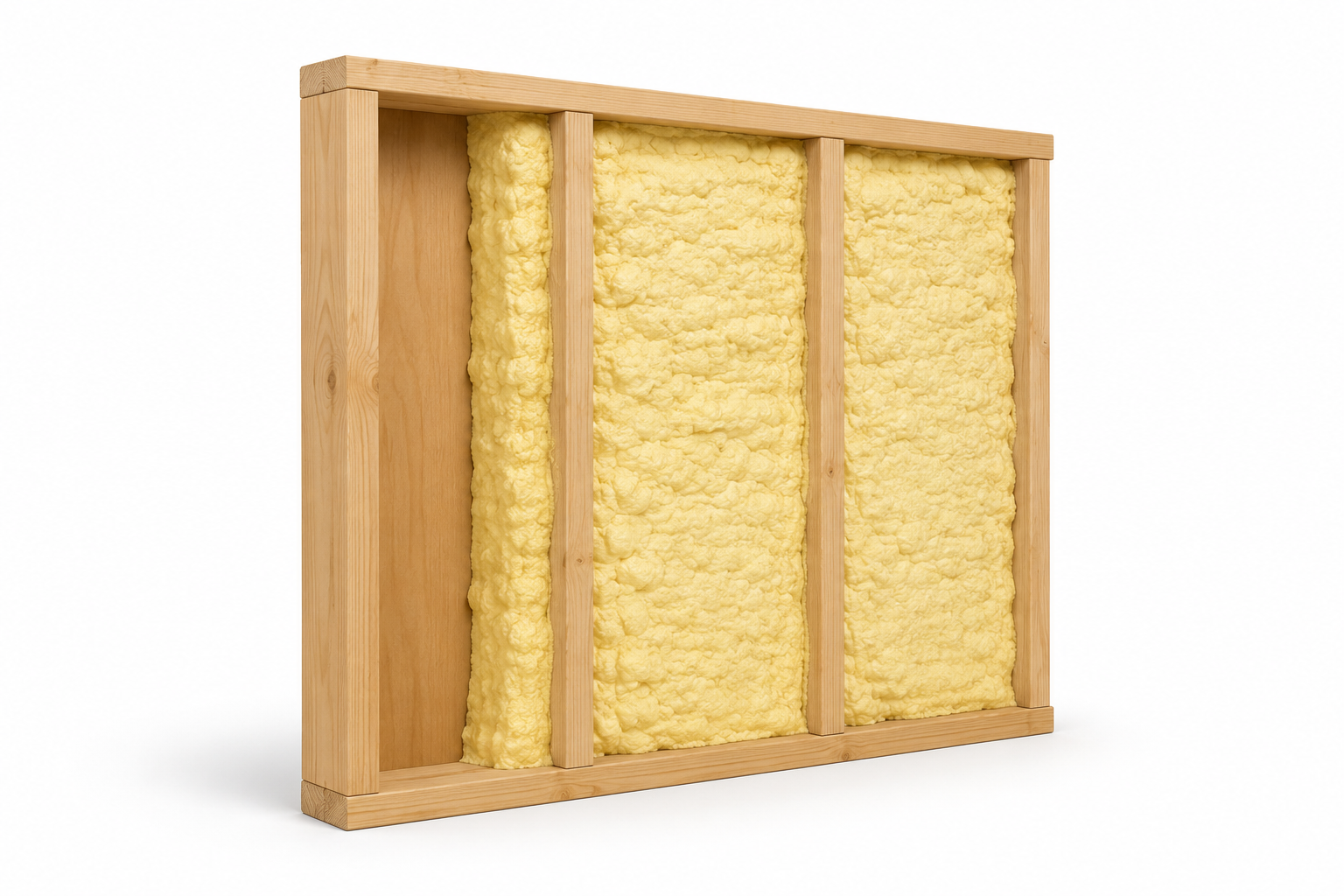 Spray Polyurethane Foam Insulation
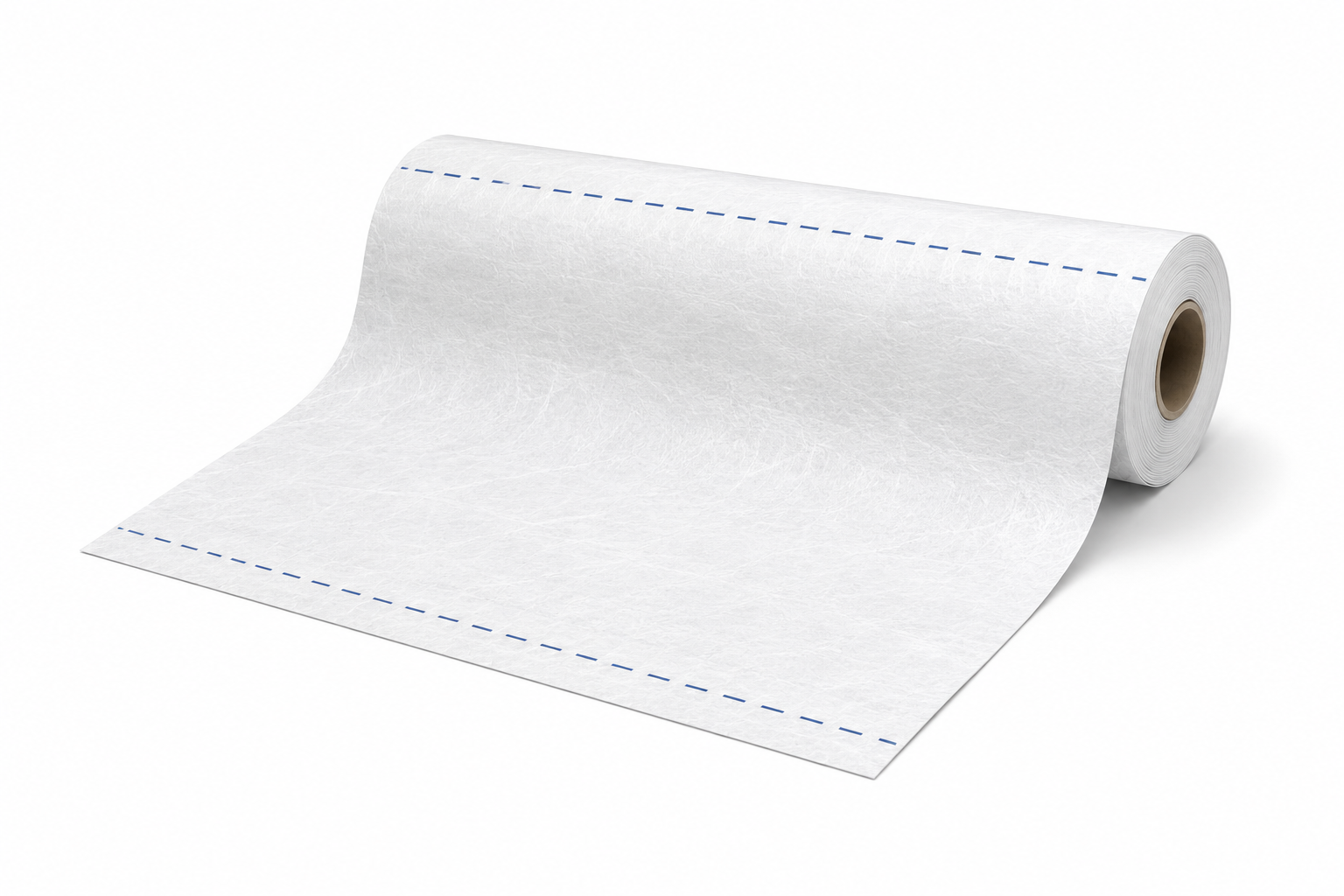 Vapor Barriers & Housewrap
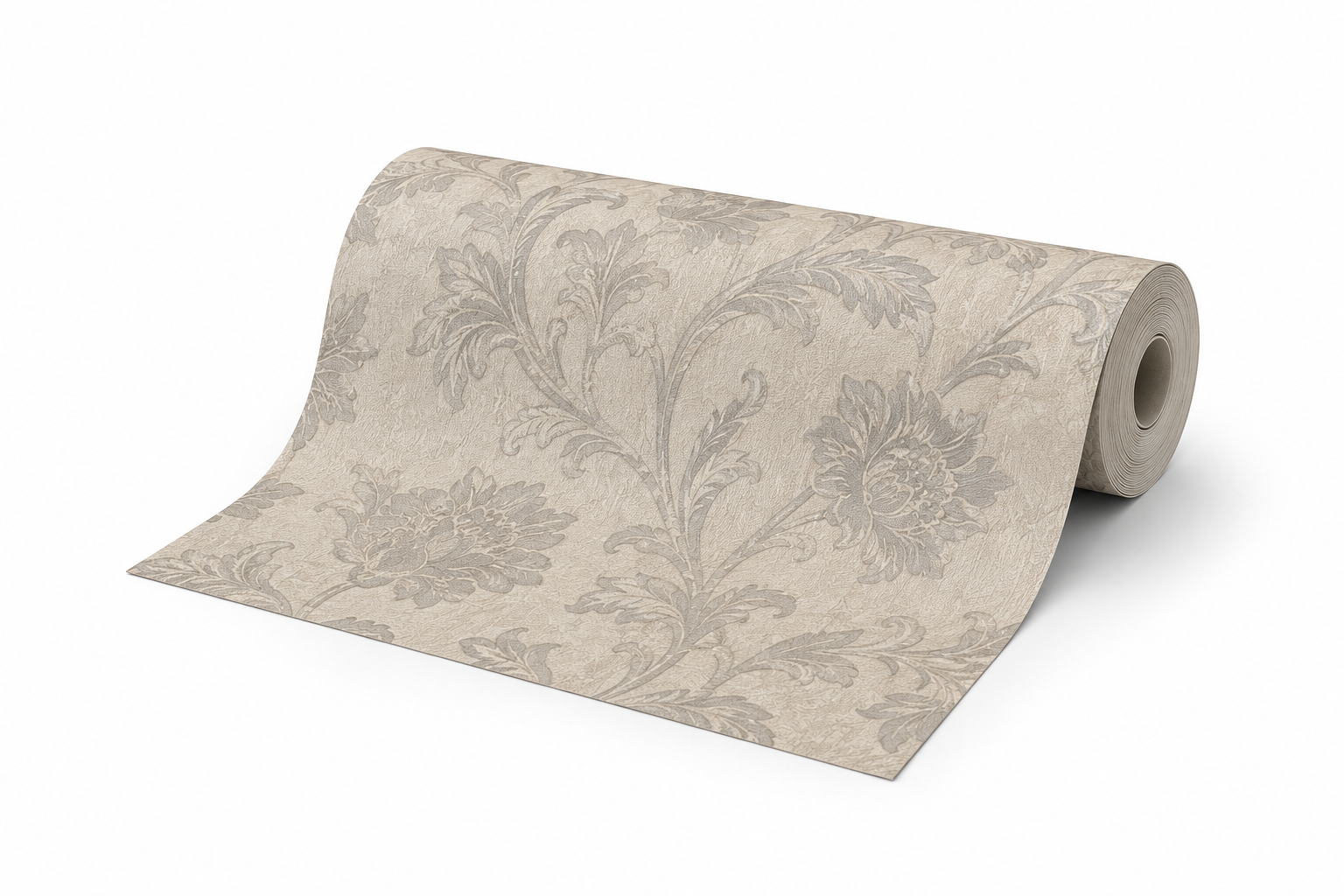 Vinyl Wall Coverings
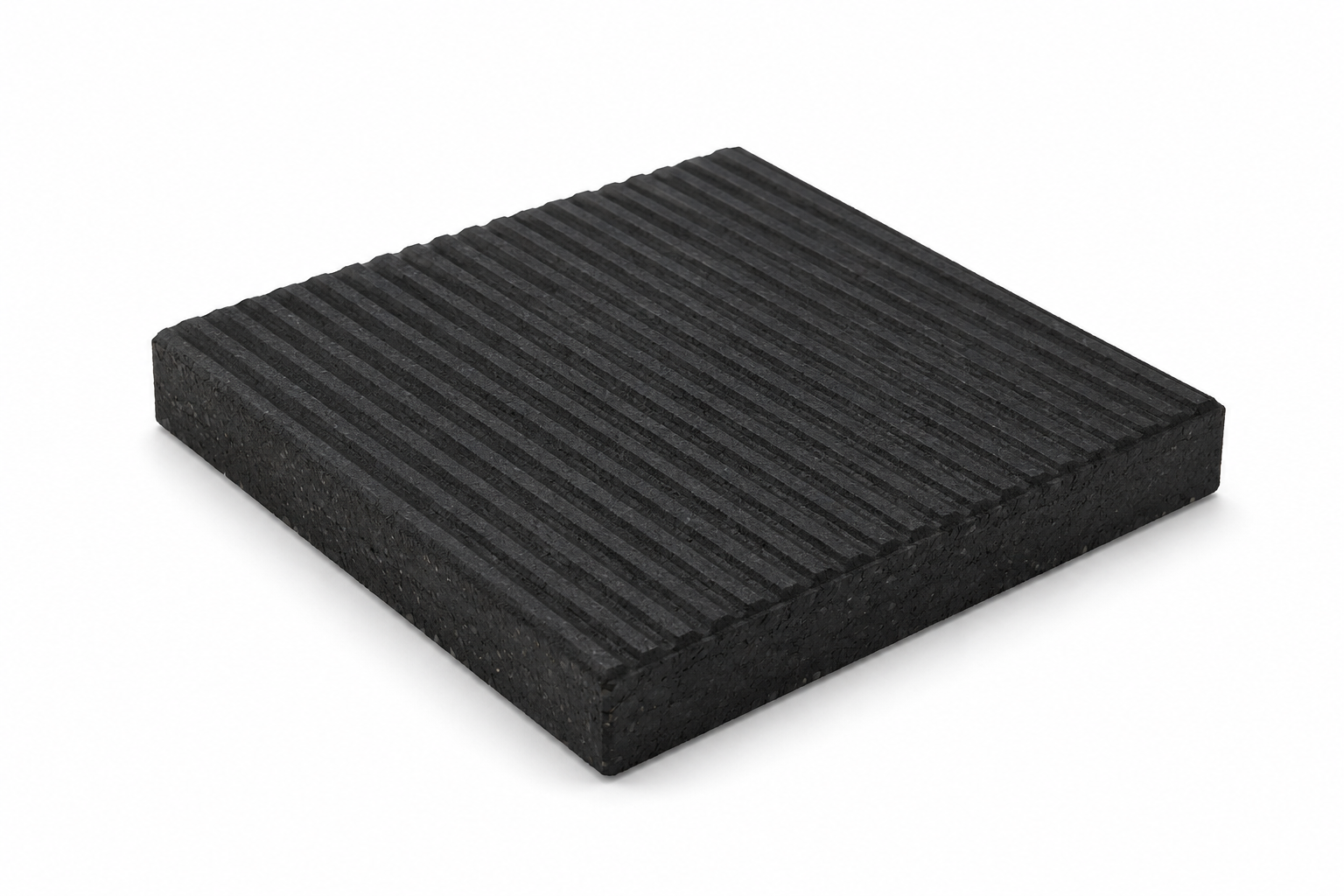 Whiteboard Paint & Acoustical Panels
Flame Retardants and the Houses We Build Without Them
We refuse the whole Flame Retardants family rather than chasing one substance at a time. Manufacturers substitute within a family faster than regulators can keep up, so family-level avoidance is the only screening that holds.
Every house we build is designed as a healthy, mold free, all electric Passive House — the chemical screening is one layer of that, not the whole of it. Earth Bound Homes builds in San Jose, Los Gatos, Santa Clara County and across the San Francisco Bay Area.