TriclosanCAS 3380-34-5
FDA-banned in OTC antibacterial soap in 2016 for endocrine disruption — still in plastics, paint, and textiles.
Toxic Chemical Databases
Substance-specific listings — these flags are for Triclosan alone, not for the broader family.
Chemical Type
Chlorinated Phenol Antibacterial
Chemical Description
Triclosan is a chlorinated aromatic biocide developed in the 1960s as a hospital disinfectant. Its toxicology became headline news in 2016 when the FDA banned it from over-the-counter antibacterial soaps after finding no health benefit over plain soap and clear endocrine-disruption signals — particularly thyroid hormone suppression. The molecule persists in human serum at detectable levels in nearly every US resident sampled. Despite the soap ban, triclosan remains widely used as an antimicrobial additive in plastics (cutting boards, refrigerator linings), paint, fabric treatments, and personal-care leave-on products. Hits a particularly nasty failure mode under UV exposure: photolytic conversion to dioxins.
Biological Activity
Severity scores specific to this substance, NOT the parent family average. Differences between siblings are real and meaningful.
Top Health Consequences
- Thyroid hormone disruption — strongest signal across cohort studies
- Antibiotic resistance pressure on environmental microflora
- Bioaccumulates in human serum and breast milk
- UV photolysis converts triclosan to dioxin breakdown products
- FDA-banned in over-the-counter antibacterial hand soap (2016)
Pathways of Exposure
- Ingestion of house dust contaminated by treated plastics and textiles
- Hand-to-mouth uptake by infants from treated cutting boards and toys
- Dermal absorption from antimicrobial-marketed personal care products
- Drinking water at trace levels from wastewater contamination
Building Materials with Triclosan
Listed alphabetically — product categories where this specific substance appears.
 "Antimicrobial" Paint Additives
 Antimicrobial Carpet Backing
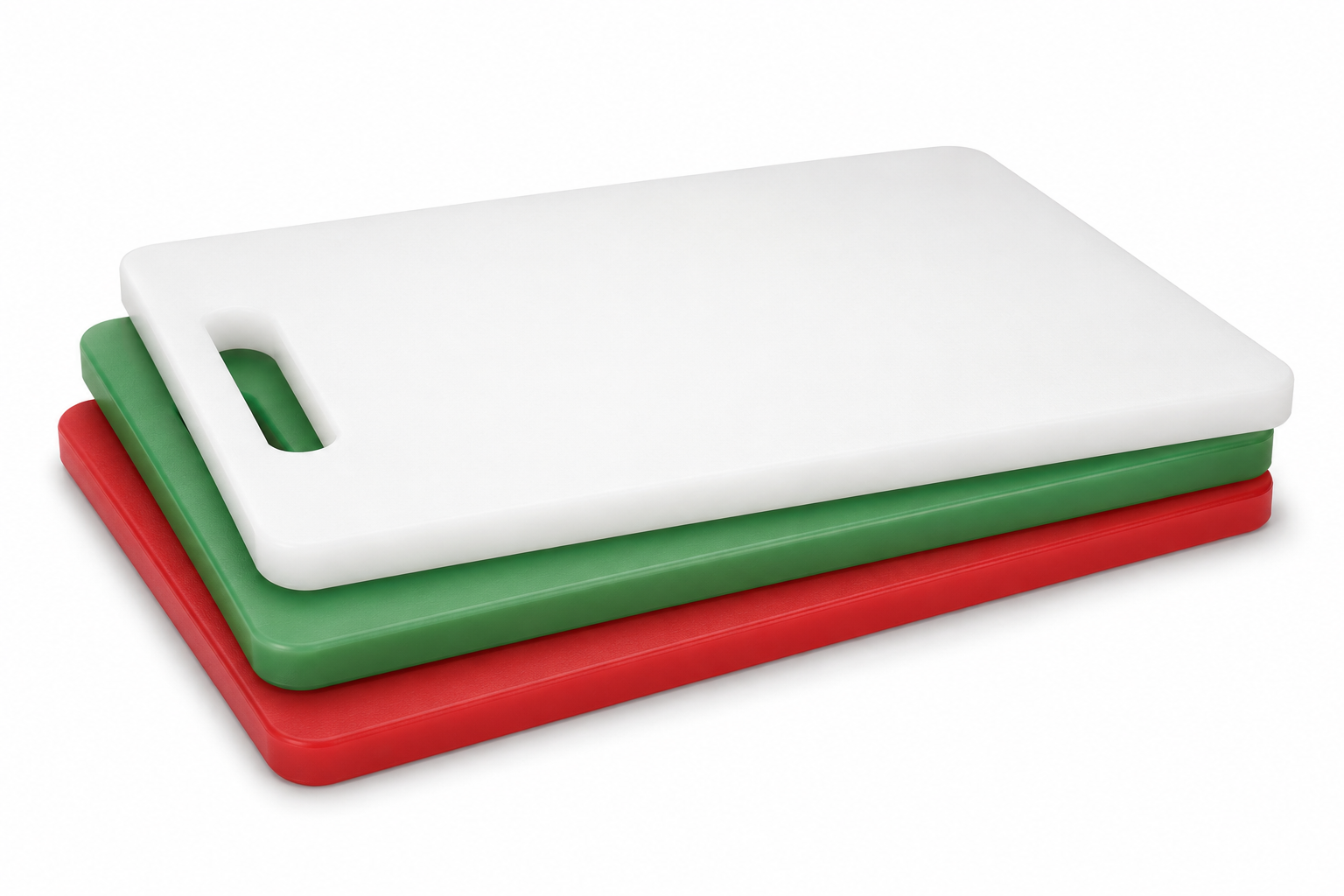 Antimicrobial Cutting Boards & Shelving
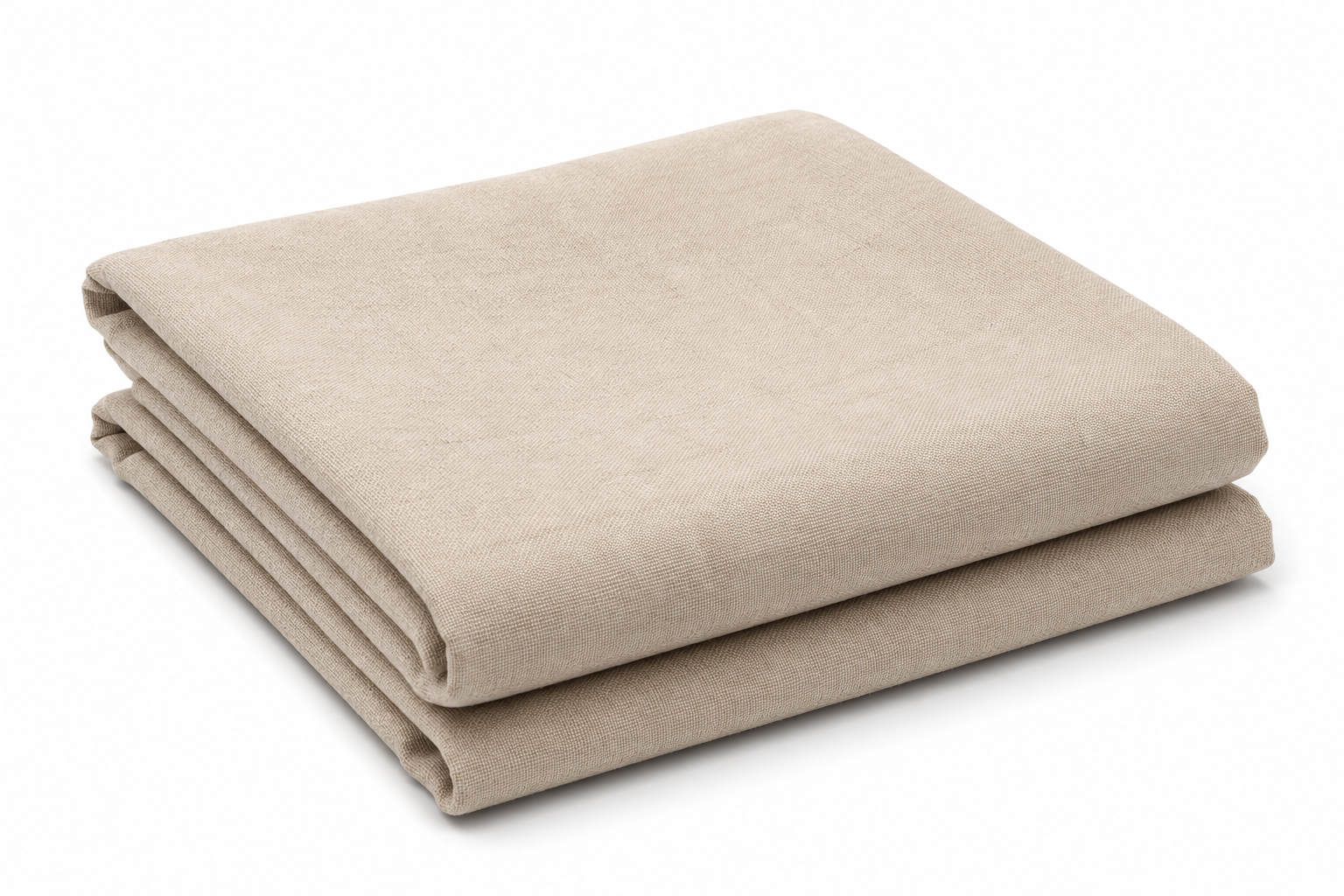 Antimicrobial Textile Treatments
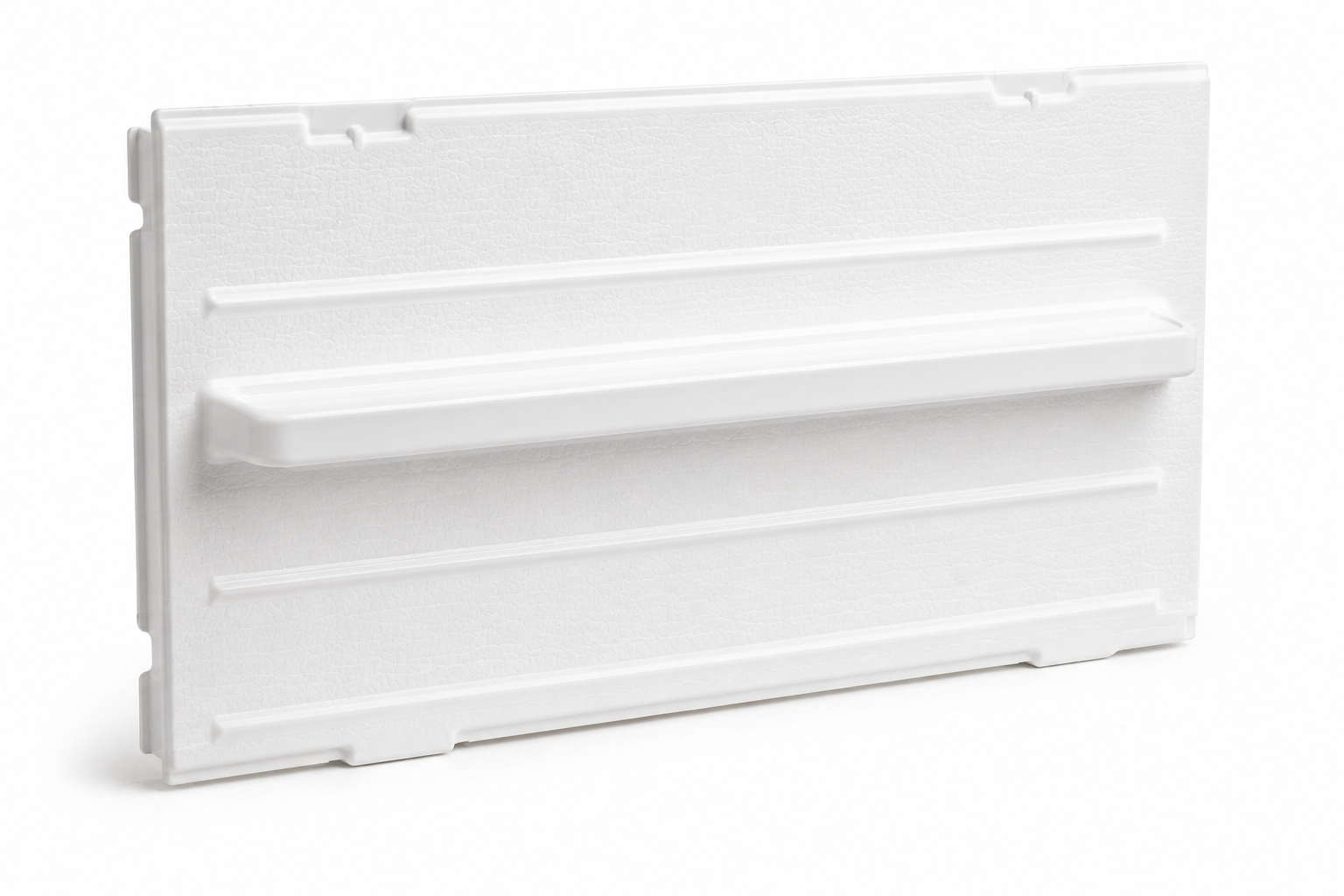 Treated Refrigerator Liners
How We Keep Triclosan Out of a House
Avoiding Triclosan is only half of it. The replacement has to work in a mold free, airtight, PHPP-modeled assembly as well — and finding materials that do both is most of what we do.
If you want a house specified this way from the start, or an existing house assessed for what is already in it, that is the work we do. Earth Bound Homes builds in Atherton, Palo Alto, Redwood City and across the San Francisco Bay Area.