Wood Fiber Insulation
Compressed sawmill softwood waste — vapor-open, fire-resistant, and carbon-storing.
Toxicity Screening — All Clear
This material screens clear across all nine independent toxicology authorities we use on every project.
Material Type
Plant-Fiber Compressed Insulation Board & Batt
Material Description
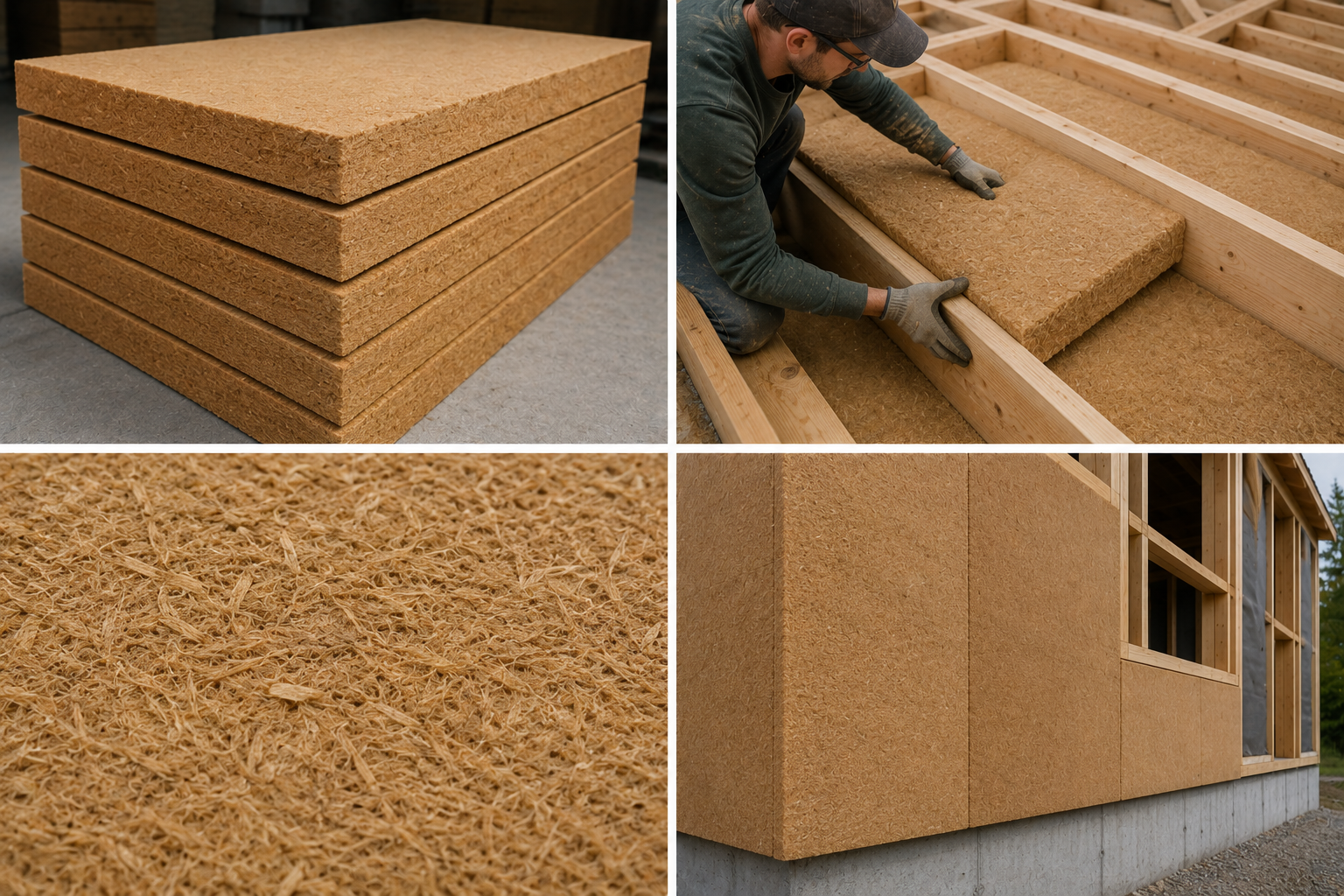
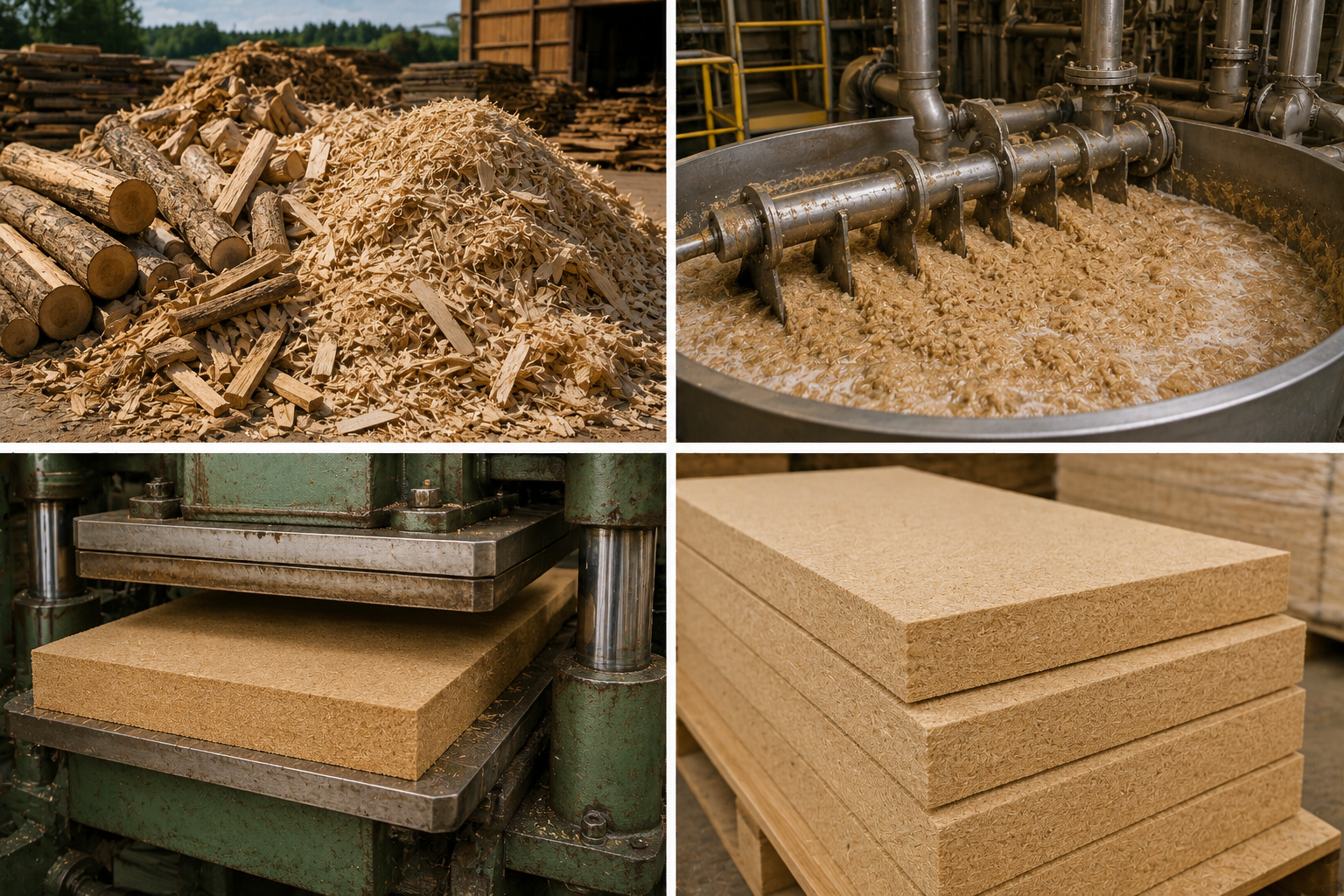
Wood fiber insulation is made by defibrating softwood (typically pine or spruce) sawmill waste and compressing it into rigid boards or flexible batts. The product is vapor-open, which means moisture can move through the assembly rather than being trapped — a major advantage for high-performance wall assemblies that need to dry to one or both sides. Wood fiber is naturally hygroscopic, has excellent decrement-delay properties (it slows summer heat transfer better than its R-value would suggest), and is fully biodegradable. The boards use paraffin wax as a hydrophobic modifier and an ammonium phosphate or borate fire retardant — both well-screened low-hazard chemistries.
Composition & Origin
Health Profile — All Endpoints Clear
Severity scored 0–10 against the same 10 hazard endpoints we use for the chemical families on the avoid list. Every score is 1–2 — essentially no signal across every endpoint.
Common Forms & Brands
- GUTEX Thermosafe & Multitherm boards
- STEICO Universal & Therm
- Pavatex / Pavabord
- Common framing: rigid sheathing-grade board, flexible batt, dense-pack loose-fill
Why We Use It
- Vapor-open — allows moisture to migrate through assembly without rotting
- Excellent thermal decrement delay for summer comfort
- Naturally carbon-storing — sequesters CO₂ for life of building
- Biodegradable end-of-life
- Dimensionally stable — no settling or shrinkage
Where It Performs Best
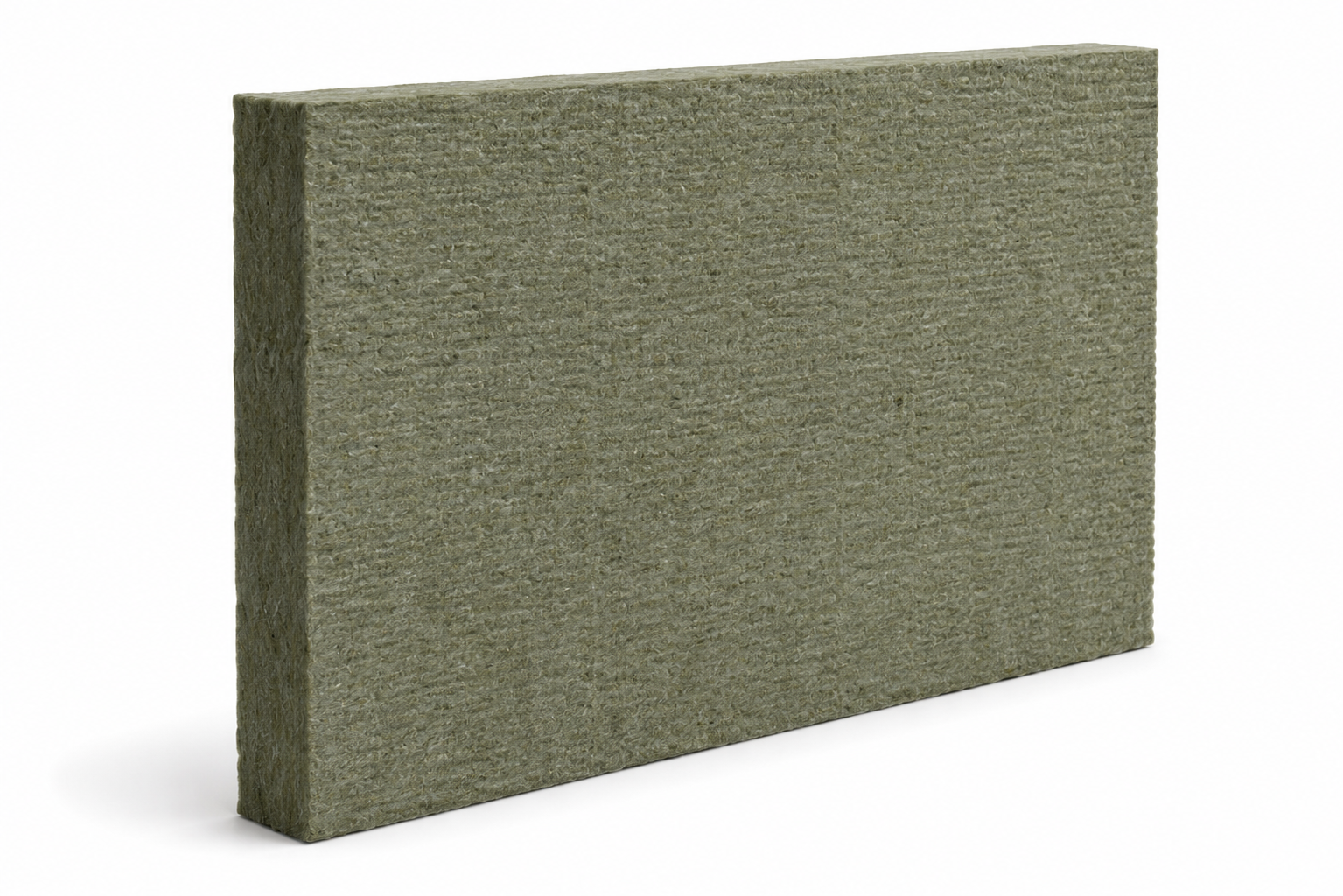
- Exterior continuous-insulation sheathing
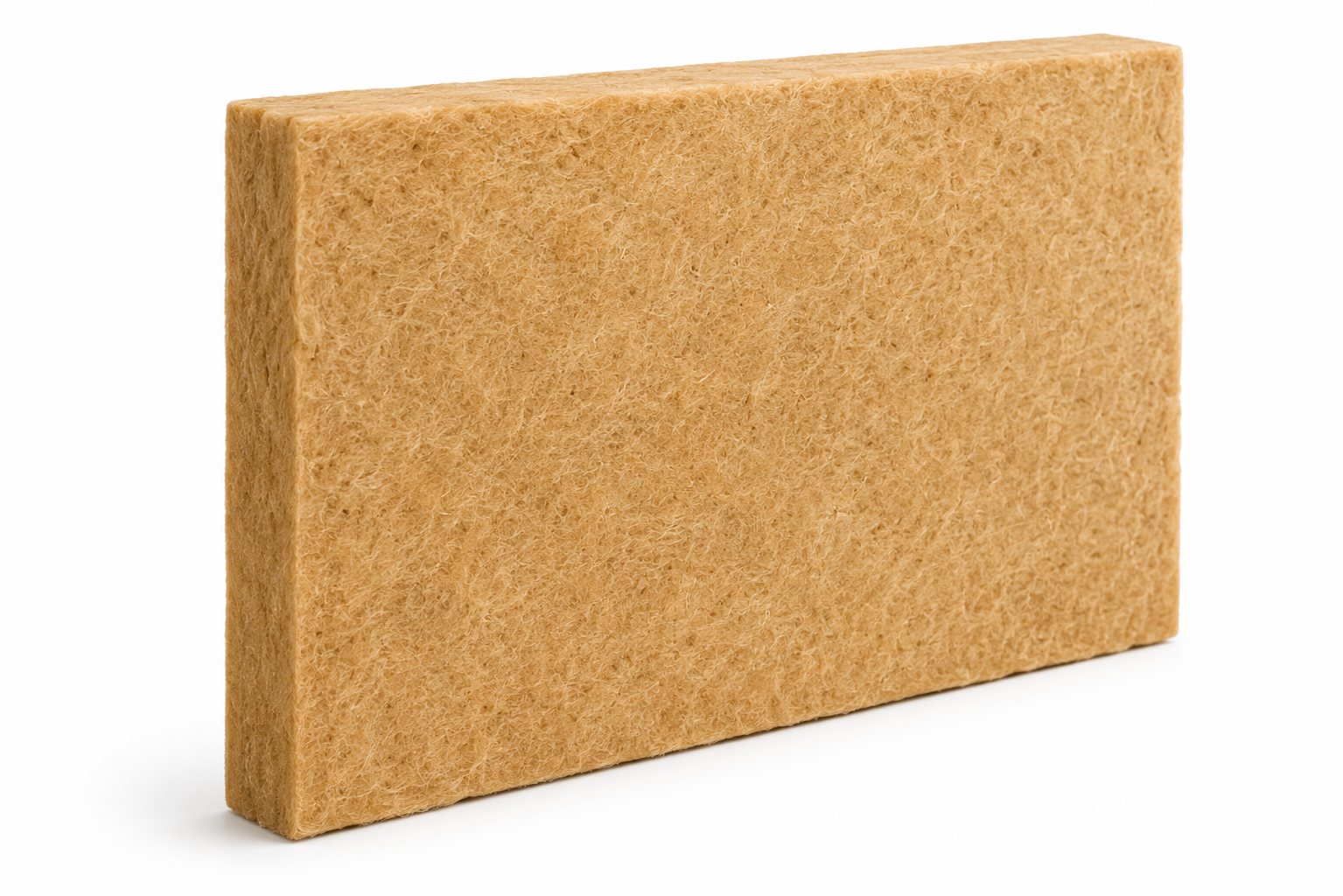
- Cavity batts in wall and roof assemblies
- Vapor-open roof underlayment
- Acoustic and interior partition insulation
Building Applications for Wood Fiber Insulation
Listed alphabetically. Where in a home this material earns its keep.
 Cavity Batts (Walls & Roofs)
 Continuous Exterior Sheathing
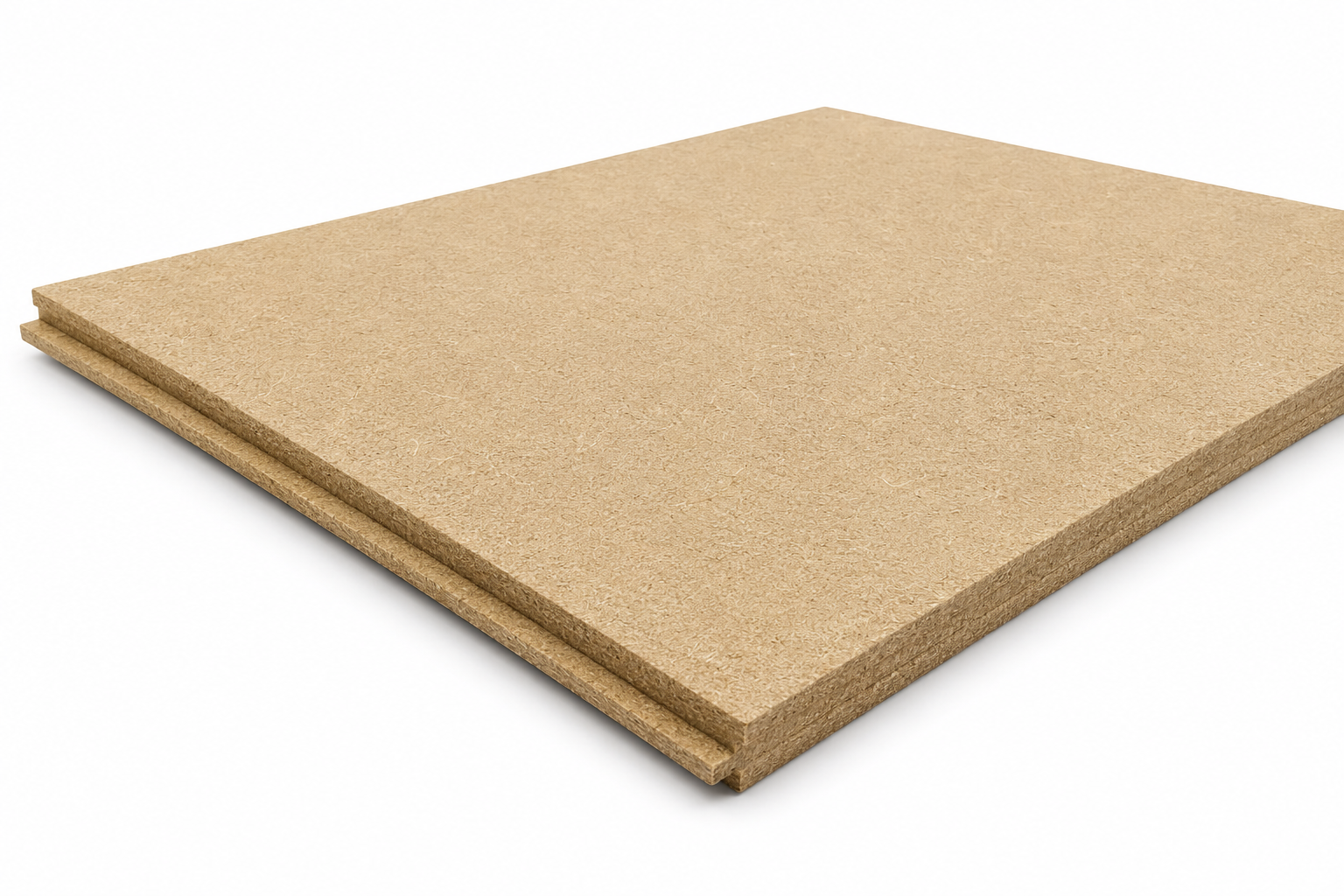 Roof Underlayment
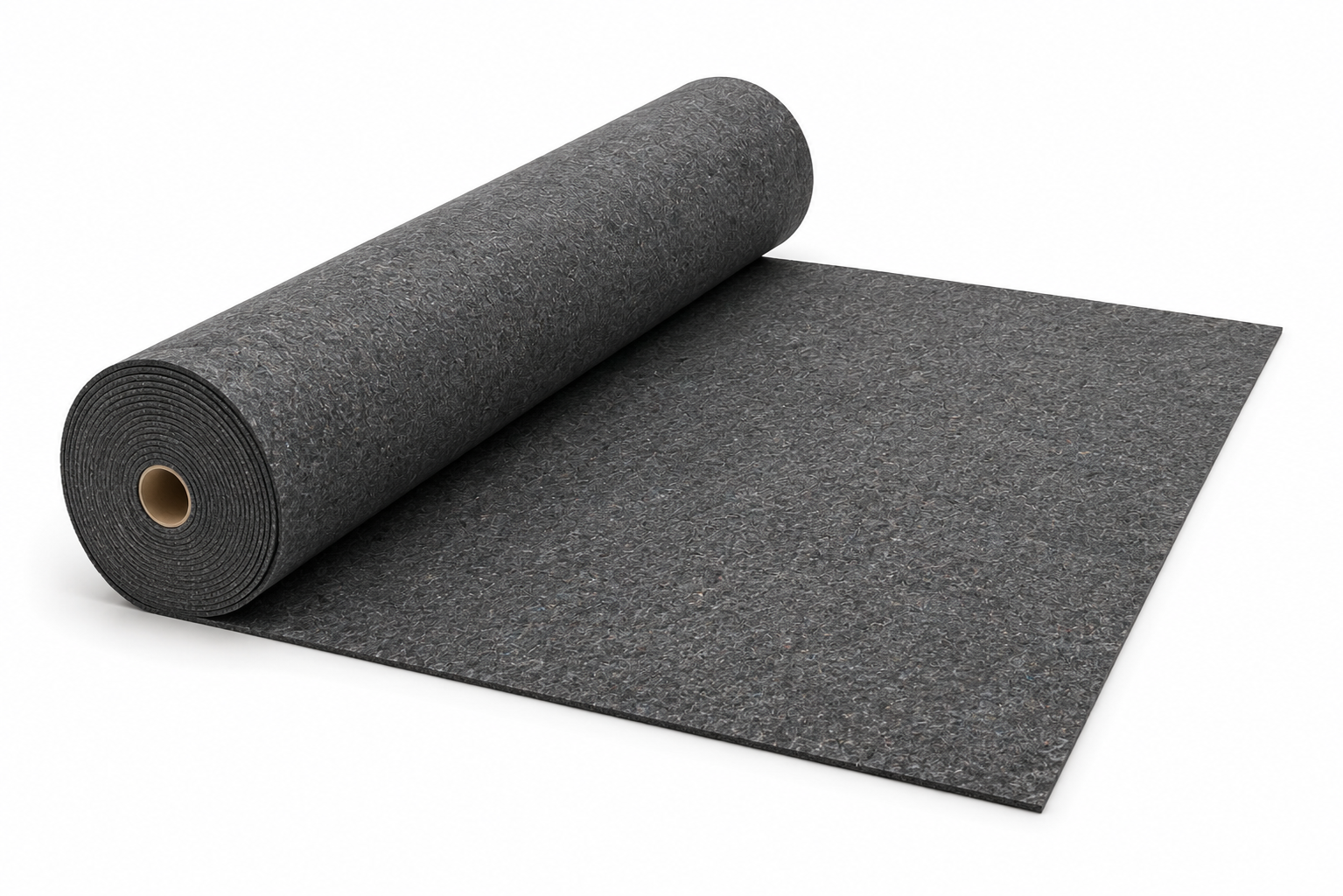 Sub-Floor Acoustic Layer
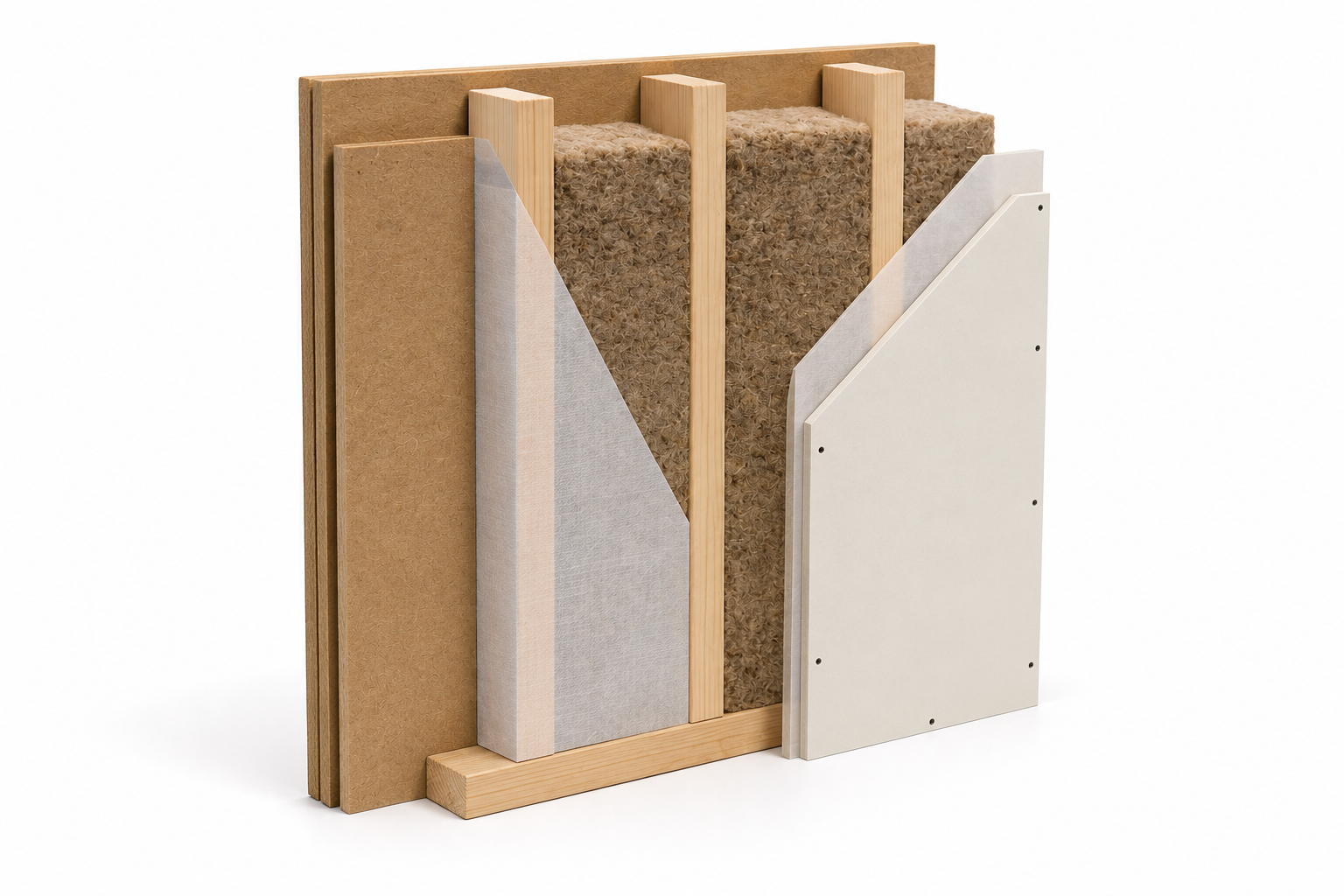 Vapor-Open Wall Assemblies
Wood Fiber Insulation on a Bay Area Home
We specify Wood Fiber Insulation because it survives the screening. Nothing goes into one of our homes until it clears all nine toxicology databases we check — that is what makes a toxin free home different from a home marketed as one.
If you are planning a new house or a deep remodel and you want this level of material control, that is the whole job we do. Earth Bound Homes builds in San Jose, Los Gatos, Santa Clara County and across the San Francisco Bay Area.
Related materials we specify
- Cellulose Insulation
- Cork Insulation
- Mineral Wool - Formaldehyde Free Only
- Pumice & Volcanic Aggregate Insulation