Urea-Formaldehyde (UF) ResinCAS 9011-05-6
The dominant binder in MDF, particleboard, and interior plywood — releases free formaldehyde over its service life.
Toxic Chemical Databases
Substance-specific listings — these flags are for Urea-Formaldehyde alone, not for the broader family.
Chemical Type
Aminoplast Cross-Linking Resin
Chemical Description
Urea-formaldehyde is the workhorse adhesive that holds composite wood products together. It hydrolyzes slowly back to formaldehyde monomer over years, accelerated by warmth and humidity. UF panels are the single largest indoor source of formaldehyde in most homes. CARB Phase 2 and EPA TSCA Title VI set emission limits, but low-emission UF still emits — only NAF/ULEF panels eliminate the source.
Biological Activity
Severity scores specific to this substance, NOT the parent family average. Differences between siblings are real and meaningful.
Top Health Consequences
- Continuous formaldehyde off-gassing into indoor air for years after install
- Asthma triggering and new-onset asthma in long-term residents
- Eye, nose, and throat irritation at sub-ppm indoor levels
- Skin sensitization from sanding dust during fabrication or renovation
Pathways of Exposure
- Inhalation of off-gassed monomer from MDF, particleboard, and interior plywood
- Inhalation of dust during cutting, sanding, or demolition
- Skin contact with raw-edge unsealed composite panels
Building Materials with Urea-Formaldehyde
Listed alphabetically — product categories where this specific substance appears.
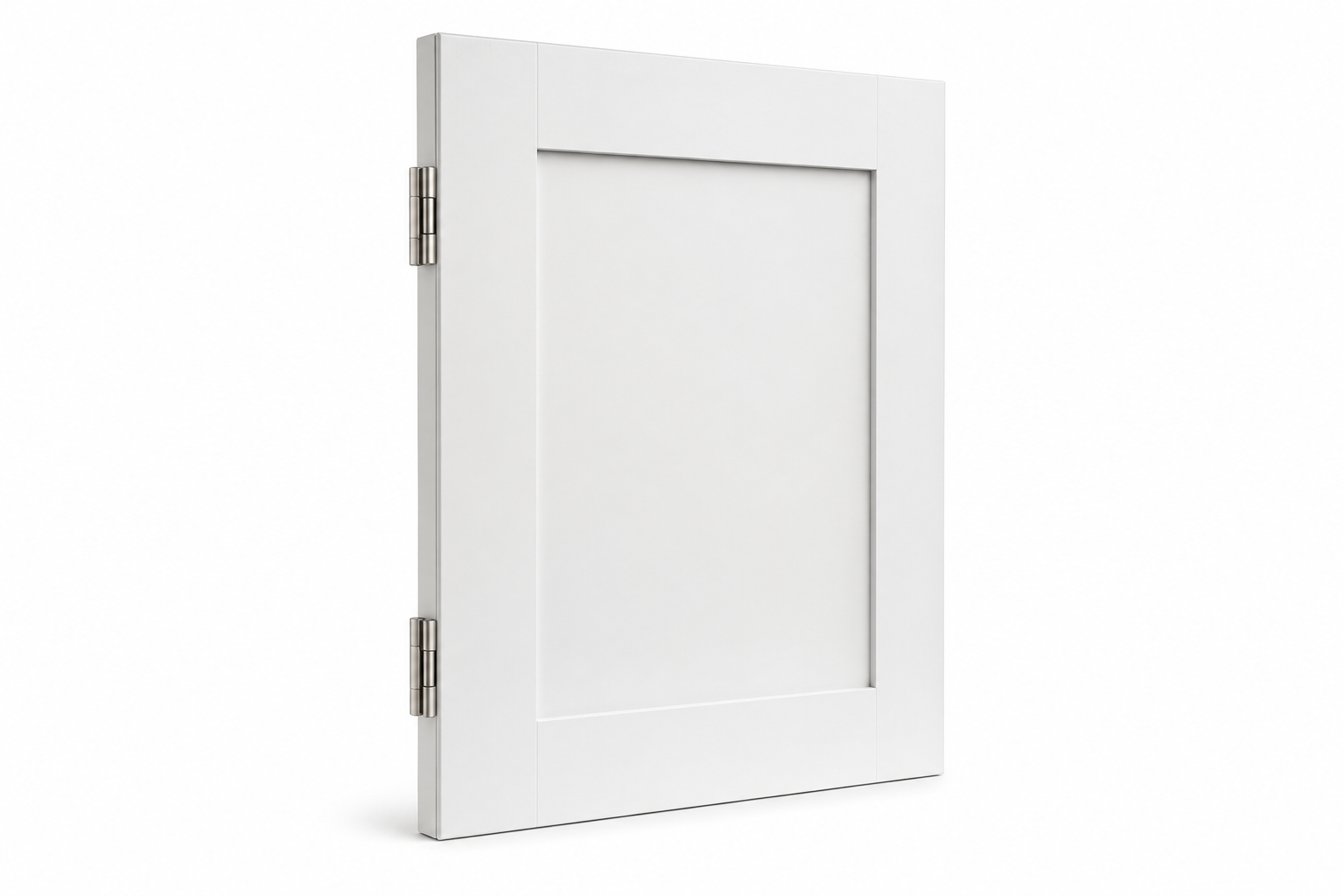 Cabinetry & Built-In Casework
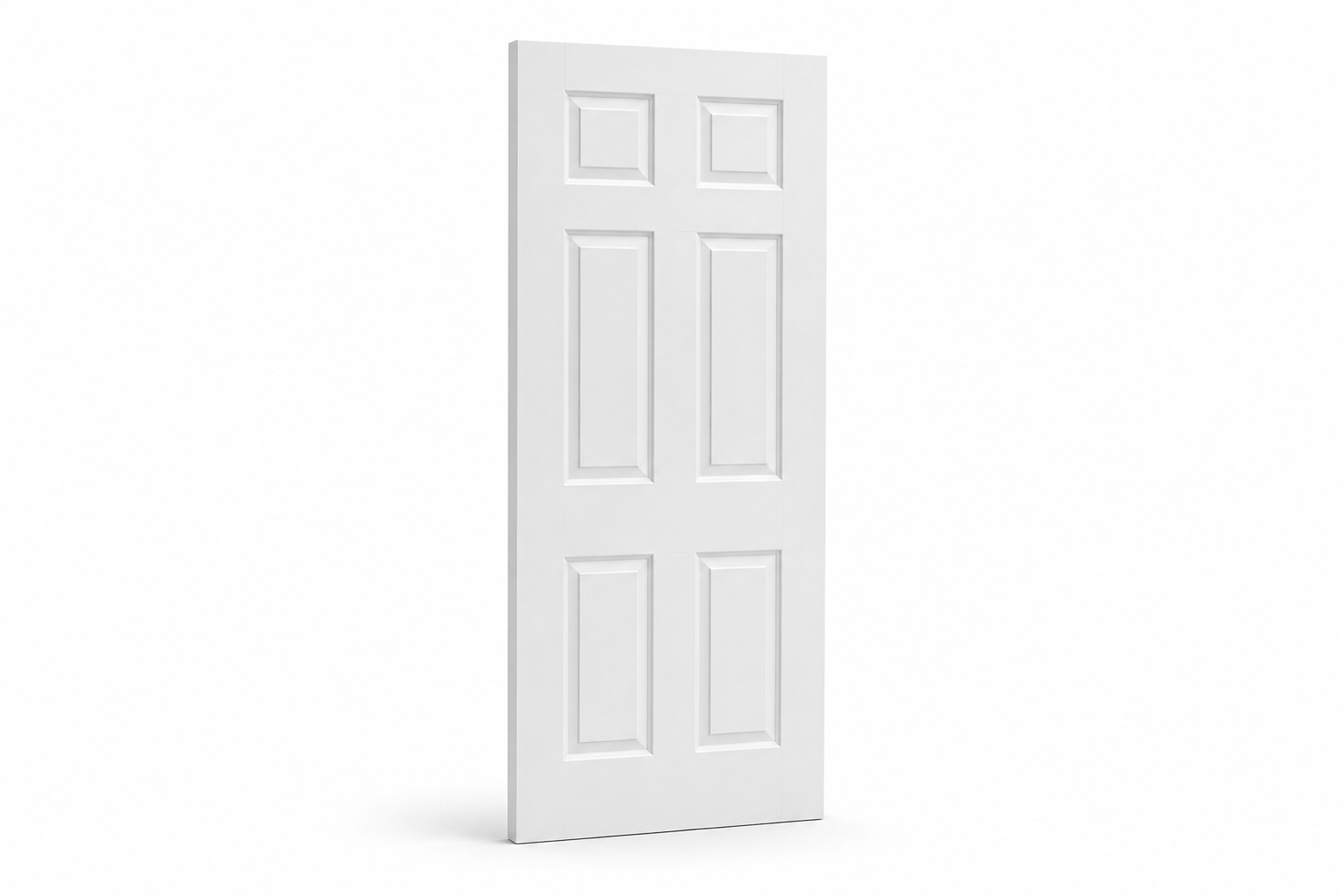 Interior Doors (Hollow-Core)
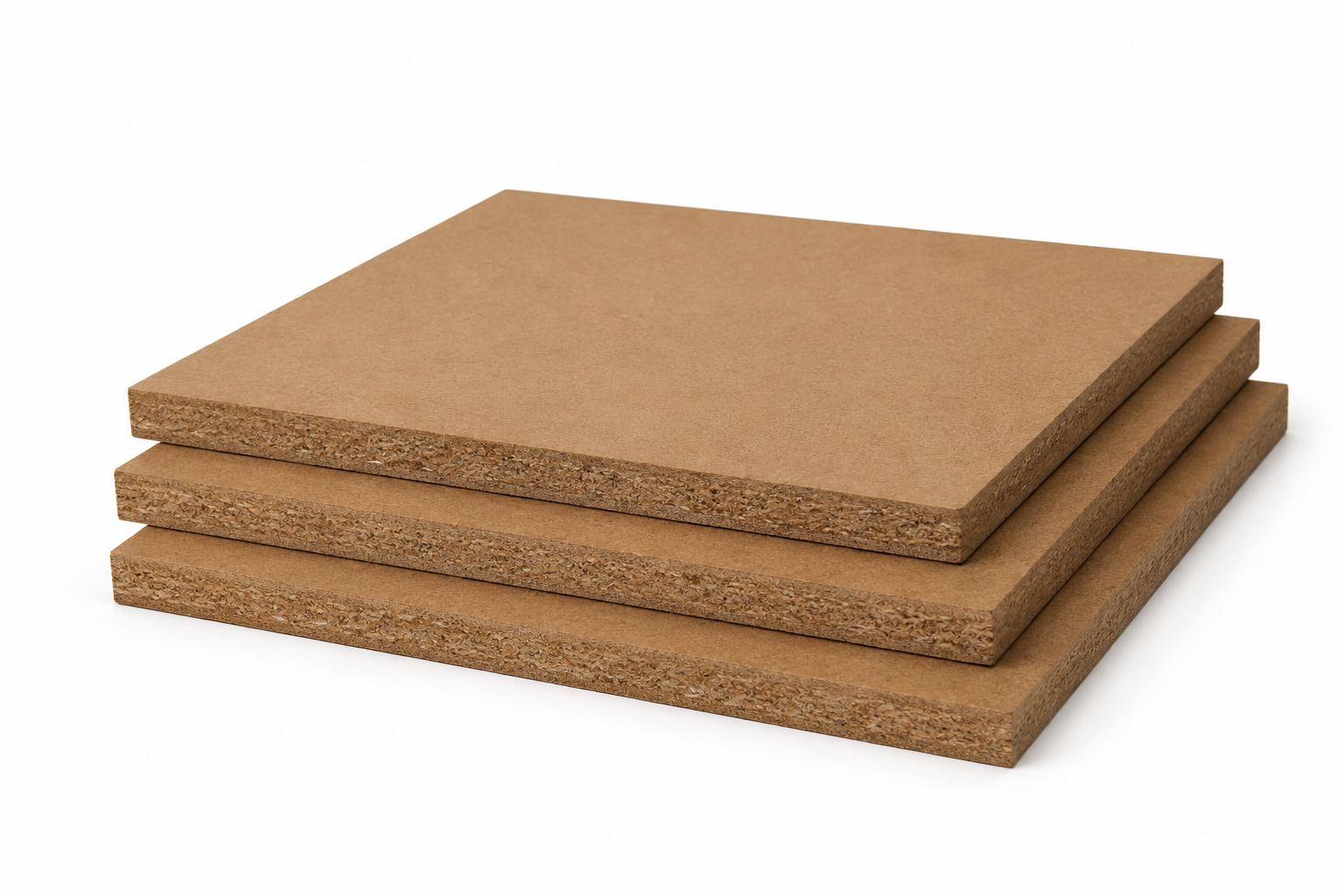 MDF, Particleboard, & Strandboard
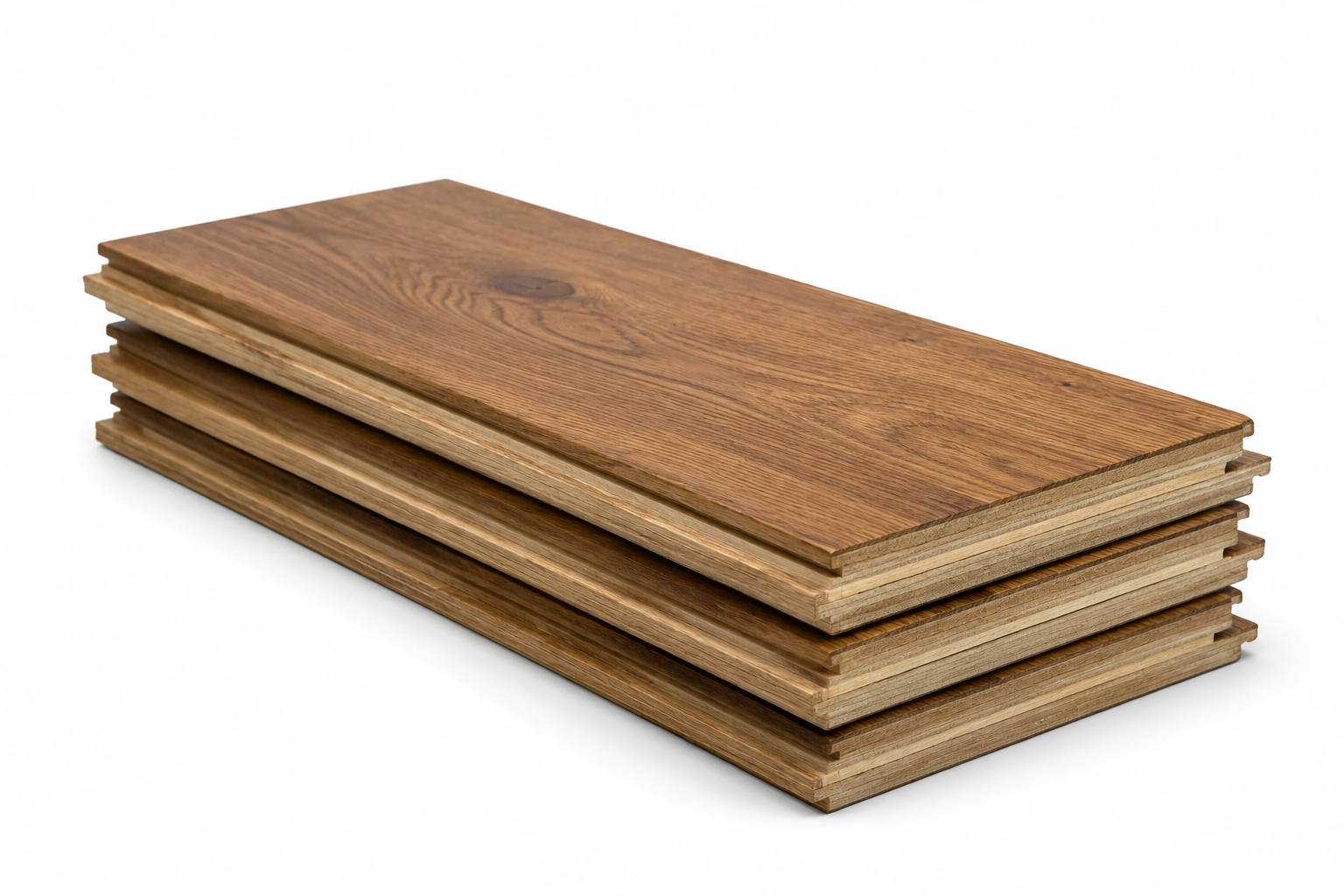 Plywood (UF-Bonded Interior)
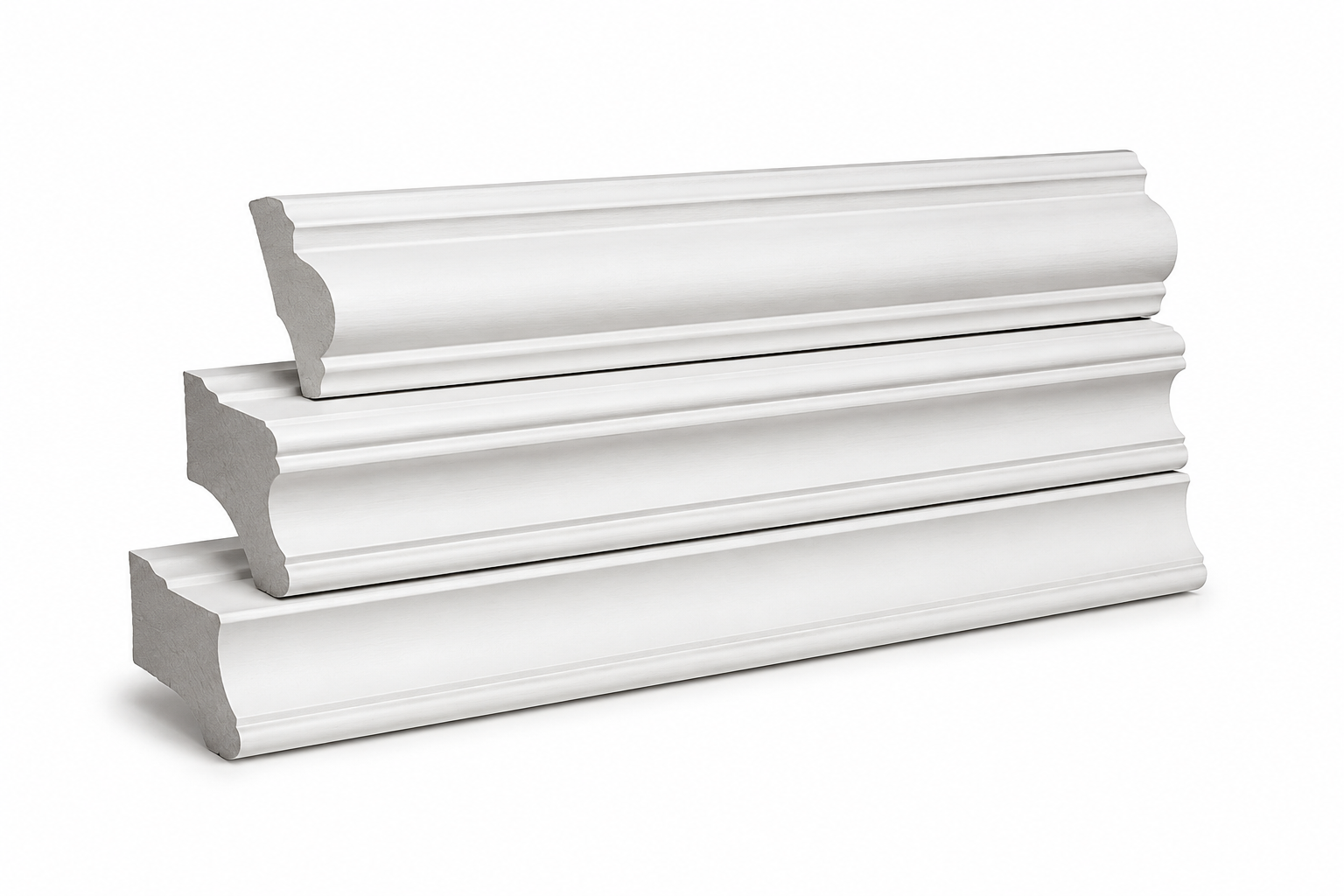 Pre-Finished Trim & Molding
How We Keep Urea-Formaldehyde (UF) Resin Out of a House
Urea-Formaldehyde (UF) Resin is one of the substances our screening is built to catch. A healthy home is won in the specification and the submittal review, long before anyone opens a bucket on site.
If you want a house specified this way from the start, or an existing house assessed for what is already in it, that is the work we do. Earth Bound Homes builds in Menlo Park, Redwood City, San Mateo County and across the San Francisco Bay Area.