Pure MDI (4,4'-Methylene Bisphenyl Diisocyanate)CAS 101-68-8
The 'A-side' monomer at the heart of spray foam and most polyurethane chemistry.

Toxic Chemical Databases
Substance-specific listings — these flags are for Pure MDI alone, not for the broader family.
Chemical Type
Aromatic Diisocyanate — Monomeric
Chemical Description
Pure 4,4'-MDI is the standard reference monomer used to characterize MDI toxicology. It is less volatile than TDI but a confirmed respiratory sensitizer. IARC places it in Group 3 (not classifiable as to human carcinogenicity) — a meaningfully weaker carcinogen signal than TDI. Once cured, the polyurethane polymer is stable; the hazard window is the aerosolized spray during installation and any residual unreacted monomer left by off-ratio or under-cured batches.
Biological Activity
Severity scores specific to this substance, NOT the parent family average. Differences between siblings are real and meaningful.
Top Health Consequences
- Respiratory sensitization with occupational asthma the leading endpoint
- Hypersensitivity pneumonitis with chronic low-level exposure
- Allergic contact dermatitis on skin contact
- IARC Group 3 — weaker cancer signal than TDI
Pathways of Exposure
- Inhalation of aerosolized A-side during spray foam application
- Off-gassing of residual monomer from off-ratio or under-cured foam
- Re-aerosolization during demolition, sanding, or thermal degradation
Building Materials with Pure MDI
Listed alphabetically — product categories where this specific substance appears.
 Engineered Wood Adhesives (Pure-MDI Bonded)
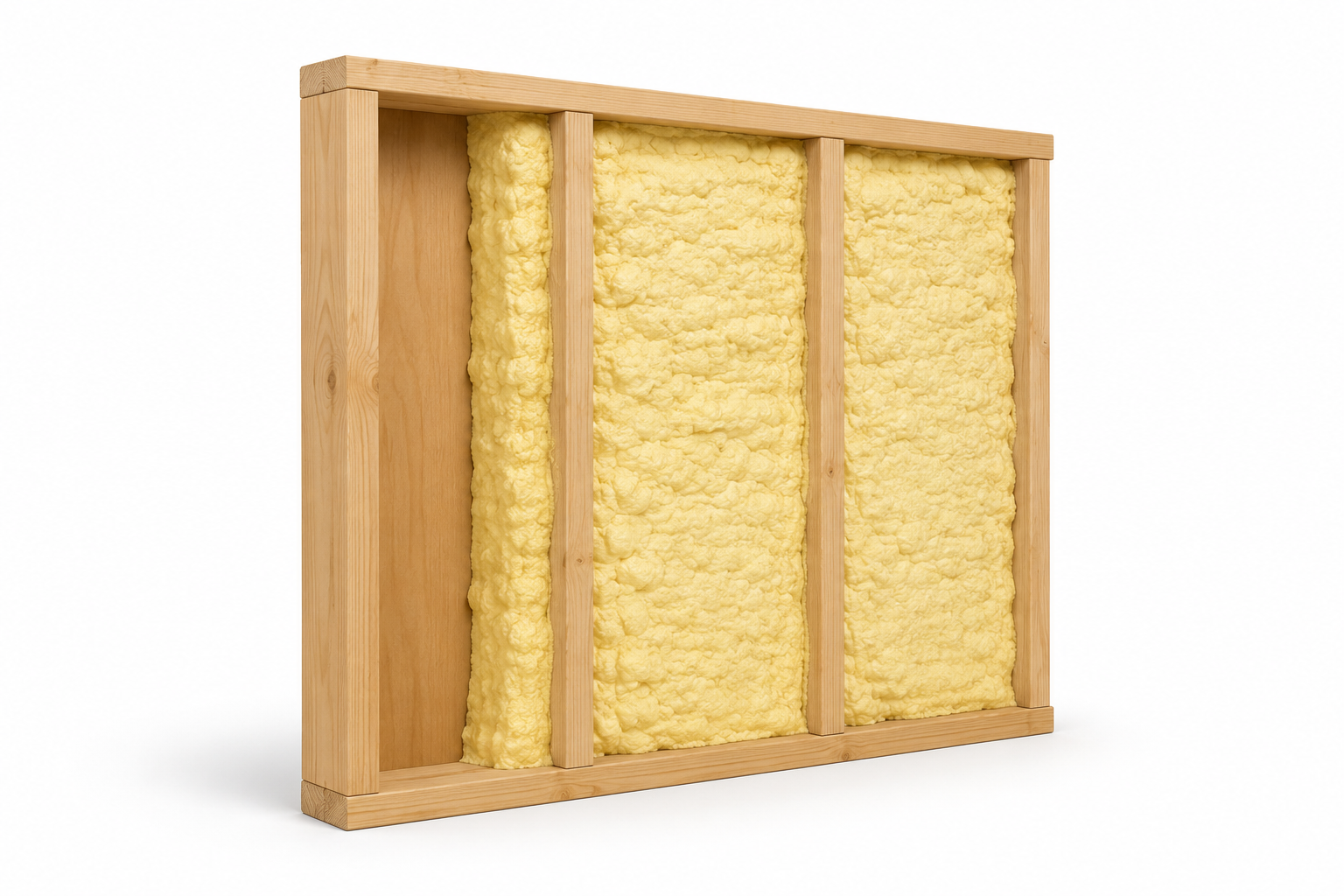 Spray Polyurethane Foam Insulation
 Two-Part Industrial Coatings
How We Keep Pure MDI Out of a House
Avoiding Pure MDI is only half of it. The replacement has to work in a mold free, airtight, PHPP-modeled assembly as well — and finding materials that do both is most of what we do.
If you want a house specified this way from the start, or an existing house assessed for what is already in it, that is the work we do. Earth Bound Homes builds in Palo Alto, Menlo Park, San Mateo County and across the San Francisco Bay Area.