Toxic Metals
Lead, arsenic, cadmium, mercury, hexavalent chromium — heavy metals with no safe dose.
Toxic Chemical Databases
Where this family lands across the nine independent toxicology authorities we screen against.
Chemical Type
Heavy-Metal & Metalloid Class
Chemical Description
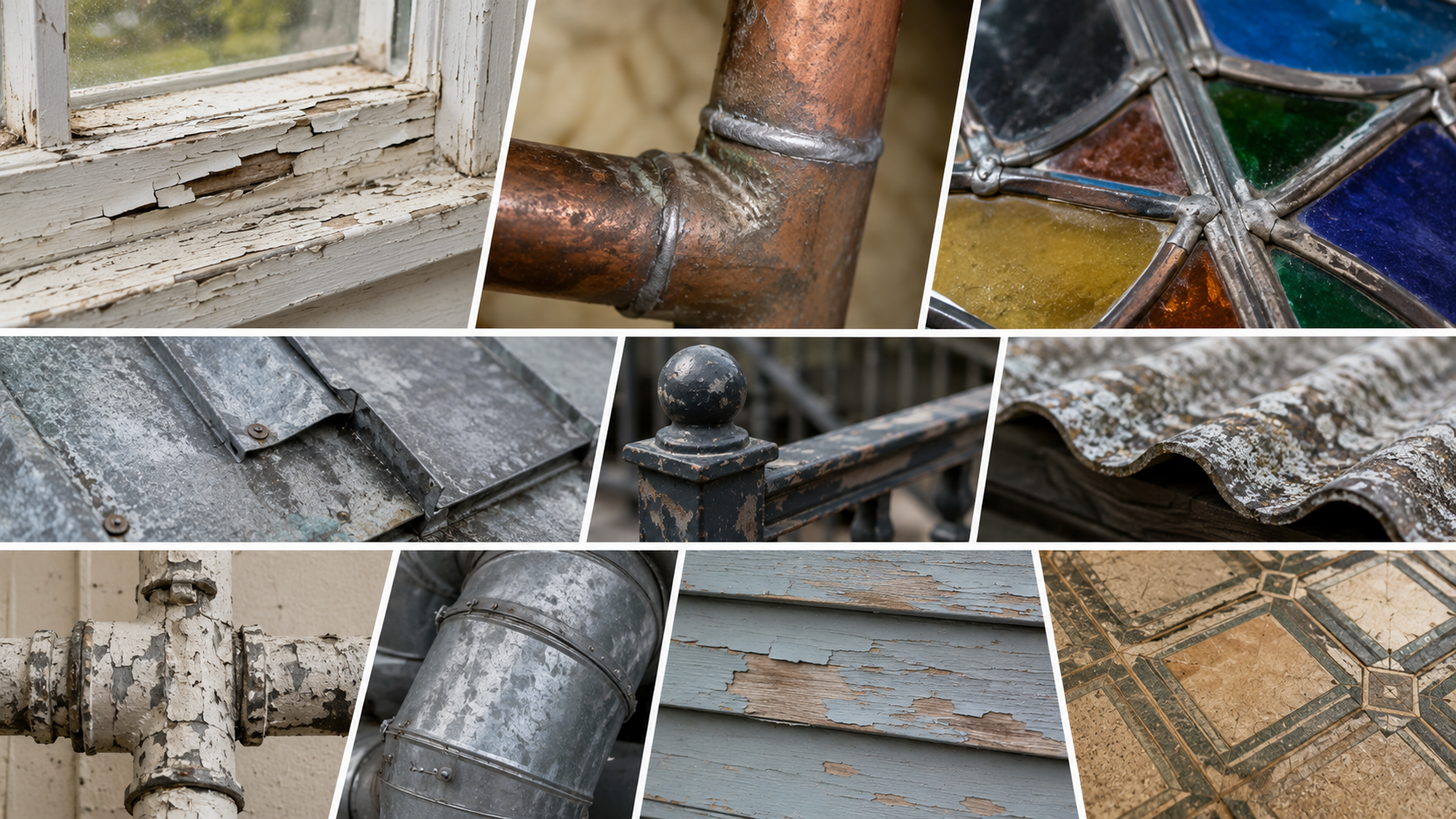
The toxic-metals group is the oldest known cluster of construction hazards. Lead in pre-1978 paint and older plumbing solder is the textbook example. Arsenic was the workhorse of pressure-treated wood (CCA) until 2003 in residential use. Cadmium and hexavalent chromium stabilized red and yellow pigments in older PVC and powder-coat finishes. Mercury appears in fluorescent lamp ballasts, thermostats, and some demolition-era flooring. Heavy metals are persistent — they don't biodegrade, they accumulate in bone and soft tissue, and they compete with the body's natural enzymes for binding sites. Children are especially vulnerable: even very low blood-lead levels cause measurable cognitive deficits. EBH treats any pre-1978 paint, pre-2003 pressure-treated wood, and any reclaimed industrial material as suspect until tested, and we follow RRP-certified containment for all demolition involving these materials.
Chemical Structure
Molecular schematic for Toxic Metals — formula and structural features shown below.
Biological Activity
Severity scores summarize hazard endpoints from IARC, NTP, EPA IRIS, ATSDR, and NIOSH on a 0–10 scale. Mirrors the system-level output of our SDS Toxic Chemical Screener.
Chemical Analogs and Brand Names
- Lead — CAS 7439-92-1
- Arsenic — CAS 7440-38-2
- Cadmium — CAS 7440-43-9
- Mercury — CAS 7439-97-6
- Hexavalent Chromium — CAS 18540-29-9
- Organotin Compounds (incl. Dibutyltin Dilaurate) — CAS 77-58-7
- C
Top Health Consequences
- Lead — irreversible neurodevelopmental deficits, no safe blood level for children
- Arsenic — bladder, lung, and skin cancer; cardiovascular disease
- Cadmium — kidney damage, bone demineralization, lung cancer
- Mercury — central nervous system and developmental toxicity
- Hexavalent chromium — lung cancer, severe skin sensitization
Pathways of Exposure
- Inhalation of dust during demolition or renovation of pre-1978 paint
- Drinking water leaching from lead service lines and soldered joints
- Skin contact with CCA-treated wood (decks, playsets, raised beds)
- Soil ingestion in legacy-industrial neighborhoods (especially for children)
- Fluorescent lamp breakage indoors (mercury vapor release)
Substances in this Family
Each substance below has its own profile page with its own database flags, biological-activity scores, and exposure pathways — they are NOT interchangeable.
Building Materials with Toxic Metals
Listed alphabetically. These are the product categories where this chemistry most often shows up — not an exhaustive list.
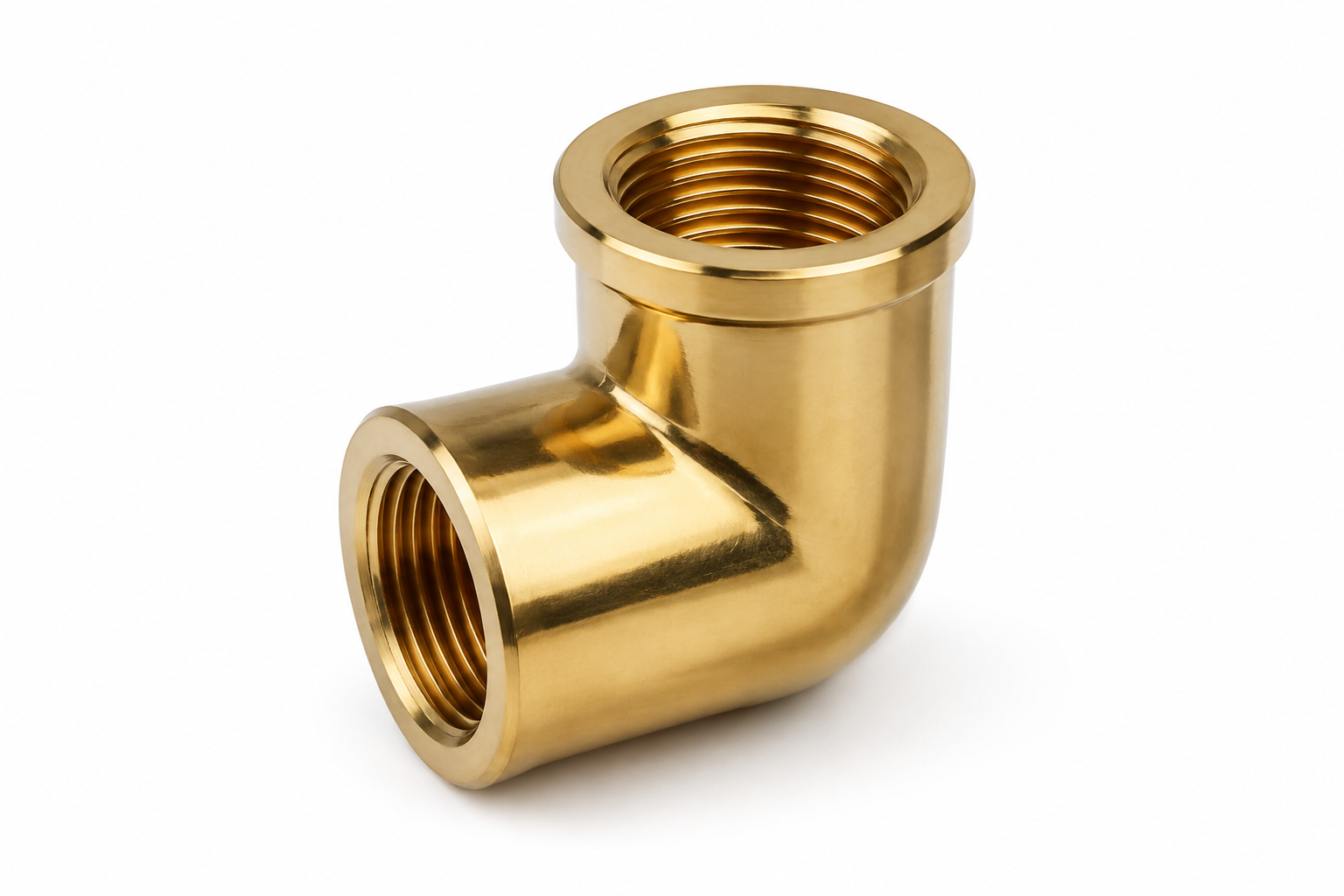 Brass Plumbing Fittings (Pre-2014)
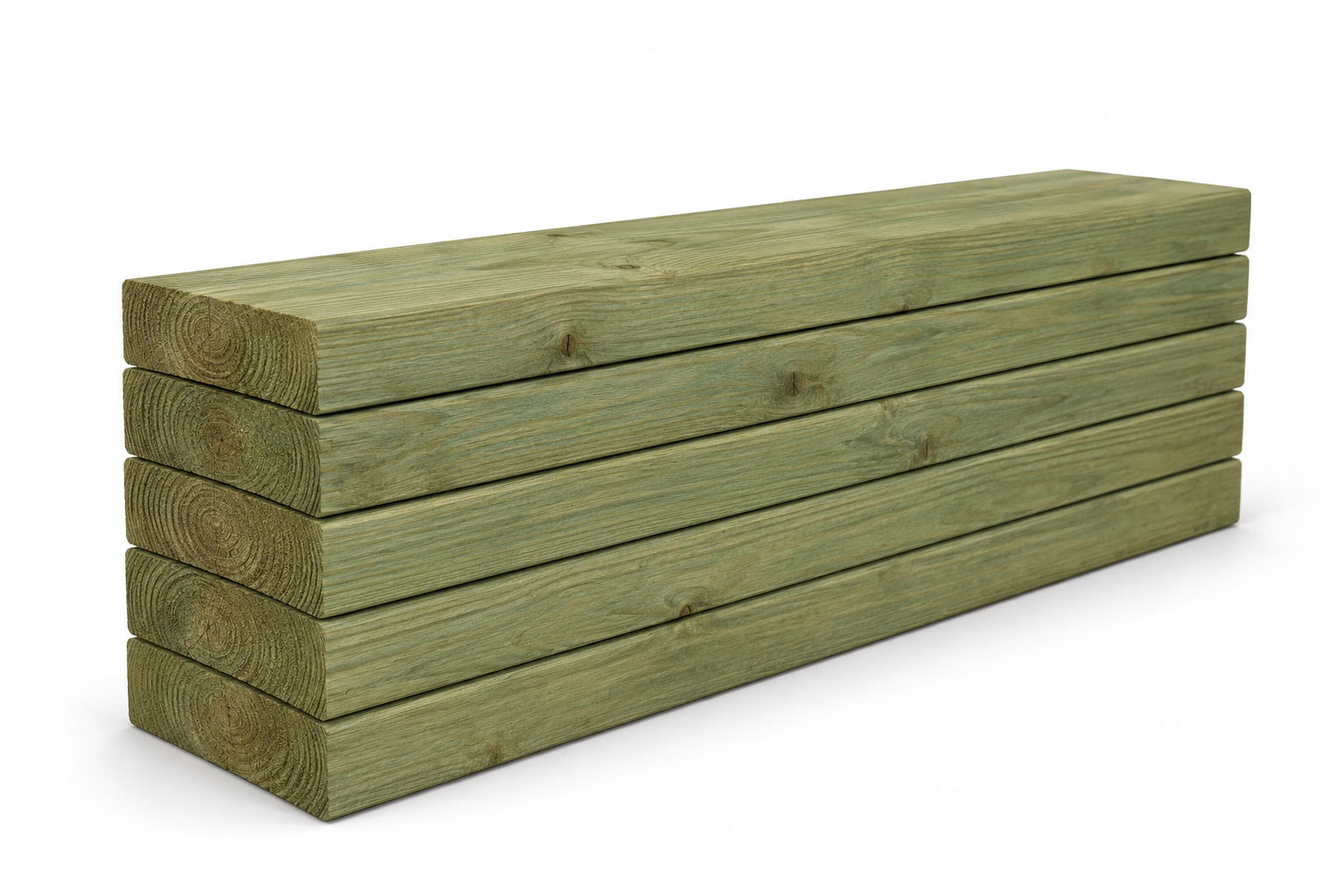 CCA Pressure-Treated Wood (Pre-2003)
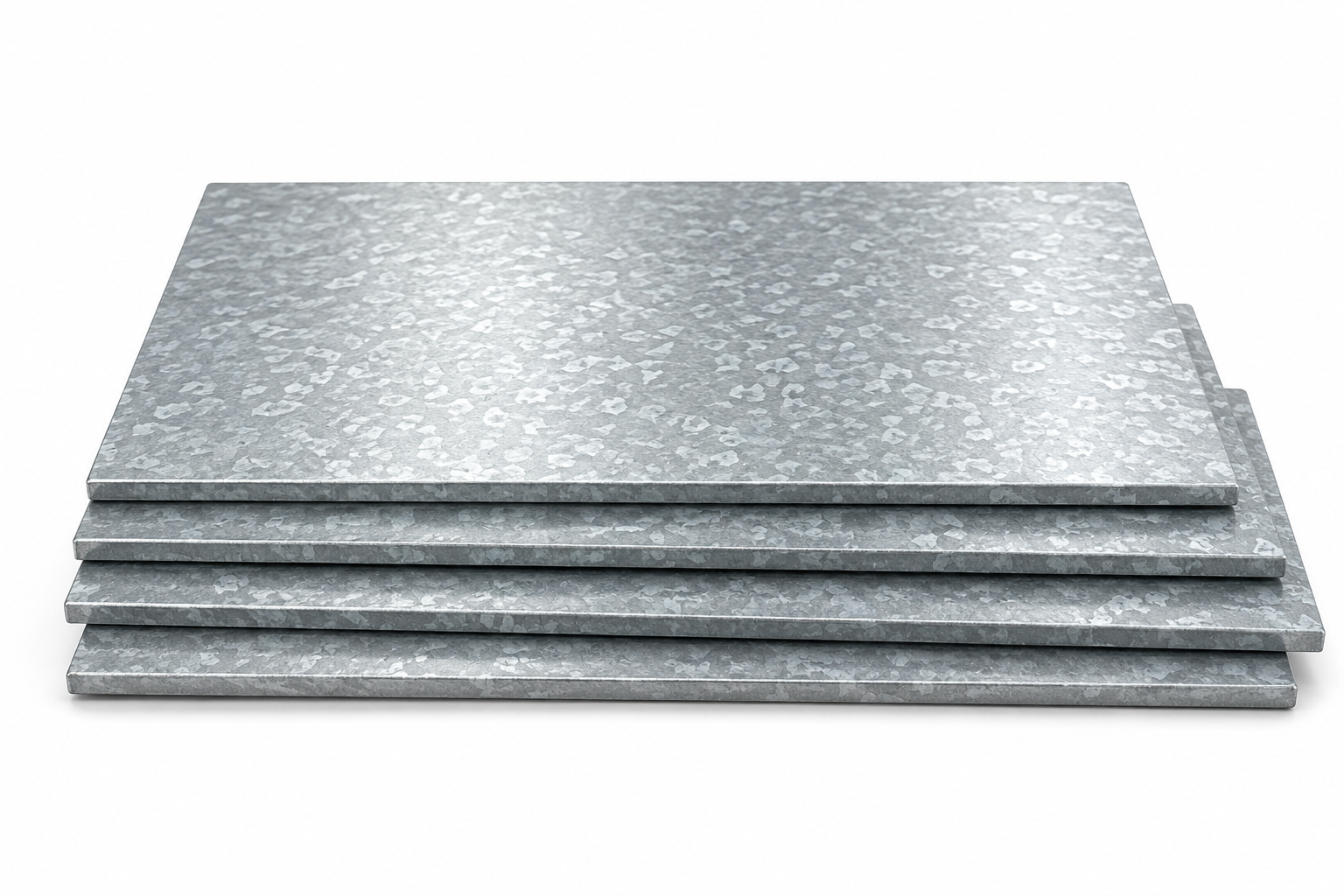 Chromate-Treated Galvanized Sheet Metal
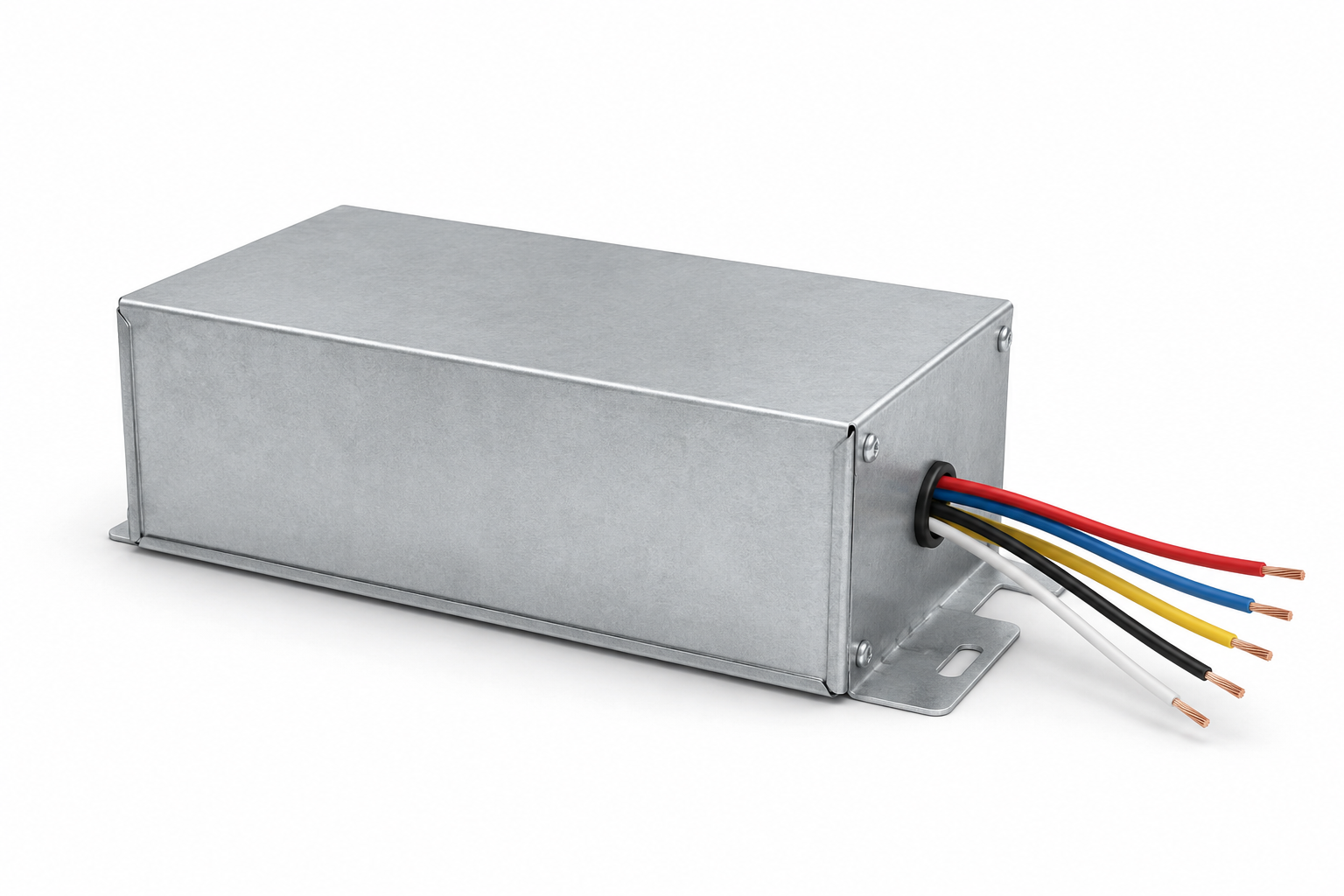 Fluorescent Lamp Ballasts (Mercury)
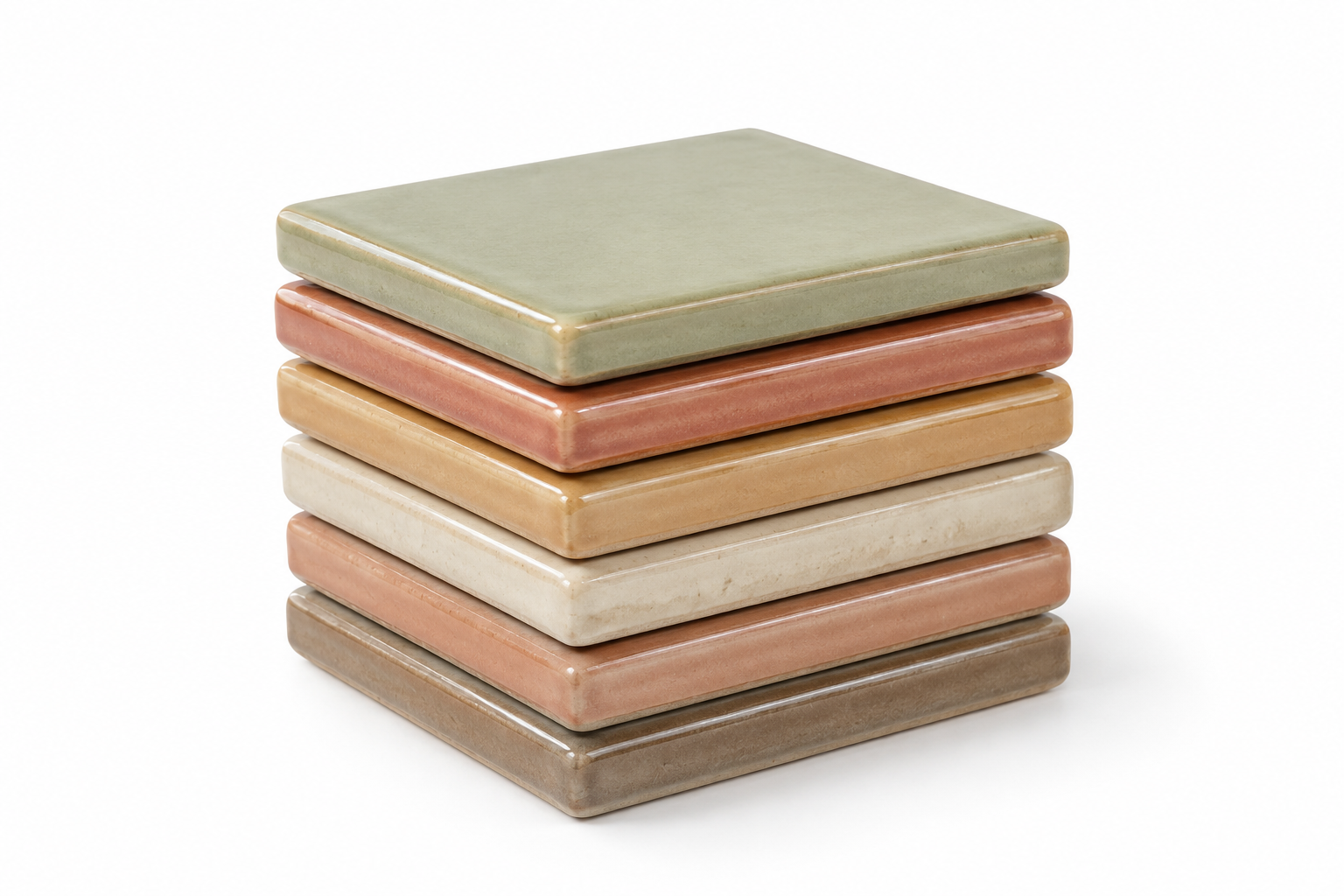 Glazed Tile & Ceramic Pigments (Cadmium)
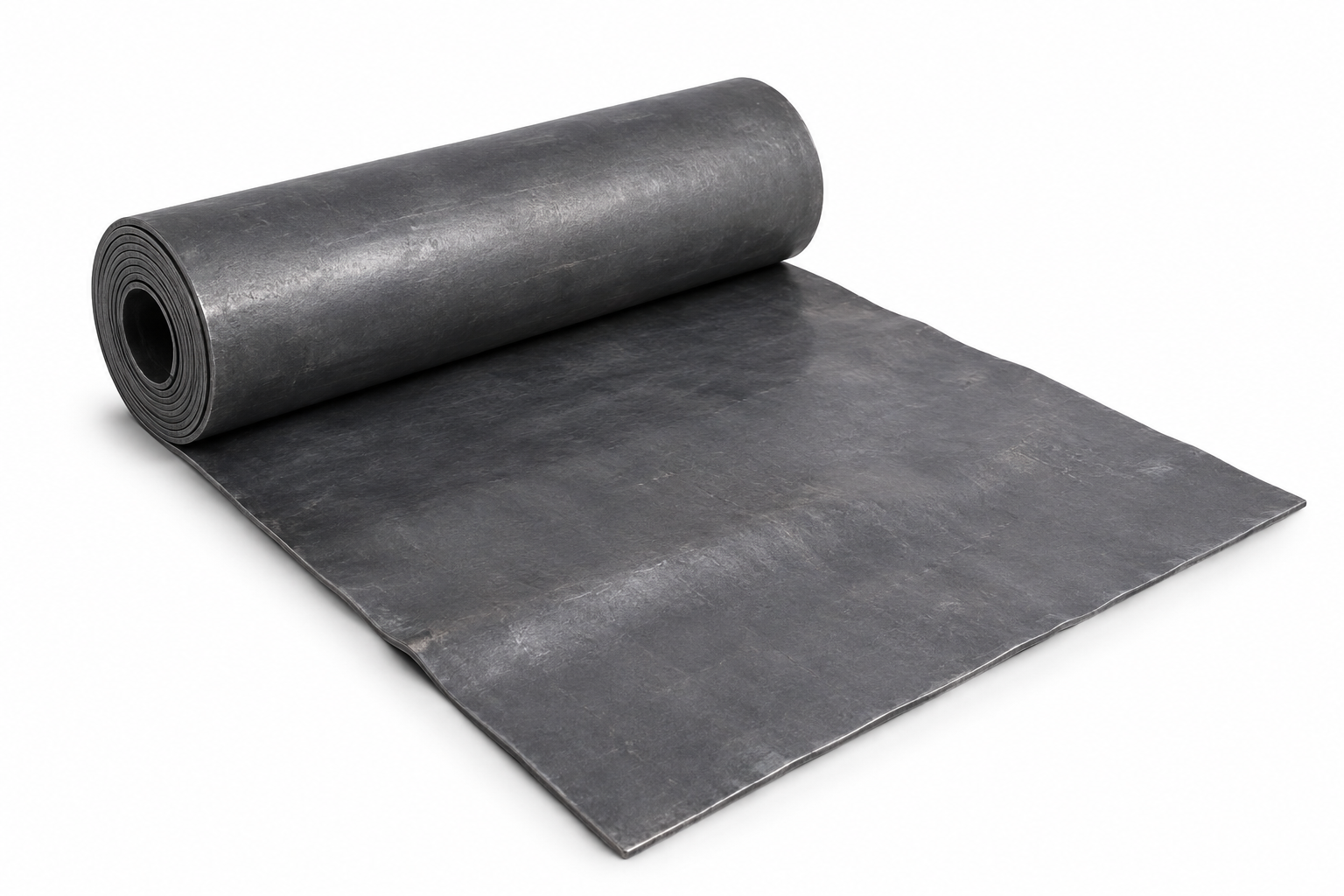 Lead Flashing & Radiation Shielding
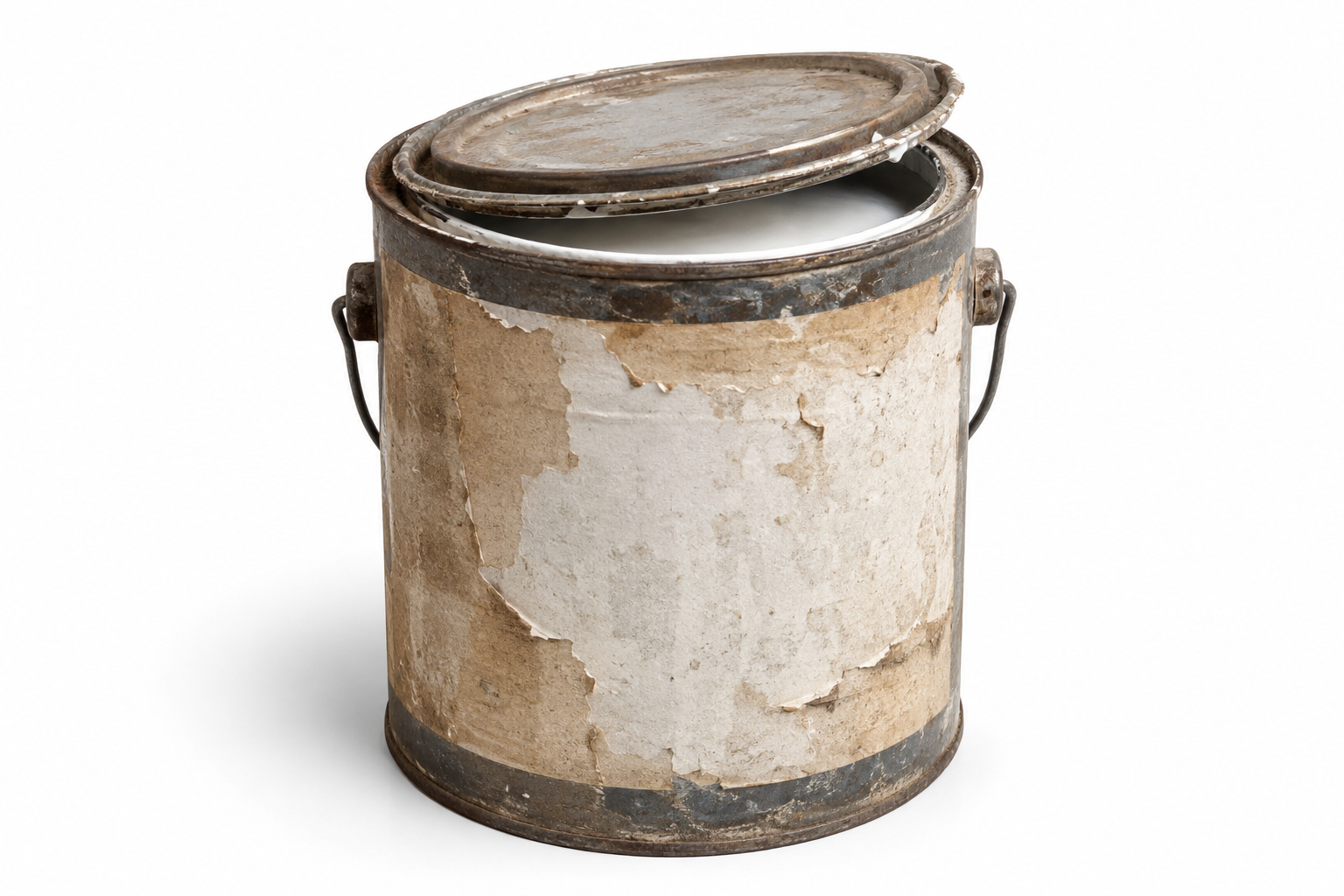 Lead Paint (Pre-1978 Repaints)
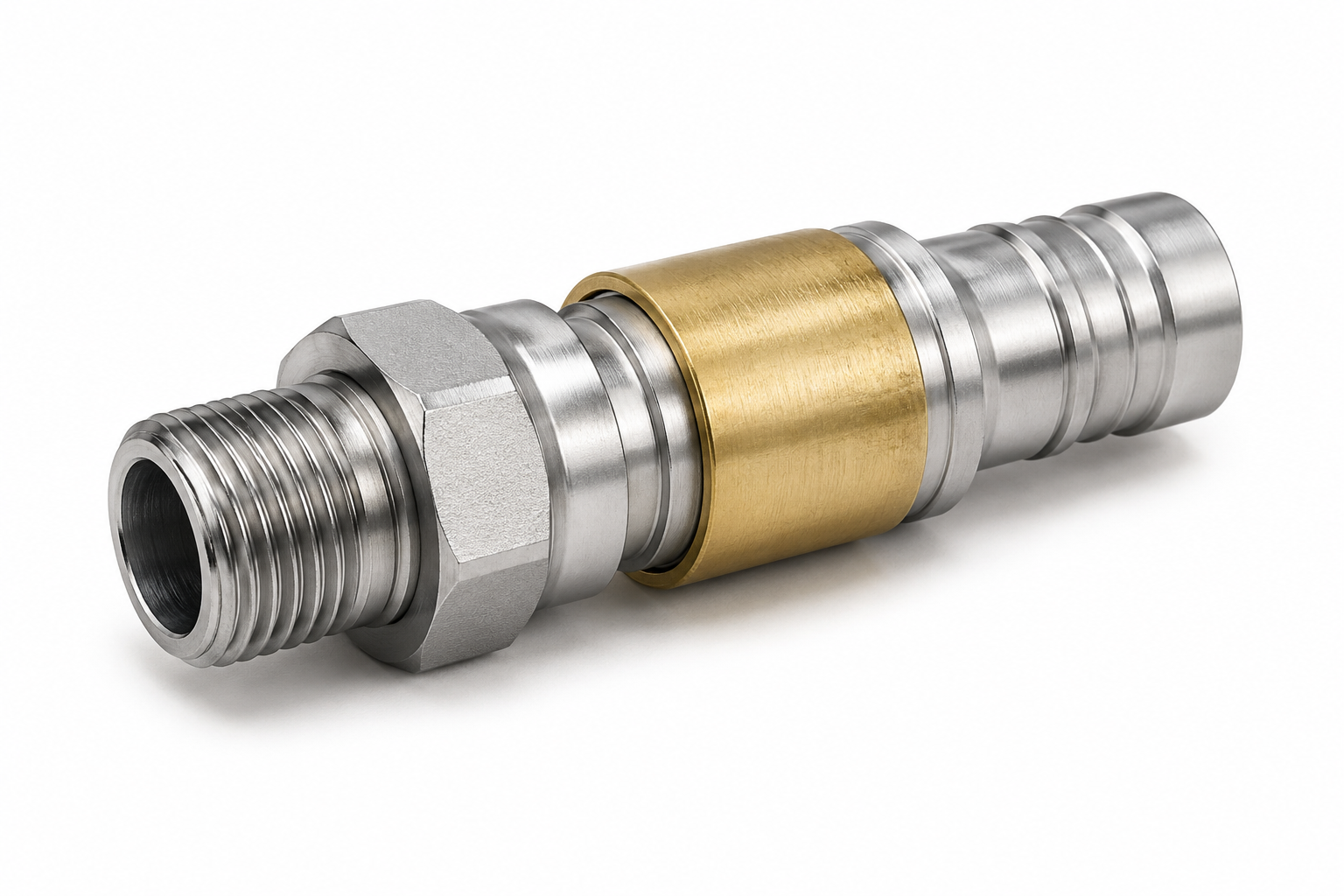 Lead Solder Joints (Pre-1986 Plumbing)
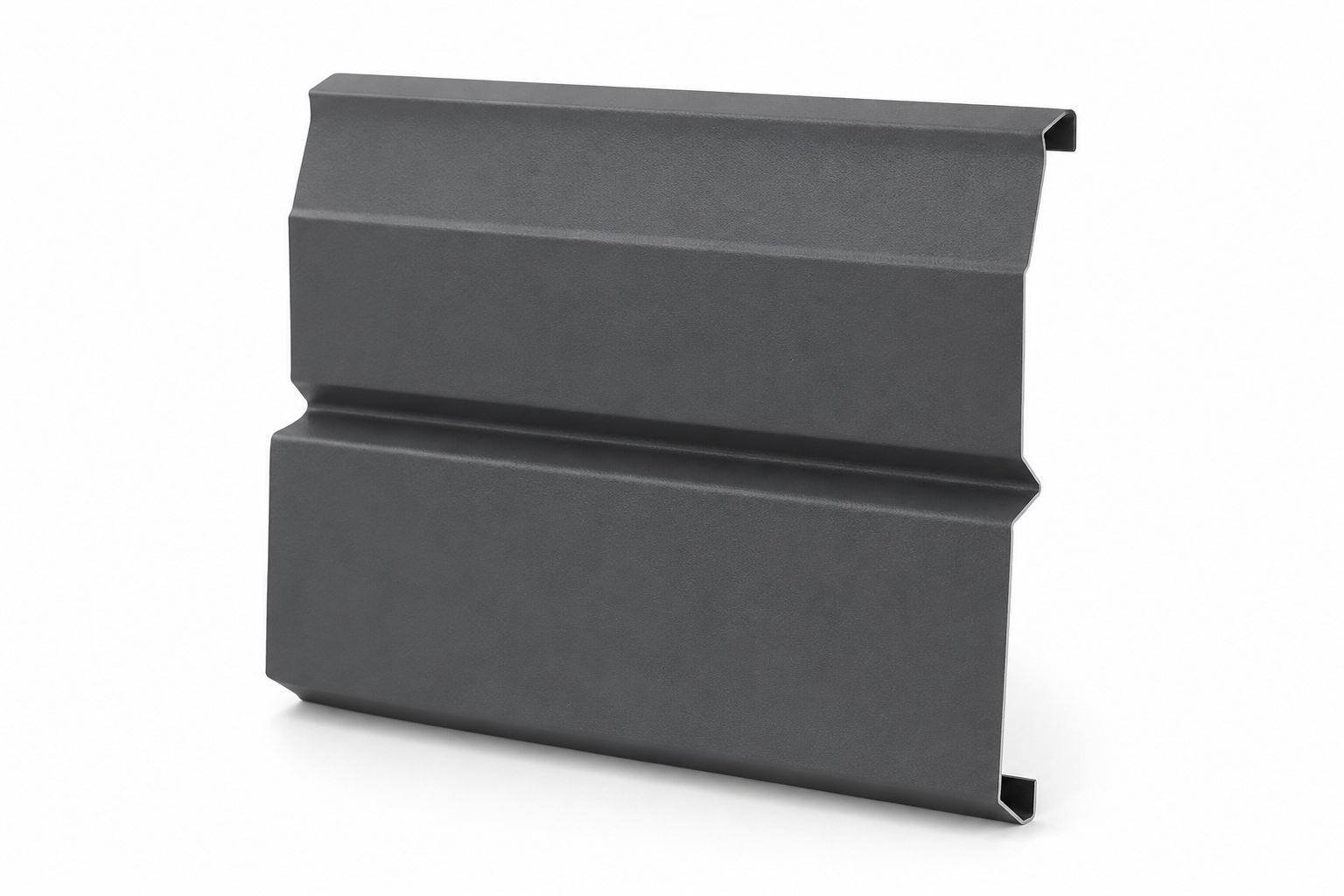 Pigmented Powder-Coat Metal Finishes
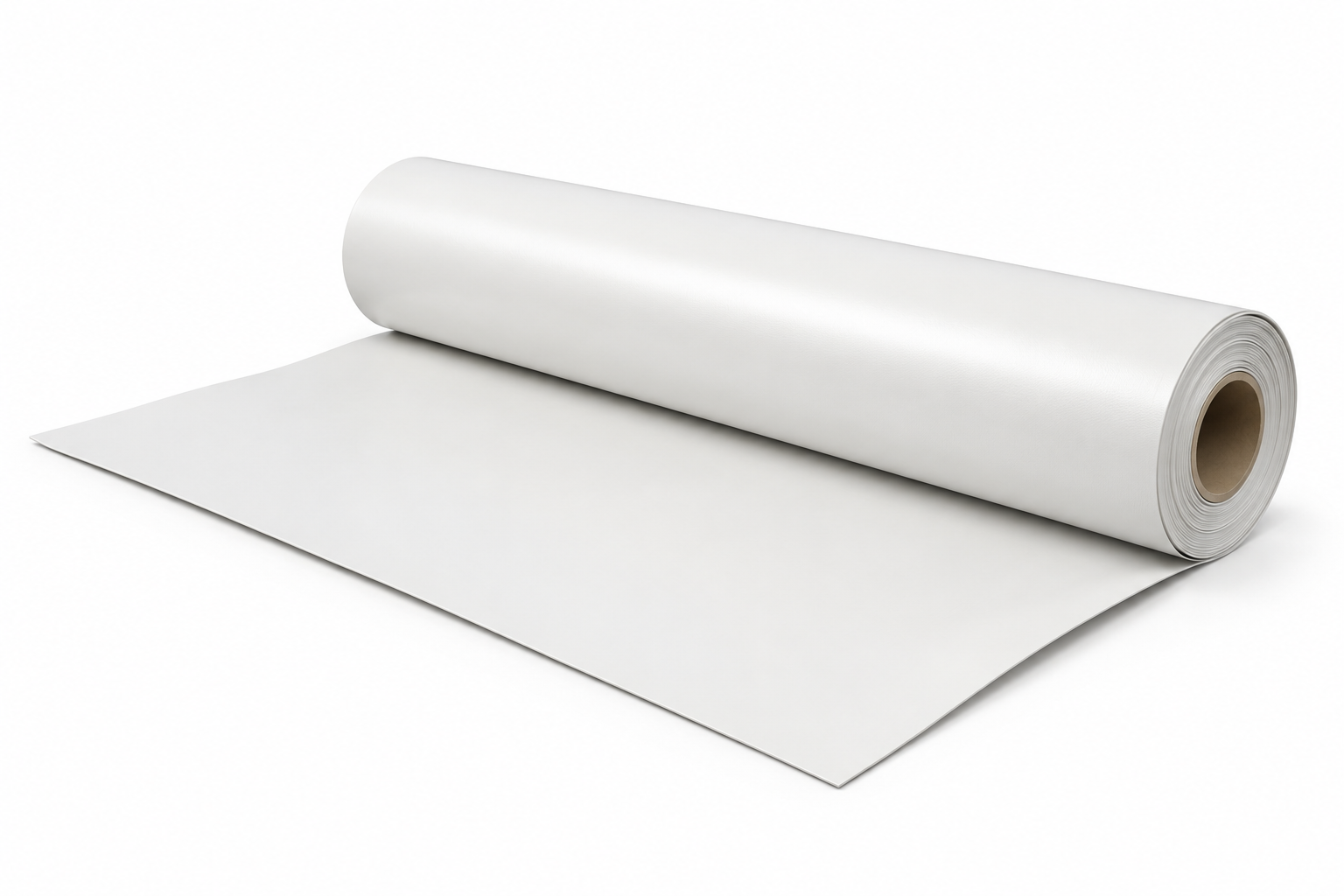 Solder & Roofing Flashing (Lead)
Toxic Metals and the Houses We Build Without Them
The Toxic Metals family is specified out of every Earth Bound Homes project. We publish this library because homeowners cannot avoid what nobody will name — and because the healthy homes we build depend on that list being honest.
Every house we build is designed as a healthy, mold free, all electric Passive House — the chemical screening is one layer of that, not the whole of it. Earth Bound Homes builds in Palo Alto, Atherton, Menlo Park and across the San Francisco Bay Area.