Cellulose Insulation
Recycled newsprint and cardboard with borate fire treatment — the lowest-embodied-carbon insulation on the market.
Toxicity Screening — All Clear
This material screens clear across all nine independent toxicology authorities we use on every project.
Material Type
Plant-Fiber Recycled Thermal Insulation
Material Description
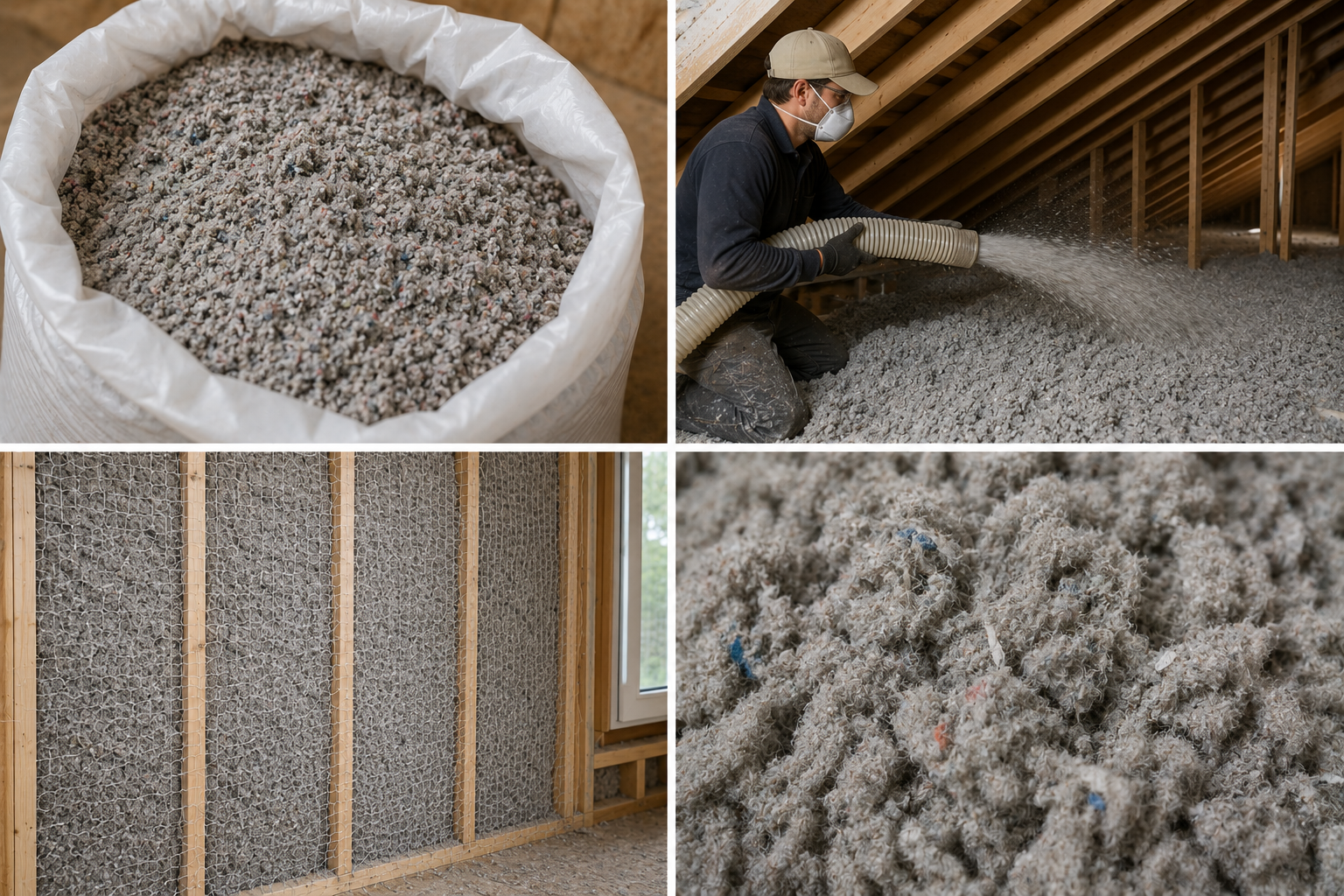
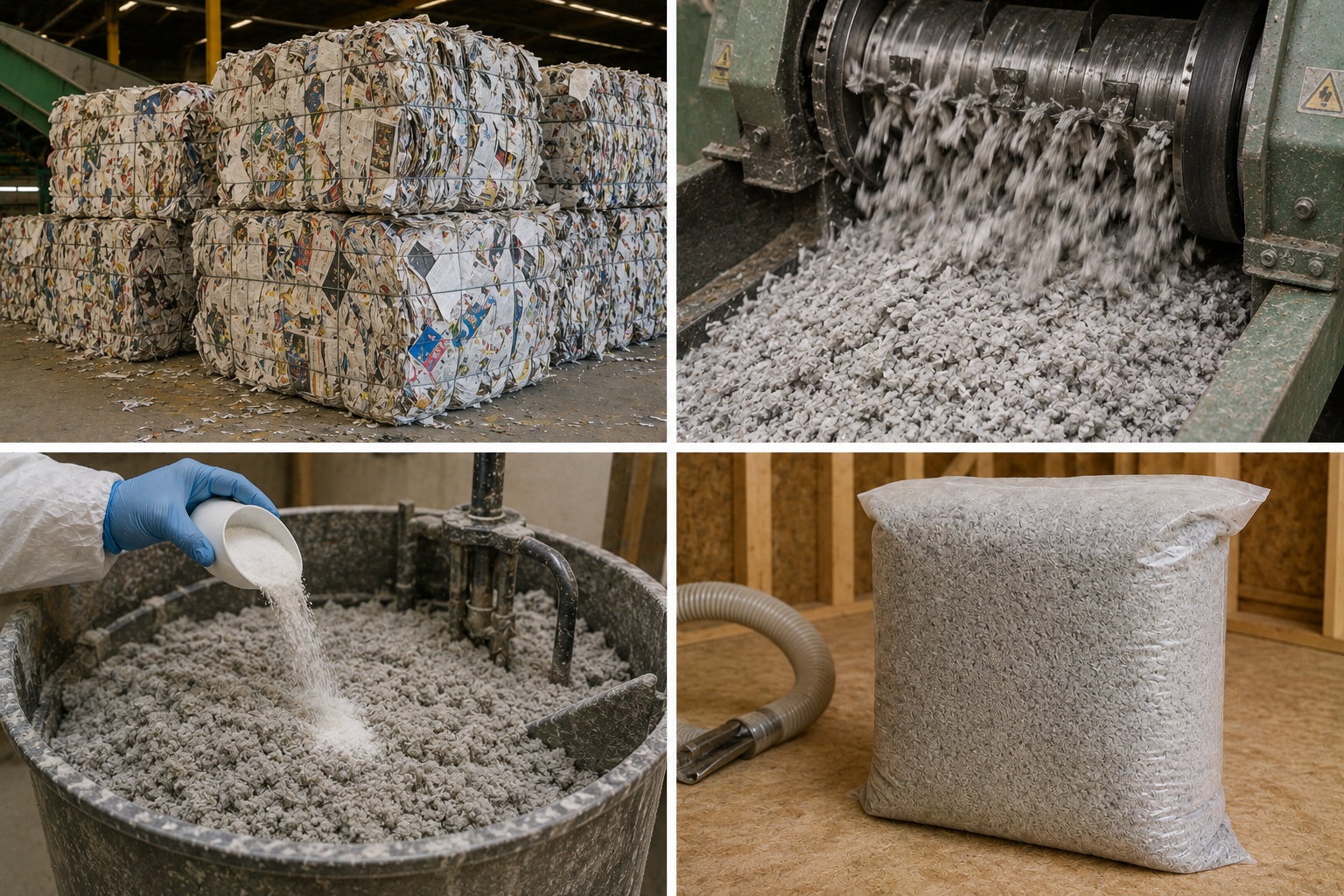
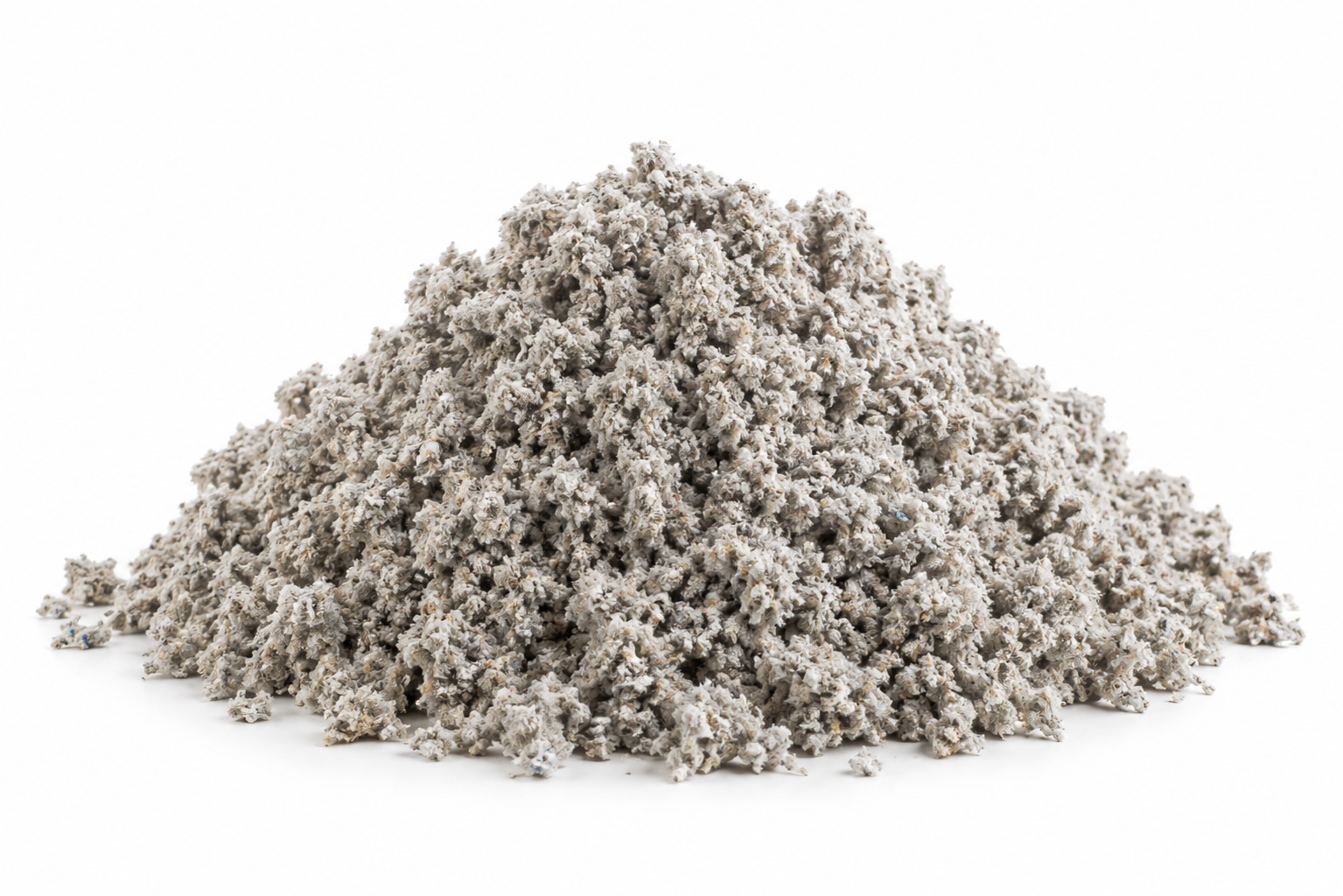
Cellulose insulation is ground recycled newspaper and cardboard, treated with borate for fire resistance and insect protection. It's the lowest-embodied-carbon mainstream insulation product available: roughly 85% recycled content, the manufacturing process is mechanical rather than chemical, and the borate treatment dosing is low enough that toxicity to mammals is negligible. Dense-packed cellulose achieves R-3.6 to R-3.8 per inch and forms an essentially air-tight installation, which is a major advantage over fiberglass batt for thermal performance in real-world conditions. EBH specifies cellulose for the majority of our retrofit and new-build wall cavity insulation.
Composition & Origin
Health Profile — All Endpoints Clear
Severity scored 0–10 against the same 10 hazard endpoints we use for the chemical families on the avoid list. Every score is 1–2 — essentially no signal across every endpoint.
Common Forms & Brands
- Applegate Cellulose
- Greenfiber Sanctuary & Cocoon
- National Fiber Cel-Pak
- Common framing: dense-pack, loose-fill blown-in, wet-spray cellulose
Why We Use It
- Lowest embodied carbon of any mainstream insulation
- Dense-pack installation is essentially air-tight
- Naturally hygroscopic — buffers cavity humidity
- Borate treatment is also a mild insect repellent
- Made from 85%+ post-consumer waste
Where It Performs Best
- Dense-pack wall cavities (existing and new construction)
- Loose-fill attic blanket
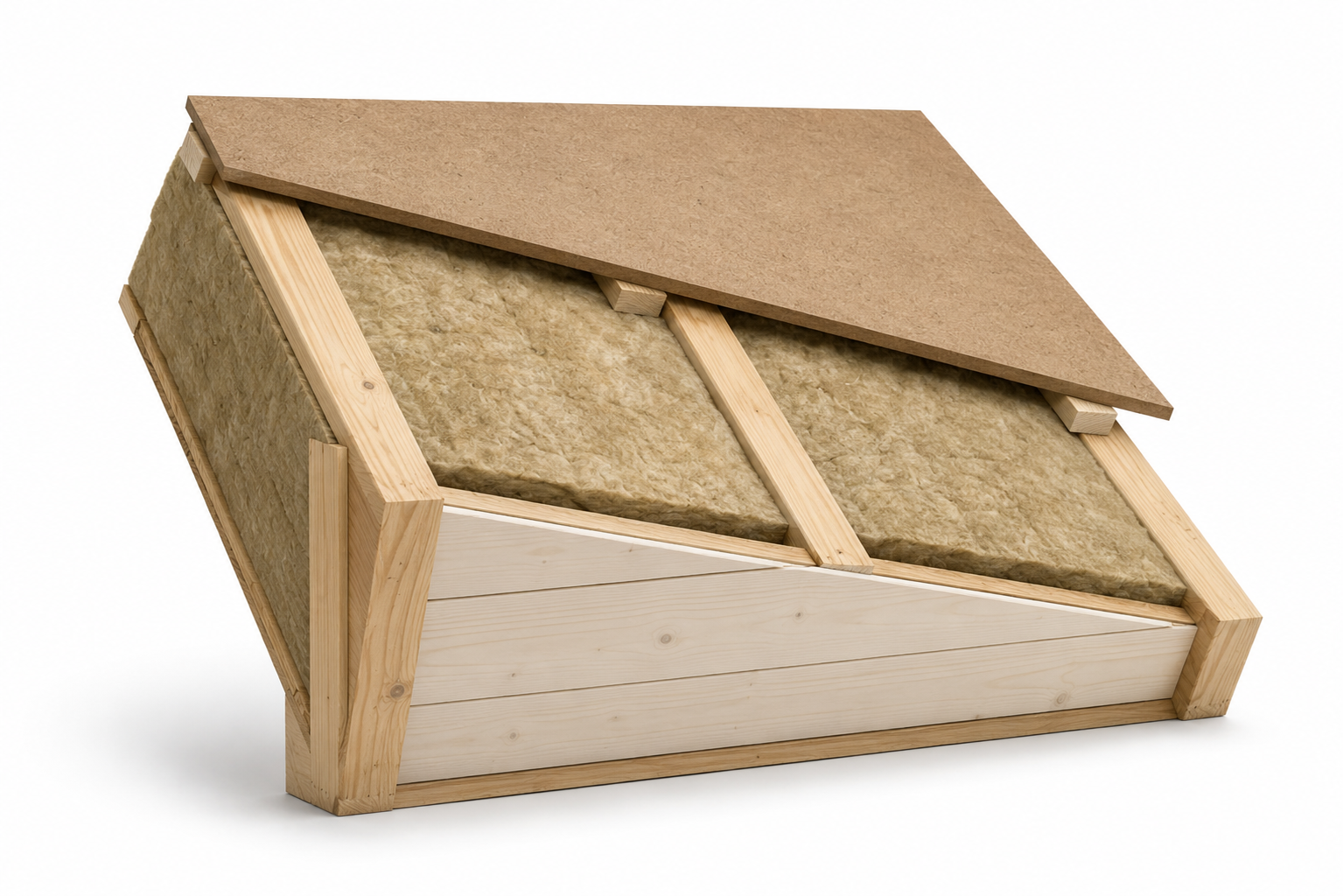
- Cathedral ceiling cavities (with proper netting)
- Sound attenuation in interior partitions
Building Applications for Cellulose Insulation
Listed alphabetically. Where in a home this material earns its keep.
 Attic Loose-Fill
 Cathedral Ceiling Cavity
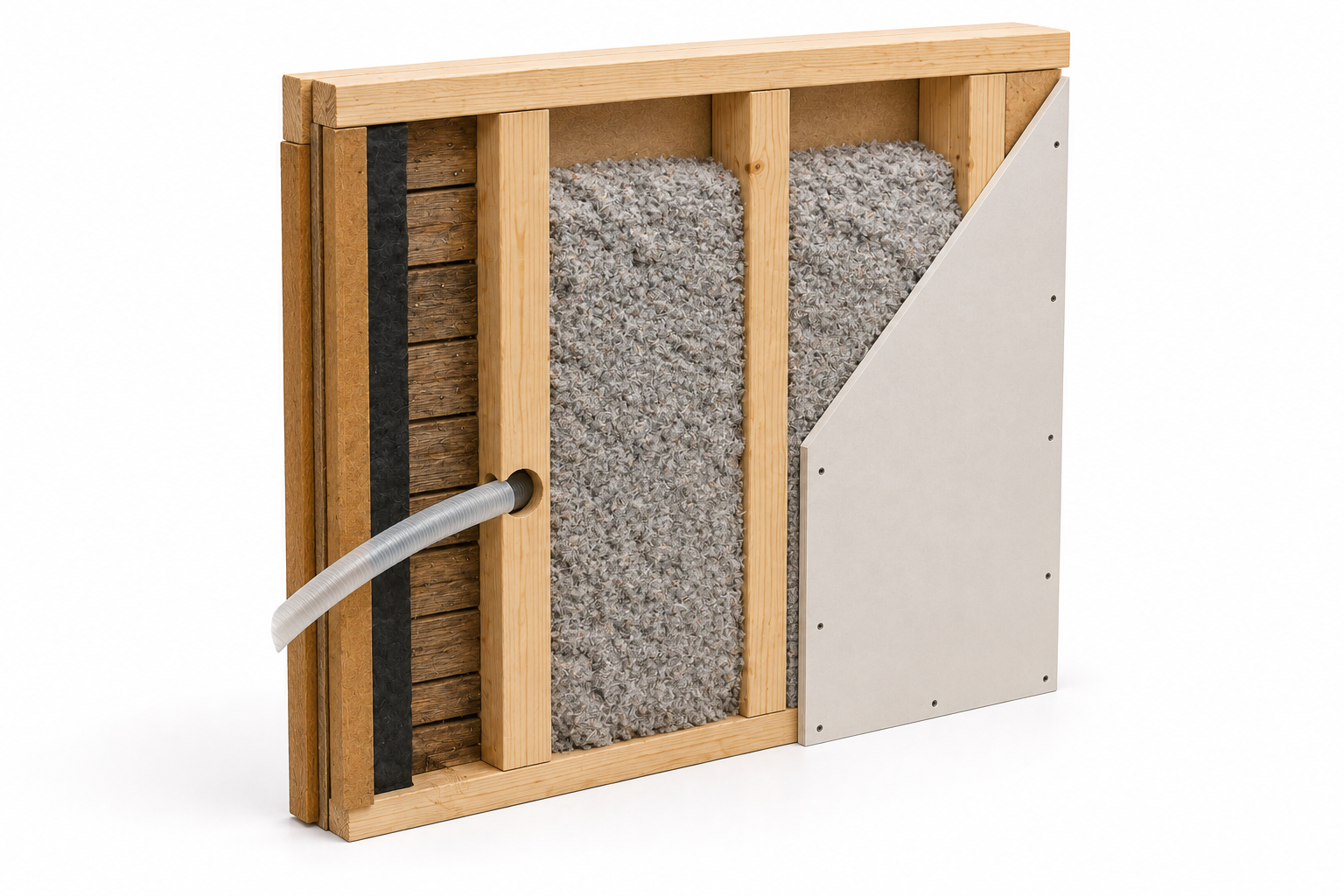 Dense-Pack Retrofit Wall
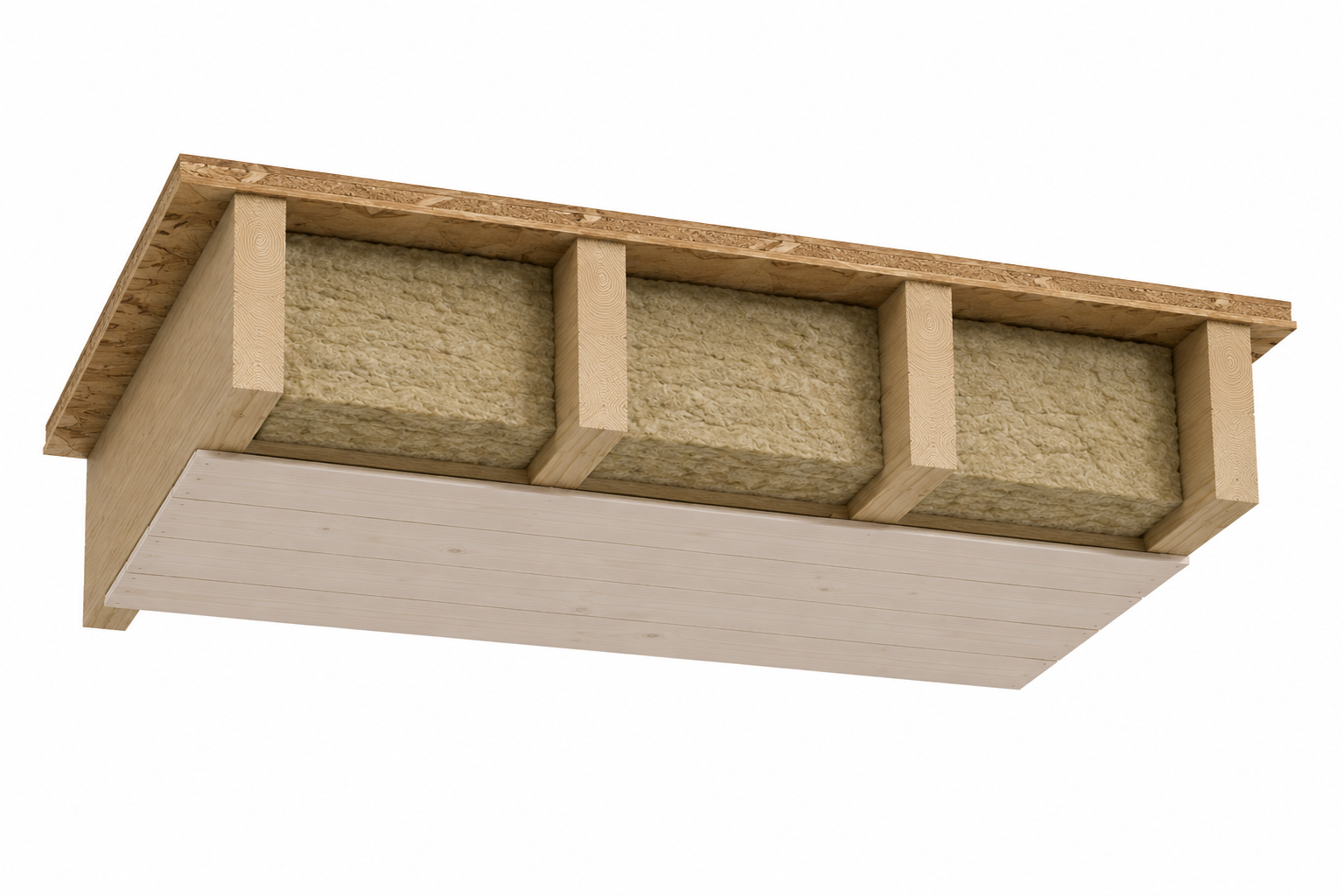 Floor Joist Bays
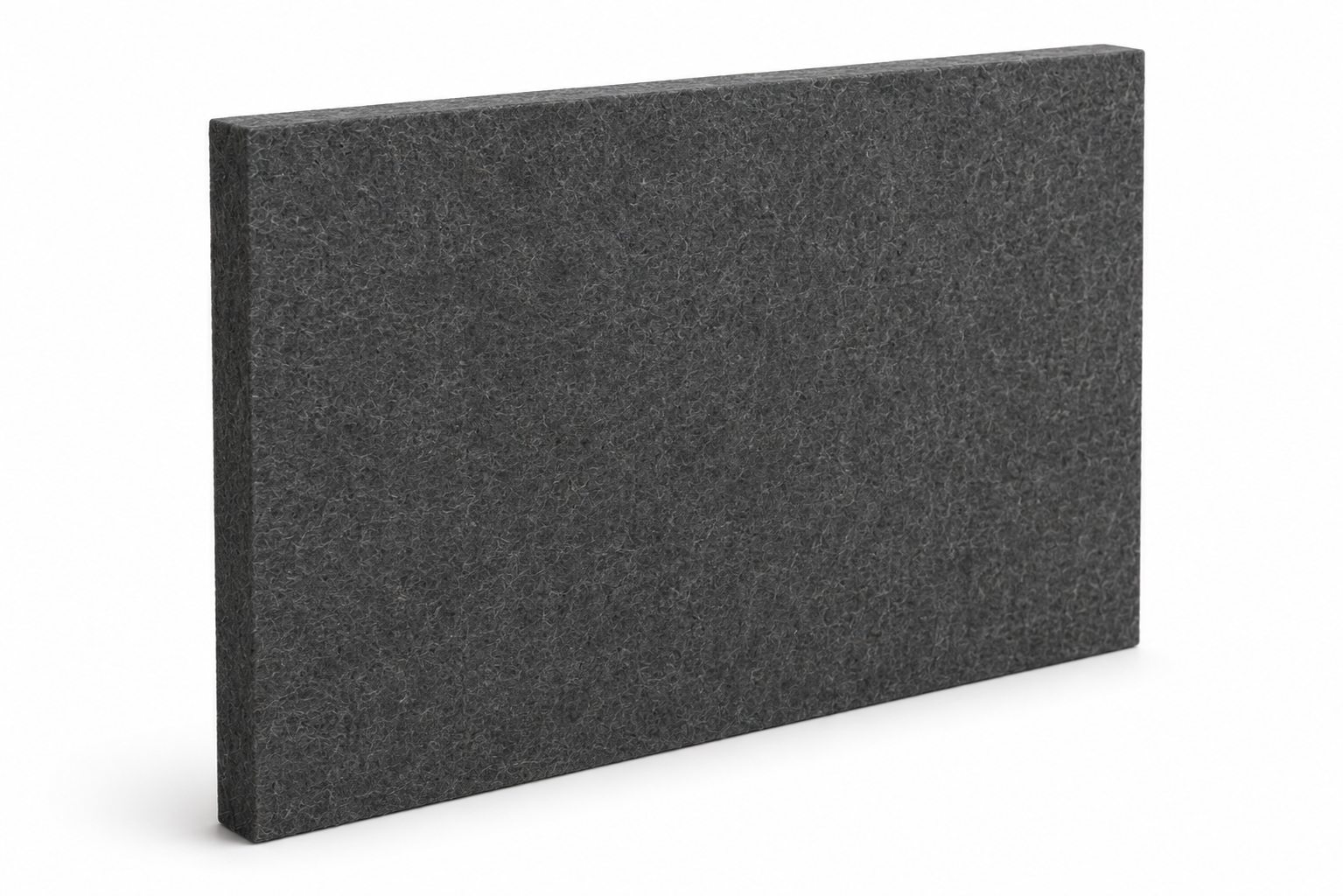 Sound-Damping Partitions
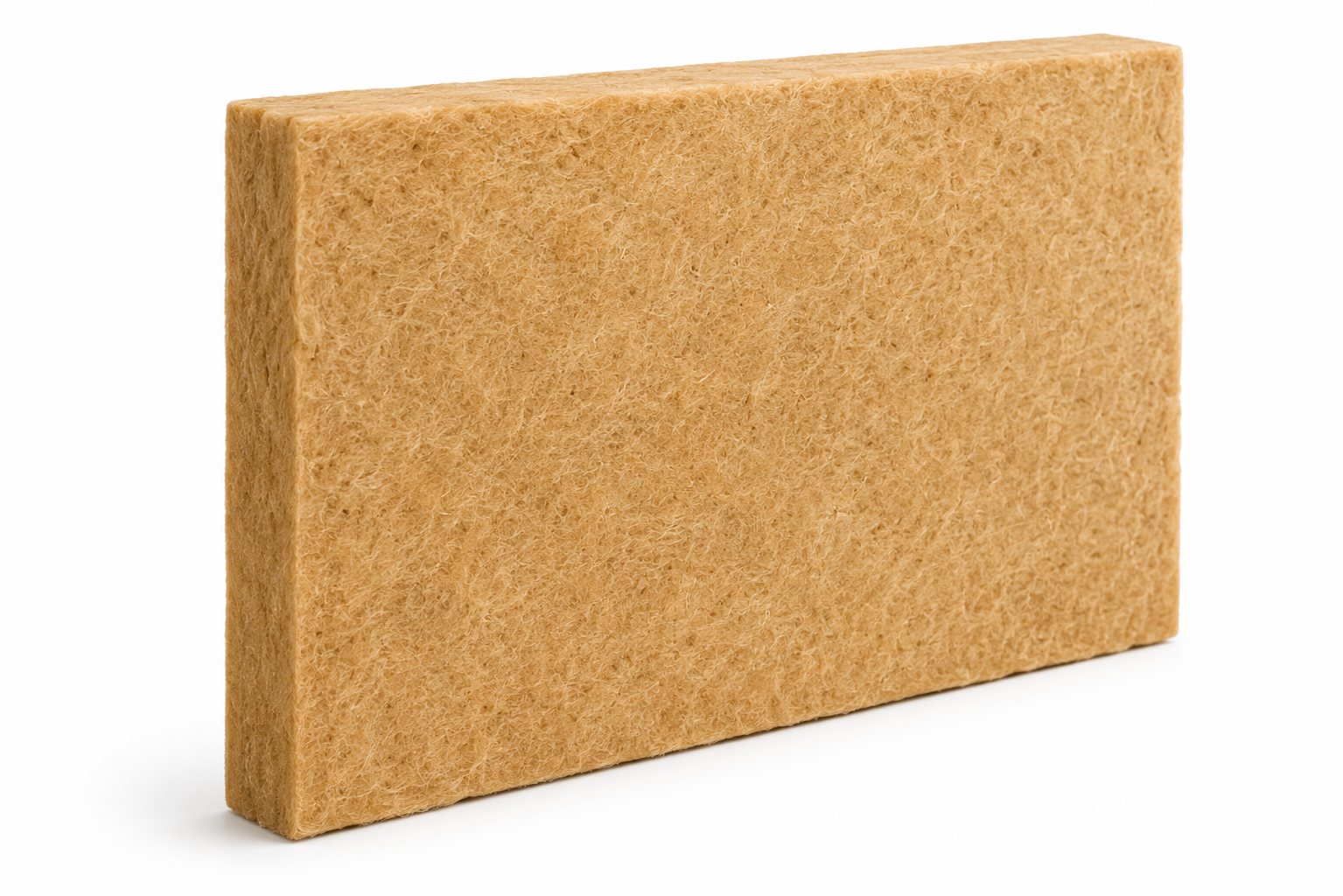 Wall Cavity (New Construction)
Cellulose Insulation on a Bay Area Home
Cellulose Insulation earns its place in our assemblies. We design mold free homes by keeping water out and letting walls dry in both directions, and the materials have to cooperate with that — which is why this one is on the approved list and most of its competitors are not.
If you are planning a new house or a deep remodel and you want this level of material control, that is the whole job we do. Earth Bound Homes builds in Los Gatos, San Jose, Santa Clara County and across the San Francisco Bay Area.
Related materials we specify
- Cork Insulation
- Mineral Wool - Formaldehyde Free Only
- Pumice & Volcanic Aggregate Insulation
- Recycled Glass / Cellular Glass Insulation