Chlorinated Phenols
Wood preservatives, pesticide intermediates, and persistent dioxin precursors.
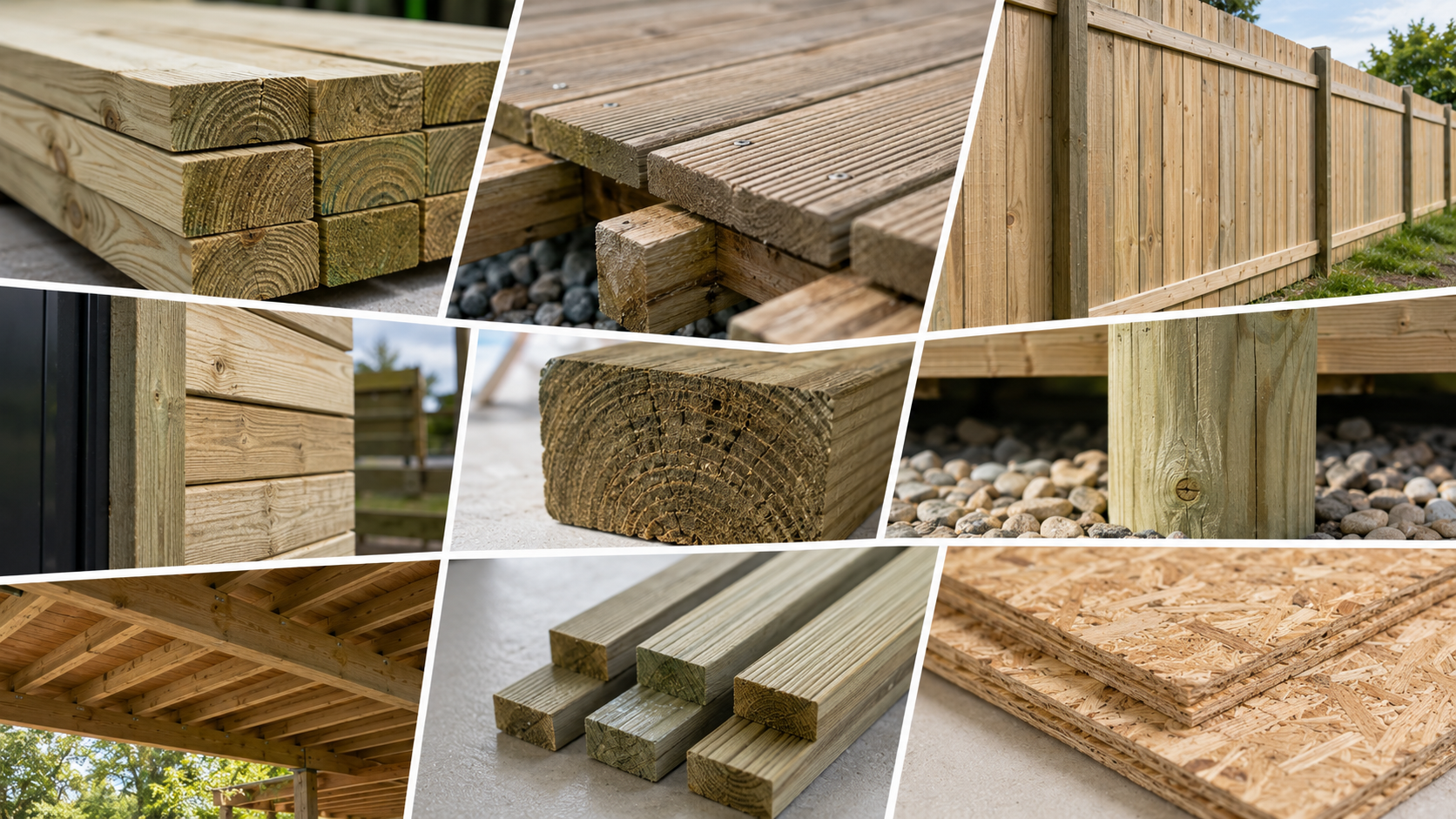
Toxic Chemical Databases
Where this family lands across the nine independent toxicology authorities we screen against.
Chemical Type
Halogenated Aromatic Preservative
Chemical Description
Pentachlorophenol (PCP) and the broader chlorinated-phenol family were the dominant wood preservatives for utility poles, railroad ties, and treated lumber for most of the 20th century. EPA banned residential PCP use in the 1980s but utility-pole and industrial-lumber uses persisted in the U.S. until very recently. These molecules are persistent, bioaccumulative, and carry a contamination signature of trace dioxins and furans from the manufacturing process — those impurities are among the most toxic compounds humans have ever made. EBH never specifies chlorinated-phenol-treated wood and treats any pre-1990 reclaimed lumber from utility or industrial sources as suspect until tested. Where rot protection is required we use borate, acetylated wood, or naturally durable species like cedar and locust.
Chemical Structure
Molecular schematic for Chlorinated Phenols — formula and structural features shown below.
Biological Activity
Severity scores summarize hazard endpoints from IARC, NTP, EPA IRIS, ATSDR, and NIOSH on a 0–10 scale. Mirrors the system-level output of our SDS Toxic Chemical Screener.
Chemical Analogs and Brand Names
- Pentachlorophenol (PCP) — CAS 87-86-5
- Sodium pentachlorophenate — CAS 131-52-2
- Tetrachlorophenols — CAS 25167-83-3
- Trichlorophenols — CAS 25167-82-2
- 2,4-Dichlorophenol — CAS 120-83-2
- C
Top Health Consequences
- Cancer endpoints — IARC Group 1 (PCP) and Group 2B (other chlorophenols)
- Endocrine disruption, especially thyroid hormone effects
- Liver damage and porphyrias
- Immune system depression
- Co-exposure to dioxin/furan contaminants amplifies all of the above
Pathways of Exposure
- Dermal contact with treated wood (utility poles, railroad ties, old industrial structures)
- Inhalation of dust during demolition or weathering of treated lumber
- Soil and groundwater contamination near former treatment sites
- Indoor air contamination from incorporated reclaimed pole-stock or tie-stock lumber
Building Materials with Chlorinated Phenols
Listed alphabetically. These are the product categories where this chemistry most often shows up — not an exhaustive list.
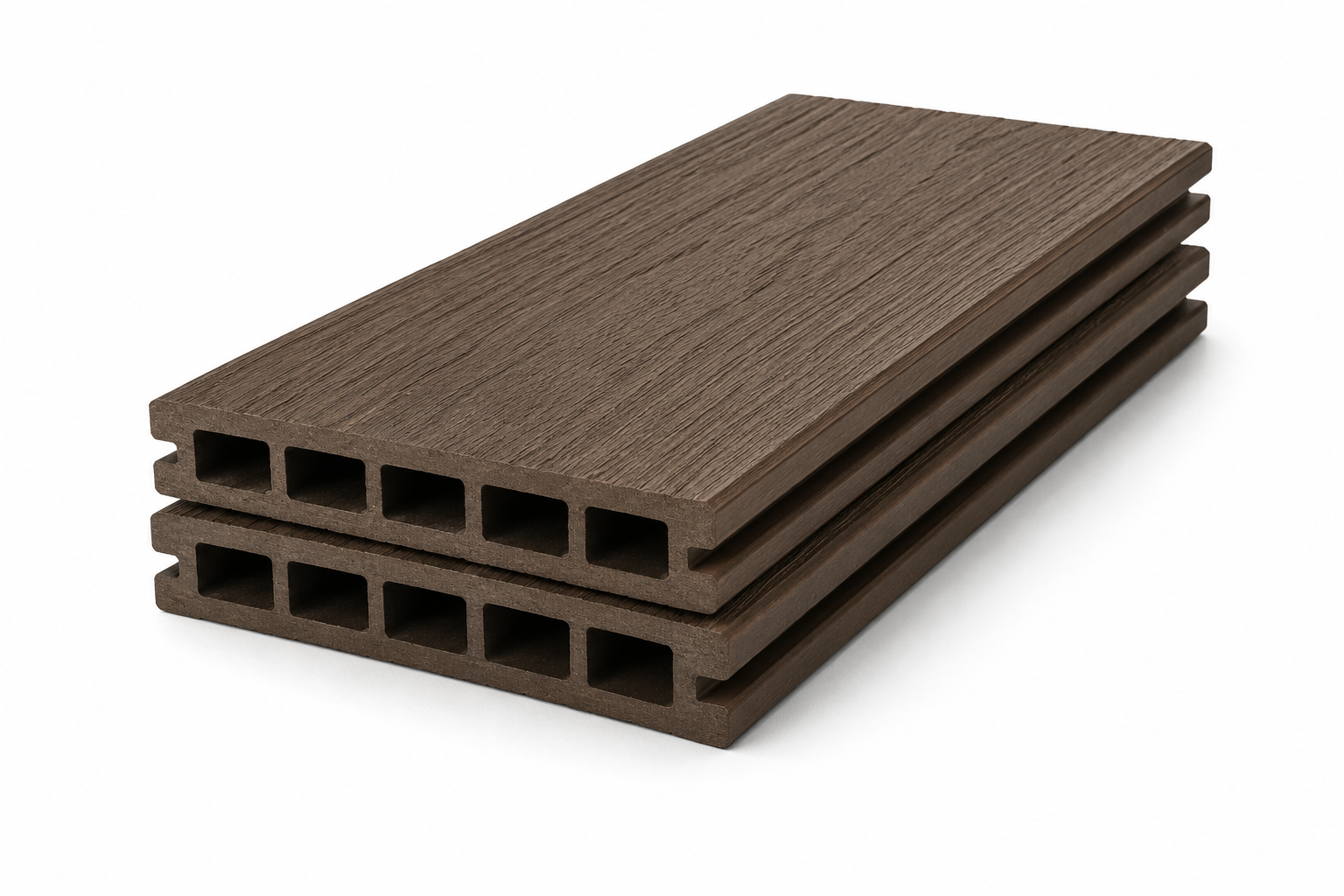 Exterior Decking (Reclaimed)
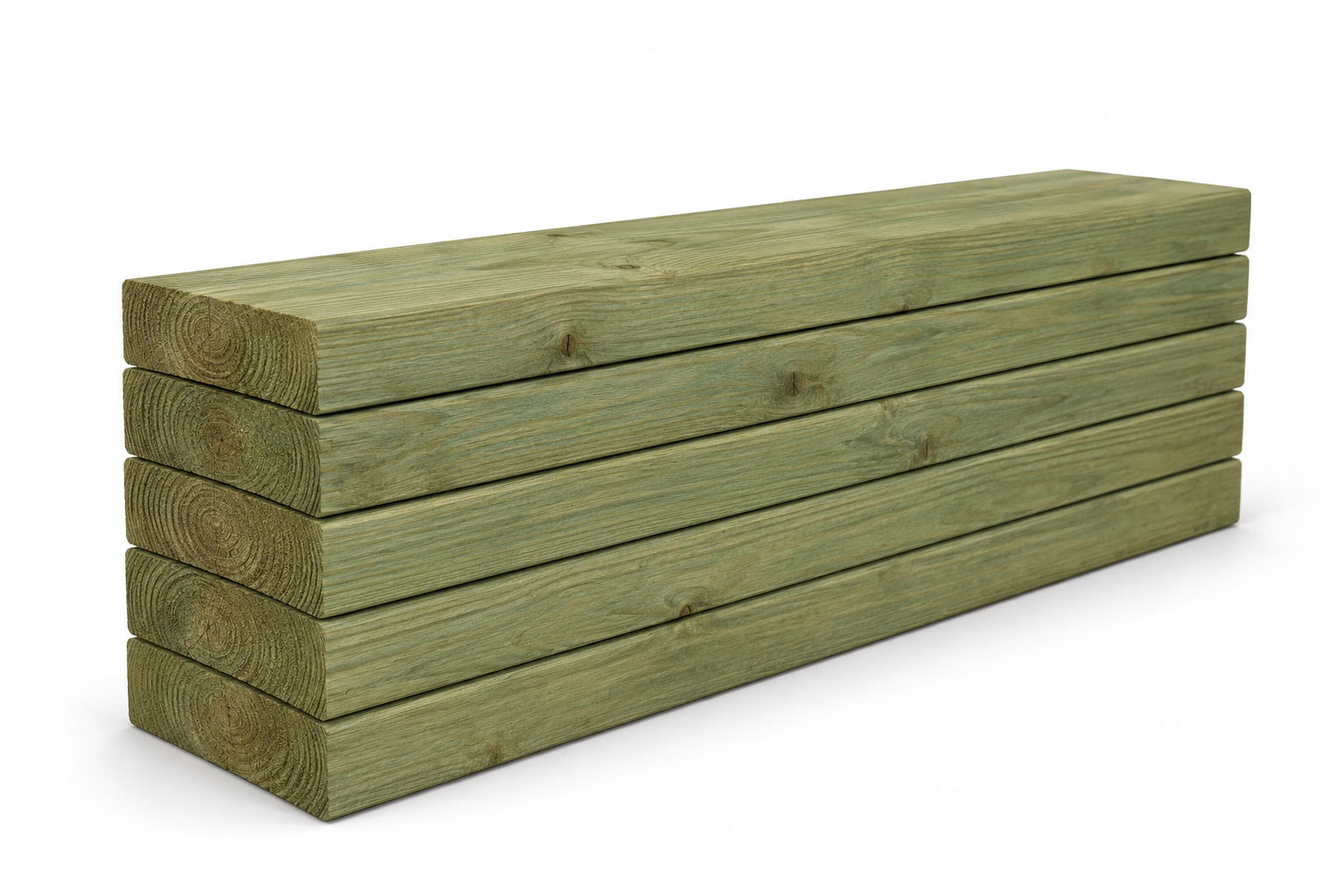 Foundation Sill & Mudsill (Pre-1990)
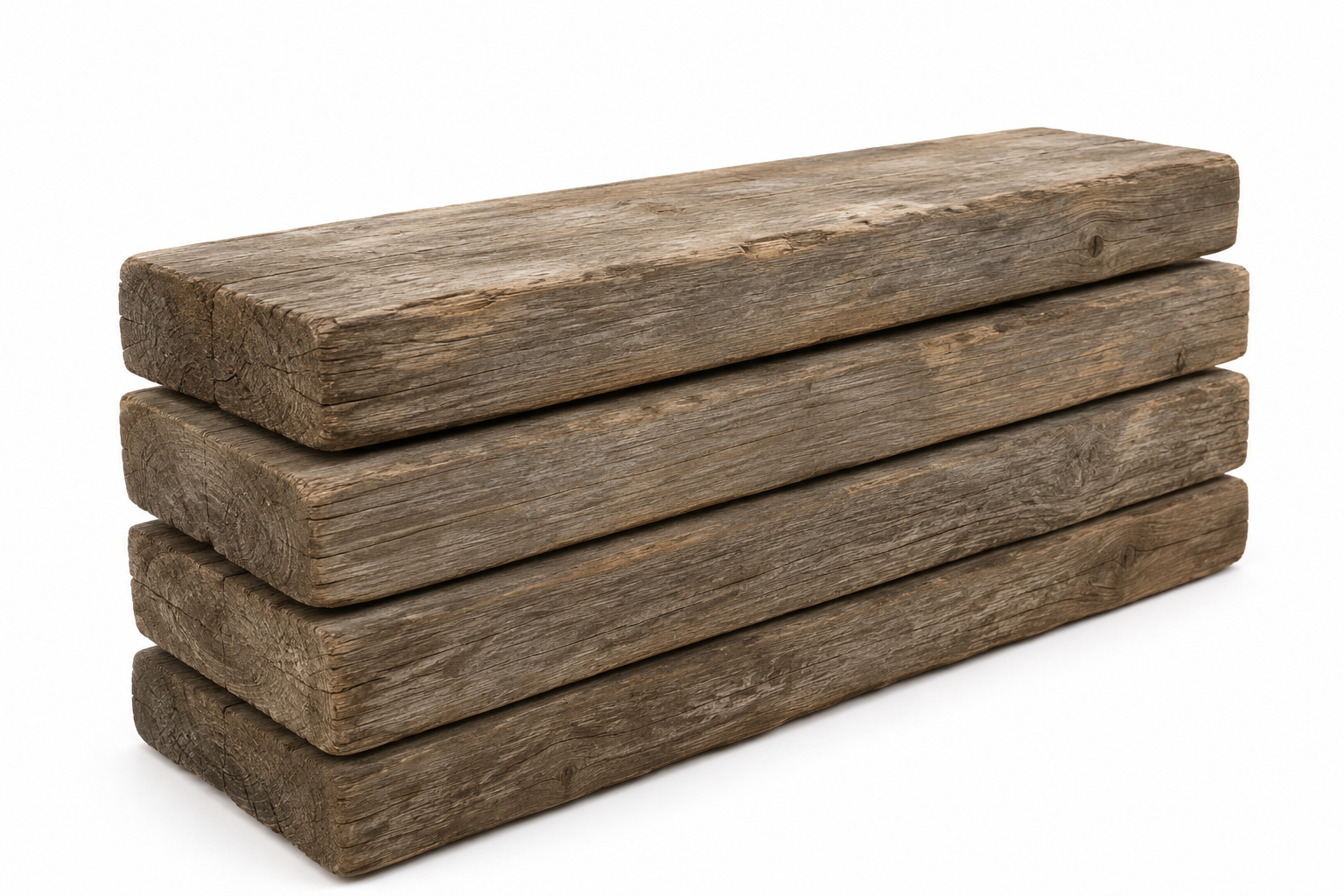 Landscape Timbers & Retaining Walls
 Pole Barns & Agricultural Structures
 Railroad Tie Landscape Features
 Reclaimed Industrial Lumber
 Utility-Pole Salvage Posts
 Wood Fencing (Pre-1990)
 Wood Foundation Piles
 Wood Window & Door Frames (Pre-1990)
Chlorinated Phenols and the Houses We Build Without Them
The Chlorinated Phenols family is specified out of every Earth Bound Homes project. We publish this library because homeowners cannot avoid what nobody will name — and because the healthy homes we build depend on that list being honest.
Every house we build is designed as a healthy, mold free, all electric Passive House — the chemical screening is one layer of that, not the whole of it. Earth Bound Homes builds in Atherton, Palo Alto, Redwood City and across the San Francisco Bay Area.