Tris(1-chloro-2-propyl) Phosphate (TCPP / TMCPP)CAS 13674-84-5
The most common flame retardant in polyurethane foam — endocrine-active and the leading dust contaminant in modern homes.

Toxic Chemical Databases
Substance-specific listings — these flags are for Tris(1-chloro-2-propyl) Phosphate alone, not for the broader family.
Chemical Type
Chlorinated Organophosphate Flame Retardant
Chemical Description
TCPP replaced its more-toxic cousin TDCPP in flexible and rigid polyurethane foam after California's TB117 reform. It has rapidly become the single most measured flame retardant in U.S. house dust. The molecule is not bound to the foam matrix — it migrates out continuously over the product's life. EU REACH classified it as a suspected carcinogen and reproductive toxicant; EPA TSCA placed it on the high-priority risk evaluation list. Mass-balance studies show urinary metabolites in nearly every U.S. resident sampled.
Biological Activity
Severity scores specific to this substance, NOT the parent family average. Differences between siblings are real and meaningful.
Top Health Consequences
- Thyroid hormone disruption with reduced T4 in exposed cohorts
- Reproductive endpoints in animal studies — testicular toxicity at chronic doses
- Neurodevelopmental effects in prenatally exposed offspring
- Continuous migration from foam into house dust
Pathways of Exposure
- Ingestion of house dust from foam furniture, mattresses, and insulation
- Dermal contact with upholstered cushions and foam-padded surfaces
- Inhalation during foam installation, cutting, or demolition
- Hand-to-mouth uptake for crawling infants
Building Materials with Tris(1-chloro-2-propyl) Phosphate
Listed alphabetically — product categories where this specific substance appears.
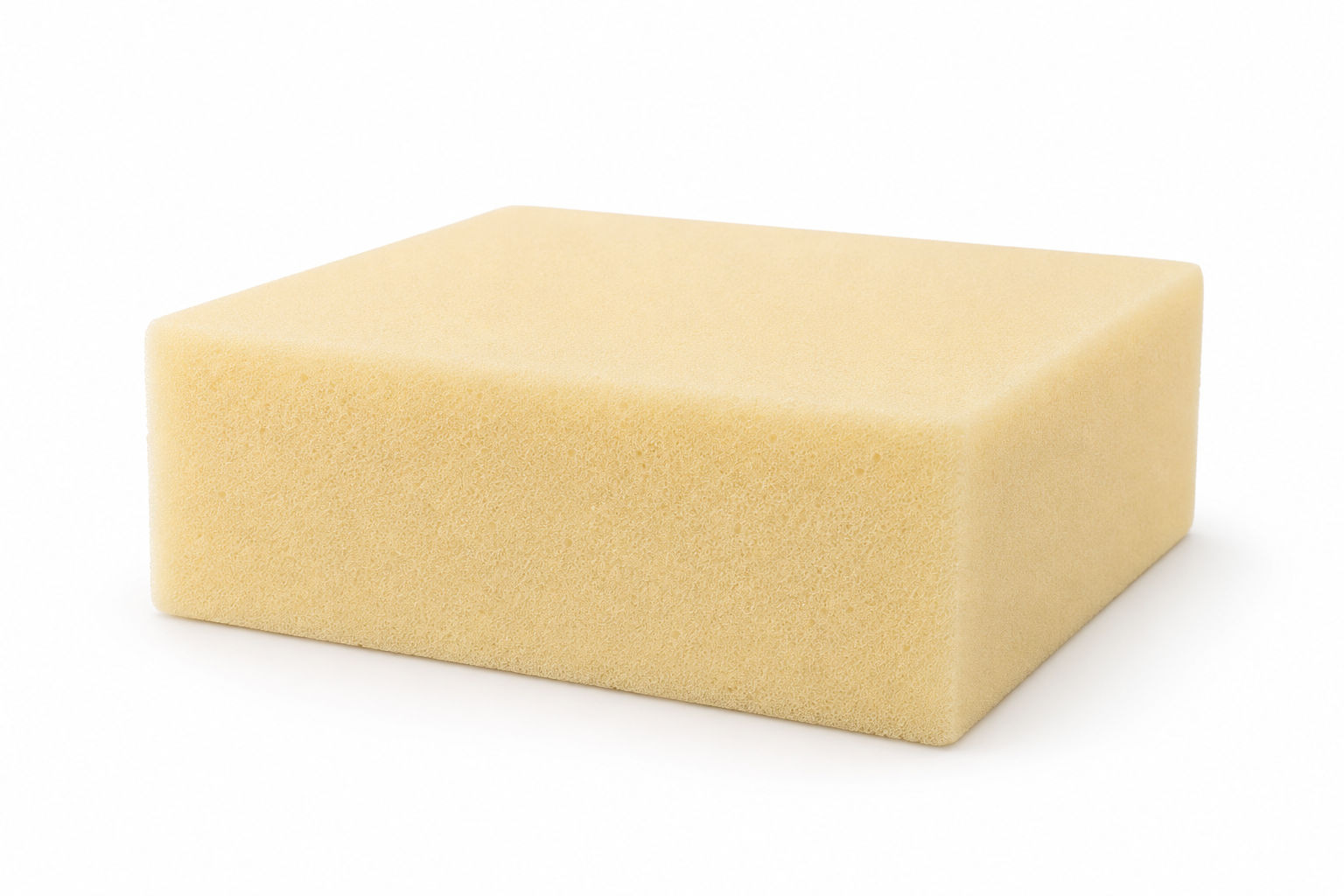 Flexible Polyurethane Foam Cushions
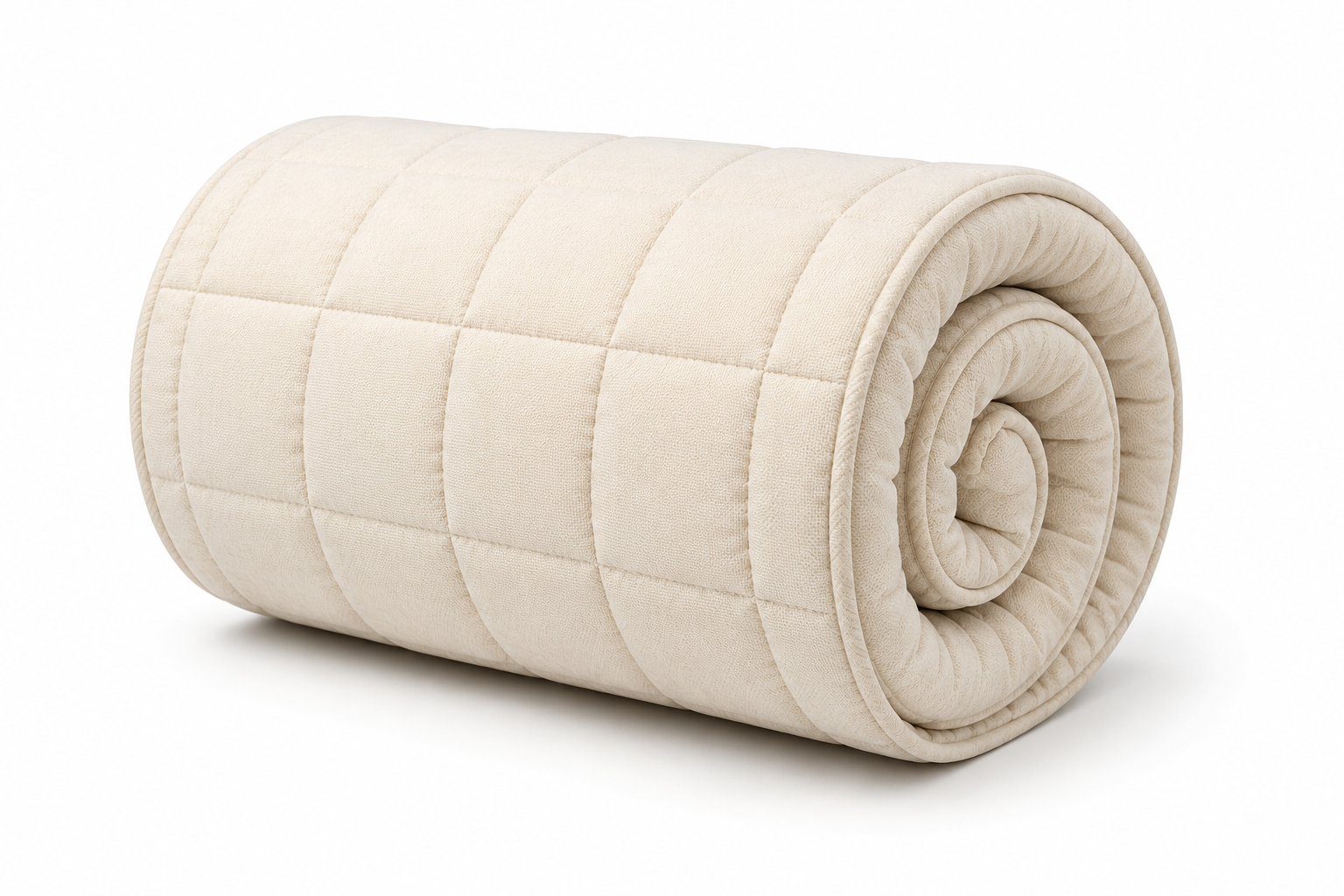 Mattresses & Pillow Cores
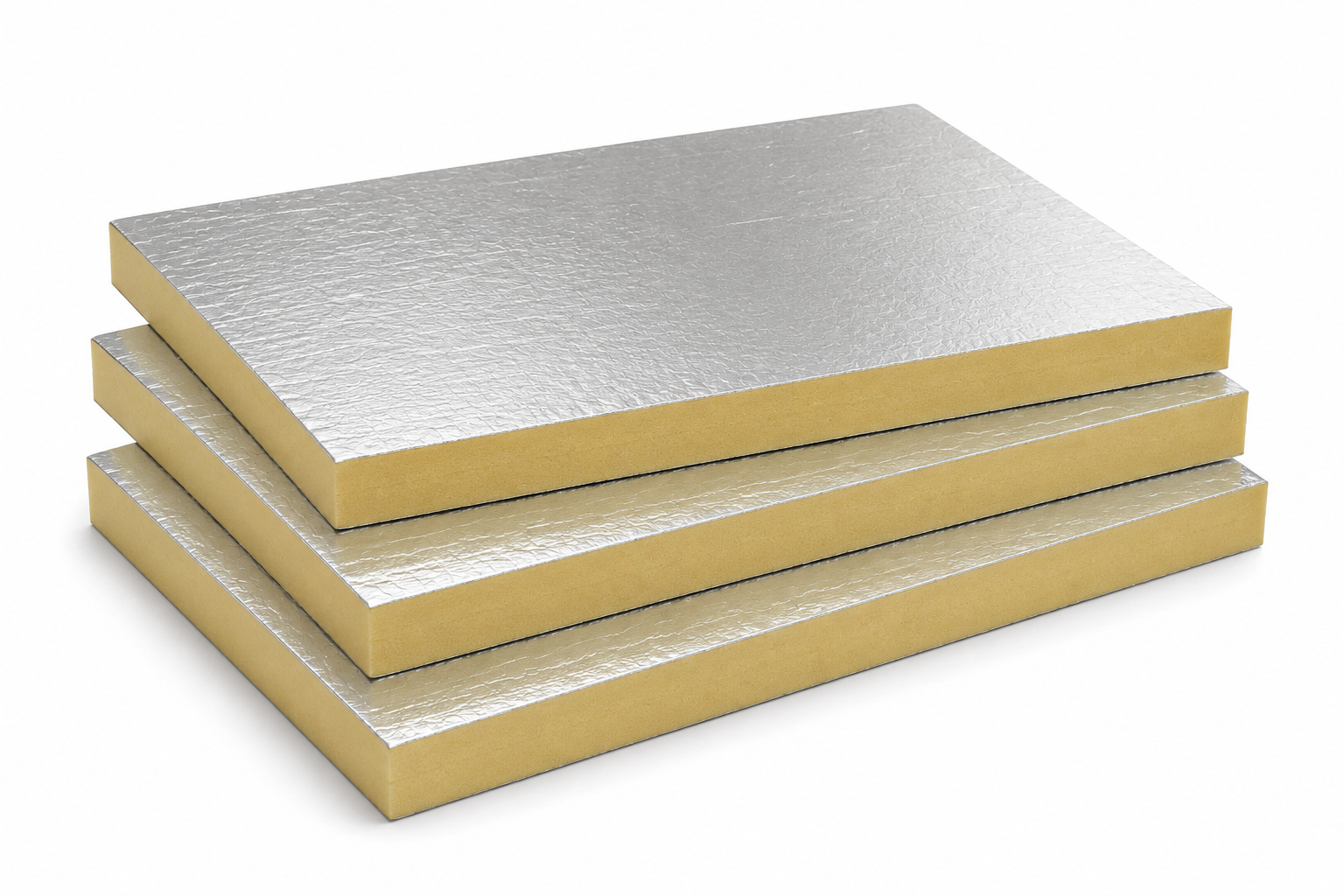 Polyiso & SPF Rigid Insulation
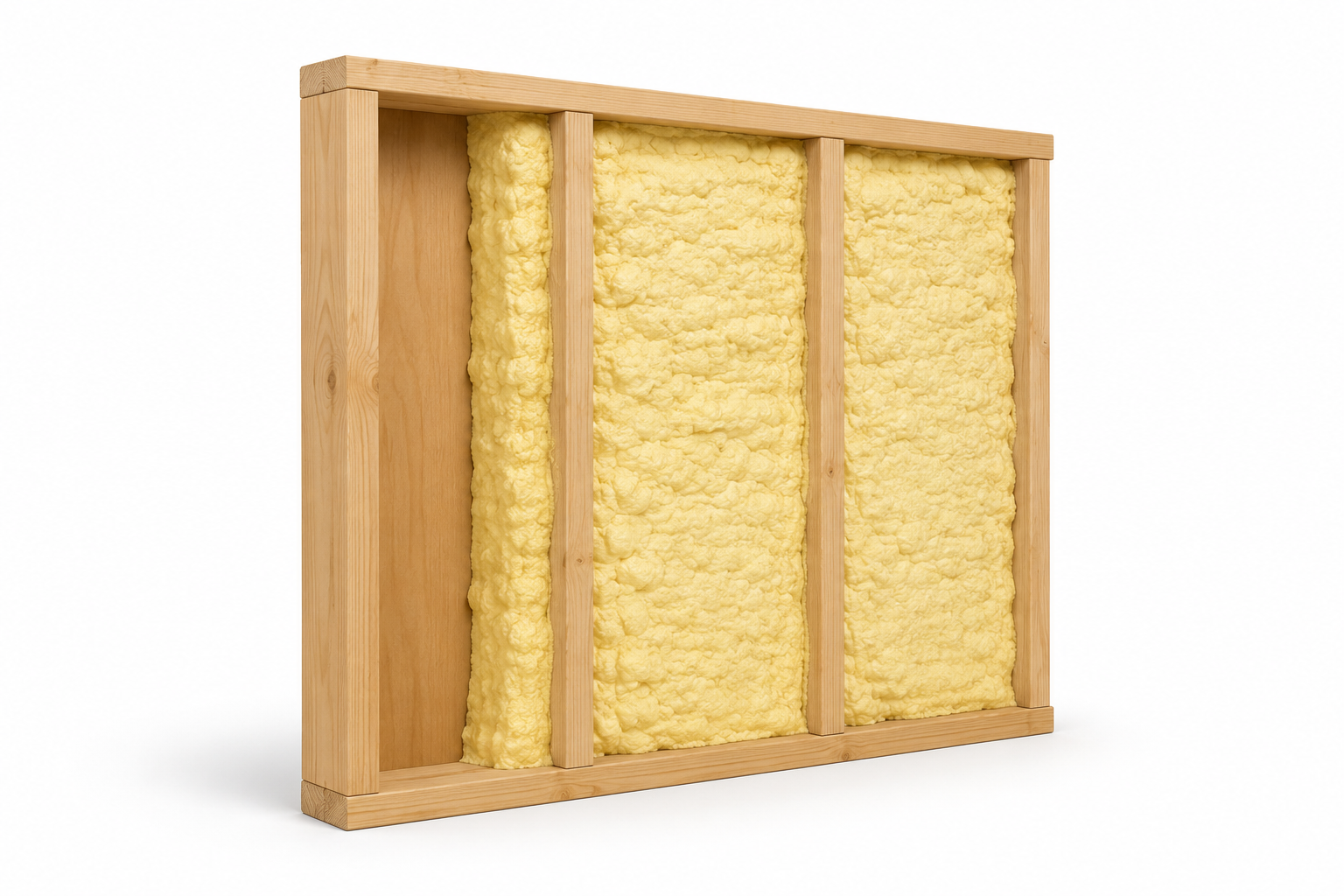 Spray Polyurethane Foam
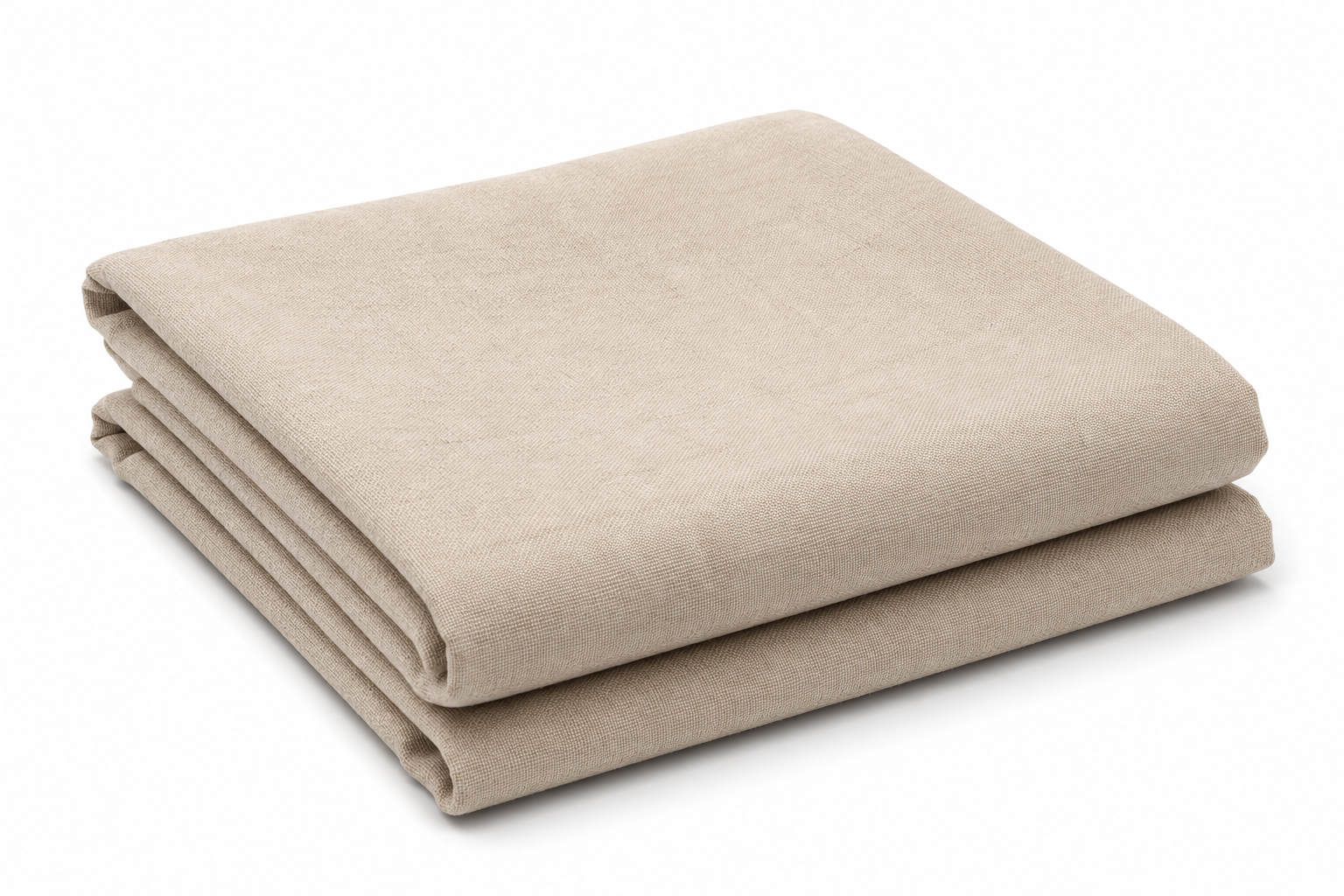 Upholstered Furniture
How We Keep Tris(1-chloro-2-propyl) Phosphate Out of a House
Avoiding Tris(1-chloro-2-propyl) Phosphate is only half of it. The replacement has to work in a mold free, airtight, PHPP-modeled assembly as well — and finding materials that do both is most of what we do.
If you want a house specified this way from the start, or an existing house assessed for what is already in it, that is the work we do. Earth Bound Homes builds in Los Gatos, San Jose, Santa Clara County and across the San Francisco Bay Area.