Pumice & Volcanic Aggregate Insulation
Naturally-formed lightweight mineral aggregate — pours like gravel, insulates like foam, lasts geologically.
Toxicity Screening — All Clear
This material screens clear across all nine independent toxicology authorities we use on every project.
Material Type
Natural Mineral Aggregate Insulation
Material Description
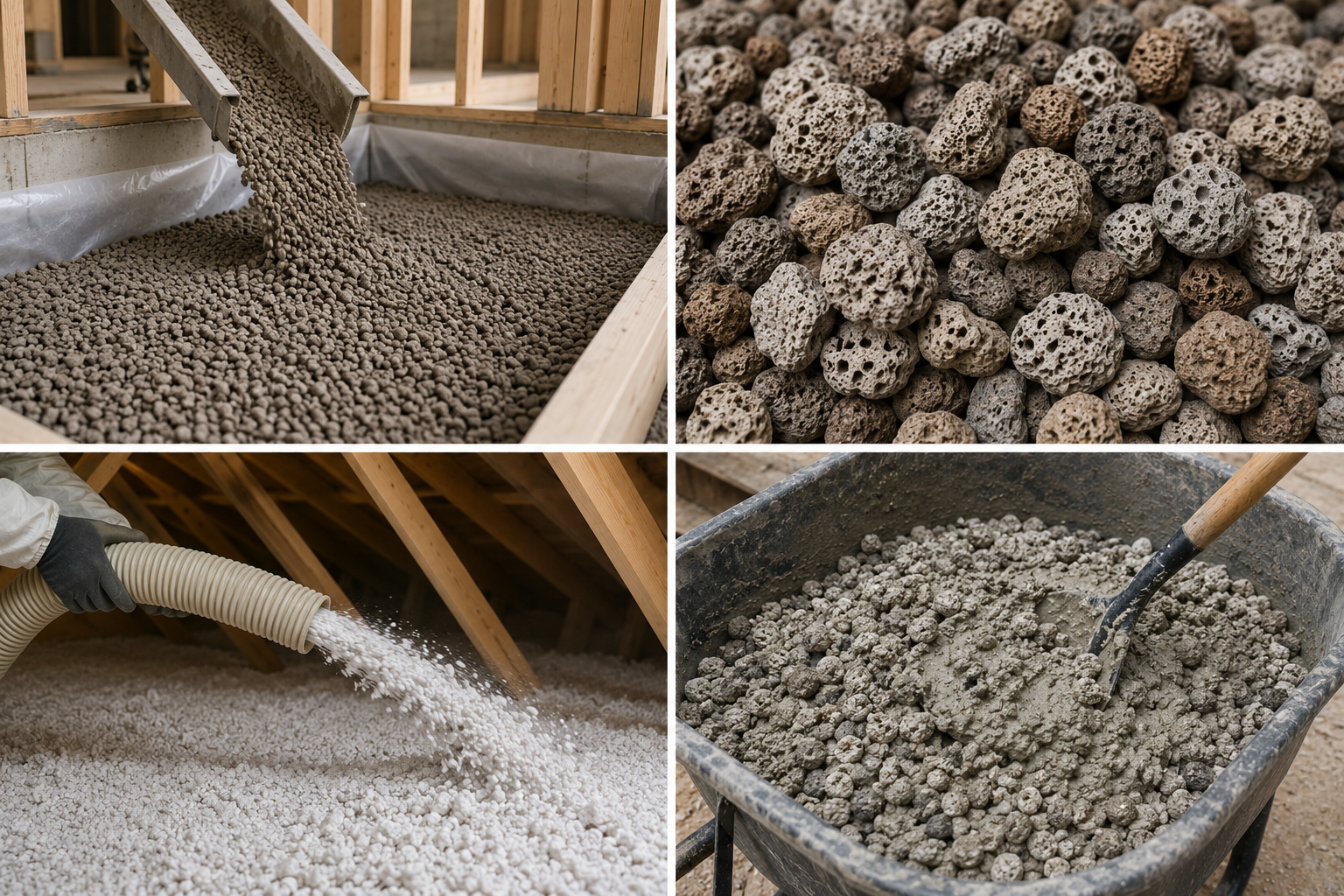
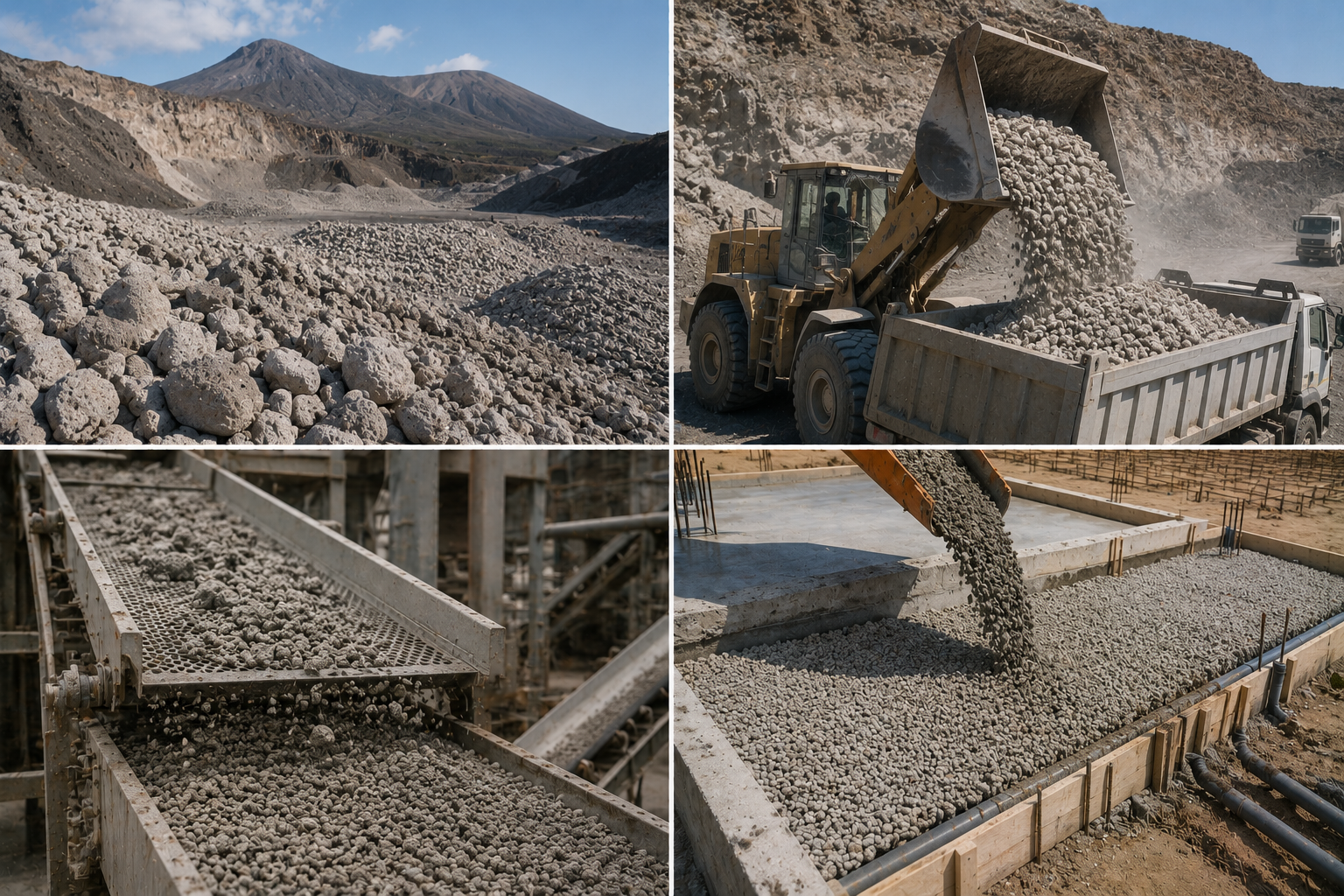
Pumice and similar volcanic-glass aggregates (pumice, scoria, perlite, vermiculite) form when gas-laden lava cools rapidly, trapping bubbles in solidified glass. The result is a naturally-lightweight, porous mineral aggregate that pours as easily as gravel but insulates roughly R-2 per inch and contributes significant thermal mass to the assembly. Volcanic aggregate insulation is common in dense-pack sub-slab applications, in concrete-mix admixtures (lightweight concrete), and in earthbag construction. The material is geologically stable — it's already millions of years old — chemically inert, fireproof, vapor-open, and doesn't support insects, rodents, or microbial growth. Vermiculite-specific note: pre-1990 vermiculite from Libby, Montana contained tremolite asbestos and should be tested before disturbance; modern South African and Chinese vermiculite sources are asbestos-free.
Composition & Origin
Health Profile — All Endpoints Clear
Severity scored 0–10 against the same 10 hazard endpoints we use for the chemical families on the avoid list. Every score is 1–2 — essentially no signal across every endpoint.
Common Forms & Brands
- Hess Pumice (mined Idaho)
- Perlite Institute member supplies
- Imerys vermiculite (modern asbestos-free)
- Common framing: loose-fill aggregate, lightweight concrete admixture, sub-slab insulating fill
Why We Use It
- Geologically stable — millions of years old as a material
- Chemically inert mineral content
- Fireproof — won't burn, won't melt at normal building temperatures
- Vapor-open and free-draining
- Doesn't support biological growth
Where It Performs Best
- Sub-slab loose-fill insulation
- Lightweight concrete aggregate replacement
- Drainage layer beneath foundation slabs
- Crawlspace and attic loose-fill applications
Building Applications for Pumice & Volcanic Aggregate Insulation
Listed alphabetically. Where in a home this material earns its keep.
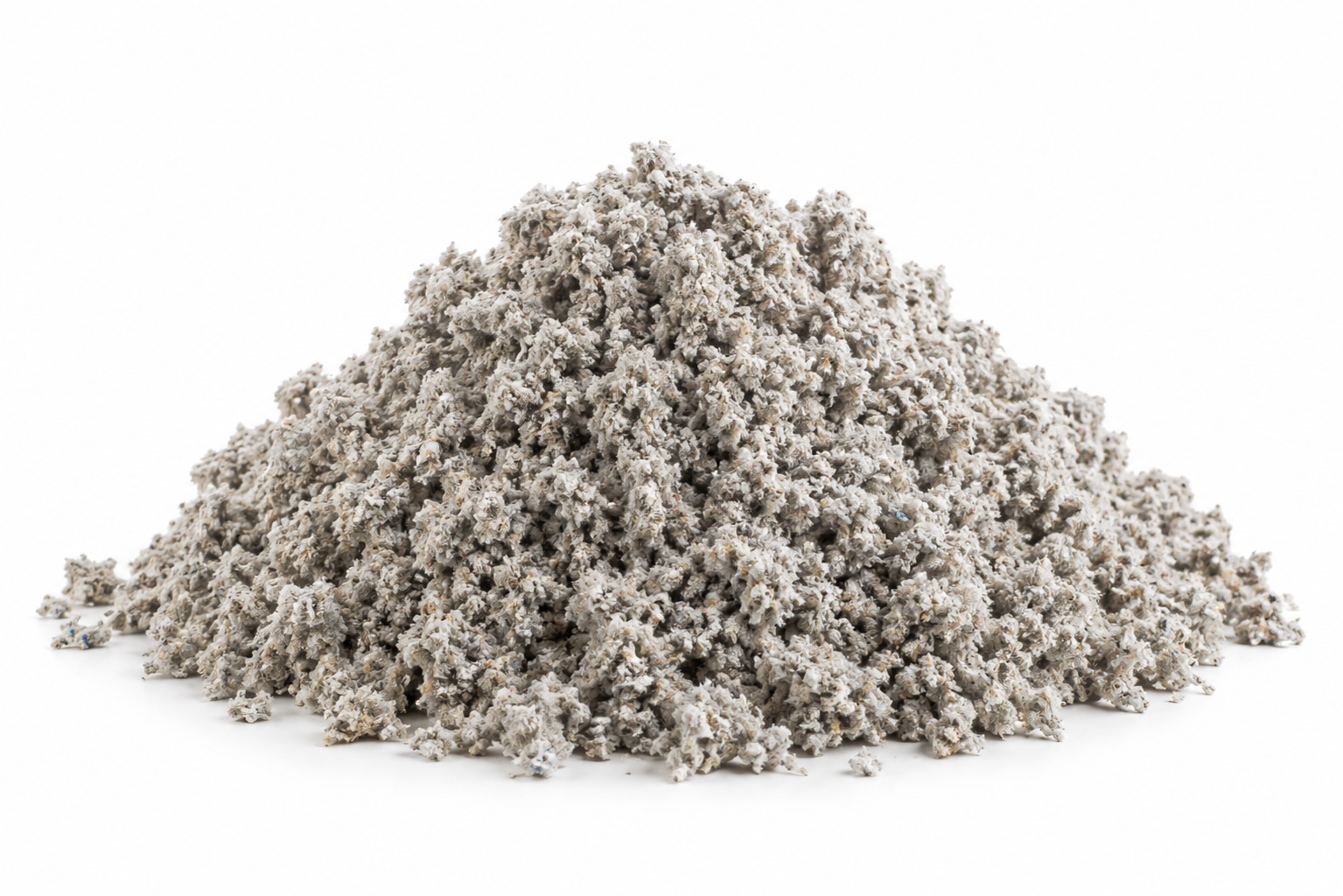 Attic Loose-Fill (Perlite)
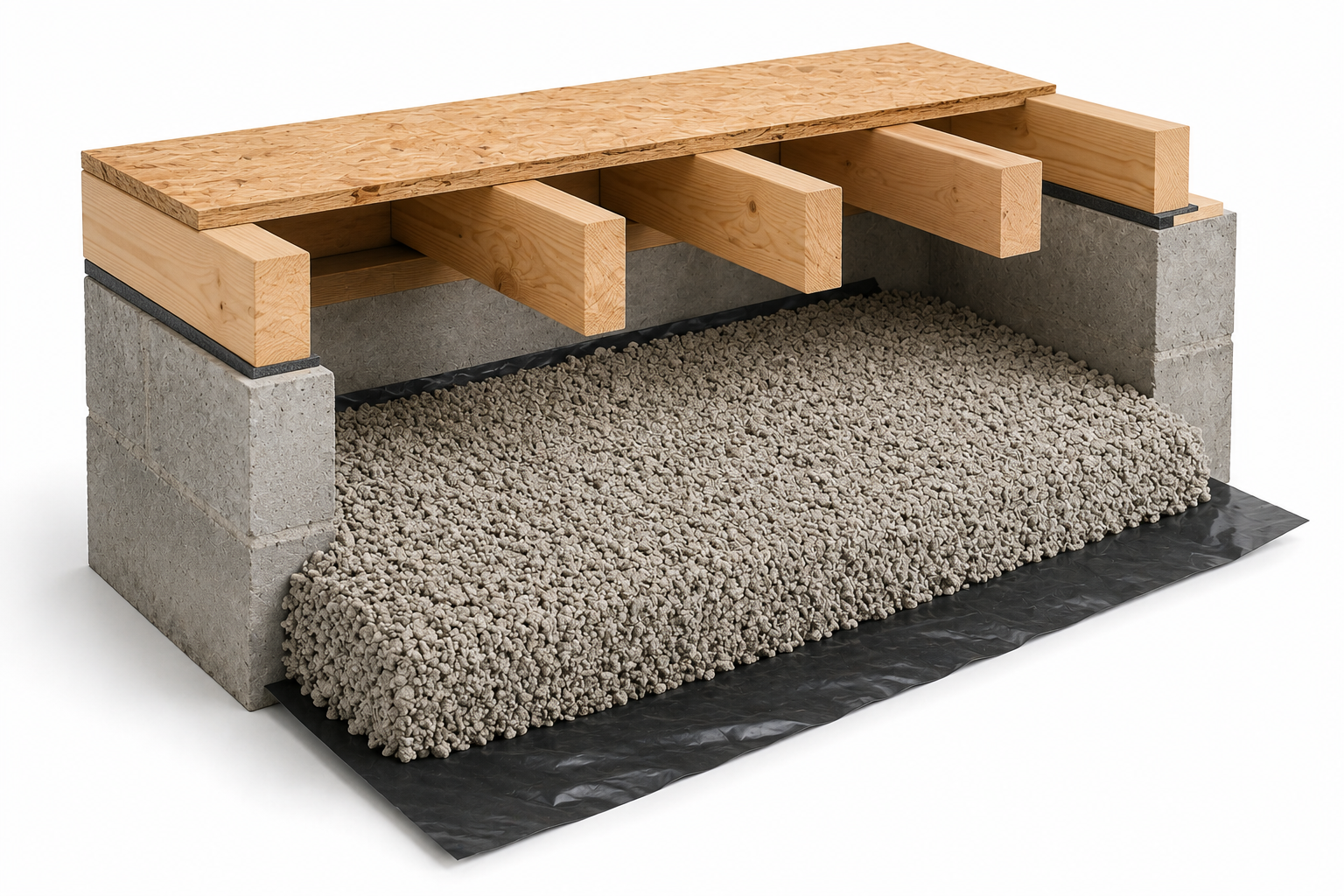 Crawlspace Floor Cover
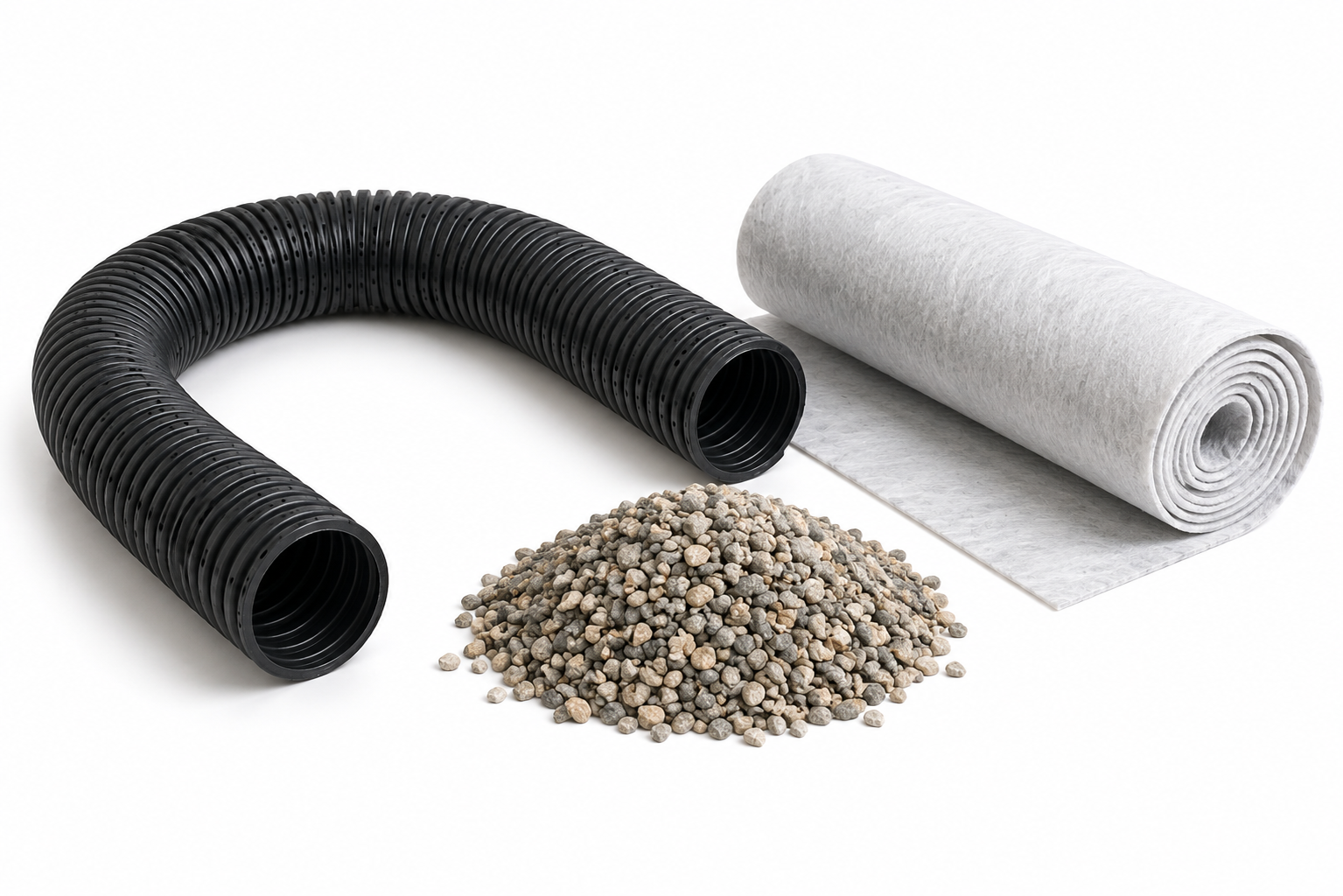 Drainage Layer (Foundation)
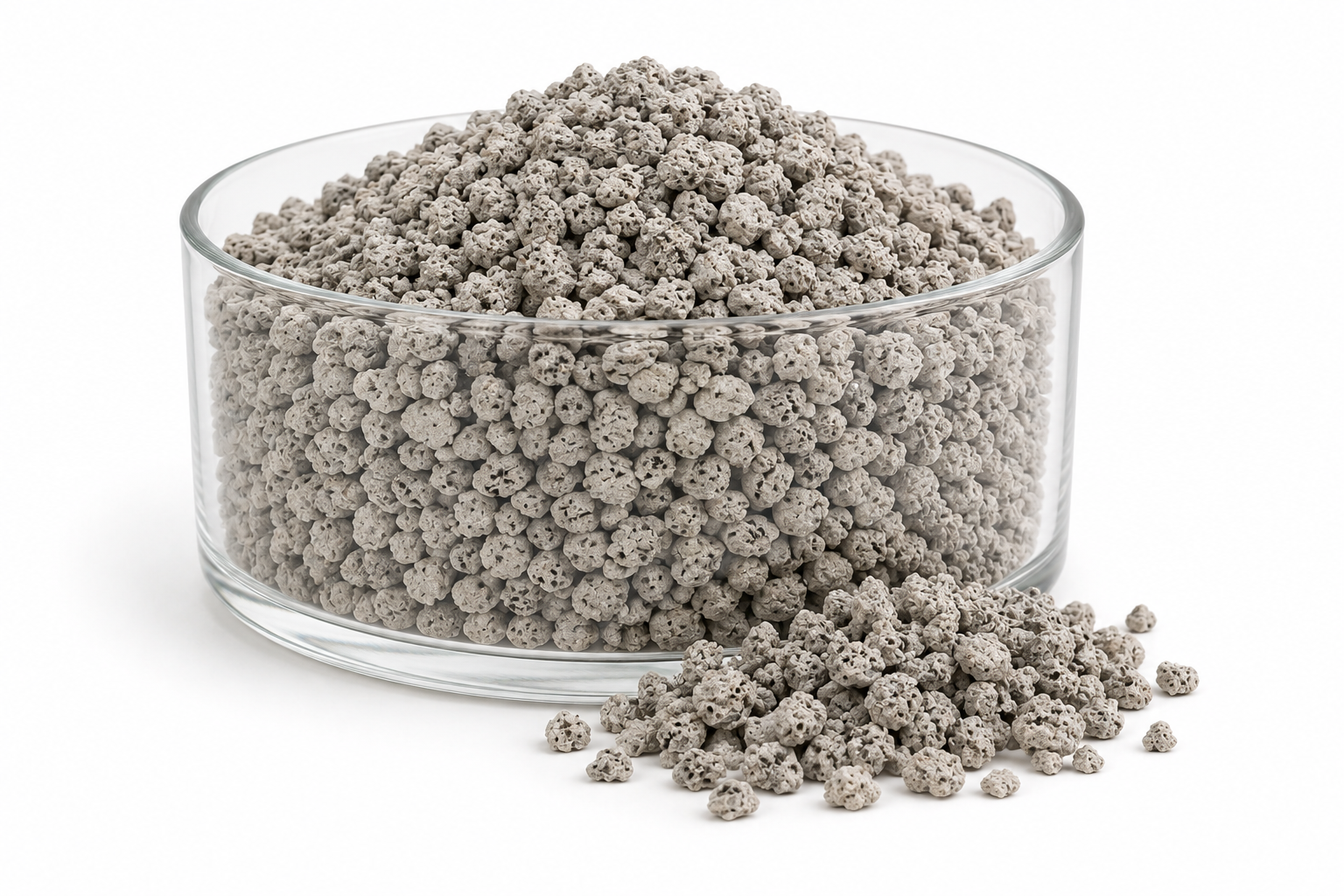 Lightweight Concrete Mix Aggregate
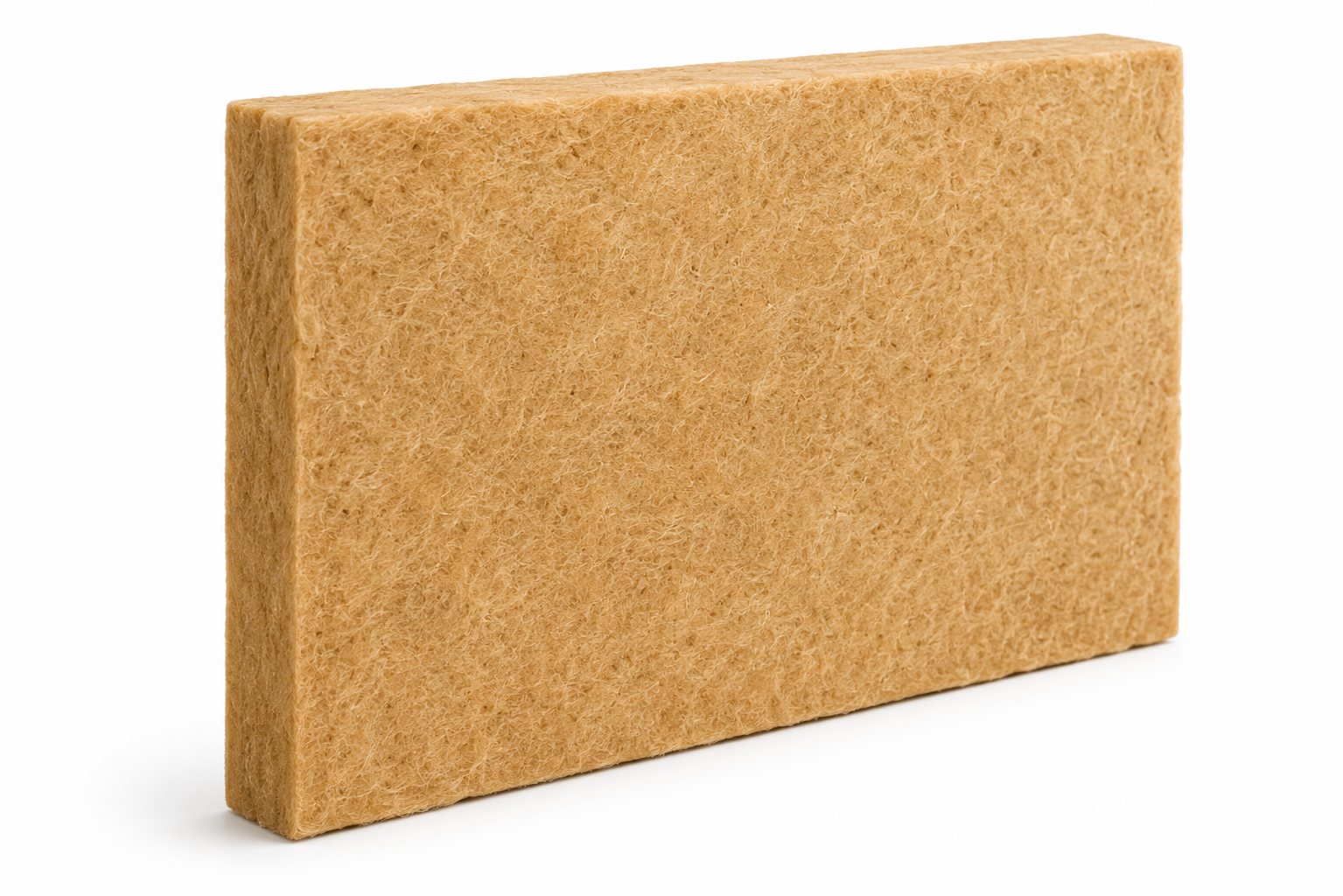 Loose-Fill Wall Cavity Insulation
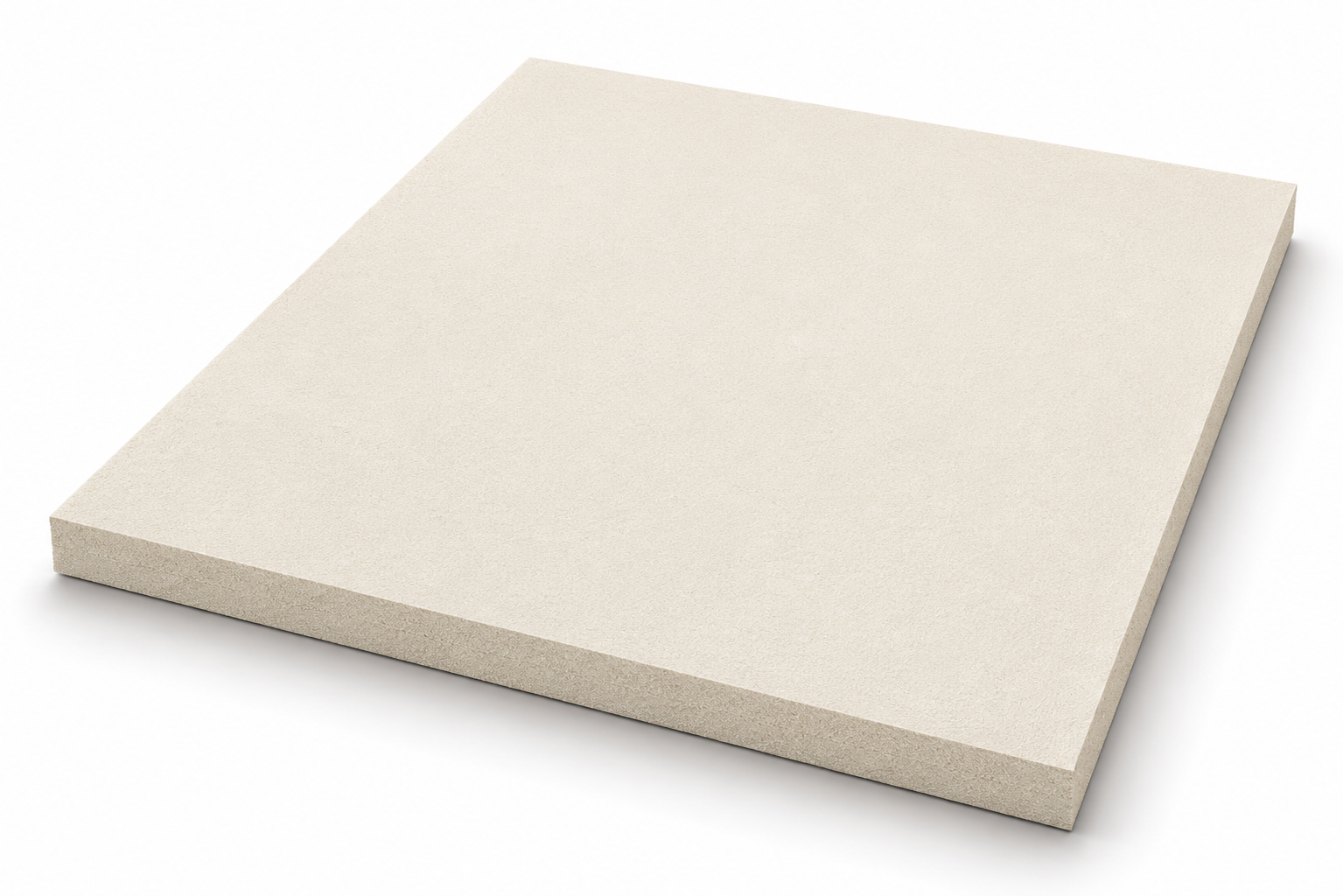 Sub-Slab Insulation Pour
Pumice & Volcanic Aggregate Insulation on a Bay Area Home
Pumice & Volcanic Aggregate Insulation earns its place in our assemblies. We design mold free homes by keeping water out and letting walls dry in both directions, and the materials have to cooperate with that — which is why this one is on the approved list and most of its competitors are not.
If you are planning a new house or a deep remodel and you want this level of material control, that is the whole job we do. Earth Bound Homes builds in Palo Alto, Atherton, Menlo Park and across the San Francisco Bay Area.
Related materials we specify
- Cellulose Insulation
- Cork Insulation
- Mineral Wool - Formaldehyde Free Only
- Recycled Glass / Cellular Glass Insulation