A completed single-family Passive House in the Bay Area, modeled in PHPP to climate zone 5 (San Jose) — engineered for tight airtightness, low heating demand, and healthy indoor air.
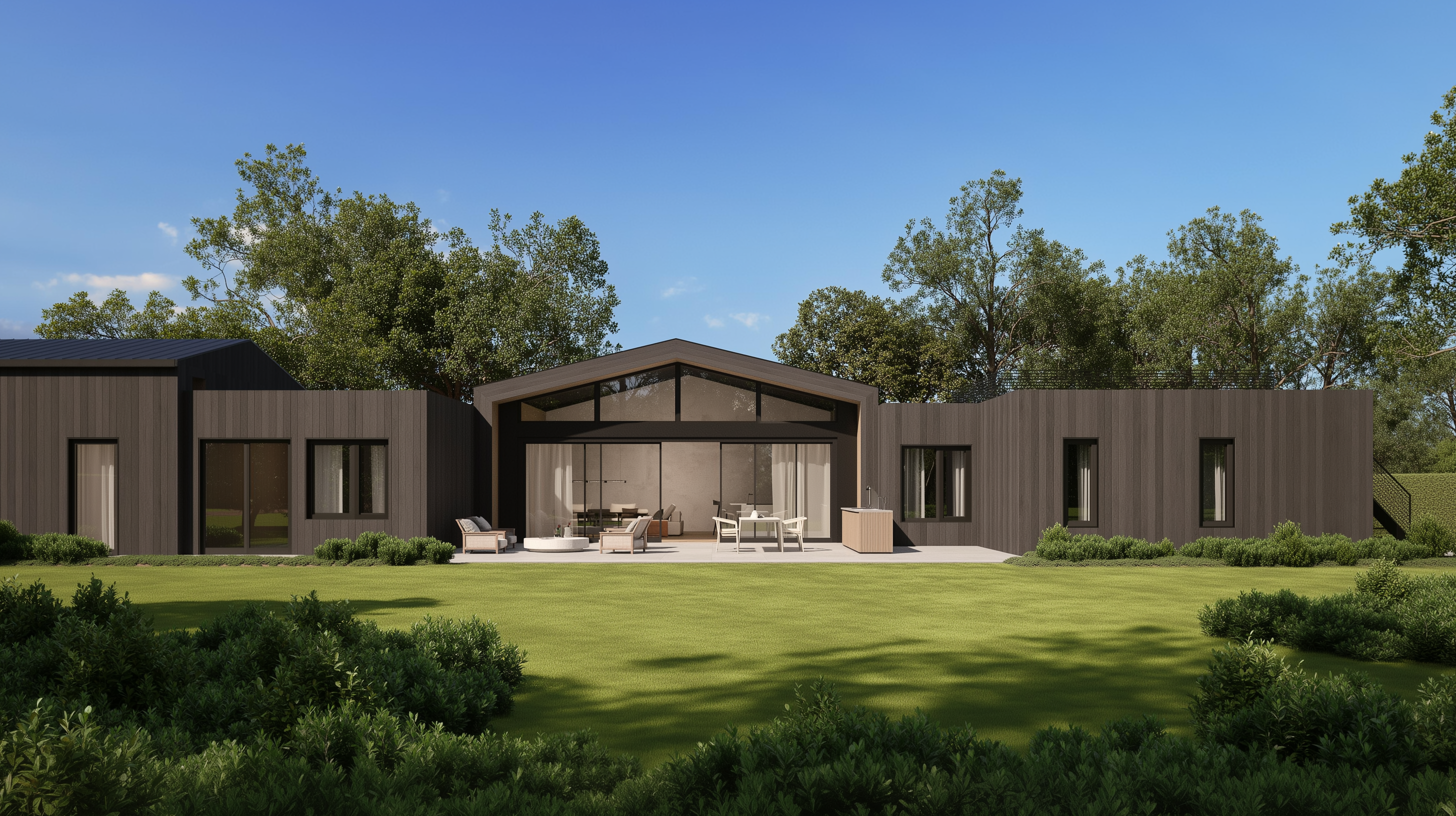
The Passive House Planning Package (PHPP) is the international energy-modeling standard developed by the Passivhaus Institut. The values below are the verified PHPP outputs against the Passive House criteria for climate zone 5 (Warm).
| Metric | Result | Criterion |
|---|---|---|
| Annual heating demand | 1.92 kBTU/(ft²·yr) | ≤ 4.76 kBTU/(ft²·yr) |
| Peak heating load | 2.32 BTU/(hr·ft²) | — |
| Metric | Result | Criterion |
|---|---|---|
| Cooling & dehumidification demand | 2.46 kBTU/(ft²·yr) | ≤ 4.76 kBTU/(ft²·yr) |
| Peak cooling load | 2.69 BTU/(hr·ft²) | — |
| Excessive humidity frequency (> 0.012 lb/lb) | 0 % | ≤ 10 % |
| Metric | Result | Criterion |
|---|---|---|
| Pressurization test (n50) | 0.6 1/hr | ≤ 0.6 1/hr |
| Metric | Result | Criterion |
|---|---|---|
| Non-renewable Primary Energy (PE) demand | 8.82 kBTU/(ft²·yr) | — |
| Primary Energy Renewable (PER) limit | — | ≤ 19.02 kBTU/(ft²·yr) |
| Metric | Value |
|---|---|
| Building type | Single-family residence |
| Treated floor area | 5,285 ft² (491 m²) |
| Climate zone | 5 — Warm (San Jose data) |
| Interior design temperature (winter) | 68 °F |
| Internal heat gains (heating case) | 0.70 BTU/(hr·ft²) |
| Specific capacity | 10.57 BTU/°F per ft² TFA |