Meet TCPP: The Organophosphate Flame Retardant
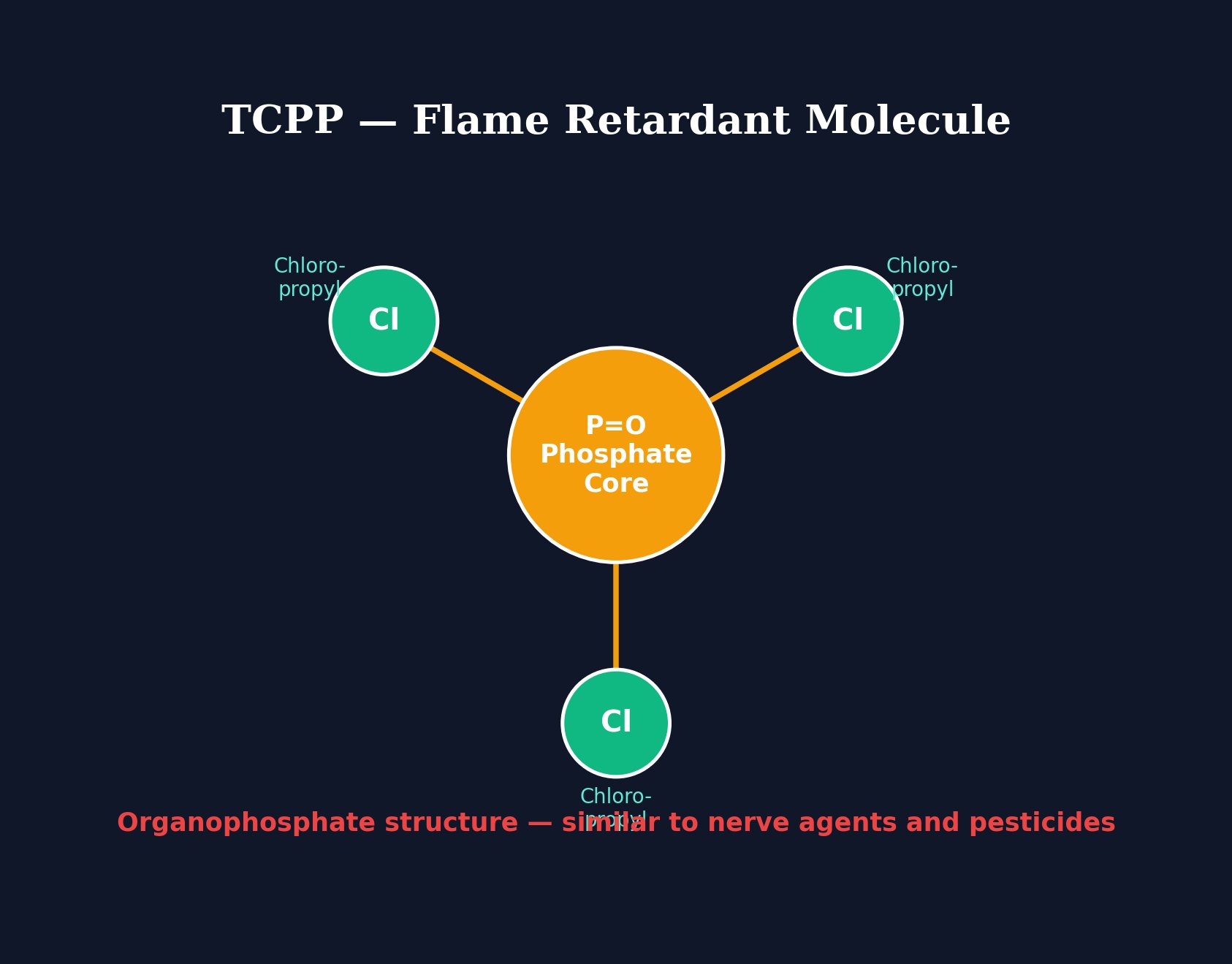
TCPP stands for Tris(1-chloro-2-propyl) phosphate. The chemical structure consists of a central phosphate core bonded to three chloro-propyl side chains. This organophosphate compound is added to spray foam insulation as a flame retardant—a chemical that slows or prevents combustion if the foam catches fire.
The connection to nerve agents and pesticides is direct and troubling: TCPP belongs to the same chemical family as organophosphate pesticides (like malathion and parathion) and chemical nerve agents (like sarin). The family is united by their mechanism: interference with acetylcholinesterase, the enzyme that breaks down the neurotransmitter acetylcholine. However, TCPP was chosen for foam use because its interference with this enzyme is less dramatic than in the military agents—severe poisoning requires higher doses. But lower-dose, chronic exposure still carries significant health risks.
In spray foam, TCPP comprises approximately 12% of the foam by weight. This means a typical spray foam installation—say 2,000 square feet of closed-cell foam with an average thickness of 3.5 inches—could contain 100+ pounds of TCPP. Over months and years, this chemical slowly off-gasses from the foam into the home's indoor air and dust.
How TCPP Gets Into Your Body: Three Pathways Over 18+ Months
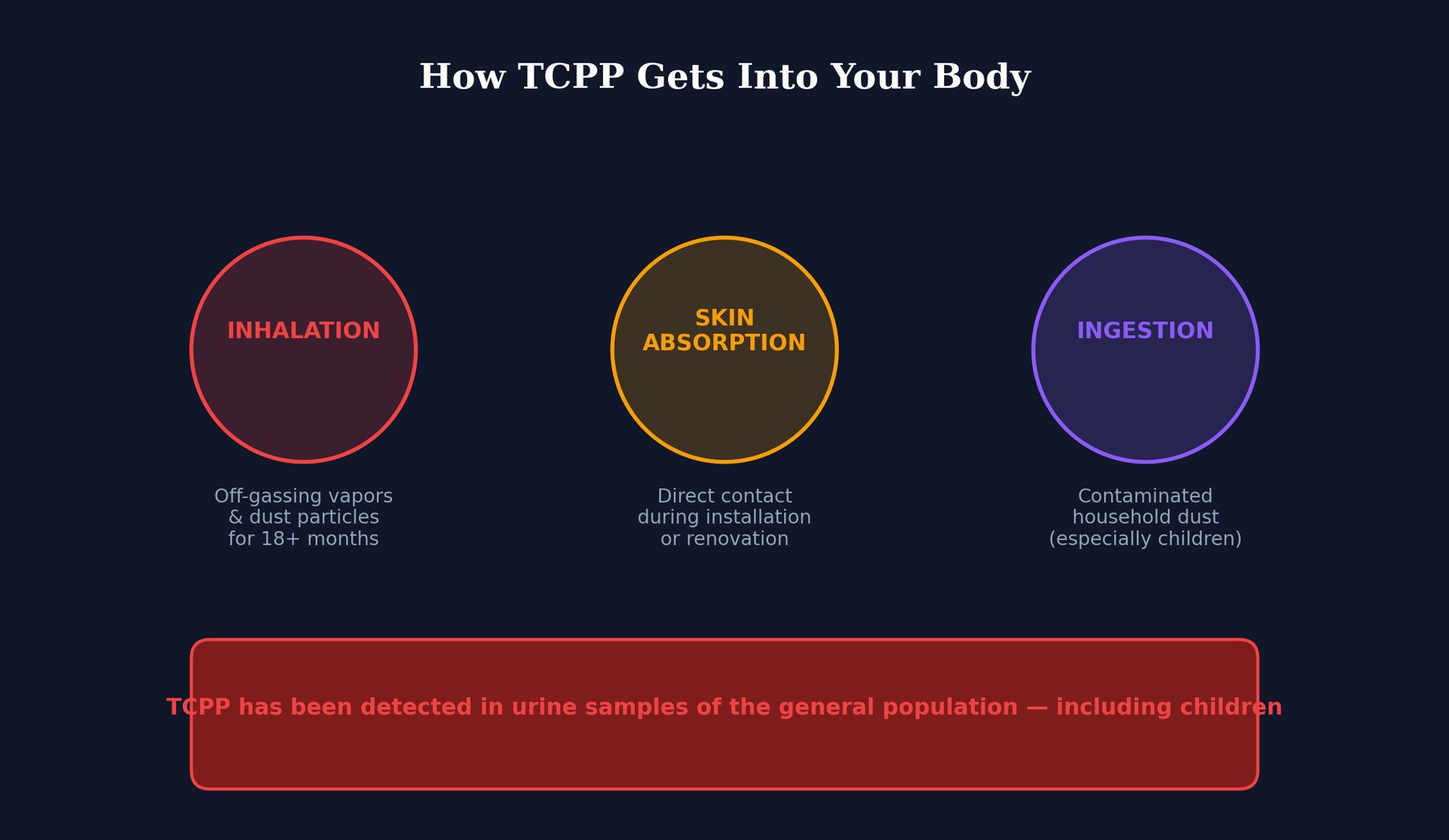
TCPP exposure in the home occurs through three separate routes, and the duration is alarmingly long—18 months or more of continuous exposure:
Inhalation: The Primary Route
TCPP off-gasses from the foam as vapor that enters the air you breathe. Additionally, TCPP adsorbs onto dust particles that become airborne. Every breath you take pulls TCPP vapors and contaminated dust deep into your lungs, where the chemical is absorbed into the bloodstream. Over weeks and months in a home with spray foam insulation, your cumulative inhalation exposure is substantial.
Skin Absorption
TCPP is lipophilic (fat-soluble), which means it readily penetrates skin. If TCPP-contaminated dust settles on skin, or if you come into contact with uncured foam or contaminated surfaces, the chemical absorbs through the skin barrier into the body.
Ingestion
TCPP settles in household dust—on surfaces, furniture, bedding, and food preparation areas. Children particularly are at risk because they have hand-to-mouth behaviors, directly transferring contaminated dust from hands to mouth. Even adults ingest trace amounts of TCPP through contaminated dust on food and surfaces. Over time, these ingested amounts accumulate.
Duration: 18+ Months
Unlike amine catalysts that off-gas over days to weeks, TCPP persistence is measured in months to years. Studies of homes with spray foam show elevated TCPP levels in air and dust for 18+ months after installation, with some homes showing continued elevation much longer. This means a family living in the home is undergoing continuous, multi-route exposure to TCPP for over a year and a half after installation.
General Population Exposure
TCPP metabolites (breakdown products of TCPP) have been detected in urine samples from the general population, including children. This indicates that even people without spray foam exposure are being exposed to TCPP from other sources (textiles, furniture, dust). But people in homes with spray foam insulation have substantially higher exposures than the general population.
Endocrine Disruption: How TCPP Alters Your Hormones
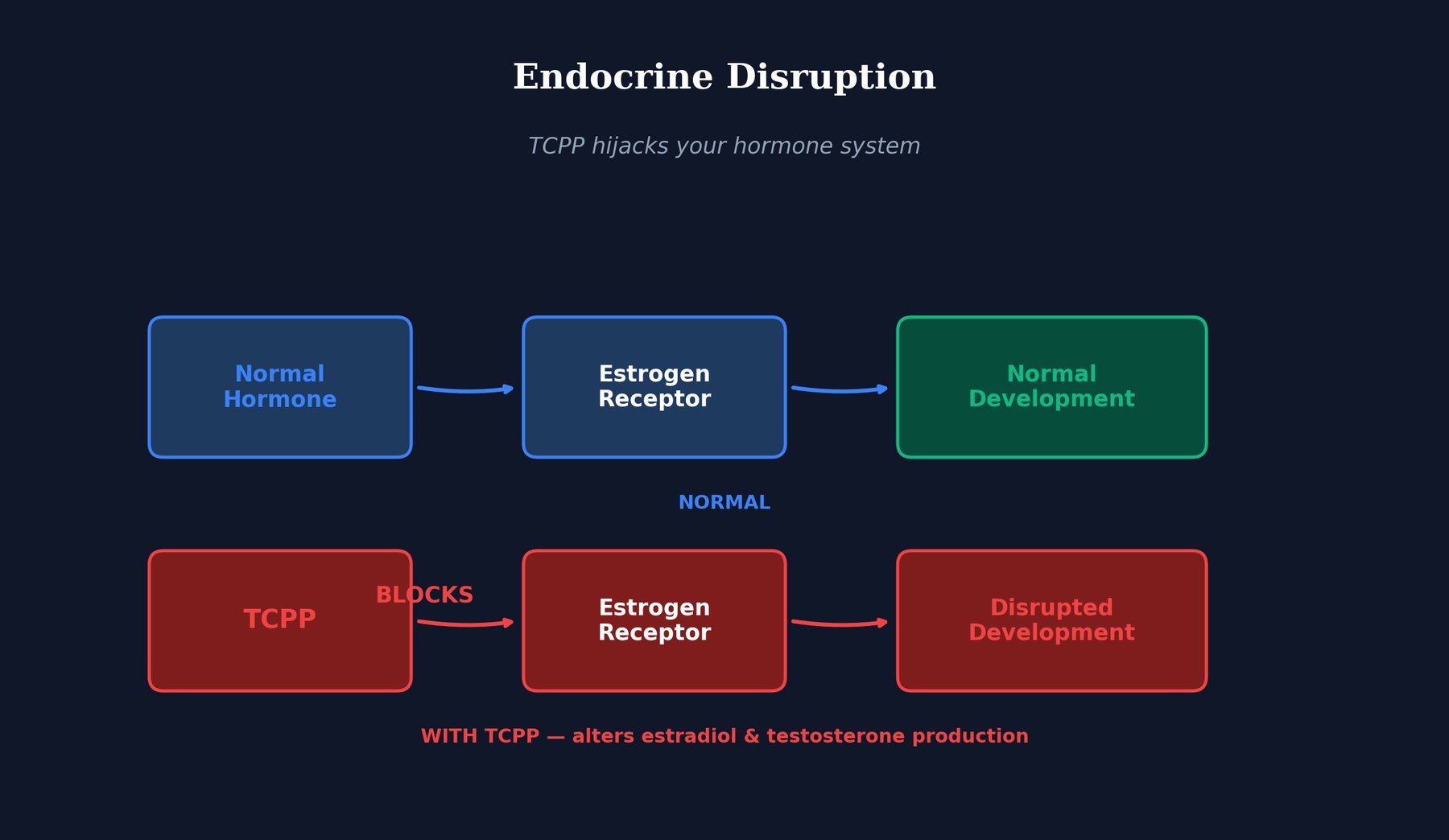
One of TCPP's most significant health effects is disruption of the endocrine system—the network of glands and hormones that regulate virtually every biological process.
Estrogen and Testosterone Interference
TCPP interferes with the production and action of estradiol (a primary form of estrogen) and testosterone. The mechanism involves direct effects on the enzymes that synthesize these hormones, as well as interference with hormone receptors—the cellular structures that recognize and respond to hormones. When TCPP disrupts these systems, estrogen and testosterone production can become abnormally high or low, and cells may not respond appropriately to whatever hormone levels are present.
Developmental and Reproductive Consequences
During childhood and adolescence, estrogen and testosterone are crucial for normal sexual development, bone development, and brain development. Even modest disruption of these hormones during critical developmental windows can cause permanent changes in reproductive anatomy, sexual function, brain organization, and behavior.
In adults, disrupted hormone signaling affects metabolism (increasing risk of obesity and metabolic syndrome), sexual function and fertility, bone health, and mood and behavior. Women of reproductive age exposed to TCPP may experience reduced fertility or adverse pregnancy outcomes due to altered hormone signaling.
Particular Risk for Pregnant Women and Children
Fetuses are exquisitely sensitive to endocrine disruption. If a pregnant woman is exposed to TCPP during pregnancy, the chemical crosses the placenta and disrupts fetal hormone systems. This can cause altered sexual development, reduced birth weight, and permanent changes in brain organization. Young children living in homes with spray foam are undergoing months of TCPP exposure during critical developmental periods when their endocrine systems are being established.
Multi-Organ Damage: The Systemic Effects of TCPP Exposure
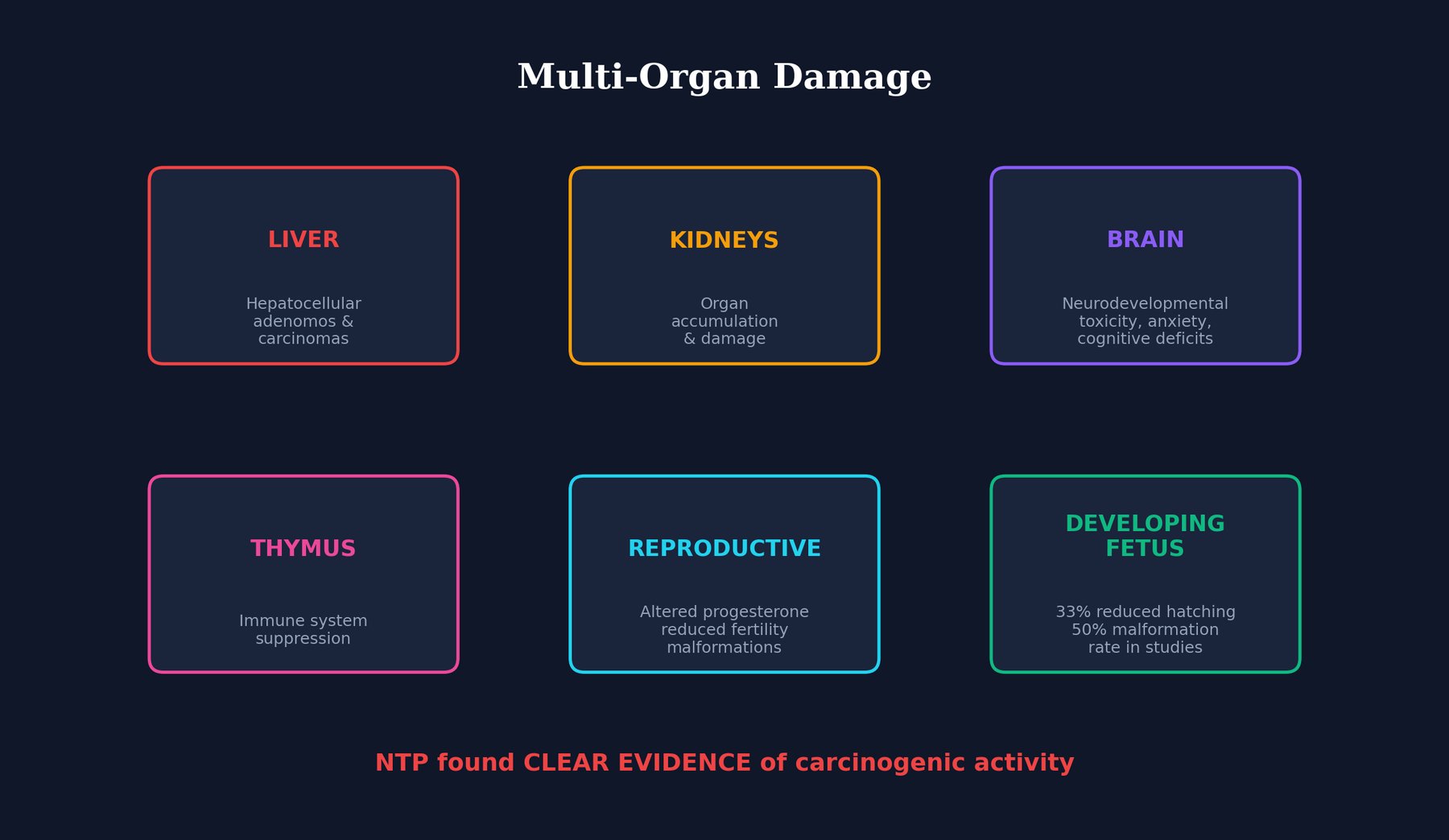
Beyond endocrine disruption, TCPP causes direct toxic effects in multiple organ systems:
Liver: Tumors and Carcinogenesis
The liver is the primary organ responsible for metabolizing (breaking down and detoxifying) foreign chemicals. When TCPP enters the body through inhalation, skin absorption, or ingestion, it accumulates in the liver and must be metabolized. Animal studies have shown that chronic TCPP exposure causes liver adenomas (benign tumors) and carcinomas (malignant cancers) in rodent models. While human epidemiological data are limited, the animal evidence suggests chronic exposure carries hepatic cancer risk.
Kidneys: Accumulation and Damage
TCPP accumulates in kidney tissue. Chronic exposure leads to kidney damage—reduced kidney function, inflammation, and structural changes. For individuals with existing kidney disease or for elderly individuals with age-related kidney decline, TCPP exposure could accelerate kidney disease progression.
Brain: Oxidative Stress, DNA Damage, and Neurotoxicity
TCPP crosses the blood-brain barrier and enters brain tissue where it causes oxidative stress (excess reactive oxygen species that damage cellular structures) and DNA damage. At high doses, these effects can cause neurotoxicity—direct damage to nerve cells. At lower doses, chronic exposure impairs neurodevelopment in children (learning disabilities, cognitive deficits, behavioral problems) and increases anxiety and mood disorders in exposed individuals.
Thymus: Immune Suppression
The thymus gland produces T cells, the immune cells crucial for fighting infections and preventing cancer. TCPP damages thymus tissue, reducing T cell production and impairing immune function. This means TCPP-exposed individuals may have reduced capacity to fight infections and reduced immune surveillance against cancer.
Reproductive Organs: Altered Function and Reduced Fertility
In both males and females, TCPP exposure causes direct effects on reproductive organs. In males, it can reduce sperm quality and testosterone production. In females, it alters progesterone (critical for pregnancy) and disrupts ovarian function. The result is reduced fertility in exposed individuals and increased risk of reproductive health problems.
Fetuses: Severe Developmental Effects
Animal studies show that fetal exposure to TCPP causes malformations at rates as high as 50% and reduces fetal viability by 33% or more. Exposed fetuses show reduced birth weight, developmental delays, and permanent organ changes. Human data are limited, but the animal evidence indicates that maternal TCPP exposure during pregnancy poses serious risk to fetal development.
National Toxicology Program Findings
The National Toxicology Program (NTP)—the gold standard for chemical safety assessment in the United States—conducted long-term animal studies of TCPP. Their conclusion: clear evidence of carcinogenic activity. This formal determination by the federal government's chemical safety agency indicates TCPP is a genuine cancer threat, not a theoretical concern.
What This Means for You
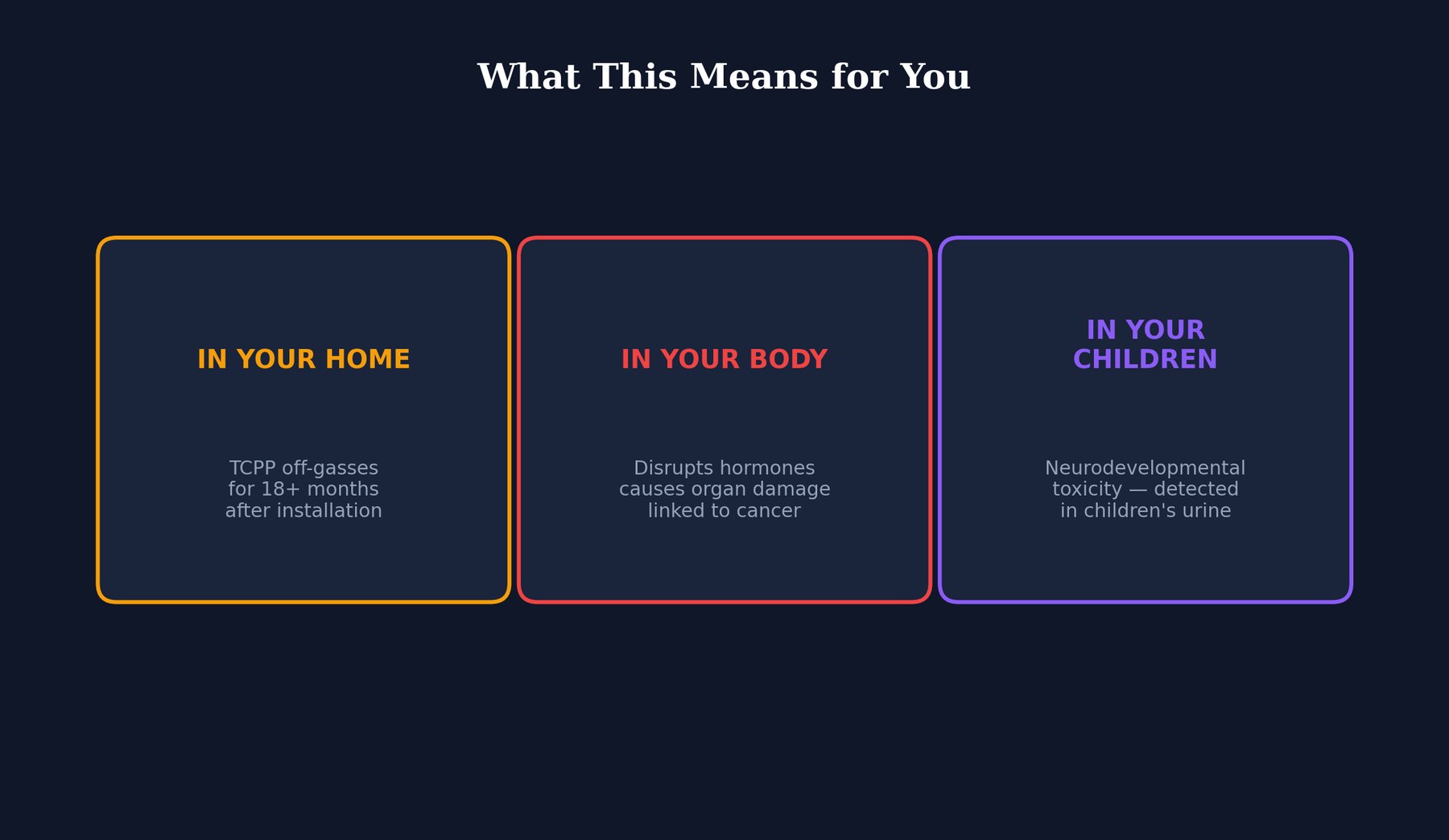
If you are considering spray foam insulation or currently live in a home with TCPP-containing foam, several critical points emerge:
Off-Gassing Is Long-Term: 18+ Months
This is not a problem that resolves after a few weeks. You will be exposed to TCPP for over a year and a half. If you live in the home long-term, you may accumulate significant total body burden of TCPP.
Multi-Route Exposure
TCPP exposure occurs through breathing, skin contact, and ingestion—you cannot fully avoid it through respiratory protection alone. All three routes must be considered.
Disrupts Hormones and Damages Organs
TCPP is not simply irritating—it actively disrupts the endocrine system and damages the liver, kidneys, brain, immune system, and reproductive organs. These are serious, systemic health effects.
Children and Pregnant Women at Highest Risk
If your family includes pregnant women or children, the risks of TCPP exposure are substantially higher due to vulnerability during critical developmental windows. Particularly for children spending most of their time in the home, 18+ months of continuous TCPP exposure during formative years carries significant health implications.
Ventilation and Air Purification Help
While you cannot eliminate TCPP exposure from foam in your walls, you can reduce it by:
- Maintaining excellent home ventilation, particularly in spaces above the foam
- Using high-quality air filtration systems (HEPA filters trap some TCPP dust)
- Regular cleaning and dust removal to minimize ingestion route
- Avoiding unnecessary time in spaces directly adjacent to spray foam insulation
Consider Alternatives
If you are planning insulation, consider foam formulations without TCPP (if available in your region) or alternative insulation materials (fiberglass, mineral wool, cellulose) that do not contain organophosphate flame retardants.
Monitor Your Family's Health
If you live in a home with spray foam, monitor for symptoms of hormonal disruption, particularly in children and pregnant women. Report any health changes (delayed puberty, infertility, behavioral changes, learning problems) to your healthcare provider, mentioning the spray foam exposure.
Sources & References
- National Toxicology Program: TCPP Carcinogenicity Assessment
- EPA TCPP Assessment and Risk Evaluation
- European Chemicals Agency: TCPP Hazard Assessment
Built This Way in the Bay Area
We publish our building-science research because the industry does not. If you are weighing these trade-offs for a real project in the Bay Area, we do this work for a living.
If you are planning a new home or a deep remodel and want it built to this standard, we are happy to talk it through. Earth Bound Homes builds in Palo Alto, Menlo Park, San Mateo County and across the San Francisco Bay Area.